
Introduction: The Foundation You’re Standing On
The deck of a fishing boat is one of the most unforgiving surfaces in the outdoor world. It’s hard. It’s flat. It doesn’t flex or absorb impact the way soil or even pavement does. Every step, every brace against a wave, every hour of standing and casting transmits force directly through the soles of your feet and up into your ankles, knees, and lower back. The cumulative toll of a long day on the water isn’t just fatigue—it’s micro-trauma to the joints and soft tissues that support your entire body.
Most anglers address this by choosing the right boot. They research waterproofing, traction, and insulation. They compare brands and read reviews. But they overlook the single component that has the greatest impact on all-day comfort: the insole. That thin layer of foam inside your boot is the only thing standing between your skeleton and a surface that offers zero forgiveness. If it’s inadequate, even the most expensive, well-engineered boot will leave you aching by noon.
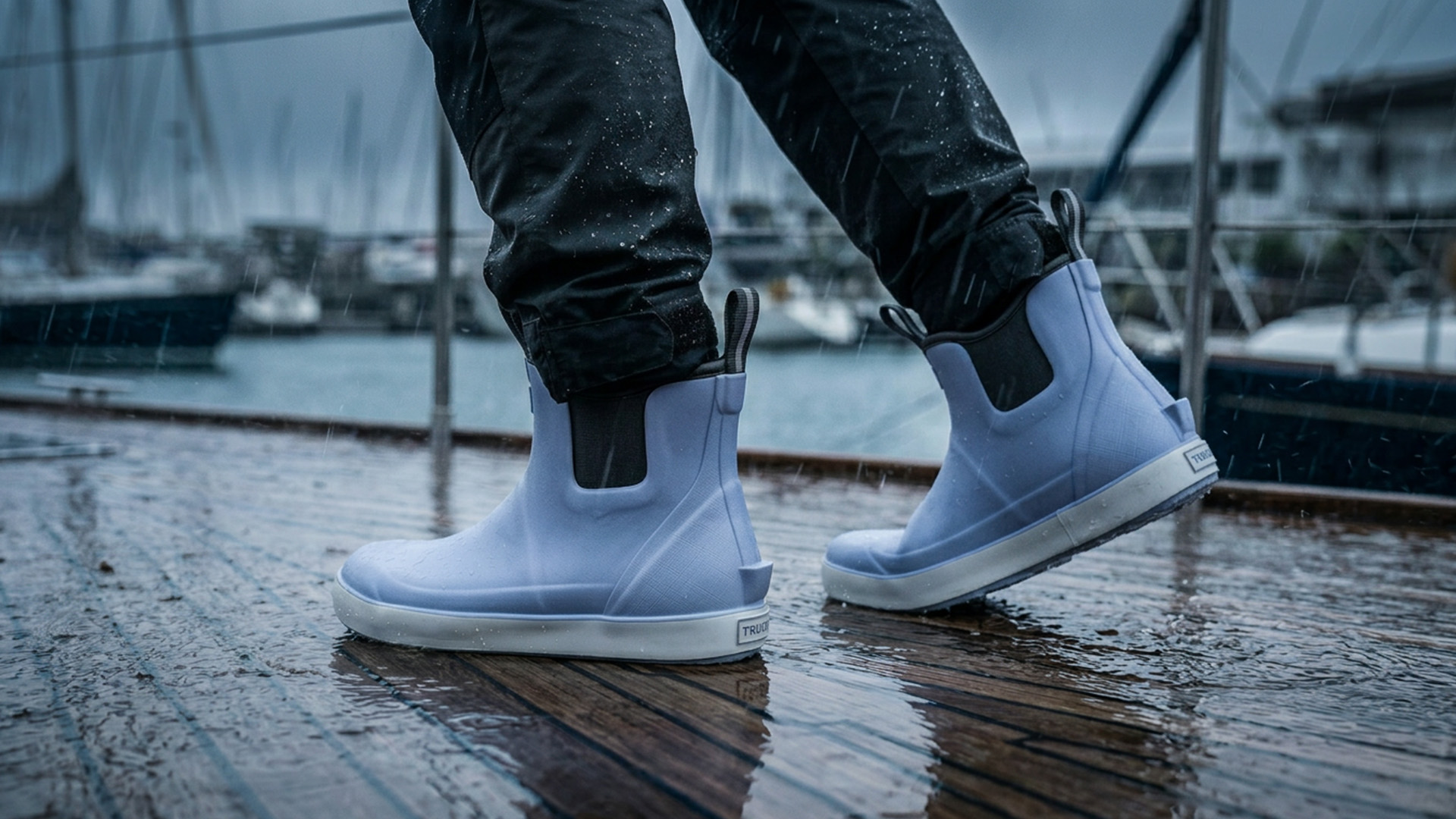
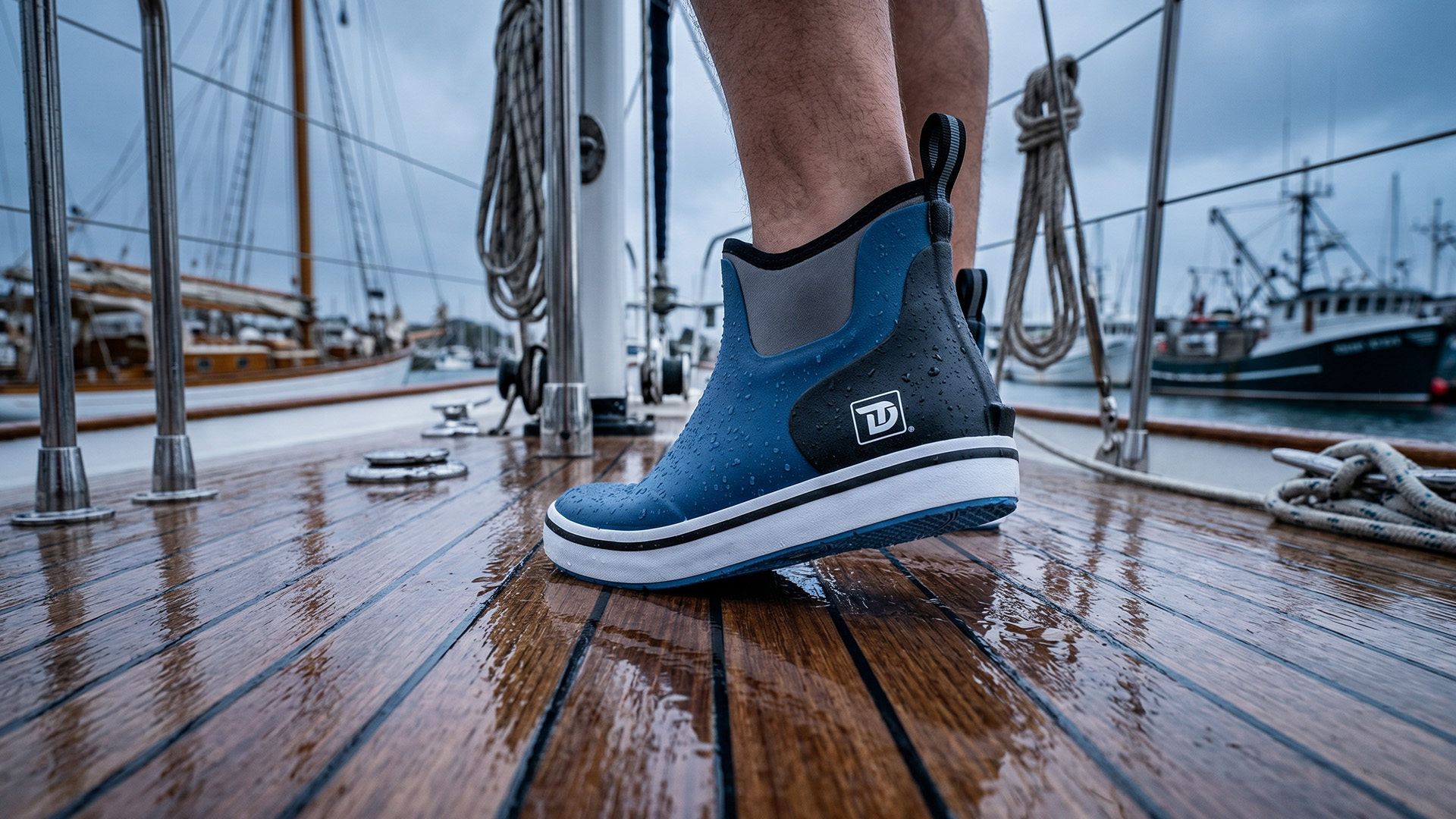
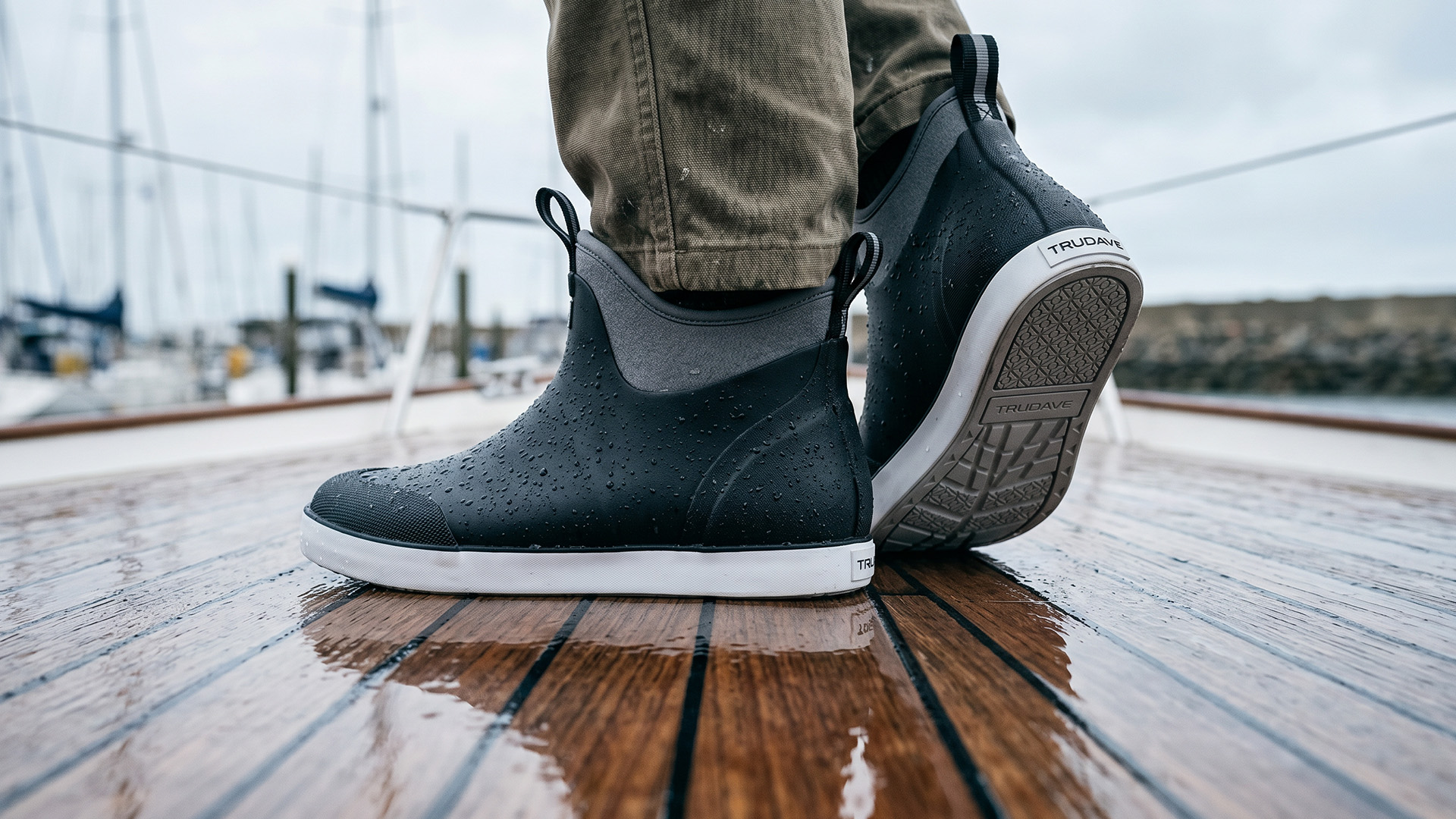
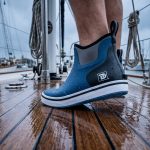
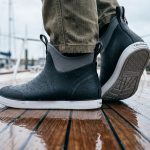
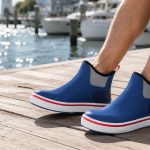
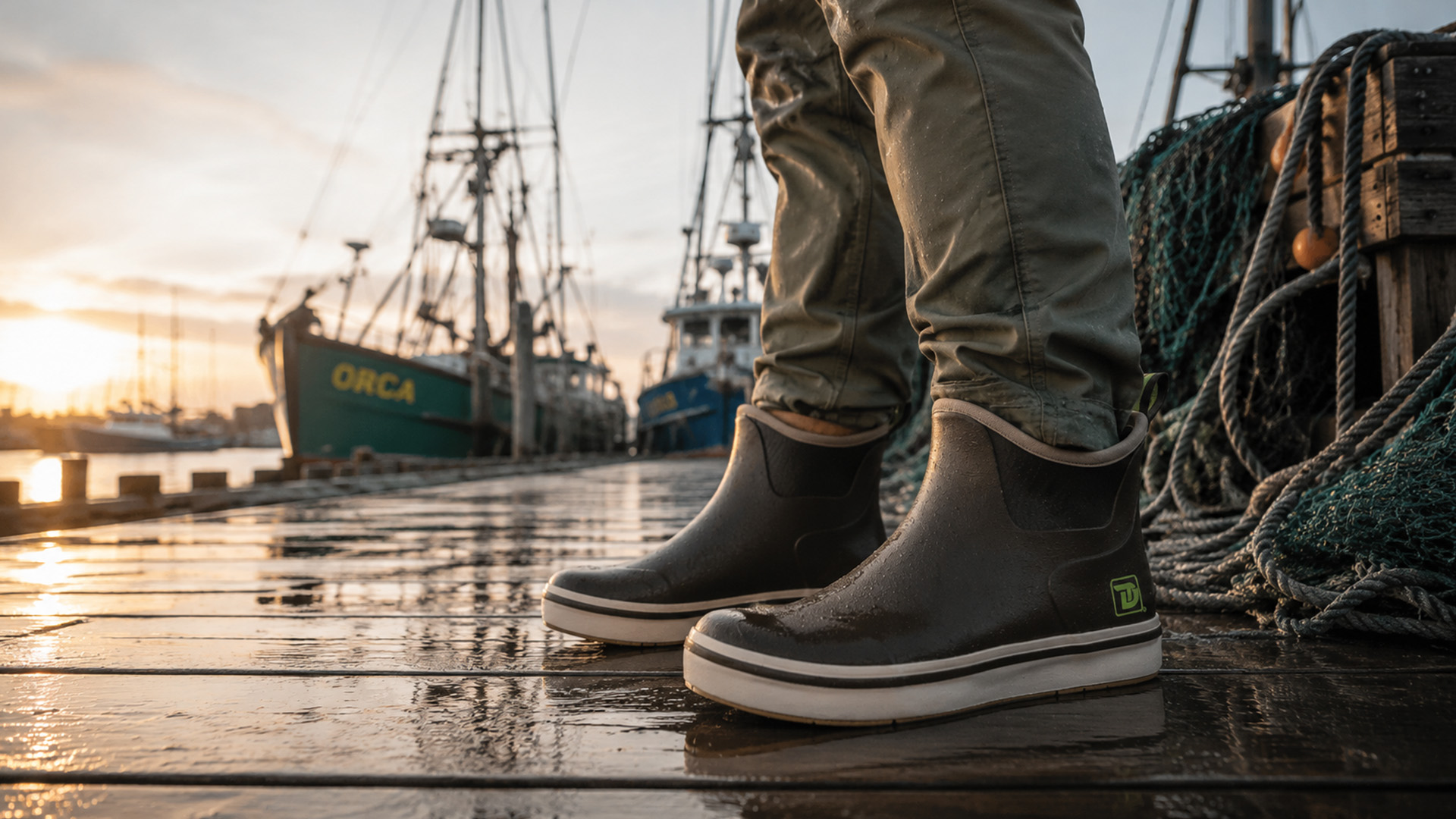
Trudave Gear builds its deck boot lineup—the insulated WaveLock, the lightweight DeckFlow, and the heavy-duty AquaGuard—with removable EVA insoles. This is not a cost-saving measure. It’s a deliberate design choice that acknowledges a simple truth: no two anglers’ feet are alike. The stock insole provides a solid baseline of cushioning and support, but it’s designed for the “average” foot—and almost nobody has average feet. Your arches may be higher or flatter. Your heels may be narrower or wider. You may carry more weight, stand for longer hours, or have a history of foot pain that demands specialized support.
The removable insole transforms your Trudave deck boots from a fixed-fit product into a customizable platform. By upgrading your insoles, you can eliminate arch fatigue, reduce impact on your knees and lower back, prevent the heel slip that causes blisters, and extend the comfortable wear time of your boots by hours—sometimes by an entire shift. This guide will walk you through everything you need to know: how to tell when your stock insoles are done, what makes the Trudave ToughCush upgrade different, how to choose the right insole for your foot type and fishing style, and how to install, trim, and maintain your insoles for maximum longevity.
1. How to Know When Your Stock Insoles Need Replacing
The EVA (ethylene-vinyl acetate) insoles that come standard in every pair of Trudave deck boots are engineered to provide a solid baseline of comfort. EVA is a lightweight, closed-cell foam that absorbs shock, resists moisture, and returns energy with each step. When you first pull on a new pair of WaveLocks or DeckFlows, the stock insoles feel cushioned and supportive—because they are.
But EVA foam has a lifespan. Under the repeated compression of your body weight, the foam cells begin to collapse. The cushioning under your heel and the ball of your foot—the two areas that bear the most weight—becomes less resilient with every hour of wear. The moderate arch support flattens further. You may not notice the decline day to day, but by the end of a busy fishing season, your feet, knees, and back are sorer than they were in the spring, and you’re not entirely sure why.
Here are the telltale signs that your stock insoles are ready for replacement:
- Visible Compression: Take the insoles out of your boots and place them on a flat surface. Look at the heel and the ball of the foot. If you see deep indentations where your foot presses down—especially if the foam looks crushed or flattened compared to the surrounding areas—the cushioning is gone from those zones.
- The Press Test: Press your thumb firmly into the heel area of the insole. The foam should feel resilient and spring back quickly. If your thumb leaves a lasting dent, or if the foam feels hard and unresponsive, it has compacted and is no longer absorbing shock.
- Return of Foot Pain: If you’ve been wearing your Trudave boots comfortably for months and suddenly notice arch pain, heel soreness, or a hot spot on the ball of your foot that wasn’t there before, the insole has likely packed out and is no longer supporting your foot.
- Persistent Odor: EVA foam has natural antimicrobial properties, but over time, sweat and bacteria can penetrate the surface. If your insoles smell even after airing them out, the material has likely been compromised and should be replaced.
A good rule of thumb for the dedicated angler or dock worker is to replace your insoles every 300 to 500 hours of hard use, or roughly once per season for those who fish multiple times a week. If you wear your boots daily for commercial work, you may need to replace them every three to four months. The cost of a new insole is a fraction of the cost of a new boot, and the improvement in comfort is immediate and dramatic.
2. The ToughCush Upgrade: Trudave’s Answer to Arch Support and All-Day Standing
For anglers who need more support than the stock insole provides—or whose stock insoles have simply reached the end of their life—Trudave developed the ToughCush Comfort Insole. It’s a direct, drop-in upgrade designed to fit seamlessly into the WaveLock, DeckFlow, and AquaGuard without requiring a size adjustment or altering the boot’s waterproof integrity.
The ToughCush is built around three key features that directly address the most common sources of foot pain among anglers and dock workers.
First, the arch support is more pronounced and ergonomically contoured than the stock insole. The arch is reinforced with a denser, more resilient foam that resists collapse under load. When you’re standing on a hard deck for hours, your plantar fascia—the band of tissue that runs along the bottom of your foot—is under constant tension. Without adequate support, it becomes inflamed and painful, a condition known as plantar fasciitis. The ToughCush’s arch support keeps the plantar fascia in a neutral, relaxed position, reducing strain and preventing the sharp heel pain that can make every step miserable.
Second, the heel cup is deeper and more structured than the stock insole. A deep heel cup cradles the calcaneus (heel bone) and prevents it from shifting laterally inside the boot. This is particularly important on a pitching deck, where your feet are constantly making micro-adjustments to maintain balance. A stable heel reduces friction against the boot’s interior lining—a primary cause of blisters—and improves overall stability, which can mean the difference between a secure stance and a slip at the rail.
Third, the shock-absorbing heel pad is made from a high-density polyurethane that dissipates impact forces before they travel up the kinetic chain to your knees, hips, and lower back. Every time your heel strikes the deck—whether you’re walking across the cockpit or bracing against a wave—that impact travels through your body. Over the course of an 8- or 12-hour day, the cumulative effect is significant. The ToughCush heel pad absorbs a meaningful portion of that impact, reducing next-day soreness and long-term wear on your joints.
The ToughCush insole is slightly thicker than the stock insole, which has a useful side effect: it takes up a small amount of internal volume inside the boot. For anglers with narrow or low-volume feet, this improves the fit and reduces the heel slip that can occur in Trudave’s intentionally roomy toe box. If you have wide feet or typically wear thick socks, you may prefer the slightly thinner stock insole to maintain maximum interior space. The ToughCush can be trimmed with a pair of scissors for a perfect fit—simply trace the outline of your stock insole onto the ToughCush and cut carefully.
3. Beyond ToughCush: Orthotics and Specialized Insoles for Problem Feet
The ToughCush is an excellent upgrade for most anglers, but some feet demand even more specialized support. Because every Trudave deck boot features a removable insole, you can substitute virtually any aftermarket insole—from off-the-shelf orthotics to custom-molded medical devices—without compromising the boot’s waterproof shell.
For Plantar Fasciitis: Anglers who suffer from the sharp, stabbing heel pain of plantar fasciitis need an insole with a rigid arch support and a deep, cushioned heel cup. Brands like Superfeet (the green model) and Powerstep offer insoles specifically engineered to reduce strain on the plantar fascia. These insoles are firmer than the ToughCush and may feel uncomfortable for the first few wears, but they can make fishing possible for those who would otherwise be sidelined by foot pain.
For Flat Feet (Pes Planus): A flat foot collapses inward with every step, a motion called overpronation. This strains the arch and the posterior tibial tendon. The best insole for flat feet provides a moderate, semi-rigid arch support that prevents overpronation without creating a painful pressure point. The ToughCush can work well here, as can insoles with a lower arch profile like the Superfeet Berry. Avoid insoles with a high, aggressive arch, which will feel like a golf ball lodged under your foot.
For High Arches (Pes Cavus): A high-arched foot is rigid and doesn’t absorb shock well. It needs an insole with a high arch that makes full contact with the midsection of the foot, plus substantial cushioning under the heel and ball to absorb impact. The ToughCush’s pronounced arch and shock-absorbing heel pad make it one of the best off-the-shelf options for high-arched anglers. For even more cushioning, consider a dual-layer insole with a gel or polyurethane heel insert.
For Cold-Water Fishing: If you’re fishing in cold conditions—winter sheepshead, early-spring stripers, or year-round in the Pacific Northwest—an insulated insole can add a final thermal barrier between your foot and the cold deck. Some insoles incorporate a reflective foil layer that bounces body heat back toward the foot, while others use wool felt for natural insulation. These insoles are typically thicker, so ensure your boots have enough internal volume. The WaveLock’s insulated lining already takes up some space, so you may need to size up if you add a thick insulated insole.
The Layering Question: In some cases, anglers want to layer a thin cushioned insole on top of an orthotic for extra comfort. Be cautious with this approach. Layering insoles raises your foot inside the boot, which can cause heel slip, toe pressure against the top of the boot, or a feeling of instability. If you need more cushioning than your orthotic provides, look for a single insole that combines both features rather than doubling up.
4. Matching Your Insole to Your Fishing Style
The right insole for an offshore stand-up angler is not necessarily the right insole for a kayak angler. Activity level, boat type, and the amount of time you spend on your feet all influence the choice.
The Offshore Angler (WaveLock / AquaGuard): You’re standing on a hard fiberglass or steel deck for 8 to 14 hours, bracing against the boat’s motion, and carrying heavy gear. You need maximum shock absorption and a stable, supportive arch that doesn’t collapse. The ToughCush is an excellent choice here, as is a dual-density orthotic with a firm arch and a cushioned heel. Your insole should prioritize impact reduction and fatigue prevention above all else.
The Inshore Sight-Fisherman (DeckFlow / WaveLock): You’re on your feet but constantly moving—poling, casting, climbing on and off the platform. You need an insole with dynamic arch support that adapts as your foot flexes, plus good moisture management for the heat. The stock EVA insole actually performs well in this scenario because it’s thinner and more breathable than the ToughCush. If you need more support, a lightweight orthotic with ventilation holes is the way to go.
The Kayak Angler (DeckFlow / WaveLock): You’re sitting for long periods with your legs extended, then hopping out to wade or launch from muddy banks. Your insole needs to provide comfort in a static position and grip when you’re moving. A medium-cushion insole that doesn’t raise your foot too high inside the boot is ideal—you want to maintain ground feel and stability. The ToughCush can work here if trimmed carefully, but its extra thickness may make the boot feel snug when your feet swell from sitting.
The Commercial Deckhand (AquaGuard): Your boot is a piece of safety equipment, and your insole should be treated the same way. You’re on a steel deck for 14-hour shifts, exposed to diesel, hydraulic fluid, and the constant impact of heavy gear. You need an insole that is durable, chemical-resistant, and provides maximum support. The ToughCush is built for this, but some commercial fishermen prefer a custom-molded orthotic that’s specifically fitted to their feet. The AquaGuard’s generous interior volume accommodates most orthotics without requiring a size adjustment.
The Multi-Boot Angler: If you rotate through different Trudave boots across the season—WaveLocks for cold mornings, DeckFlows for warm afternoons—consider investing in a single pair of high-quality insoles that you can transfer between boots. The ToughCush, for example, can be pulled from your WaveLocks and dropped into your DeckFlows in seconds. Just remember to remove and air out the insoles after each trip to prevent moisture buildup.
5. Installation, Trimming, and Break-In
Installing an aftermarket insole in your Trudave boots is straightforward, but a few small details make a big difference in fit and comfort.
Trimming for a Perfect Fit: Most aftermarket insoles come in a full-size range and require trimming to fit your specific boot. The best way is to use the stock Trudave insole as a template. Remove it from the boot, place it on top of the new insole with the heels aligned, and trace the outline with a pen or a sharp pencil. Cut slightly inside the line—you can always trim more if the insole bunches at the edges, but you can’t add material back. Once trimmed, insert the insole into the boot and check for any curling along the sides. A properly trimmed insole lies completely flat against the boot’s interior with no gaps or bunching.
Break-In Period: A high-quality orthotic insole, especially one with a rigid arch support, may feel unfamiliar or even uncomfortable for the first few wears. This is normal. Your feet have likely been under-supported for years, and the muscles and ligaments need time to adapt to proper alignment. Start by wearing the upgraded insoles for short trips—a couple of hours at a time—before committing to a full day on the water. Gradually increase wear time over one to two weeks. If sharp pain persists beyond this adjustment period, the insole’s arch profile may not match your foot type, and you should consider a different model.
Layering Caution: As mentioned earlier, avoid the temptation to layer a cushioned insole on top of an orthotic. This raises your foot inside the boot and can cause heel slip, toe pressure, and a feeling of instability on a pitching deck. If you need more cushioning than your orthotic provides, shop for a single insole that combines both arch support and impact absorption in one unit.
6. Care and Replacement: Making Your Insoles Last
Insoles are a wear item, not a permanent component. Even the best EVA or polyurethane foam will eventually compress and lose its supportive properties. Proper care extends their life, but it doesn’t make them immortal.
Daily Care: Remove your insoles from your boots after every trip. This allows both the insole and the boot interior to dry completely, preventing the moisture buildup that breeds odor-causing bacteria and accelerates foam breakdown. If the insoles are visibly dirty—mud, fish slime, salt residue—hand-wash them with mild soap and lukewarm water, then air dry completely before reinserting. Never put insoles in a washing machine or dryer. Never dry them with direct heat—a radiator, a campfire, or direct summer sun—as heat breaks down foam cells rapidly.
When to Replace: As a general guideline, replace your insoles every 300 to 500 hours of hard use, or once per season for the dedicated angler who fishes multiple times a week. Signs that it’s time for a replacement include visible flattening of the arch, cracks or tears in the foam, a persistent odor that doesn’t go away after cleaning, and the return of foot pain that the insoles had previously resolved. If you’re unsure, try the thumb-press test: press your thumb firmly into the heel area. If the foam doesn’t spring back quickly, it’s done.
For the ToughCush specifically: Trudave recommends wiping the insoles with a damp cloth and mild soap, then air drying in a shaded area. The antimicrobial treatment in the foam helps control odor, but regular airing out is still essential. The ToughCush is compatible with all Trudave deck boot models—WaveLock, DeckFlow, and AquaGuard—as well as most other work boots and outdoor footwear.
Conclusion: The Small Upgrade That Transforms Your Day
The difference between a good day on the water and a great one often comes down to what you’re not thinking about. When your feet are comfortable, supported, and blister-free, your mind stays on the fish, the tide, and the horizon. When your arches ache and your heels are sore, the entire experience is diminished—no matter how good the bite is.
Trudave Gear built the WaveLock, DeckFlow, and AquaGuard with removable insoles because they understand that comfort is personal. The stock EVA insole is a capable starting point, but it’s not the final word. Whether you upgrade to the ToughCush for its pronounced arch support and shock-absorbing heel pad, or fit a medical orthotic to address a specific foot condition, you’re investing in the foundation of every cast, every step, and every long day on the deck.
Don’t wait until your feet are screaming at you. Take five minutes right now to pull the insoles out of your boots and check them. If they’re flattened, compacted, or just not giving you the support you need, replace them. It’s the smallest, most affordable upgrade you can make—and the one you’ll feel with every step.
To explore Trudave’s ToughCush Comfort Insoles and the complete deck boot lineup, visit trudavegear.com.