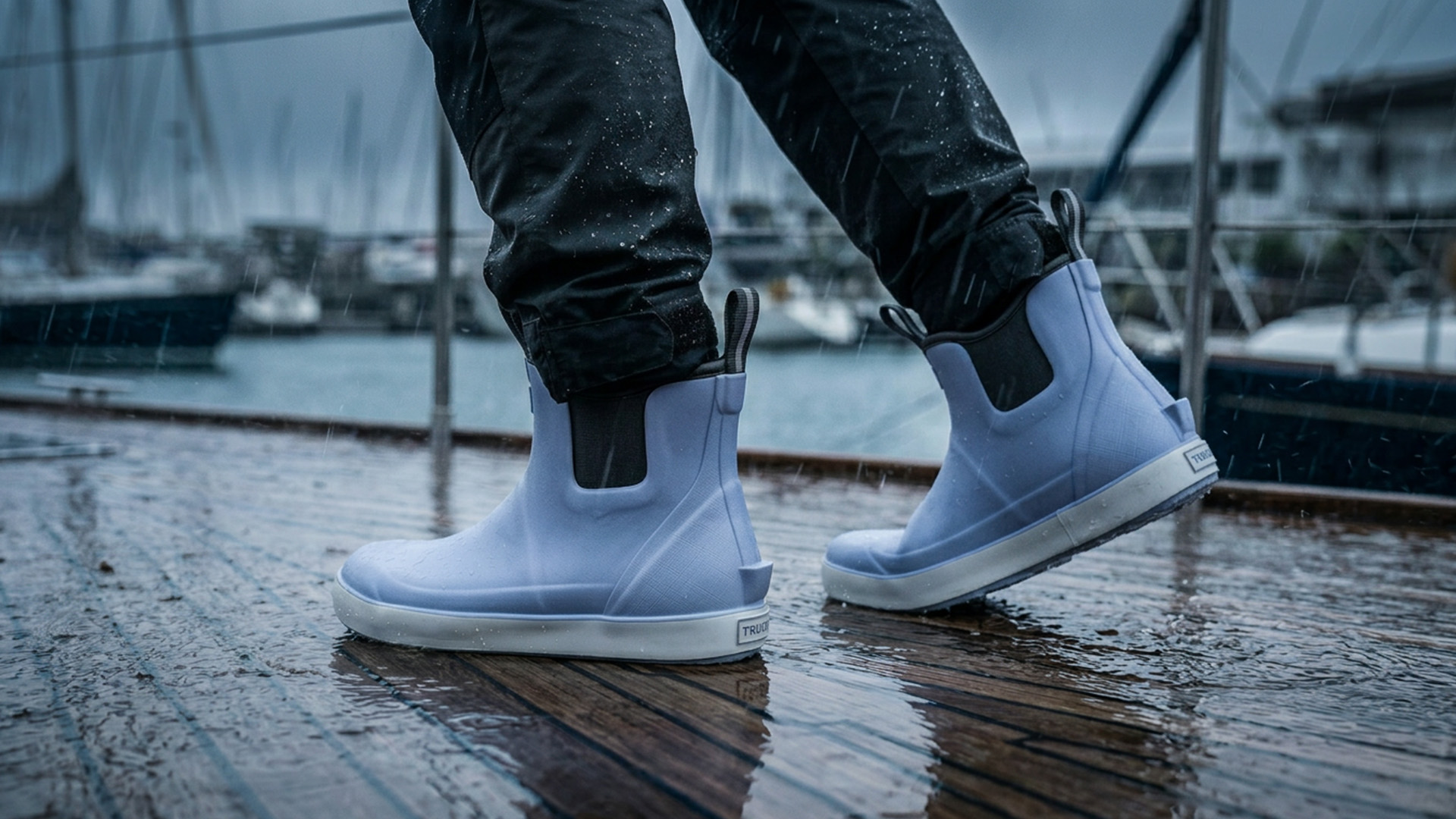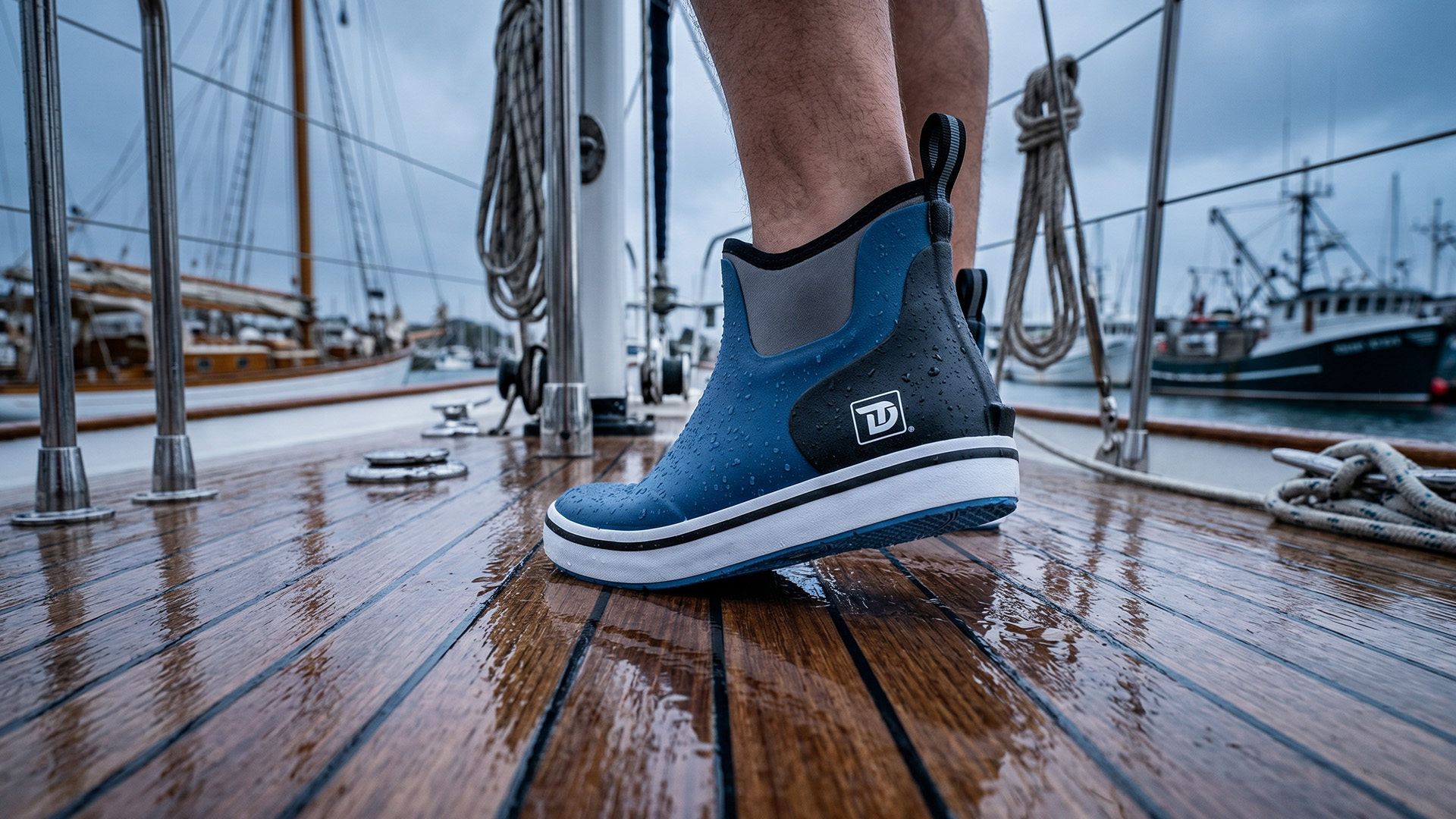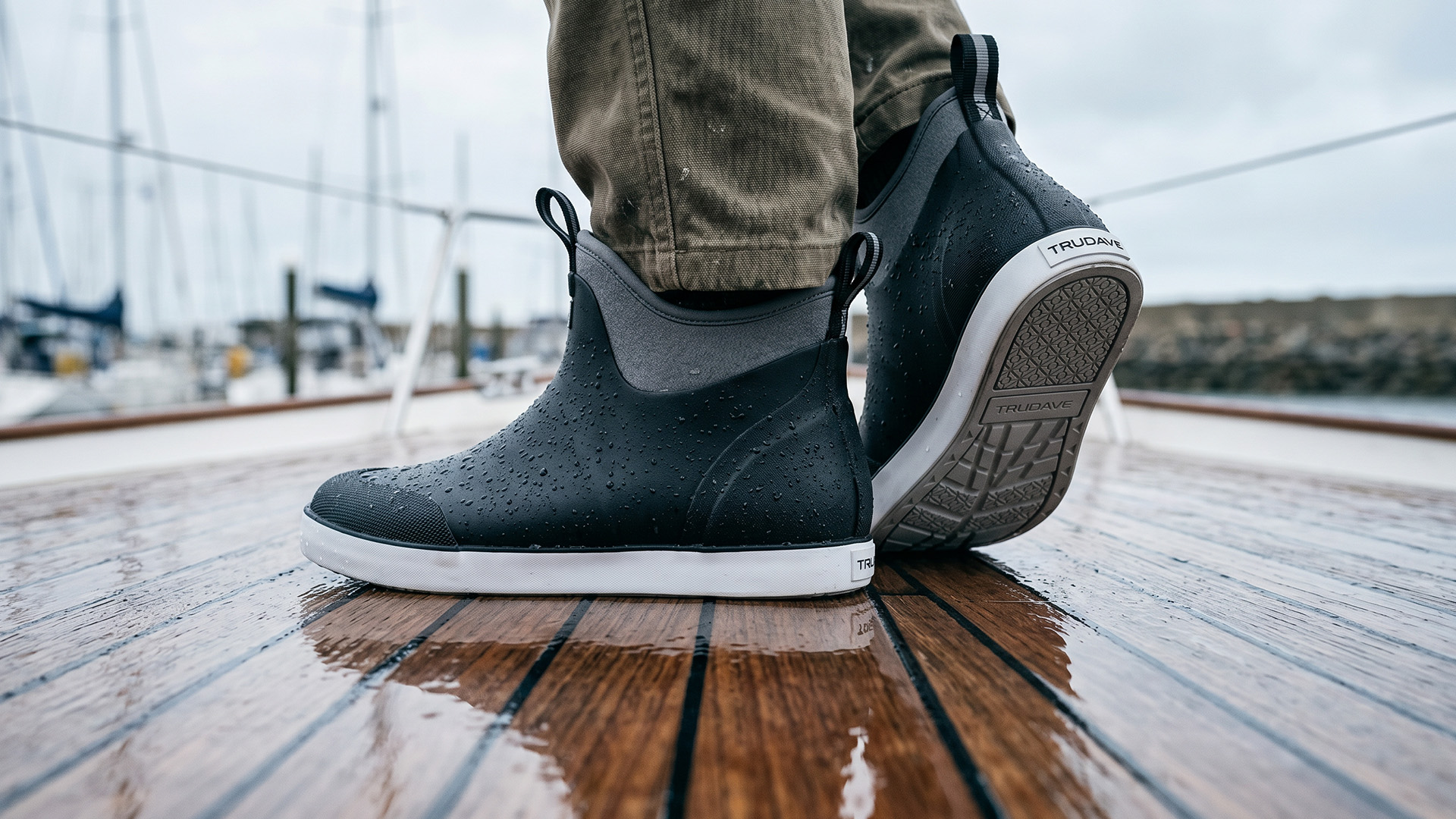
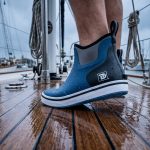

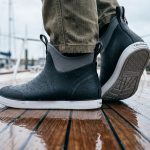
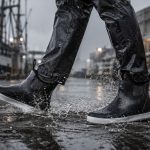
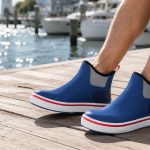
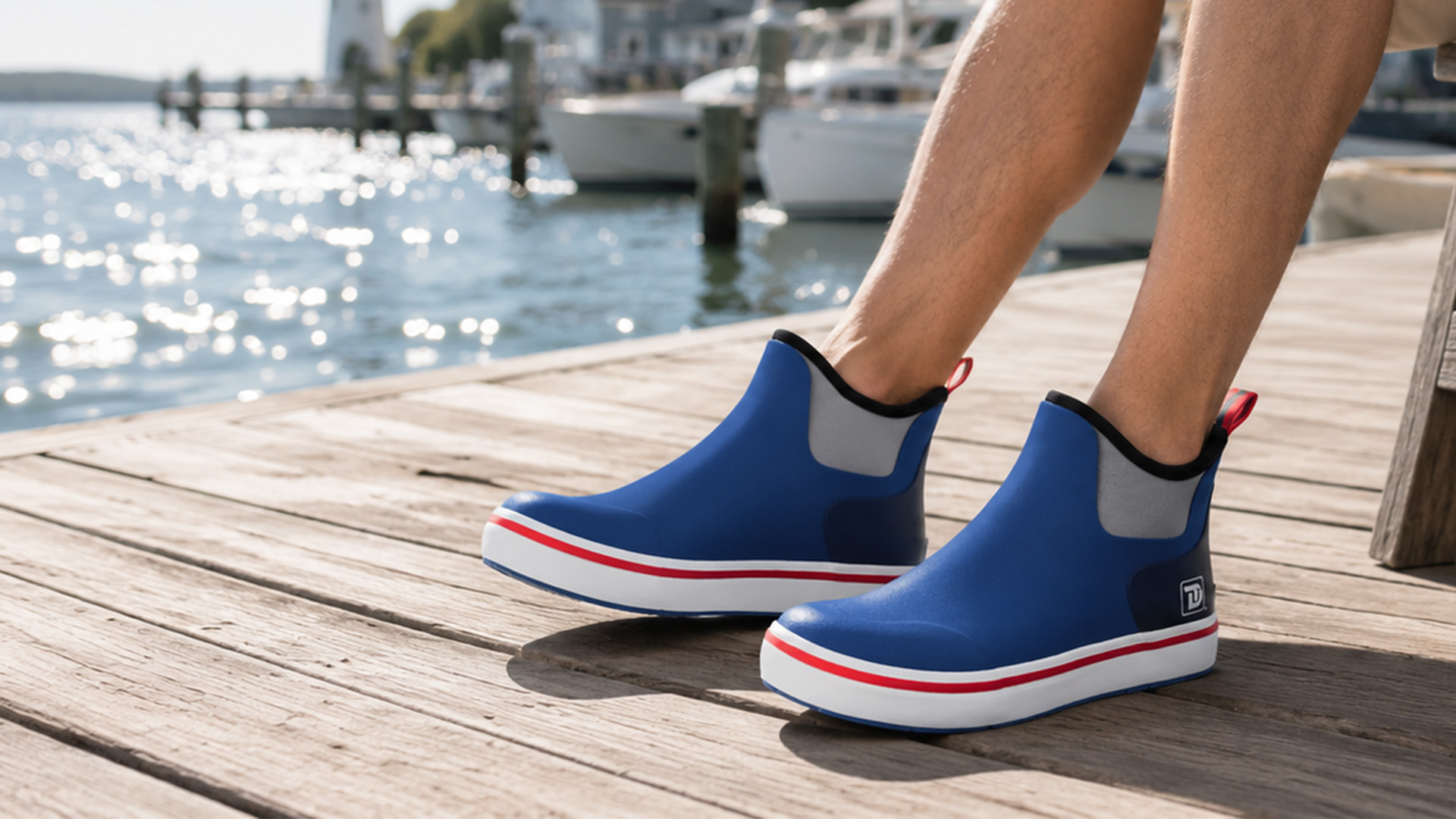
Introduction: The Unspoken Questions
You’ve read the reviews. You’ve compared the models—the insulated WaveLock, the lightweight DeckFlow, and the heavy-duty AquaGuard. You’re ready to buy, but a handful of nagging questions are holding you back. Do they run large? Will they make my feet sweat? Can I repair a puncture, or are they toast after a season? You’re not alone. Anglers and boaters everywhere have the same practical concerns about their deck boots, and the answers are often buried in forums or passed down as dock rumors that are only half true.
We’ve gathered the most common real-world questions about Trudave deck boots—from sizing and sock pairing to cleaning, odor control, and long-term durability—and answered them all in one place. No marketing fluff. Just honest, useful information from Trudave’s product engineers, verified customer reviews, and years of collective on-the-water experience.
1. Fit and Sizing
Q: Why do Trudave deck boots “run large”?
A: This is intentional. Trudave builds its boots with extra volume to accommodate the thick, insulating socks that cold-weather fishing demands. A boot that fits snugly with thin dress socks will be painfully tight—and dangerously cold—with the heavyweight merino wool you actually need on the water. In addition, your feet naturally swell during a long day of standing on a hard deck, and the generous toe box prevents painful pressure points. If you plan to wear thick socks, order your standard size. If you prefer thin socks or you’re a half-size, consider sizing down.
Q: How do I measure my foot for the best fit?
A: Place a sheet of paper against a wall, stand on it with your heel touching the wall, and mark the tip of your longest toe. Measure that distance in inches. Then compare your measurement to the insole length chart on the Trudave website for the specific boot you want. Your foot length should be roughly 0.3 to 0.5 inches shorter than the insole length for a comfortable fit.
Q: I have wide feet. Will the DeckFlow or WaveLock work for me?
A: The WaveLock has a generous toe box and flexible neoprene side panels that provide some stretch, making it a good fit for many anglers with wide feet. The DeckFlow is built on a women’s-specific last with a narrower heel, so it may feel snug. If you have wide feet and prefer the DeckFlow’s lightweight, uninsulated design, consider sizing up and using a thinner insole. For extra-wide feet, the AquaGuard’s high-volume work boot fit is often the most accommodating.
Q: I’m a woman. Should I buy the DeckFlow or a smaller size in the men’s WaveLock?
A: The DeckFlow is engineered on a dedicated women’s last, which means it has a narrower heel, a higher arch, and a lower overall volume than the unisex WaveLock. For most women, the DeckFlow will provide a more secure, blister-free fit. However, if you have wider feet or prefer the insulated, aggressive traction of the WaveLock, a smaller men’s size can work beautifully—just pair it with a thick sock and consider an aftermarket insole to fine-tune the fit.
2. Warmth, Breathability, and Socks
Q: Will the insulated WaveLock make my feet sweat in the summer?
A: The WaveLock’s thermal lining is designed to keep your feet comfortable on cold mornings without the heavy, suffocating insulation of a winter snow boot. It is perfectly suitable for spring and fall fishing when temperatures are cool. On a genuinely hot summer day (85°F and above), any waterproof rubber boot will trap heat and moisture, and the WaveLock is no exception. For pure summer fishing, the uninsulated, breathable DeckFlow is a more comfortable choice. If you wear the WaveLock year-round, a thin, moisture-wicking merino wool or synthetic sock will do the best job of managing sweat.
Q: Can I wear the uninsulated DeckFlow in cold weather?
A: The DeckFlow itself contains no insulation, but you can significantly extend its temperature range with the right socks. A heavyweight merino wool sock will keep your feet surprisingly comfortable down into the 40s, especially if you’re moving around. For sustained cold or standing still in near-freezing temperatures, though, you’ll want the insulated WaveLock, which adds a thermal lining designed for those conditions.
Q: What socks should I wear with my Trudave deck boots?
A: Avoid cotton entirely—it absorbs moisture and leads to blisters and cold feet. Choose merino wool for its natural ability to wick sweat and insulate even when damp. A lightweight merino sock is ideal for hot weather. A midweight merino sock is a versatile all-rounder for most days. A heavyweight merino sock provides maximum cushioning and warmth for cold-water trips. The extra volume in Trudave boots is specifically designed to accommodate these thicker socks without squeezing your feet.
3. Odor, Cleaning, and Daily Care
Q: My boots have started to smell. How do I get rid of the odor?
A: Deck boot odor is typically caused by bacteria that thrive in the damp, dark interior. The most effective solution is an enzymatic cleaner, which breaks down the organic compounds causing the smell. Once a month, or after a particularly wet trip, fill each boot one-third of the way with warm water, add a capful of enzymatic cleaner, and let it sit for a few hours. Drain, rinse thoroughly, and dry with crumpled newspaper. You can also find specialized boot deodorizers that use enzymes or activated charcoal. Don’t use bleach, as it can degrade the rubber and the lining.
Q: What’s the best way to clean and dry my boots after a day in the saltwater?
A: Rinse them with fresh water as soon as possible—this is the single most important step. Use a garden hose or sink sprayer with cool water. For stubborn grime, a soft brush and mild dish soap work perfectly. Never use harsh degreasers or solvents, which strip the natural oils from the rubber. Remove the insoles and let them dry separately. Stuff the boots loosely with crumpled newspaper to wick moisture from the inside, and let them air-dry in a shaded, well-ventilated spot. Never place them near a radiator, campfire, or in direct summer sunlight, as heat causes vulcanized rubber to stiffen and crack.
Q: Can I put my deck boots in the washing machine?
A: No. The agitation and detergents can damage the vulcanized rubber and degrade the lining. Hand-cleaning with a hose and mild soap is all you need.
4. Waterproofing, Durability, and Repairs
Q: How long will my Trudave deck boots stay waterproof?
A: With proper care, the vulcanized natural rubber shell will remain waterproof for years. Because Trudave boots are vulcanized—chemically fused into a single continuous unit at the molecular level—they have no glued seams to separate or degrade over time. The most common cause of leaks is a puncture or a deep flex-point crack. Both can be repaired.
Q: I found a small crack or puncture. Can it be fixed?
A: Absolutely. Clean the area thoroughly with isopropyl alcohol, lightly rough it with fine-grit sandpaper, and apply a flexible waterproof adhesive like Shoe Goo or Aquaseal SR. Smooth it over the damaged area, let it cure for 24 hours, and the repair will be flexible, waterproof, and nearly invisible. If the crack is at the toe crease and is deep enough to let water through, seal it immediately—catching it early prevents it from spreading into a larger failure.
Q: The white, chalky film on my boots—is that mold?
A: That’s not mold. It’s called “bloom,” a natural process where insoluble particles in high-quality natural rubber rise to the surface over time. Bloom is purely cosmetic and actually a sign that the rubber still has plasticizers in it, which keep it flexible. To remove it, wipe the boots down with a damp cloth and apply a silicone-free rubber conditioner. The bloom will disappear and the rubber will be left looking rich and matte.
Q: When is it time to retire a pair of Trudave deck boots?
A: When the siping on the outsole has worn smooth and no longer channels water away, the boot has lost its primary safety function. When multiple deep cracks have formed at the flex point, the rubber has lost its elasticity. When the EVA midsole is so compressed that you can feel the hard deck through the boot, the cushioning and support are gone. At that point, thank the boots for their service and replace them.
5. Performance and Use
Q: Are Trudave deck boots non-marking?
A: Yes. Both the WaveLock and DeckFlow outsoles are non-marking and safe for white gelcoat decks and other delicate surfaces. The AquaGuard outsole is also non-marking, though its aggressive lugs are designed for heavy-duty industrial surfaces.
Q: I’m a kayak angler. Are Trudave deck boots low-profile enough for my cockpit?
A: Yes. The DeckFlow, with its ankle-height design, is an excellent kayak boot. It’s lightweight, flexible, and won’t restrict your movement. The WaveLock is slightly bulkier but still manageable; many cold-water kayakers prefer it for its insulation. For either boot, be sure the shaft height works with your kayak’s foot-pegs and that you can comfortably sit for long periods.
Q: I’m on my feet for 12-hour shifts on a commercial boat. Which boot is right for me?
A: The AquaGuard. Its industrial-grade rubber resists diesel, hydraulic fluid, and the constant abrasion of a steel deck. It has a thick, cushioned EVA midsole with ergonomic arch support built to fight the fatigue of standing on hard surfaces all day. The reinforced toe and heel protect against dropped gear.
Conclusion: Keep Asking Questions
The best gear is the gear you understand. When you know why your boots fit the way they do, how to keep them clean and odor-free, and what to do when a crack appears, you stop worrying about your feet and start focusing on the water. Trudave deck boots are built from honest materials and engineered to solve the real problems anglers face, and they’re backed by a community of users who’ve tested them in every condition from the tropics to the Arctic.
If you have a question we didn’t answer, reach out. In the meantime, pull on your boots, grab your rod, and get on the water. The fish are waiting.
To explore the complete Trudave Gear deck boot lineup and find the right pair for your next trip, visit trudavegear.com.