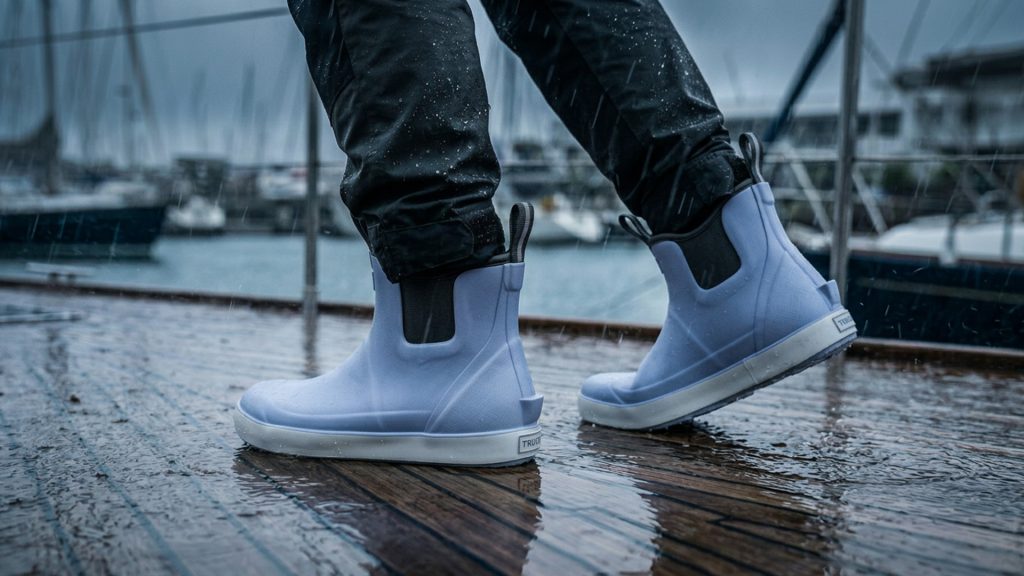
Wading In, Stepping Up: How Trudave Deck Boots Handle the Fly Fisherman’s Transition from Boat to Bank
Introduction: The Drift Boat Dilemma Fly fishing from a drift boat or raft is a…
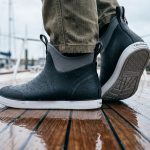
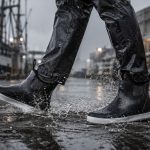
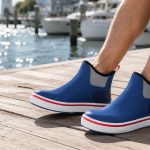
Introduction: The Drift Boat Dilemma Fly fishing from a drift boat or raft is a…
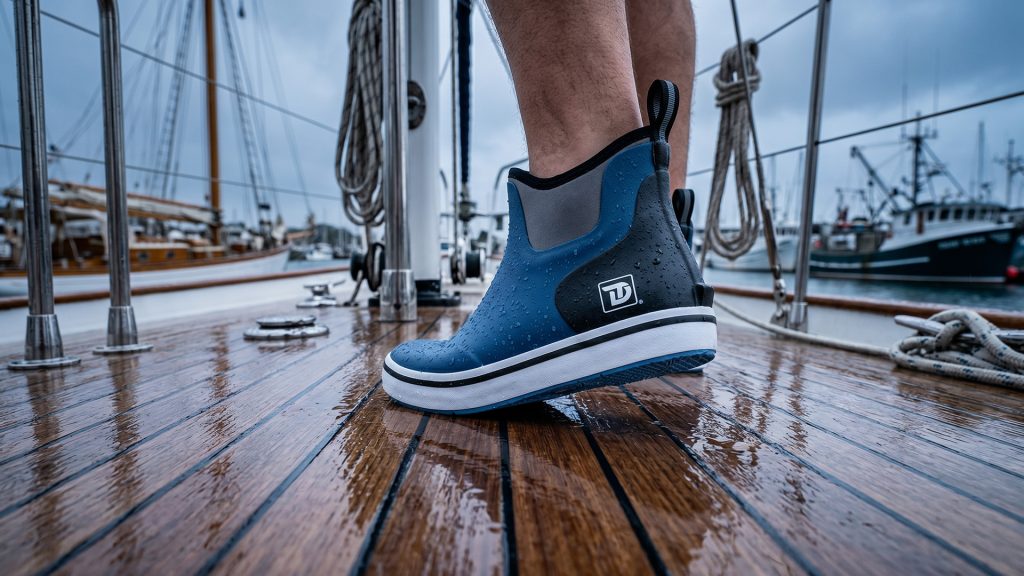
Introduction: The Boots That Go Where You Go For the traveling angler, every ounce in…
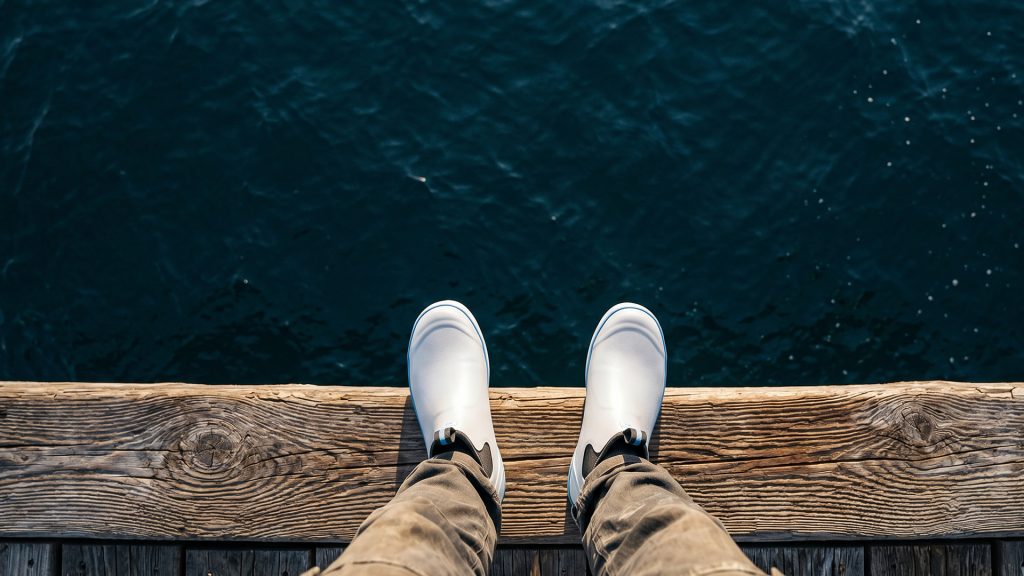
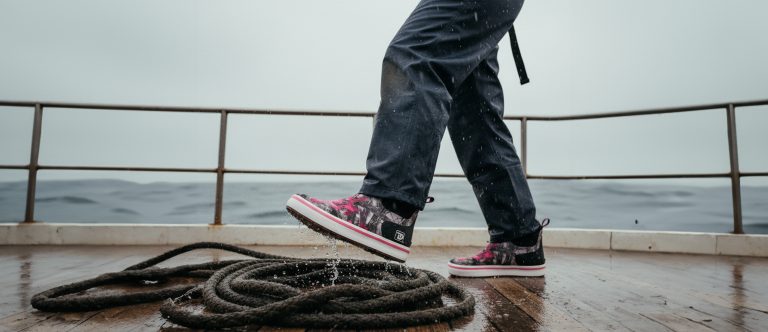
Introduction: The Dance on Deck Sailing asks more from your feet than almost any other…
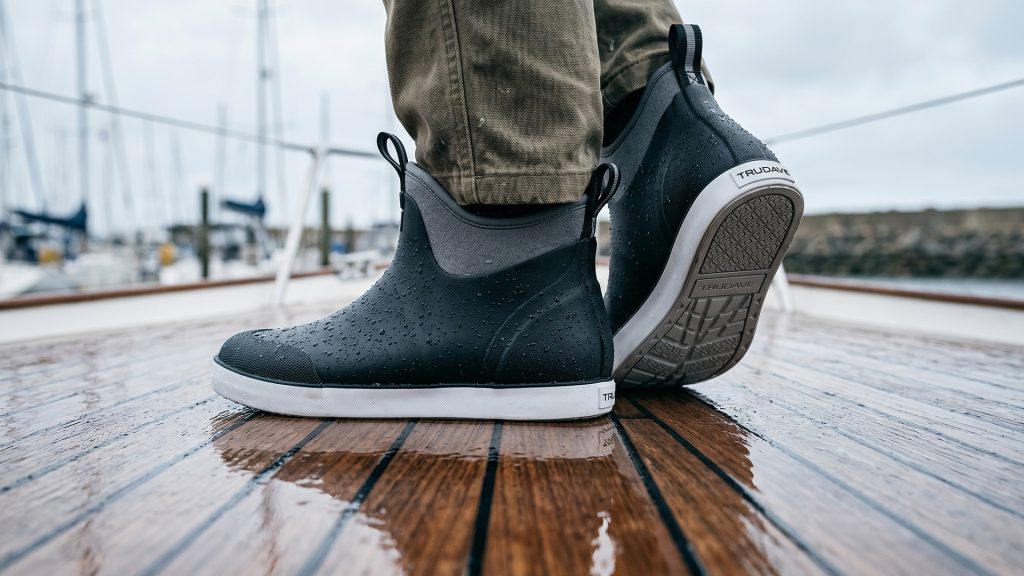
Introduction: The Water Matters Anglers spend endless hours debating the right bait for the right…
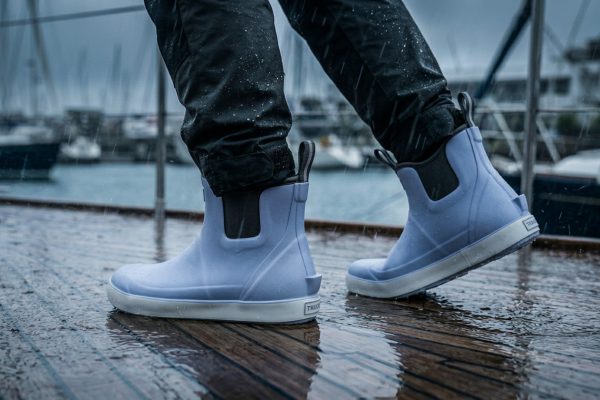
Introduction: The Drift Boat Dilemma Fly fishing from a drift boat or raft is a dance between two worlds. One moment you’re standing on a dry casting platform, scanning the water for rising trout. The next, the guide has beached the boat on a gravel bar, and you’re stepping over the side into a swift,…
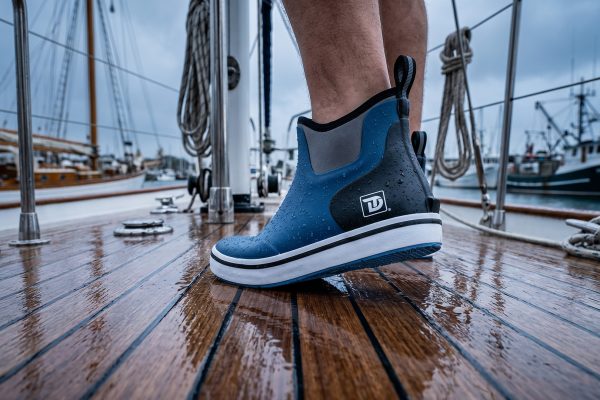
Introduction: The Boots That Go Where You Go For the traveling angler, every ounce in the duffel bag counts. You’re chasing tarpon in the Florida Keys one month, wading the flats of Belize the next, and maybe squeezing in a weekend of striped bass on the Northeast coast before the season turns. Your rods break…
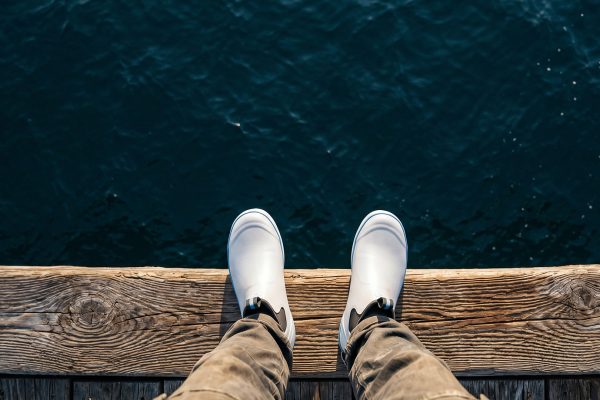
Introduction: The Dance on Deck Sailing asks more from your feet than almost any other sport on the water. It’s not just standing at the helm or bracing against a wave. It’s ducking under the boom as the boat tacks, scrambling to the high side to balance a gust, and coiling a wet sheet line…
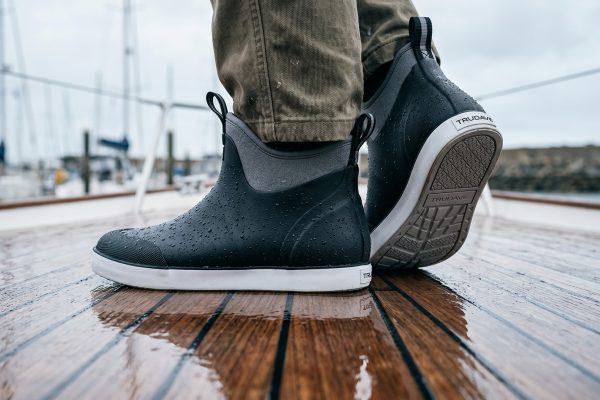
Introduction: The Water Matters Anglers spend endless hours debating the right bait for the right tide, but far less time considering how the water itself affects the gear on their feet. A boot that excels on a muddy, rain-fed bass lake in Georgia faces a completely different set of enemies than one strapped to the…
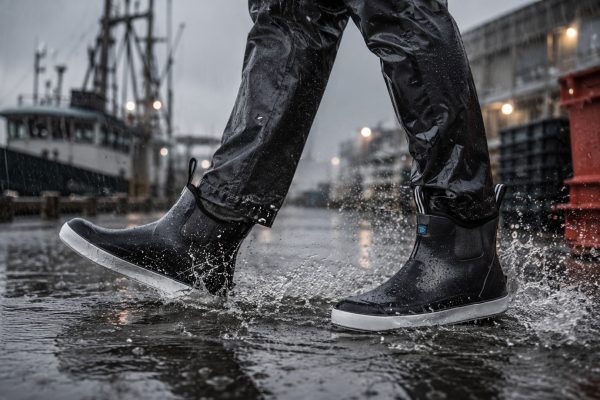
Introduction: When Your Feet Hold You Back For millions of anglers, the biggest barrier between them and a great day on the water isn’t the weather, the tide, or the fish. It’s their feet. Plantar fasciitis that stabs through the heel with every step. Arthritis that makes standing on a hard deck for more than…
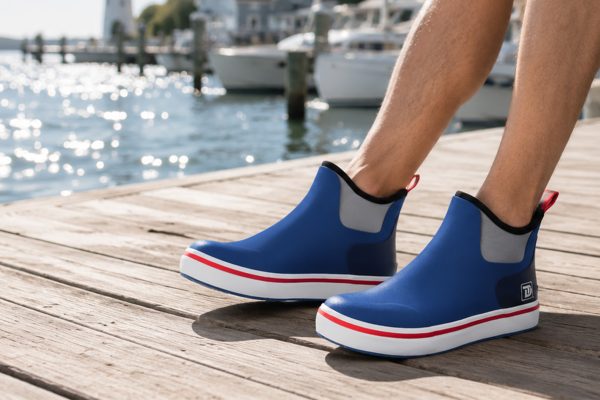
Introduction: The Unspoken Questions You’ve read the reviews. You’ve compared the models—the insulated WaveLock, the lightweight DeckFlow, and the heavy-duty AquaGuard. You’re ready to buy, but a handful of nagging questions are holding you back. Do they run large? Will they make my feet sweat? Can I repair a puncture, or are they toast after…
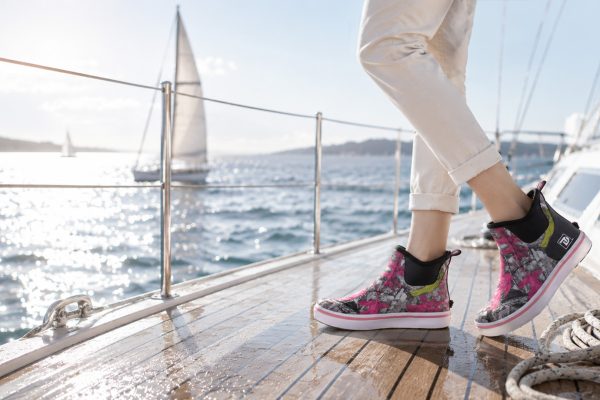
Introduction: The Forgotten Tool You rinse your rods with fresh water after every trip. You wipe down your reels, grease the drags, and store them in climate-controlled cases. You flush your outboard and wash the boat from bow to stern. But when you get home, exhausted and salt-crusted, there’s one piece of gear that probably…
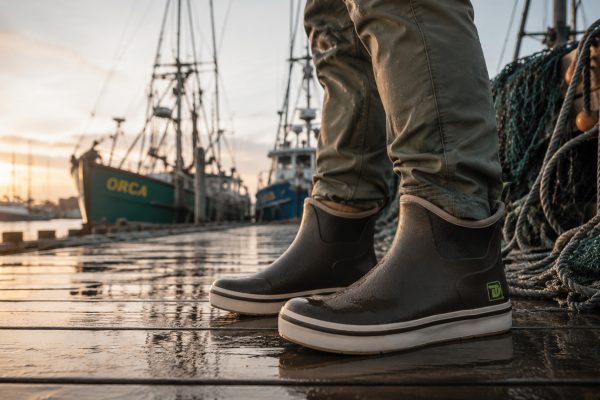
Introduction: The Foundation You’re Standing On The deck of a fishing boat is one of the most unforgiving surfaces in the outdoor world. It’s hard. It’s flat. It doesn’t flex or absorb impact the way soil or even pavement does. Every step, every brace against a wave, every hour of standing and casting transmits force…
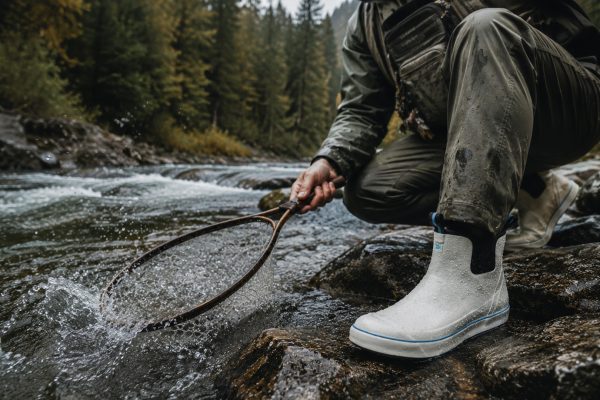
Introduction: The Gift That Keeps Their Feet Dry Gift shopping for an angler can feel like navigating a foggy channel without a chart. They already have a favorite rod, a lucky lure, and a tackle box organized in a way only they understand. Another “World’s Greatest Fisherman” mug isn’t going to cut it. But there’s…
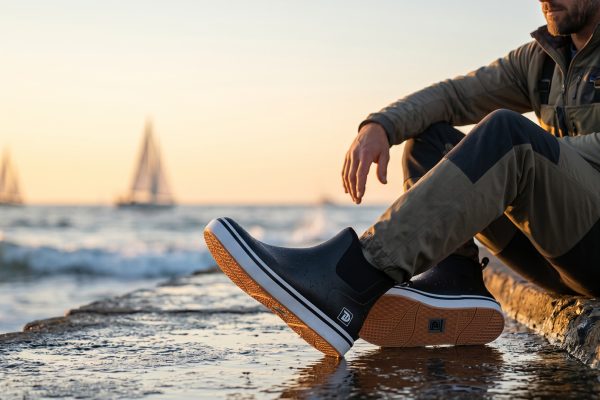
Introduction: The Advice That Sinks Boats Walk the docks of any marina long enough, and you’ll hear it. The old-timer holding court by the bait tank, dispensing wisdom that’s been passed down for generations. “All rubber boots are the same,” he says. “Just buy the cheapest pair and replace ’em when they crack.” A younger…