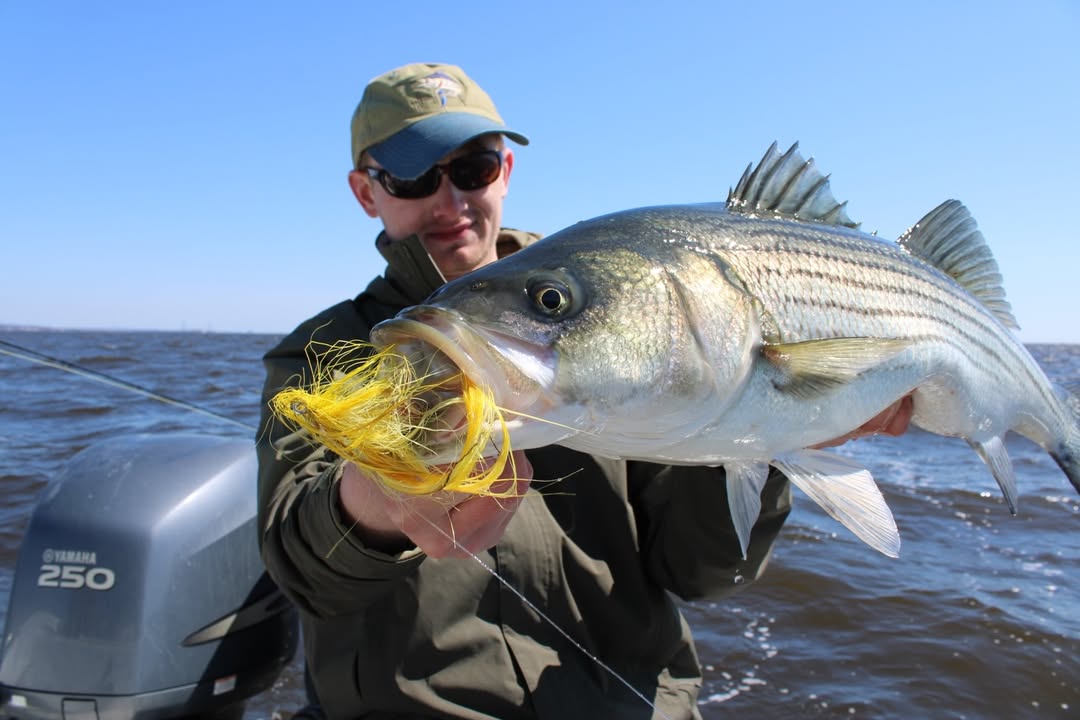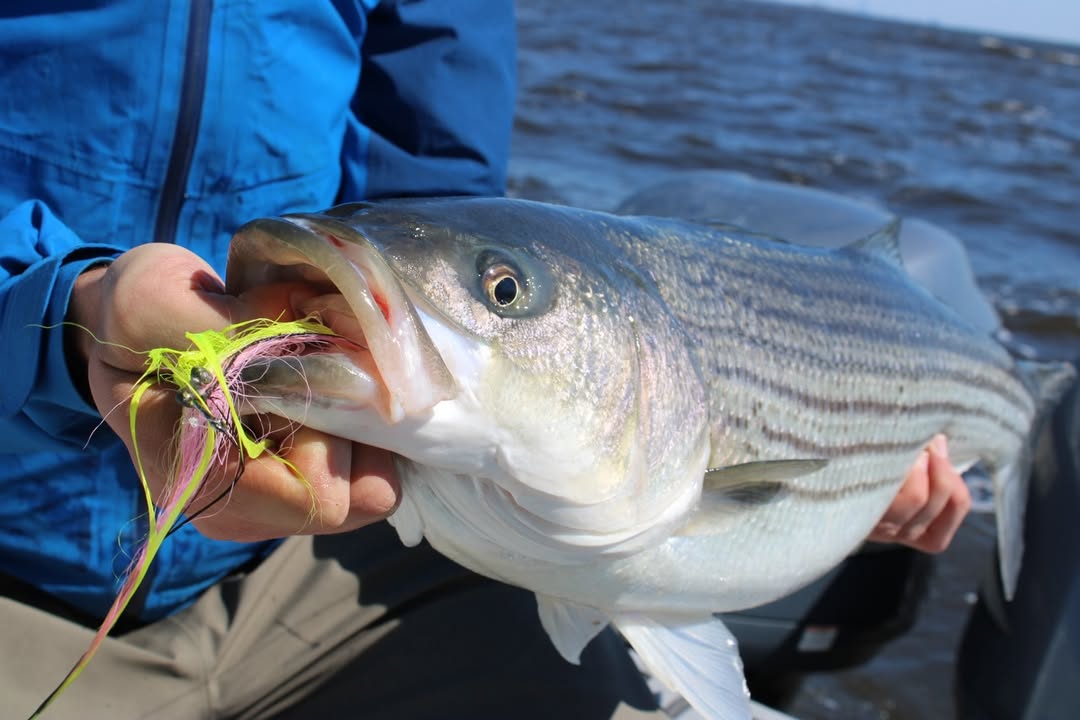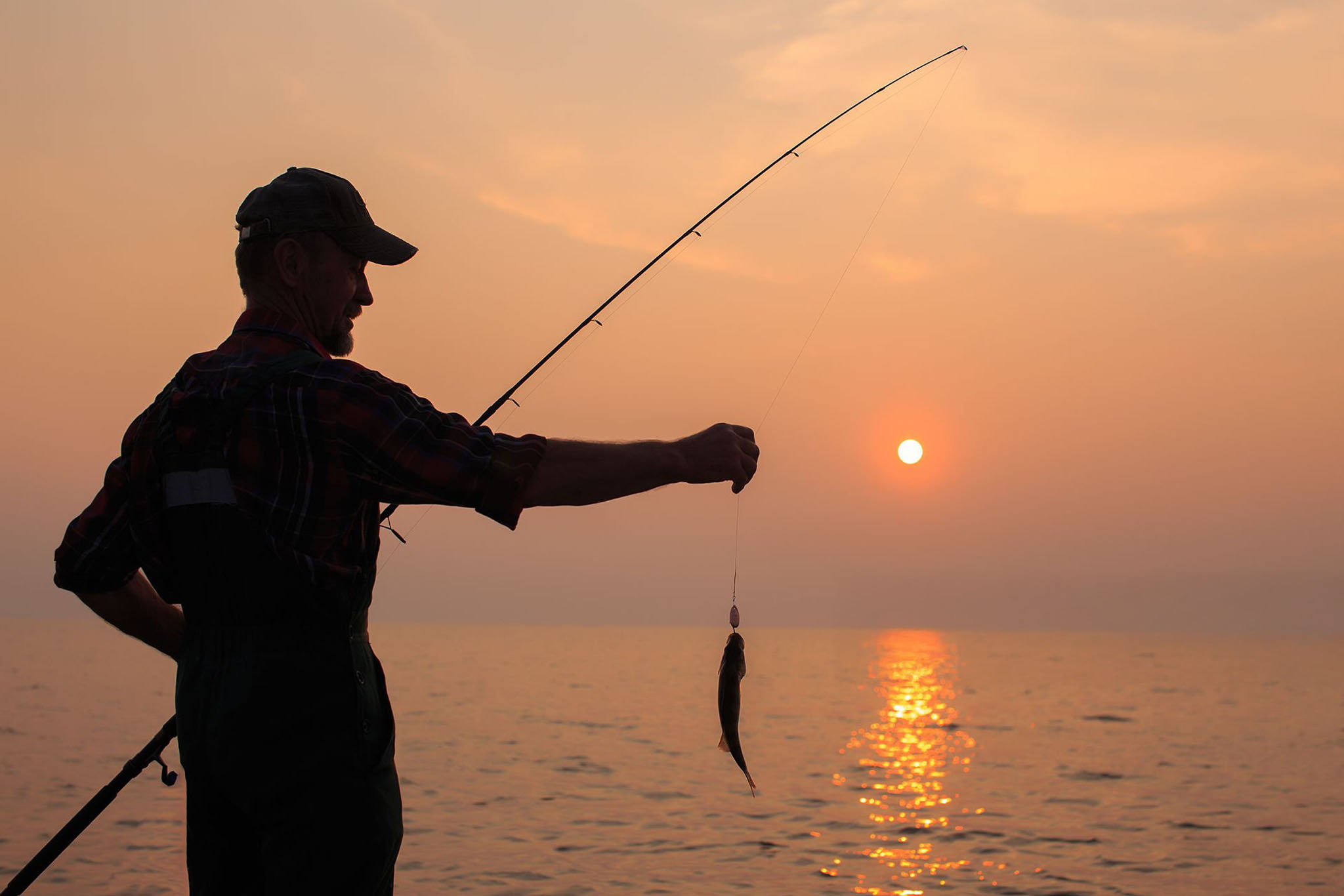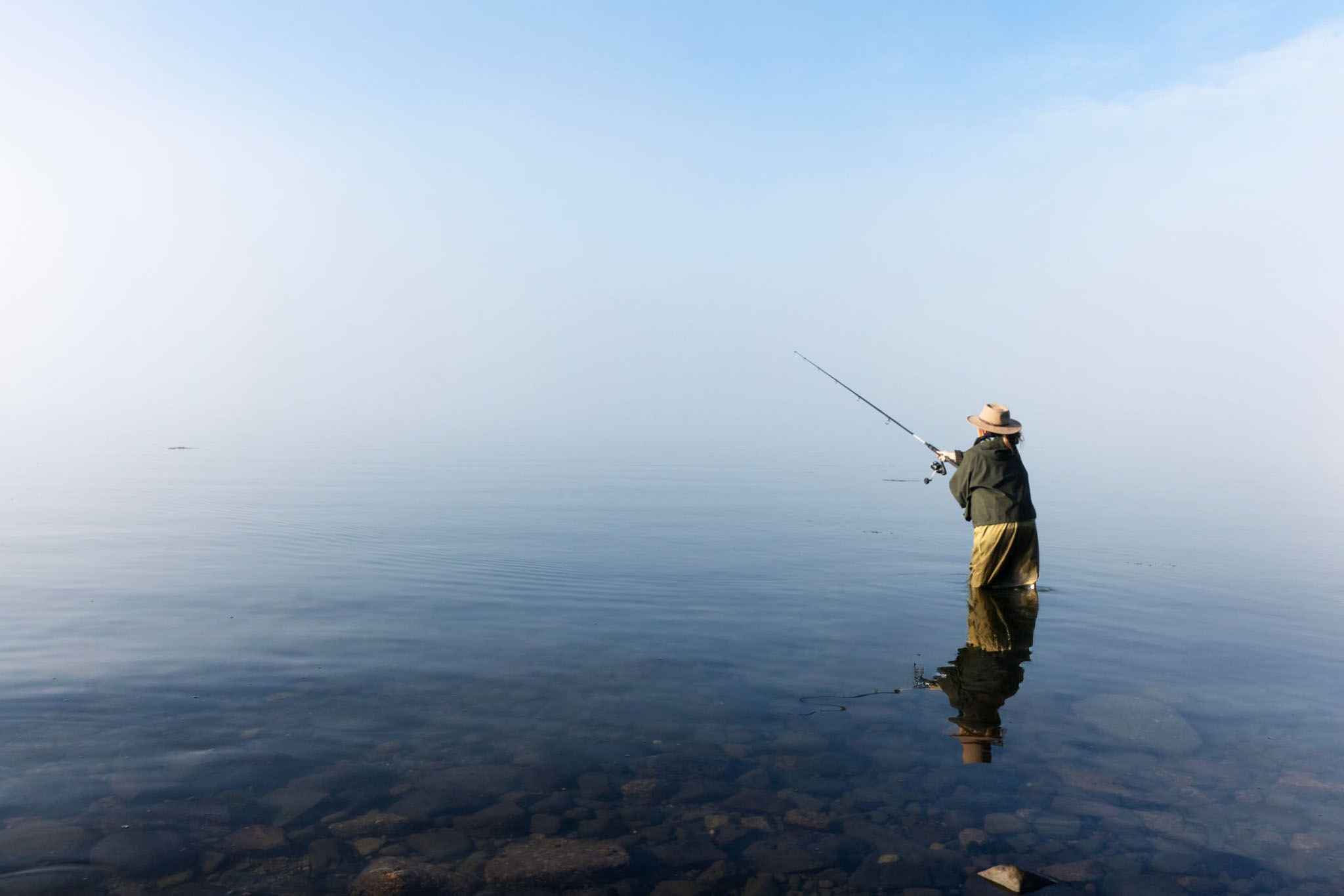

There are days on the water when everything feels unpredictable. You might see bait getting pushed, notice a quick swirl on the surface, or get one sudden bite—then nothing.
Minutes or even hours go by without another opportunity.
Then it happens again. A quick burst. A fish strikes… and the window closes just as fast.
This is the reality of short feeding windows—when fish are actively feeding, but only for seconds at a time.
Most anglers struggle in these conditions not because fish aren’t biting—but because they’re not prepared when those brief opportunities appear.
Why Fish Feed in Short Bursts
Short feeding windows are extremely common during late spring and early summer transitions.
Fish behavior during this time is influenced by:
- Stable but warming water temperatures
- Increased forage availability
- Post-spawn recovery patterns
- Light and pressure changes throughout the day
Instead of feeding constantly, fish often:
- Conserve energy
- Feed opportunistically
- Strike only during brief, high-efficiency moments
This creates a pattern where:
Fish go from inactive → aggressive → inactive again in seconds.
The Biggest Misunderstanding
Many anglers assume:
- “The bite is off”
- “Fish aren’t feeding”
But that’s not true.
The bite isn’t gone—it’s just extremely short.
If you miss the window, it feels like nothing is happening.
If you hit it correctly, it feels like fish are everywhere.
What Triggers These Short Feeding Windows
Understanding triggers helps you anticipate when action is about to happen.
1. Baitfish Movement
When bait suddenly shifts:
- Moves shallow
- Gets pushed by wind
- Forms tight schools
Predators react instantly—but briefly.
2. Light Changes
Transitions like:
- Cloud cover moving in
- Sun angle shifting
- Shadows extending
Can flip a switch in fish behavior.
3. Wind Gusts
Even short bursts of wind can:
- Stir up the water
- Disorient bait
- Trigger immediate feeding
4. Pressure Changes
Subtle environmental changes often create:
- Micro feeding windows
- Short bursts of aggression
- Then immediate shutdown
Why Most Anglers Miss These Opportunities
The biggest issue isn’t location—it’s readiness.
Most anglers:
- Fish too casually between bites
- Take too long to adjust
- Aren’t in the right zone when the window opens
By the time they react:
The opportunity is already gone.
The Key Strategy: Stay Ready at All Times
When fish feed in short bursts, your mindset has to change.
You’re no longer fishing for steady action.
You’re fishing for:
Moments.
And you need to be prepared when those moments happen.
How to Catch Fish During Short Feeding Windows
1. Keep Your Lure in High-Probability Zones
Don’t waste time in low-percentage water.
Focus on:
- Structure edges
- Transition zones
- Areas holding bait
Because when the window opens:
Fish will feed where they already are.
2. Use Fast-Reaction Presentations First
When fish turn on, they often respond to:
- Moving baits
- Reaction lures
- Quick coverage techniques
Examples:
- Swimbaits
- Crankbaits
- Spinner-style presentations
These allow you to:
- Capitalize immediately
- Cover water during short windows
3. Follow Up Quickly with a Slower Bait
After the initial burst:
- Fish often linger briefly
- But become less aggressive
Switching to:
- Soft plastics
- Slower presentations
Can extend the window just enough to pick off extra fish.
4. Make Repeated Casts to the Same Spot
When a fish hits—or you see activity:
- Don’t leave immediately
- Work the area thoroughly
- Cast from multiple angles
Short feeding windows often involve:
- Multiple fish in the same zone
- But only for a limited time
5. Pay Attention to Patterns in the Chaos
Even though feeding seems random, patterns exist.
Ask yourself:
- Did bites happen near structure or open water?
- Were they triggered by wind or calm conditions?
- Did they happen at similar times?
Often:
“Random” activity is actually repeatable—just compressed.
How to Stay Mentally Locked In
Fishing slow periods between bursts is mentally challenging.
But this is where success is built.
Stay Focused Between Windows
Even when nothing is happening:
- Maintain precise casts
- Keep your presentation clean
- Stay ready for instant reaction
Because:
The next bite could happen at any second.
Avoid Overadjusting
Many anglers change too much between windows:
- Switching lures constantly
- Moving spots too quickly
Instead:
- Trust your area
- Refine small details
- Stay consistent
The Role of Positioning
Positioning becomes critical when windows are short.
You need to:
- Stay close to key zones
- Maintain casting angles
- Avoid drifting too far off structure
Because when fish activate:
You won’t have time to reposition.
Recognizing the Start of a Feeding Window
Certain signs indicate a window is opening:
- Sudden surface disturbance
- Baitfish scattering
- A single aggressive strike
- Increased fish movement on electronics
When you see this:
Speed up your execution—not your thinking.
Be decisive.
The Mindset That Changes Everything
Most anglers fish as if bites should come consistently.
But in reality:
Some of the best fishing happens in seconds—not hours.
Once you accept that:
- You stay more focused
- You react faster
- You maximize every opportunity
Final Thoughts
Catching fish that feed only for seconds at a time isn’t about luck—it’s about preparation, awareness, and timing.
During these conditions:
- Fish are active—but briefly
- Opportunities are real—but fleeting
- Success comes down to being ready when it matters
If you can:
- Stay in the right areas
- Recognize triggers
- React instantly
- And remain mentally engaged
You’ll turn short, frustrating windows into some of the most productive fishing of the season.
Because when fish only feed for seconds…
Those seconds are everything. 🎣