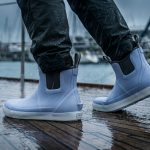
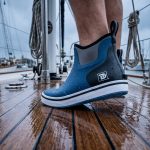

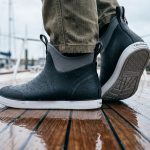
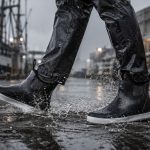
Introduction: When Your Feet Hold You Back
For millions of anglers, the biggest barrier between them and a great day on the water isn’t the weather, the tide, or the fish. It’s their feet. Plantar fasciitis that stabs through the heel with every step. Arthritis that makes standing on a hard deck for more than an hour feel like torture. Bunions that throb inside a too-narrow boot. Flat feet that ache and fatigue, or high arches that never get enough support. These aren’t just inconveniences—they’re the reason too many fishing trips get cut short, or never happen at all.
Foot pain is common, especially among people who spend long hours standing, walking, and bracing on unforgiving surfaces. The American Podiatric Medical Association reports that 77 percent of Americans have experienced foot pain, and for many, it’s a chronic condition. The wrong footwear doesn’t just fail to help—it actively makes things worse. A stiff, heavy boot with a narrow toe box and a flat, unsupportive insole can turn a manageable condition into a debilitating one.
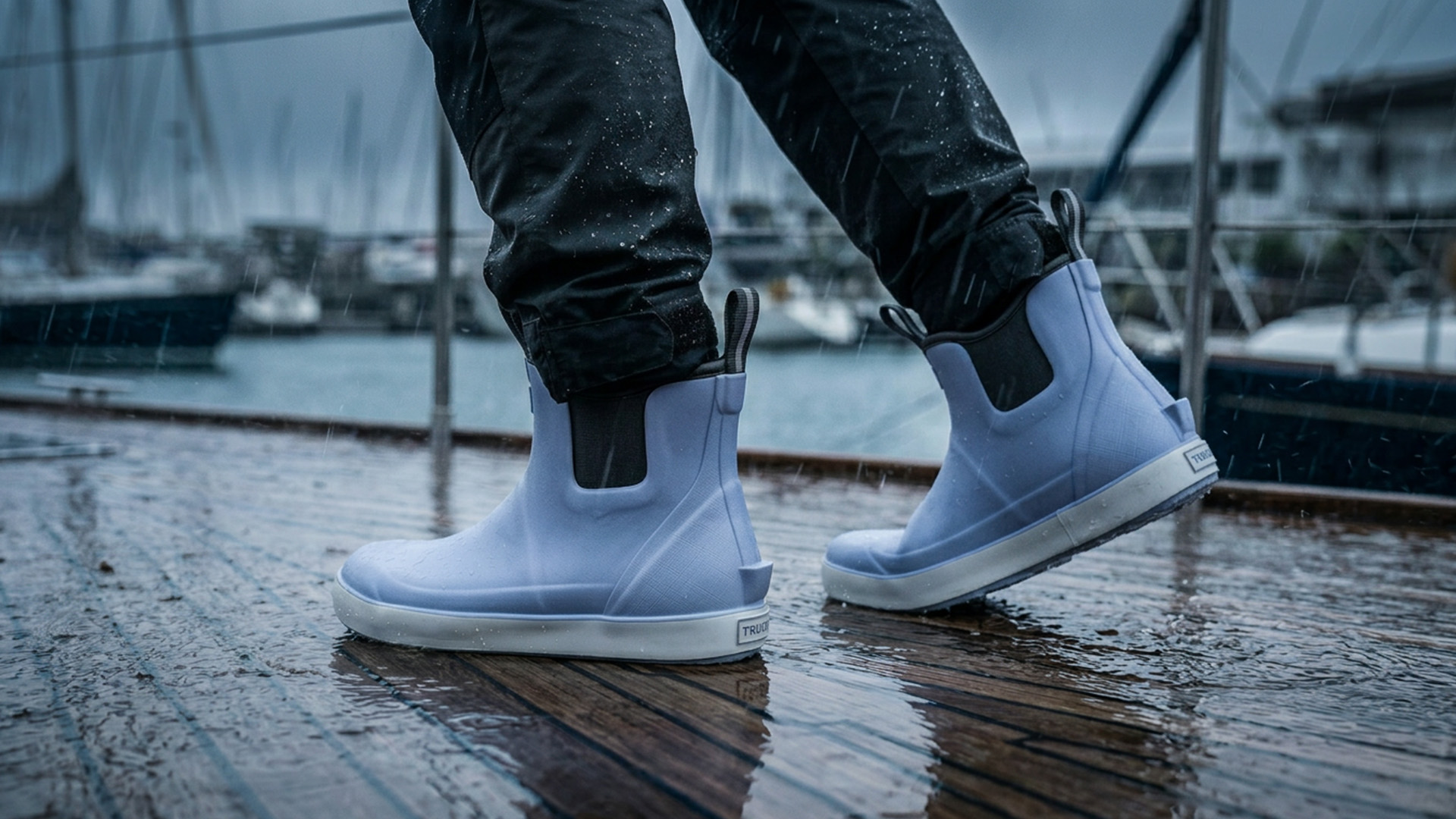
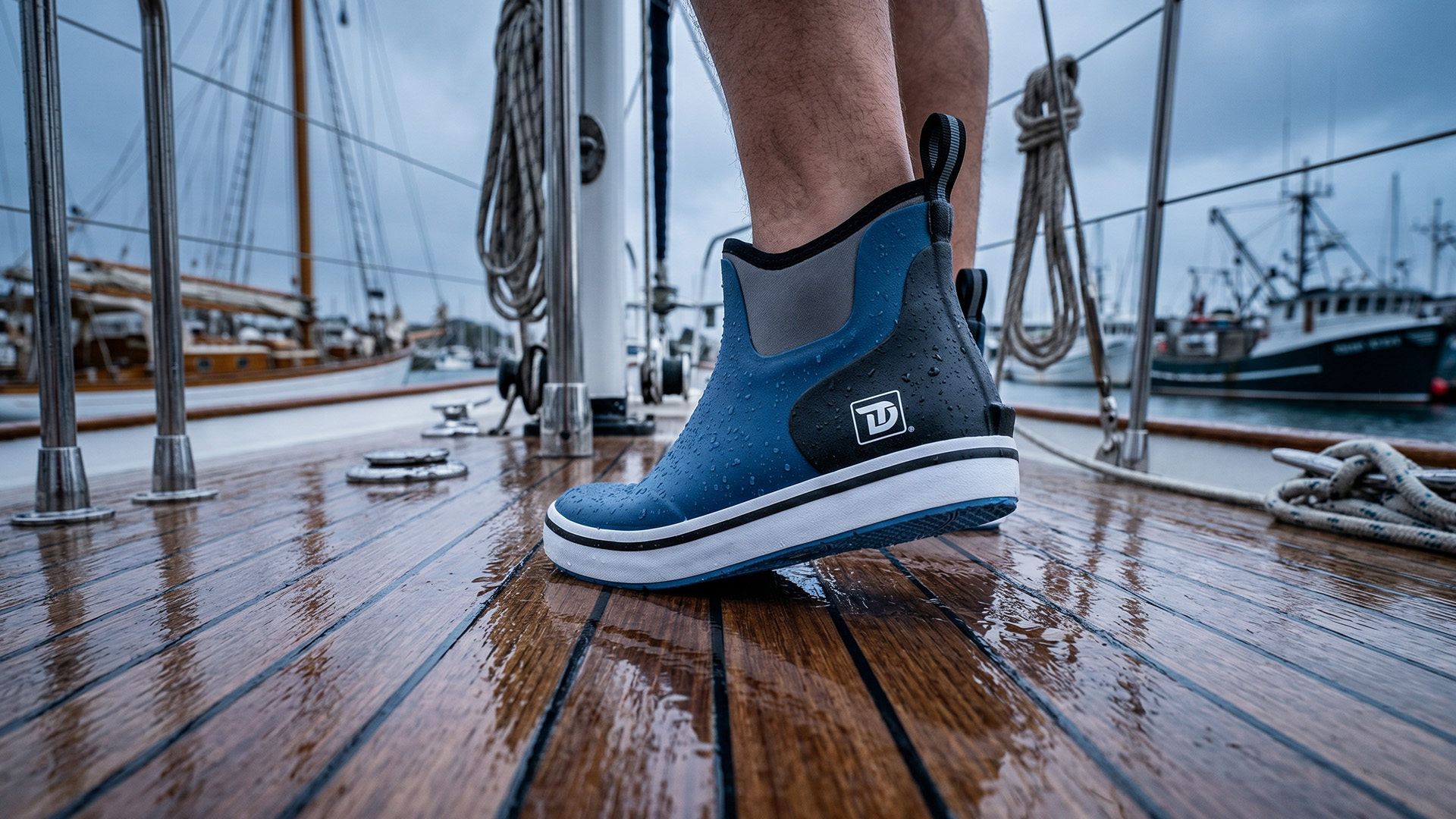
Trudave Gear’s deck boots weren’t designed in a podiatrist’s office, but they incorporate a remarkable number of features that align with what foot-health experts recommend: a roomy toe box, a cushioned EVA midsole with no steel shank, a removable insole that can be swapped for a custom orthotic, and flexible uppers that don’t fight your foot. Whether you’re dealing with chronic pain or just want to prevent it, the right boot—properly fitted and customized—can keep you on the water longer and in less pain.
1. The Big Four: Common Foot Conditions That Trouble Anglers
Understanding why your feet hurt is the first step toward choosing a boot that helps.
Plantar Fasciitis
This is the most common cause of heel pain, affecting roughly 2 million Americans each year. The plantar fascia is a thick band of tissue that runs along the bottom of the foot, connecting the heel to the toes. When it’s overstressed—by standing for long hours on hard surfaces, by inadequate arch support, or by a sudden increase in activity—it becomes inflamed. The hallmark symptom is a sharp, stabbing pain in the heel, worst with the first steps in the morning or after a long sit.
For anglers with plantar fasciitis, a boot needs three things: a deep, cushioned heel cup to absorb impact and cradle the heel, a firm arch support that keeps the plantar fascia in a neutral, relaxed position, and a slightly elevated heel that reduces tension on the fascia. Flexible, shock-absorbing soles also help, because every hard heel strike on a fiberglass deck sends impact up through the already-inflamed tissue.
Arthritis (Osteoarthritis and Rheumatoid)
Arthritis in the feet and ankles can make every step painful. Osteoarthritis—the wear-and-tear type—often affects the big toe joint, the midfoot, or the ankle, causing stiffness, swelling, and aching that worsens with activity. Rheumatoid arthritis is an autoimmune condition that attacks the joints symmetrically, often deforming the toes and making the forefoot extremely sensitive to pressure.
For arthritic feet, a boot needs a wide, high-volume toe box that doesn’t squeeze the forefoot or rub against bunions and hammertoes. It needs a stiff, rockered sole that reduces the need for the toe joints to bend during the push-off phase of walking. Cushioning is paramount—every ounce of shock absorbed by the midsole is an ounce of impact that doesn’t travel through inflamed joints. And the boot must be easy to put on and take off, because wrestling with stiff rubber when your hands are also arthritic is a non-starter.
Bunions (Hallux Valgus)
A bunion is a bony bump that forms at the base of the big toe, causing the toe to angle inward toward the others. It’s often hereditary but is aggravated by narrow, pointed footwear. Bunions can be extremely painful, especially when pressed against the side of a boot. The solution is a boot with a naturally wide, rounded toe box that gives the forefoot room to spread. Soft, flexible uppers like neoprene are far more forgiving than stiff leather or hard rubber.
Flat Feet and High Arches
Flat feet (pes planus) collapse inward with every step, straining the arch and the posterior tibial tendon. High-arched feet (pes cavus) are rigid and don’t absorb shock well, concentrating pressure on the heel and ball of the foot. Both conditions are highly individual, but both benefit enormously from a boot with a removable insole that can be replaced with one matched to the wearer’s specific arch height and cushioning needs.
2. What Trudave Deck Boots Get Right, Straight Out of the Box
Even before any customization, every Trudave deck boot incorporates design features that directly address the most common foot-pain triggers.
A Roomy, Anatomically Shaped Toe Box
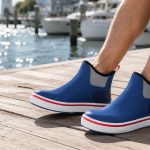
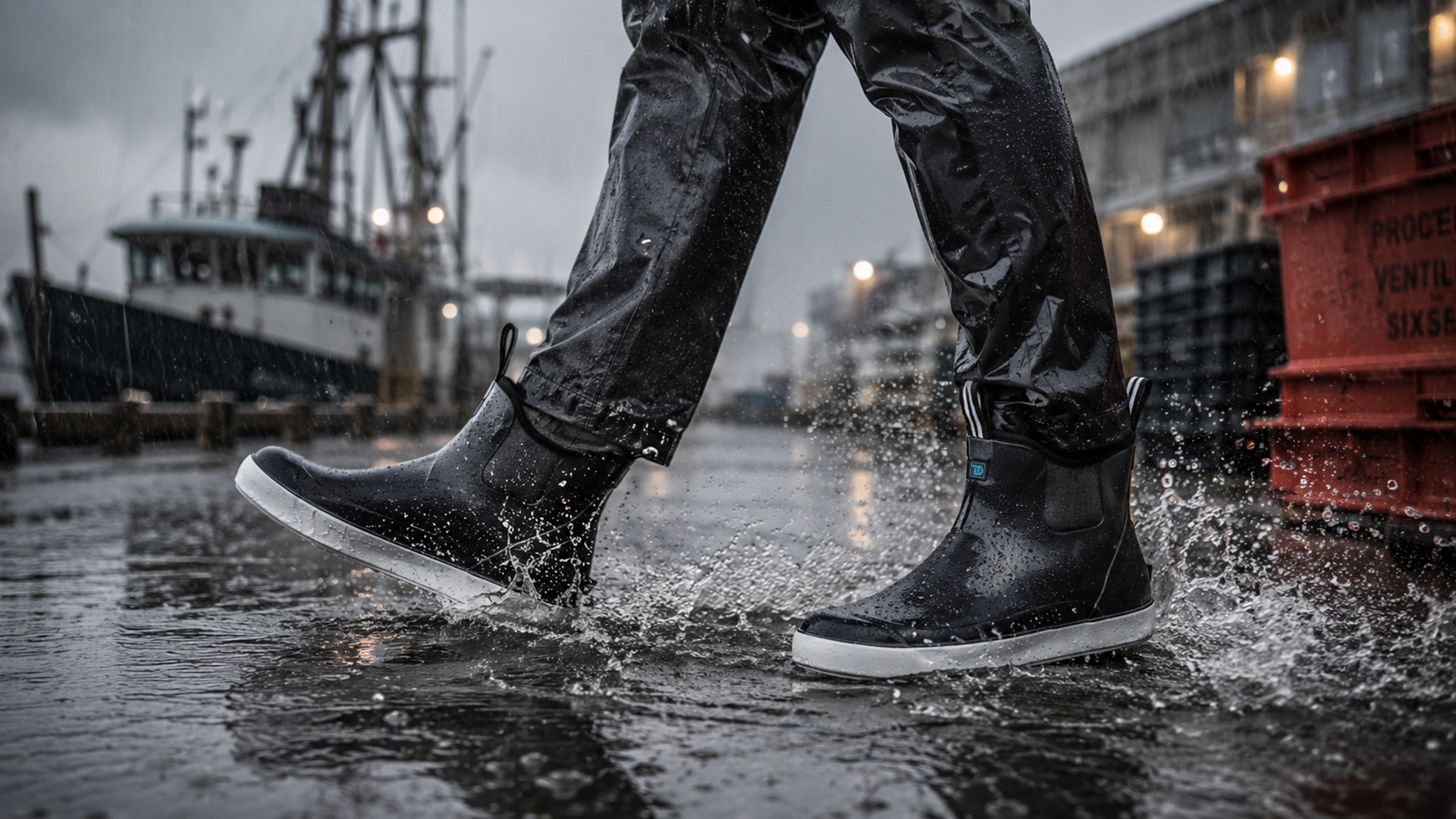
Unlike the pointed, narrow toe boxes found on many fashion-oriented rain boots, Trudave boots are built with a generous forefoot area. The WaveLock and AquaGuard, in particular, have a high-volume fit that allows toes to spread naturally—a critical feature for anyone with bunions, hammertoes, or simply wide feet. The DeckFlow is built on a women’s-specific last with a narrower heel, but it still provides more toe room than a typical unisex boot. A roomy toe box reduces pressure on the forefoot, improves balance, and allows for natural foot swelling during a long day on the water.
Zero Steel Shank, Lightweight EVA Midsole
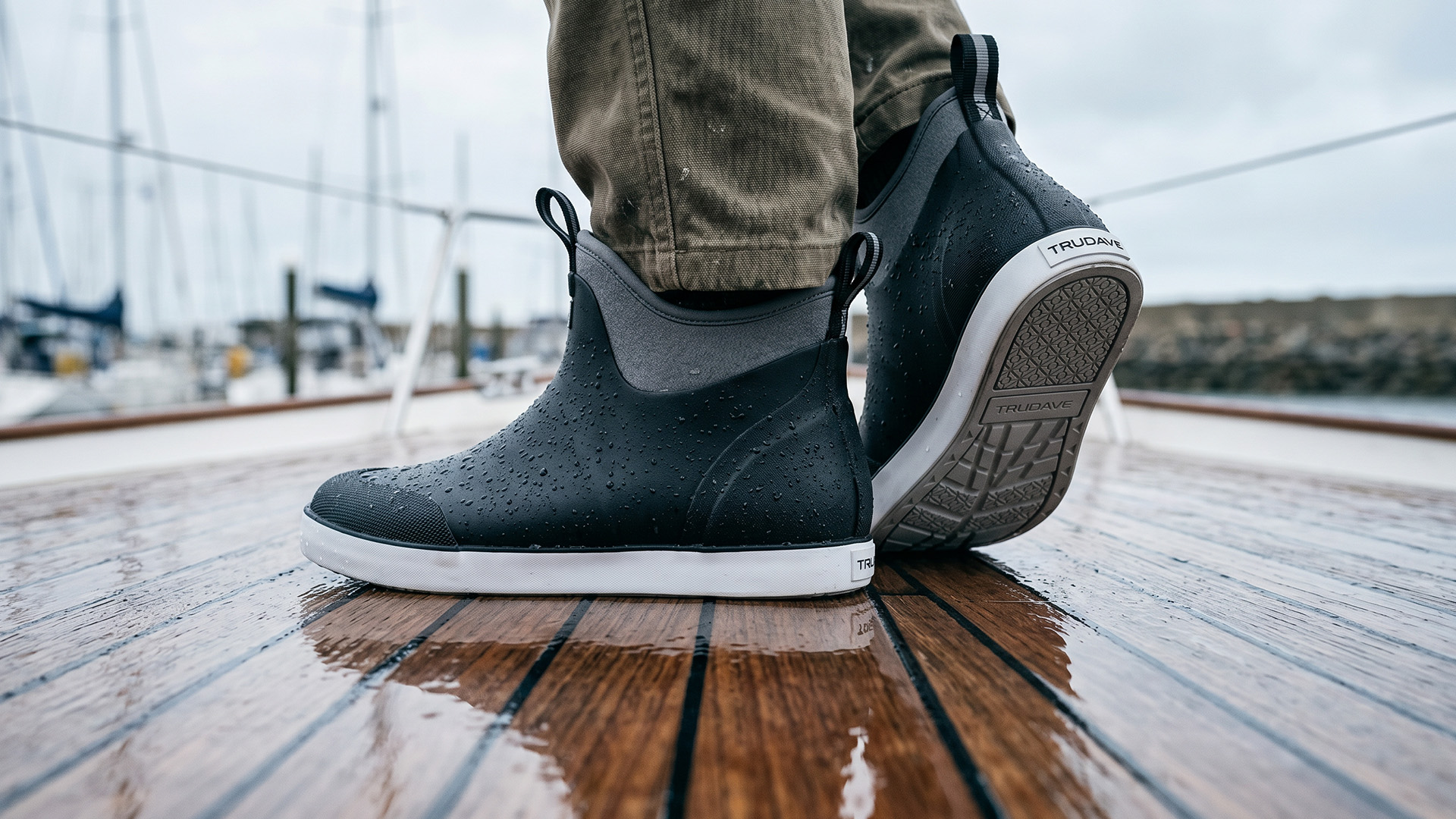
Many traditional work boots use a steel shank—a rigid metal plate under the arch—to provide support. On a boat, this is dead weight that numbs the foot’s ability to feel the deck, conducts cold, and transmits impact directly through the skeleton. Trudave replaces it with an EVA (ethylene-vinyl acetate) midsole, the same shock-absorbing foam used in high-end running shoes. EVA cushions every step without the weight, reducing the repetitive impact that aggravates plantar fasciitis and arthritis. It also provides a measure of arch support without the rigid, unforgiving feel of a steel shank.
A Removable Insole—The Gateway to Customization
Every Trudave deck boot comes with a removable EVA insole. That might sound like a small detail, but it’s the single most important feature for anyone with foot pain. A fixed insole locks you into whatever arch profile and cushioning level the manufacturer chose. A removable insole lets you pull it out and replace it with an insole that actually matches your foot—a high-arch orthotic, a flat cushioned insert, or Trudave’s own ToughCush Comfort Insole with its deeper heel cup and more pronounced arch support. You can also replace the insole when it inevitably packs out, restoring the boot’s comfort without buying a whole new pair.
Flexible Uppers That Don’t Fight Your Foot
The neoprene side panels on the WaveLock stretch to accommodate your foot and ankle, reducing pressure points. The DeckFlow’s rubber upper is lighter and more flexible than a heavy work boot, allowing a more natural stride. For arthritic or sensitive feet, this flexibility means less resistance with every step and less irritation around the ankle and calf.
Slip-Resistant, Multi-Directional Siped Outsoles
Foot pain often causes subtle changes in gait—shortened steps, altered weight distribution, a tendency to shuffle. On a wet deck, an unstable gait is dangerous. Trudave’s micro-channel siping and aggressive, self-cleaning tread patterns provide the sure-footed grip that keeps anglers stable, reducing the risk of the slips and falls that can turn a painful day into a catastrophic one.
3. Which Trudave Boot Is Right for Your Feet?
Not all Trudave deck boots fit the same way, and choosing the right model is the first step to comfort.
For Plantar Fasciitis: WaveLock or AquaGuard
Look for a boot that accommodates a thick, supportive orthotic insole without squeezing your foot. The WaveLock’s generous interior volume easily fits a high-arch insole like the ToughCush or a custom orthotic. The deep, cushioned heel cup in the ToughCush cradles the heel and reduces strain on the plantar fascia, while the EVA midsole absorbs impact. The AquaGuard offers the same compatibility, with the added benefit of a slightly stiffer sole that some plantar fasciitis sufferers prefer for its stability.
For Arthritis and Bunions: WaveLock or AquaGuard
The wide, rounded toe box of the WaveLock and AquaGuard is the standout feature here. It gives the forefoot room to spread and eliminates the side pressure that aggravates bunions. The flexible neoprene side panels on the WaveLock are easy to pull on, even with sore hands, and the slip-on design means no laces to fumble with. The AquaGuard’s easy-off heel tab lets you kick the boots off hands-free at the end of a long day.
For Flat Feet: WaveLock or AquaGuard with an Insole Swap
Start with a roomy boot, then replace the stock insole with one designed for flat feet—an insole with a low, semi-rigid arch that prevents overpronation without creating a painful pressure point. The WaveLock’s volume allows for a thicker insole, which can provide the cushioning and support flat feet need.
For High Arches: Any Model with a High-Arch Insole
High-arched feet need an insole with a pronounced arch that makes full contact with the midfoot, plus extra cushioning under the heel and ball. The Trudave ToughCush is an excellent off-the-shelf choice. The WaveLock’s roomy fit allows for the thicker insole, but the DeckFlow can also work if you size up slightly to accommodate the additional volume.
For Diabetes-Related Foot Concerns: WaveLock
People with diabetes need to be especially careful with their feet. A boot with a seamless, non-abrasive interior is essential to prevent blisters and pressure sores that can go unnoticed and become serious. The WaveLock’s soft thermal lining and flexible neoprene upper minimize friction. The roomy toe box prevents crowding, and the removable insole can be swapped for a diabetic-specific insole with extra cushioning and a smooth, friction-free top layer. Always consult a podiatrist, but as a foundation, the WaveLock offers many of the protective features that diabetic foot care demands.
4. The Customization Toolkit: Insoles, Socks, and Simple Adjustments
A boot that’s 90% right can be made 100% right with the right accessories.
The Insole Upgrade
Trudave’s ToughCush Comfort Insole was designed for all-day standing comfort, but its features align closely with what foot-pain sufferers need. The deep heel cup stabilizes the foot and reduces strain on the plantar fascia. The pronounced arch support helps distribute pressure evenly. The shock-absorbing heel pad reduces impact on the knees and lower back. For high arches, it’s often the best off-the-shelf option. For flat feet, a lower-arch insole may be better. For severe conditions, a custom-molded orthotic from a podiatrist can be fitted into any Trudave boot.
The Right Sock
Avoid cotton entirely—it absorbs moisture, collapses, and creates friction. Merino wool socks naturally wick moisture and cushion the foot. For sensitive feet, look for socks with flat, seamless toe closures to prevent rubbing. Compression socks can improve circulation and reduce swelling during long days on the water—a boon for arthritic and diabetic feet. The Trudave’s roomy fit accommodates thicker therapeutic socks without cutting off circulation.
Heel Lifts and Simple Adjustments
A small heel lift inserted under the insole can reduce tension on the plantar fascia and Achilles tendon, providing relief for both plantar fasciitis and Achilles tendinitis. Heel grips applied to the inside back of the boot shaft can eliminate the heel slip that causes blisters and forces the toes to grip. These inexpensive, over-the-counter fixes can transform the fit of an already well-designed boot.
5. What Anglers with Foot Pain Are Saying
The best evidence that a boot works for painful feet comes from the people who wear it. On Trustpilot, where Trudave maintains a “Great” rating, anglers with foot problems have shared their experiences.
One reviewer who works on a commercial boat and suffers from plantar fasciitis wrote: “I was skeptical that a rubber boot could help my heel pain, but the WaveLock with the ToughCush insoles has been a game-changer. The arch support and heel cushioning are better than my old work boots, and my feet don’t ache at the end of a 12-hour shift.”
Another angler with bunions noted: “I’ve always struggled to find boots that don’t crush my toes. The WaveLock toe box is actually wide enough. I can wear thick socks and my feet still have room to move. No more pain at the end of the day.”
A kayak angler with arthritis said: “The DeckFlow is so easy to get on and off. I don’t have to fight with laces, and the flexible rubber doesn’t rub my ankles raw. I can focus on paddling and fishing instead of my feet.”
These are not miracle cures, but they are real improvements—the result of a boot designed with a roomy, customizable fit and built from materials that cushion, support, and flex.
6. A Note on Care and Replacement
Foot pain demands that you stay on top of your boot’s condition. An EVA midsole that has compressed and flattened won’t absorb shock anymore. An insole that’s packed out won’t support your arch. Inspect your boots regularly. Replace the insoles every season or whenever they stop providing support. Rinse your boots after every trip to prevent salt and grime from degrading the rubber, and never dry them with heat—a warped or cracked boot can create new pressure points and instability.
Listen to your feet. If a boot that used to be comfortable starts causing pain, check the insole first. If the outsole tread is worn smooth, replace the boots. Your feet are worth the investment.
Conclusion: Don’t Let Foot Pain Steal Your Time on the Water
Foot pain is common, but it doesn’t have to be the reason you miss a sunrise on the bay or cut a trip short before the bite turns on. The right deck boot—one with a roomy toe box, a cushioned, supportive midsole, a removable insole, and a flexible, forgiving upper—can make the difference between a day spent thinking about your feet and a day spent thinking about the fish.
Trudave Gear’s WaveLock, DeckFlow, and AquaGuard boots aren’t medical devices, and they’re not a substitute for a podiatrist’s care. But they are thoughtfully engineered tools that can be customized to support a wide range of foot shapes and conditions. Pair them with the right insole, the right sock, and a little attention to fit, and you’ll have a platform that lets you stand, cast, and fight fish in greater comfort than you thought possible.
To explore the full Trudave deck boot lineup and find the right pair for your feet, visit trudavegear.com.