
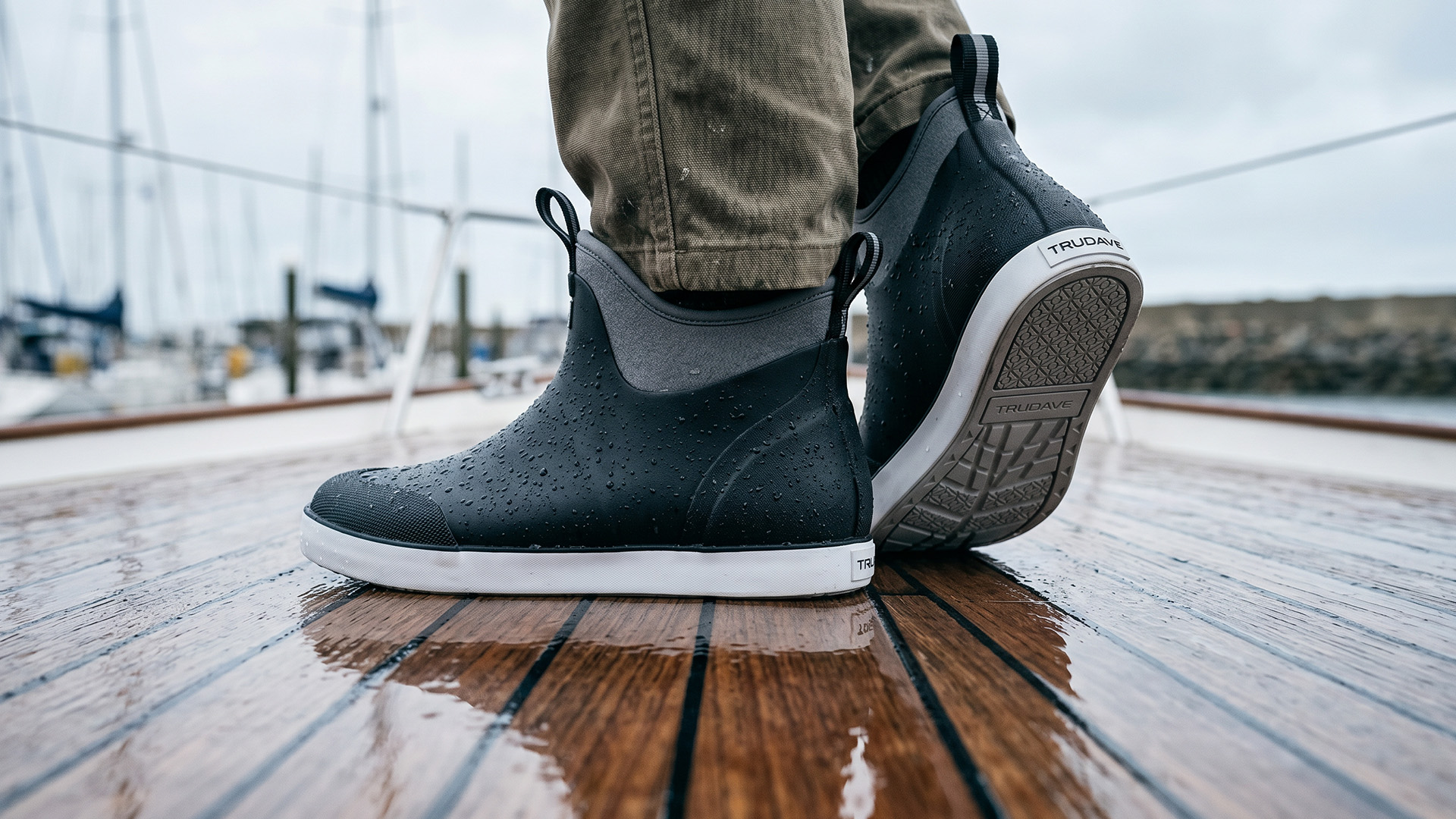
Introduction: The Water Matters
Anglers spend endless hours debating the right bait for the right tide, but far less time considering how the water itself affects the gear on their feet. A boot that excels on a muddy, rain-fed bass lake in Georgia faces a completely different set of enemies than one strapped to the deck of a center console 20 miles off Montauk. The water you fish—its salt content, its temperature, the mud and muck it conceals—determines what your boots are up against. Trudave Gear builds its deck boots to handle the full spectrum, but knowing which model to choose and how to care for it based on your water can mean the difference between a boot that lasts five seasons and one that fails in five months.
We’ll walk through the unique challenges of freshwater and saltwater fishing, match you with the ideal Trudave deck boot for your environment, and give you the care protocols specific to each. Whether you’re casting for crappie on a placid lake or wrestling tuna in the Gulf Stream, your feet will be ready.
1. The Freshwater Frontier: Mud, Fluctuating Temps, and Organic Grime
Freshwater fishing looks tame compared to the ocean’s fury, but it has its own punishing characteristics. The primary enemies are mud, algae, and temperature swings. The bottom of a freshwater lake, river, or impoundment is often a deep, sticky clay that clings to boots and refuses to let go. Docks and boat ramps are frequently coated with a thin, treacherous layer of algae that turns standard rubber into a skating rink. In the spring and fall, morning temperatures can hover in the 30s while afternoons climb into the 60s or 70s, demanding a boot that can keep you warm at dawn without cooking your feet by lunch.
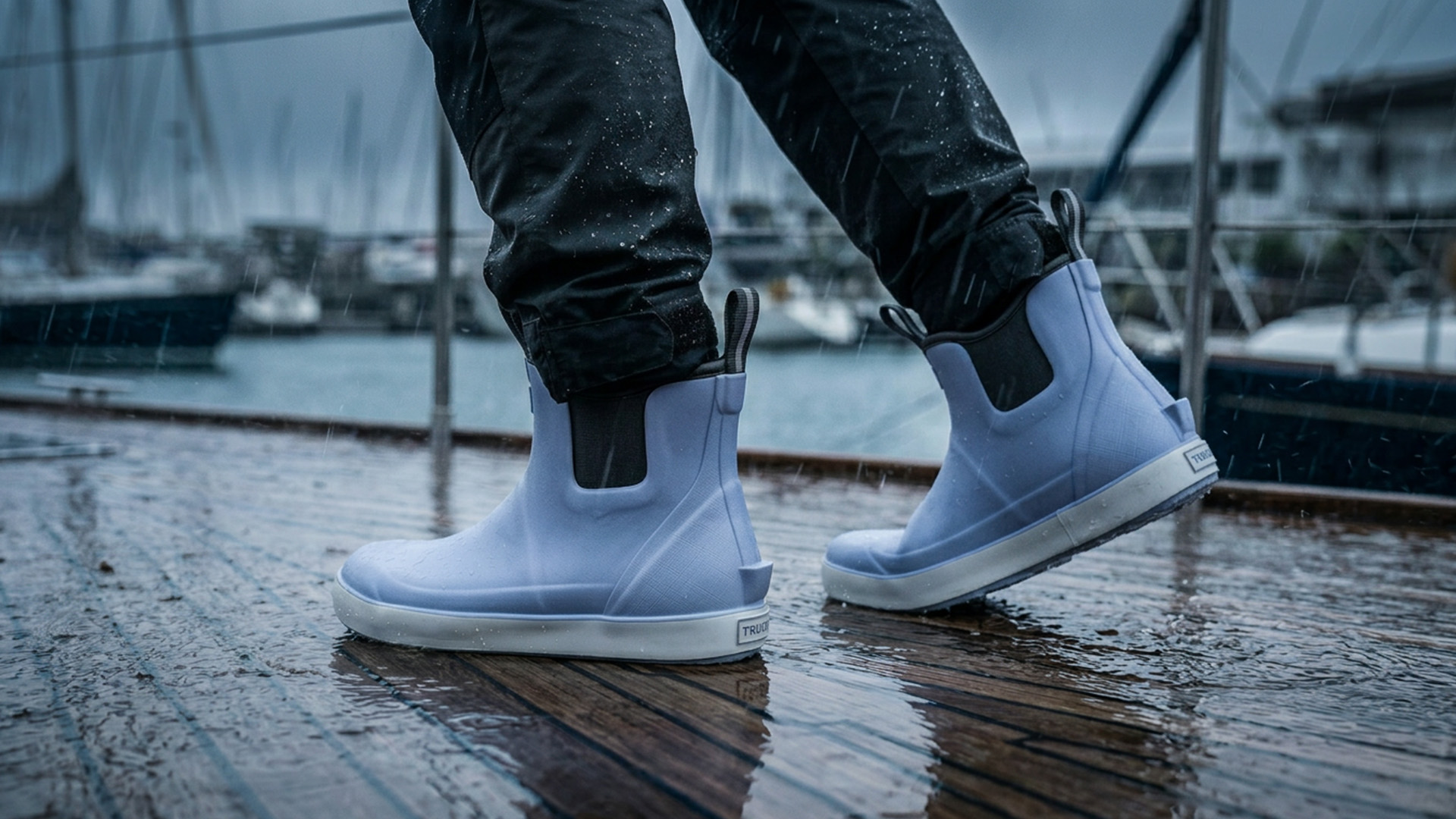
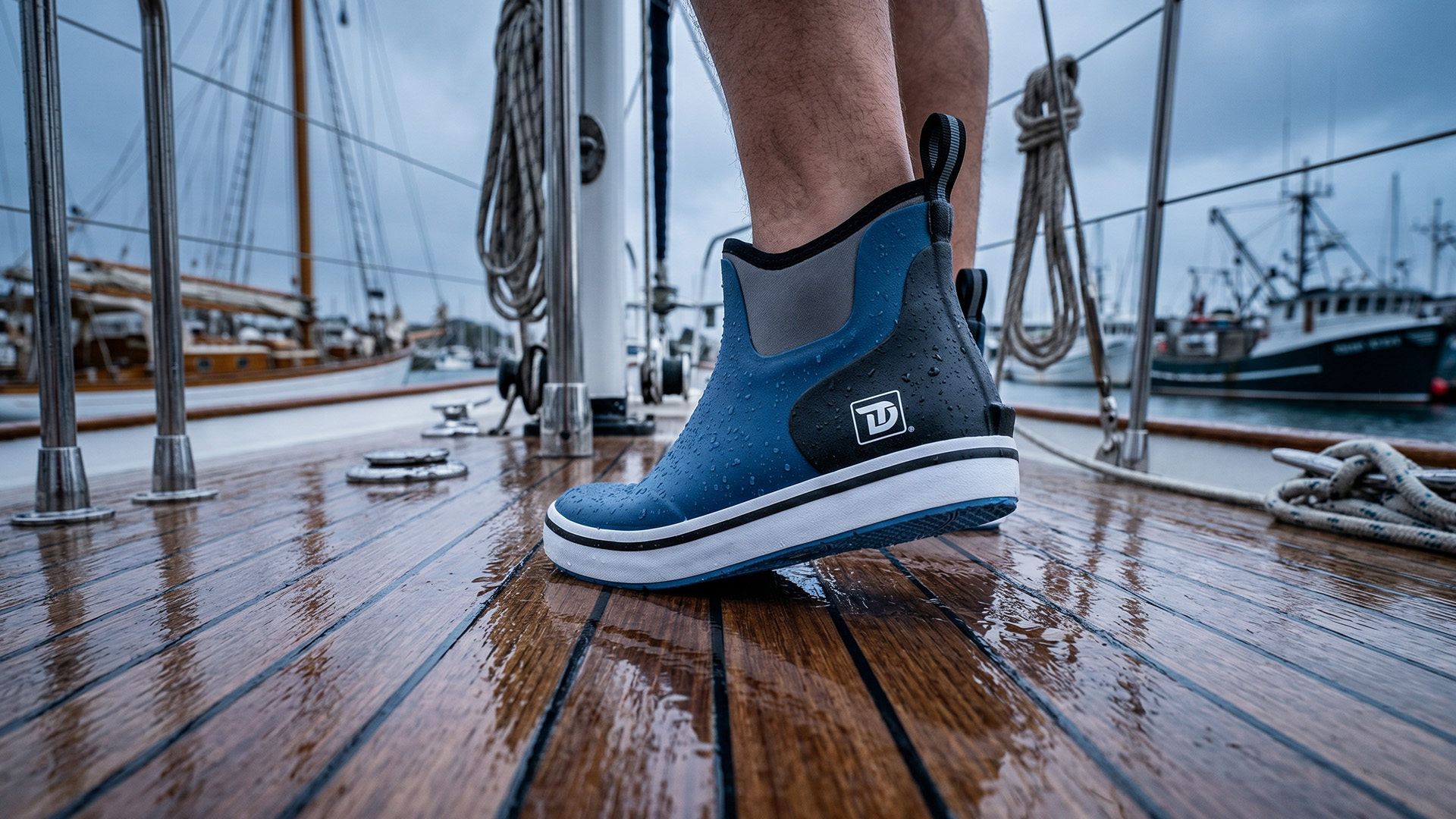
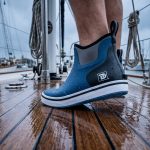
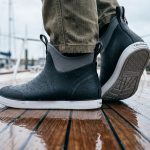
The Trudave solution for most freshwater anglers is the WaveLock. Its soft thermal insulation lining takes the bite out of those frosty morning launches without the suffocating bulk of a deep-winter boot. The exclusive micro-channel siped outsole disperses water instantly, which is just as effective on algae-slicked concrete as it is on a wet fiberglass deck. The flexible neoprene side panels make sliding the boot on effortless, and the easy-off heel tab is a blessing when you’re tired and muddy at the ramp.
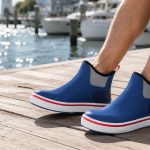
For anglers fishing shallow rivers or small lakes in consistently warm weather—think summer bass fishing in Florida or Texas—the uninsulated, breathable DeckFlow is a smarter pick. Its lightweight, moisture-wicking lining will keep your feet cooler and drier during long, hot days on the water, and its non-marking siped outsole provides reliable grip without the weight of insulation you don’t need.
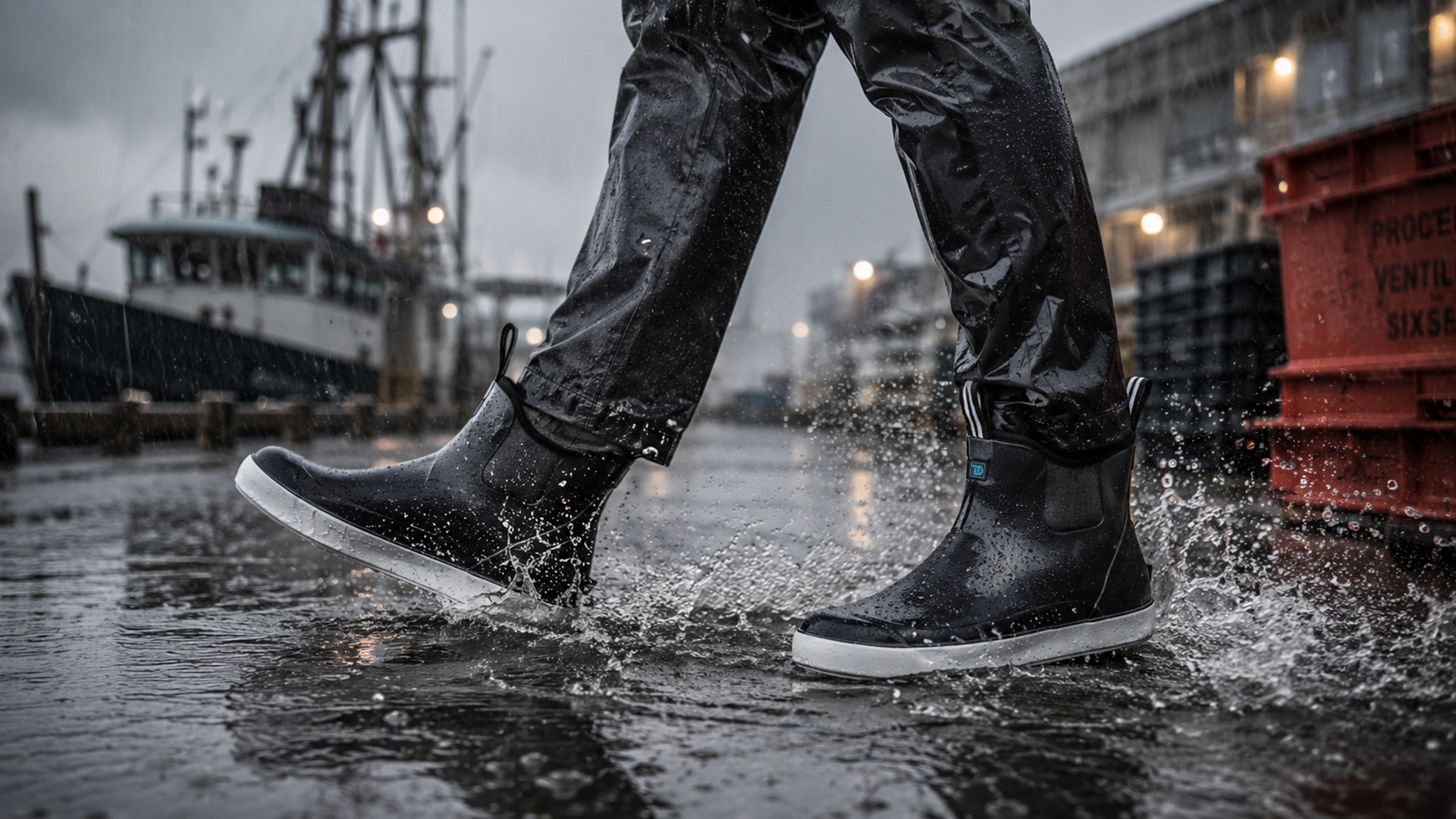
The mud you encounter in freshwater is often thick and clay-heavy. Trudave’s self-cleaning outsole lugs (on the AquaGuard for those who work in freshwater environments like fish farms) are a godsend here, ejecting mud as you walk so you don’t track half the lake bottom into the boat. But even the standard WaveLock and DeckFlow have widely spaced lugs and siping channels that shed gunk better than any hiking boot ever could.
Freshwater Care: The most important post-trip ritual is rinsing off that organic mud and algae. Let it dry, and it can become rock-hard and abrasive, working into the siping channels and accelerating outsole wear. A simple hose-down with fresh water and a soft brush is all it takes. Because freshwater lacks the corrosive salt crystals that eat away at rubber, you don’t have to be as fanatical about immediate rinsing as you do with saltwater—but doing it anyway will extend the life of your boots dramatically. Air dry them away from direct heat, and they’re ready for tomorrow’s dawn patrol.
2. The Saltwater Gauntlet: Salt, Sun, and the Relentless Sea
Saltwater fishing is a full-scale assault on footwear. The ocean’s salt is a silent, crystalline destroyer. When seawater evaporates from your boot, it leaves behind microscopic salt particles that burrow into the rubber’s pores. As temperatures fluctuate, these crystals expand and contract, slowly turning tiny imperfections into full-blown cracks. Add the relentless UV radiation of an open deck under a summer sun, the occasional splash of corrosive diesel or fish blood, and the sheer physical abuse of heavy gear, and you have an environment that separates genuine quality from cheap imposters within a single season.
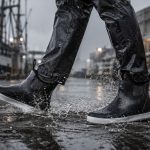
For the saltwater angler, the WaveLock is again the gold standard. Its vulcanized natural rubber shell is a single, chemically fused unit—no glued seams for saltwater to pry apart. The aggressive micro-channel siping provides the vice-like grip you need when a deck is slicked with salt spray, tuna blood, or a sheen of bunker oil. The reinforced toe shell and heel armor offer protection from dropped sinkers, thrashing gaffs, and the general chaos of offshore fishing. And the insulation keeps your feet warm during those predawn runs when the air is still biting, even in the tropics.
For women who fish the salt, the DeckFlow offers a precision, women’s-specific fit with all the salt-ready protection of vulcanized rubber and a non-marking, siped outsole that won’t leave black streaks on a gleaming white gelcoat deck. It’s the ideal inshore companion for tarpon, redfish, and sea trout.
If your saltwater work is commercial—lobstering, crabbing, long-lining, or working a fish farm—the AquaGuard is the only choice. Its industrial-grade rubber is thicker, denser, and chemically resistant to diesel, hydraulic fluid, and the caustic cleaning solutions used on commercial vessels. The deep, self-cleaning lugs shed not just mud, but the soupy muck of a bait hold or a processing deck.
Saltwater Care: The unbreakable rule is to rinse your boots with fresh water after every single trip. Every time. No exceptions. Salt crystals don’t sleep, and they don’t take weekends off. A quick, thorough hose-down dissolves the salt before it can embed. Pay special attention to the siping channels and the junction between the upper and the outsole. About once a month, or after a particularly bloody, slimy trip, wash them with mild soap and a soft brush. Always air-dry them in the shade; direct sunlight or heat will accelerate the degradation of the rubber and void the benefits of your care. A silicone-free rubber conditioner applied every few months will replenish the natural oils that keep the rubber supple and create a barrier against the next assault of salt and sun.
3. The Boot-by-Water Matrix
| Your Primary Water | Main Enemies | Best Trudave Boot | Why |
|---|---|---|---|
| Freshwater (lakes, rivers) | Algae, sticky mud, temperature swings | WaveLock (cooler) or DeckFlow (warm) | Insulation for cool mornings, siped traction on algae, easy rinse |
| Freshwater (commercial, farms) | Heavy mud, chemicals, long hours | AquaGuard | Industrial rubber, self-cleaning lugs, all-day support |
| Saltwater (inshore/offshore) | Salt, sun, blood, diesel, impact | WaveLock | Vulcanized rubber, micro-channel siping, reinforced toe |
| Saltwater (commercial) | Salt, fuel, extreme abrasion, fatigue | AquaGuard | Chemical-resistant, heavy-duty construction, ergonomic support |
4. One Boot for Both Worlds? The Hybrid Angler’s Strategy
Many of us fish both fresh and salt. You might spend the spring on a walleye lake and the summer chasing stripers on the coast. In a perfect world, you’d have dedicated boots for each, but a smart single-boot choice is the WaveLock. It offers the insulation to make chilly freshwater mornings comfortable, the traction to grip on any slippery surface from a muddy riverbank to a bloody tuna deck, and the vulcanized durability to withstand saltwater’s worst. Pair it with merino wool socks of varying weights to adapt to the temperature, and you have one boot that can do it all. Just remember: the post-saltwater rinse becomes non-negotiable.
Conclusion: Respect the Water
The water you fish is a character in your story, not just a backdrop. It has a personality, a chemistry, and a grudge against the unprepared. Trudave Gear’s WaveLock, DeckFlow, and AquaGuard boots are built to thrive in both the quiet, muddy coves of freshwater and the roaring, salt-encrusted decks of the open ocean. Match the boot to the water, follow the care rituals that environment demands, and your feet will stay dry, safe, and planted—no matter what you’re standing in.
To explore the complete Trudave Gear deck boot lineup and find the right pair for the water you call home, visit trudavegear.com.