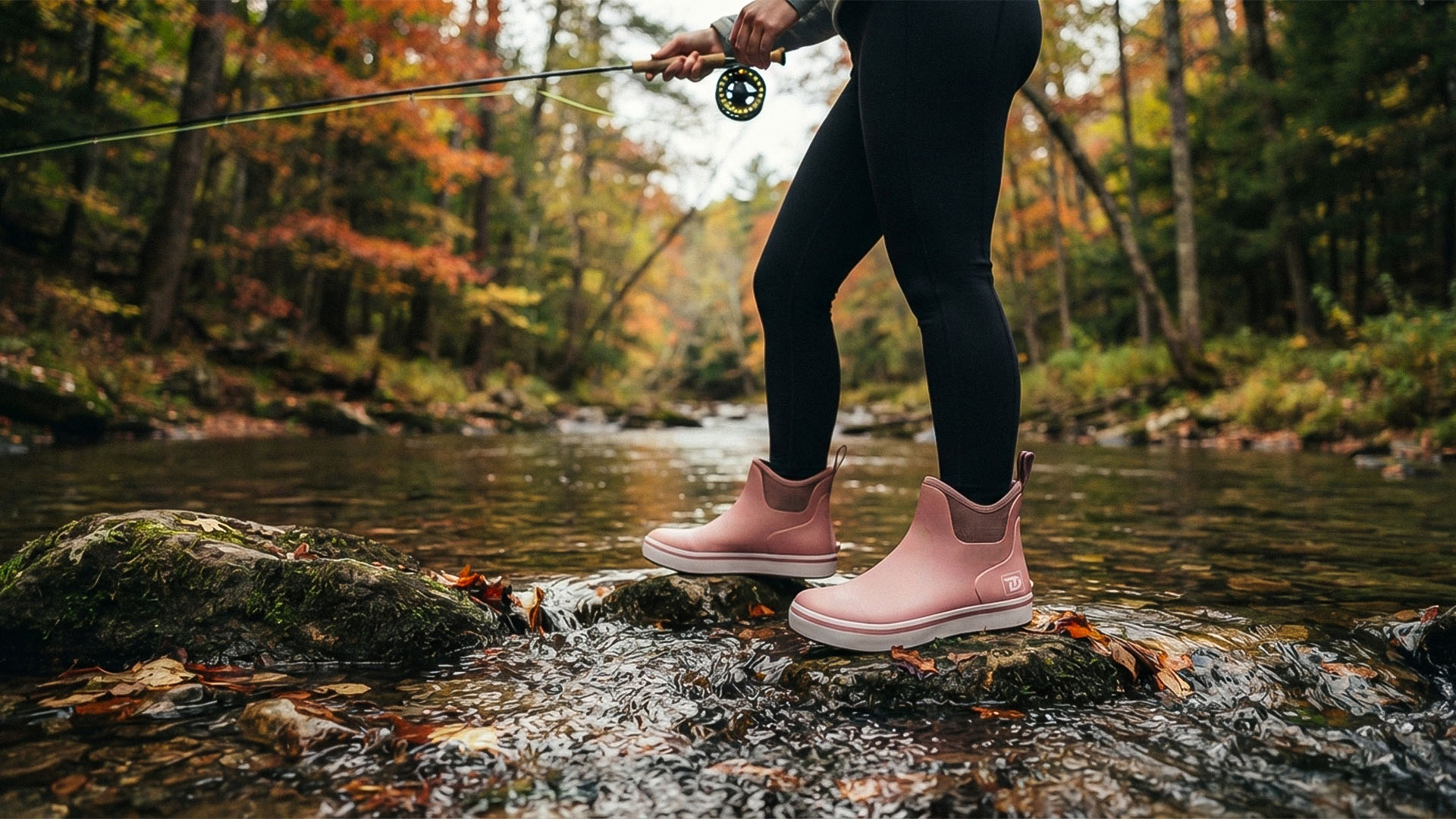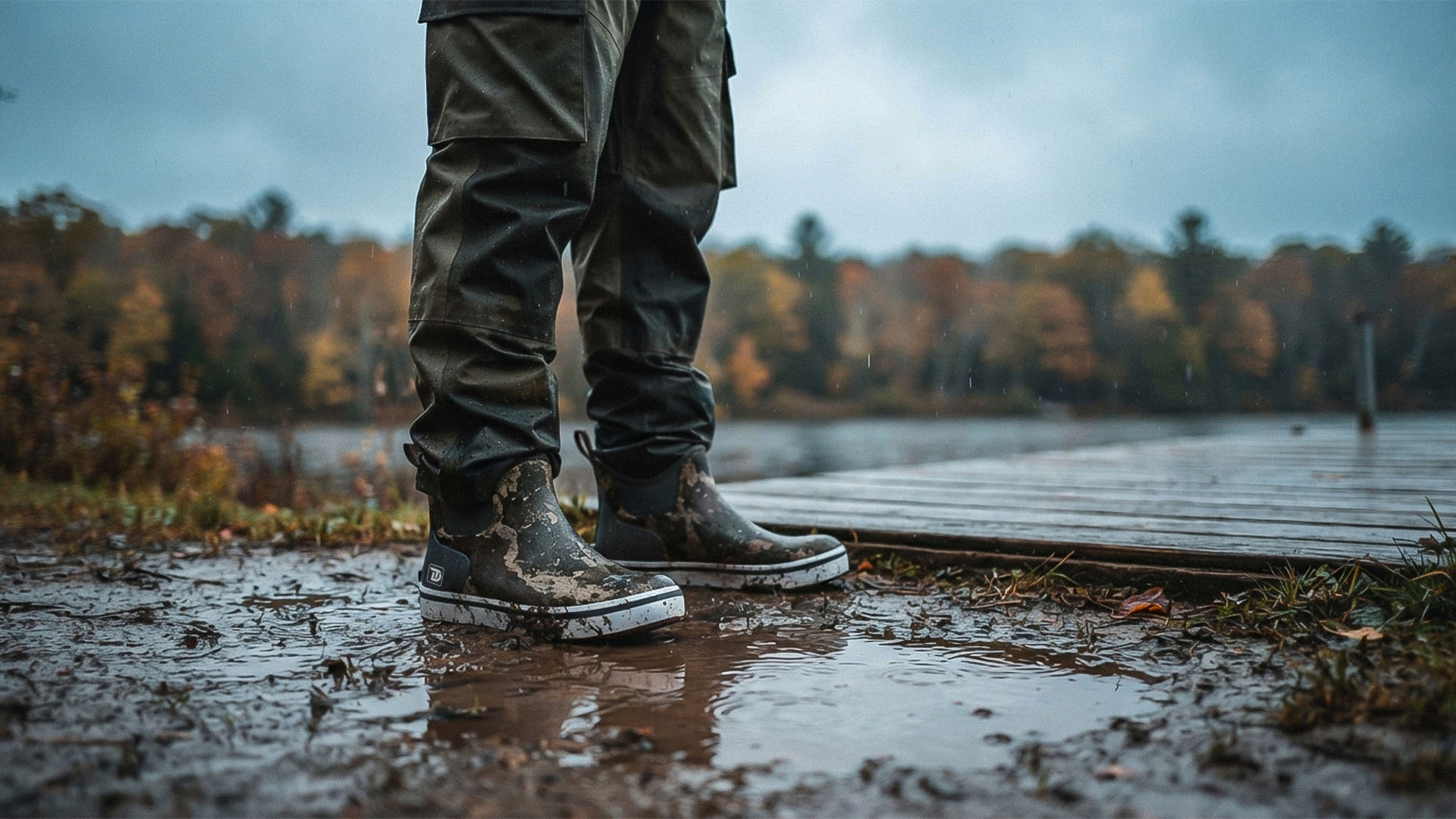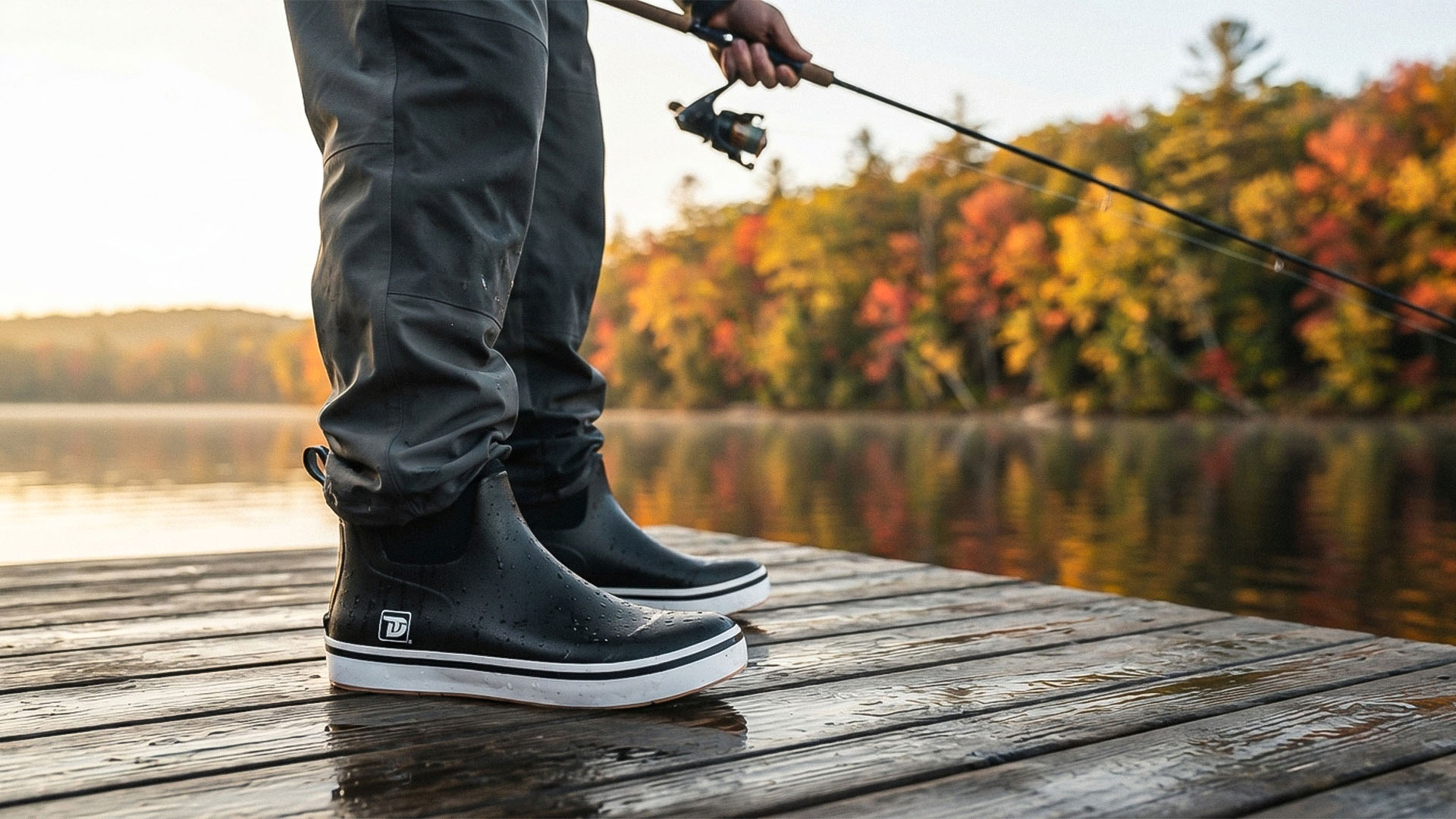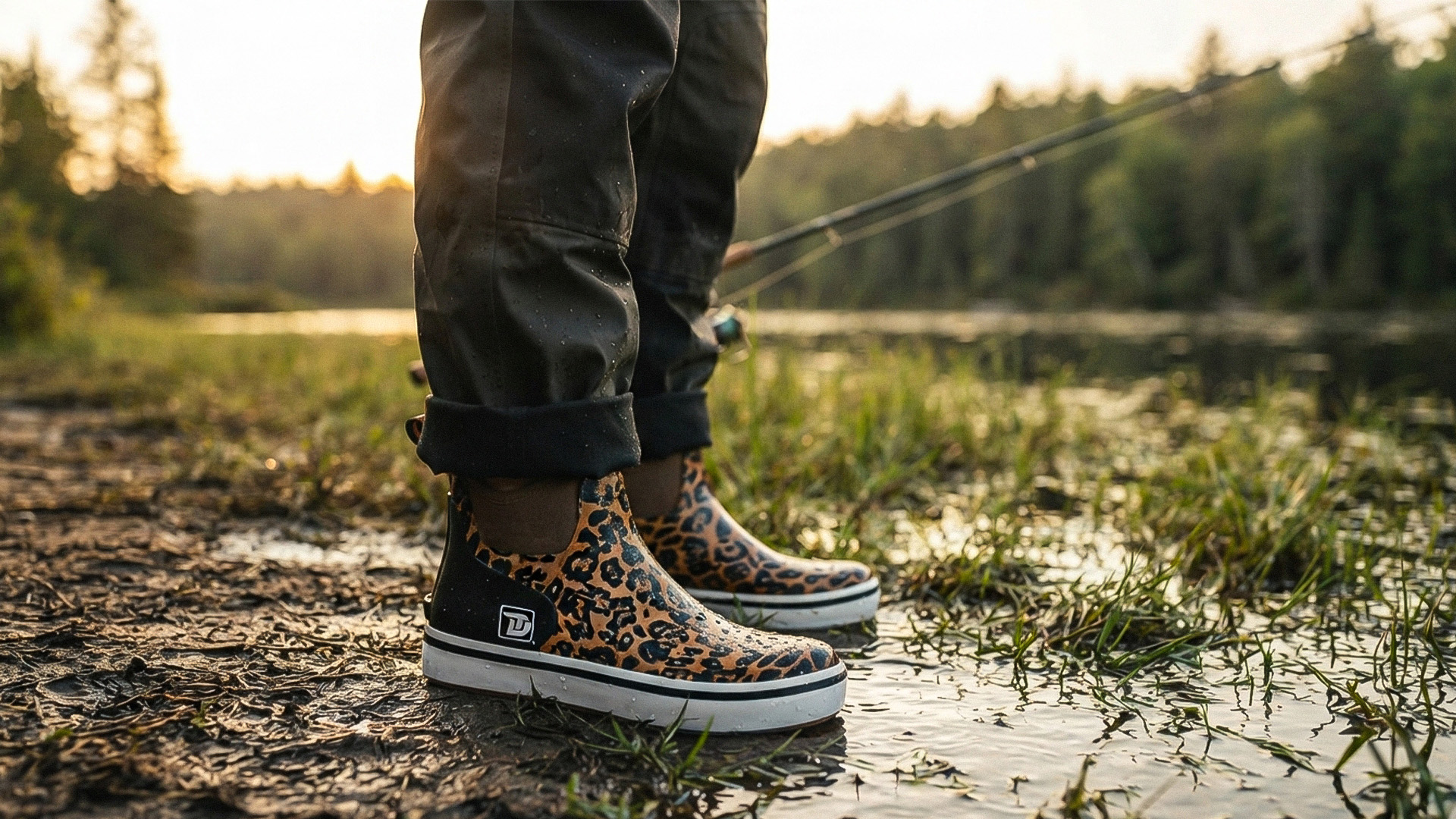
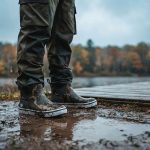
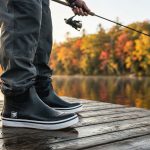
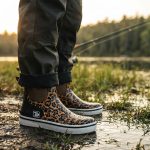
The brown-and-yellow legacy deck boot has been a fishing icon for over six decades. Originally commissioned in the 1950s to protect Alaskan commercial fishermen from the brutal Bering Sea, these boots earned their reputation on factory trawlers where conditions were measured not in comfort but in survival. They became so culturally entrenched that the Smithsonian Institution now holds a pair in its collections — worn by a deckhand aboard the Alaska Ocean in the summer of 2007, preserved as an artifact of American maritime labor.
But here’s what nobody tells you about that legacy: for all its history, the traditional deck boot stayed in its lane. It was a specialist’s tool. You wore it on the boat, then you took it off. It didn’t go to the grocery store. It didn’t walk the dog. It didn’t commute to the office. It was, in every sense that mattered, a one-environment boot.
Then something shifted. Manufacturing for many legacy brands moved overseas. Forum threads began filling with complaints about cracked rubber, delaminated soles, and boots that lasted one season instead of five. A prominent user on one fishing forum summarized the sentiment bluntly: the durability of the once-dominant brand had become “terrible”. Prices, meanwhile, climbed relentlessly. The value proposition that sustained the legacy brands for half a century eroded from both ends.
This opening has been filled by a new generation of direct-to-consumer brands. Among them, Trudave Gear has taken a fundamentally different approach: build deck boots with the same premium vulcanized natural rubber and siped outsole technology that defined the category’s golden age, engineer them for all-day comfort using modern EVA midsole architecture instead of dead-weight steel shanks, and sell them directly to consumers at prices that reflect the materials rather than a brand-logo markup.
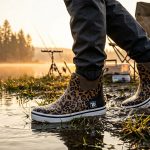
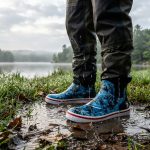
But the most interesting thing about Trudave’s WaveLock and DeckFlow deck boots isn’t just how they compare to the legacy competition. It’s where anglers are wearing them. When Trudave started hearing from customers, the feedback wasn’t just about fish caught and decks conquered. People were sending photos of themselves walking dogs in muddy parks, washing cars, navigating slick subway stairs, and running errands in pouring rain. The boots had escaped the marina.
So I decided to test this phenomenon directly. For 30 consecutive days, I wore a pair of Trudave WaveLock deck boots everywhere — not just on a boat, but to the office, the grocery store, the dog park, the hardware store, and through every rainstorm that a Pacific Northwest October could throw at me. This isn’t a traditional fishing boot review. It’s the story of what happened when a purpose-built marine boot was asked to handle everyday life.
Part 1: The Siping Secret — Why Your Sneakers Are More Dangerous Than You Think
Before I stepped foot on a single wet sidewalk, I needed to understand why deck boots grip wet surfaces in ways that regular shoes simply can’t. The answer is a technology that most people have never heard of: siping.
On a boat deck, the surface is rarely just wet with water. Fish slime creates a lubricating film. Saltwater leaves behind a crystalline residue that turns smooth fiberglass into a skating rink. The combination of constant moisture, smooth surfaces, and fatigue makes fishing footwear a uniquely demanding category. A standard hiking boot with deep, chunky lugs is actually a liability on a wet fiberglass deck. The geometry of a traditional lug traps water, causing the boot to hydroplane across the deck — the same way a bald tire hydroplanes on a wet road.
Siping solves this. Invented and patented in 1923 by John F. Sipe, siping is the process of cutting thousands of razor-thin slits across a rubber surface. Under the pressure of your body weight, these slits expand and channel water away from the contact patch, allowing the rubber to grip the microscopic texture of the surface itself. It’s the same principle that makes winter tires grip ice, applied to the sole of a boot. Look for advanced rubber compounds specifically formulated for wet-surface grip, often featuring razor-siping or multi-directional lug patterns designed to channel water away and maximize surface contact.
Trudave’s WaveLock Series features their exclusive WaveLock Traction Outsole with micro-channel siping that disperses water instantly, keeping your footing solid even on wet fiberglass or metal surfaces. The DeckFlow Series uses a non-marking siped outsole that channels water away and grips securely on wet wood and fiberglass decks.
Here’s the thing that became clear during my 30-day test: wet pavement, polished lobby floors, slick concrete stairs, and tile entries are functionally identical to a wet boat deck. The same physics apply. Water trapped between a smooth shoe sole and a smooth hard surface equals hydroplaning. The siped rubber outsole that keeps a deckhand upright during a Bering Sea storm is the same technology that keeps you from eating pavement on a slick crosswalk.
Part 2: Days 1-10 — The Commute
The first ten days of my test were an exercise in trust. I’d worn deck boots on boats before, but walking into my office building wearing ankle-high rubber boots felt like showing up in waders. Would they squeak on the polished lobby floor? Would they look absurd with chinos? Would my feet be swimming in sweat by 10 AM?
The WaveLock’s flexible side panels made the first surprise immediately apparent: these aren’t the stiff, clunky rubber boots I remembered from childhood. The stretchy side panels allow for quick slip-on comfort while maintaining a snug fit without pressure points. Unlike tall, stiff rubber boots that lock your ankle, the lower ankle-height cut gives you the flexibility needed to drive a car comfortably without feeling like you’re wearing ski boots.
The real test came on Day 3, when a classic Pacific Northwest storm rolled in overnight. Sidewalks were slick with standing water. Crosswalks gleamed under the streetlights. This is the environment where regular shoes fail — the smooth rubber sole of a sneaker or dress shoe simply cannot channel water away fast enough to maintain contact with the ground.
The WaveLock’s outsole performed exactly as its marine engineering intended. The micro-channel siping dispersed water with each step, and I never felt that telltale slip — the momentary loss of friction that makes your stomach drop before your brain even registers what’s happening. When you need to take the trash out in the rain or grab the mail, you don’t want laces. You want something by the door you can step into hands-free. The ankle-height design and reinforced pull-tabs make this effortless.
By Day 10, I’d stopped thinking about the boots entirely during my commute. They’d become invisible — and in the world of outdoor gear, that’s the highest compliment you can pay. A boot you don’t notice is a boot that’s working perfectly.
Part 3: Days 11-20 — The Dog Park, The Hardware Store, The Weekend
The second phase of the test moved the boots into the environments where most people actually live their lives: weekend errands, dog walks, hardware store runs.
The dog park was the most revealing test. If you’ve ever walked a dog on a dewy morning, you know the problem: the grass looks inviting, but within thirty seconds your sneakers are soaked through, and you’re squelching back to the car with cold, wet socks. Deck boots are shorter and lighter than tall rubber boots, making them ideal for mobility while still offering full waterproof protection. The WaveLock’s 100% waterproof construction — made from premium natural rubber with sealed construction — meant I could walk through wet grass, puddles, and mud without a second thought.
At the hardware store, the boots faced a different challenge: standing. A fishing day sounds relaxing until you’ve spent eight hours standing, bracing, and moving on hard, wet surfaces. Good boots should feel supportive without being clunky, and cushioned without feeling soft and unstable. The WaveLock’s cushioned insoles and the EVA midsole architecture (with no heavy steel shank) kept my feet comfortable through hours of standing on concrete floors.
The slip-on design became more valuable than I expected. Wet hands, muddy socks, early mornings, and end-of-day fatigue make easy pull-on design a real quality-of-life feature. A good pair should go on fast and come off without a wrestling match. The reinforced heel armor with an easy-off heel tab meant I could kick them off at the door in two seconds flat — no bending over, no pulling with wet hands, no wrestling with rubber that had suctioned itself to my foot.
By Day 20, I’d reached for the WaveLocks instead of my usual sneakers at least a dozen times. Not because I was testing them. Because they were easier.
Part 4: Days 21-30 — The Cold Mornings and the Sweat Test
The final phase of the test brought the first real cold of autumn. Morning temperatures dropped into the low 40s, and the ground stayed wet from overnight dew and intermittent rain.
The WaveLock’s insulation proved its worth here. These men’s insulated waterproof boots feature a soft lining and thermal insulation that retain heat while allowing breathability — perfect for cold mornings on the boat or dock. On a 42-degree morning walk with the dog, my feet stayed warm without the boot feeling like a sauna.
This is where neoprene and rubber construction becomes relevant. Natural rubber provides a completely waterproof and durable shell, while the flexible neoprene upper offers insulation and comfort, creating a boot optimized for wet and cool conditions. Neoprene is an excellent insulator, trapping body heat to keep you warm in cold water or air. It is also exceptionally flexible and soft, which prevents the chafing and stiffness that can occur with a full rubber boot.
The breathability question deserves honest treatment. Rubber and neoprene don’t breathe in the way that mesh fabric does. If your boots are waterproof but your socks trap sweat, your feet can still feel miserable. The solution is pairing deck boots with moisture-wicking or merino-blend socks for better comfort and temperature control. I wore lightweight merino wool socks throughout the test, and my feet stayed comfortable even during active days with significant walking.
By Day 30, I’d worn the WaveLocks through rainstorms, muddy dog parks, hardware store concrete floors, office commutes, and early-morning walks. The boots showed light scuffing on the rubber shell — cosmetic wear, nothing structural. The siped outsole was still sharp. The waterproofing was intact. And I’d reached a conclusion I hadn’t expected: these boots weren’t just “good for deck boots.” They were good boots, period.
Part 5: The Women’s Equation — DeckFlow and the Fit Difference
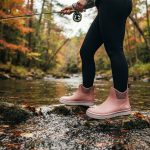
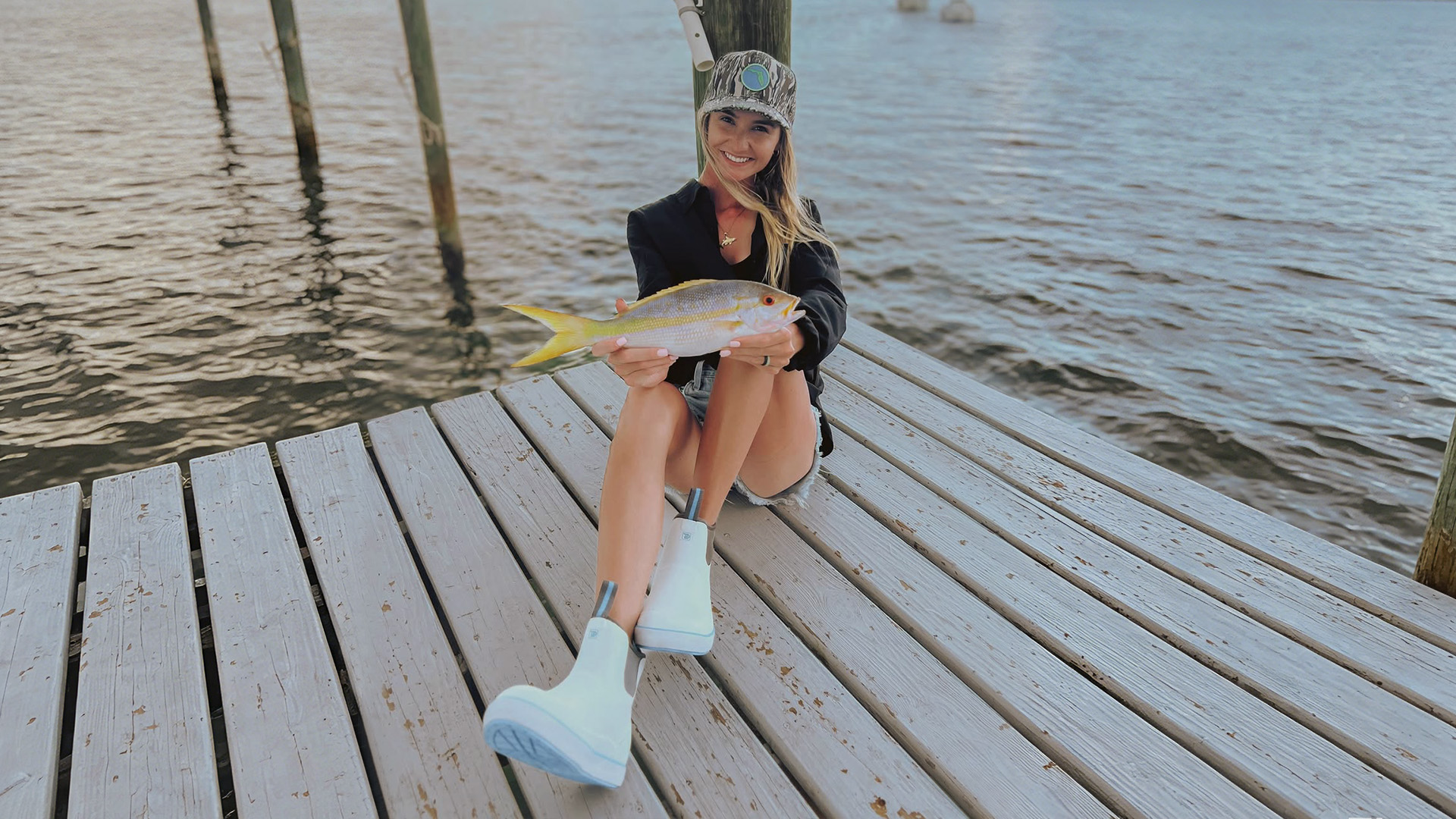
While I tested the men’s WaveLock, my wife spent the month testing the women’s DeckFlow Series. The DeckFlow combines a fully waterproof shell with a soft, breathable lining, keeping your feet dry and comfortable while on the water.
The fit difference was immediately apparent. Trudave engineered the DeckFlow on dedicated lasts to account for a narrower heel and different arch geometry. These ankle-length waterproof boots feature cushioned insoles and breathable lining, offering all-day comfort for women who spend hours on the dock, at work, or on fishing trips. The non-marking siped outsole channels water away and grips securely on wet wood and fiberglass decks, while reinforced toe and heel panels extend durability in high-wear zones.
Her feedback echoed mine: the boots were lighter than expected, the slip-on design was addictive, and the traction on wet pavement was confidence-inspiring. She wore them to the farmers’ market on a rainy Saturday and came back declaring them “the only boots I want to wear when it’s wet.”
Lightweight and versatile, the DeckFlow’s clean low-cut design transitions effortlessly from dockside lounging to daily errands — perfect for those who love laid-back coastal living. These waterproof deck boots are stylish enough for daily wear and practical for gardening, light outdoor work, or rainy-day errands. They combine function and fashion in one.
Part 6: The Care Equation — How to Make Your Deck Boots Last
After 30 days of near-daily wear across wet pavement, muddy parks, and rain-soaked streets, the WaveLocks needed care. Trudave’s recommended maintenance protocol is refreshingly simple: rinse the boots with clean water after use, wipe off dirt with mild soap, and let them air dry naturally. Avoid direct sunlight or heat to preserve the waterproof seal and rubber durability.
The “avoid heat” instruction is the one people violate most often. Intense heat breaks down rubber polymers. A pair of boots left to dry next to a radiator or in direct summer sun will degrade faster than a pair that’s simply been rinsed and left to air dry at room temperature.
For neoprene-lined boots like the WaveLock, there’s an additional consideration: neoprene can retain odors if stored damp. After a long day — especially if you’ve been active — pull the insoles out and let them dry separately. Crumpled newspaper stuffed inside the boots overnight wicks moisture from the neoprene lining and prevents the musty buildup that eventually makes any boot unpleasant to wear.
The DeckFlow Series requires the same care: rinse with clean water after use, gently wipe dirt with mild soap, and air dry naturally. Avoid direct sunlight or heat to preserve the rubber flexibility and waterproof durability.
Part 7: The Decision Framework — Which Trudave Deck Boot Matches Your Life
After 30 days of testing across commuting, errands, dog walks, and office wear, here’s the honest decision framework:
Choose the WaveLock if:
- You fish in cool-to-cold conditions and need insulation for pre-dawn launches and cold morning walks.
- You want maximum traction on consistently wet, slick surfaces — the micro-channel siping is the most aggressive in Trudave’s lineup.
- You value the convenience of flexible side panels and an easy-off heel tab for quick gear-up and removal.
- You want one boot that handles fishing, boating, outdoor chores, and rainy-day commuting with all-weather performance.
Choose the DeckFlow if:
- You want a lightweight, stylish waterproof boot that transitions from the dock to daily errands without looking out of place.
- You fish or spend time outdoors in warm weather where insulation is unnecessary and breathability is a priority.
- You value a women’s-specific fit engineered on dedicated lasts.
- You need a boot that’s as comfortable at the farmers’ market as it is on the boat.
Consider both if: Your year spans cold-weather fishing, warm-weather boating, and everything in between. At Trudave’s direct-to-consumer pricing, owning both the WaveLock and DeckFlow costs less than a single pair of premium-brand deck boots from legacy manufacturers sold through traditional retail.
Conclusion: The Boot That Goes Where You Go
The deck boot market has changed more in the last five years than it did in the previous forty. The brown-and-yellow legacy boot still sits on its throne of nostalgia, but the foundation beneath it is cracking. Anglers who once defaulted to the familiar are now asking harder questions: can I get the same waterproofing and traction without paying a premium for a brand name? Can I find a boot that works on the boat and off it — that handles a rainy commute as confidently as a wet deck?
Trudave Gear’s WaveLock and DeckFlow series answer those questions with engineering, not marketing. The WaveLock delivers insulated, aggressively siped performance for cold mornings and serious conditions. The DeckFlow delivers full marine-grade waterproofing and traction in a lightweight, versatile package for warm weather and everyday life. Both are built on premium vulcanized natural rubber, sealed waterproof construction, non-marking siped outsoles, and EVA midsole architecture.
My 30-day test proved something I hadn’t expected: a purpose-built marine deck boot, engineered for the unforgiving environment of a commercial fishing deck, is also the most practical wet-weather footwear I’ve ever owned for everyday life. The same siping that grips a fish-slimed fiberglass deck grips a rain-slicked crosswalk. The same waterproof construction that seals out salt spray seals out the puddle you misjudged on your morning commute. And the same slip-on design that gets a deckhand working faster when weather turns rough gets you out the door faster when the dog is whining and the rain is picking up.
Call them deck boots, rain boots, or chore boots — it doesn’t matter what the label says. If it’s wet outside, whether you’re chasing tuna or just chasing your golden retriever through wet grass, these are the boots you’re going to grab.
To explore the complete Trudave Gear deck boot lineup and find the right pair for your next day on the water — or your next rainy Tuesday — visit trudavegear.com.