Introduction: The Two-Angler Dilemma on the Same Boat
Picture this: Two anglers step onto the same 24-foot bay boat in Port Aransas, Texas. It’s a classic winter morning, with the mercury hovering at 42 degrees and a steady 15-knot breeze ruffling the Laguna Madre.
The first angler, let’s call him Dave, has been fishing these waters for 30 years. His boots are heavily insulated neoprene monsters, designed for standing still for hours in freezing spray. The second angler, Sarah, is a guide who spends her summers in the Florida Keys. Her boots are lightweight, flexible, and almost sneaker-like, built for mobility and breathability.
By noon, Dave’s feet are swimming in sweat, and Sarah’s toes are starting to go numb. They bought the wrong boots for the job—or more accurately, they bought boots designed for someone else’s fishing style.
This is the exact problem Trudave Gear set out to solve by creating two distinct lines of deck boots: the WaveLock and the DeckFlow. One isn’t a “cheaper” version of the other. They are engineered for completely different bodies of work. This guide is a no-holds-barred comparison to help you decide which one belongs on your feet, based not on marketing, but on the physics of how you fish.
The Contenders at a Glance
Before we get into the weeds of tread patterns and midsole density, let’s define what we’re talking about.
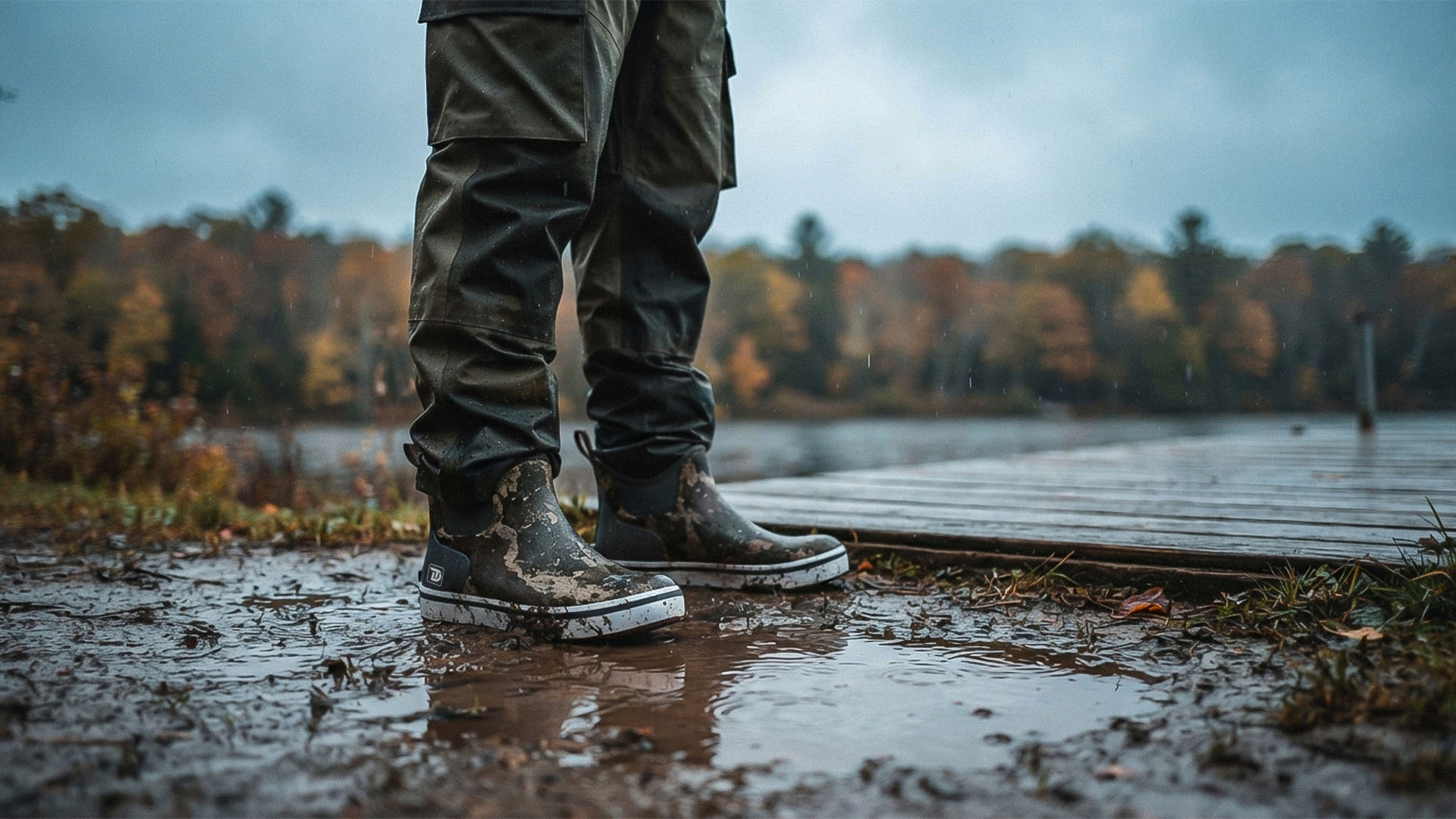
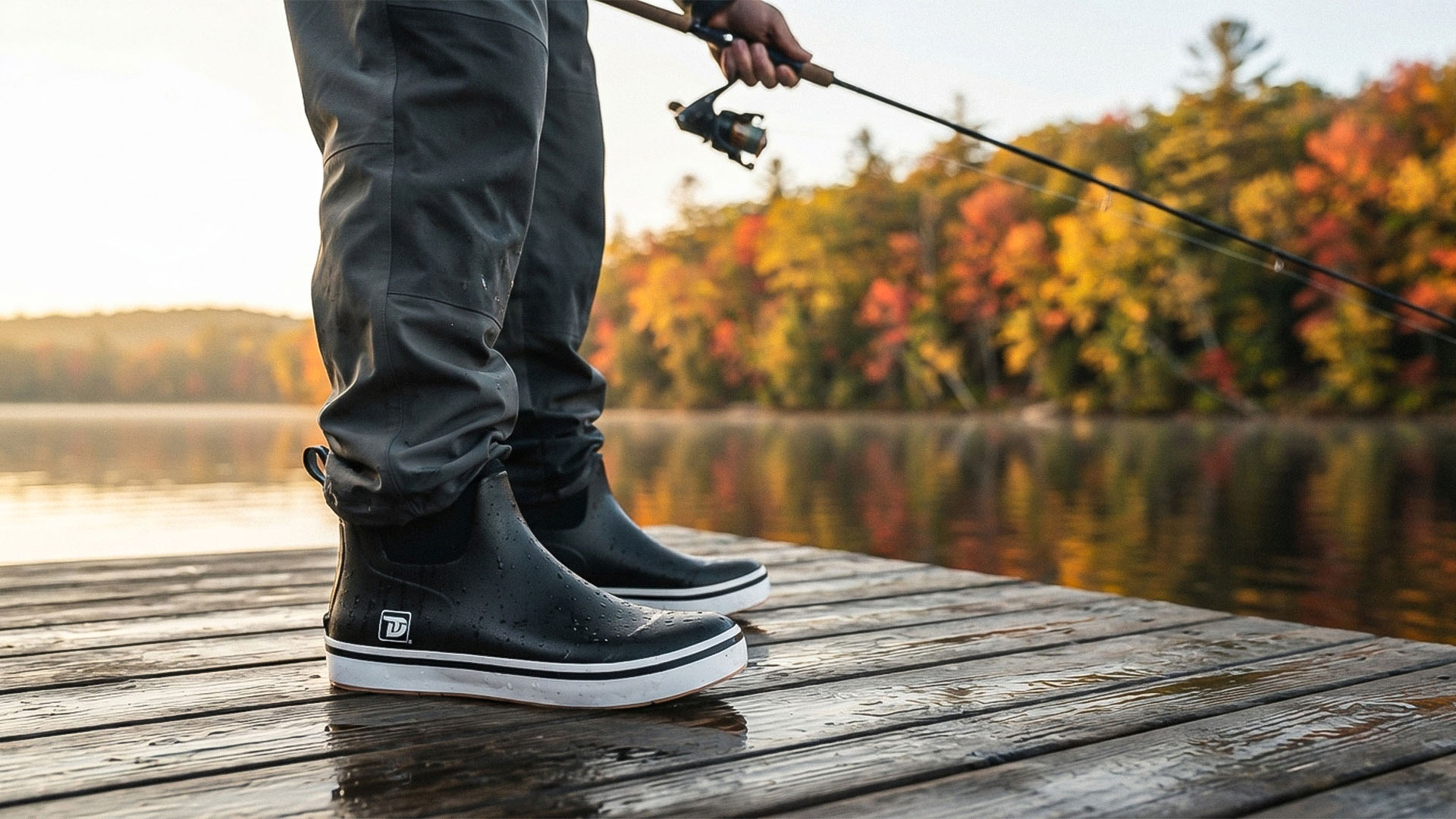
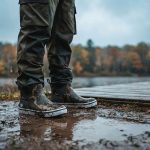
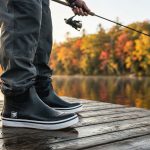
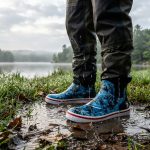
The Trudave WaveLock is the brand’s flagship performance boot. Designed for anglers, hunters, and outdoor workers, it delivers reliable traction and waterproof protection when conditions get wet and unpredictable. It features a 100% waterproof vulcanized rubber shell with a thermal insulation lining, making it the choice for cold-weather, heavy-duty use.
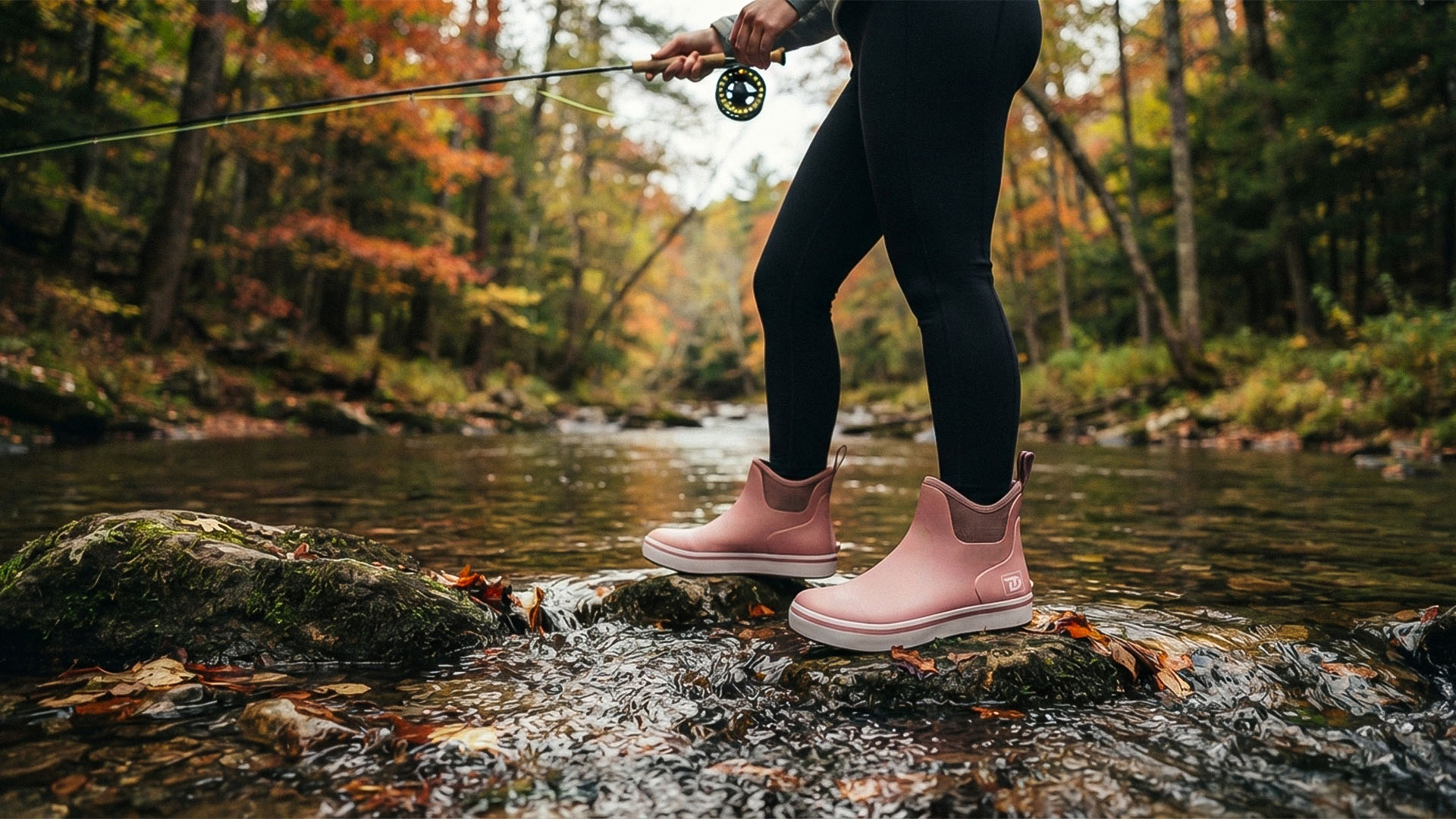
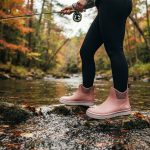
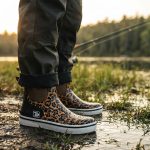
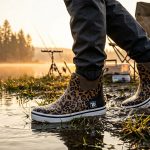
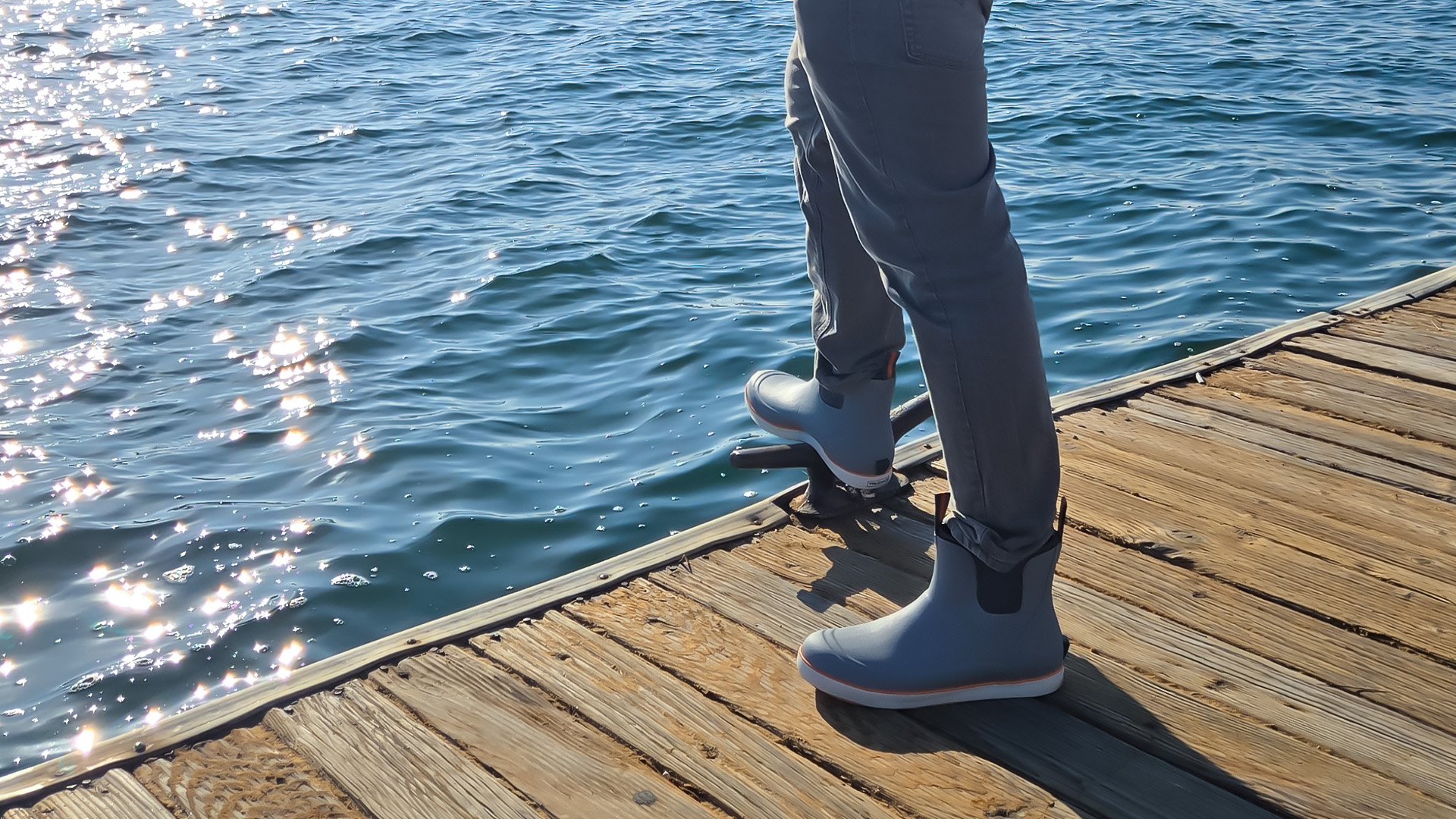
The Trudave DeckFlow takes a different approach. It combines a fully waterproof shell with a soft, breathable lining, keeping your feet dry and comfortable while you’re on the water. It’s lightweight and versatile, with a clean, low-cut design that transitions effortlessly from dockside lounging to daily errands. This is the boot for warm-weather fishing and the coastal lifestyle.
Now, let’s stress-test those differences.
Round 1: The Protection Factor — Waterproofing vs. Warmth
Both boots are 100% waterproof, crafted from premium natural rubber. You will not get wet feet from splashing deck wash or a surprise rainstorm in either boot. However, the experience inside the boot is night and day.
The WaveLock is “born from salt and storm.” Its insulated design features a soft lining and thermal insulation that retain heat while allowing breathability—perfect for cold mornings on the boat or dock. If you’re launching before sunrise in the Pacific Northwest or fishing the fall striper run in the Northeast, this insulation prevents the cold that numbs your toes and distracts you from the bite.
The DeckFlow, however, strips away the insulation. Why? Because insulation is a liability when the sun is blazing. Its soft, breathable lining is designed for moisture management, keeping your feet cool and dry when the mercury climbs. For anglers chasing redfish in the Louisiana summer or bonefish on the flats, the DeckFlow’s breathability means you’re not slogging around in a bucket of sweat by 10 a.m.
Round 2: The Traction Wars — Siping vs. Multi-Directional Grip
This is where the boots share DNA but diverge in execution. Both utilize siped outsoles (those razor-thin slits that channel water away), a non-negotiable safety feature. But the specific outsole designs tell a story.
The WaveLock features an exclusive WaveLock Traction Outsole with micro-channel siping that actively disperses water instantly, keeping your footing solid even on wet fiberglass or metal surfaces. This is an aggressive, technical sole built for the angler who braces against a pitching deck and demands a planted, unmoving grip.
The DeckFlow uses a non-marking siped outsole that channels water away and grips securely on wet wood and fiberglass decks, but it does so with a lighter, more flexible footbed. It’s still incredibly secure, but the design philosophy is different: it’s about providing premium grip without the heavier, stiffer structure needed for serious offshore work. Plus, the non-marking feature saves you from leaving black streaks on a pristine white deck.
Round 3: The All-Day Comfort Test — From Sunrise to Sunset
Being waterproof and grippy is table stakes. The real pain point for anglers is how their feet and back feel after 10 hours on hard fiberglass.
Here, the materials and construction of the shaft are critical. The WaveLock is an ankle-height boot with flexible side panels for quick slip-on comfort, reinforced heel armor, and an easy-off heel tab. The structure is robust, designed to support your ankle during lateral movement on a rolling boat. Inside, the cushioned insoles are tuned for long static periods, reducing the fatigue of standing and bracing.
The DeckFlow is built for maximum agility. As an ankle-length deck boot, its lower-cut shaft allows for a greater range of motion, making it feel more like a rugged sneaker. The cushioned insoles and breathable lining provide a lighter, more casual comfort experience. If you’re constantly moving around the boat, hopping onto a dock, or kneeling to release a fish, the DeckFlow’s flexibility gives it a distinct advantage. If you are planted, wedged against the gunwale in rough seas, the WaveLock’s stouter structure is what you want.
The Decision Matrix: Which Boot Matches Your Body of Work?
Let’s cut through the specs. Here’s a practical, scenario-based framework:
Choose the WaveLock if:
- Your fishing calendar doesn’t stop when the temperature drops. You’re on the water in the chilly shoulder seasons of spring and fall, or even through the winter.
- Your fishing is serious, heavy-duty work. Think offshore runs where seas are unpredictable, commercial or charter work, or fishing cold, rough rivers.
- You prioritize insulation and maximum grip over ultralight weight. Cold feet ruin a trip. You’re willing to wear a slightly more substantial boot for the sake of warmth and a bulletproof stance.
Choose the DeckFlow if:
- Your prime fishing months are in the warm-to-hot parts of the year. You’re a summer warrior, a flats angler, or fish in southern latitudes.
- Your fishing is a blend of action and lifestyle. The boot needs to work on the boat, but also on a scooter in Key West, a rainy-day dog walk, or a quick trip to the tackle shop.
- You value a lightweight, “sneaker-like” feel. You want to forget you’re wearing boots, and breathability is a higher priority than insulation.
The Two-Boot Solution
Here’s the secret that many experienced anglers learn: owning two pairs of deck boots isn’t overkill—it’s insurance against the elements. A WaveLock for the cold, wet, dangerous days, and a DeckFlow for the warm, casual, mobile days. Given Trudave’s direct-to-consumer pricing, the cost of purchasing both specialized pairs often rivals or undercuts the price of a single pair of legacy-brand boots at a retail store.
Caring for Your Investment
No matter which boot you choose, proper care will extend its life for multiple seasons. The maintenance is simple, a point underscored across Trudave’s official guidance: rinse with clean water after each use, wipe off dirt with mild soap, and air dry naturally. Avoid direct sunlight or heat sources. Saltwater, in particular, is a boot killer; the crystals left behind will degrade the rubber over time, so a thorough freshwater rinse is essential. With just a few minutes of care, these boots will protect your feet for years to come.
Conclusion: The Right Tool for the Right Tide
The debate between the Trudave WaveLock and DeckFlow isn’t about which boot is “better.” It’s about which tool is correct for the job. Selecting the wrong one leads to cold feet or sweaty socks. Selecting the right one means your footwear disappears from your mind, allowing you to focus on what you came for: the water, the cast, and the fish.
To find the exact pair that matches your fishing life and to learn more about Trudave Gear’s direct-to-consumer promise, visit trudavegear.com.