Article Content:
I know why you clicked on this article.
Because you‘re standing at the back of your boat, looking down at your expensive “premium” deck boots, and you’re wondering why—after only one season—they’re already cracking at the heel, losing grip on wet fiberglass, and turning into glorified rain boots that you‘re embarrassed to wear to the dock.
Or worse, you’re not even at the point of cracking yet. You‘re still in the research phase, reading reviews, and you keep seeing the same complaints pop up over and over again. Cracking. Leaking. Unpleasant odors after a few months of use. A brand that used to be bulletproof, now shipping boots that barely make it through a single season.
The brand I’m talking about, of course, is XTRATUF.
For decades, XTRATUF was the gold standard for deck boots—the go-to for commercial fishermen, offshore anglers, and weekend warriors alike. But if you‘ve been paying attention to customer feedback over the past few years, you’ve noticed a worrying pattern. A significant number of users have reported quality and durability issues, such as cracking, leaking, and unpleasant odors after just a few months of use. Some reviews are even blunter: “Going back to Extratuf” might be a phrase you hear less and less, as even loyal users have started to wonder aloud whether the brand is still worth the premium price.
Meanwhile, newer brands have entered the market, quietly eating away at XTRATUF‘s reputation by doing one thing really, really well: building boots that don’t fall apart.
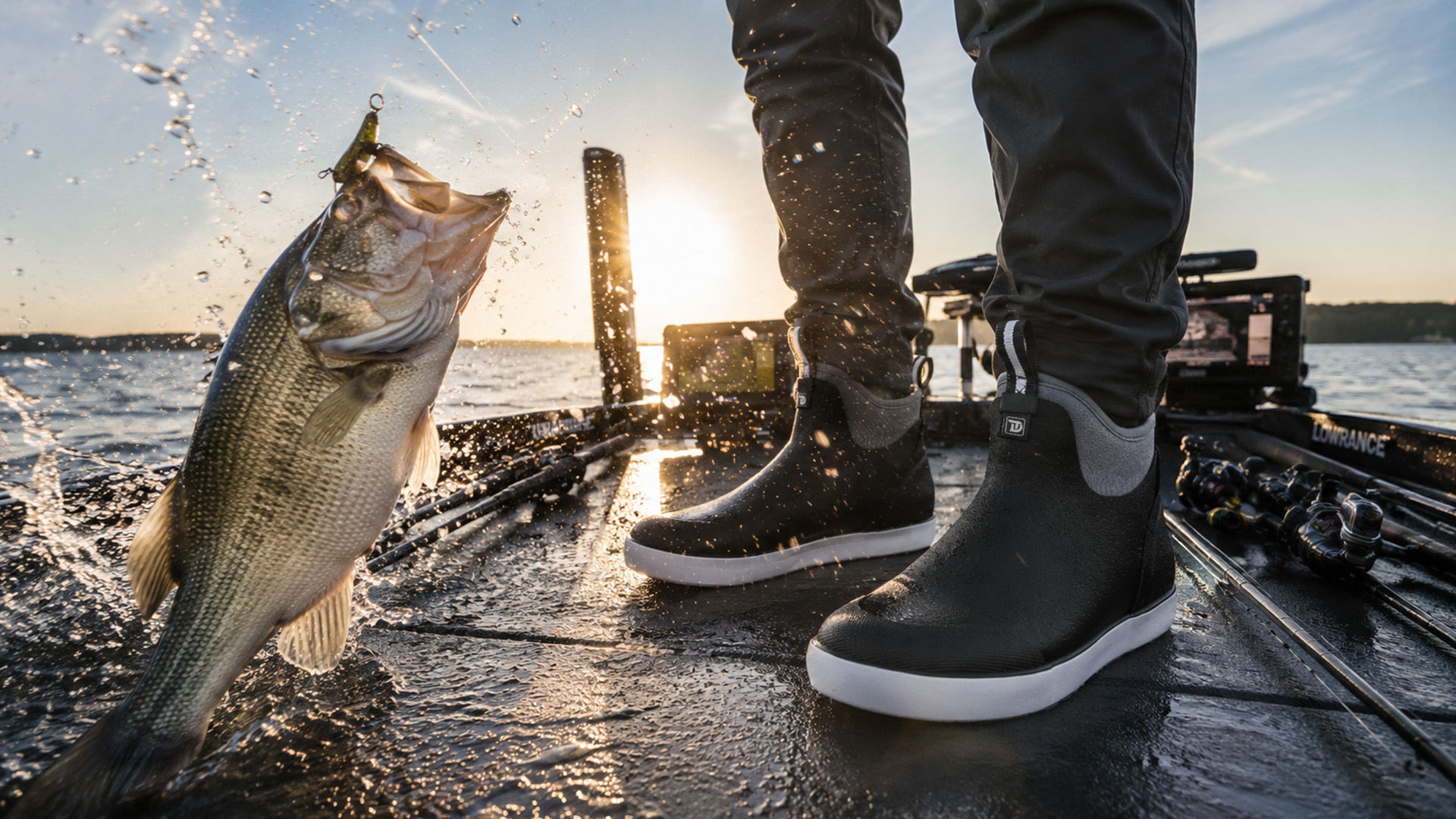
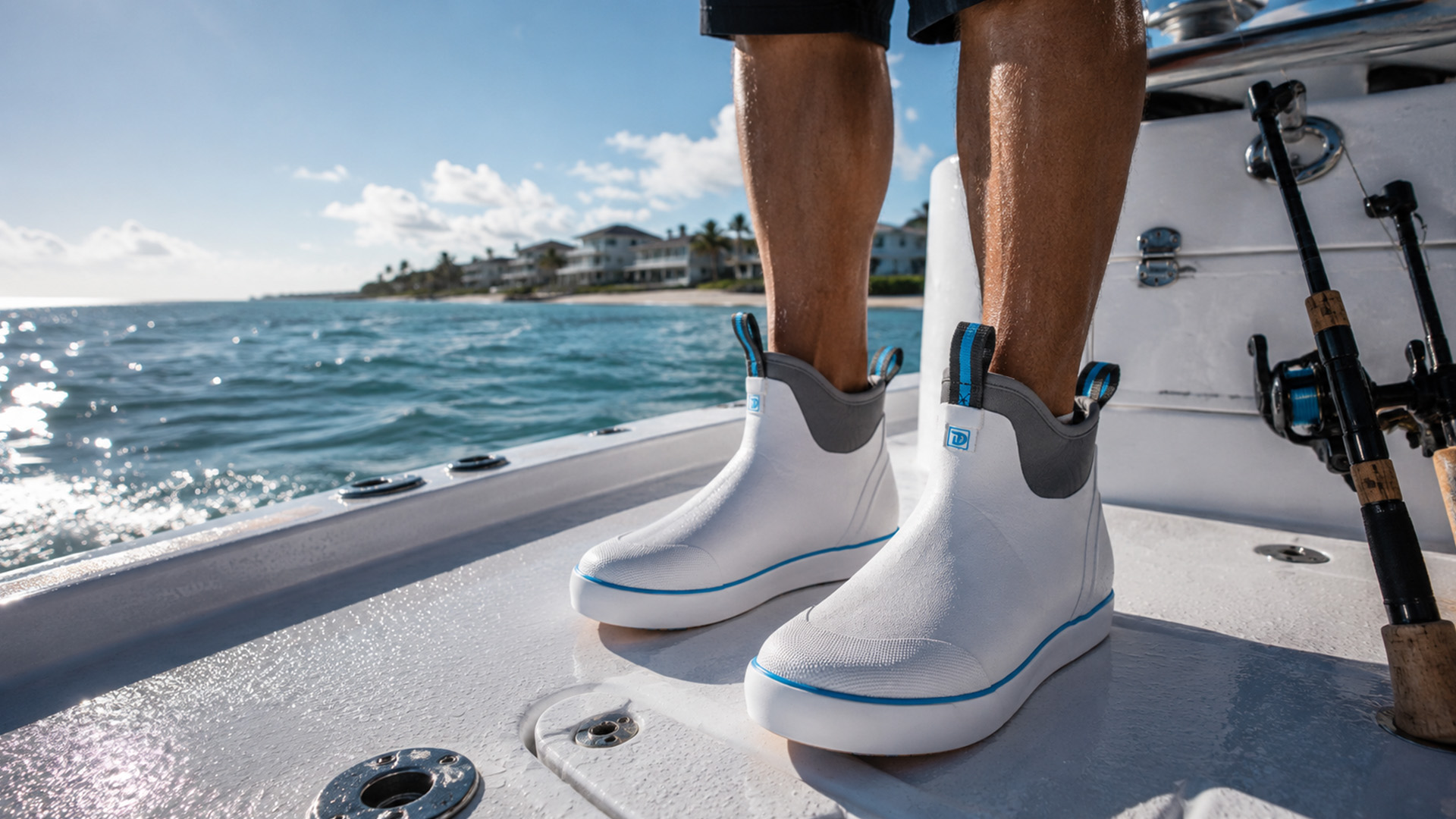
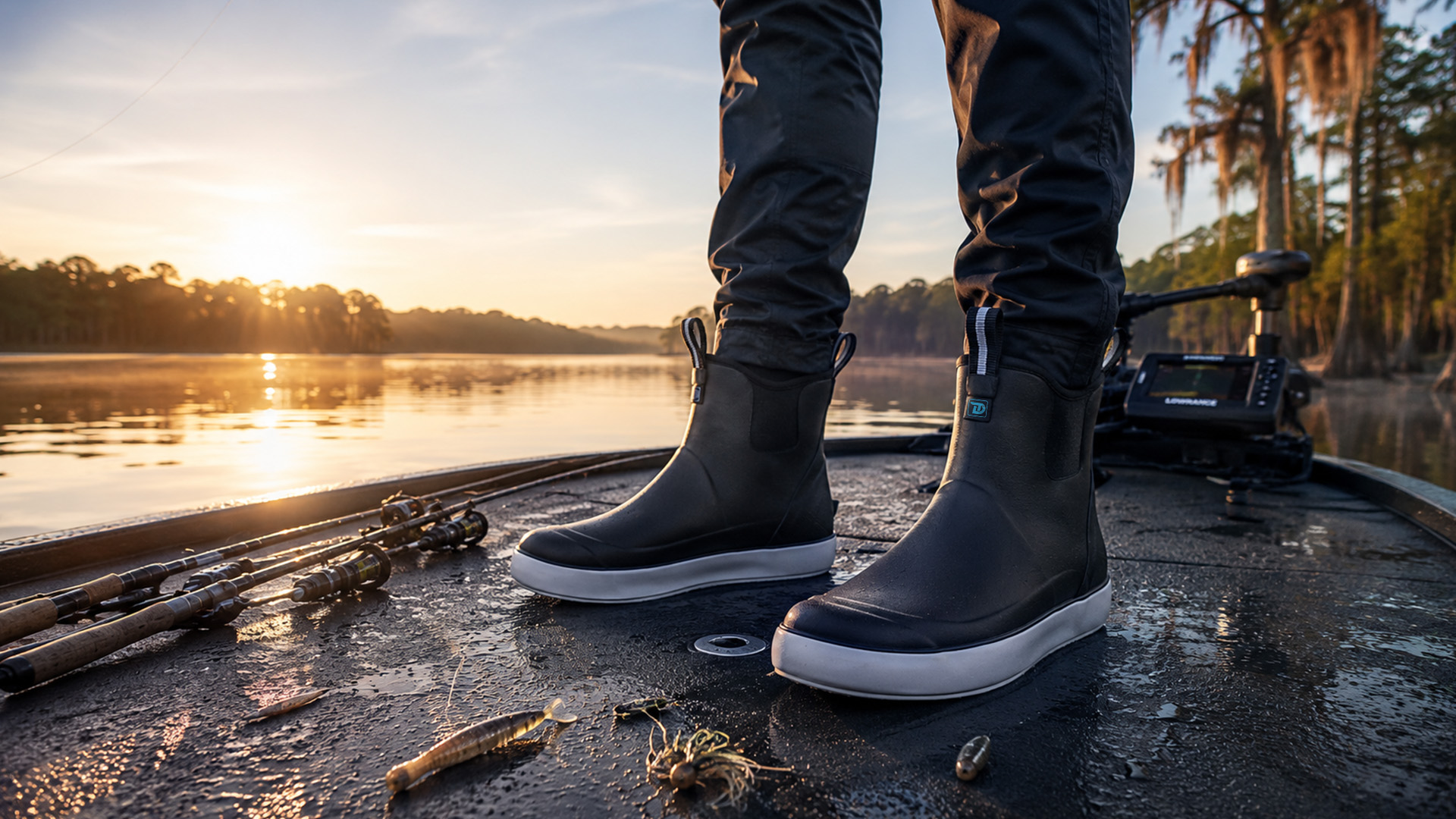
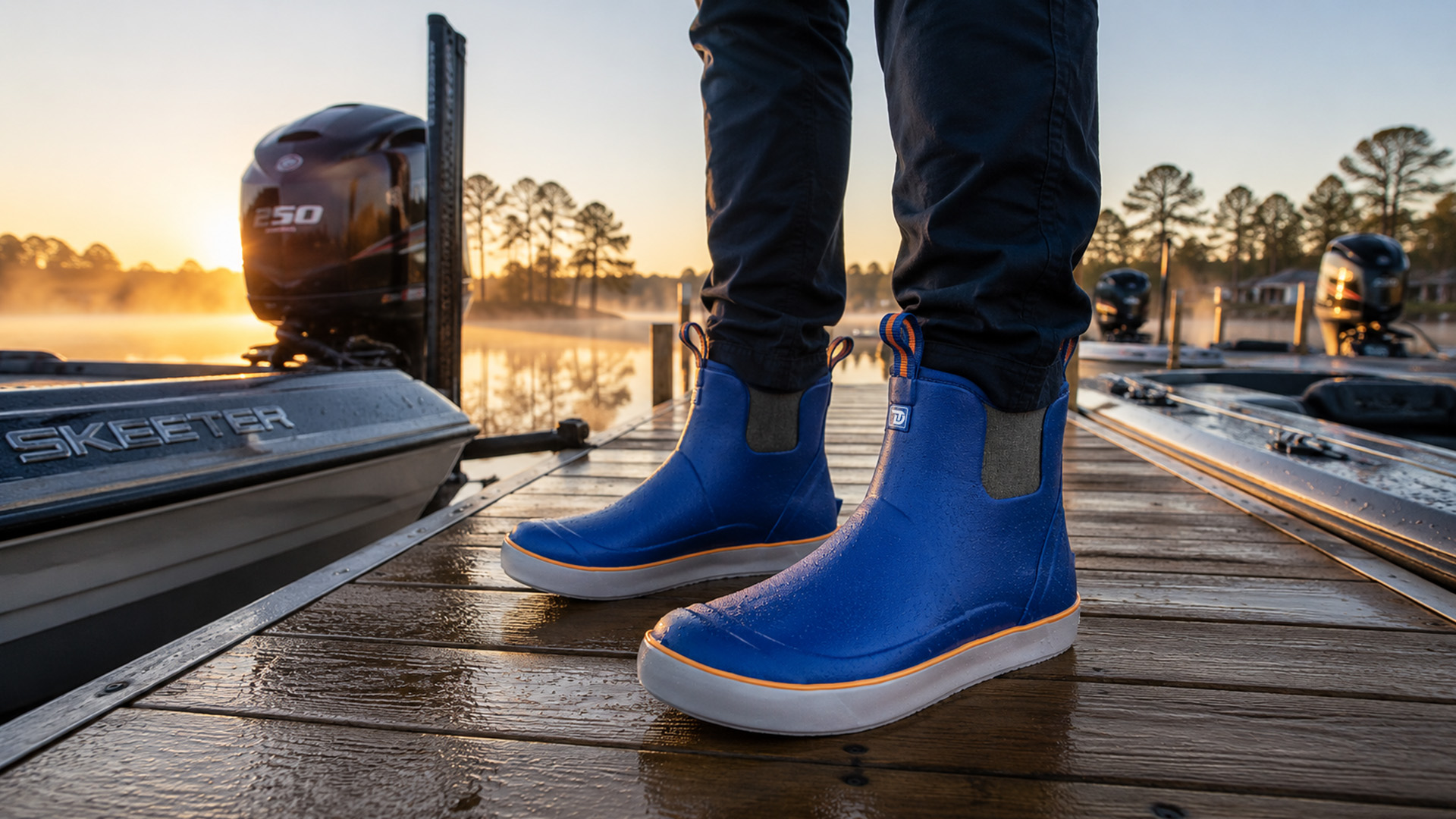
One such brand is Trudave Gear. Direct-to-consumer, aggressively priced, and loaded with features like steel shanks, high-grade rubber, and proprietary traction technology. This isn‘t a review of Trudave in isolation. This is a head-to-head comparison based on real-world feedback and material science. If you’re about to spend $100–$180 on deck boots, you deserve to know where your money is actually going.
⚠️ Disclosure: This article compares Trudave Gear with XTRATUF based on publicly available product specifications, verified customer reviews from Trustpilot and other platforms, and independent material analysis. The author has no affiliation with either brand. All opinions are based on data and user feedback.
The Elephant on the Deck: What’s Really Wrong with XTRATUF?
Let‘s not dance around it. XTRATUF built its legend on the backs of commercial fishermen in Alaska. Their boots were known for one thing above all else: toughness. You could stand in fish guts all day, scrape against steel decks, walk through freezing water, and those boots would keep going.
So why are so many recent reviews filled with words like “cracking,” “leaking,” and “odors”?
Industry observers point to a few potential factors:
Rubber Compound Changes: Some believe that in an effort to cut costs or improve manufacturing efficiency, the rubber formula has changed. The result is a boot that feels softer and more comfortable initially, but hardens faster and develops micro-cracks, especially at stress points like the toe flex and heel cup. Once those cracks form, the boot is no longer waterproof.
Outsole Durability: The famous Chevron outsole that provides incredible grip on wet surfaces may be wearing down faster than it used to. Once the tread pattern flattens, the boot loses its slip-resistant properties, turning a once-safe deck boot into a liability.
Inconsistent Quality Control: When you read through enough reviews, you see a pattern of inconsistency. Some users get boots that last for years. Others get boots that fail within months. That‘s a sign of variable quality control—a problem that plagues large-scale manufacturing when production volume increases faster than oversight.
The Retail Markup Problem: When you pay $120–$180 for a pair of XTRATUFs, a significant portion of that price is going to retailers, distributors, marketing campaigns, and decades of brand building. It’s not all going into the materials.
One verified customer review of a competing brand’s boot summed up the sentiment perfectly: “Going back to Extratuf” — a phrase that suggests the reviewer was dissatisfied enough with their current purchase to consider returning to the XTRATUF brand. But here‘s the problem with that statement: if more people keep “going back to Extratuf” only to encounter the same durability issues, eventually they’ll stop going back at all.
This is the opening Trudave identified.
The Trudave Alternative: Building Deck Boots That Don‘t Break
When Trudave started designing their deck boots, they didn’t start with a mold for a boot. They started with the mechanics of a sneaker—flexibility, fit, and impact absorption. They also started with a simple question: how do we build a boot that lasts?
Material Focus: High-Grade Rubber vs. Rigid PVC
Cheap boots (and some overpriced ones) use rigid PVC or low-grade rubber compounds that harden over time, crack in cold weather, and fight your foot‘s natural movement. Trudave prioritizes high-grade rubber and neoprene blends engineered to remain flexible and resist cracking—even after extended use in marine environments.
Their Active Flex Rubber compound moves with your ankle instead of against it, allowing you to crouch, kneel, and walk briskly without the boot digging into your shin.
The “Lock-In” Heel: A boot feels lighter when it fits properly. Rather than shaping their boots like wide tubes to fit every customer (which creates heel slip, blisters, and that heavy “bucket” feeling), Trudave tightened the tolerance around the ankle and heel cup. This eliminates heel slip, making the boot feel like an extension of your leg rather than a dead weight dragging behind you.
Dual-Density Insole: Standard rain boots often have nothing but a flat piece of rubber inside—no arch support, no shock absorption, just your foot on a hard surface. Trudave integrated a dual-density insole that provides actual arch support and impact absorption, reducing joint fatigue during long days on the water.
100% Waterproof Sealed Construction: Not water-resistant. Not water-repellent. Every seam is sealed, every layer is bonded. The WaveLock Series is fully waterproof, made from premium natural rubber with sealed construction to keep your feet dry while fishing, boating, or working in wet conditions.
The Result? A boot that customers consistently forget they‘re wearing. One Trudave reviewer noted: “I was blown away by how comfortable these boots are. I have worn them nearly everyday since I received them for hours at a time working and fishing. They still feel like the day I got them! Best deck boot on the market”. Another verified Amazon customer reported wearing the boots on an “arctic expedition,” on and off zodiacs, hiking, and in water, concluding: “These boots were perfect. No sore feet or legs. No blisters”.
Feature by Feature: Trudave vs. XTRATUF
Let‘s put them side by side. This isn‘t about brand loyalty—it’s about materials, performance, and value.
The Price Gap Isn‘t Small—It’s Structural.
The difference between $50–$90 and $100–$180 isn‘t just a few dollars. It’s the difference between buying a boot that works and buying a brand name with a markup built into every retail layer. Trudave sells direct. That means no distributors, no retailers, no middlemen marking up the price. Every dollar you spend goes into the boot, not into the supply chain.
When you compare a $150 XTRATUF to a $70 Trudave, the question isn‘t is the Trudave as good? It’s is the XTRATUF actually $80 better? Based on recent customer feedback, the answer for many anglers is a clear “no.” A HUNTXP review put it plainly: “If you‘re hunting, working long shifts outdoors, or just need a reliable pair of waterproof boots that won’t break the bank, Trudave delivers surprisingly solid value — just don‘t expect premium-brand polish. What you trade in price, you gain in practicality”.
The Two Trudave Series You Need to Know
Trudave’s deck boot lineup consists of two primary series, each optimized for different weather conditions and fishing styles.
WaveLock Series — The Insulated Cold-Weather Specialist
The WaveLock is designed for cold mornings, early-season trips, and anglers who spend more time standing than moving.
- Insulation: Soft lining and thermal insulation that retain heat while allowing breathability—perfect for cold mornings on the boat or dock
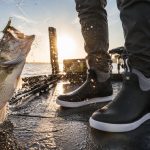
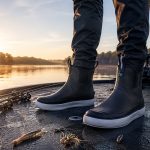
- Outsole: Trudave‘s exclusive WaveLock Traction Outsole with micro-channel siping that disperses water instantly, keeping your footing solid even on wet fiberglass or metal surfaces
- Construction: Flexible side panels for slip-on comfort, reinforced heel armor for stability, waterproof toe shell
- Non-slip sole: The WaveLock Series features a non-slip rubber outsole that provides excellent traction on slick decks, docks, and other wet surfaces
- Best for: Cold mornings, early spring stripers, late-fall trips, stationary fishing
DeckFlow Series — The Breathable Warm-Weather Choice
The DeckFlow is designed for warm weather, active fishing, and anglers who move around constantly.
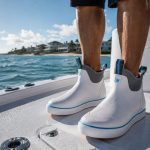
- Lining: X-Dry moisture-wicking breathable mesh lining that keeps feet dry and comfortable
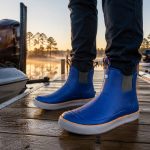
- Outsole: Non-marking siped outsole that channels water away and grips securely on wet wood and fiberglass decks
- Comfort: Cushioned insoles and breathable lining for all-day comfort
- Non-slip: The DeckFlow Series features non-slip rubber outsoles designed for superior traction on slick boat decks, docks, and marinas
- Best for: Summer fishing, kayaking, active movement, and year-round versatility
Maintenance: Both series require the same simple care: rinse with clean water after use, wipe off dirt with mild soap, and air dry naturally. Avoid direct sunlight or heat to preserve waterproof seal and rubber durability.
Which One Should You Buy?
If you fish in cold weather or spend long hours anchored, buy the WaveLock. If you fish in warm weather or move constantly (kayaking, wading, running the deck), buy the DeckFlow. If you fish year-round, buy both—together, they cost less than a single pair of premium deck boots.
What Real Anglers Are Saying
Let‘s go beyond marketing materials and look at what actual users emphasize in verified reviews.
Dry Feet (The Consistent Win):
“We purchased waterproof boots back in May for working on our little farm as we were constantly dealing with wet, muddy and otherwise soiled shoes while tending our livestock. The boots have made our jobs and lives sooo much better and easier. And best of all, our feet stay DRY!!! It has been about two months now and these boots are still going strong and keeping our feet protected. Would recommend these boots 100%.” — Verified Trustpilot Reviewer
Build Quality and Comfort:
“Bought some boots from Trudave. These boots are well made and comfortable. The size is slightly larger, but with socks they fit well and comfortably. A size smaller would be too tight.” — Verified Trustpilot Reviewer
“I was blown away by how comfortable these boots are. I have worn them nearly everyday since I received them for hours at a time working and fishing. They still feel like the day I got them! Best deck boot on the market.” — Verified Reviewer
Performance in Extreme Conditions:
“Fit perfectly. Warm in arctic expedition. On and off zodiacs and in water. They are waterproof. Hiked in them and all. These boots were perfect. No sore feet or legs. No blisters.” — Verified Amazon Customer
Sizing and Customer Service Feedback:
Common patterns from verified reviews:
- Sizing runs slightly large. Most users report best results ordering their normal size and wearing medium-to-heavy merino wool socks. One user noted: “Sizing Chart was correct. Medium fit me perfect”.
- Order directly from Trudave. One verified buyer reported: “I order from Amazon twice and got the wrong size both times. I order from Trudave and got the right size First time”.
- Customer service is variable. Some buyers report quick responses and positive experiences, while others note delays in reaching support for returns and exchanges.
- Heel rubbing occurs for some with thin socks—easily addressed by wearing appropriate sock thickness.
- Steel toe confusion: Some customers have noted that boots advertised as steel toe do not meet ASTM certification standards. If workplace safety requires certified steel toe protection, verify the specific model‘s certifications before purchase.
The takeaway: the boots perform. The waterproofing works. The comfort holds up. The sizing requires attention to the chart. And the value proposition is undeniable.
How to Extend the Life of Your Deck Boots
Whether you choose Trudave or any other brand, proper care dramatically extends the lifespan of your footwear. Here‘s what works:
Rinse after every use. Especially after exposure to saltwater, mud, fish residue, or chemicals. A quick rinse with clean water removes debris that can degrade rubber over time. For both WaveLock and DeckFlow series, the official care instructions specify: “Rinse with clean water after use, wipe off dirt with mild soap, and air dry naturally”.
Air dry naturally. Never put rubber boots on a radiator, in a dryer, or in direct sunlight. Heat cracks rubber and ruins the waterproof seal. Air dry in a shaded area.
Use mild soap only. For heavy dirt or grime, use mild soap and a soft brush. Avoid degreasers, bleach, or harsh chemicals that strip essential oils from the rubber and cause premature cracking.
Store upright in a temperature-regulated area. Extreme temperature fluctuations cause rubber to expand and contract, leading to micro-cracks. Store boots upright in a cool, dry place away from direct sunlight. Don‘t fold or crease them, which creates weak points that lead to splitting.
Check your tread periodically. When the lugs wear down and the sole feels hard like plastic instead of grippy rubber, it‘s time for new boots. Don‘t wait until you feel that micro-slip on a wet deck—by then, you’re already taking a risk.
Inspect for cracks. Pay special attention to the toe flex point and the seam between the upper and outsole. These are high-stress areas where failure typically begins. If you see small cracks forming, the boot’s waterproof integrity is compromised.
A new pair of boots costs far less than an ER visit, a broken rod, or a lost trophy fish because you couldn‘t plant your feet. Check your tread. If it looks like a racing slick, thank those boots for their service and get fresh rubber on your feet.
The Bottom Line
Here’s what I‘ve learned from comparing these brands side by side: the biggest difference isn’t the rubber compound or the outsole pattern. It‘s the business model and the attention to detail.
XTRATUF built a legendary reputation over decades. And for many anglers, that reputation still carries weight. But when you read through recent reviews—the cracking, the leaking, the odors, the inconsistent quality—you realize that reputation isn’t enough to justify a $100–$180 price tag anymore.
Trudave isn‘t trying to be XTRATUF. They’re building deck boots from a different starting point: flexible high-grade rubber, lock-in heel fit, shock-absorbing dual-density insoles, and sealed waterproof construction. They‘re selling direct, which keeps prices in the $50–$90 range. And they’re earning a 4.1/5 rating on Trustpilot from verified purchasers who consistently report dry feet, good comfort, and surprising durability.
The question isn‘t which boot is better? It’s which boot delivers more value for your specific needs?
| Decision Factor | Trudave WaveLock / DeckFlow | XTRATUF Legacy / Ankle Deck |
|---|---|---|
| Price | ⭐⭐⭐⭐⭐ — $50–$90, direct-to-consumer | ⭐⭐ — $100–$180, retail markup |
| Waterproofing | ⭐⭐⭐⭐⭐ — 100% sealed rubber construction | ⭐⭐⭐⭐ — 100% rubber, but durability concerns exist |
| Comfort Engineering | ⭐⭐⭐⭐⭐ — Active Flex, lock-in heel, dual-density insole | ⭐⭐⭐ — Standard construction |
| Slip Resistance | ⭐⭐⭐⭐ — Siped and WaveLock outsoles | ⭐⭐⭐⭐ — Chevron outsole, but tread durability questioned |
| Durability | ⭐⭐⭐⭐ — Verified users report months of reliable use | ⭐⭐⭐ — Mixed reports; cracking and leaking complaints |
| Customer Service | ⭐⭐⭐ — Variable response times | ⭐⭐⭐ — Established support network but mixed on direct issues |
| Value | ⭐⭐⭐⭐⭐ — Outstanding for the price | ⭐⭐ — Diminishing returns |
If you want the brand name and the heritage, XTRATUF is still there. If you want a boot that keeps your feet dry, grips the deck, and leaves you enough money for fuel, bait, and a few good meals on the water, Trudave is one of the smartest buys in deck boots right now.
And if you‘re reading this because you’re standing on a cracking pair of $150 boots, wondering why you spent that much—well, you already know what to do next.
Now go catch something. Your new boots are waiting.