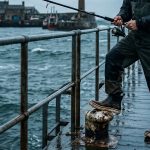
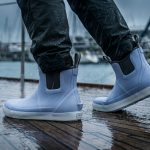
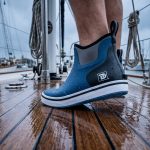

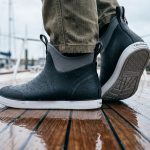
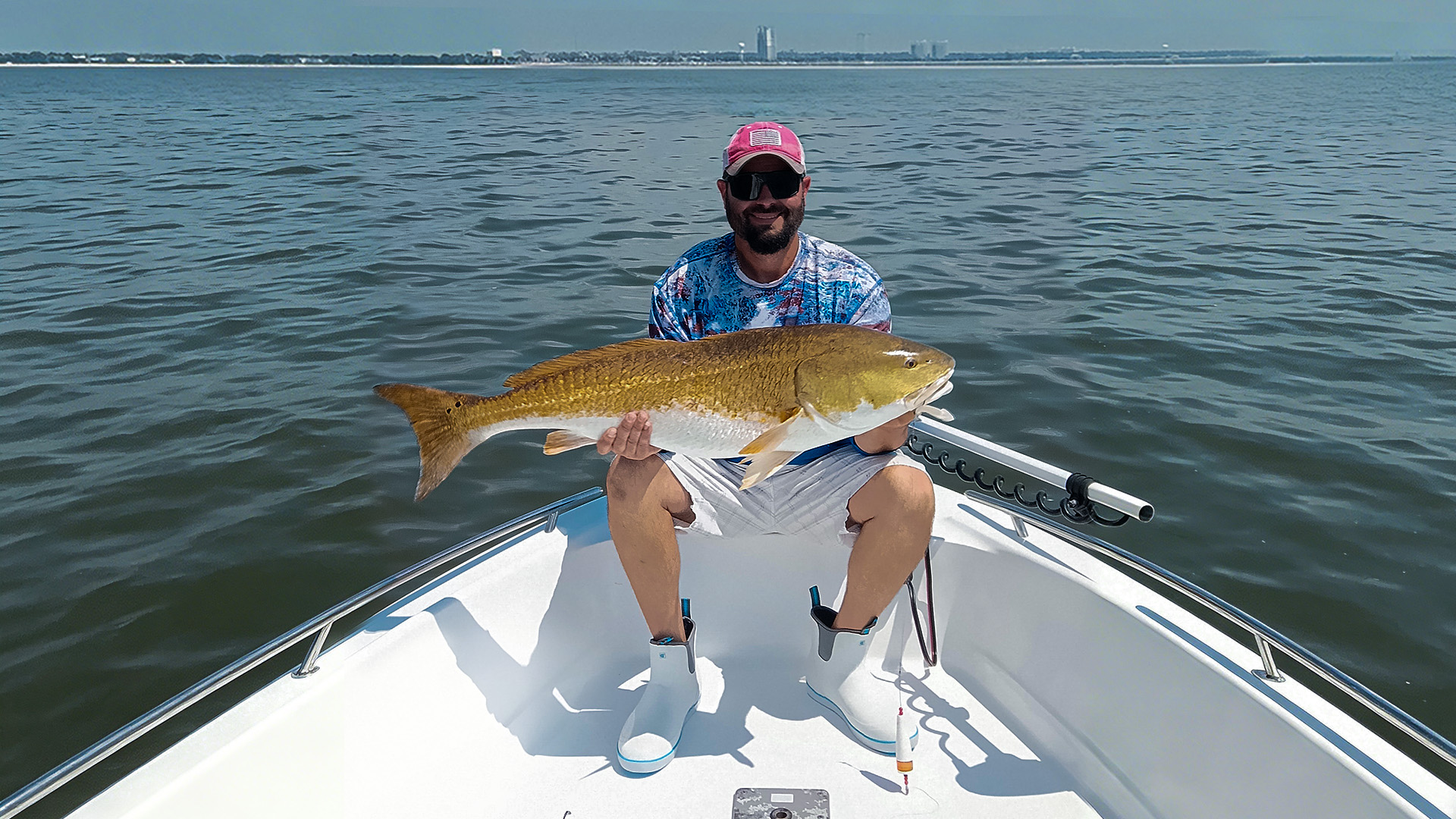
Introduction: Beyond the Boot
A deck boot is only as good as the system around it. You can buy the most advanced vulcanized rubber, the most aggressive micro-channel siped outsole, and the warmest neoprene lining on the market—but if you pair that boot with a cotton sock that soaks up sweat and collapses into a cold, damp rag, you’ve undercut every dollar you spent. Walk onto a boat with the wrong insole, and by noon your arches will ache, your heels will blister, and your focus will shift from the bite to your feet.
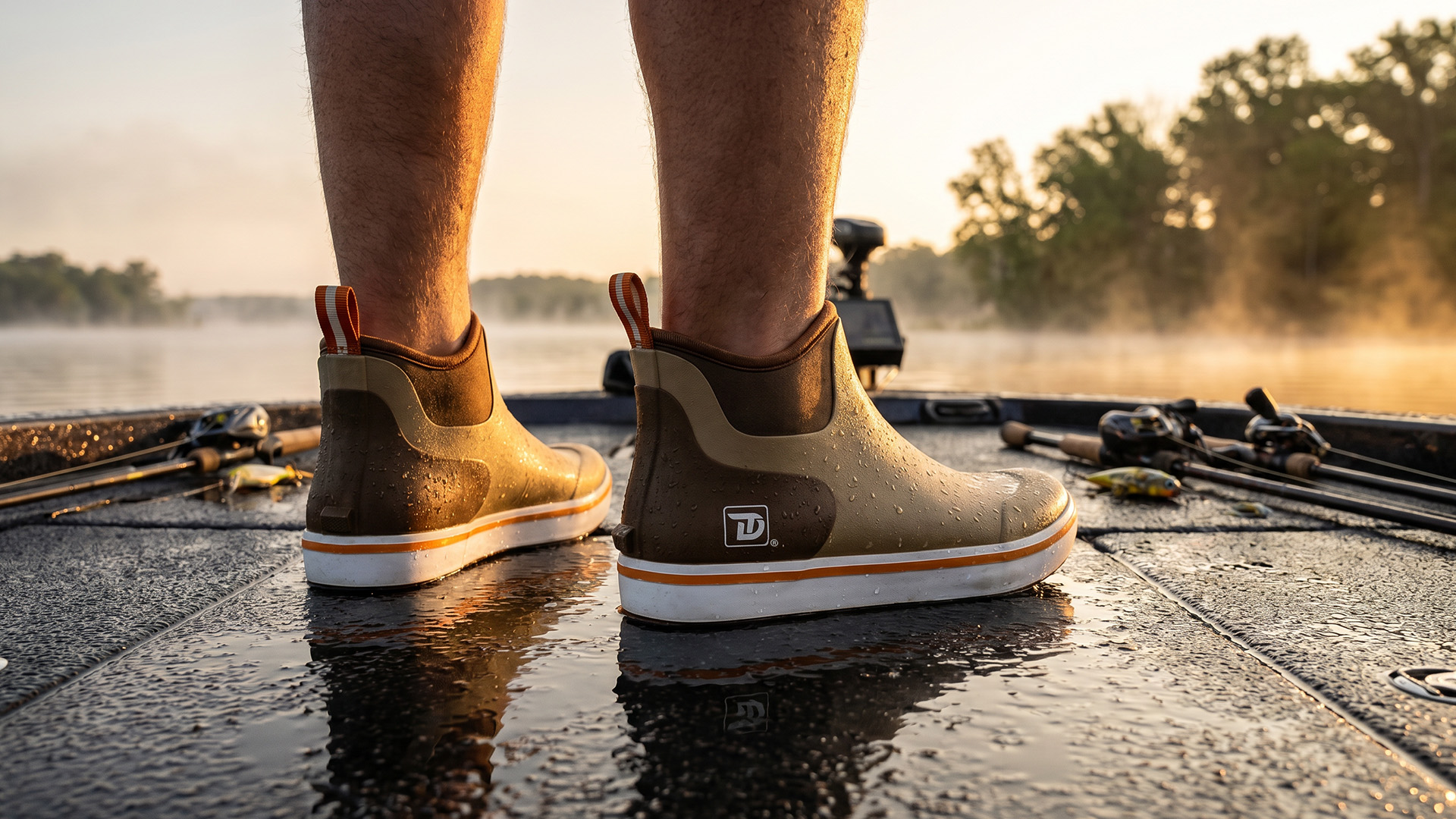
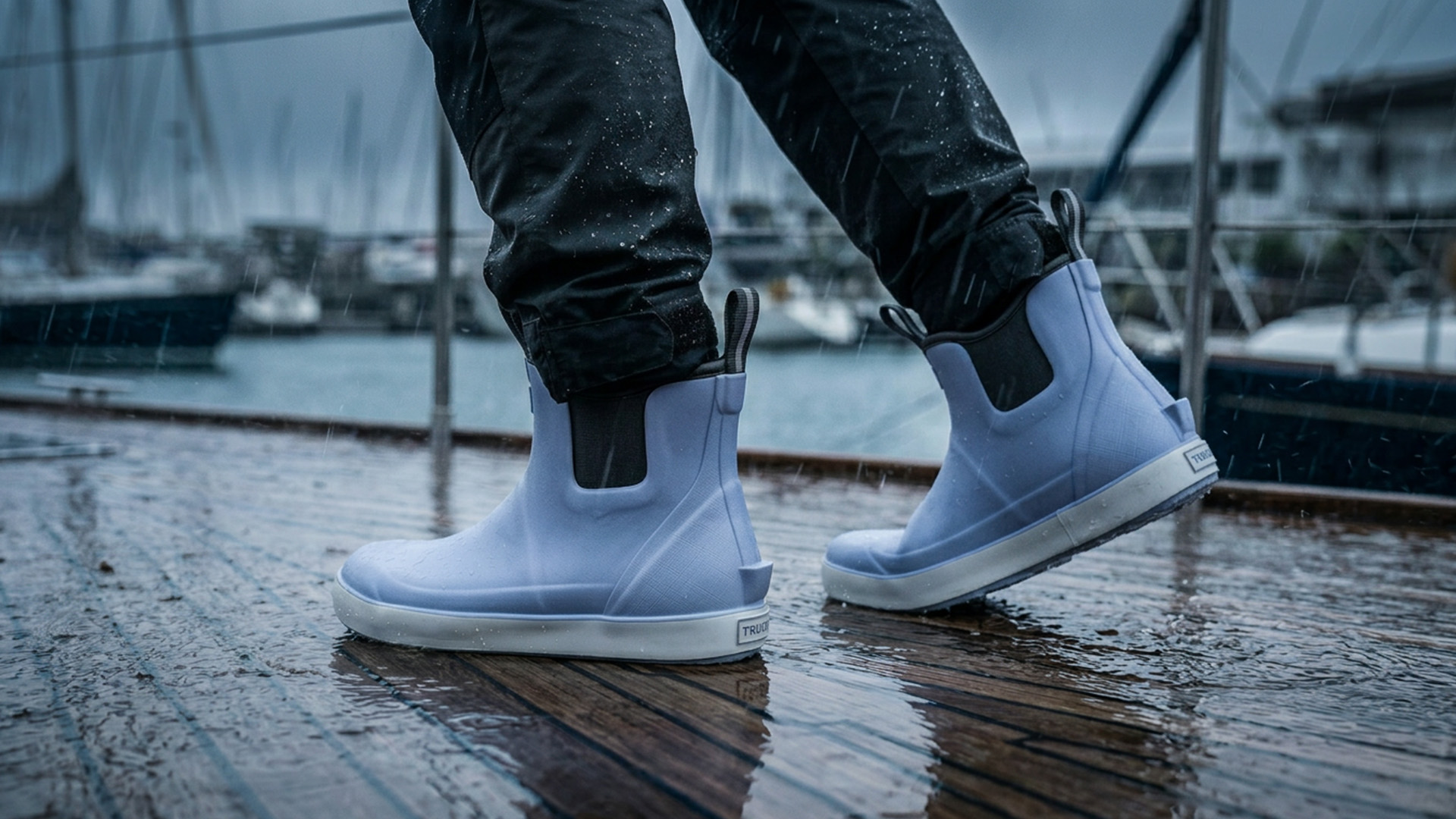
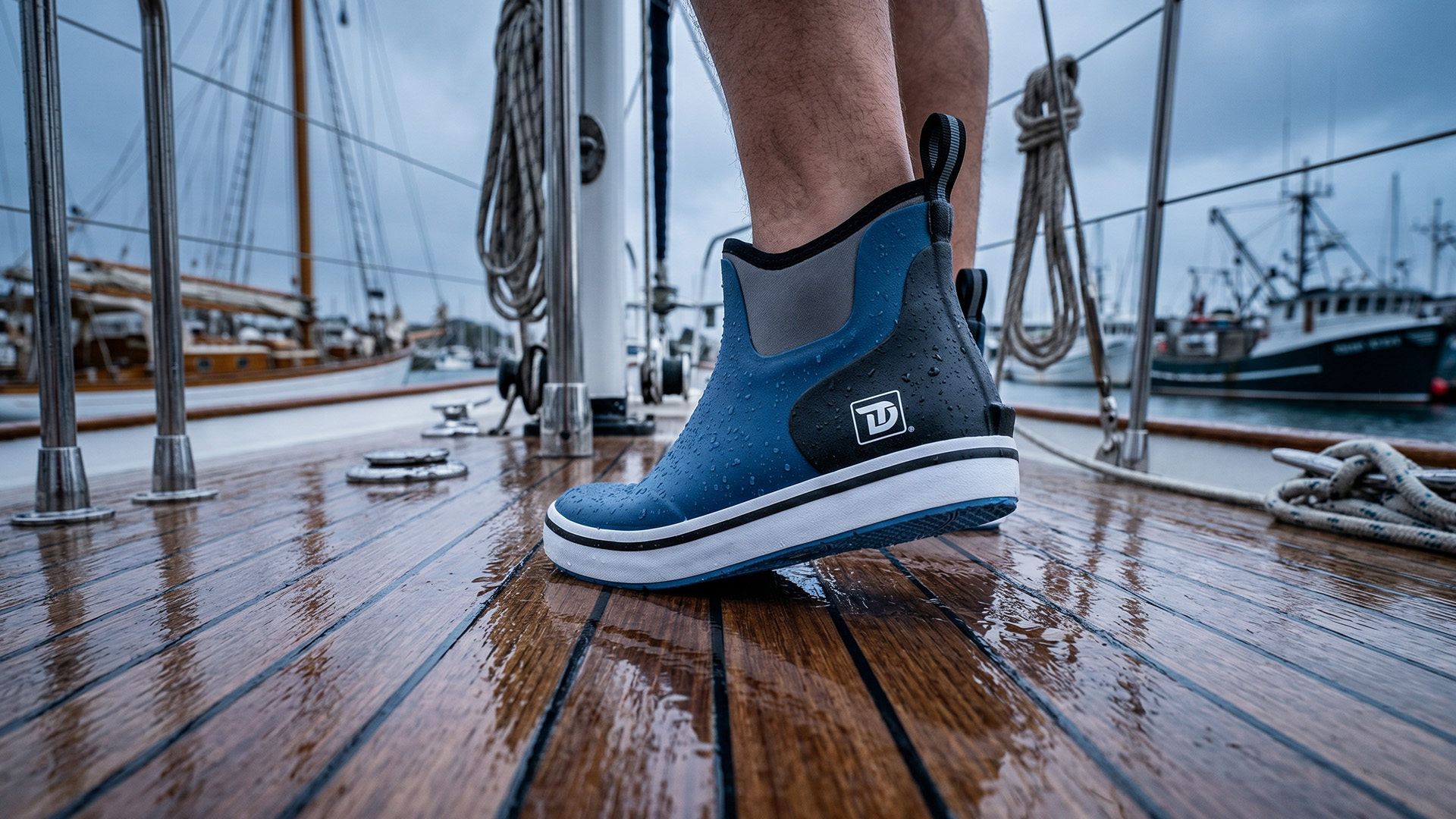
Trudave Gear’s WaveLock and DeckFlow deck boots are engineered to be the anchor of a complete footwear system. They are built with intentional volume to accommodate specialized socks, with removable insoles designed to be upgraded, and with durable rubber shells that work in harmony with the accessories that serious anglers rely on. But the boots alone are just one part of the solution. The system that surrounds them—the socks that manage moisture, the insoles that provide customized support, and the care habits that extend the life of the entire investment—is what separates a comfortable all-day angler from one who secretly can’t wait to get back to the dock.
This guide builds that system piece by piece. We’ll walk through the sock protocols that keep feet dry and warm, the insole upgrades that turn good support into great support, the accessories that solve specific on-the-water problems, and the maintenance routines that make your Trudave deck boots a multi-season asset rather than an annual expense.
Part 1: The Sock System — Moisture Management First
In a waterproof deck boot, the primary enemy is not external water. It’s internal sweat. Rubber is a total vapor barrier. Any moisture your foot generates stays inside the boot. If that moisture is held against your skin by a waterlogged cotton sock, two things happen. First, the moisture rapidly cools when your activity level drops or the outside temperature falls, creating a clammy, cold environment inside the boot. Second, wet skin softens and becomes dramatically more prone to blisters.
The foundation of any deck boot system is therefore a sock that wicks moisture away from the skin and insulates even when damp.
Merino Wool: The Gold Standard
Merino wool is the default recommendation for a reason. It can absorb up to 30% of its weight in moisture without feeling wet. It actively wicks vapor away from the skin. It continues to insulate when damp—a property that synthetic fleece cannot reliably match. And it naturally resists the bacterial growth that causes odor. For fishing, a midweight merino crew sock is the best all-around choice, providing enough cushion for long days on hard decks without adding so much bulk that the boot feels tight.
Synthetic Blends: Lightweight and Fast-Drying
For summer fishing in hot climates, a lightweight synthetic or synthetic-merino blend sock can be a better choice. These socks are thinner, faster to dry if they do get wet from splash-over, and often more durable in high-abrasion conditions. The trade-off is less insulation and less cushioning. Pair them with the uninsulated DeckFlow Series for maximum breathability on warm days.
The Liner Layer
For cold-weather fishing—pre-dawn winter runs, early spring striper seasons—a two-layer system offers the best performance. A thin synthetic liner sock worn against the skin wicks moisture outward to the outer sock, keeping the foot surface dry. A heavyweight merino wool outer sock provides insulation. This combination maximizes warmth without increasing the risk of blisters, because the friction that causes blisters occurs between the two sock layers rather than between the sock and the skin.
The Cotton Prohibition
Never wear cotton socks inside deck boots. Cotton absorbs water, loses all insulating properties when wet, and actively accelerates heat loss. Trudave’s own guidance warns that “Cotton traps sweat against the skin, rapidly dropping your body temperature.” On a boat, where conditions can change from warm sun to cold spray in minutes, cotton socks are a liability that no premium boot can compensate for.
Part 2: Sock Thickness and Boot Fit
Trudave WaveLock and DeckFlow boots are designed with intentional extra volume to accommodate thick insulating socks. This is why they “run slightly large”—a design choice that multiple user reviews have confirmed is a feature, not a flaw. “The size is slightly larger,” one Trustpilot reviewer explains, “but with socks they fit well and comfortably. A size smaller would be too tight.”
This means your sock choice directly determines your boot fit. With heavyweight merino socks, the boot feels snug and secure. With thin synthetic socks, the boot feels roomier. Both fits are correct for their intended conditions. If you plan to fish across multiple seasons and temperature ranges, consider owning two sock weights rather than two boot sizes. The boot accommodates both.
When trying on new Trudave deck boots, wear the exact sock combination you plan to fish in. Walk around indoors for 15 minutes. Your toes should have wiggle room. Your heel should not lift more than a few millimeters. If heel slip is excessive, a slightly thicker sock or a heel grip insert can solve the problem without changing boot size.
Part 3: Insoles — The Upgrade That Pays Dividends
The stock EVA insoles in Trudave deck boots provide good baseline cushioning and support. They are removable by design—a deliberate engineering choice that allows anglers to customize the support profile to their own foot anatomy without compromising the boot’s waterproof integrity.
Why Upgrade?
Stock insoles are built for the “average” foot. If you have high arches, you may need more aggressive support to prevent plantar fascia fatigue during long hours of standing on a hard deck. If you have flat feet, the arch contour in a stock insole may create a pressure point that becomes painful after a few hours. If you are heavier or lighter than average, the cushioning density that works for the middle of the bell curve may feel too firm or too soft for you.
Trudave ToughCush Comfort Insoles
For anglers seeking maximum all-day comfort, Trudave developed the ToughCush Comfort Insole as a direct upgrade. These insoles are engineered with ergonomic cushioning and arch support to reduce fatigue, featuring high-density foam and a shock-absorbing heel pad that reduces impact on feet, knees, and lower back. They are compatible with both the WaveLock and DeckFlow series, and they can be trimmed for a precise, customized fit.
Installing ToughCush insoles takes two minutes. Remove the stock insole, drop in the ToughCush, and walk around to assess the feel. Because Trudave boots are sized with generous volume, the slightly thicker ToughCush profile typically fits without making the boot feel tight. If you need even more specialized support—for example, a medical-grade orthotic—the removable insole design allows you to substitute whatever insole your podiatrist recommends.
Insole Maintenance
Remove your insoles after each trip to let them dry separately. This prevents the moisture buildup that leads to bacterial growth and premature breakdown of the foam. Expect to replace aftermarket insoles every one to two seasons of heavy use, depending on body weight, mileage, and care.
Part 4: Accessories for Specific Conditions
Beyond socks and insoles, a handful of accessories solve specific problems that deck boot anglers encounter.
Gaiters and Waterproof Socks
For anglers who regularly wade in shallow water or face heavy spray, a waterproof gaiter or a waterproof-breathable sock worn over the boot shaft can provide an additional layer of protection. This is particularly useful when fishing from a small skiff where water routinely washes over the deck, or when launching and retrieving a boat from a beach where waves break higher than the boot top. The gaiter seals the gap between the boot and the leg, preventing water from pouring in over the top.
Heel Grips and Volume Adjusters
If your heel lifts inside the boot even with the correct socks, an adhesive heel grip—a small, inexpensive insert available at any drugstore—can eliminate the friction that causes blisters. For anglers with narrow feet or low-volume feet, a slightly thicker insole or a volume-adjusting insert can fill the intentional space built into Trudave boots without affecting the boot’s length.
Traction Add-Ons
The WaveLock’s micro-channel siping and the DeckFlow’s non-marking siped outsole provide excellent traction on wet fiberglass, wood, and metal. But on sheer ice—common on northern boat ramps in winter—no rubber outsole is sufficient. Lightweight ice cleats that slip over the boot are a safety necessity for late-season and early-spring anglers. Choose a design with steel or carbide studs and ensure it fits securely over the boot’s rubber shell.
Boot Dryers
A low-heat convection boot dryer is a worthwhile investment for anglers who fish frequently. Unlike a heater or radiator—which will destroy vulcanized rubber—a gentle boot dryer circulates room-temperature air through the boot interior, drying it thoroughly between trips without damaging the material. This is especially useful for the insulated WaveLock, where the neoprene lining can retain moisture and odor if not dried properly.
Part 5: The Care System — Making It All Last
The final component of your deck boot system is the maintenance routine that keeps every other component functioning. Trudave’s official care guidance is consistent and simple: rinse the boots with clean water after each use, wipe off dirt with mild soap, and air dry naturally away from direct sunlight or heat. Remove the insoles and dry them separately. Stuff the boots with crumpled newspaper to wick moisture from the neoprene lining.
Saltwater is the most aggressive enemy. Salt crystals form as water evaporates and work their way into microscopic pores in the rubber, creating stress fractures that eventually become cracks. A thorough freshwater rinse after every saltwater trip is the single most effective thing you can do to extend boot life. For boots used primarily in freshwater, a rinse every few trips is usually sufficient, though rinsing after exposure to mud, fish slime, or bait residue prevents the organic acids in those substances from degrading the rubber over time.
The “never” rules: never dry boots with direct heat, never store them folded or crumpled, and never leave them in direct sunlight for extended periods. Heat breaks down polymer cross-links, folding creates permanent crease points that become cracks, and UV radiation degrades the rubber at the molecular level. Store boots upright in a cool, dark place, and they will repay you with years of reliable service.
Part 6: The System Matrix — What to Wear, When
| Condition | Sock System | Insole | Accessories |
|---|---|---|---|
| Summer inshore (75°F+) | Lightweight synthetic or thin merino | Stock EVA or ToughCush | None |
| Warm coastal (55°F–75°F) | Midweight merino | ToughCush | None |
| Cold morning / cool season (35°F–55°F) | Midweight to heavyweight merino | ToughCush | Gaiters if heavy spray |
| Winter / pre-dawn runs (below 35°F) | Heavyweight merino + synthetic liner | ToughCush | Gaiters, ice cleats on ramp |
| Wet wade / surf launch | Heavyweight merino | ToughCush | Waterproof gaiters |
Part 7: The Economics of the System
Building a complete Trudave deck boot system—boots, premium merino socks, upgraded ToughCush insoles, and a few targeted accessories—costs less than a single pair of premium-brand deck boots from a legacy manufacturer sold through traditional retail. Trudave’s direct-to-consumer model eliminates the wholesale and retail markups, meaning the money you spend goes into materials and construction rather than brand names and shelf space.
The “system” approach also extends the life of your boots, reducing the long-term cost even further. A boot that is properly socked, properly supported, and properly maintained can last twice as long as a boot that is worn with cotton socks, factory insoles that don’t match the wearer’s feet, and no attention to post-trip care. The difference over a decade of fishing is hundreds of dollars saved—or, more accurately, hundreds of dollars redirected to bait, fuel, and time on the water.
Conclusion: The Platform Beneath Your Feet
Anglers obsess over rods, reels, line, and lures. They research boats, electronics, and tackle storage. Far fewer give the same attention to the platform that connects their body to the deck. But that platform—the boot, the sock, the insole, and the accessories that complete the system—is what makes every other piece of gear usable. If your feet hurt, you sit down. If your feet are cold, you go in. If your feet are wet, you’re miserable regardless of how good the bite is.
Trudave Gear’s WaveLock and DeckFlow deck boots are engineered to anchor a system that keeps you comfortable, dry, and upright from pre-dawn launch to end-of-day washdown. The boots provide the waterproof shell, the siped traction, and the intentional volume. You provide the socks that manage moisture, the insoles that support your unique arch, and the care that protects the whole investment. Together, it’s a platform that disappears from your awareness—and the best gear is the gear you forget you’re wearing.
To explore the complete Trudave Gear deck boot lineup and the ToughCush insoles that complete your system, visit trudavegear.com.