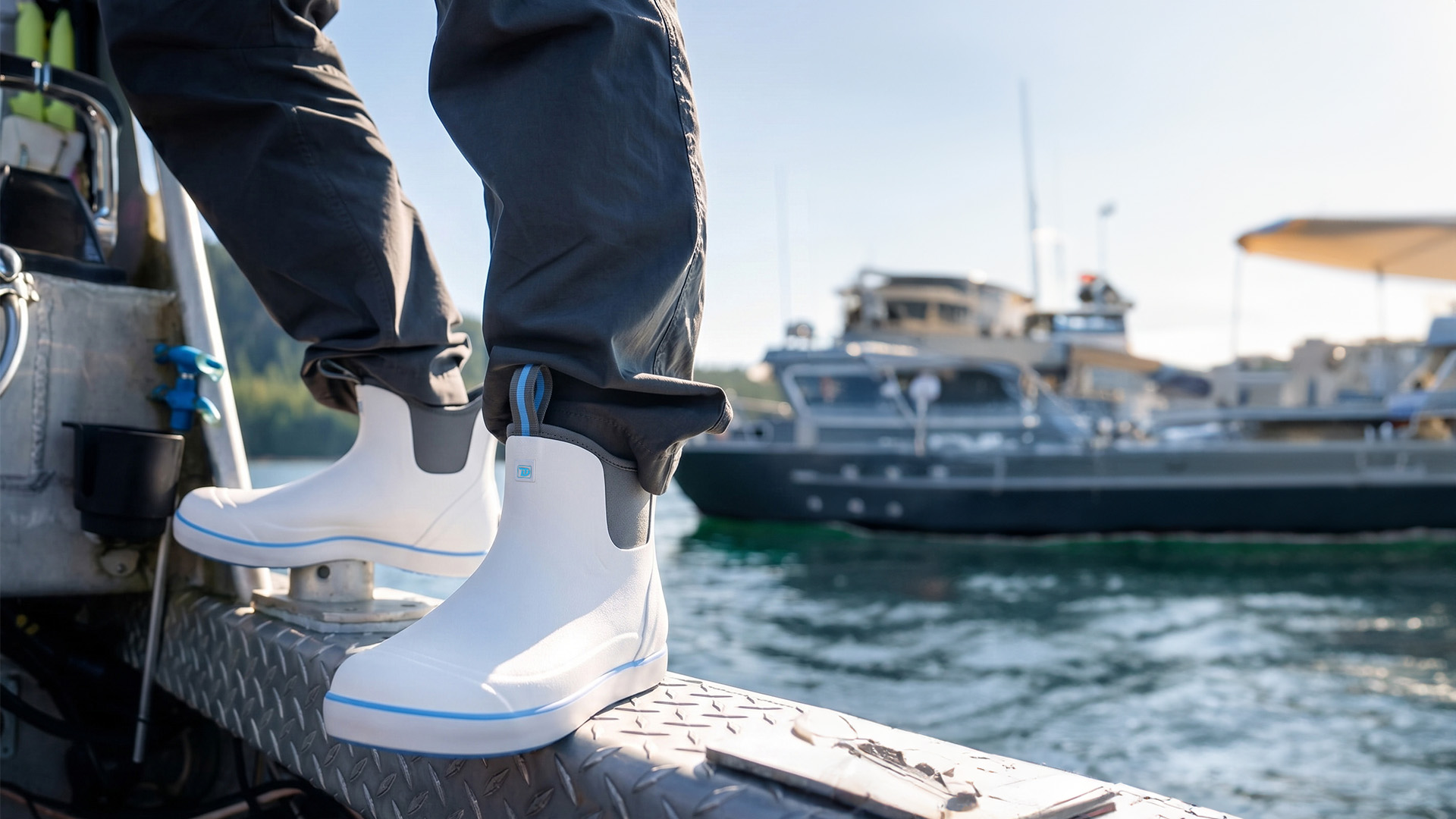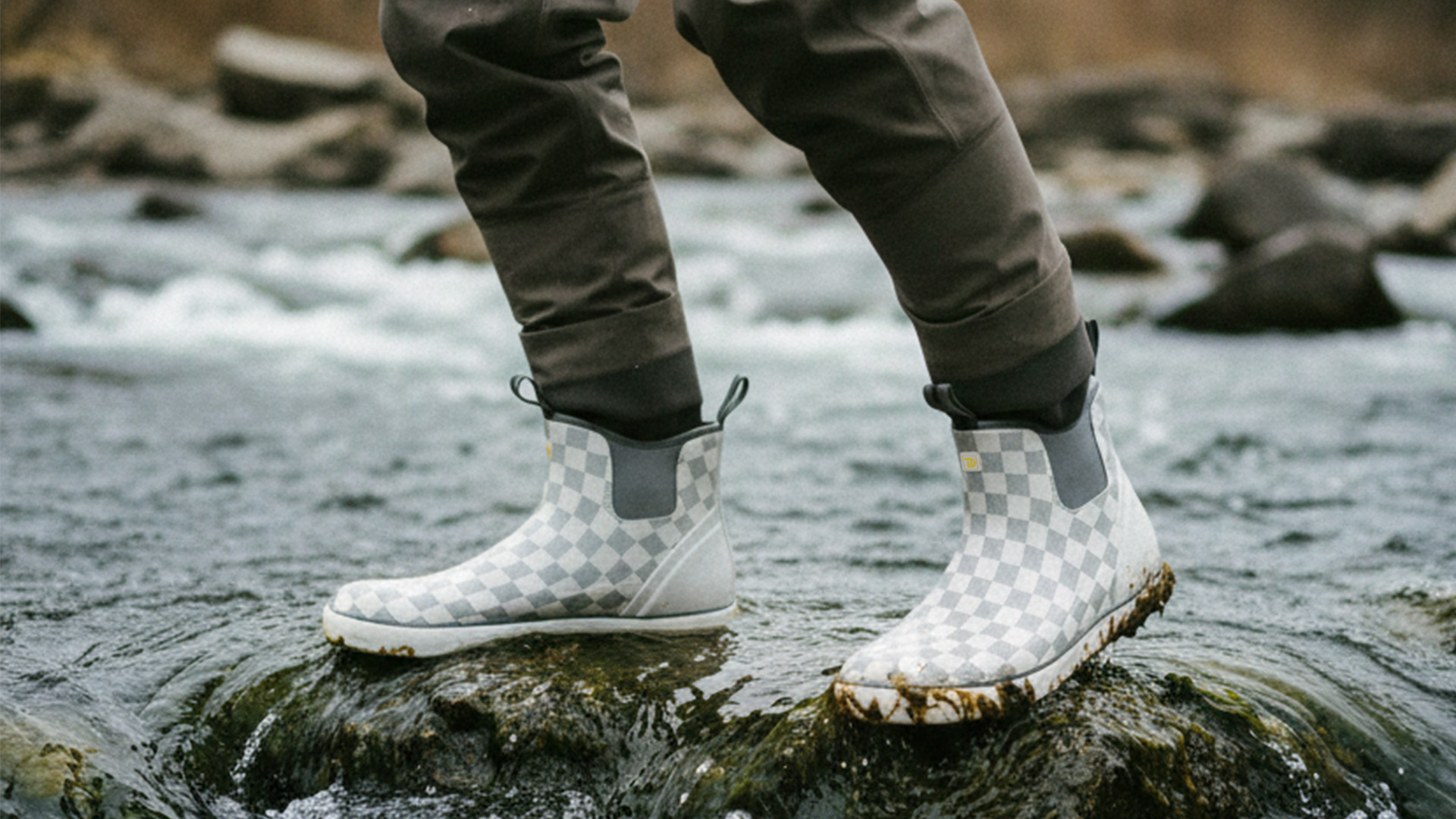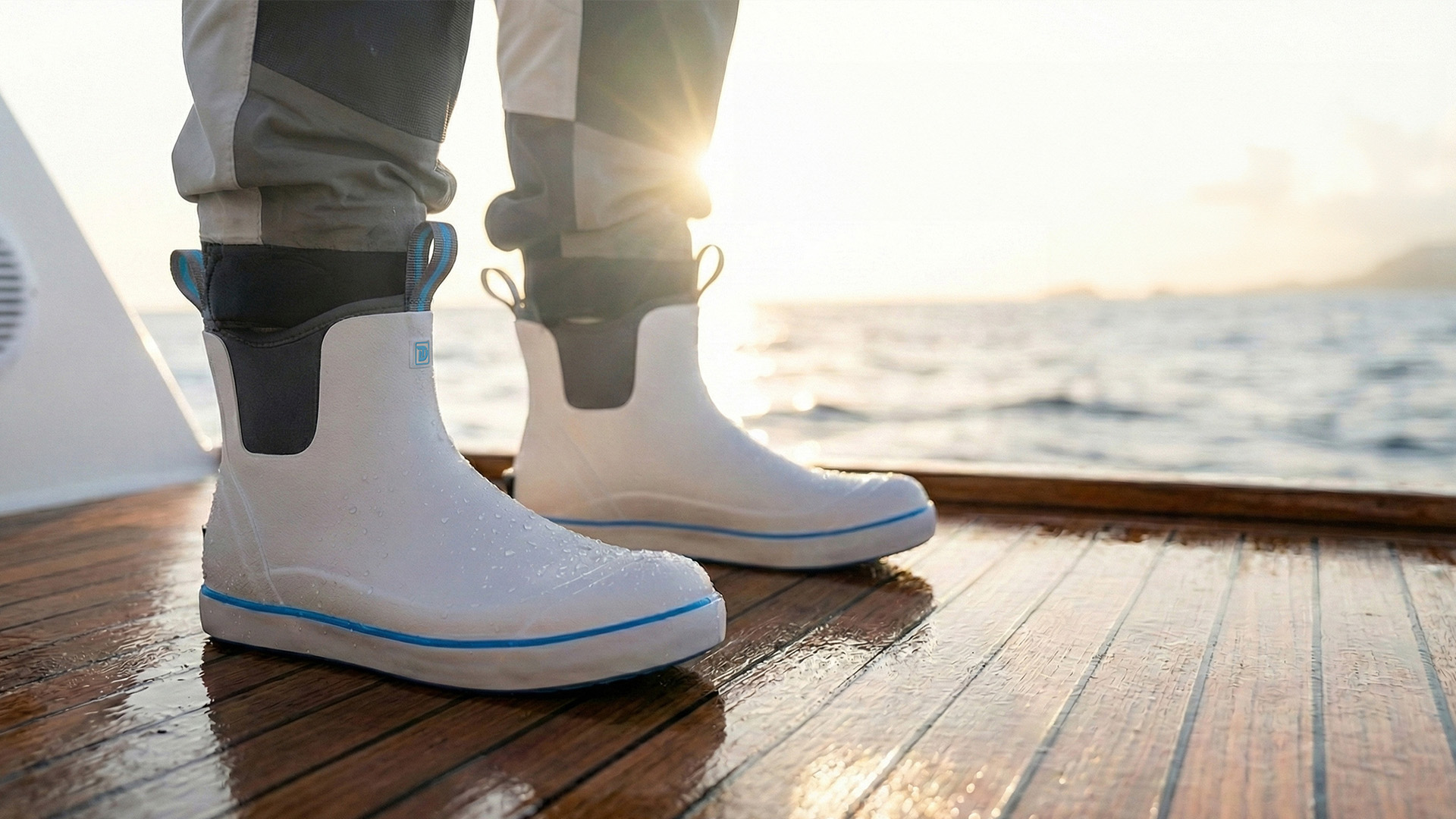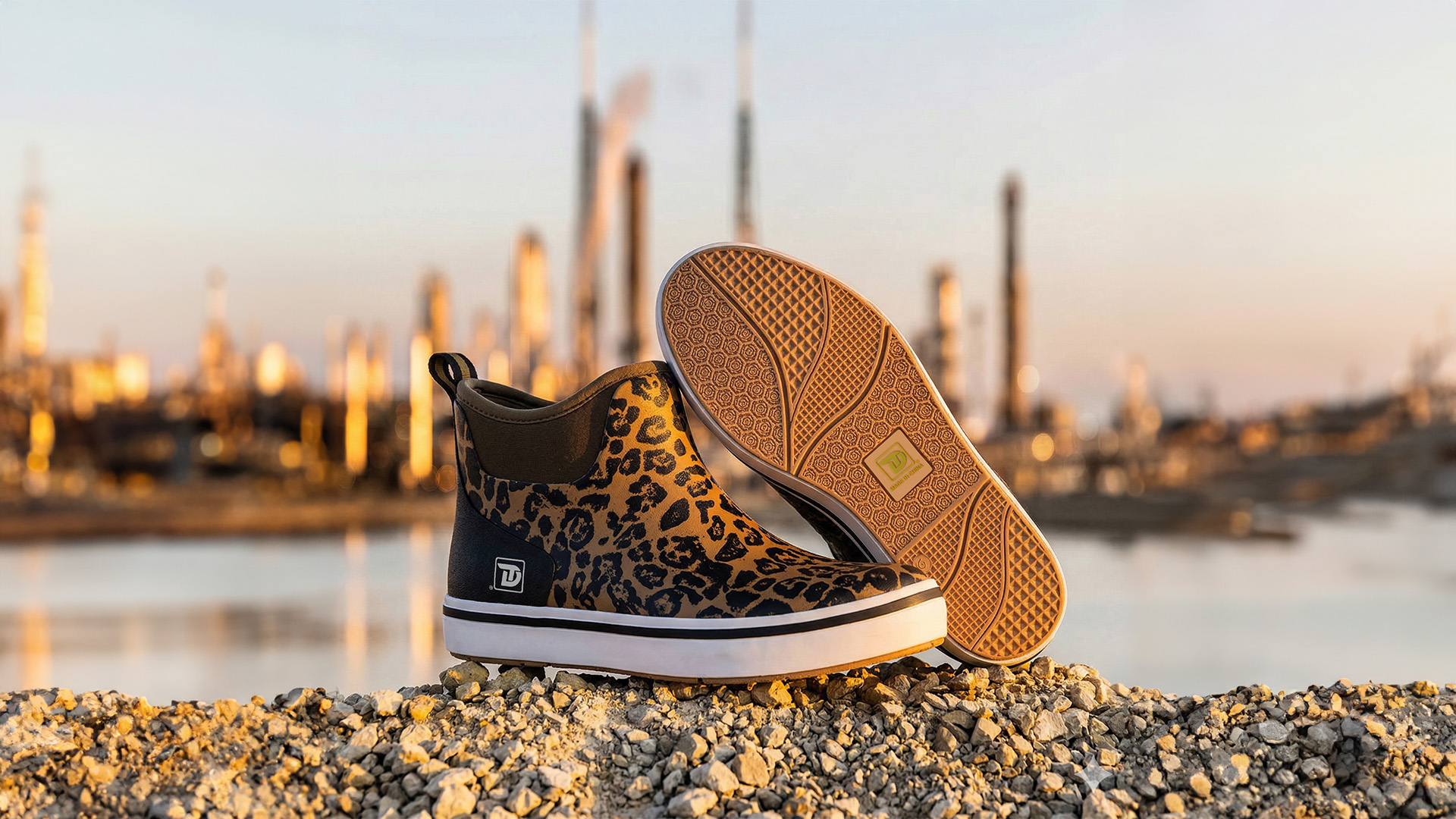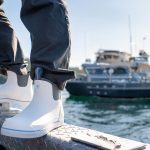
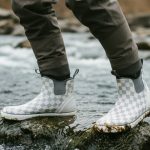
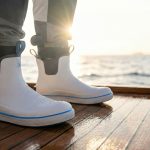
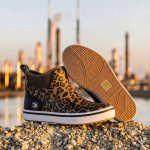
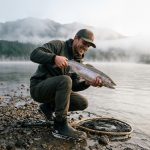
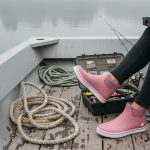
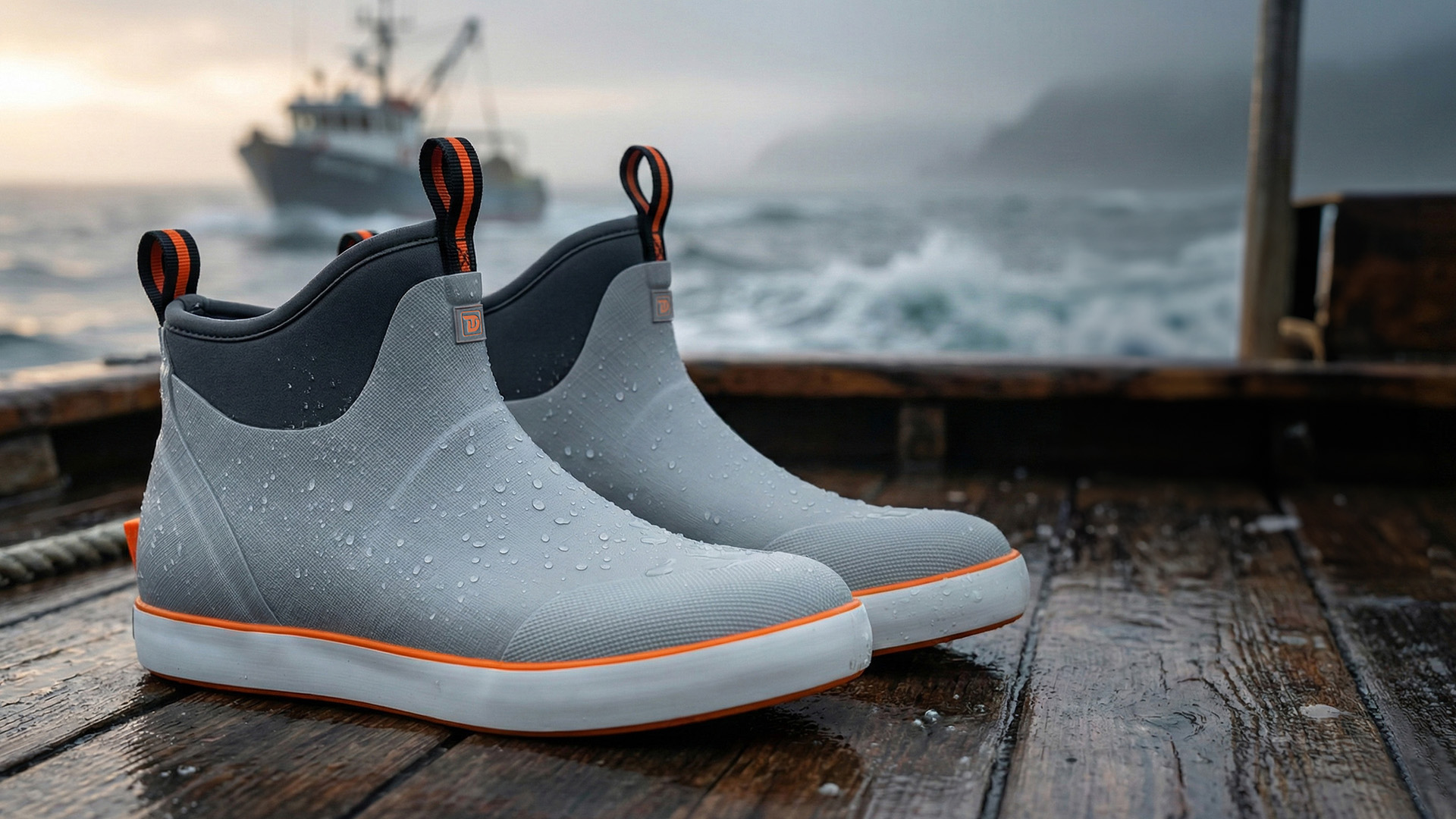
The Gulf Coast, Pacific Northwest, Great Lakes, and Atlantic Coast all fish differently — and they demand different deck boots. Here’s the definitive Trudave deck boot guide organized by fishing region for 2025.
Here’s a question fishing boot guides almost never ask: where do you fish?
Not what you’re targeting. Not what season you prefer. Not whether you fish from a tournament rig or a kayak. Where — geographically, specifically — do you do most of your fishing?
The answer matters more than most boot guides acknowledge. The environmental conditions that define Gulf Coast inshore fishing are fundamentally different from those of Great Lakes charter fishing, which are fundamentally different from Pacific Northwest salmon and steelhead, which bear little resemblance to the flatland bass fisheries of the Southeast or the rocky surf casting of the New England coast.
Temperature ranges differ. Precipitation patterns differ. Water chemistry — fresh versus salt versus brackish — differs and affects boot material durability differently. The deck surfaces that define each region’s dominant fishing platform differ. The terrain between the parking area and the water differs.
A deck boot recommendation that ignores regional conditions is a recommendation that ignores half the relevant information. This guide fixes that. We’ve organized Trudave’s deck boot lineup around the five major fishing regions of the United States, matched each region’s specific conditions to specific performance requirements, and identified the right boot for each.
Find your region. Find your boot. Fish better.
Region 1: The Great Lakes — Cold Water, Big Fish, Long Seasons
The Fishing Environment
The Great Lakes system — Superior, Michigan, Huron, Erie, Ontario, and their tributary rivers — supports one of the most diverse and productive freshwater fisheries in North America. Walleye runs on Lake Erie. Chinook and Coho salmon out of ports like Ludington and Manitowoc. Steelhead on the tributary rivers. Yellow perch and smallmouth bass through the warmer months. Ice fishing that extends the season through January and February in the northern lakes.
The common thread is cold. Lake Michigan water temperatures average below 40°F from November through April. Great Lakes charter trips launch in the dark at air temperatures that regularly hit the teens in October and November — the peak of the salmon run. Deck surfaces on Great Lakes charter vessels are perpetually wet from waves, fish handling, and the spray that comes with running open water in genuine maritime conditions.
The Great Lakes fishing season also runs longer than any other region’s core season — walleye fishing starts in March ice-off conditions and runs through the November close, salmon charters run May through October, steelhead rivers are productive from October through April. An angler serious about Great Lakes fishing needs boots that perform across a genuinely wide temperature and condition range.
What This Region Demands From a Deck Boot
- Insulation for cold-morning launches and cold-water spray — Great Lakes charter decks in October are cold environments, not just cool ones
- Waterproofing that handles waves and spray from open-water running, not just deck rinse water
- Traction on wet fiberglass charter decks that are larger and more feature-laden than typical recreational boats
- All-day comfort for 10–12 hour charter trips that leave before dawn
- Durability through a long, diverse season that spans conditions from March ice-out through November close
The Right Trudave Boot for Great Lakes Fishing
Primary: WaveLock Series
The Trudave WaveLock Series ankle waterproof insulated deck boots combine a one-piece rubber shell with a soft neoprene collar and side flex panels to deliver seamless waterproof protection and a snug, comfortable fit around the ankle. Dual pull tabs and a rear kick plate make for quick, glove-friendly on/off, even when wet. Beneath, the signature WaveLock Traction Outsole features fine siping micro-channels and multi-directional lugs that shed water instantly and maintain grip on wet decks, boat ramps, and docks. A lightweight insulated lining adds comfort and warmth for all-day wear. outdoorlife
For Great Lakes fishing, the WaveLock’s combination of insulated lining and one-piece waterproof construction is the most directly matched to the region’s demands. The insulated lining handles the cold-morning launch and the sustained cold-water spray exposure of running open Great Lakes water at speed. The one-piece rubber shell — no seams in the lower boot — handles the wave spray and deck wash that charter fishing produces without the seam-compromise vulnerability of assembled construction.
The WaveLock Traction Outsole’s fine siping micro-channels are specifically engineered for the wet fiberglass surfaces of charter boats — the same surfaces where standard lug soles lose grip and create fall risks. The multi-directional lugs handle the dock wood, boat ramp concrete, and wet gravel of Great Lakes launch infrastructure that anglers navigate every trip.
The cold-morning protocol for Great Lakes anglers: Pair the WaveLock with a midweight merino wool sock for October and November charter trips. The insulated lining carries the thermal load; the wool sock adds the absorption layer that keeps moisture away from the foot during active deck fishing.
Secondary: NeopreneTrek for warm-season Great Lakes fishing
From May through August, when water temperatures moderate and air temps are comfortable, the NeopreneTrek’s 4.5mm neoprene without the WaveLock’s insulated lining is the more comfortable option. The NeopreneTrek waterproof slip-on fishing deck boots pair a fully sealed rubber shell with a 4.5mm neoprene body for flexible, watertight protection. The non-marking, deck-safe outsole uses fine siping and multi-directional herringbone channels to shed water and grip on slick decks, fiberglass, and docks. For warm-season Great Lakes perch and smallmouth fishing, the NeopreneTrek’s lighter thermal mass is the better fit. nationalfisherman
Region 2: The Gulf Coast — Saltwater, Heat, and Year-Round Fishing
The Fishing Environment
From Corpus Christi to Tampa Bay, the Gulf Coast inshore and nearshore fishery is one of the most productive in North America — and one of the most challenging for fishing gear. The combination of saltwater chemistry, high temperatures, and year-round fishing creates conditions that test boot materials in ways that freshwater fishing never approaches.
Saltwater is corrosive to rubber, neoprene, and any metallic boot component in ways that freshwater isn’t — it accelerates material degradation, attacks adhesive bonds, and deposits crystalline salt in every seam and channel if not rinsed promptly. Gulf Coast water temperatures stay warm enough year-round that thermal protection is almost never the primary boot concern — ventilation and heat management are far more important for most of the fishing year.
The Gulf Coast fishing calendar is essentially year-round: speckled trout through the winter in Texas and Louisiana, redfish from September through December, Spanish mackerel in spring, offshore targeting from March through October, flounder through the fall and early winter. Year-round fishing at a consistently high ambient temperature creates a consistent set of boot demands that cold-climate anglers never face.
The platforms are diverse — bay boats, flats skiffs, center consoles, offshore vessels — but the common thread is fiberglass or aluminum deck surfaces in saltwater environments where non-marking grip and chemical resistance are the performance priorities.
What This Region Demands From a Deck Boot
- Saltwater chemical resistance — the boot material must handle repeated saltwater exposure without degradation
- Thermal performance in heat — Gulf Coast fishing temperatures regularly reach 85°F to 95°F; heat management and breathability matter far more than insulation
- Non-marking outsole on fiberglass and aluminum — protecting expensive boat surfaces is a genuine concern among Gulf Coast anglers
- Easy maintenance — year-round fishing means year-round boot use and the need for straightforward, quick post-trip care
- Durability against UV exposure — Gulf Coast sun intensity accelerates UV degradation of rubber faster than any other US fishing region
The Right Trudave Boot for Gulf Coast Fishing
Primary: Ocean Breeze Series
The Trudave Ocean Breeze Series deck boots are fully waterproof and made from premium natural rubber. They keep your feet dry and steady on wet decks, docks, or rainy outdoor conditions. The non-slip rubber outsole provides excellent traction and grip, preventing slips even on slick or oily boat surfaces. These ankle-length waterproof boots feature cushioned EVA insoles and breathable lining for all-day comfort. Lightweight yet durable, perfect for fishing trips or daily dock work. Trudave Gear
For Gulf Coast fishing, the Ocean Breeze’s lightweight construction and breathable lining are the most directly matched to regional conditions. The lighter thermal mass that would be a limitation in Great Lakes or Pacific Northwest fishing is an advantage in Gulf Coast conditions where heat management matters more than warmth retention. The breathable lining manages foot moisture during active fishing in high-temperature conditions.
Rinse off saltwater or mud with clean water after each use, then air dry in a cool place. Avoid direct sunlight or heat to preserve waterproof performance and rubber flexibility. The straightforward care protocol is specifically important for Gulf Coast anglers who fish year-round and need a maintenance routine that’s sustainable across 150+ trips per year rather than the occasional seasonal use cycle. Trudave Gear
Post-saltwater care is non-negotiable on the Gulf Coast. Salt crystals that dry in outsole channels and at any collar seam points begin attacking material bonds within days in the Gulf’s high-humidity environment. A two-minute fresh-water rinse after every trip is the single most important thing a Gulf Coast angler can do to extend deck boot life.
Secondary: NeopreneTrek for Gulf Coast anglers who need more ankle coverage
For Gulf Coast anglers who access fishing spots through shallow marsh wading, navigate mangrove edges, or fish from skiffs where deck wash is more aggressive, the NeopreneTrek’s 4.5mm neoprene body provides slightly more coverage and structure than the Ocean Breeze while remaining light enough for warm-weather comfort.
UV protection note for Gulf Coast storage: The Ocean Breeze care instructions specifically note to avoid direct sunlight and heat — advice that Gulf Coast anglers should take more seriously than northern anglers. Gulf Coast sun intensity can degrade rubber compounds noticeably faster than northern UV exposure. Store boots in a shaded location between trips, and never leave them on an exposed deck or dock in direct sun for extended periods.
Region 3: The Pacific Northwest — Rain, Rivers, and Rubber
The Fishing Environment
The Pacific Northwest — Western Washington, Oregon, and Northern California — has a fishing identity built around rain and rivers. Salmon runs on the Columbia, Willamette, Rogue, and Skagit. Steelhead fishing that defines the winter calendar from November through March. Halibut and lingcod offshore in summer. Striper fishing on the San Francisco Bay system. Dungeness crab from charter boats that run year-round.
The unifying environmental characteristic is moisture. The Pacific Northwest is the wettest fishing region in the continental United States — Seattle averages 38 inches of annual precipitation, but the fishing communities on the coast and in the river valleys receive significantly more. Rain is not an occasional factor to manage; it’s the baseline condition of fishing in this region.
This shapes boot requirements in a specific direction: consistent, reliable waterproofing across a genuinely long wet season, cold temperature management for the winter steelhead and salmon runs that define the region’s character, and construction that holds up to repeated wet/dry cycling through a season that can involve fishing in rain every week from October through April.
What This Region Demands From a Deck Boot
- Waterproofing reliability across hundreds of wet-condition fishing days — not just performance on the first use, but sustained construction integrity through a full wet season
- Cold-condition performance for winter steelhead and late-fall salmon fishing in rain and near-freezing temperatures
- Outsole performance on rain-wet surfaces — boat ramp concrete, dock wood, and wet fiberglass are all perpetually wet in PNW conditions
- Construction durability through high wet/dry cycling — repeated immersion and drying cycles are harder on boot materials than sustained wet exposure
- All-weather functionality for the angler who fishes regardless of forecast
The Right Trudave Boot for Pacific Northwest Fishing
Primary: NeopreneTrek Series (year-round versatility)
The NeopreneTrek’s 4.5mm neoprene combined with a fully sealed rubber shell is the most versatile construction for Pacific Northwest fishing. The neoprene body handles the cold-rain ambient temperatures of PNW fishing without the overheating that heavily insulated boots produce during active fishing in 45°F–55°F rain. The NeopreneTrek’s reinforced toe and heel panels add structure and durability, and the non-marking, deck-safe outsole uses fine siping and multi-directional herringbone channels to shed water and grip on slick decks, fiberglass, and docks. nationalfisherman
The PNW’s wet boat ramp concrete and algae-prone dock wood are the traction environments where the NeopreneTrek’s siped herringbone outsole most clearly outperforms standard rubber soles. Rain-slicked concrete boat ramps are legitimately hazardous for unsiped boots; the fine siping channels create edge contact points on smooth wet surfaces that prevent the complete grip loss that smooth rubber produces on wet concrete.
Secondary: WaveLock for winter steelhead and cold-season salmon fishing
For the December through March steelhead season and the late-October through November salmon run, when PNW river and coastal temperatures drop significantly and rain is accompanied by near-freezing air temperatures, the WaveLock’s insulated lining provides the cold-water spray protection that the NeopreneTrek handles adequately but the WaveLock handles comfortably.
PNW-specific advice: The combination of high rainfall and significant biological material in the water environment (salmon-bearing rivers have high organic content) creates faster biological fouling of outsole channels than clean freshwater or marine environments. PNW anglers should clean outsole channels after every trip — not just the boot exterior — to maintain traction performance through the season.
Region 4: The Atlantic Coast and Northeast — Four Seasons, One Demanding Environment
The Fishing Environment
Atlantic Coast and Northeast fishing spans one of the widest environmental ranges of any US region — from the striper surf casting of Cape Cod in October to the fluke fishing of New Jersey in July, the menhaden-chasing bluefish of the mid-Atlantic coast in fall, the tuna grounds out of Gloucester, and the inshore redfish and flounder of the Chesapeake Bay system.
The four-season character of the Northeast creates genuinely different boot demands across the fishing calendar. Spring striper season in March and April on the Connecticut coast involves air temperatures in the 35°F–50°F range with cold ocean water spray. Summer flounder trips in August involve 85°F+ temperatures and direct sun. Fall tuna runs in October involve cold ocean conditions, big seas, and the athletic demands of fighting large fish on a pitching deck.
The Northeast also has a strong surf fishing culture — casting from rocky jetties, sandy beaches, and breakwaters — that creates boot demands specific to unstable, sharp, and wet natural surfaces that no other region’s fishing platform environment quite matches.
What This Region Demands From a Deck Boot
- Four-season versatility — a single boot or a seasonal rotation that covers 35°F spring through 85°F summer
- Traction on natural surfaces as much as fiberglass — jetty rock, breakwater concrete, dock wood, and sandy beach access all require different grip profiles
- Saltwater resistance for coastal and offshore fishing
- Durability through an active fishing calendar — serious Northeast anglers fish consistently from March through December across multiple species
The Right Trudave Boot for Atlantic/Northeast Fishing
Spring and fall: WaveLock Series
The cold ends of the Northeast fishing calendar — March through May and September through November — are where the WaveLock’s insulated lining earns its keep. Cold water spray during a fall tuna trip or a spring striper session in 40°F air is exactly the scenario the WaveLock’s construction addresses. Full Waterproof Build: One-piece rubber shell with neoprene collar for seamless protection. WaveLock Traction Outsole: Fine siping micro-channels and multi-directional lugs shed water fast for locked-in wet grip. outdoorlife
Summer: Ocean Breeze or NeopreneTrek
Summer Northeast fishing — the July and August fluke, bluefish, and bass season — calls for the lighter, more breathable construction of the Ocean Breeze or NeopreneTrek. The thermal capacity of the WaveLock is unnecessary and becomes an active discomfort during summer fishing at 80°F+ air temperatures.
Surf fishing on jetties and breakwaters: The NeopreneTrek’s multi-directional herringbone outsole handles the irregular, barnacled wet rock surfaces of Northeast jetties better than a pure deck-optimized flat-siped outsole. The herringbone lug pattern provides bite on irregular surfaces that pure siping can’t grip. Northeast surf fishermen accessing jetties should also consider traction cleats that slip over the boot for the most barnacle-covered surfaces — no rubber sole alone is fully adequate on heavily fouled rock.
A note on Northeast tidal environments: Tidal fluctuation along the Northeast coast means boat ramps and access docks can be above or below water at different states of the tide. Anglers who regularly launch at half-tide or low tide navigate surfaces with significant biological growth — algae, barnacles, mussels — that create genuinely hazardous footing. Siped rubber outsoles are the best available grip in these conditions, but careful footwork and traction aids for the worst surfaces remain the safest approach.
Region 5: The Southeast Freshwater — Bass Country, Year-Round Fishing
The Fishing Environment
The Southeast freshwater bass fishery — spanning Georgia, Alabama, Mississippi, Tennessee, the Carolinas, and Florida — is the most active recreational fishery in the United States by participation. Bass tournaments on Lake Eufaula, Kentucky Lake, Pickwick, Lake Okeechobee, and hundreds of smaller impoundments draw the heaviest recreational fishing traffic of any region.
The environmental character of Southeast bass fishing is defined by warm water, year-round activity, and the specific demands of competitive tournament fishing. The tournament fishing culture means anglers are frequently on the water 50 to 100+ days per year, fishing boats that are among the most high-end recreational craft in the country — 20-foot fiberglass rigs with premium gel coat decks that boot marks and grip failures are taken seriously on.
Southeast freshwater fishing also involves significant platform variety within a single fishing day: tournament boat to boat ramp concrete to weigh-in venue pavement to marina dock. Each surface transition requires consistent grip without the surface marking that penalizes tournament anglers on boats they’re leasing or that they’ll sell at the end of the season.
What This Region Demands From a Deck Boot
- Non-marking outsole above all — Southeast tournament culture is serious about boat surface protection
- Mobility and flexibility for the constant active movement of tournament fishing
- Heat management — Southeast fishing is warm-weather fishing for most of the year
- Durability at tournament use frequency — 50–100+ days per year demands construction that holds up
- Multi-surface grip across fiberglass deck, concrete ramp, pavement, and dock surfaces
The Right Trudave Boot for Southeast Freshwater Fishing
Primary: NeopreneTrek Series
For Southeast bass tournament fishing, the NeopreneTrek’s combination of non-marking siped outsole, flexible neoprene body, and active-fishing mobility makes it the most directly appropriate choice. The NeopreneTrek deck boots feature a durable, reinforced structure that resists scuffs and salt exposure. The cushioned insole and flexible neoprene upper keep you comfortable during long days on deck or in the rain. nationalfisherman
The neoprene flexibility is the key advantage for tournament bass anglers specifically. Tournament fishing involves constant deck movement — repositioning at the trolling motor, swinging between the rod lockers and the livewell, pivoting quickly to follow a running fish. A stiffer rubber construction that restricts ankle mobility during these movements creates micro-hesitations and fatigue that accumulate over a 10-hour tournament day. The NeopreneTrek’s flexible neoprene body moves with the angler rather than fighting the movement.
Secondary: Ocean Breeze for summer tournament fishing
From May through September, when Southeast tournament fishing temperatures can reach 90°F+ air temperature, the Ocean Breeze’s lighter thermal mass and breathable lining provides better heat management than the NeopreneTrek’s neoprene construction. For summer tournament fishing where cold is never a factor, the Ocean Breeze’s lightweight comfort is the better seasonal choice.
Tournament-specific advice: Wet boat decks are unavoidable when you’re fishing. The right boots make the difference between struggling for traction and moving confidently on the water. Southeast tournament anglers should verify non-marking compliance before using any boot on a leased or owner-sensitive vessel. Both the NeopreneTrek and Ocean Breeze use non-marking rubber compounds — but confirm the outsole is non-marking before your first tournament day, not during it. Amazon
Quick Regional Reference Guide
| Region | Primary Season | Key Challenge | Primary Boot | Secondary Boot |
|---|---|---|---|---|
| Great Lakes | March–November | Cold + wave spray | WaveLock | NeopreneTrek (warm season) |
| Gulf Coast | Year-round | Heat + saltwater | Ocean Breeze | NeopreneTrek |
| Pacific Northwest | October–April peak | Rain + cold rivers | NeopreneTrek | WaveLock (winter) |
| Atlantic/Northeast | March–December | Four seasons | WaveLock (cold) / Ocean Breeze (warm) | NeopreneTrek |
| Southeast Freshwater | Year-round | Non-marking + mobility | NeopreneTrek | Ocean Breeze (summer) |
Cross-Regional Care Principles: What Every US Angler Needs to Know
Despite the regional differences in boot selection, a few care principles apply universally:
Rinse after every trip. Rinse off saltwater or mud with clean water after each use, then air dry in a cool place. This is the single most important maintenance step regardless of region. Gulf Coast anglers rinse to remove salt before it crystallizes. Great Lakes and PNW anglers rinse to remove organic material from the outsole channels. Southeast freshwater anglers rinse to remove fish slime and livewell water residue. Two minutes of rinsing after every trip extends boot life more than any other maintenance action. Trudave Gear
Keep out of direct sun during storage. Avoid direct sunlight or heat to preserve waterproof performance and rubber flexibility. UV degradation is fastest in Gulf Coast and Southeast conditions, but it’s a factor in every region. Store boots in a shaded, cool location between trips — not on an exposed dock or in a truck bed where sun exposure accumulates. Trudave Gear
Clean outsole channels specifically. The siping channels and lug patterns that provide wet-surface grip lose their function when packed with biological material, sand, or debris. A boot brush through the outsole channels after each trip maintains full traction performance — the channels can only shed water if they’re clear to do so.
FAQ
Which Trudave deck boot is best for saltwater fishing? The Ocean Breeze is the primary recommendation for Gulf Coast saltwater fishing — lightweight, breathable, and built from premium natural rubber that handles repeated saltwater exposure. Yes — these boots are fully waterproof and made from premium natural rubber, keeping your feet dry and steady on wet decks, docks, or rainy outdoor conditions. Consistent fresh-water rinsing after every saltwater trip is the key maintenance step for longevity in any region with saltwater exposure. Trudave Gear
Which Trudave boot works best for cold Great Lakes fishing? The WaveLock Series ankle waterproof insulated deck boots feature a lightweight insulated lining that adds comfort and warmth for all-day wear, combined with the WaveLock Traction Outsole for grip on wet charter boat decks. For Great Lakes salmon and walleye charter fishing in October and November, the WaveLock’s insulated construction is the right thermal match. outdoorlife
Can I use the same Trudave deck boot year-round in the Pacific Northwest? The NeopreneTrek handles most of the Pacific Northwest fishing calendar — the 4.5mm neoprene covers the cool to cold ambient temperatures of PNW fishing without overheating during active fishing. For the deepest winter steelhead and late-fall salmon conditions (November–February in near-freezing rain and temperatures), upgrading to the WaveLock’s insulated lining provides meaningful additional comfort for extended cold-water exposure.
Do non-marking outsoles matter for Southeast bass tournament fishing? Yes significantly. Tournament fiberglass boats represent serious investments, and outsole marks on gel coat are taken seriously in the tournament community. Both the NeopreneTrek and Ocean Breeze use non-marking rubber compounds. Verify the outsole is non-marking before using any deck boot on a leased or third-party vessel.
Where can I buy Trudave deck boots for my region? All models are available at trudavegear.com/collections/deck-boots with free shipping to the continental US and through Amazon, regardless of region.
Final Thoughts
The best deck boot for a Pacific Northwest salmon guide is not the best deck boot for a Gulf Coast flats fishing guide. The boot that serves a Southeast tournament bass angler perfectly would be uncomfortably warm on a Great Lakes October charter. Regional conditions create regional demands — and getting the match right delivers better performance than any generic “best deck boot” recommendation can.
Trudave’s deck boot lineup covers every major US fishing region with purpose-built specifications rather than one-size-compromises-all design. Find your region. Match your boot. Fish it confidently.
Shop Trudave Deck Boots → trudavegear.com/collections/deck-boots