



Late spring marks a turning point for anglers across North America. As water temperatures rise, fish that were active and visible in shallow feeding zones during early spring begin seeking cooler, safer areas. Understanding where fish retreat and why is essential for improving catch rates during this transitional period.
1. Why Fish Leave Shallow Waters
Rising temperatures in late spring trigger multiple behavioral changes:
- Thermal stress: Water in shallow areas warms faster, sometimes exceeding comfortable ranges for species like trout, bass, and walleye.
- Oxygen depletion: Warm water holds less dissolved oxygen, making some shallow zones less habitable.
- Increased visibility: Predators and anglers can see fish more easily in clear, shallow water, prompting retreats to concealed zones.
Recognizing that fish are moving to hidden spots is the first step to adapting your fishing strategy.
2. Deep-Water Refuges
Deep pools, channels, and drop-offs become prime refuges:
- Stable temperatures: Deeper water maintains cooler, more consistent temperatures as surface layers heat up.
- Shelter from predators: Fish feel safer in areas with overhead cover or darker water.
- Access to food: Even in deeper water, baitfish and insects often follow thermoclines, keeping predators nearby.
Anglers targeting deep-water refuges need sinking rigs, weighted lures, or deep-diving crankbaits to reach fish effectively.
3. Shaded and Overhanging Cover
Late spring sunlight increases fish activity in shaded microhabitats:
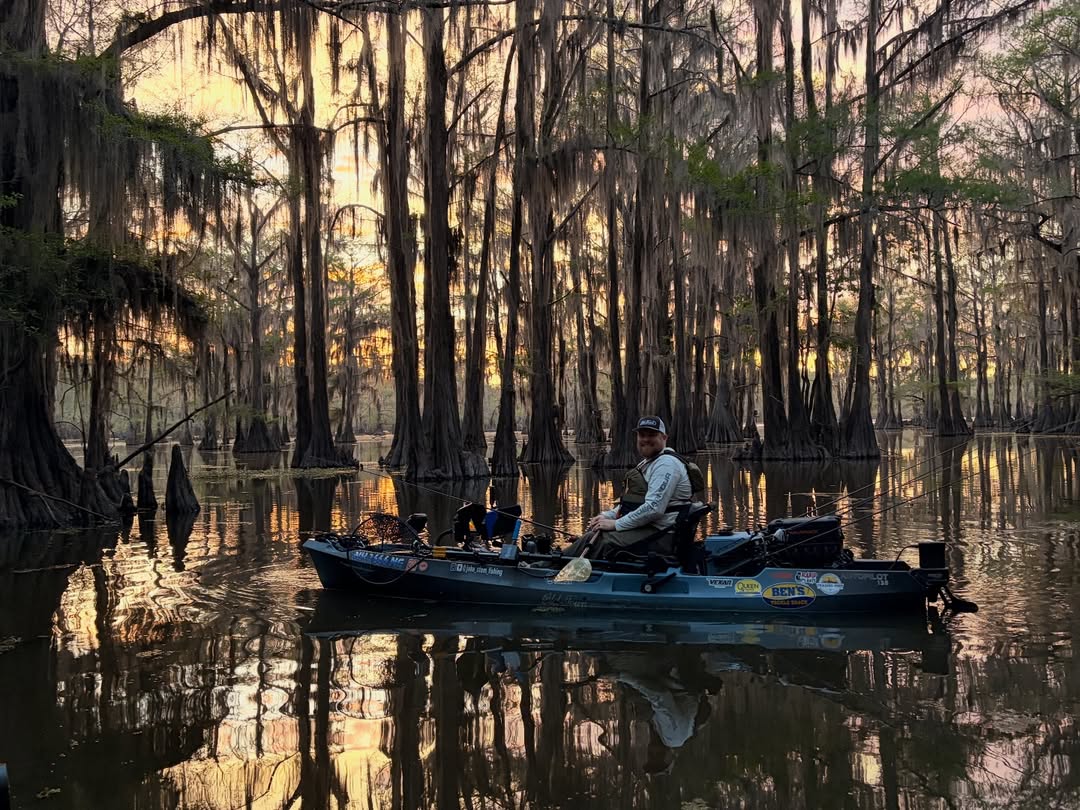
- Tree canopies and banks: Overhanging branches provide shade, keeping temperatures lower and offering concealment.
- Vegetation patches: Submerged vegetation or lily pads offer similar protective cover while attracting prey species.
- Artificial structures: Docks, piers, and submerged logs also serve as cooling refuges and ambush points.
Observing these shaded zones helps anglers identify where fish congregate during the warmest parts of the day.
4. Cold-Water Tributaries and Springs
Some fish actively migrate toward cool inflows during late spring:
- Cold streams, springs, and underwater seeps create microhabitats with lower temperatures and higher oxygen.
- These inflows often bring nutrients and prey species, making them ideal feeding zones.
- Small, hidden currents near these sources can hold concentrations of game fish that are otherwise scattered.
Casting near these cold-water spots can produce catches when traditional areas go quiet.
5. Transition Zones Between Warm and Cool Water
Fish often gather along thermoclines and temperature breaks:
- Surface water heats up while deeper water remains cooler, creating a vertical gradient.
- Fish patrol the boundary to access both comfortable temperatures and feeding opportunities.
- Understanding these transition zones is key for locating fish during late spring warm spells.
Electronics like fish finders or temperature probes can reveal these subtle but productive areas.
6. The Role of Predator Pressure
Fish behavior is not only temperature-driven:
- Shallow areas can be crowded with predatory birds, larger fish, or human activity.
- Fish move to hidden spots to avoid predation while maintaining access to food sources.
- Observing predator patterns can help predict where fish will retreat.
Hunting for fish in predator-free refuges often yields better results than targeting visibly active shallow zones.
7. How Anglers Can Adjust
To take advantage of these hidden fish locations:
- Scout deep channels and drop-offs for thermal refuge and structure.
- Target shaded and vegetated areas during mid-morning and mid-afternoon hours.
- Locate cold inflows like tributaries or springs that attract fish.
- Use electronics: Depth finders, temperature sensors, and fish finders can help detect subtle transitions.
- Adapt lure choice and retrieval depth to match fish holding zones, including slow presentations in cooler water.
Successful late spring anglers combine observation, technology, and understanding of fish behavior to find these hidden spots.
8. Conclusion
Late spring warmth causes fish to retreat from shallow, exposed zones to cooler, concealed areas, including deep-water refuges, shaded cover, and cold-water inflows. By understanding these behavioral patterns, anglers can:
- Target fish in less obvious but highly productive locations
- Adapt techniques and gear to changing depth and temperature conditions
- Stay ahead of seasonal shifts and maximize catch rates
Recognizing the hidden spots fish flee to during late spring gives anglers a strategic edge before summer fully arrives. 🌊🎣