




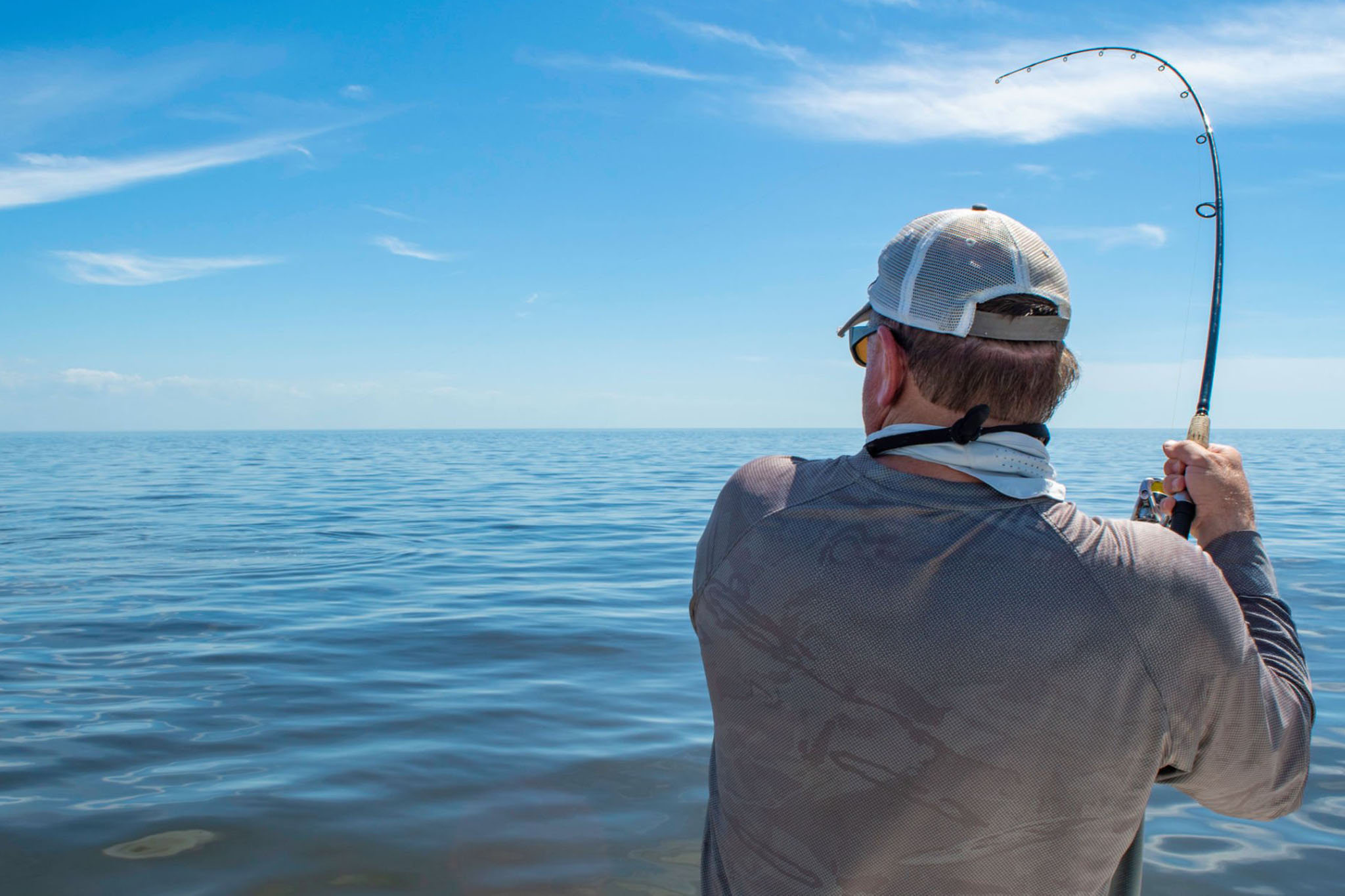
Few things are more frustrating than this:
- You’re locating fish consistently
- You’re seeing them on electronics or visually
- You’re casting right into active water
And still… nothing.
No solid strikes.
No commitment.
Just follows, bumps, or complete indifference.
If you’re seeing fish but struggling to get them to bite, the issue isn’t location—it’s presentation, timing, and fish behavior during a transitional phase.
In late spring (post-spawn to early warming water), this is one of the most common challenges anglers face.
1. Post-Spawn Fish Are Active—but Not Aggressive
After spawning, many species:
- Resume feeding
- Increase movement
- Become visible again
But here’s the catch:
- They’re still recovering physically
- Energy levels are inconsistent
- Feeding is selective, not aggressive
This leads to:
- Curious behavior
- Short follows
- Half-committed strikes
Fish are interested—but not fully willing.
2. You’re Fishing the Right Area at the Wrong Moment
During this period:
- Feeding windows are shorter
- Activity comes in bursts
- Timing matters more than location
You might:
- See fish holding in an area
- But miss the exact feeding window
This results in:
- Fish ignoring presentations
- Delayed or weak reactions
Presence doesn’t equal readiness to bite.
3. Fish Are Transitioning Between Zones
Late spring creates movement between:
- Shallow spawning flats
- Mid-depth staging areas
- Early summer holding zones
Fish often:
- Don’t settle in one place
- Move frequently
- Pause briefly in transition areas
So even if you see them:
- They may not be feeding there
- They’re just passing through
You’re intercepting movement—not targeting feeding behavior.
4. Forage Is Increasing—So Your Lure Isn’t Special
As water warms:
- Baitfish populations increase
- Natural forage becomes abundant
- Food is easier to find
Fish respond by:
- Becoming more selective
- Comparing your lure to real prey
- Ignoring unnatural presentations
When food is everywhere, your lure has to stand out—or match perfectly.
5. Water Clarity and Light Make Fish More Cautious
Late spring often brings:
- Clearer water conditions
- Increased sunlight penetration
This gives fish:
- More time to inspect lures
- Better visibility of unnatural movement
- Higher awareness of threats
You may notice:
- Fish following but not striking
- Last-second turnaways
- Hesitation near the bait
The clearer the water, the smarter the fish act.
6. Your Presentation Speed Might Be Off
One of the biggest mismatches comes down to speed.
Fish in this phase may prefer:
- Slightly slower presentations
- Or, surprisingly, reaction-trigger speeds
If your retrieve is:
- Too fast → fish won’t commit
- Too slow → fish lose interest
The “right speed” changes daily—and sometimes hourly.
7. Depth Mismatch Is More Subtle Than You Think
You may be close—but not precise.
Fish can:
- Suspend slightly above or below your lure
- Hold in narrow depth bands
- Adjust position throughout the day
Even a difference of:
- 1–3 feet
Can result in:
- No bites at all
Fish don’t move far to eat—but they won’t always move up or down either.
8. Pressure Makes Fish Hesitate
In popular waters:
- Fish see repeated presentations
- They learn to avoid common patterns
This leads to:
- Short strikes
- Following without biting
- Complete refusal
Even if fish are present:
They may already be conditioned to what you’re throwing.
9. Why It Feels So Frustrating
This situation creates a mental trap:
- You know fish are there
- You feel like success is close
- You keep repeating the same approach
But:
- Small adjustments are needed
- Not major changes
You’re 90% right—but that last 10% makes all the difference.
10. How to Turn Sightings Into Bites
1. Match the Hatch More Closely
- Pay attention to local forage
- Adjust size, color, and profile
2. Fine-Tune Your Retrieve
- Experiment with speed
- Add pauses or subtle changes
3. Adjust Depth Precisely
- Work slightly above and below fish
- Cover the full water column
4. Change Angles, Not Just Locations
- Present from different directions
- Alter how fish see your bait
5. Time Your Effort Around Feeding Windows
- Early morning and late afternoon
- Weather changes and light shifts
11. The Key Insight Most Anglers Miss
The biggest misconception is this:
“If I can see fish, they should bite.”
But in reality:
Visibility doesn’t mean vulnerability—fish can be present, aware, and still unwilling to commit.
Understanding that changes how you approach the situation.
Conclusion
Why you’re seeing fish but struggling to get them to bite comes down to a combination of factors:
- Post-spawn recovery reduces aggression
- Feeding windows are short and inconsistent
- Fish are transitioning between zones
- Natural forage is abundant
- Water clarity increases caution
- Small presentation details matter more than ever
The opportunity is there—you’re already close.
Anglers who succeed in this phase are the ones who:
- Pay attention to detail
- Adapt constantly
- Refine instead of restart
Because in late spring fishing:
It’s not about finding fish—it’s about convincing them. 🎣🔥