
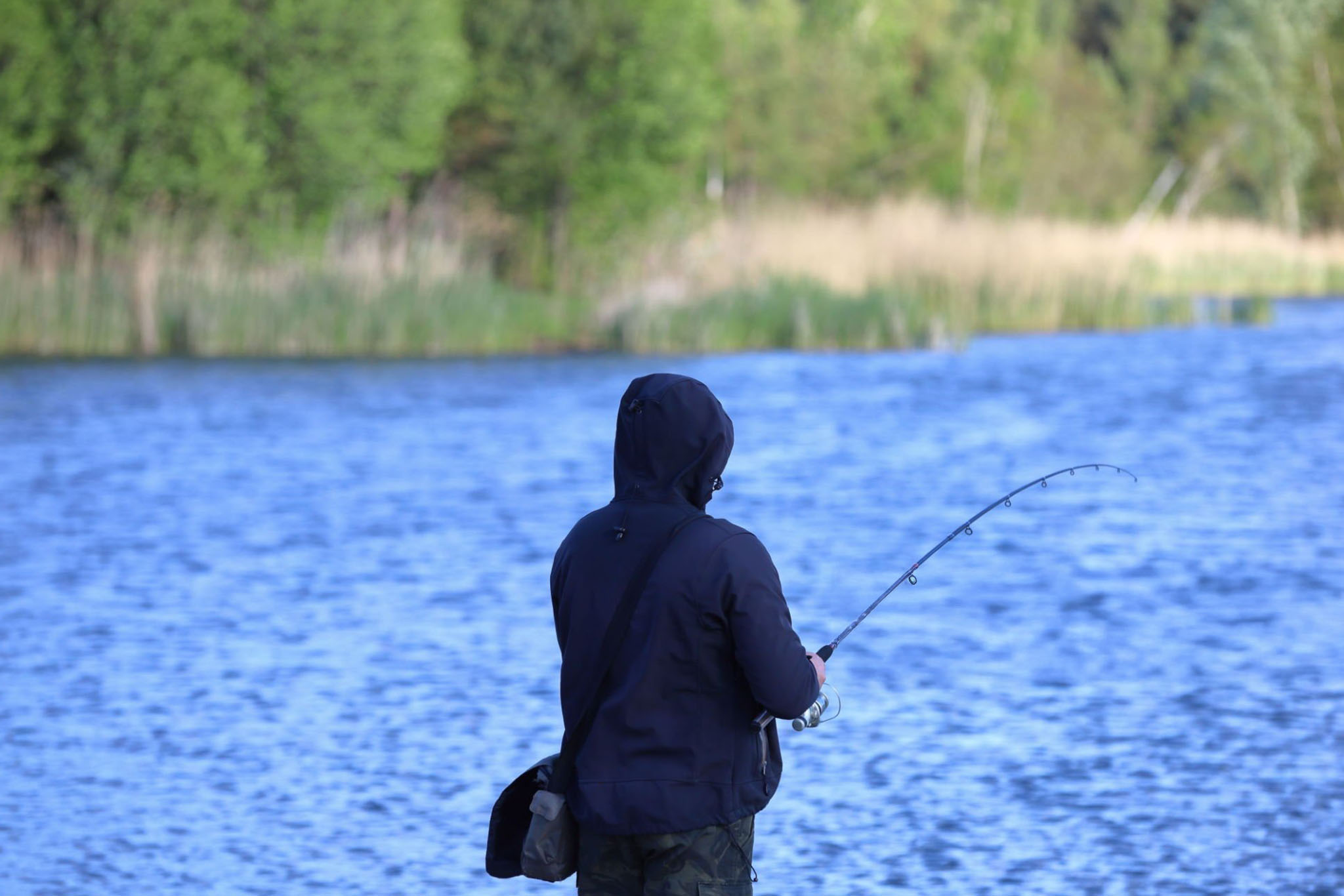
It’s one of the most frustrating situations in summer fishing.
You’re in a productive area. The fish are clearly there—you can see them on sonar, spot them near structure, or even watch them follow your lure. Everything looks right.
But the bite never happens.
Seeing fish but getting no bites is one of the most common warm-season fishing problems, and it usually has very little to do with fish absence—and everything to do with behavior, timing, and presentation mismatch.
To fix it, you first need to understand what has actually changed.
1. Fish Presence Doesn’t Equal Feeding Activity
The biggest mistake anglers make is assuming that visible fish are actively feeding fish.
In summer conditions, fish often:
- Hold in stable structure zones
- Suspend in depth layers
- Rest in shaded or oxygen-rich pockets
But that doesn’t mean they are ready to eat.
Instead:
Fish are present for comfort, not necessarily for feeding.
This is why you can repeatedly see them without triggering a strike.
2. Summer Heat Reduces Feeding Windows
As water temperatures rise and stabilize:
- Fish metabolism becomes less aggressive
- Energy conservation becomes a priority
- Feeding is compressed into narrow time periods
Most feeding activity happens:
- Early morning
- Late evening
- Occasionally during weather changes
Outside those windows:
- Fish often ignore lures completely
- Even aggressive presentations fail to trigger reactions
You’re often fishing during “presence time,” not “feeding time.”
3. Fish Are Watching More Than Reacting
One of the most misunderstood summer behaviors is inspection without commitment.
Fish will:
- Follow your lure
- Observe it closely
- Match its movement briefly
Then refuse to strike.
This happens because:
- Fish are cautious due to heat stress
- Energy cost of chasing is too high
- The lure doesn’t fully match natural prey behavior
Interest is there—but confidence is missing.
4. Depth Mismatch Is a Silent Bite Killer
In warm water, fish position themselves in very specific depth ranges:
- Too shallow = heat stress
- Too deep = low oxygen
- Just right = narrow comfort zone
Even a small depth error can mean:
- Fish see your lure
- But never engage it
This is especially common around:
- Drop-offs
- Weed edges
- Thermocline layers
If your bait isn’t in the exact feeding band, fish will ignore it entirely.
5. Presentation Speed Is Often Too Fast
Many anglers continue using spring-style retrieves in summer:
- Fast retrieves
- Aggressive action
- Constant movement
But in warm water conditions:
- Fish are less willing to chase
- Reaction distance is reduced
- Slow decision-making dominates behavior
So instead of triggering strikes:
Fast lures often trigger hesitation or rejection.
6. Oxygen Levels Control Willingness to Bite
Even when fish are present in an area, oxygen distribution plays a major role in whether they feed.
In summer:
- Oxygen is higher near cover, shade, or inflow areas
- Lower in stagnant or overly warm zones
- Thermoclines create narrow comfort layers
Fish in low-energy zones:
- Move less
- Feed less often
- React slower to bait
You may be fishing fish that are physically unable to respond aggressively.
7. Structure Doesn’t Guarantee Feeding Fish
Just because fish are holding on structure doesn’t mean they are feeding there.
Common summer holding areas:
- Deep weed edges
- Rock transitions
- Docks and shaded timber
- Drop-offs near cover
But fish often use these zones for:
- Resting
- Temperature regulation
- Safety
Not feeding.
Structure shows where fish live—not necessarily where they eat.
8. Pressure Makes Fish Even More Selective
Fishing pressure—both recent and ongoing—intensifies summer selectivity:
Fish become:
- More cautious about movement
- More sensitive to vibration and flash
- Less willing to commit quickly
Even if they follow a lure:
They often wait for perfect conditions that never come.
9. Why You’re Getting Follows but No Hookups
If you’re consistently seeing follows, the issue is usually:
- Lure is attractive enough to trigger curiosity
- But not realistic enough to trigger commitment
Common causes:
- Too uniform retrieve speed
- Lack of natural pauses
- Wrong lure profile or size
- Presentation too aggressive for conditions
A follow means interest. A strike requires belief.
10. How to Turn Visibility Into Bites
1. Slow Everything Down
- Extend pauses
- Reduce retrieve speed
- Let fish make the decision
2. Match Exact Depth Zones
- Dial into precise structure levels
- Adjust in small increments
3. Fish During True Feeding Windows
- Early morning and late evening are critical
- Midday success is limited without environmental triggers
4. Downsize and Simplify
- Smaller, more natural presentations often outperform aggressive lures
- Subtle action beats high vibration in warm water
5. Reduce Angler Pressure on Fish
- Avoid repeated casts into the same tight zone
- Let fish reset between presentations
11. The Key Insight Most Anglers Miss
The biggest misunderstanding in summer fishing is this:
“If I can see fish, I should be able to catch them.”
But in reality:
Visibility does not equal vulnerability.
Fish can be:
- Present
- Calm
- Observing
- Fully aware of your bait
…without ever feeling the need to strike.
Conclusion
Seeing fish but getting no bites is not a sign of failure—it’s a sign of mismatch.
In summer conditions, fish behavior shifts toward:
- Lower energy output
- Narrow feeding windows
- Highly selective response patterns
Success comes not from finding fish, but from:
- Matching their timing
- Matching their depth
- Matching their energy level
Because in warm water fishing:
The hardest fish to catch aren’t the ones you can’t find—they’re the ones you can clearly see but haven’t convinced yet. 🎣🔥