



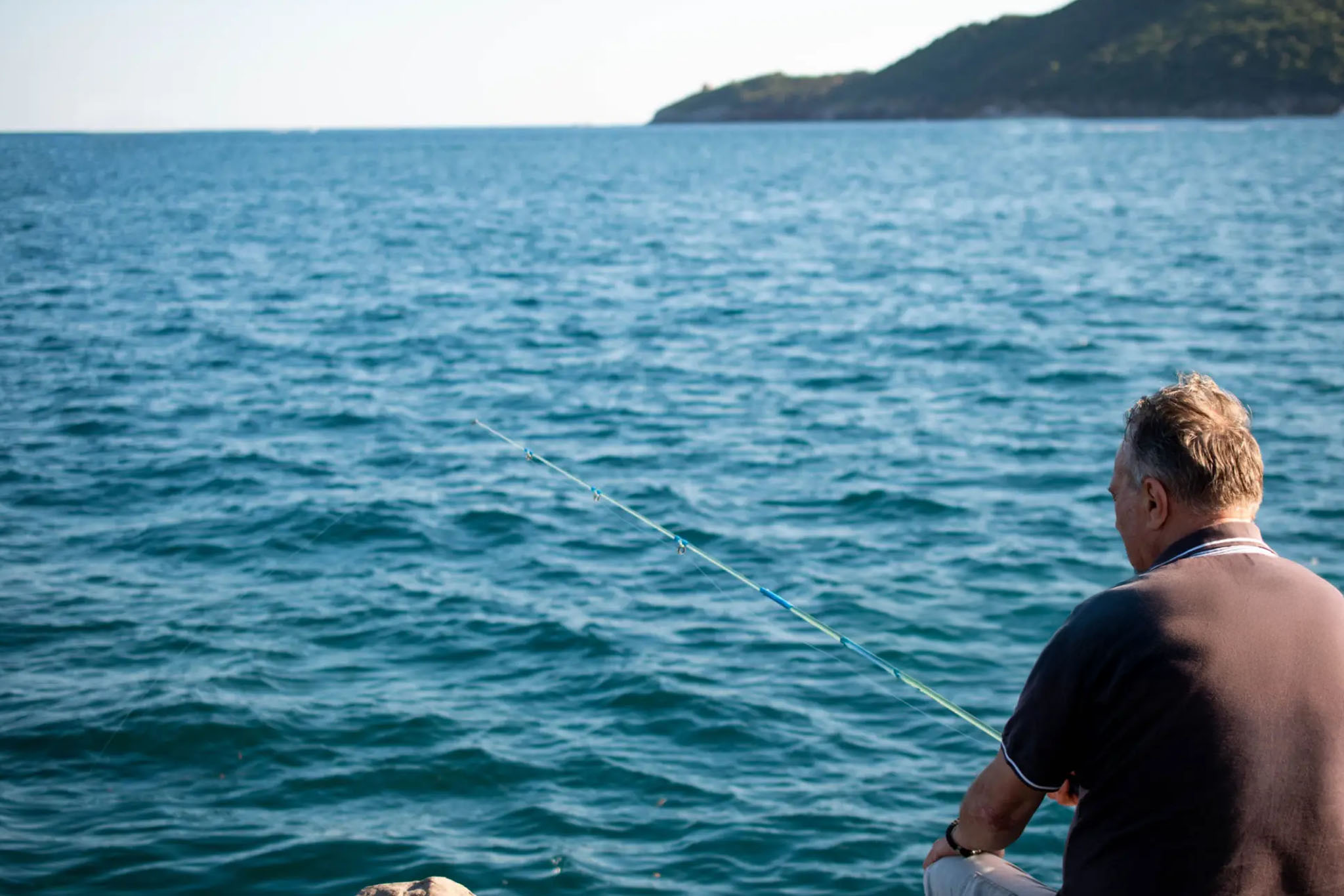
Early summer often looks like a dream for anglers.
Clear skies, light wind, steady temperatures, and calm water—it feels like perfect fishing conditions.
But then reality hits:
- You’re marking fish
- You’re fishing proven spots
- You’re doing everything “right”
…and the bites just don’t come.
The problem isn’t bad conditions—it’s stability itself.
When weather and water conditions stabilize for extended periods, fish behavior changes in ways that quietly reduce your bite rate, even when fish are present and visible.
Let’s break down why stable conditions can hurt your success—and how to adapt.
1. Stability Reduces Urgency to Feed
Fish are driven by opportunity and necessity.
During changing conditions:
- Weather shifts trigger feeding windows
- Pressure changes stimulate movement
- Fish become more opportunistic
But when conditions stabilize:
- Food availability becomes predictable
- Environmental stress is minimal
- Fish feel no urgency to feed aggressively
They don’t need to compete—they can feed whenever it’s convenient.
2. Fish Settle Into Tight, Comfortable Zones
In stable early summer conditions:
- Water temperature layers become consistent
- Oxygen levels stabilize within certain depths
- Light penetration remains predictable
Fish respond by:
- Locking into specific depth zones
- Holding tight to structure or cover
- Reducing unnecessary movement
This creates a challenge:
Fish are easy to locate—but hard to trigger.
3. Reaction Distance Shrinks Dramatically
In active conditions, fish may:
- Chase fast-moving lures
- Strike from several feet away
- React aggressively
But under stable conditions:
- Reaction distance drops to inches
- Fish inspect rather than chase
- Movement must be precise to trigger a bite
If your presentation is slightly off:
You’re effectively invisible.
4. Familiarity Makes Fish More Selective
When conditions don’t change:
- Fish see similar patterns repeatedly
- Natural prey behaves consistently
- Artificial lures become easier to recognize
This leads to:
- More follows, fewer strikes
- Short hits or missed bites
- Increased selectivity
Fish aren’t confused—they’re cautious and conditioned.
5. Feeding Windows Become Extremely Short
Stable conditions compress feeding activity into:
- Early morning
- Late evening
- Brief, subtle environmental changes
Outside of these windows:
- Fish remain inactive
- Even perfect presentations may fail
You’re often fishing around fish—but outside their feeding moments.
6. Why Your Go-To Techniques Stop Working
Many anglers rely on:
- Fast retrieves
- Aggressive lures
- Covering water quickly
But in stable early summer conditions:
- Speed moves your bait out of the strike zone too fast
- Aggression feels unnatural
- Covering water ignores fish that aren’t moving
What worked during changing conditions now works against you.
7. How to Beat the Stability Problem
1. Slow Everything Down
- Use slower retrieves
- Add pauses and subtle movements
- Let your bait stay in place longer
Time in the strike zone becomes your biggest advantage.
2. Focus on Precision, Not Coverage
- Target specific pieces of structure
- Make repeated casts from multiple angles
- Stay patient in high-probability zones
3. Match Natural Behavior
- Mimic slow, subtle prey movement
- Avoid exaggerated action
- Keep your presentation realistic
4. Dial in Depth Exactly
- Stay within the narrow zone fish are holding
- Avoid drifting too high or too low
Inches matter more than feet right now.
5. Fish the Right Windows
- Early morning and late evening are critical
- Watch for small environmental changes (clouds, wind, pressure shifts)
Even minor changes can:
Trigger short but productive feeding periods.
8. Recognizing When Stability Is the Problem
You’re likely dealing with stable-condition fishing if:
- Fish are present but inactive
- You’re getting follows without strikes
- Your best spots suddenly feel slow
- Conditions have been consistent for several days
These are all signs that:
The environment is too predictable—and the fish have adapted.
9. The Mindset Shift That Changes Results
Most anglers think:
- “I need to find more active fish.”
But in stable conditions:
You don’t need different fish—you need a different approach.
Success comes from:
- Slowing down
- Being precise
- Understanding behavior instead of forcing reactions
Conclusion
Stable early summer conditions create one of the most misunderstood challenges in fishing.
They don’t push fish away.
They don’t eliminate feeding.
Instead, they quietly shift fish into:
- Lower activity
- Higher selectivity
- Shorter feeding windows
Anglers who recognize this—and adjust their presentation, timing, and mindset—can turn slow days into consistent success.
Because in early summer:
The toughest fishing doesn’t happen when conditions are bad—
It happens when everything feels just a little too perfect. 🎣🔥