




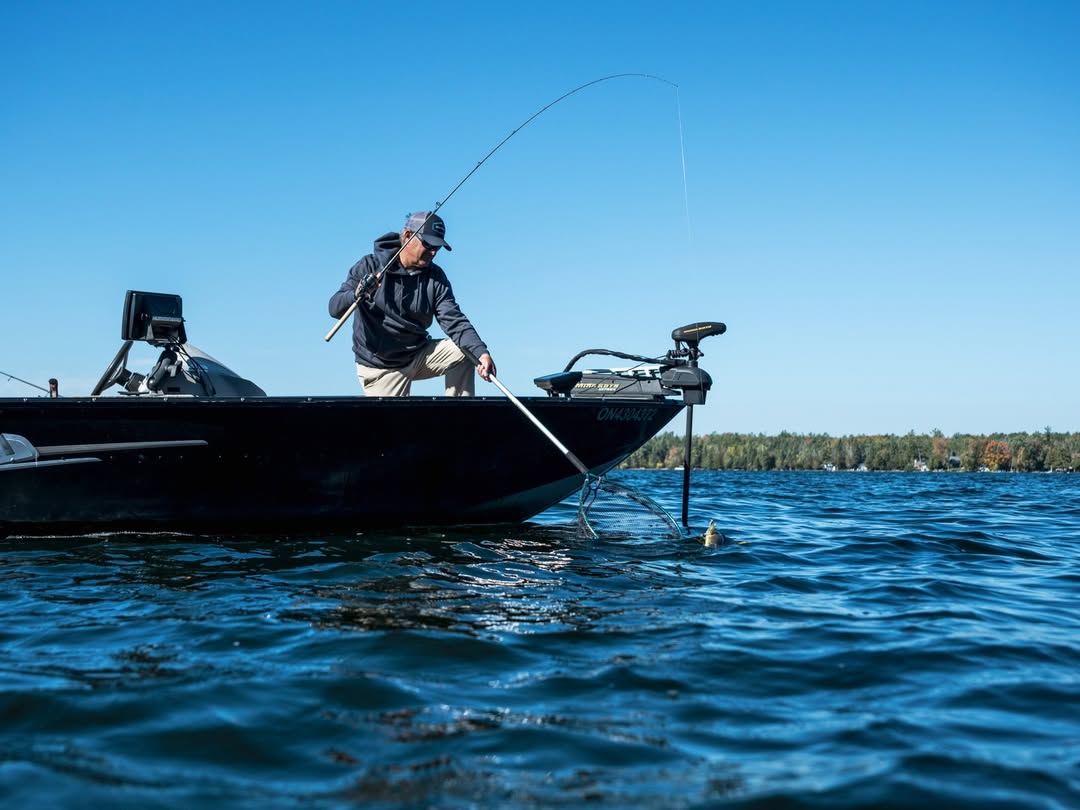
Spring fishing can be frustrating. One day fish are feeding aggressively in the shallows, and the next day a cold front or wind shift sends them retreating. But experienced anglers know there’s one place fish always return to, no matter how unpredictable the weather gets. Finding this area can turn a tough day into a highly productive one.
Why Fish Retreat During Unstable Weather
Spring weather is famously unpredictable. Temperature swings, sudden rain, or wind changes can cause fish to scatter.
- Cold fronts: Drop water temperature, slowing fish metabolism and pushing them deeper.
- Wind shifts: Can move baitfish and stir sediments, forcing fish to seek shelter.
- Barometric pressure changes: Fish often become less active, conserving energy until conditions stabilize.
Despite this, fish don’t disappear—they move to specific refuge areas that provide safety, food, and stable conditions.
The One Area Fish Always Return To
1. Deep Structure Near Transition Zones
The common denominator is deep water connected to shallow feeding zones. Examples include:
- Drop-offs near flats – fish move to shallow flats to feed but retreat to deeper edges when conditions change.
- Points and submerged humps – offer protection from wind and quick access to shallows.
- Channels connecting coves and main lakes – act as highways fish use to move safely between feeding and staging areas.
Fish choose these areas because they offer:
- Quick access to food
- Protection from predators and turbulence
- Stable water temperature
2. Features That Stabilize Microclimates
Even on windy or stormy days, microclimates form around structures like:
- Rock piles
- Sunken timber
- Underwater vegetation
- Man-made structures like docks or bridges
These areas reduce the impact of wind, keep water more oxygenated, and provide cover for fish.
How to Target Fish During Unstable Spring Weather
1. Focus on the “Edge of Stability”
Rather than fishing wide open flats, focus on the edges where deep meets shallow. Fish often retreat to these edges before moving back to feed.
- Early morning: they might stage in deeper edges before moving shallow.
- Midday: they often push into sheltered pockets as sunlight warms water.
- Pre-front: fish may linger on stable structure even as the weather deteriorates.
2. Use Depth to Your Advantage
Unstable conditions often make fish more depth-conscious:
- Fish may suspend above deeper points rather than hugging the bottom.
- Slow presentations near drop-offs often trigger bites.
- Sonar or fish finders help identify suspended fish along transition zones.
3. Keep Baits or Lures Close to Cover
Even if the fish aren’t actively feeding, keeping your presentation within striking distance of structure increases your chance of a reaction strike.
- Jigs along rock piles
- Soft plastics near timber or weed edges
- Crankbaits that follow contours of points and drop-offs
Seasonal Patterns That Reinforce This Behavior
- Pre-spawn: Fish stage near deep structure before moving shallow to spawn.
- Post-spawn: Fish retreat back to deep structure for recovery and safety.
- Variable weather: Fish consistently return to the same stable areas, providing repeatable opportunities.
Understanding these patterns lets you anticipate movement instead of reacting to chaos.
Key Takeaways
- Transition zones are your friend: Deep-to-shallow edges act as refuges.
- Microclimates stabilize fish: Rock, timber, and vegetation provide shelter during unpredictable weather.
- Presentation matters: Slow, controlled approaches near cover increase success.
- Track daily patterns: Fish will leave and return along predictable routes, even if feeding times vary.
By focusing on the one area fish always return to, you can turn unstable spring days into high-opportunity fishing sessions.