




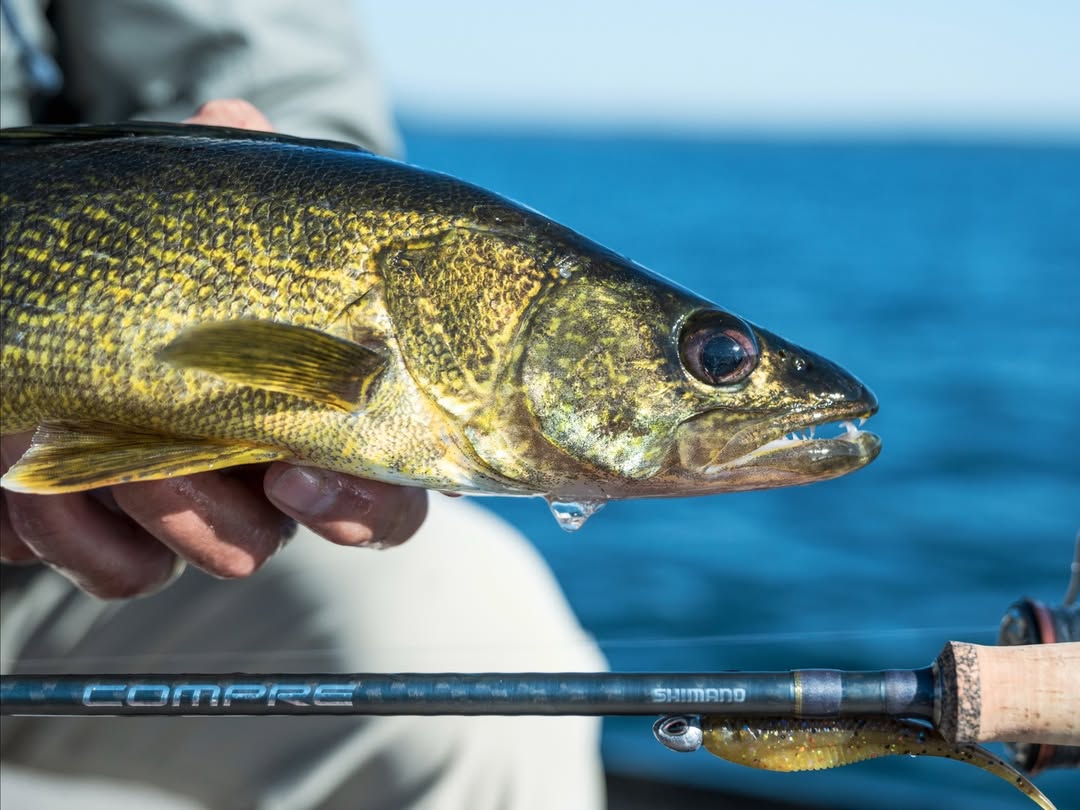
Late spring fishing can feel unpredictable. One day fish are shallow and aggressive, the next they’ve pulled back and seem impossible to locate. This daily in-and-out movement frustrates many anglers—but it’s actually one of the most predictable patterns of the season once you understand what drives it.
Fish aren’t wandering randomly. They’re adjusting to temperature, light, and spawning behavior, often following the same routes every single day. If you learn how to track that movement, you can stay on fish no matter how conditions change.
Why Fish Move Between Shallow and Deep Water Daily
During the pre-spawn and spawning phases, fish are in transition. They’re not fully committed to shallow water yet—but they’re no longer holding deep either.
Here’s what drives that daily movement:
1. Temperature Swings
- Shallow water warms quickly during the day
- It cools rapidly overnight
- Fish move shallow to feed and stage when it warms
- They pull back to stable water when temperatures drop
2. Light and Sun Position
Sunlight plays a huge role in positioning.
- Morning: fish may hold slightly deeper
- Midday: they push shallow as water warms
- Evening: they may stay shallow or begin moving back
3. Spawning Instinct
Fish are preparing to spawn, which pulls them toward shallow areas—but only when conditions feel right.
- They stage just outside spawning zones
- Move in briefly to feed or scout
- Pull back if conditions change
4. Fishing Pressure
In many U.S. waters, pressure increases in spring.
- Fish may move shallow during low-pressure periods
- Slide back when disturbed
- Become more cautious in exposed areas
The Key: Identify the “Movement Path,” Not Just the Spot
Most anglers make the mistake of fishing a location. Successful anglers focus on the path fish travel.
Look for:
- Drop-offs next to shallow flats
- Points leading into coves
- Channels connecting deep and shallow water
- Gradual depth transitions
These are the “highways” fish use every day.
Where to Find Fish Throughout the Day
Early Morning
- Focus on slightly deeper water near shallow zones
- Fish are recovering from overnight cooling
- Target edges, ledges, and first drop-offs
Midday (Prime Movement Window)
- Fish begin pushing shallow as water warms
- Focus on sunlit banks, flats, and protected coves
- This is often the most productive time
Late Afternoon / Evening
- Fish may stay shallow if conditions remain stable
- Or begin sliding back toward deeper staging areas
- Target transition zones again
How to Stay on Moving Fish
1. Fish From Deep to Shallow
Instead of guessing, cover the full range:
- Start deeper
- Work toward shallow areas
- Adjust based on bites and conditions
This helps you intercept fish at different stages of movement.
2. Use “Contact Points”
Focus on areas where fish must pass through:
- Narrow channels
- Points and bends
- Structure near depth changes
These spots concentrate fish even when they’re moving.
3. Adjust Your Speed Based on Conditions
- Cooler water → slower presentations
- Warming water → slightly faster, more aggressive
- Always match the fish’s energy level
4. Pay Attention to Sun and Wind
- Sun warms specific banks first—target those areas
- Wind can push warmer surface water and baitfish
- Combine both factors to narrow down high-percentage zones
Signs You’re Around Moving Fish
- Short bursts of bites, then nothing
- Fish caught at different depths within the same area
- Visible baitfish activity near transitions
- Sudden improvement when the sun hits a spot
These are all indicators that fish are actively shifting—not gone.
Common Mistakes Anglers Make
- Fishing only shallow or only deep
- Staying in one spot too long
- Ignoring transition areas
- Not adjusting throughout the day
The biggest mistake is treating fish as stationary when they’re constantly moving.
Why This Pattern Is an Advantage
Most anglers struggle with moving fish because they chase yesterday’s results. But when you understand daily movement:
- You can predict where fish will go next
- You stay ahead of changing conditions
- You find fish even on tough days
This turns inconsistency into opportunity.
Final Thoughts
Fish moving in and out of shallow water daily isn’t a problem—it’s a pattern. One driven by temperature, sunlight, and seasonal instincts.
Once you stop chasing locations and start understanding movement, your success becomes far more consistent.
The key takeaway:
Don’t fish where fish were—fish where they’re going next.