Bluefish fishing can go from quiet to chaotic in seconds.
One minute, anglers may be searching for birds, bait schools, or surface activity.
The next, bluefish are exploding on bait, rods are bending, lures are flying, and anglers are moving around the boat trying to keep lines clear.
That fast-paced style of fishing creates a very different footwear environment from slower bottom fishing.
You need to be able to:
- Move quickly
- Change casting positions
- Stay balanced on a moving boat
- Handle wet decks
- Deal with bait and fish slime
- Stand comfortably for hours
Bluefish also have sharp teeth, aggressive behavior, and a tendency to create plenty of mess once landed.
That means good footwear needs to provide more than basic water protection.
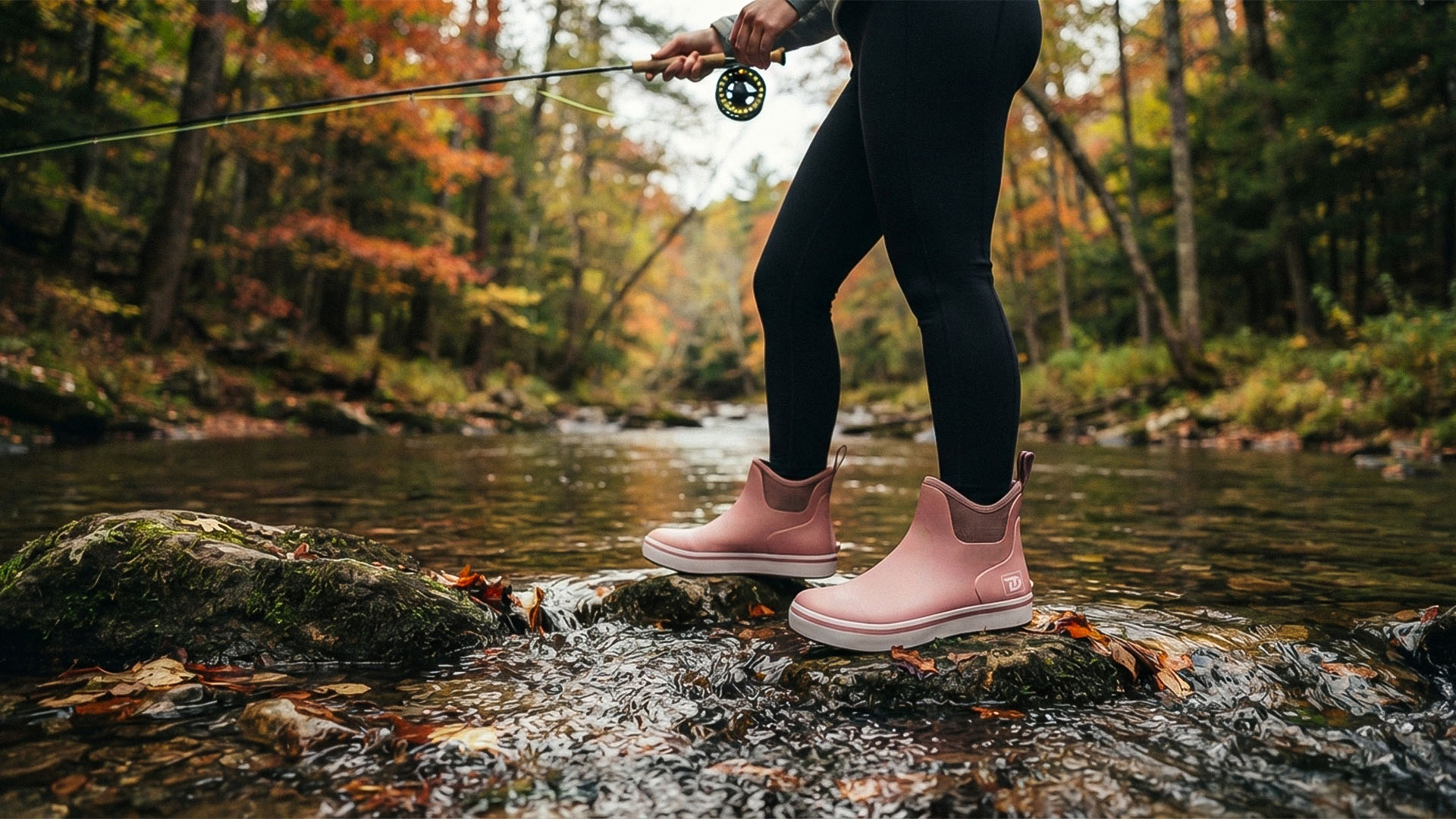
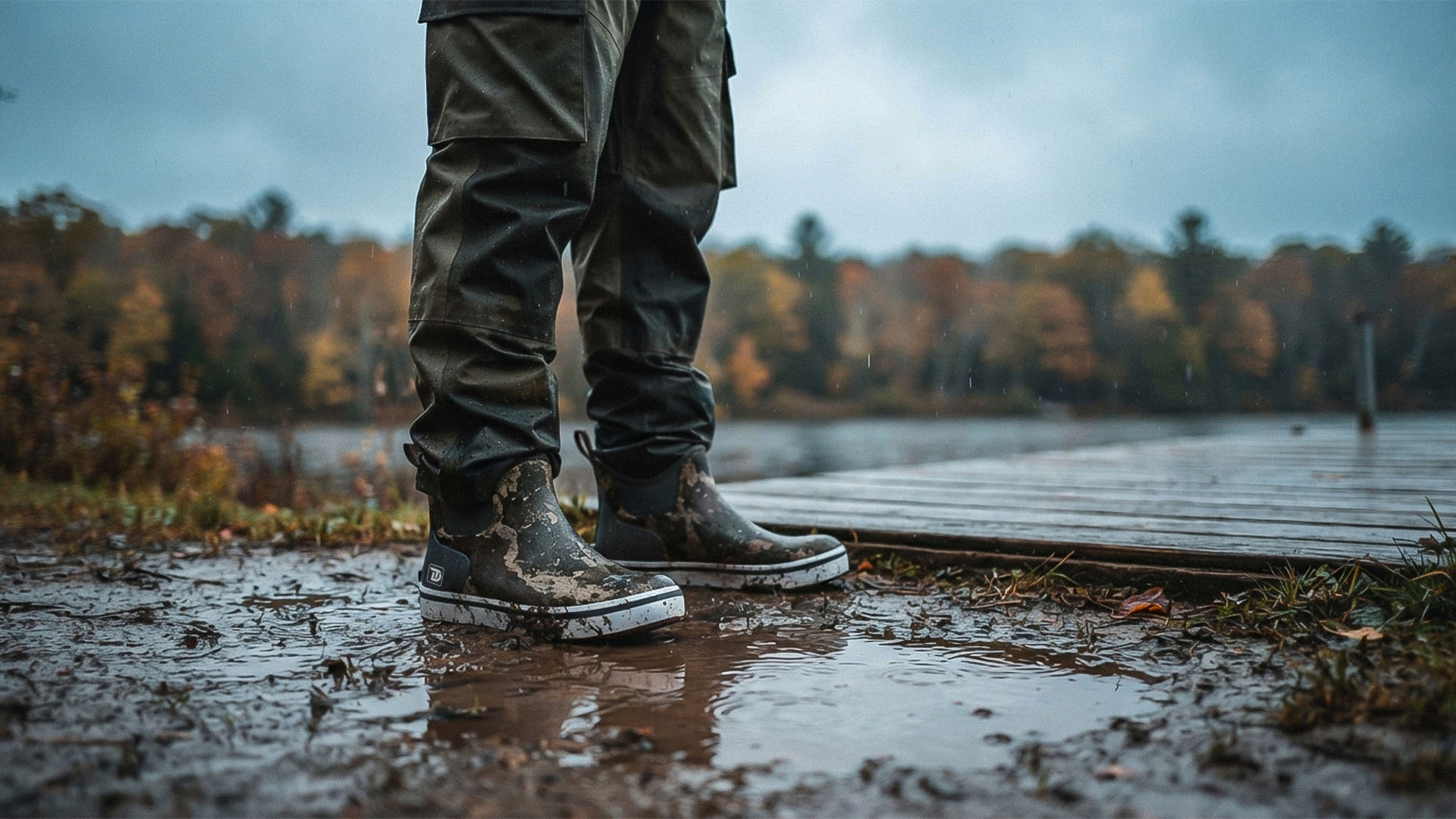
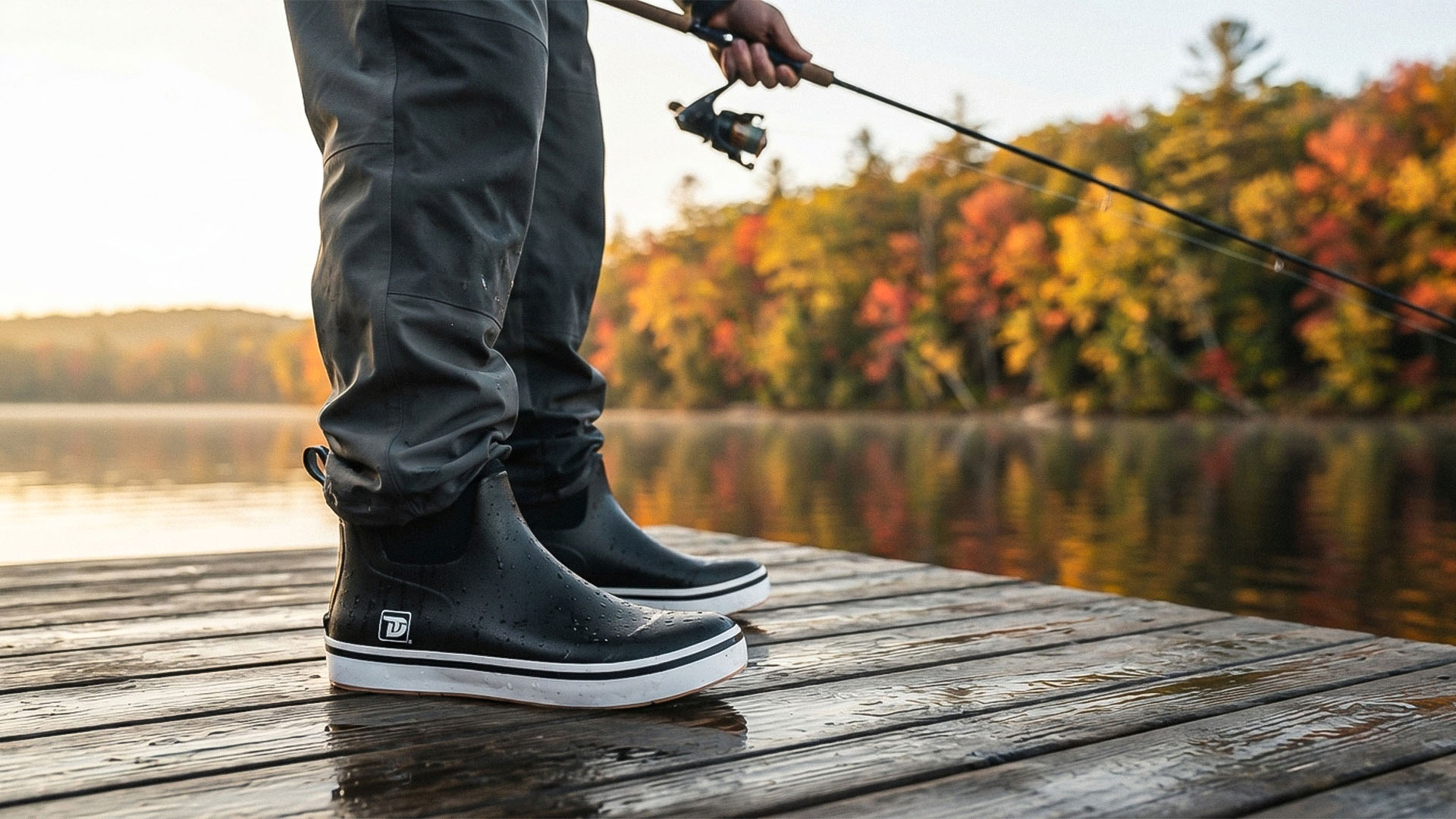
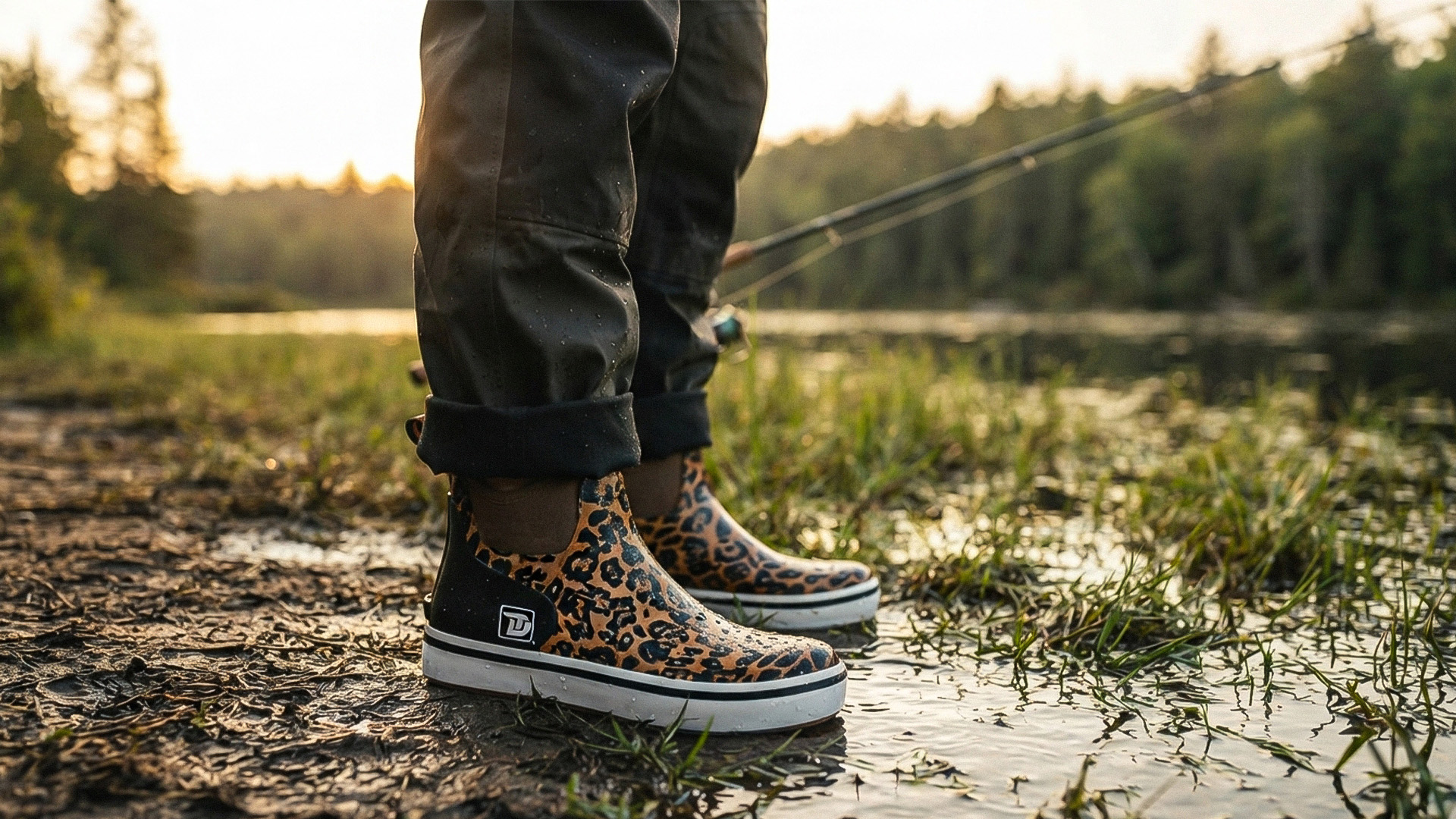
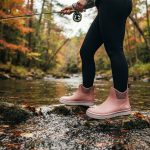
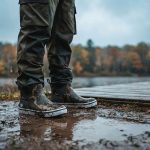
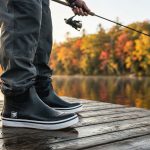
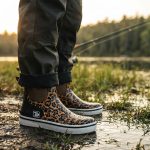
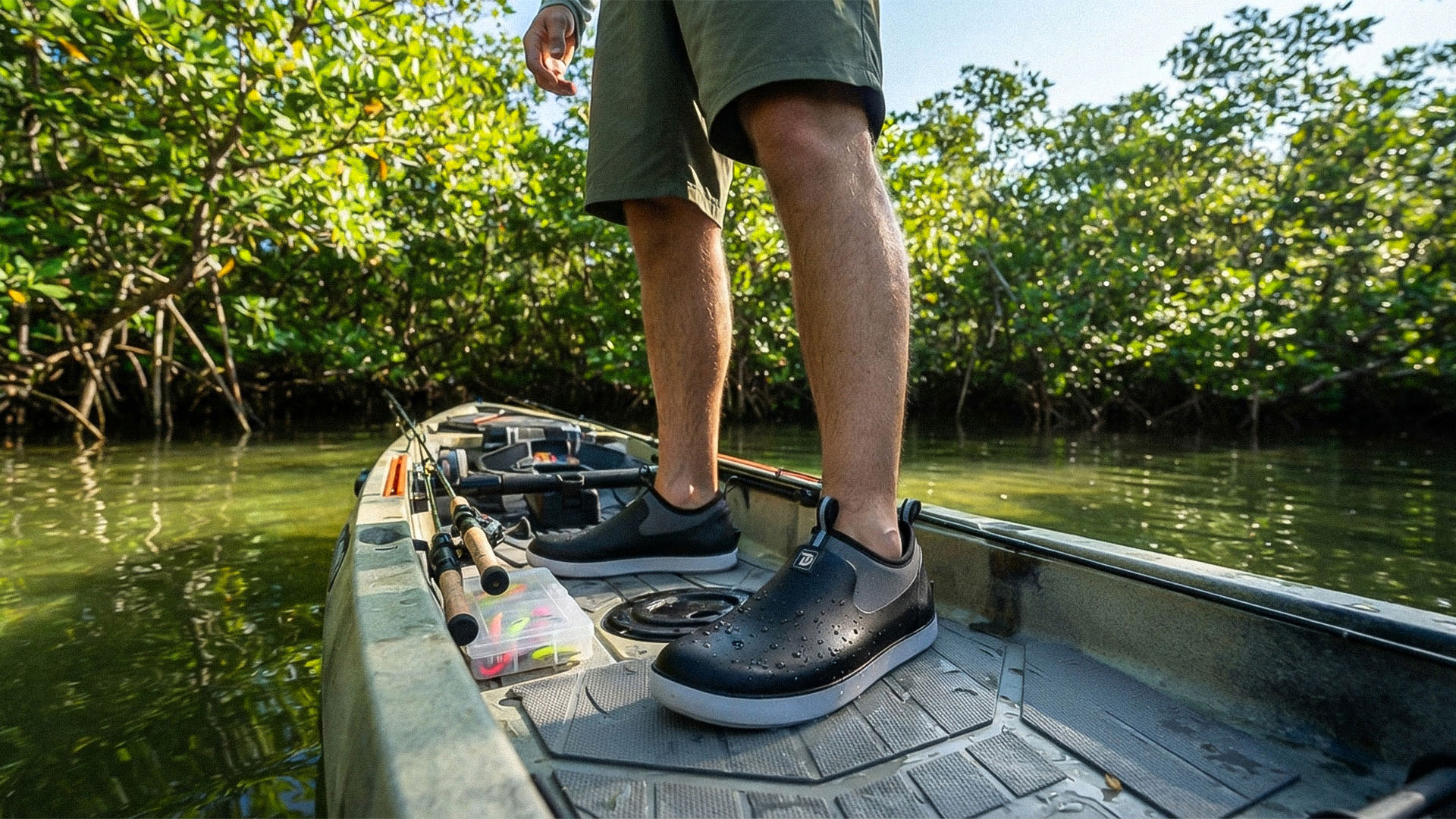
For most boat-based bluefish anglers, lightweight waterproof ankle deck boots provide an excellent balance of wet-deck performance, mobility, easy cleaning, and all-day comfort.
This guide explains how to choose deck boots for bluefish fishing, why fast casting changes footwear needs, how bait and fish slime affect traction, and when surf or shore anglers may need a different type of footwear.
Why Bluefish Fishing Is Hard on Footwear
Bluefish fishing may involve:
- Saltwater spray
- Fish slime
- Blood
- Bait water
- Wet fiberglass
- Rain
- Boat washdowns
- Sand
- Mud
- Fishing docks
Anglers may also be moving more aggressively than during many other saltwater fishing styles.
When a school appears, everyone wants to get a lure or bait into the water quickly.
Footwear needs to remain secure during repeated:
- Side steps
- Turns
- Casting movements
- Boat repositioning
- Fish handling
Why Deck Boots Work Well for Boat Bluefish Fishing
Deck boots fit boat-based bluefish fishing well because they provide:
- Waterproof construction
- Closed-toe coverage
- Easy-clean surfaces
- Wet-deck traction
- Secure fit
- Comfortable standing support
They work especially well on:
- Center consoles
- Bay boats
- Charter boats
- Party boats
- Small offshore boats
Anglers comparing waterproof saltwater footwear can evaluate TruDaveGear deck boots alongside other fishing footwear based on outsole design, fit, cushioning, removable insoles, boot height, and seasonal conditions.
Fast-Paced Casting Changes Footwear Needs
Bluefish are often targeted with active casting.
Anglers may use:
- Topwater plugs
- Metal lures
- Poppers
- Jigs
- Soft plastics
- Swimming plugs
When fish are feeding on the surface, casting may continue almost nonstop.
That means your footwear should allow natural movement.
A stiff or oversized boot may feel awkward after hundreds of casts.
Secure Heel Fit
Heel security matters because casting involves weight transfer.
Your feet may rotate slightly during:
- Long casts
- Sidearm casts
- Boat-side retrieves
- Quick repositioning
A loose boot can create:
- Heel lift
- Blisters
- Toe gripping
- Foot fatigue
Some movement is normal in pull-on boots, but excessive movement usually means the fit is wrong.
Flexible Forefoot
A bluefish deck boot should bend naturally around the ball of the foot.
This helps during:
- Casting
- Squatting
- Side stepping
- Moving around the console
A very stiff outsole may feel more like a work boot than fishing footwear.
For active fishing, moderate forefoot flexibility is usually preferable.
Long Standing Between Schools
Bluefish fishing may alternate between intense activity and long searching periods.
Anglers can spend hours:
- Watching birds
- Searching bait schools
- Monitoring electronics
- Waiting for fish to surface
During these slower periods, underfoot comfort matters.
Look for:
- Stable heel cushioning
- Moderate arch support
- Comfortable forefoot
- Removable insoles
A good fishing boot should work equally well during waiting and action.
Northeast Bluefish Fishing
Bluefish are an iconic species across many Northeast coastal fisheries.
Anglers may target them around:
- Long Island
- New Jersey
- Rhode Island
- Massachusetts
- Connecticut
- New York coastal waters
Conditions may range from warm summer mornings to cooler fall trips.
Waterproof ankle deck boots provide useful versatility because sock thickness can be adjusted with the season.
Long Island Bluefish Fishing
Long Island anglers may encounter bluefish in:
- Long Island Sound
- South Shore bays
- Inlets
- Ocean waters
- Beaches
Boat anglers benefit from waterproof footwear during wet and bait-heavy conditions.
Surf anglers may need footwear better suited to sand, surf water, and long walking.
New Jersey Bluefish Fishing
New Jersey anglers may target bluefish from:
- Boats
- Beaches
- Inlets
- Piers
Boat-based fishing strongly favors waterproof deck footwear when bait, spray, rain, or fish washdowns are involved.
For long surf sessions, specialized surf footwear may be more appropriate.
Rhode Island Bluefish Fishing
Rhode Island coastal fishing can involve changing wind and water conditions.
Morning air may feel cooler than expected even during productive seasons.
Waterproof boots help keep spray away from socks.
Massachusetts Bluefish Fishing
Massachusetts bluefish anglers may fish boats, beaches, bays, and coastal structure.
Cooler water means wet footwear can become uncomfortable even when air temperatures are moderate.
Keeping feet dry is often more useful than simply choosing heavily insulated footwear.
Chesapeake Bay Bluefish Fishing
Bluefish can also be encountered in Mid-Atlantic waters.
Bay fishing may involve:
- Trolling
- Casting
- Bait fishing
- Wet center-console decks
Lightweight waterproof footwear works well because it provides protection without unnecessary heat.
Topwater Bluefish Fishing
Few saltwater experiences are more exciting than bluefish attacking surface plugs.
Topwater fishing involves constant casting and rapid movement.
A good deck boot should remain lightweight enough that it does not feel tiring after hours of fishing.
Look for:
- Flexible outsole
- Secure heel
- Stable toe box
- Low-profile ankle height
Metal Lure Fishing
Metal lures are another popular bluefish option.
These lures may be relatively heavy.
Keep them organized.
Do not leave metal lures with exposed hooks loose on the deck.
Deck boots provide basic closed-toe coverage but are not puncture-proof.
Large Treble Hooks
Many bluefish plugs use treble hooks.
These are one of the biggest deck hazards.
During a fast bite, lures may be:
- Re-rigged
- Changed quickly
- Set down temporarily
- Removed from fish
That creates more opportunities for hooks to reach walking areas.
Use:
- Hook holders
- Tackle boxes
- Dedicated lure trays
Standard deck boots cannot be relied upon to stop a sharp treble hook.
Bluefish Teeth
Bluefish have extremely sharp teeth.
They can cut baitfish and leaders easily.
Keep hands and feet away from the mouth of a landed fish.
Footwear should never be used to pin or restrain a bluefish.
Deck boots are not protective equipment against bites.
Use appropriate fish-handling tools.
Fish Handling
A freshly landed bluefish may thrash aggressively.
This creates several deck hazards:
- Fish slime
- Loose hooks
- Moving lures
- Sharp teeth
- Wet surfaces
Keep the landing area clear.
Control the fish as quickly and safely as possible.
Avoid allowing a hooked bluefish to flop through main walking areas.
Bluefish Slime
Bluefish can leave significant slime on:
- Deck
- Cooler
- Net
- Boots
Fish slime reduces friction.
If it reaches the outsole, rinse it before continuing to move aggressively around the boat.
No tread pattern works well when coated in slime.
Fish Blood
When legally harvested, bluefish may create blood around the fish-handling area.
Waterproof boots are easy to rinse.
Clean residue quickly to reduce:
- Odor
- Staining
- Slick surfaces
Bait Fishing for Bluefish
Bluefish may also be targeted with natural bait.
Depending on location and fishing style, anglers may use:
- Bunker
- Mackerel
- Squid
- Other legal baitfish
Natural bait creates:
- Oil
- Water
- Slime
- Scales
Deck boots are particularly useful because they rinse clean easily.
Bunker and Menhaden
Bunker can create oily bait residue.
Fish oil is especially important because it may make fiberglass or boot tread slick.
Clean it promptly.
If enough bait oil gets into the tread, even a good marine outsole may lose traction.
Cut Bait
Cut bait can create stronger odor and more deck mess than artificial lures.
Keep bait concentrated around a dedicated station.
Avoid dropping cut pieces into main walking areas.
This improves both safety and cleanup.
Bait Buckets
Bait buckets create water spills.
Water may reach your footwear when:
- Moving bait
- Rinsing containers
- Changing water
Waterproof deck boots prevent these small spills from soaking your socks.
Trolling for Bluefish
Some anglers target bluefish by trolling.
Trolling creates different footwear demands from active casting.
You may spend longer periods standing relatively still.
Comfort becomes more important.
Look for stable cushioning rather than focusing only on flexibility.
Multiple Hookups
Bluefish may travel in schools.
Once one rod goes off, another may follow quickly.
During multiple hookups, anglers may need to:
- Clear rods
- Move around each other
- Net fish
- Remove hooks
- Reposition
Secure footwear becomes especially important.
A loose sandal or oversized boot can become a distraction.
Center Console Bluefish Fishing
Center consoles are excellent bluefish platforms because anglers can move around the boat while casting.
They can also become wet from spray.
Low-profile waterproof ankle boots provide enough protection without making movement around the console difficult.
Party Boat Bluefish Fishing
Party boats can be very wet.
Crews may rinse the deck regularly because bluefish can create:
- Slime
- Blood
- Bait residue
- Fish scales
This makes waterproof closed-toe footwear especially practical.
Fabric sneakers may become saturated during a productive trip.
Party Boat Foot Hazards
Shared boats also mean more equipment around your feet.
Potential hazards include:
- Sinkers
- Hooks
- Lures
- Fish
- Buckets
- Rods
Closed-toe deck boots provide useful coverage.
But organization and awareness remain essential.
Charter Bluefish Fishing
Before boarding a charter, ask whether the captain recommends:
- Waterproof boots
- Non-marking soles
- Specific footwear types
Boat requirements vary.
Always follow the captain’s rules.
Wet Fiberglass Decks
Fiberglass is common on saltwater boats.
It may become slick because of:
- Saltwater
- Fish slime
- Bait oil
- Sunscreen
- Soap
Look for a marine-focused outsole with broad surface contact.
Keep both the deck and tread clean.
Wet Aluminum Decks
Some fishing boats use aluminum surfaces.
These can become slippery when wet.
Mud, fish slime, and bait residue may make conditions worse.
Clean the outsole before stepping onto metal surfaces.
Boat Washdowns
Bluefish fishing may require frequent washdowns.
This is especially true during:
- Charter trips
- Party boat fishing
- Large catches
Waterproof deck boots are ideal because hose water does not soak into the footwear.
Rainy Bluefish Fishing
Bluefish often remain active during changing weather.
Rain can quickly soak ordinary footwear.
Deck boots protect against:
- Rain
- Spray
- Wet decks
- Marina water
Pair them with correctly worn rain pants.
Rain Pants and Deck Boots
Keep rain-pant cuffs outside the boot opening.
This allows water to run down the outside.
If the pants are tucked inside, water may flow directly into the boot.
Waterproof footwear cannot stop water poured in from above.
Fall Bluefish Fishing
Fall bluefish fishing can bring:
- Cooler air
- Strong wind
- Rain
- Cold spray
This is when waterproof footwear becomes especially valuable.
Use warmer socks rather than automatically switching to heavy insulated boots.
Summer Bluefish Fishing
Summer conditions favor:
- Lightweight boots
- Uninsulated construction
- Thin performance socks
- Ankle height
During extremely hot dry weather, breathable fishing shoes may be more comfortable.
Best Socks for Bluefish Fishing
Choose:
- Synthetic moisture-wicking socks
- Lightweight merino
- Merino-synthetic blends
Avoid cotton.
Cotton holds water and dries slowly.
Spare Socks
Keep a backup pair in waterproof storage.
They are useful after:
- Rain
- Spray
- Water over the boot opening
- Heavy sweating
Deck Boots vs. Fishing Shoes
Deck Boots Are Better For:
- Wet boats
- Bait fishing
- Rain
- Fish slime
- Washdowns
- Cooler conditions
Fishing Shoes Are Better For:
- Hot dry days
- Maximum ventilation
- Long walking
Both have a place.
Deck Boots vs. Sneakers
Sneakers may become saturated from:
- Spray
- Bait water
- Rain
- Washdowns
Deck boots are easier to rinse and dry.
Deck Boots vs. Flip-Flops
Flip-flops are a poor choice around:
- Treble hooks
- Bluefish teeth
- Thrashing fish
- Wet decks
They also provide little heel security.
Closed-toe footwear is much more practical for active bluefish fishing.
Deck Boots vs. Tall Rubber Boots
Tall boots provide more coverage but are generally:
- Heavier
- Hotter
- More restrictive
For most recreational bluefish boat trips, ankle deck boots provide enough protection.
Surf Bluefish Fishing
Surf anglers need different footwear considerations.
The environment may include:
- Sand
- Shore break
- Waves
- Long walking
- Cold water
Deck boots may work for some dry-sand situations but are generally not intended for deep surf use.
Specialized surf footwear or waders may be better.
Jetty Bluefish Fishing
Jetties create technical footing challenges.
Wet rocks, algae, and wave wash can be dangerous.
Standard deck boots are not specialized rock-fishing footwear.
Use footwear designed for wet rock traction when fishing jetties.
Pier Bluefish Fishing
Deck boots can work well on fishing piers during wet conditions.
They provide protection from:
- Rain
- Bait
- Fish slime
- Spray
For long dry summer sessions, breathable footwear may be more comfortable.
Marina Docks
Wet marina docks may contain:
- Water
- Algae
- Fish residue
Deck boots provide useful protection, but algae can remain slippery regardless of footwear.
Move carefully.
Boat Ramps
Trailer anglers may encounter:
- Wet concrete
- Mud
- Gravel
- Sand
- Algae
Waterproof boots are useful during launching.
Clean the outsole before boarding.
EVA Decking
Modern boats may use EVA foam decking.
Remove:
- Sand
- Gravel
- Shell fragments
from boot tread before stepping onto it.
This protects the boat surface.
Non-Marking Soles
Some boats require non-marking footwear.
Check product specifications and boat rules.
Non-marking does not automatically guarantee ideal wet traction.
Removable Insoles
Removable footbeds improve:
- Drying
- Odor control
- Cushion replacement
- Support customization
Take them out after long saltwater trips.
Wide Feet
Look for:
- Roomy toe box
- Proper forefoot width
- Secure heel
- Comfortable instep
Avoid excessive sizing up.
High Instep
Choose a boot with:
- Enough internal volume
- Strong pull tabs
- Comfortable opening
Persistent pressure across the top of the foot indicates poor fit.
Cleaning Bluefish Slime From Deck Boots
After fishing:
- Rinse with fresh water.
- Remove visible slime.
- Use mild soap if necessary.
- Brush the outsole.
- Rinse completely.
- Remove insoles.
- Dry everything separately.
Cleaning Bait Oil
Bait oil should be removed quickly.
Use mild soap if fresh water alone does not remove it.
Pay particular attention to tread grooves.
Residual oil can reduce deck traction.
Saltwater Care
After every coastal trip:
- Rinse upper
- Clean outsole
- Rinse collar
- Clean pull tabs
- Remove organic residue
Regular freshwater rinsing helps prevent salt buildup.
Drying Deck Boots
Use gentle airflow.
Avoid:
- Clothes dryers
- Heat guns
- Space heaters
- Open flames
High heat can damage waterproof materials, foam, and adhesives.
Odor Prevention
Bluefish boots can develop odor from:
- Fish slime
- Bait oil
- Sweat
- Saltwater
Prevent odor by:
- Cleaning quickly
- Removing insoles
- Drying fully
- Avoiding sealed wet storage
Clean Shoes for the Drive Home
Bring separate driving shoes.
Place wet fishing boots in:
- Rubber boot tray
- Plastic tote
- Washable container
This keeps fish and bait residue out of your vehicle.
Best Deck Boot Features for Bluefish Fishing
Look for:
Waterproof Construction
Useful for spray, washdowns, rain, and bait water.
Lightweight Design
Important during active casting.
Secure Heel
Helps during quick movement.
Flexible Forefoot
Useful for repeated casting and side stepping.
Stable Marine Outsole
Important on wet fiberglass.
Comfortable Cushioning
Helps during long searching periods.
Removable Insoles
Improves drying and support.
Easy-Clean Exterior
Important around oily bait and fish slime.
Ankle Height
Offers mobility without excessive bulk.
Bluefish Fishing Footwear Checklist
Before fishing:
- Check weather
- Inspect outsole
- Confirm boots are dry
- Choose seasonal socks
- Pack spare socks
- Organize treble-hook lures
- Secure landing tools
- Bring rain gear
After fishing:
- Rinse saltwater
- Remove fish slime
- Clean bait oil
- Brush tread
- Remove insoles
- Dry fully
Common Bluefish Fishing Footwear Mistakes
Wearing Flip-Flops Around Treble Hooks
Open footwear provides little protection from sharp tackle.
Wearing Cotton Socks
They hold water and dry slowly.
Buying Boots Too Loose
Loose footwear reduces control during fast casting action.
Leaving Plugs on the Deck
Deck boots are not hook-proof.
Ignoring Bluefish Teeth
Footwear should never be used to control the fish.
Leaving Bait Oil in the Tread
Oil may reduce traction.
Wearing Tall Heavy Boots in Summer
Extra heat and weight create unnecessary fatigue.
Using Deck Boots on Technical Jetties
They are not specialized wet-rock footwear.
Tucking Rain Pants Into Boots
Water can run directly inside.
Leaving Dirty Boots in a Hot Vehicle
Fish and bait odor can become extremely strong.
Final Thoughts
Bluefish fishing combines speed, aggressive fish, sharp tackle, oily bait, wet boat decks, and long periods of casting in a way that makes good footwear especially valuable.
For most boat-based anglers, lightweight waterproof ankle deck boots provide an excellent balance of water protection, secure movement, easy cleaning, and all-day comfort.
Choose boots with a stable marine outsole, secure heel, flexible forefoot, removable insoles, and enough cushioning for the hours spent searching between feeding schools.
Wear synthetic or merino-blend moisture-wicking socks instead of cotton.
Keep treble-hook plugs, metal lures, bait knives, and other tackle out of walking areas.
Do not treat standard deck boots as hook-proof footwear or protection from bluefish teeth.
During extremely hot dry conditions, breathable fishing shoes may still be more comfortable.
Surf and jetty anglers may also need footwear designed specifically for sand, waves, rocks, and wading.
But on wet center consoles, charters, and party boats where bait is oily, fish are thrashing, and the washdown hose is running, waterproof deck boots are hard to beat.
After fishing, rinse saltwater and slime, clean bait oil from the tread, remove the insoles, and dry everything completely.
The right bluefish fishing footwear should stay out of your mind while you watch birds, track bait schools, work a topwater plug, and wait for the water to suddenly erupt.
Frequently Asked Questions
Are deck boots good for bluefish fishing?
Yes. They are especially useful for boat-based bluefish fishing involving wet decks, bait, fish slime, spray, and washdowns.
What boots should I wear for bluefish fishing?
Lightweight waterproof ankle deck boots are a practical choice for most recreational boat trips.
Are deck boots good for Northeast bluefish fishing?
Yes. They work well during wet spring, summer, and fall coastal conditions.
Are deck boots good for Long Island bluefish fishing?
Yes for boat and dock fishing. Surf anglers may need footwear better suited to sand and water entry.
Are deck boots good for New Jersey bluefish fishing?
Yes for boats, piers, and wet marine environments. Jetty or deep-surf fishing may require specialized footwear.
What socks should I wear with bluefish deck boots?
Wear synthetic, merino wool, or merino-blend moisture-wicking socks. Avoid cotton.
Are deck boots good for topwater bluefish fishing?
Yes. Choose lightweight boots with flexible forefoot movement and secure heel fit for repeated casting.
Are deck boots good for bunker bait fishing?
Yes. Waterproof easy-clean footwear is useful around oily bunker water, scales, and slime.
Can I wear sneakers bluefish fishing?
You can, but sneakers may absorb saltwater, bait oil, rain, and washdown water.
Are flip-flops good for bluefish fishing?
They are generally a poor choice around sharp teeth, treble hooks, thrashing fish, and wet decks.
Are deck boots hook-proof?
No. Treble hooks and other fishing hooks can penetrate ordinary recreational footwear.
Can deck boots protect against bluefish teeth?
No. Keep feet away from the mouth and use appropriate fish-handling tools.
Are deck boots good for surf bluefish fishing?
They may work in limited dry-shore situations, but dedicated surf footwear or waders are usually better when water entry is expected.
Are deck boots good on jetties?
Standard deck boots are not designed for technical wet-rock jetty fishing. Specialized traction footwear may be safer.
Should rain pants go inside or outside deck boots?
Outside. Let the pant leg overlap the boot collar so rain runs down the exterior.
How do I clean bluefish slime from deck boots?
Rinse with fresh water, use mild soap if necessary, brush the outsole, remove the insoles, and dry everything completely.
How do I remove bunker oil from fishing boots?
Rinse promptly, use mild soap on oily areas, brush tread grooves thoroughly, rinse clean, and air dry.
What is the biggest footwear mistake in bluefish fishing?
Wearing loose, open, or absorbent footwear around sharp hooks, oily bait, aggressive fish, and fast-moving wet boat conditions is one of the most common mistakes.