
Yellowfin tuna fishing is one of the most demanding forms of offshore fishing.
These trips often involve long runs into deep water, heavy tackle, powerful fish, wet boat decks, bait preparation, and hours of standing while waiting for the bite.
When a yellowfin tuna strikes, everything changes.
Anglers may need to move quickly, clear lines, fight fish under extreme pressure, and maintain balance on a moving offshore deck.
That means footwear becomes part of your fishing system.
The best deck boots for yellowfin tuna fishing should provide waterproof protection, stable footing on wet surfaces, comfort during long offshore trips, and easy cleanup after exposure to saltwater, fish slime, blood, and bait residue.
For many recreational offshore tuna anglers, lightweight uninsulated deck boots provide an excellent balance between marine protection and mobility.
This guide explains how to choose deck boots for yellowfin tuna fishing, why offshore conditions matter, how heavy tackle affects footwear needs, and when other fishing footwear may be a better option.
Why Yellowfin Tuna Fishing Is Hard on Footwear
Tuna fishing creates some of the harshest marine footwear conditions.
Your boots may experience:
- Offshore spray
- Saltwater
- Rain
- Fish slime
- Blood
- Bait water
- Ice melt
- Cooler drainage
- Wet fiberglass
- Boat washdowns
- Long hours standing
Unlike casual inshore fishing, tuna trips often involve powerful fish and intense deck activity.
Footwear must handle both comfort and control.
Why Deck Boots Work Well for Tuna Fishing
Deck boots are designed for wet marine environments.
They provide:
- Waterproof construction
- Closed-toe protection
- Easy cleaning
- Wet-deck traction
- Secure fit
- Long-day comfort
They are commonly useful on:
- Offshore center consoles
- Sport fishing boats
- Charter vessels
- Private tuna boats
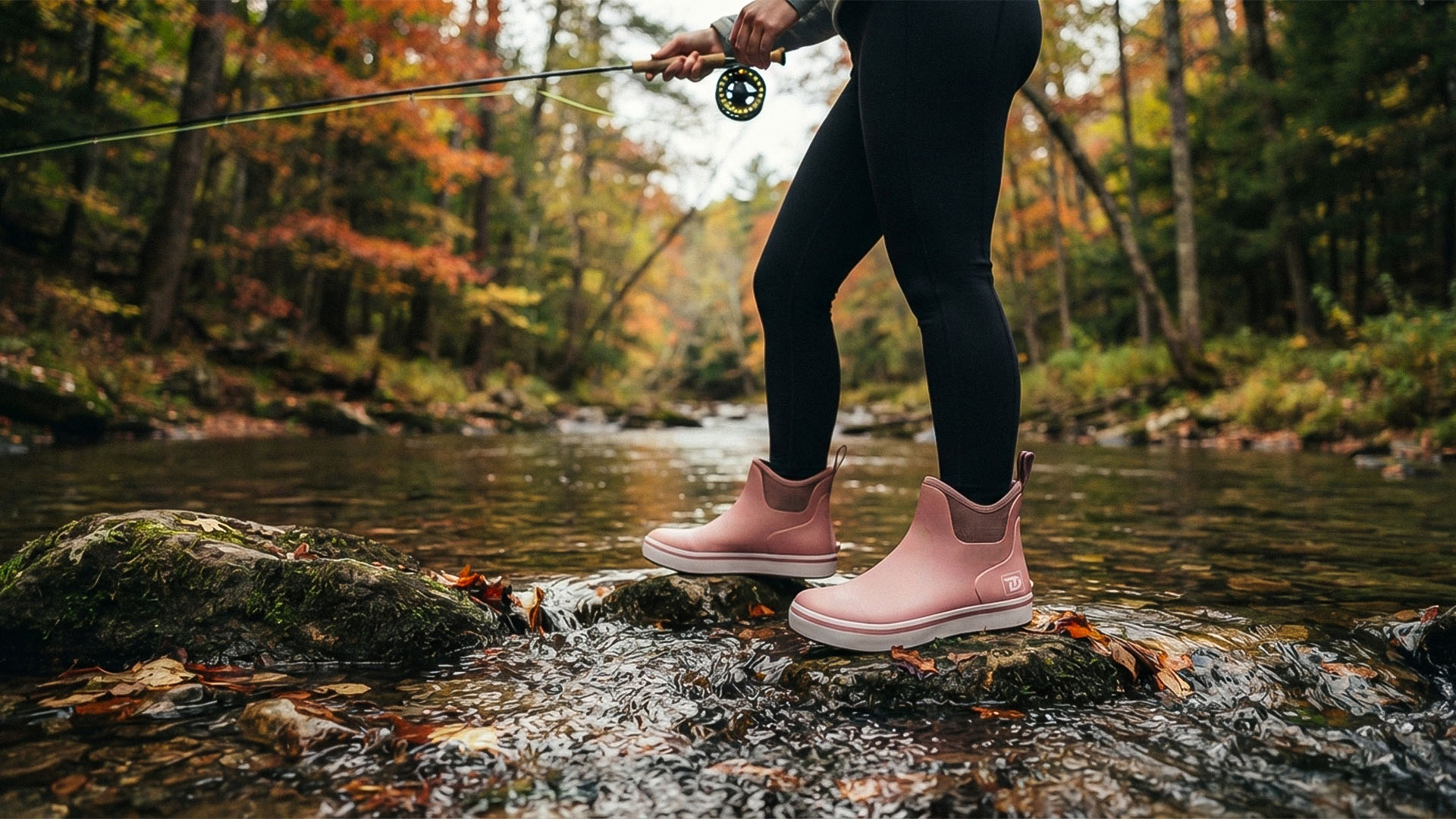
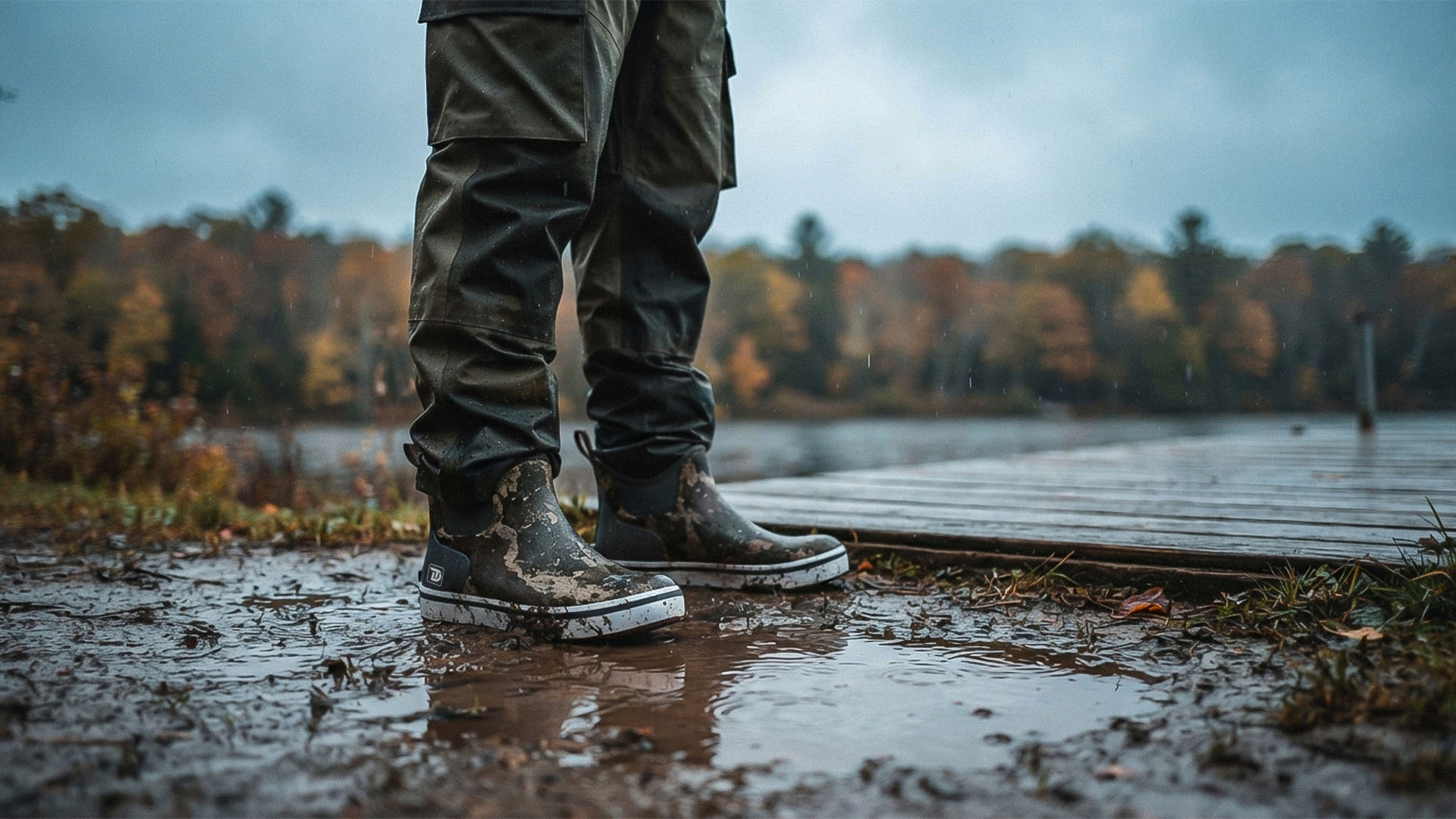
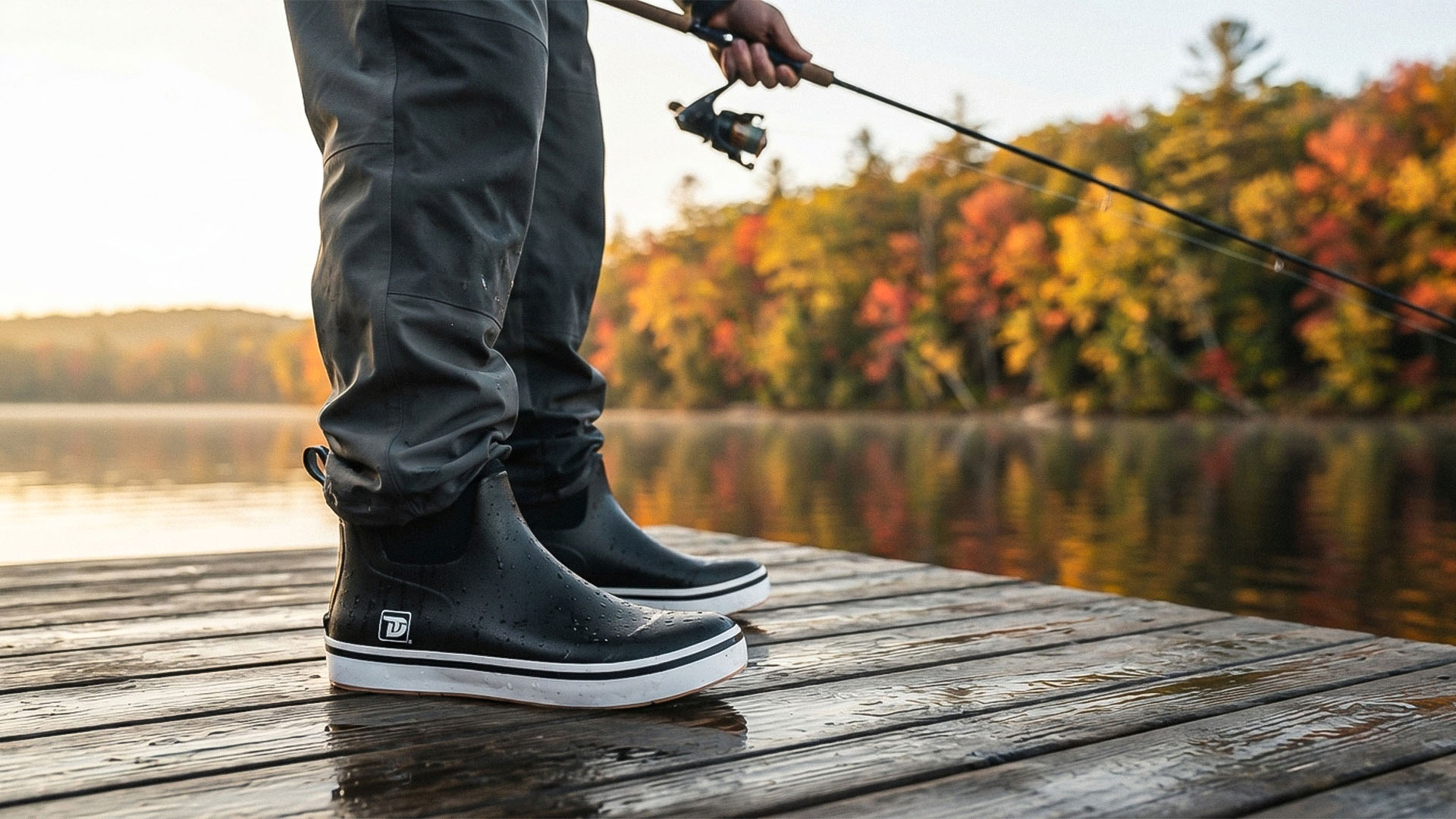
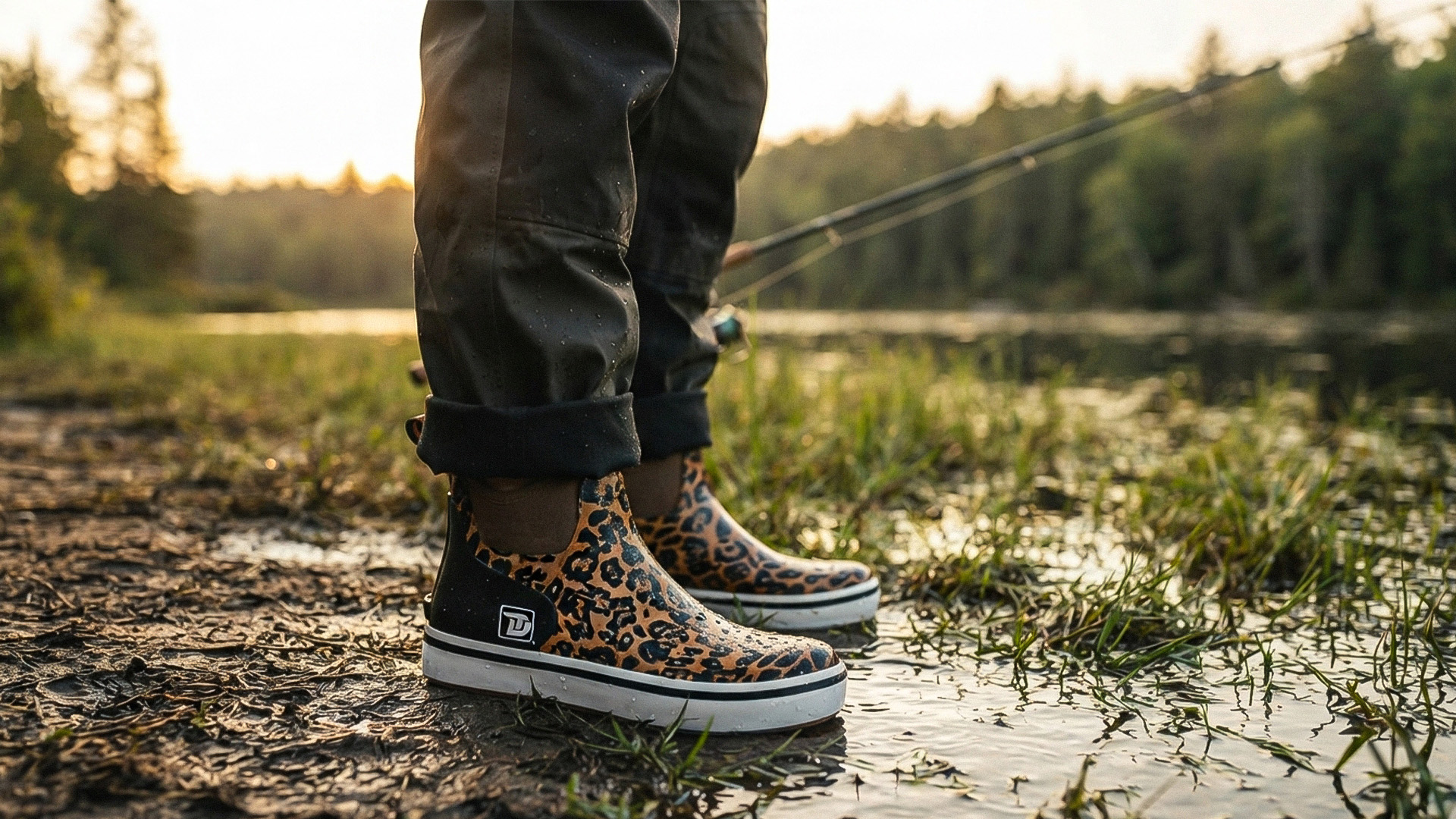
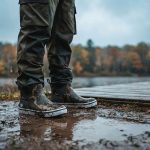
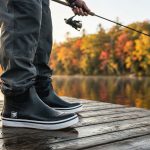
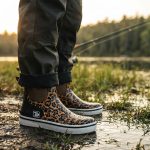
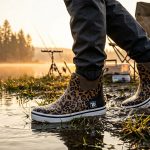
Anglers comparing offshore footwear can evaluate TruDaveGear waterproof deck boots alongside other marine options based on outsole design, cushioning, fit, weight, and weather conditions.
Long Offshore Tuna Runs
Many yellowfin tuna trips require traveling far offshore.
During these runs, anglers may spend hours:
- Sitting
- Standing
- Bracing against waves
- Moving around the cockpit
Foot fatigue can become a problem before fishing begins.
A comfortable deck boot should provide:
- Stable cushioning
- Secure heel fit
- Comfortable toe space
- Lightweight construction
Bluewater Conditions
Offshore tuna fishing means exposure to constantly changing ocean conditions.
The deck may become wet from:
- Waves
- Spray
- Rain
- Fish handling
- Washdowns
Waterproof footwear helps keep feet comfortable throughout the day.
Heavy Tuna Tackle
Yellowfin tuna require serious equipment.
Depending on the fishery, anglers may use:
- Heavy rods
- Large reels
- Strong leaders
- Circle hooks
- Fighting belts
- Harness systems
The angler must often generate significant pressure.
Stable footing becomes important.
Fighting a Yellowfin Tuna
A tuna fight can involve:
- Long runs
- Sudden direction changes
- Heavy rod pressure
- Extended battles
Your feet provide the foundation.
A good boot should stay attached to your foot during:
- Leaning
- Bracing
- Side steps
- Rotation
- Movement around the cockpit
Loose footwear becomes a distraction.
Secure Heel Fit
Pull-on deck boots naturally allow some heel movement.
However, excessive movement can create:
- Blisters
- Instability
- Toe gripping
- Fatigue
The heel should remain controlled while the toe box allows natural movement.
Test boots before taking them offshore.
Toe Room for Long Fights
Long tuna battles can last a significant amount of time.
Your feet may swell slightly after hours on the boat.
A comfortable toe box helps maintain circulation.
Avoid boots that feel tight at the front.
Wet Offshore Decks
Tuna boats are often wet even during good weather.
Sources of water include:
- Spray
- Fish washing
- Hose cleaning
- Melting ice
- Rain
Deck boots prevent repeated moisture exposure from soaking socks.
Fish Blood and Slime
Large tuna create significant fish-handling cleanup.
The deck may encounter:
- Blood
- Slime
- Scales
- Water
Waterproof boots are easier to clean than fabric shoes.
After fishing:
- Rinse immediately
- Remove residue
- Clean tread grooves
- Dry thoroughly
Tuna Processing Areas
Many offshore boats process fish during the trip.
This may involve:
- Fish boxes
- Coolers
- Cutting areas
- Ice storage
Water and residue can spread around the deck.
Easy-clean footwear becomes extremely valuable.
Bait Preparation
Tuna fishing often requires careful bait preparation.
Bait areas may contain:
- Water
- Scales
- Fish oil
- Residue
Deck boots handle these conditions better than absorbent footwear.
Live Bait Fishing for Tuna
Some tuna techniques involve live bait.
This can create:
- Bait tank water
- Fish scales
- Slime
- Wet deck areas
Repeated bait handling makes waterproof footwear practical.
Chunking and Natural Bait
Chunking can create oily residue.
Fish oils can make surfaces slick.
Clean both:
- Deck
- Boot outsole
when possible.
Traction depends on maintaining contact between the sole and surface.
Night Tuna Fishing
Many tuna trips begin or continue after dark.
Night conditions add challenges:
- Lower visibility
- Wet surfaces
- Loose tackle
- Heavy equipment
Closed-toe footwear becomes especially useful.
However, organization and lighting remain the most important safety factors.
Tuna Fishing in Louisiana
Venice, Louisiana is one of the most famous tuna fishing destinations.
Conditions may include:
- Long offshore runs
- Warm weather
- Heavy tackle
- Wet boats
- Large fish
Lightweight waterproof deck boots are well suited to this environment.
Gulf of Mexico Tuna Fishing
Gulf tuna trips often combine:
- Heat
- Humidity
- Offshore spray
- Sudden storms
Uninsulated footwear is usually preferred.
The goal is protection without unnecessary warmth.
Florida Tuna Fishing
Florida offshore fishing conditions vary widely.
Warm temperatures make lightweight construction important.
Choose boots that handle:
- Saltwater
- Spray
- Fish handling
- Long standing
without creating excessive heat.
Northeast Tuna Fishing
Northeast tuna fisheries can involve cooler water and changing weather.
Early mornings may be cold even during productive seasons.
Waterproof deck boots paired with appropriate socks provide flexibility.
Adjust warmth through socks rather than choosing overly insulated boots.
Charter Tuna Fishing
Charter boats often have specific footwear preferences.
Before the trip ask:
- Are deck boots recommended?
- Are non-marking soles required?
- How wet does the boat normally get?
- Will bait fishing be used?
Following captain instructions is always important.
Center Console Tuna Fishing
Many tuna anglers use large center consoles.
These boats require frequent movement around:
- Console
- Rod holders
- Live wells
- Fish boxes
- Cockpit
Low-profile ankle deck boots provide protection without restricting movement.
Sport Fishing Boats
Larger sport fishing boats may have more deck space but also more offshore exposure.
Footwear still needs:
- Good traction
- Waterproof protection
- Easy cleaning
- Comfortable standing support
Fiberglass Deck Traction
Fiberglass decks may become slippery because of:
- Water
- Fish slime
- Blood
- Oil
- Sunscreen
A marine outsole helps, but deck maintenance remains essential.
Aluminum Decks
Some offshore boats use aluminum components.
Wet aluminum can also become slippery.
Keep outsole grooves clean.
Remove mud, sand, and fish residue.
Non-Marking Soles
Some boats require non-marking footwear.
Check requirements before boarding.
Non-marking does not automatically mean perfect wet traction.
Both features matter.
Tuna Fishing in Hot Weather
Warm-water tuna fishing creates a challenge.
Waterproof boots naturally hold more heat than breathable shoes.
Choose:
- Uninsulated design
- Ankle height
- Lightweight materials
- Thin technical socks
Avoid heavy winter-style boots.
Best Socks for Tuna Fishing
Recommended materials:
- Synthetic performance fibers
- Lightweight merino wool
- Merino blends
Avoid cotton.
Cotton holds moisture and dries slowly.
Spare Socks Offshore
Always carry an extra pair.
They help after:
- Heavy rain
- Spray
- Water entering from above
- Long humid days
Store them in waterproof packaging.
Rain Pants and Deck Boots
Wear rain pants outside the boot opening.
This keeps water flowing down the exterior.
Do not tuck pants inside.
Water entering from above can make even waterproof boots uncomfortable.
Deck Boots vs. Fishing Shoes
Deck Boots Are Better For:
- Offshore spray
- Fish slime
- Blood
- Bait
- Rain
- Wet decks
Fishing Shoes Are Better For:
- Maximum ventilation
- Very dry conditions
- Quick drainage
Choose based on the trip environment.
Deck Boots vs. Sneakers
Sneakers may absorb:
- Saltwater
- Blood
- Fish slime
- Bait water
Once wet, they often remain uncomfortable.
Deck boots are easier to clean and maintain.
Deck Boots vs. Flip-Flops
Flip-flops are not ideal for tuna fishing.
They provide poor protection around:
- Heavy hooks
- Large fish
- Wet decks
- Heavy equipment
Closed-toe footwear is more practical.
Deck Boots vs. Tall Rubber Boots
Tall boots add:
- Weight
- Heat
- Restriction
For most recreational tuna fishing, ankle deck boots provide a better balance.
Removable Insoles
Useful benefits include:
- Faster drying
- Better odor control
- Support customization
- Easier cleaning
Remove insoles after offshore trips.
Wide Feet
Wide-foot anglers should prioritize:
- Toe box space
- Forefoot comfort
- Secure heel
Avoid simply sizing up too much.
High Instep
Look for:
- Comfortable opening
- Adequate boot volume
- Pull tabs
Pressure across the top of the foot indicates poor fit.
Boat Ramp Conditions
Before offshore fishing, anglers may encounter:
- Wet docks
- Mud
- Sand
- Puddles
Deck boots handle these transitions well.
Clean debris before boarding.
Gravel and Shell
Coastal ramps may contain:
- Gravel
- Shell
- Sand
These can damage boat surfaces.
Clean outsole grooves before stepping onto the deck.
Cleaning Tuna Residue
After fishing:
- Rinse boots with fresh water.
- Remove blood and slime.
- Brush outsole grooves.
- Remove insoles.
- Dry completely.
Do not allow fish residue to remain overnight.
Saltwater Maintenance
Regularly rinse:
- Upper
- Sole
- Collar
- Pull tabs
Salt buildup can shorten material life.
Drying Offshore Boots
Use airflow.
Avoid:
- High heat
- Clothes dryers
- Open flames
Heat can damage waterproof materials and adhesives.
Odor Control
Prevent odor by:
- Cleaning quickly
- Removing insoles
- Drying fully
- Avoiding sealed storage
Clean Shoes for the Drive Home
Bring separate driving shoes.
Store dirty boots in:
- Plastic tote
- Rubber tray
- Washable container
Keep fish residue away from vehicle interiors.
Best Deck Boot Features for Yellowfin Tuna Fishing
Look for:
Waterproof Construction
Handles offshore spray and fish water.
Lightweight Design
Important for long offshore trips.
Marine Outsole
Provides better wet-deck performance.
Secure Heel
Improves stability during fights.
Comfortable Cushioning
Supports long standing.
Removable Insoles
Improves drying.
Easy-Clean Surface
Important around tuna processing.
Ankle Height
Balances protection and mobility.
Yellowfin Tuna Fishing Footwear Checklist
Before fishing:
- Check weather
- Inspect outsole
- Wear technical socks
- Pack spare socks
- Organize hooks
- Secure tackle
- Prepare rain gear
After fishing:
- Rinse saltwater
- Clean blood and slime
- Brush tread
- Remove insoles
- Dry fully
Common Tuna Fishing Footwear Mistakes
Wearing Casual Sneakers Offshore
They absorb water and residue.
Wearing Heavy Insulated Boots in Warm Weather
They create unnecessary heat.
Using Flip-Flops Around Tuna Gear
They provide poor protection.
Buying Boots Too Loose
They reduce stability.
Ignoring Fish Slime on Soles
It reduces traction.
Leaving Dirty Boots in a Vehicle
Odor becomes difficult to remove.
Final Thoughts
Yellowfin tuna fishing demands footwear that can handle one of the toughest marine environments.
Long offshore runs, heavy tackle, powerful fish, wet decks, bait, blood, and saltwater create conditions where ordinary shoes quickly fail.
For most recreational tuna anglers, lightweight uninsulated ankle deck boots provide an excellent combination of waterproof protection, mobility, comfort, and easy cleaning.
Choose boots with a secure heel, stable marine outsole, comfortable cushioning, removable insoles, and enough room for technical socks.
Keep hooks, leaders, and heavy tackle organized.
Clean saltwater, fish slime, and bait residue after every trip.
Remember that deck boots are designed for wet boat environments, not every fishing situation.
Use specialized footwear when surf, wading, or technical terrain requires it.
The right tuna fishing footwear should disappear from your attention while you focus on the spread, sonar marks, birds, current, and the moment a powerful yellowfin finally loads up the rod.
Frequently Asked Questions
Are deck boots good for yellowfin tuna fishing?
Yes. They are especially useful for offshore trips involving wet decks, fish slime, bait, and saltwater.
What boots should I wear for tuna fishing?
Lightweight uninsulated deck boots are a practical choice for many warm-water offshore trips.
Are deck boots good for Gulf tuna fishing?
Yes. They handle spray, bait, fish residue, and wet boat conditions well.
Are deck boots too hot offshore?
Heavy insulated boots can be. Lightweight uninsulated models are better for warm climates.
What socks should I wear for tuna fishing?
Use synthetic moisture-wicking socks or lightweight merino blends.
Are deck boots good for long offshore trips?
Yes. Choose models with good cushioning and secure fit.
Can deck boots protect against tuna hooks?
No. They are not hook-proof. Keep tackle organized.
Are deck boots good for charter tuna fishing?
Yes. Many charter environments benefit from waterproof easy-clean footwear.
Should rain pants go inside deck boots?
No. Keep them outside the boot opening.
How do I clean tuna blood from deck boots?
Rinse with fresh water, use mild soap if needed, brush the outsole, remove insoles, and dry completely.
Are ankle deck boots enough for tuna fishing?
For most recreational offshore trips, yes.
Why are removable insoles useful offshore?
They improve drying, odor control, and comfort.
What is the biggest tuna fishing footwear mistake?
Using unstable or absorbent footwear in a wet offshore environment is one of the most common mistakes.