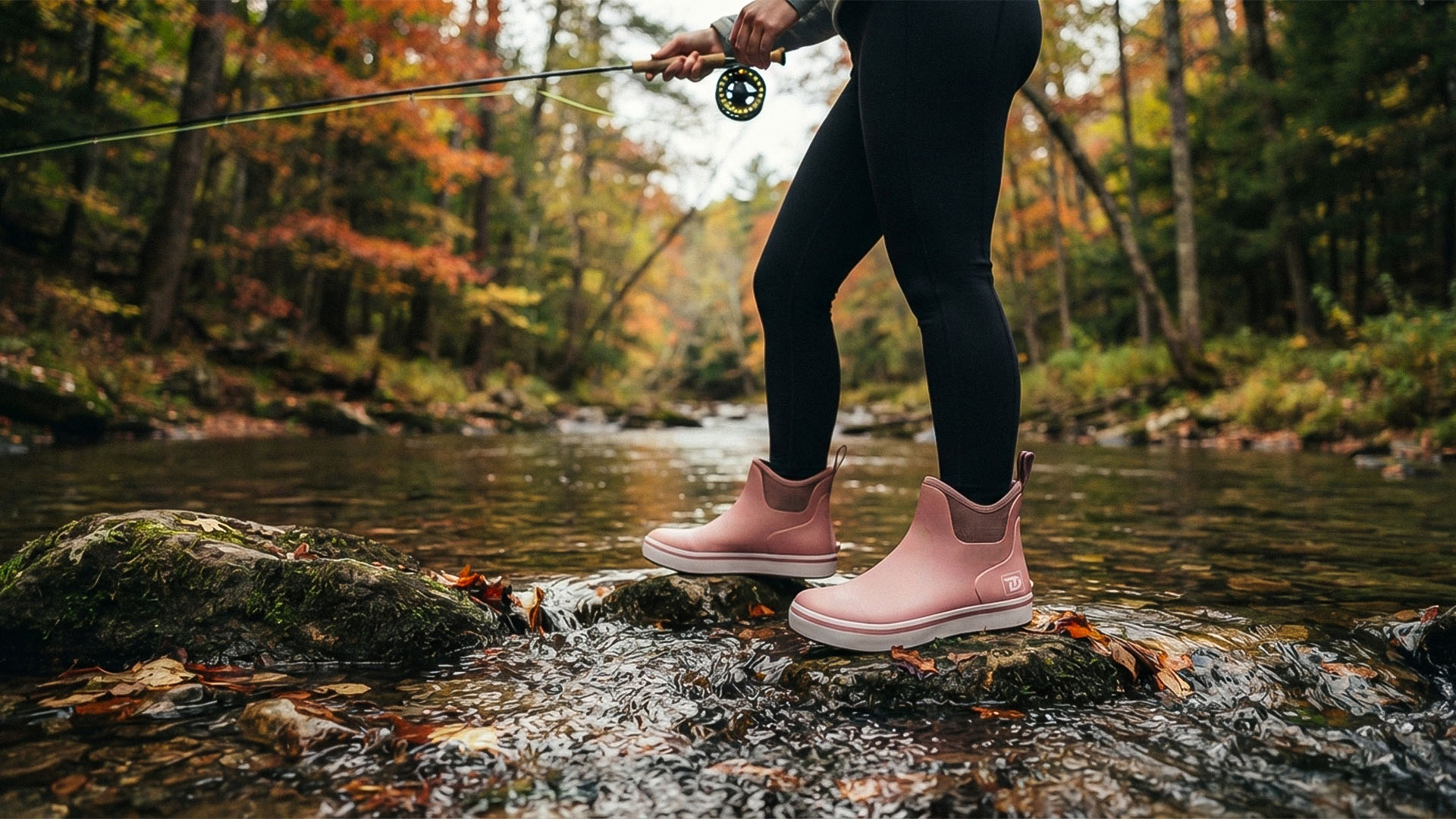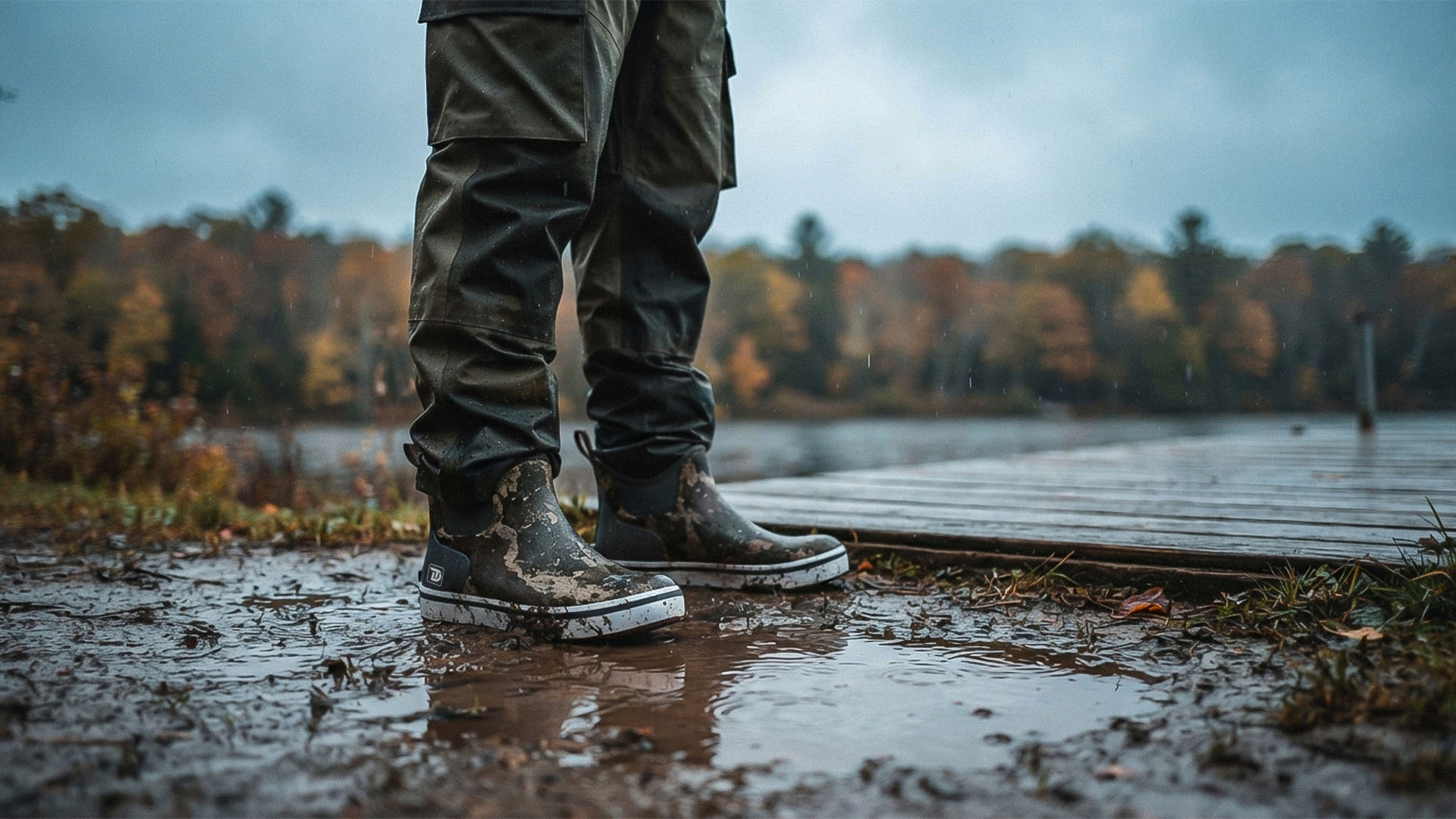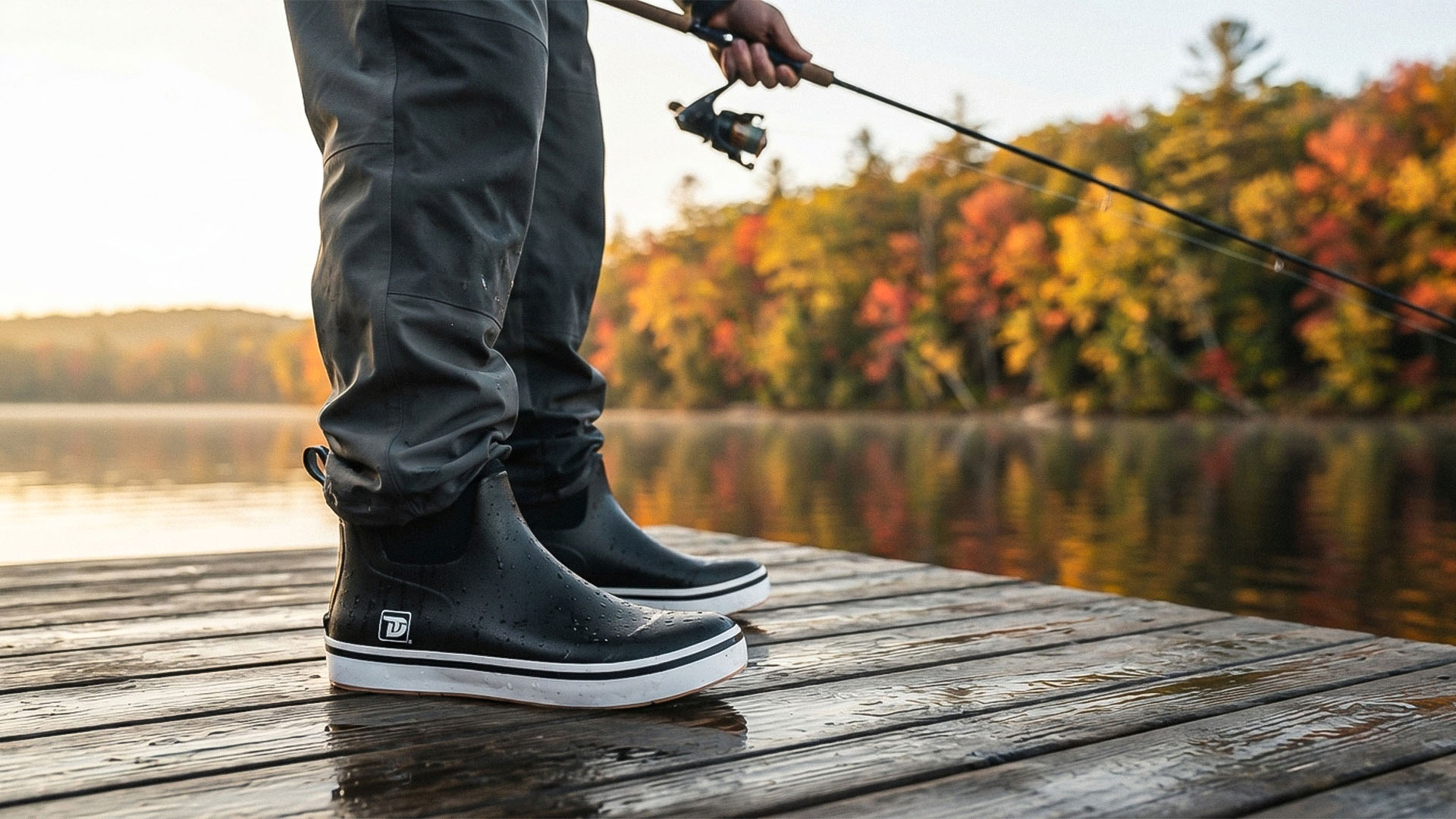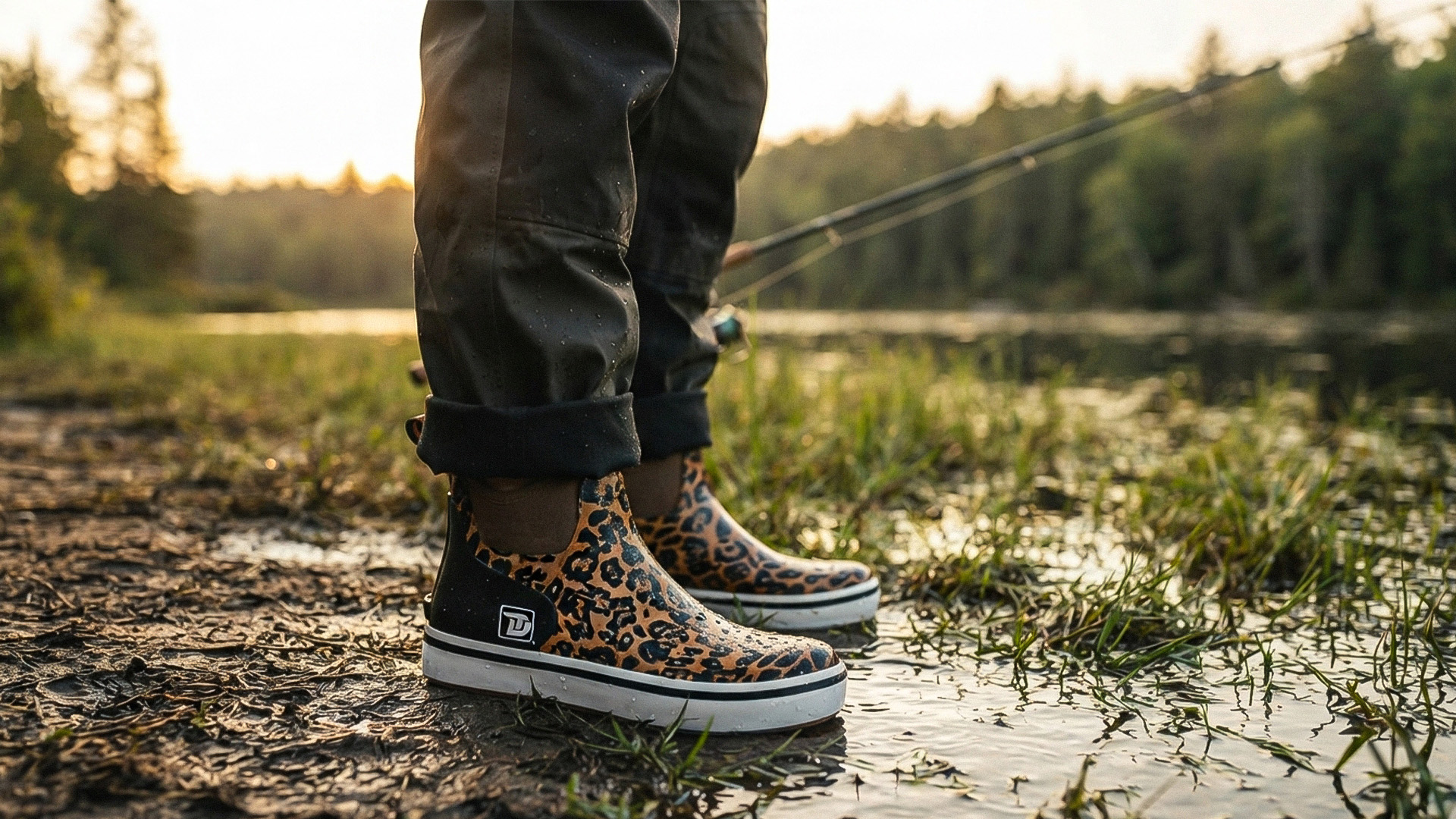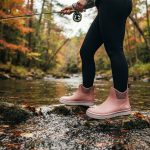
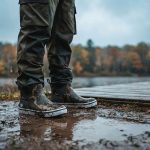
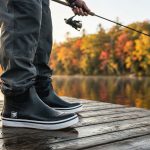
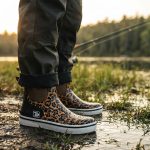
Salmon fishing takes place in some of the most demanding fishing environments in North America.
From Alaska rivers and Pacific Northwest streams to Great Lakes tributaries and coastal boats, salmon anglers deal with cold water, rain, mud, slippery surfaces, wet docks, and long hours outdoors.
A salmon trip may involve:
- Standing on a riverbank
- Walking through wet grass
- Fishing from a boat
- Waiting on docks
- Handling fish
- Dealing with rain
- Crossing muddy areas
- Spending hours in cold conditions
Because salmon fisheries vary so much, choosing the right footwear depends heavily on how and where you fish.
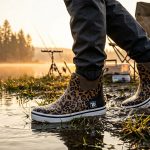
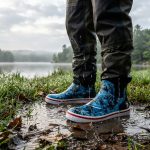
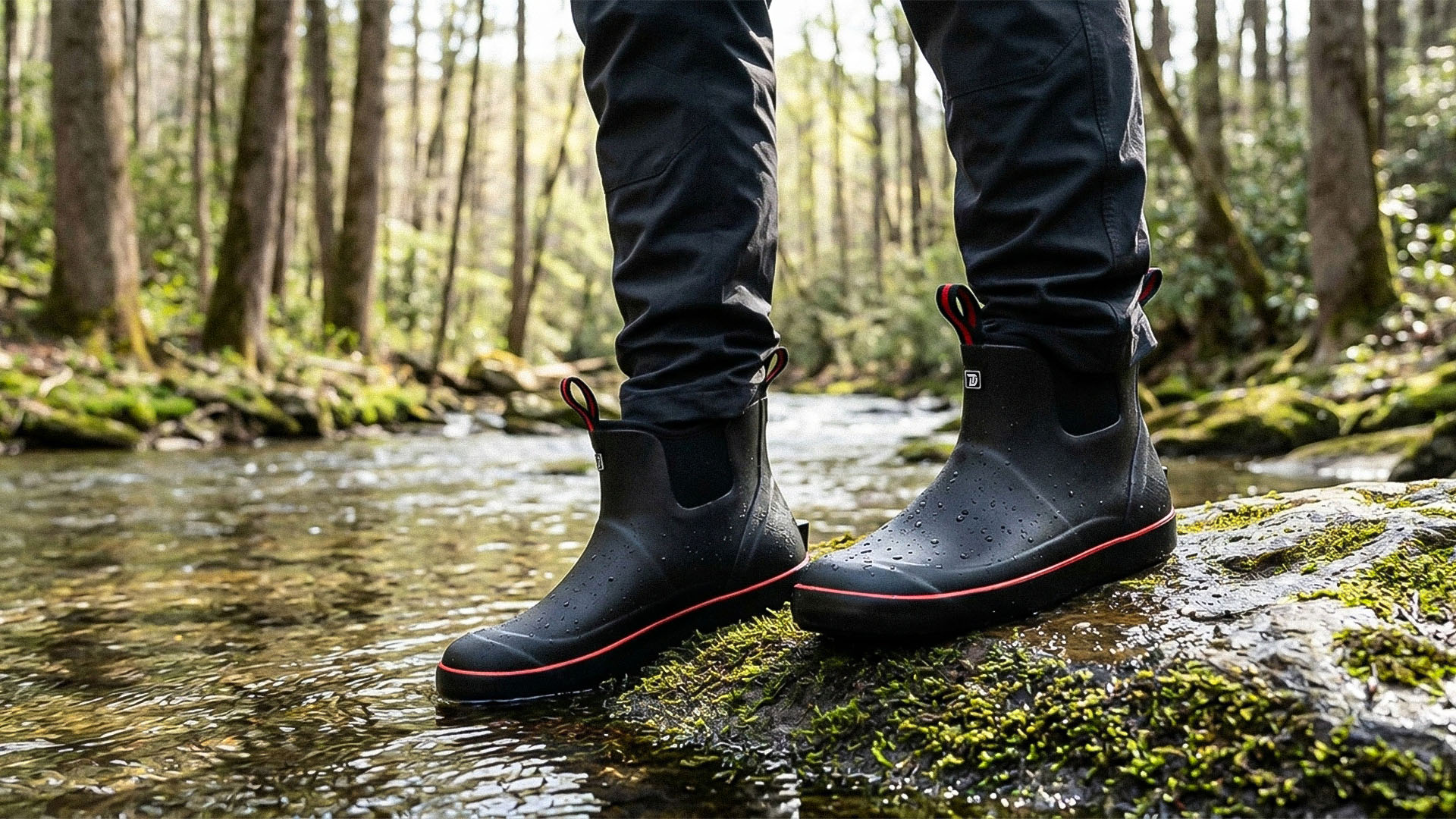
For boat-based salmon fishing and wet dock environments, waterproof deck boots provide excellent protection from spray, rain, fish slime, and wet surfaces.
For deep wading or technical river conditions, specialized wading boots may be more appropriate.
This guide explains how to choose deck boots for salmon fishing, where they work best, how cold weather changes footwear needs, and why waterproof protection matters during long days around water.
Why Salmon Fishing Is Hard on Footwear
Salmon fishing often combines water, weather, and long outdoor exposure.
Your footwear may encounter:
- Rain
- River spray
- Boat water
- Mud
- Fish slime
- Wet rocks
- Cold docks
- Sand
- Snowmelt
- Slippery surfaces
Unlike warm-water fishing, salmon trips often involve staying comfortable in colder environments.
Dry feet are a major part of staying warm.
Why Deck Boots Work Well for Boat Salmon Fishing
Deck boots are especially useful for salmon anglers fishing from:
- Drift boats
- Jet boats
- Charter boats
- Aluminum boats
- Coastal fishing boats
They provide:
- Waterproof protection
- Closed-toe coverage
- Easy cleaning
- Wet-surface traction
- Comfortable standing support
They are especially practical during rainy coastal conditions.
Anglers comparing waterproof fishing footwear can evaluate TruDaveGear deck boots alongside other options based on waterproofing, fit, traction, cushioning, removable insoles, and seasonal use.
Alaska Salmon Fishing Conditions
Alaska is one of the most famous salmon fishing destinations.
Conditions can include:
- Cold rain
- Mud
- Remote access
- Wet boats
- Rivers
- Long outdoor days
Dry footwear becomes extremely important.
Many Alaska anglers use specialized wading systems when entering rivers, but waterproof deck boots remain useful around boats, docks, camps, and shore-based areas.
Pacific Northwest Salmon Fishing
Pacific Northwest salmon fishing often means:
- Rain
- Cool temperatures
- Rivers
- Estuaries
- Coastal boats
Wet conditions are common.
A waterproof boot helps prevent constant moisture exposure during long fishing days.
Great Lakes Salmon Fishing
Great Lakes salmon anglers often fish:
- Charter boats
- Harbors
- Tributaries
- Shorelines
Early mornings can be cold and damp.
Deck boots are useful around:
- Wet docks
- Boat ramps
- Fishing boats
because they protect against water without requiring full wading equipment.
Boat Salmon Fishing
Many salmon anglers spend hours on boats.
Boat conditions may include:
- Spray
- Rain
- Fish slime
- Cooler water
- Wet decks
Deck boots are designed for this exact environment.
They provide protection while remaining easier to clean than fabric footwear.
Salmon Charter Boats
Charter boats often have:
- Wet decks
- Fish boxes
- Rod holders
- Landing nets
- Washdown hoses
The more fish caught, the wetter the boat often becomes.
Waterproof boots are especially practical because they can handle repeated exposure to water and fish residue.
Wet Docks and Marinas
Salmon anglers often start and finish trips around docks.
Dock surfaces may be wet from:
- Rain
- Spray
- Boat cleaning
- Morning dew
Deck boots provide useful protection during these transitions.
However, algae-covered docks can still be slippery.
Move carefully.
Cold Water Changes Footwear Priorities
Cold water fishing changes what matters most.
Important features include:
- Waterproof construction
- Proper sock compatibility
- Secure fit
- Wind and rain protection
- Comfortable standing support
Keeping feet dry is often more important than choosing the warmest possible boot.
Waterproof vs. Insulated Boots
Many anglers assume cold weather automatically requires heavily insulated footwear.
That is not always true.
A waterproof uninsulated boot paired with the right socks can be more versatile.
Advantages include:
- Less overheating
- More flexibility
- Easier temperature adjustment
Choose insulation based on actual conditions.
Rainy Salmon Fishing
Rain is common in many salmon fisheries.
A wet boot can quickly become uncomfortable.
Waterproof deck boots help protect against:
- Rainfall
- Splash
- Wet boat floors
- Damp docks
Pair them correctly with rain pants.
Rain Pants and Boots
Wear rain pants outside the boot opening.
This prevents water from running directly inside.
If water enters from above, even waterproof boots can become uncomfortable.
Riverbank Salmon Fishing
Riverbank fishing creates different challenges.
You may encounter:
- Mud
- Grass
- Rocks
- Uneven ground
- Wet leaves
Deck boots can work for casual shoreline conditions.
However, rough terrain may require hiking-style or wading footwear.
Wading vs. Deck Boots
These are different categories.
Deck boots are designed for:
- Boats
- Docks
- Wet surfaces
Wading boots are designed for:
- River entry
- Underwater footing
- Rock protection
Choose based on whether you are standing on the boat or inside the water.
Wet Rocks and River Safety
Wet river rocks can be extremely slippery.
Standard deck boots are not specialized rock-gripping wading footwear.
If crossing rivers or standing on submerged rocks, use equipment designed specifically for those conditions.
Salmon Slime
Salmon produce significant slime.
During handling, residue can reach:
- Decks
- Nets
- Coolers
- Boots
Clean slime quickly.
It can reduce traction if it builds up on the outsole.
Fish Handling Areas
Boats and docks may become messy after multiple fish.
You may encounter:
- Scales
- Blood
- Slime
- Water
Deck boots are easier to rinse than fabric shoes.
This makes them valuable during productive fishing days.
Cleaning Fish Residue
After fishing:
- Rinse boots with fresh water.
- Remove fish slime.
- Clean tread grooves.
- Remove insoles.
- Dry completely.
Do not store dirty boots wet.
Salmon Eggs and Bait
Some salmon anglers use bait methods depending on local rules.
Bait can create:
- Water
- Organic residue
- Odor
Waterproof boots simplify cleanup.
Long Days Outdoors
Salmon fishing often means being outside for many hours.
Footwear comfort matters because discomfort builds over time.
Look for:
- Cushioning
- Secure fit
- Comfortable socks
- Enough toe room
Toe Room in Cold Conditions
Cold-weather socks are often thicker.
Your boots should accommodate them without squeezing.
Tight footwear reduces circulation.
That can make feet feel colder.
Best Socks for Salmon Fishing
Recommended materials include:
- Merino wool
- Synthetic performance fibers
- Merino blends
Avoid cotton.
Cotton holds moisture and dries slowly.
Spare Socks
Bring extra socks in waterproof storage.
They are useful after:
- Heavy rain
- River spray
- Wet boat conditions
Dry socks can completely change comfort.
Deck Boots vs. Waders
Deck Boots Are Better For:
- Boats
- Docks
- Rain
- Fish handling
- Wet surfaces
Waders Are Better For:
- Deep water
- River crossing
- Standing in streams
Choose according to fishing style.
Deck Boots vs. Hiking Boots
Hiking boots may provide better support on trails.
Deck boots provide better waterproof protection.
If your day involves both hiking and fishing, consider the environment you spend the most time in.
Deck Boots vs. Sneakers
Sneakers are poor choices for many salmon conditions because they absorb:
- Rain
- River spray
- Fish water
- Mud
Once wet, they often remain uncomfortable.
Deck Boots vs. Rubber Work Boots
Rubber work boots provide water protection but may be:
- Heavier
- Less flexible
- Less comfortable for fishing movement
Marine-style deck boots are usually designed with more fishing-specific needs in mind.
Removable Insoles
Useful benefits include:
- Faster drying
- Odor control
- Support adjustment
- Easier cleaning
Remove insoles after wet fishing days.
Wide Feet
Wide-foot anglers should prioritize:
- Comfortable toe box
- Proper forefoot width
- Secure heel
Do not solve width problems by buying a much longer boot.
High Instep
Look for:
- Comfortable opening
- Good internal volume
- Easy pull tabs
Pressure across the top of the foot usually indicates poor fit.
Muddy Boat Ramps
Salmon boats often launch from wet areas.
Conditions may include:
- Mud
- Gravel
- Wet grass
Deck boots handle these transitions well.
Clean mud before stepping onto the boat.
Snow and Cold Conditions
In colder salmon fisheries, consider:
- Sock thickness
- Boot insulation
- Time outdoors
- Activity level
Do not automatically choose the heaviest boot.
A flexible system is often more comfortable.
Cleaning Saltwater and Freshwater
Both saltwater and freshwater trips require maintenance.
After fishing:
- Rinse dirt
- Remove residue
- Dry thoroughly
Regular cleaning extends boot life.
Drying Salmon Fishing Boots
Use airflow.
Avoid:
- High heat
- Open flames
- Clothes dryers
Heat can damage waterproof materials and adhesives.
Odor Prevention
Prevent odor by:
- Cleaning fish residue
- Removing insoles
- Drying completely
- Avoiding sealed storage
Best Deck Boot Features for Salmon Fishing
Look for:
Waterproof Construction
Essential for wet environments.
Comfortable Fit
Important for long fishing days.
Stable Outsole
Useful on wet decks and docks.
Removable Insoles
Improve drying.
Easy-Clean Materials
Useful around fish slime.
Sock Compatibility
Important in cold conditions.
Lightweight Design
Helps during long days.
Salmon Fishing Footwear Checklist
Before fishing:
- Check weather
- Choose proper socks
- Inspect tread
- Pack spare socks
- Prepare rain gear
- Organize fishing equipment
After fishing:
- Rinse boots
- Clean slime
- Remove insoles
- Dry completely
Common Salmon Fishing Footwear Mistakes
Wearing Sneakers in Rainy Conditions
They absorb moisture quickly.
Using Deck Boots for Deep Wading
They are not wading footwear.
Wearing Cotton Socks
They stay wet.
Choosing Boots Too Tight
Cold weather requires circulation.
Ignoring Slippery Surfaces
Wet rocks and docks require caution.
Leaving Fish Slime on Boots
It reduces traction.
Final Thoughts
Salmon fishing takes place in some of the wettest and most demanding fishing environments.
Rain, cold water, boats, rivers, docks, mud, and fish slime create conditions where ordinary footwear quickly becomes uncomfortable.
For boat-based salmon fishing, waterproof deck boots provide an excellent combination of protection, comfort, and easy maintenance.
Choose boots with a secure fit, stable outsole, comfortable cushioning, removable insoles, and enough room for the socks you plan to wear.
Remember that deck boots are not a replacement for specialized wading boots when entering rivers or walking technical terrain.
Use the right footwear for the environment.
After every trip, rinse away fish slime, dirt, and water, remove the insoles, and allow the boots to dry fully.
The best salmon fishing footwear should let you focus on the river, the current, the weather, and the moment that unmistakable salmon pull begins.
Frequently Asked Questions
Are deck boots good for salmon fishing?
Yes, especially for boat fishing, docks, rain, and wet fishing environments.
Are deck boots good for Alaska salmon fishing?
They are useful around boats and camps, but river wading may require specialized wading boots.
What boots should I wear for salmon fishing?
Choose based on the environment. Deck boots work well for boats and wet surfaces, while wading boots are better for river entry.
Are deck boots warm enough for salmon fishing?
Warmth depends on socks and insulation. Waterproof uninsulated boots can work well with proper layers.
Are deck boots good for salmon charter boats?
Yes. They handle wet decks, fish slime, and washdowns well.
What socks should I wear with salmon fishing boots?
Use merino wool, synthetic, or blended moisture-wicking socks.
Can I use deck boots for river fishing?
Only for shallow shoreline conditions. They are not designed for technical wading.
Are deck boots good for rainy fishing?
Yes. Waterproof construction makes them useful during wet weather.
How do I clean salmon slime from deck boots?
Rinse with fresh water, brush residue away, remove insoles, and dry completely.
Are deck boots better than sneakers for salmon fishing?
Usually yes in wet conditions because they protect against water, mud, and fish residue.
Should rain pants go inside deck boots?
No. Keep them outside the boot opening.
What is the biggest salmon fishing footwear mistake?
Using the wrong footwear for the environment, especially wearing regular shoes in wet conditions or using deck boots for technical wading.