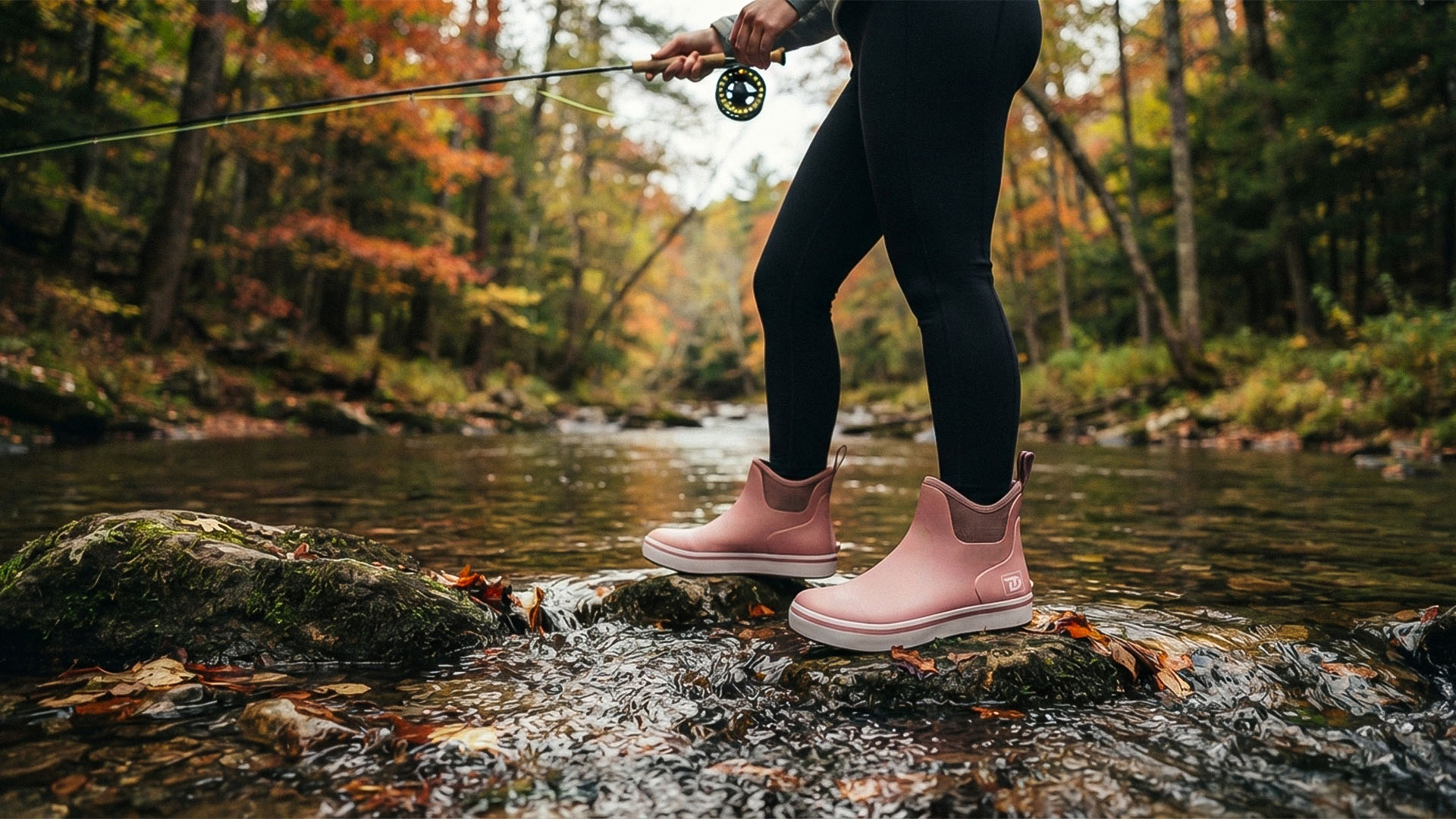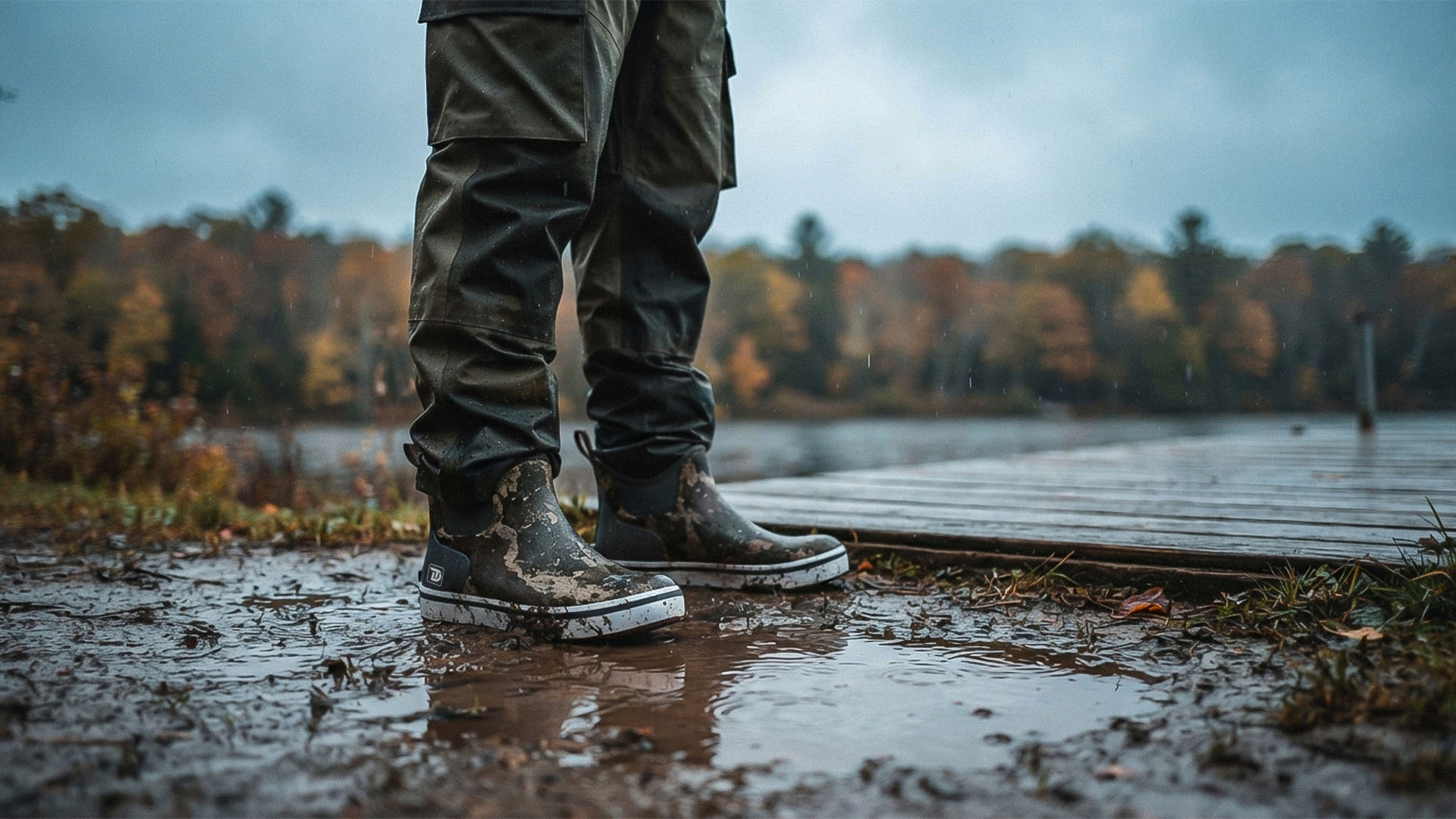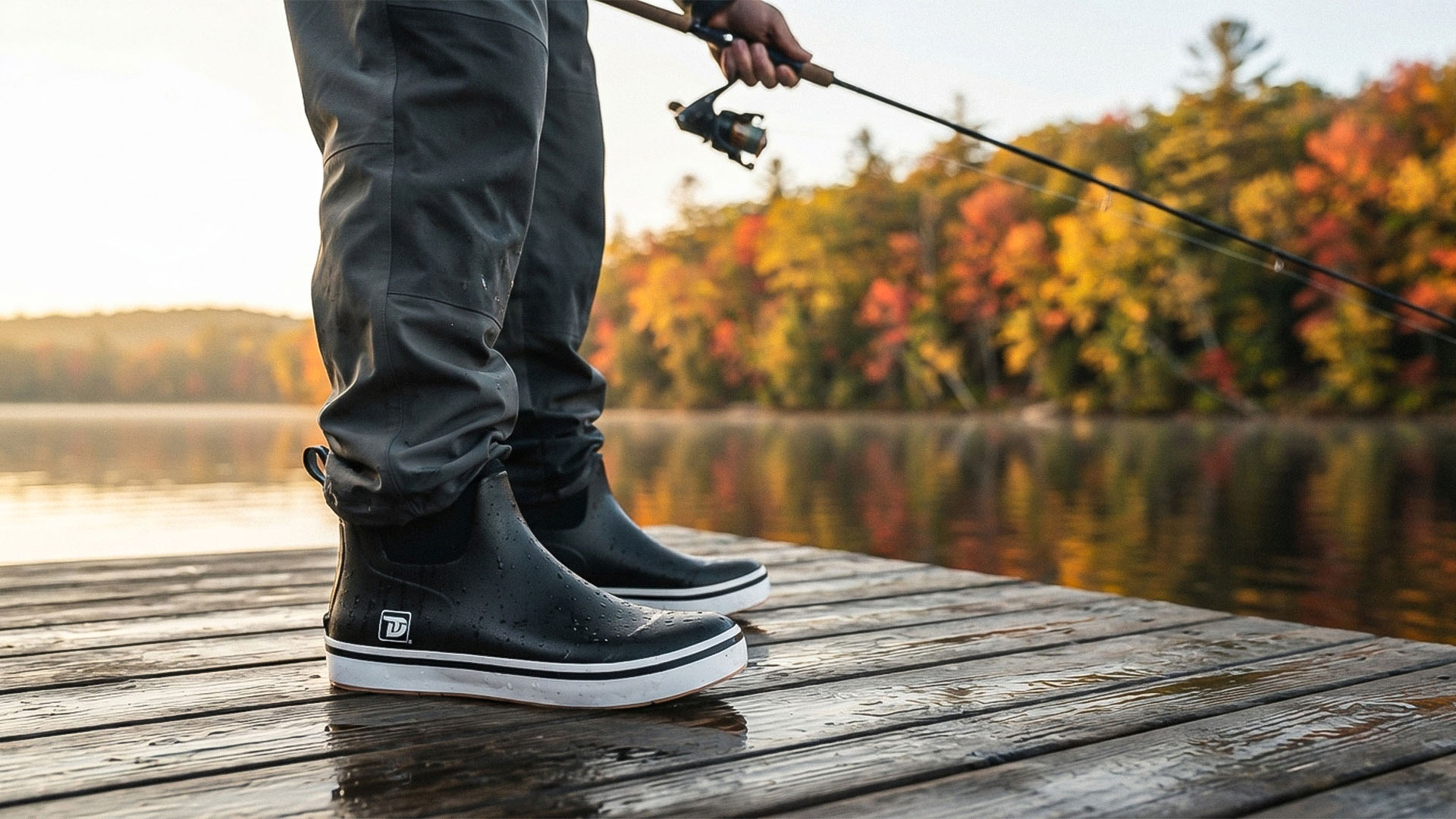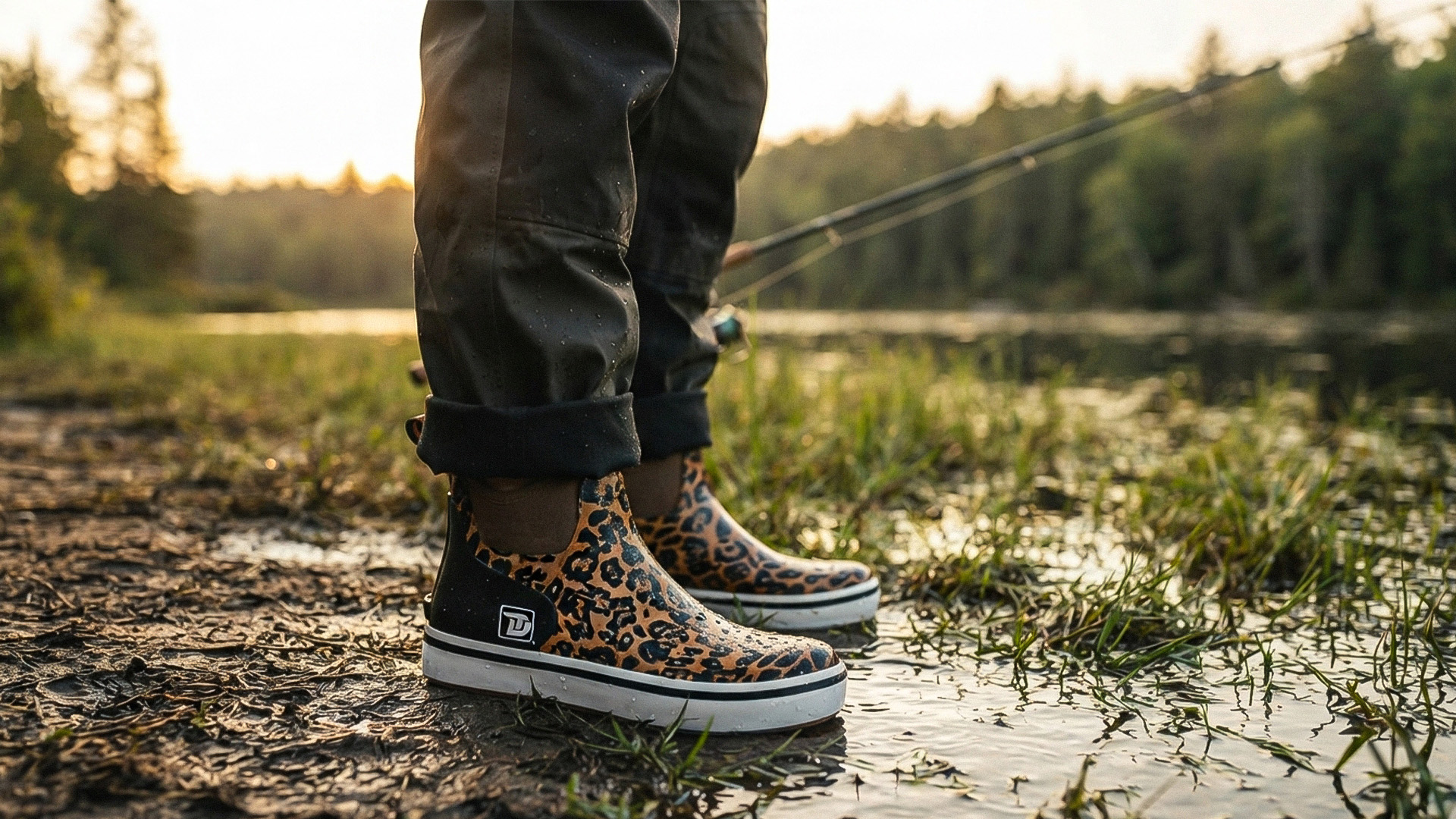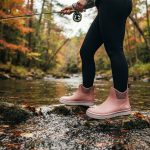
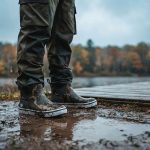
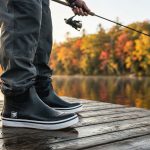
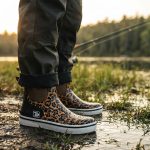
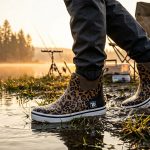
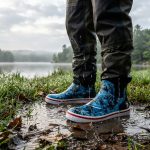
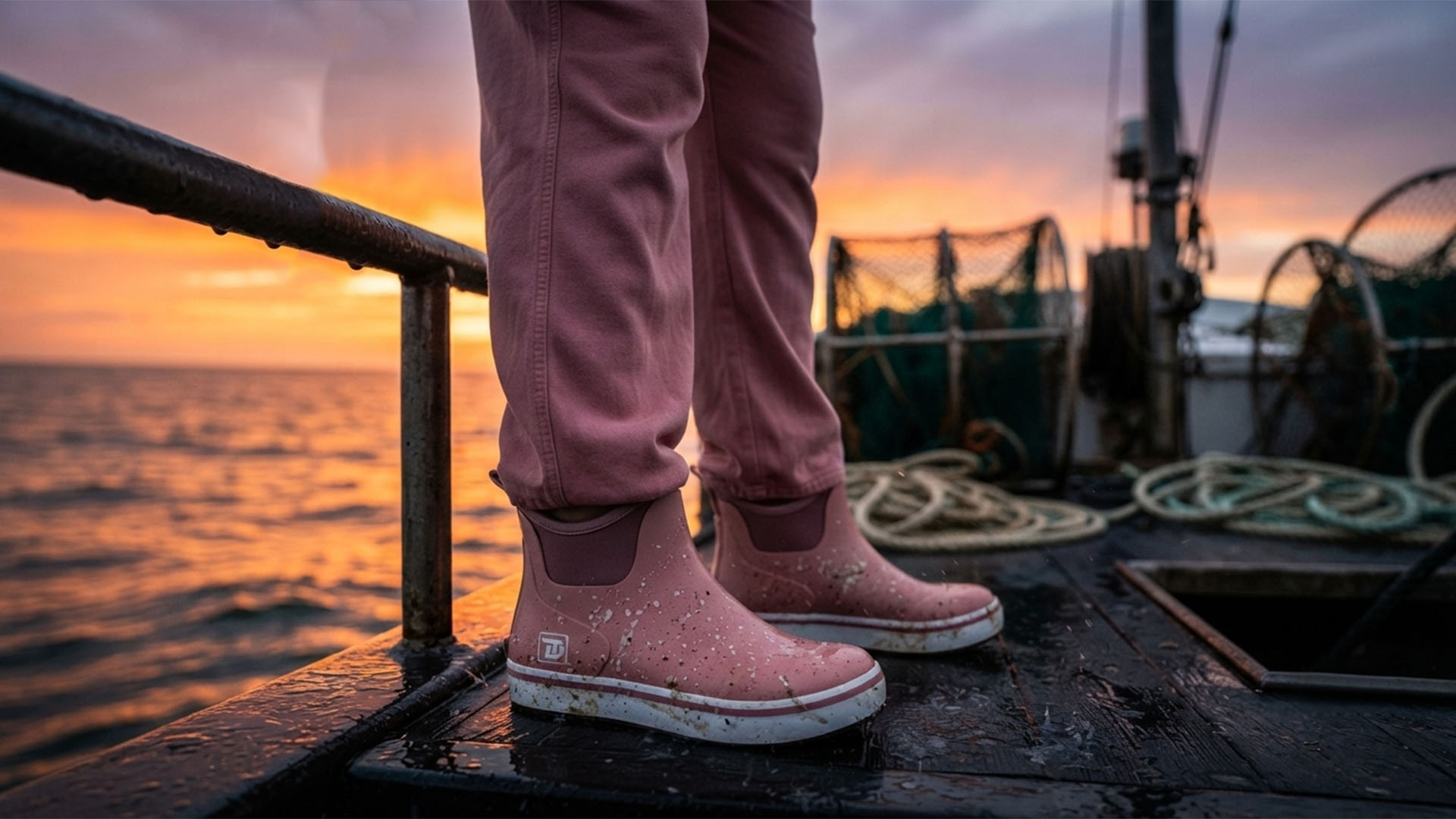
Bass fishing is not always the dry, clean experience it appears to be in tournament photos.
A summer afternoon may be hot and sunny, but an early spring tournament can begin in cold rain. A boat ramp may be covered in mud or algae. Livewells may overflow. Rainwater can collect in the cockpit. Wet fish, landing nets, and tackle can leave moisture across the deck.
That means the footwear that feels perfect on one bass fishing trip may be completely wrong for another.
Sneakers are excellent when conditions are warm and dry.
But when rain, muddy ramps, wet decks, and cold mornings become part of the trip, waterproof deck boots can be a much more practical choice.
The best deck boots for bass fishing should keep your feet dry without feeling bulky, provide enough cushioning for hours of standing and casting, work around bass boat decks, and remain easy to clean after mud, fish slime, and livewell water.
For many anglers, lightweight ankle-height deck boots provide the best balance.
This guide explains when deck boots make sense for bass fishing, how they compare with sneakers and fishing shoes, what features matter on modern bass boats, and how to choose footwear for tournaments, rainy conditions, boat ramps, and long days on the water.
Why Bass Fishing Footwear Matters
Bass anglers spend a surprising amount of time on their feet.
During a full day, you may spend hours:
- Standing on the front deck
- Running the trolling motor
- Casting
- Flipping
- Pitching
- Working topwater lures
- Moving between storage compartments
- Landing fish
- Handling livewells
- Walking boat ramps
- Loading and unloading gear
Unlike many fishing styles, bass fishing often involves constant small movements.
You may shift your weight hundreds of times during a day.
That means good footwear should provide more than waterproof protection.
It should also support:
- Balance
- Cushioning
- Heel stability
- Forefoot comfort
- Natural movement
Why Deck Boots Work for Bass Fishing
Deck boots can be especially useful when conditions are wet.
They offer:
- Waterproof protection
- Easy-clean surfaces
- Closed-toe coverage
- Quick pull-on convenience
- Protection around wet ramps
- Less water absorption than sneakers
For rainy mornings, muddy launches, and cooler conditions, they can be extremely practical.
Anglers comparing waterproof fishing footwear can evaluate TruDaveGear deck boots alongside other freshwater options based on cushioning, fit, outsole design, removable insoles, weight, and weather conditions.
Deck boots are not automatically the best footwear for every bass fishing trip.
But in the right conditions, they solve problems sneakers cannot.
When Deck Boots Make the Most Sense
Deck boots are particularly useful for:
- Rainy tournament mornings
- Cold spring fishing
- Fall bass fishing
- Wet boat ramps
- Muddy launches
- Heavy dew
- Livewell overflow
- Boat cleaning
- Rainy practice days
- Cold-weather dock use
If your biggest footwear problem is water, waterproof boots make sense.
If your biggest problem is heat, lightweight fishing shoes may be better.
When Sneakers May Be Better
Sneakers still have advantages during warm, dry bass fishing.
They can offer:
- Better airflow
- Lower weight
- More athletic fit
- Better running and walking comfort
- More lace adjustment
For hot summer days when the boat deck stays dry, athletic shoes or fishing shoes may be more comfortable.
Deck boots become most valuable when keeping your feet dry outweighs the need for maximum ventilation.
Rainy Tournament Mornings
Tournament anglers know that weather does not always cooperate.
You may launch before sunrise in:
- Rain
- Cold wind
- Fog
- Heavy dew
- Wet parking lots
Your footwear can become soaked before takeoff if you wear ordinary fabric shoes.
Waterproof ankle deck boots help solve that problem.
They are easy to pull on at the ramp and protect your socks from:
- Rain
- Ramp puddles
- Wet grass
- Dock water
- Boat spray
Starting a tournament with dry feet can make a significant difference over the next eight hours.
Heavy Dew Can Soak Shoes Before Sunrise
Even without rain, early-morning moisture can be enough to soak ordinary footwear.
Bass anglers may walk through:
- Wet parking areas
- Dew-covered grass
- Damp docks
- Wet boat covers
Mesh sneakers can absorb this moisture quickly.
Waterproof deck boots prevent a small amount of early-morning water from becoming an all-day problem.
Bass Boat Carpet Changes Footwear Needs
Many traditional bass boats use marine carpet.
Carpet creates a different environment from fiberglass offshore decks.
It may absorb:
- Rain
- Livewell water
- Fish slime
- Morning dew
Wet carpet can remain damp for hours.
Deck boots can keep your socks dry even when the carpet is wet.
However, clean outsole design becomes important.
Heavy mud, gravel, and debris should be removed before stepping onto carpet.
Keep Mud Off Bass Boat Carpet
A muddy boat ramp can turn clean bass boat carpet into a mess.
Before boarding:
- Rinse the outsole
- Scrape heavy mud
- Remove gravel
- Check tread grooves
- Avoid stepping directly from soft mud onto the boat
Waterproof boots are easy to clean, but the boat carpet is not.
A small boot brush near the trailer can help.
Modern EVA Decking
Some newer fishing boats use EVA foam or other synthetic deck materials.
These surfaces may offer:
- Cushioning
- Better barefoot comfort
- Easy cleaning
However, grit and gravel trapped in footwear can damage softer decking.
Before stepping aboard:
- Check the outsole
- Remove sharp debris
- Rinse mud
- Remove small stones
Deck boots should be clean before walking across premium deck materials.
Aluminum Bass Boats
Many anglers fish from aluminum bass boats or modified jon boats.
These boats may have:
- Bare aluminum
- Vinyl flooring
- Carpet
- Rubber mats
Wet aluminum can become slippery.
A deck boot with a stable outsole can be useful when rain or livewell water reaches the floor.
Keep mud and algae out of the tread for better contact.
Trolling Motor Pedal Comfort
Bass anglers may spend hours operating a foot-controlled trolling motor.
Footwear should allow you to:
- Maintain pedal contact
- Shift pressure smoothly
- Move your ankle comfortably
- Feel stable
A very bulky or stiff boot may make pedal control awkward.
For bass boat use, look for:
- Ankle-height design
- Flexible forefoot
- Manageable sole thickness
- Secure heel
Test the boot with your trolling motor pedal if possible.
Flexible Forefoot Matters
Bass fishing involves constant foot movement.
You may lean, rotate, crouch, and reposition while casting.
A good deck boot should bend naturally near the forefoot.
Too stiff can feel tiring.
Too soft can feel unstable.
Look for controlled flexibility that allows natural movement without making the boot feel sloppy.
Standing All Day
Bass anglers often stand longer than they realize.
A tournament may involve eight or more hours of active fishing.
Underfoot comfort matters.
Look for:
- Stable heel cushioning
- Comfortable forefoot
- Supportive insole
- Secure heel
- Enough toe room
A boot should feel comfortable after hours, not just during a five-minute try-on.
Deck Boots and Trolling Motor Fatigue
Repeated trolling motor use can create uneven pressure between your feet.
One foot may stay near the pedal while the other provides balance.
Good cushioning helps reduce fatigue.
A supportive insole can also help your foot remain comfortable when standing in the same position for long periods.
Removable Insoles Are a Major Advantage
Removable insoles are useful for bass anglers because they allow you to:
- Dry boots faster
- Replace worn cushioning
- Add arch support
- Reduce odor
- Clean sweat
- Adjust comfort
After a rainy tournament, remove the insoles as soon as possible.
Waterproof boots may remain dry from outside water but still become damp inside from sweat.
Livewell Overflow
Livewells create one of the most common sources of water inside bass boats.
Water may spill when:
- Filling the livewell
- Adding treatment
- Checking fish
- Boat movement causes overflow
- Draining at the end of the day
A small amount of water may be enough to soak fabric shoes.
Waterproof deck boots handle this easily.
Fish Handling and Slime
Bass usually do not create the same mess as large offshore species, but fish slime can still reach:
- Deck
- Carpet
- Net
- Footwear
Try to keep fish off the deck whenever possible.
Use proper fish-handling techniques and minimize contact with dry surfaces.
If slime reaches the boots, rinse them after fishing.
Rain Pants and Deck Boots
A waterproof footwear system works best when rain pants are worn correctly.
Keep the pant legs outside the boot openings.
This allows water to run down the exterior.
If rain pants are tucked inside, rainwater can flow directly into the boots.
Once water enters from above, waterproof construction cannot help.
Cold Spring Bass Fishing
Spring fishing often involves:
- Cold rain
- Wind
- Chilly launches
- Cold boat decks
Deck boots are especially useful during these conditions.
Wear moisture-wicking socks made from:
- Merino wool
- Synthetic fibers
- Merino-synthetic blends
Avoid cotton.
Cotton becomes uncomfortable when damp and dries slowly.
Fall Bass Fishing
Fall can produce similar footwear needs.
Cool mornings may transition into mild afternoons.
Uninsulated deck boots are often a good choice because warmth can be adjusted with socks.
You can wear:
- Medium-weight socks in the morning
- Lightweight socks during milder weather
Insulated boots may become too warm later in the day.
Winter Bass Fishing
In colder regions, winter bass fishing may require warmer footwear.
Consider:
- Insulated deck boots
- Thicker merino socks
- Thermal insoles
- More lower-leg coverage
But avoid tight boots.
Thick socks compressed inside tight footwear can reduce comfort and circulation.
Your toes should still move freely.
Summer Bass Fishing
Summer is where deck boots may not always be the best choice.
Hot conditions may favor:
- Fishing shoes
- Athletic shoes
- Breathable footwear
If rain is expected or the launch is extremely muddy, uninsulated ankle deck boots can still be useful.
Some anglers keep both options in the truck and choose at the ramp.
The Two-Pair Strategy
Bass anglers who fish in changing conditions may benefit from owning:
- Waterproof deck boots
- Breathable fishing shoes
Use deck boots for:
- Rain
- Cold mornings
- Mud
- Wet tournaments
Use fishing shoes for:
- Hot dry days
- Long walks
- Summer practice
This provides better comfort than forcing one footwear type to work in every condition.
Tournament Anglers Need Reliability
Tournament fishing changes the importance of small equipment decisions.
A footwear problem can become a distraction.
Issues such as:
- Wet socks
- Heel rubbing
- Cold feet
- Poor traction
- Foot fatigue
can affect concentration.
Tournament footwear should be tested well before competition.
Do not wear a new pair for the first time on tournament morning.
Practice-Day Boot Testing
Use practice days to evaluate footwear.
Test:
- Long standing
- Trolling motor use
- Casting
- Running between spots
- Storage compartment access
- Squatting
- Net handling
Pay attention to how the boots feel after several hours.
The right footwear should become almost unnoticeable.
Bass Boat Storage Space
Bass boats often have limited storage, especially during tournaments.
Deck boots have an advantage because you can wear them from the ramp instead of carrying separate rain footwear.
However, some anglers still keep a pair of dry shoes in the truck for the ride home.
That can help keep muddy or wet boots out of the vehicle interior.
Boat Ramp Mud
Tournament mornings often involve dozens of trailers using the same ramp.
This can create:
- Mud
- water
- wet leaves
- algae
- gravel
Deck boots protect your feet during launch and retrieval.
After launching, clean the outsole before spending hours on the front deck.
Algae on Ramps
Submerged algae can be extremely slippery.
No fishing boot is completely safe on algae-coated concrete.
Use careful steps.
Avoid stepping farther into the water than necessary.
Use handholds where available.
Do not rush because other boats are waiting.
A delayed launch is better than a fall.
Gravel and Trailer Areas
Gravel may become trapped in outsole grooves.
Before boarding:
- Check tread
- Remove stones
- Brush debris
This is especially important on boats with:
- Carpet
- EVA flooring
- Gelcoat surfaces
Clean footwear protects both traction and the boat.
Deck Boots vs. Rain Boots for Bass Fishing
Traditional tall rain boots can keep your feet dry, but they may be more boot than most bass anglers need.
Deck Boots
Advantages:
- Lighter
- More flexible
- Better for trolling motor use
- Less hot
- Easier movement
Tall Rain Boots
Advantages:
- More lower-leg water protection
- Better for deep mud
- Useful for extreme rain
For normal bass boat fishing, ankle deck boots are usually more practical.
Deck Boots vs. Sneakers
Sneakers Are Better For:
- Hot weather
- Dry boats
- Long walking
- Athletic feel
Deck Boots Are Better For:
- Rain
- Mud
- Wet boat carpet
- Cold mornings
- Boat cleaning
The best choice depends on the forecast.
Deck Boots vs. Waterproof Hiking Shoes
Waterproof hiking shoes can work for bass fishing.
They may offer:
- Better walking support
- Lace adjustment
- Trail traction
However, they may also:
- Hold mud
- Be harder to rinse
- Stay wet longer once soaked
- Feel heavier
Deck boots are usually easier to clean and better suited to repeated wet exposure.
Lightweight Construction Matters
Bass fishing involves constant movement.
Heavy boots may increase fatigue.
Look for a balance between:
- Durability
- Waterproof protection
- Cushioning
- Weight
For recreational and tournament bass fishing, lightweight footwear is usually better than heavy commercial rubber boots.
Secure Heel Fit
Your heel should remain reasonably controlled.
Too much movement can cause:
- Blisters
- Sock sliding
- Toe gripping
- Foot fatigue
- Poor trolling motor control
Some heel lift is normal in pull-on boots.
Excessive movement is not.
Toe Room
Long fishing days can cause feet to swell slightly.
The toe box should provide enough room for:
- Natural movement
- Sock thickness
- Mild swelling
Your toes should not touch the front of the boot during normal walking.
Do not buy a smaller size simply to eliminate all heel movement.
Wide Feet
Wide-footed bass anglers should prioritize:
- Roomy forefoot
- Comfortable toe box
- Secure heel
- Enough instep volume
Do not simply size up.
A longer boot may solve width pressure but create heel slip and instability.
High Instep
Pull-on boots can feel tight across a high instep.
Look for:
- Higher-volume construction
- Strong pull tabs
- Removable insoles
- Comfortable opening
If the top of your foot becomes numb or painful, the boot is not a good fit.
Best Socks for Bass Fishing Deck Boots
Use socks made from:
- Synthetic fibers
- Merino wool
- Merino blends
Avoid cotton.
For warm conditions, choose lightweight socks.
For cold conditions, use medium-weight socks if the boot has enough room.
Crew-height socks usually work best with ankle deck boots.
Spare Socks
Tournament anglers should consider keeping spare socks in a dry storage compartment.
They take very little space and can save the day if water enters from:
- Heavy rain
- Livewell overflow
- Boat spray
- Water running down clothing
Dry socks also help if the first pair becomes saturated with sweat.
Do Not Wear Deck Boots Barefoot
Barefoot use may increase:
- Blisters
- Odor
- Sweat accumulation
- Collar rubbing
Lightweight performance socks usually make waterproof boots more comfortable.
They also keep the boot interior cleaner.
Non-Marking Soles
Some boat owners care about non-marking outsoles.
Check the product specifications when necessary.
Non-marking does not automatically mean ideal traction.
You still want an outsole suited to:
- Wet boat decks
- Boat ramps
- Fishing conditions
Cleaning Deck Boots After Bass Fishing
Bass fishing boots usually do not require complicated care.
After a normal trip:
- Rinse mud with fresh water.
- Brush the outsole.
- Remove fish slime.
- Wipe the upper.
- Remove the insoles.
- Dry everything separately.
A few minutes of maintenance prevents odor and dried mud.
Cleaning Boat-Ramp Mud
Mud can harden quickly.
Use a hose and brush to remove it from:
- Tread grooves
- Heel
- Sidewalls
Check for gravel or hooks before cleaning with your hands.
A dedicated boot brush is useful for anglers who launch frequently.
Cleaning Fish Slime
If bass slime reaches the boots:
- Rinse promptly
- Use mild soap when needed
- Brush the affected area
- Rinse all soap away
Do not leave organic residue on waterproof footwear for days.
Drying Waterproof Fishing Boots
After fishing:
- Remove insoles
- Open the boot tops
- Use gentle airflow
- Dry insoles separately
Avoid:
- Clothes dryers
- Space heaters
- Heat guns
- Direct high heat
Excessive heat can damage waterproof materials, foam, adhesives, and boot shape.
Odor Control
Hot tournament days can create sweat inside waterproof boots.
To reduce odor:
- Wear clean socks
- Remove insoles
- Dry boots after every trip
- Avoid storing boots wet
- Keep them out of hot vehicles
- Clean mud and fish residue
Odor sprays can help temporarily, but drying is much more important.
Do Not Leave Wet Boots in a Bass Boat Compartment
Storage compartments may have limited airflow.
Leaving damp boots inside can create:
- Strong odor
- mildew
- damp insoles
- unpleasant boat storage
Take them out after fishing.
Let the boots dry in a ventilated location.
Clean Shoes for the Drive Home
After a rainy tournament, your boots may be covered with:
- Mud
- rainwater
- fish slime
- parking-lot grime
Bring clean shoes for the ride home.
Store dirty boots in:
- Rubber tray
- Plastic tote
- Washable bin
This keeps your vehicle cleaner.
Bass Fishing Footwear Checklist
Before fishing:
- Check the weather
- Inspect outsole tread
- Confirm boots are dry
- Wear appropriate socks
- Check trolling motor pedal comfort
- Pack spare socks
- Bring rain gear
- Bring clean driving shoes
After fishing:
- Rinse mud
- Clean the tread
- Remove fish residue
- Remove insoles
- Dry completely
- Clean the storage tray
Best Deck Boot Features for Bass Fishing
Look for:
Waterproof Construction
Useful for rain, wet carpet, and ramp water.
Lightweight Design
Reduces fatigue during active casting.
Ankle Height
Provides protection without excessive bulk.
Flexible Forefoot
Important for trolling motor operation.
Secure Heel
Improves stability and pedal control.
Comfortable Cushioning
Helps during long standing periods.
Removable Insoles
Improves drying and support customization.
Easy-Clean Upper
Useful after mud and fish handling.
Stable Outsole
Important on wet hard surfaces and ramps.
Common Bass Fishing Footwear Mistakes
Wearing Mesh Sneakers in Heavy Rain
Once soaked, they may stay wet all day.
Wearing Tall Heavy Boots in Summer
Extra heat and weight reduce comfort.
Wearing Cotton Socks
Cotton holds moisture.
Buying Boots Too Loose
Loose footwear can interfere with trolling motor control.
Ignoring Boat-Ramp Mud
Mud can reduce traction and dirty the boat.
Walking Gravel Onto EVA Flooring
Trapped stones may damage softer deck surfaces.
Not Testing Boots With the Trolling Motor
A bulky boot may feel awkward on the pedal.
Tucking Rain Pants Inside the Boots
Water can run straight into the boot opening.
Leaving Wet Boots in Storage Compartments
Limited airflow creates odor.
Wearing Brand-New Boots on Tournament Day
Fit problems should be discovered during practice, not competition.
Final Thoughts
Deck boots can be an excellent footwear choice for bass fishing when the conditions are wet.
They are especially useful during rainy tournaments, cold spring mornings, muddy boat ramps, wet carpet, livewell overflow, and long days when keeping your feet dry matters more than maximum airflow.
For most bass anglers, lightweight uninsulated ankle deck boots provide the best balance of waterproof protection, comfort, mobility, and trolling motor compatibility.
Choose boots with a secure heel, flexible forefoot, stable outsole, removable insoles, comfortable cushioning, and enough toe room.
Wear synthetic or merino-blend socks instead of cotton.
Keep rain pants outside the boot opening.
Clean mud from your outsole before stepping onto carpet or EVA decking.
During hot, dry summer conditions, breathable fishing shoes may still be the better choice.
That is why many serious anglers use more than one footwear option throughout the season.
Deck boots are not necessarily the shoe you wear every single bass fishing day.
They are the footwear you appreciate most on the mornings when the rain starts before launch and never really stops.
The right pair should keep your feet dry and comfortable while letting you focus on boat positioning, lure presentation, and the next fish instead of thinking about soaked socks halfway through the day.
Frequently Asked Questions
Are deck boots good for bass fishing?
Yes. Deck boots are especially useful for rainy, cold, or muddy bass fishing conditions and wet boat ramps.
What boots should I wear on a bass boat?
Lightweight ankle deck boots work well during wet conditions, while breathable fishing shoes may be better in hot dry weather.
Are deck boots good for bass fishing tournaments?
Yes. Waterproof deck boots can be useful during rainy tournament mornings, cold conditions, and wet launches.
Can I use deck boots with a trolling motor pedal?
Yes, but choose a lightweight boot with a flexible forefoot and test it with your trolling motor before fishing.
Are deck boots good on bass boat carpet?
Yes. They can keep your feet dry when carpet is wet, but clean mud and gravel from the outsole before boarding.
Can deck boots damage EVA boat flooring?
Grit or sharp gravel trapped in any shoe outsole can damage softer deck materials. Clean the tread before stepping onboard.
Are deck boots too hot for summer bass fishing?
They can be. Lightweight uninsulated boots are better in warm weather, but breathable fishing shoes may be more comfortable on hot dry days.
What socks should I wear with bass fishing deck boots?
Wear synthetic or merino-blend moisture-wicking socks. Avoid cotton.
Should I wear insulated deck boots for spring bass fishing?
Usually not unless temperatures are very cold. Uninsulated boots with appropriate socks are more versatile.
Are tall rain boots better than deck boots for bass fishing?
Tall rain boots offer more coverage, but ankle deck boots are generally lighter and easier to use on a bass boat.
Can I wear sneakers during a rainy bass tournament?
You can, but mesh sneakers may become soaked early and stay wet throughout the day.
Are deck boots good for muddy boat ramps?
Yes. They are useful for shallow mud, rain, and puddles, though algae-covered ramps remain very slippery.
How do I clean deck boots after bass fishing?
Rinse mud, brush the outsole, remove fish residue, take out the insoles, and dry everything completely.
Should bass fishing boots have removable insoles?
They are highly useful because removable insoles improve drying, odor control, and cushioning replacement.
Why do my waterproof boots smell after tournaments?
Sweat, damp insoles, and poor drying can create odor. Remove the footbeds and allow everything to dry fully.
Should rain pants go inside or outside deck boots?
Keep rain pants outside the boot opening so water runs down the exterior instead of into the boot.
What is the biggest mistake when choosing bass fishing footwear?
Choosing footwear only for the temperature while ignoring rain, ramp conditions, trolling motor use, and how many hours you will spend standing is one of the most common mistakes.