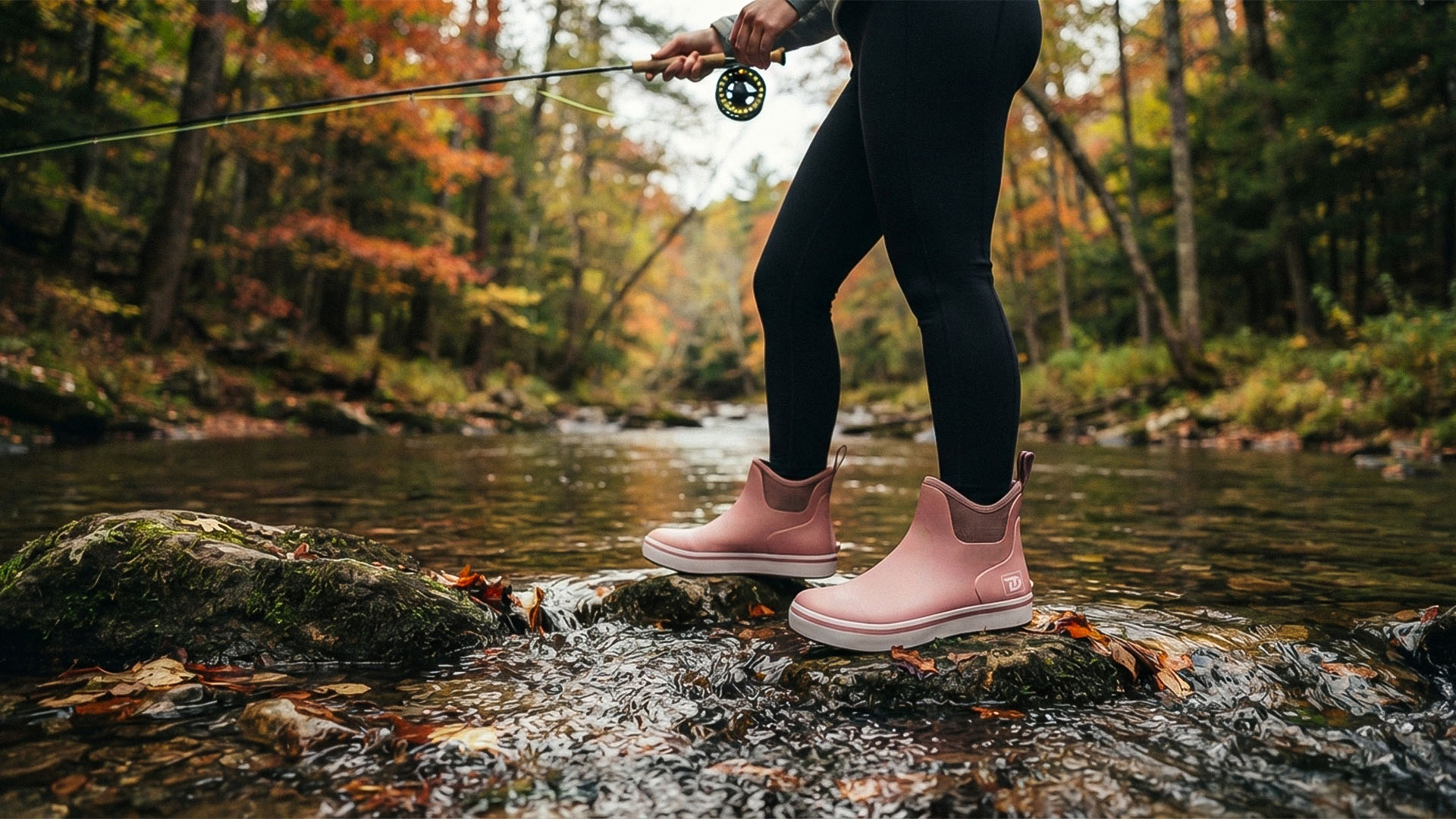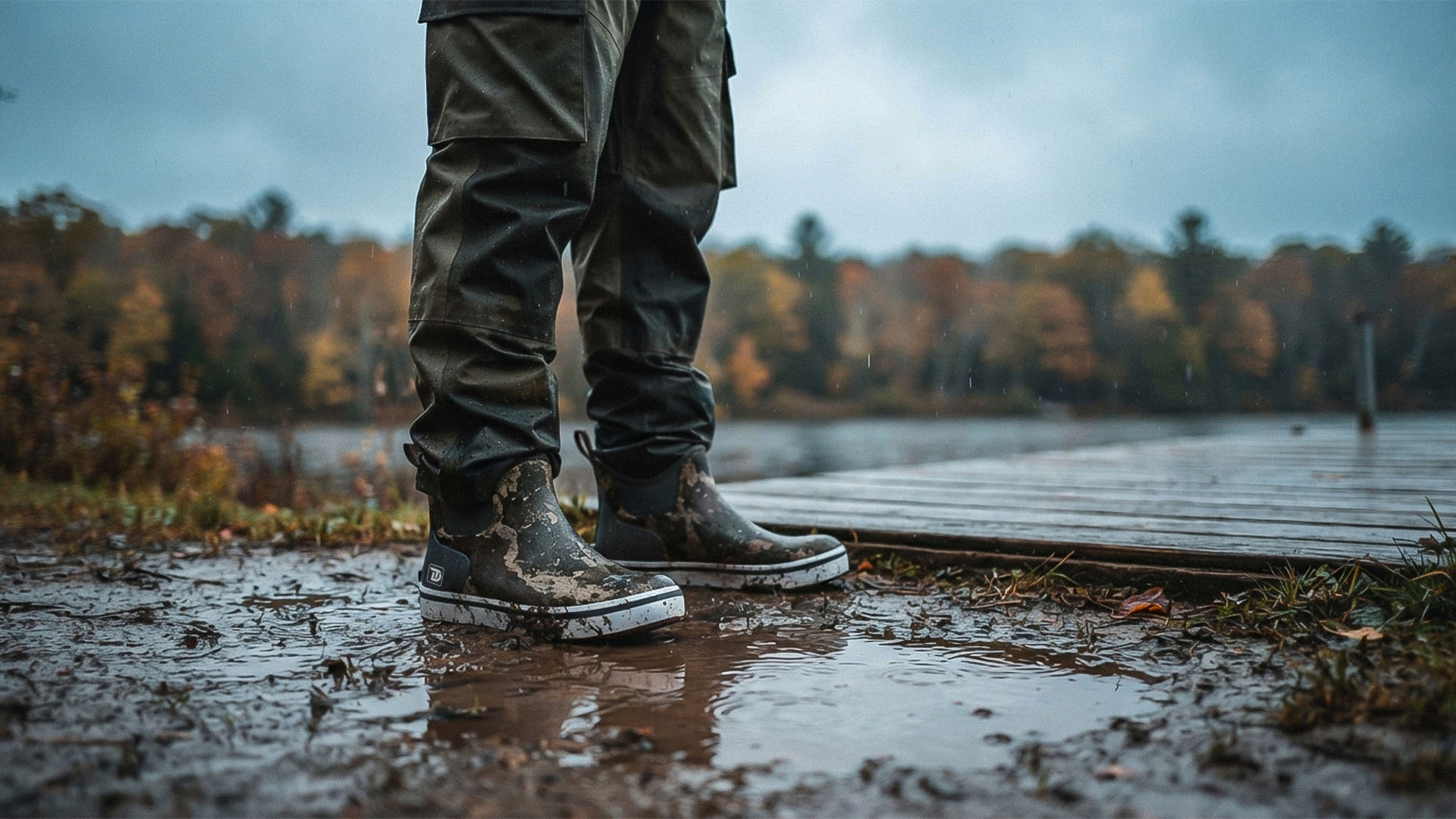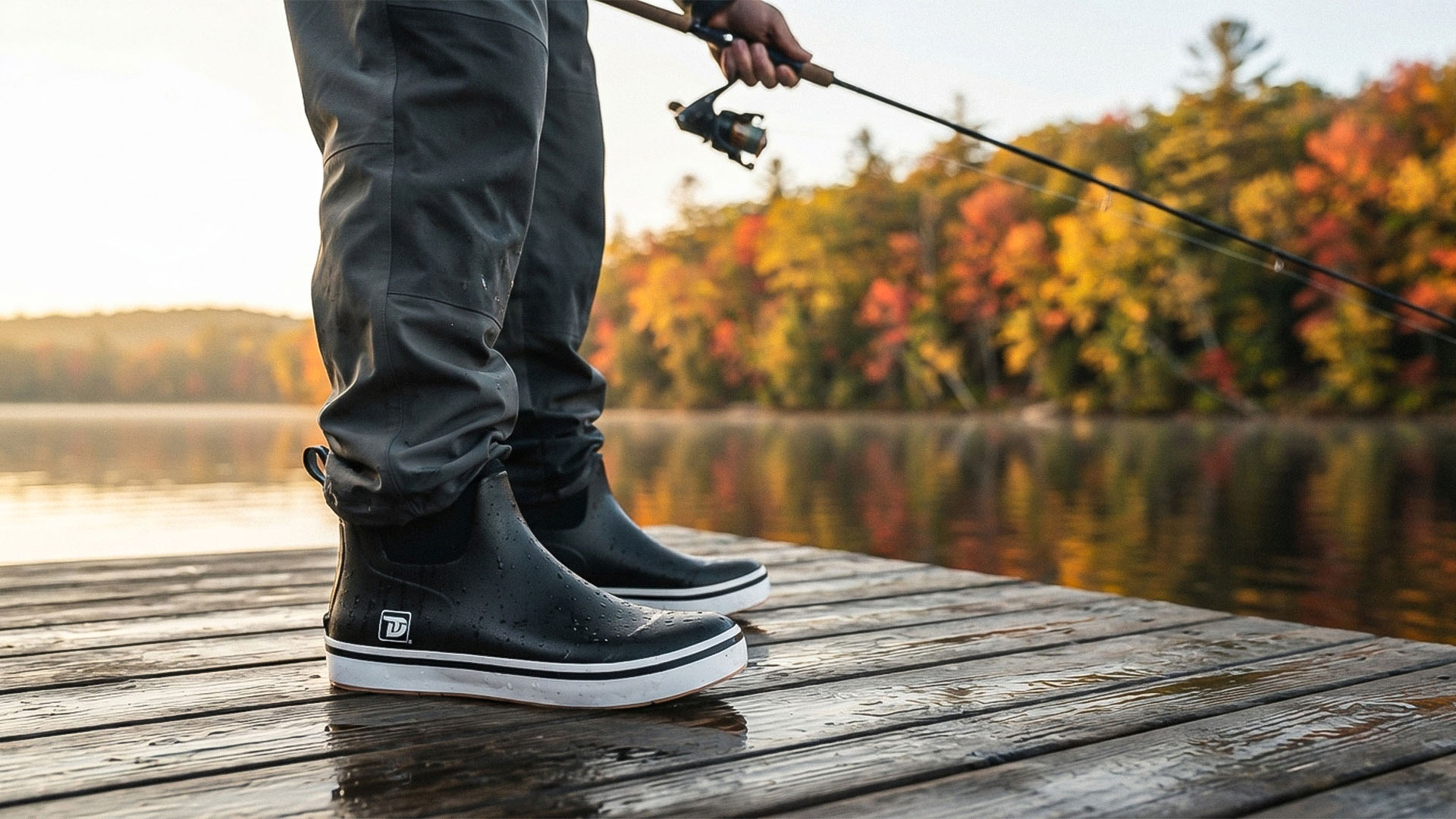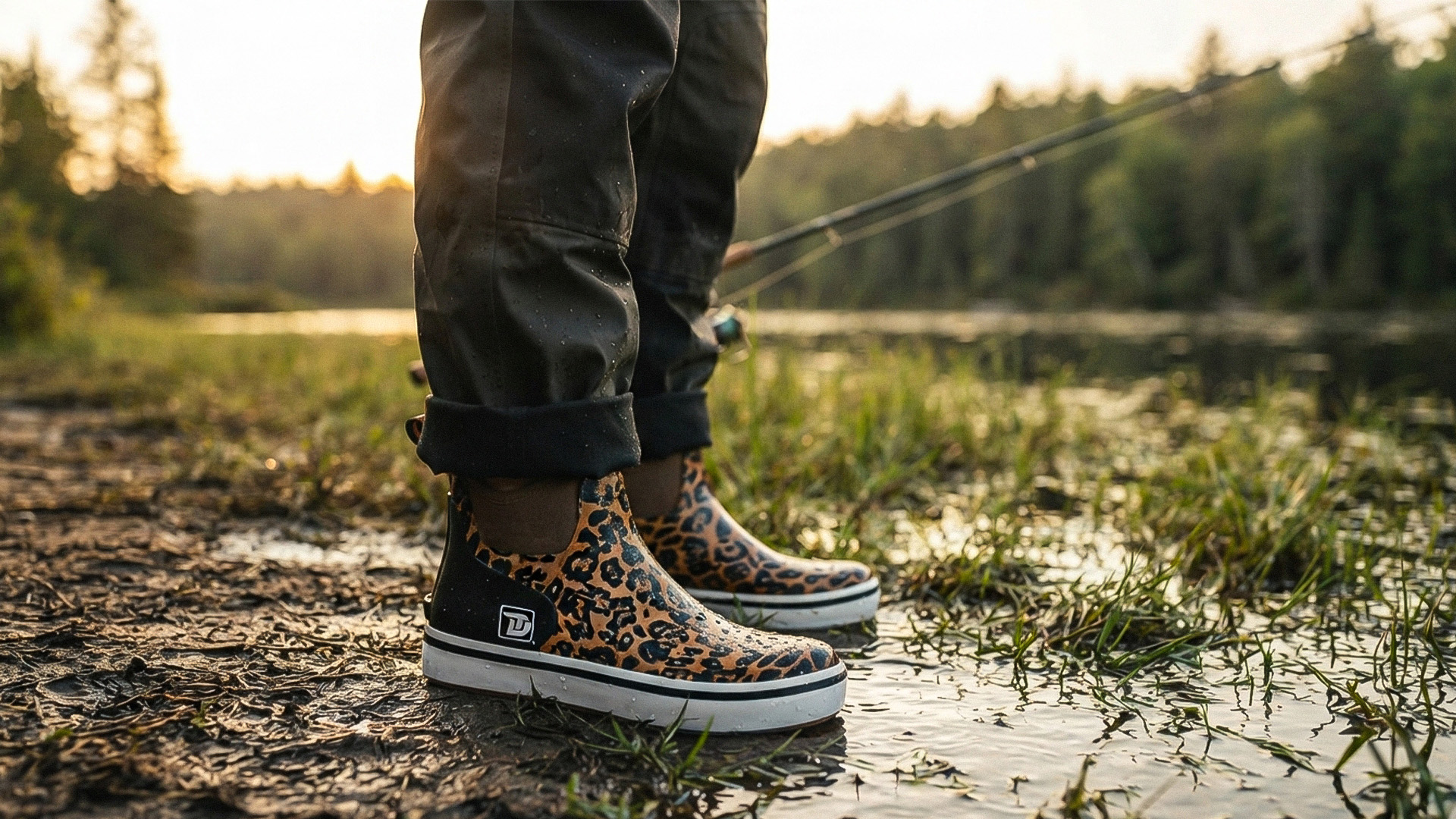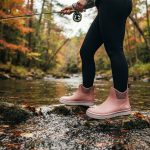
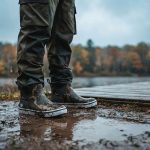
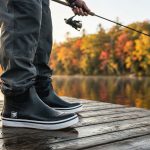
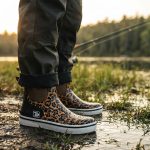
Lobstering is hard on footwear.
Even a recreational day pulling a few traps can mean hours around cold seawater, soaked rope, oily bait, heavy gear, wet docks, fish boxes, and decks that never seem to dry.
For working crews, the demands are even higher.
Lobster boats are active workspaces. Traps come over the rail. Lines move quickly. Bait gets handled repeatedly. Seawater drains from gear onto the deck. Crew members spend long periods standing, stepping, bending, hauling, sorting, and cleaning.
That makes footwear more than a comfort decision.
The best deck boots for lobstering should keep feet protected from water, stay secure during movement, provide dependable wet-deck contact, clean up easily after bait handling, and remain comfortable through long cold mornings.
This guide explains what to look for in lobstering footwear, why ordinary sneakers and casual rain boots may fall short, how boot height and insulation affect comfort, and how to choose deck boots for recreational lobster trips, working boats, docks, and coastal cleanup.
Why Lobstering Requires Serious Footwear
Lobstering combines several demanding conditions at once.
Your boots may encounter:
- Cold saltwater
- Trap drainage
- Wet rope
- Bait oil
- Fish residue
- Seaweed
- Mud
- Dock grime
- Rain
- Boat washdowns
- Cooler water
- Slippery fiberglass
- Aluminum decks
- Concrete piers
Unlike casual boating, wet conditions are created continuously.
Every trap brought aboard may drip seawater.
Every bait bag or bait container may leave organic residue.
Every washdown may send water across the deck.
Footwear needs to be ready for that environment from the first trap to the final rinse.
Why Deck Boots Work Well for Lobstering
Deck boots are designed specifically for wet marine work.
A good pair can provide:
- Waterproof protection
- Closed-toe coverage
- Stable wet-deck performance
- Easy cleaning
- Comfortable standing
- Secure pull-on fit
- Better mobility than tall heavy rubber boots
For recreational lobstering and many boat-based tasks, ankle or mid-height deck boots offer a good balance between protection and movement.
They are easier to move in than tall boots and usually less tiring during long days.
Recreational Lobstering vs. Commercial Lobstering
The right footwear depends heavily on how serious the work is.
Recreational Lobstering
You may need boots for:
- Short trap checks
- Weekend trips
- Pulling a small number of pots
- Dock handling
- Bait preparation
- Boat cleanup
Waterproof ankle deck boots may be enough.
Commercial Lobstering
Commercial crews face:
- Repeated trap hauling
- Heavy gear
- Long days
- Cold spray
- Rope
- fish bait
- constant washdowns
- frequent movement
- occupational hazards
Commercial work may require more specialized or workplace-rated footwear depending on the operation.
Recreational deck boots are not automatically safety boots.
Choose footwear based on the real job and any workplace requirements.
Lobster Traps Create Wet Working Areas
Lobster traps or pots come aboard wet.
As they are hauled, seawater may drain across:
- Hauling station
- Gunwale
- Deck
- Bait area
- Sorting area
- Crew footwear
The deck may remain wet all day.
Waterproof footwear prevents repeated trap drainage from soaking your socks.
Fabric shoes may become saturated within the first hour.
Once sneakers absorb cold seawater, they can stay wet and uncomfortable for the rest of the trip.
Wet Rope Changes the Deck Environment
Lobster lines carry large amounts of seawater.
Wet rope may leave:
- Water
- seaweed
- mud
- algae
- marine growth
on the deck.
Rope also creates an important safety concern.
Loose loops should never be treated casually.
Keep feet clear of working lines.
Do not stand inside loops or near rope that may suddenly tighten.
Deck boots help protect your feet from ordinary wet conditions, but no footwear can make poor rope handling safe.
Closed-Toe Protection Matters
Lobstering involves equipment that can damage exposed feet.
Hazards may include:
- Trap frames
- Weights
- Rope hardware
- Bait knives
- Pliers
- Hooks
- Shell fragments
- Dock cleats
- Fish boxes
- Coolers
Flip-flops and open sandals offer very little protection.
Closed-toe boots are much more appropriate around working fishing gear.
Again, ordinary deck boots are not necessarily safety-toe or puncture-resistant boots.
Commercial operations may require more protective footwear.
Bait Makes Lobster Boats Messy
Lobster bait can create some of the strongest odors in fishing.
Depending on local practices, bait may include oily fish or other marine products.
Residue can end up on:
- Deck
- gloves
- bait containers
- coolers
- boot uppers
- outsole grooves
Fabric shoes absorb these odors easily.
Waterproof molded deck boots are easier to rinse.
This is a major advantage for lobstermen who want to avoid carrying bait smell into the truck, garage, or home.
Easy Cleaning Should Be a Priority
After lobstering, boots may need to be cleaned of:
- Bait oil
- seawater
- fish slime
- mud
- seaweed
- shell debris
- dock grime
Look for footwear with:
- Smooth waterproof upper
- Cleanable tread
- Removable insoles
- Minimal fabric exposure
- Durable pull tabs
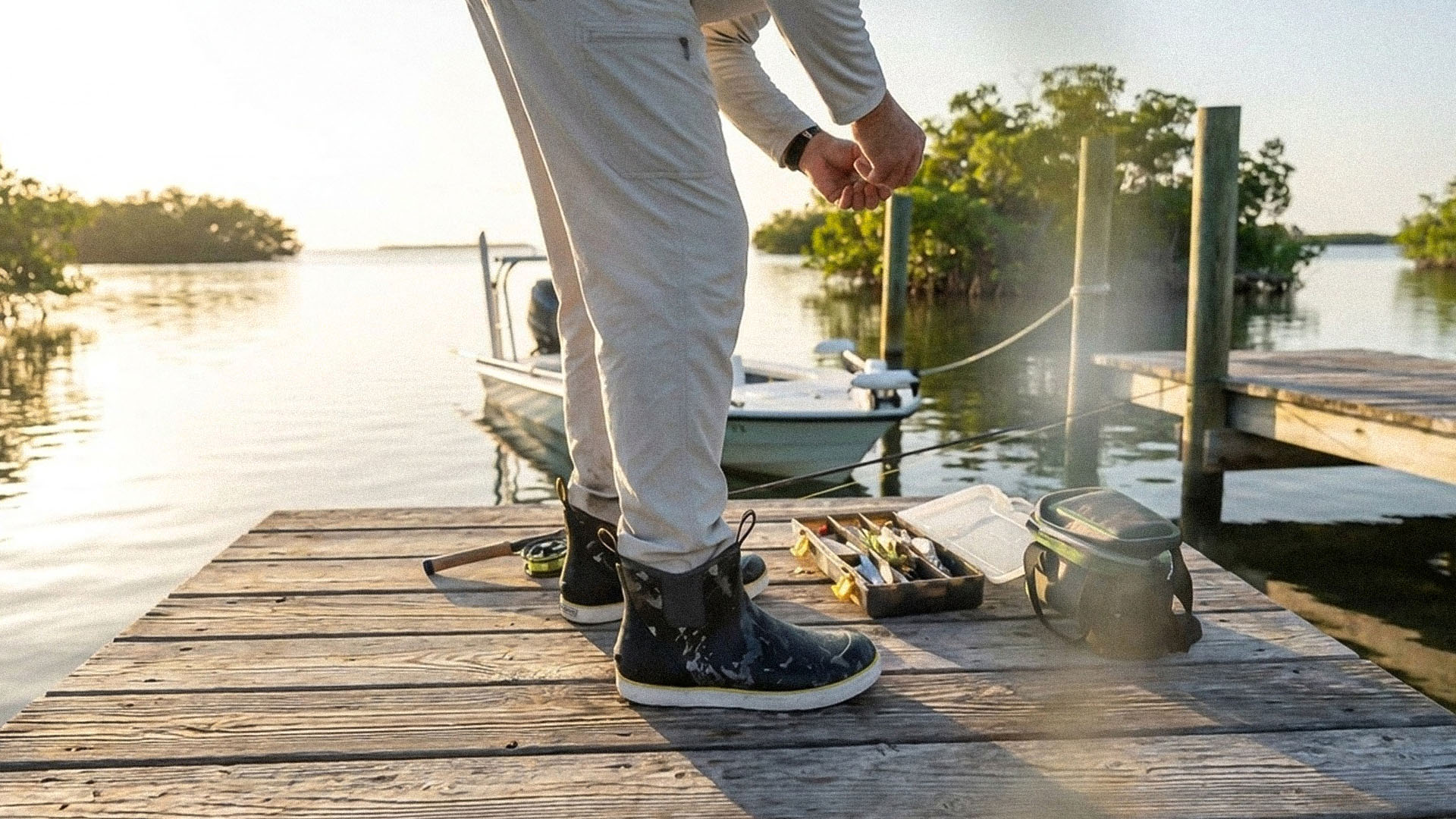
Anglers comparing marine footwear can review TruDaveGear waterproof deck boots alongside other options based on waterproofing, outsole design, removable insoles, boot height, fit, and expected fishing conditions.
The easier the boot is to clean, the more likely you are to maintain it properly after long trips.
Cold Atlantic Mornings
Many lobster-fishing regions are associated with cold coastal mornings.
Even outside deep winter, early runs can feel cold because of:
- Wind
- boat speed
- ocean spray
- wet decks
- low morning temperatures
- long periods of standing
Cold feet can become uncomfortable quickly.
Good cold-weather footwear should combine:
- Waterproof construction
- enough sock room
- stable cushioning
- secure fit
- appropriate insulation
Warmth should not come from simply buying boots that are too large.
Oversized boots can create instability and heel slip.
Insulated vs. Uninsulated Deck Boots for Lobstering
Both can work.
Insulated Deck Boots
Best for:
- Winter lobstering
- Very cold mornings
- Long low-activity periods
- Frequent cold spray
- Northern coastal conditions
Uninsulated Deck Boots
Best for:
- Mild seasons
- summer lobstering
- warmer coastal regions
- active crews
- multi-season use
Uninsulated boots can still work in cool weather with the right socks.
Insulated boots may become too warm during active work or warmer afternoons.
Choose based on the temperatures you face most often.
Do Not Ignore Sock Choice
Socks play a major role in lobstering comfort.
Good options include:
- Merino wool
- synthetic performance fibers
- merino-synthetic blends
Avoid cotton.
Cotton absorbs sweat and water, then dries slowly.
When cold seawater or sweat dampens cotton socks, feet can become uncomfortable quickly.
For colder conditions, use medium-weight merino socks if the boot has enough room.
For mild weather, lightweight performance socks are usually better.
Keep Enough Toe Room for Cold Conditions
Warmth requires circulation.
A boot that compresses your toes may make feet feel colder.
Your toes should be able to:
- move naturally
- spread slightly
- fit inside socks comfortably
Avoid forcing thick winter socks into a tight boot.
If the boot only fits when your toes are compressed, choose another size or model.
Heel Control Is Important When Hauling Gear
Lobstering requires repeated movement.
You may:
- step toward the hauler
- turn to move traps
- bend to rebait
- step around coolers
- move sideways on a rolling deck
A loose boot can feel unstable during these movements.
Look for:
- secure heel fit
- stable midfoot
- comfortable toe room
- minimal foot rotation
Some heel lift is normal in pull-on boots.
Excessive movement is not.
Wet-Deck Traction
The deck may become slippery from:
- seawater
- fish slime
- bait oil
- rain
- mud
- soap
- algae
A good deck boot should use an outsole suited to wet hard surfaces.
Look for:
- broad contact area
- water-channeling grooves
- flexible rubber
- stable heel platform
- cleanable tread
No boot is completely slip-proof.
Bait oil and fish slime can overwhelm any outsole.
Keep the work area clean and move carefully.
Bait Oil Can Be Worse Than Water
Plain seawater is only part of the traction challenge.
Oily bait residue can create a thin slippery film on the deck.
This film may also coat boot tread.
During the day:
- rinse bait residue
- keep sorting areas clean
- avoid walking through concentrated oil
- brush or rinse boot soles when needed
After the trip, clean the outsole thoroughly.
A dirty tread cannot perform as intended.
Trap Debris and Marine Growth
Lobster traps may bring aboard:
- seaweed
- mud
- shells
- algae
- marine growth
- small debris
These materials can make the deck uneven and slippery.
Remove debris from walking areas.
Do not kick sharp shell material around with your boots.
Inspect the outsole after the trip because small shell pieces may become trapped in tread channels.
Boot Height for Lobstering
Boot height depends on how wet the work gets.
Ankle Deck Boots
Best for:
- recreational lobster trips
- mild weather
- lighter washdowns
- easy movement
- boat owners
Mid-Height Boots
Best for:
- more spray
- colder weather
- wetter decks
- more protection around trap drainage
Tall Boots
Best for:
- heavy commercial washdowns
- fish processing
- deep standing water
- very wet work
For many recreational users, ankle or mid-height boots are enough.
Extra boot height increases weight and heat.
Choose the lowest height that provides adequate protection.
Lobstering From Smaller Boats
Small boats may become wet faster than larger vessels.
Limited deck space also means footwear needs to feel controlled.
Look for:
- compact boot profile
- secure heel
- good flexibility
- stable outsole
- lightweight design
Oversized boots can become awkward in tight cockpits.
Fit matters more when you are constantly stepping around traps and gear.
Lobstering From Larger Working Boats
Larger working vessels may have more deck space but more equipment.
Common areas include:
- trap hauler
- sorting table
- bait station
- storage stacks
- washdown hose
- fish boxes
Footwear must stay comfortable through repeated standing and movement.
For heavy professional use, durability becomes especially important.
Frequent users should inspect:
- tread wear
- outsole separation
- upper cracking
- heel structure
- insole compression
more often than occasional anglers.
Long Standing and Foot Fatigue
Lobstering involves significant standing.
You may stand while:
- steaming between strings
- hauling pots
- sorting catch
- rebaiting traps
- stacking equipment
- washing the boat
Hard decks can create fatigue.
Look for boots with:
- stable cushioning
- supportive insoles
- comfortable heel area
- secure fit
- adequate forefoot room
A boot that feels fine for ten minutes may feel very different after ten hours.
Removable Insoles Are Valuable
Removable insoles help with:
- drying
- odor management
- support replacement
- cleaning
- moisture control
This matters because lobstering footwear may become damp inside from sweat even when outside water does not leak through.
After a trip:
- Remove the insoles.
- Let the boot interior air out.
- Dry the footbeds separately.
- Clean them when needed.
A damp insole left inside a waterproof boot can develop odor quickly.
Wide Feet and Lobster Boots
Wide-footed users should prioritize shape, not just size.
Look for:
- roomy forefoot
- comfortable toe box
- stable heel
- sufficient instep volume
Do not automatically size up to gain width.
A longer boot may cause:
- heel slip
- foot rotation
- toe gripping
- reduced deck control
Choose a boot that is wide where your foot is wide without becoming loose everywhere else.
High Instep and Pull-On Boots
High-instep users may find some pull-on deck boots difficult to enter.
Signs of poor instep fit include:
- pressure on top of the foot
- numbness
- deep sock marks
- difficulty removing the boot
Look for:
- sufficient internal volume
- strong pull tabs
- comfortable opening
- removable insole
Do not buy a painfully tight boot expecting dramatic stretching.
Most molded waterproof boots change very little.
Deck Boots vs. Traditional Rubber Boots
Traditional tall rubber boots can work well for lobstering.
They offer:
- more water coverage
- good mud protection
- suitability for heavy washdowns
But they may also be:
- heavier
- warmer
- less flexible
- more tiring
Ankle deck boots are often more comfortable for recreational or moderate use.
Tall boots remain useful when work conditions involve constant deep water or heavy commercial washdowns.
Deck Boots vs. Work Boots
Leather work boots may provide more structure or safety features, but they are often not ideal around constant saltwater.
They may:
- absorb water
- become heavy
- dry slowly
- hold bait odor
- require more maintenance
If certified safety protection is required, choose marine-appropriate work boots that meet that requirement.
For recreational fishing where water protection is the main concern, deck boots are usually more practical.
Deck Boots vs. Sneakers
Sneakers are usually a poor choice for lobstering.
They can absorb:
- seawater
- bait oil
- fish slime
- mud
Once wet, they may become heavy and stay damp.
Deck boots are far easier to rinse after a messy lobster trip.
If you care about your everyday sneakers, leave them in the vehicle.
What About Sandals?
Sandals and flip-flops are not recommended around traps and hauling gear.
They expose the foot to:
- trap edges
- weights
- sharp shells
- ropes
- tools
- wet decks
Loose sandals may also come off during movement.
Closed-toe marine footwear is the better option.
Cleaning Lobster Bait From Deck Boots
Bait should be removed before it dries.
After the trip:
- Rinse the boots with fresh water.
- Use mild soap if oily residue remains.
- Brush the outsole.
- Clean around the toe and sidewalls.
- Rinse soap completely.
- Remove the insoles.
- Dry everything with airflow.
Avoid harsh chemicals unless approved by the manufacturer.
Strong solvents may damage waterproof materials or outsole compounds.
Saltwater Care
Rinse boots after every saltwater trip.
Pay attention to:
- tread grooves
- sidewalls
- pull tabs
- collar
- heel area
Salt residue becomes more difficult to remove after repeated drying.
A quick freshwater rinse helps keep the boots ready for frequent use.
Odor Control
Lobster bait can create strong odor.
To control smell:
- clean bait residue immediately
- remove insoles
- wear clean moisture-wicking socks
- dry boots fully
- keep boots out of hot vehicles
- clean the boot tray
- avoid storing wet boots in sealed bags
Odor sprays may mask smell, but cleaning and drying address the cause.
Drying Deck Boots After Lobstering
Do not use aggressive heat.
After cleaning:
- drain water
- remove insoles
- wipe interior moisture
- use gentle airflow
- keep boots open
- dry insoles separately
Avoid:
- clothes dryers
- space heaters
- radiators
- fireplaces
- heat guns
High heat can damage foam, waterproof materials, adhesives, and boot shape.
Long Multi-Day Lobster Trips
If you use deck boots multiple days in a row, drying becomes a challenge.
Consider rotating two pairs.
Benefits include:
- more drying time
- reduced odor
- backup footwear
- less moisture buildup
- better comfort
This is especially useful for guides, crews, and boat owners working several consecutive days.
Dock Work
Lobstering often involves work before and after the boat leaves.
Dock tasks may include:
- loading bait
- moving traps
- carrying coolers
- fueling
- unloading catch
- washing gear
Dock surfaces may be:
- wet wood
- concrete
- composite
- aluminum
Deck boots work well, but rough concrete can wear marine outsoles faster than boat decks.
Inspect tread regularly if you spend a lot of time walking marinas.
Lobster Handling Areas
Sorting and handling areas can become wet quickly.
Keep them clear of:
- loose bait
- shell pieces
- rope
- tools
- spilled water
A good boot helps with traction, but clean workspace design is just as important.
Do not let the area become cluttered simply because everyone is wearing waterproof footwear.
Cold Rain and Rough Weather
Cold rain makes waterproof footwear especially valuable.
Wear:
- waterproof deck boots
- moisture-wicking socks
- fishing bibs or rain pants
- waterproof jacket
Keep pant legs outside the boot opening.
If rain pants are tucked inside, water can run directly into the boots.
Wet socks defeat much of the benefit of waterproof footwear.
Hot-Weather Lobstering
When conditions are warm, choose:
- uninsulated boots
- lightweight socks
- ankle-height construction
- removable insoles
Waterproof footwear can get warm.
Do not compensate by buying an oversized boot.
Use better socks and the right seasonal construction instead.
When Deck Boots Are Not Enough
Standard deck boots are not appropriate for every lobstering job.
More specialized footwear may be required for:
- safety-toe work
- puncture hazards
- industrial chemical exposure
- heavy commercial processing
- deep standing water
- workplace certification
- ice
- hazardous machinery areas
Use job-specific protective footwear where required.
Best Deck Boot Features for Lobstering
Look for:
Waterproof Construction
Essential around traps, washdowns, and saltwater.
Wet-Deck Outsole
Useful on fiberglass, aluminum, and docks.
Secure Heel Fit
Improves control during hauling and movement.
Closed Toe
Provides basic protection around fishing equipment.
Removable Insole
Improves drying and odor management.
Easy-Clean Upper
Important around oily bait.
Stable Cushioning
Helps with long standing.
Appropriate Boot Height
Matches water exposure.
Manageable Weight
Reduces fatigue during long trips.
Cold-Weather Sock Compatibility
Important for northern coastal conditions.
Lobstering Footwear Checklist
Before a trip:
- Inspect outsole tread
- Check for cracks
- Check waterproofing
- Confirm boots are dry
- Wear appropriate socks
- Bring spare socks
- Check heel fit
- Check pull tabs
- Bring clean shoes for the drive home
After the trip:
- Rinse saltwater
- Clean bait residue
- Brush tread
- Remove insoles
- Dry completely
- Clean boot tray
- Inspect for damage
Common Lobstering Footwear Mistakes
Wearing Sneakers
They absorb cold seawater and bait odor.
Wearing Flip-Flops
They offer poor protection around traps and lines.
Buying Boots Too Loose
Loose footwear reduces control.
Wearing Cotton Socks
Cotton holds moisture and dries slowly.
Ignoring Bait Oil
Oily residue can reduce traction and create odor.
Wearing Insulated Boots in Warm Weather
Overheating creates sweat and damp socks.
Tucking Bibs Inside Boots
Water may run directly into the boot opening.
Ignoring Rope Position
Footwear cannot protect you from a tightening line.
Leaving Boots Dirty Overnight
Bait smell becomes much harder to remove.
Using Worn-Out Tread
Old tread may reduce wet-deck performance.
Final Thoughts
Lobstering demands footwear that can handle water, bait, traps, rope, cold mornings, wet docks, and long periods of standing.
For recreational lobster fishing and many marine tasks, waterproof deck boots provide an excellent balance of protection, mobility, comfort, and easy cleanup.
Choose boots with a secure heel, stable wet-deck outsole, enough toe room, removable insoles, easy-clean materials, and a boot height appropriate for your working conditions.
Use uninsulated boots for mild and warm weather.
Use insulated or warmer footwear when cold Atlantic mornings, winter conditions, and prolonged low temperatures make warmth a priority.
Wear synthetic or merino-blend socks instead of cotton.
Do not oversize boots to fit winter socks.
Make sure your toes have room without sacrificing heel control.
Keep rope and trap lines away from your feet.
No boot can protect against standing inside a working line.
After every trip, rinse saltwater and bait residue, brush the outsole, remove the insoles, and dry everything completely.
For frequent users, rotating two pairs can help reduce moisture, odor, and wear.
The best lobstering boots should keep your feet dry, stable, supported, and ready to work from the first trap of the morning to the final washdown at the dock.
Frequently Asked Questions
Are deck boots good for lobstering?
Yes. Deck boots are excellent for recreational and boat-based lobstering because they are waterproof, easy to clean, and designed for wet marine surfaces.
What boots should I wear on a lobster boat?
Wear secure closed-toe waterproof footwear with wet-deck traction. Deck boots are a practical option for many recreational and marine uses.
Are lobster boats always wet?
They can become very wet from trap drainage, wet rope, spray, bait handling, rain, and washdowns.
Should lobstering boots be insulated?
Insulated boots are useful in cold conditions. Uninsulated boots are better for mild or warm weather and more active use.
What socks should I wear for lobstering?
Wear synthetic, merino wool, or merino-blend moisture-wicking socks. Avoid cotton.
Are deck boots better than rain boots for lobstering?
Deck boots are usually better for active boat work and wet hard surfaces. Tall rain boots may be better for deep water or mud.
Can I wear sneakers on a lobster boat?
You can, but sneakers absorb seawater, bait oil, and fish odor and may stay wet all day.
Can I wear flip-flops while lobstering?
They are not recommended because lobster boats involve traps, lines, tools, sharp debris, and wet decks.
Are ankle deck boots tall enough for lobstering?
For recreational boat use and moderate washdowns, often yes. Wetter commercial conditions may require taller boots.
How do I clean lobster bait smell from deck boots?
Rinse with fresh water, use mild soap if needed, brush the tread and sidewalls, remove the insoles, and dry everything completely.
Should I rinse deck boots after every lobster trip?
Yes. Freshwater rinsing helps remove salt, bait residue, mud, and organic material.
Why are my feet cold in waterproof deck boots?
Possible causes include wet socks, tight boots, lack of insulation, cold deck surfaces, sweat buildup, or poor sock choice.
Are deck boots safe around lobster lines?
They help protect feet from ordinary deck conditions, but they do not protect against entanglement. Keep feet clear of working ropes and loops.
Can commercial lobstermen use recreational deck boots?
Commercial operations may require more specialized or safety-rated footwear. Choose footwear according to job hazards and workplace requirements.
How should lobster deck boots fit?
They should hold the heel securely, allow comfortable toe movement, and remain stable during side steps and hauling movements.
Are removable insoles useful for lobstering?
Yes. They improve drying, odor control, support replacement, and long-term comfort.
How do I dry lobster deck boots?
Remove the insoles and use gentle airflow. Avoid high heat, dryers, radiators, and heat guns.