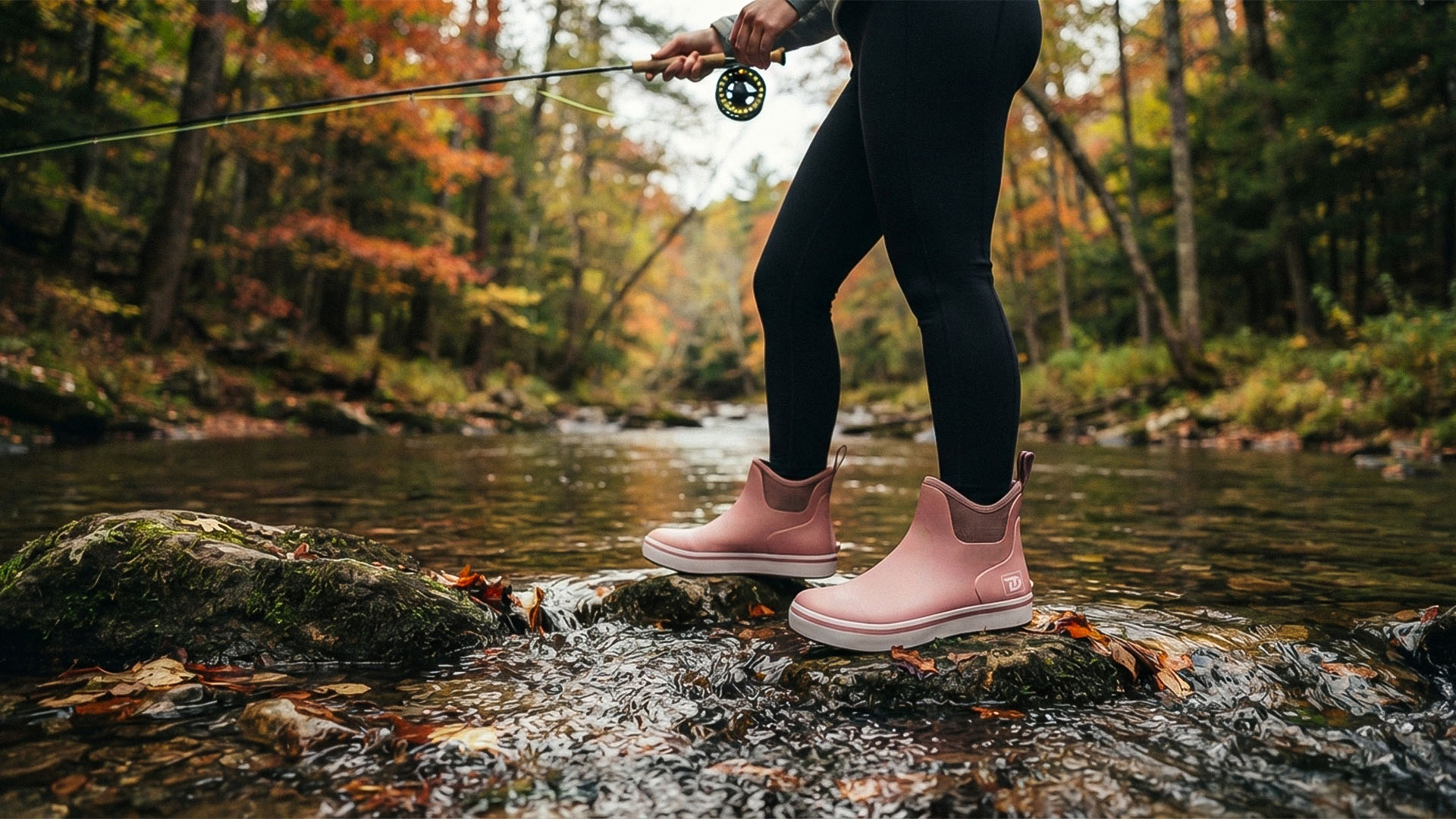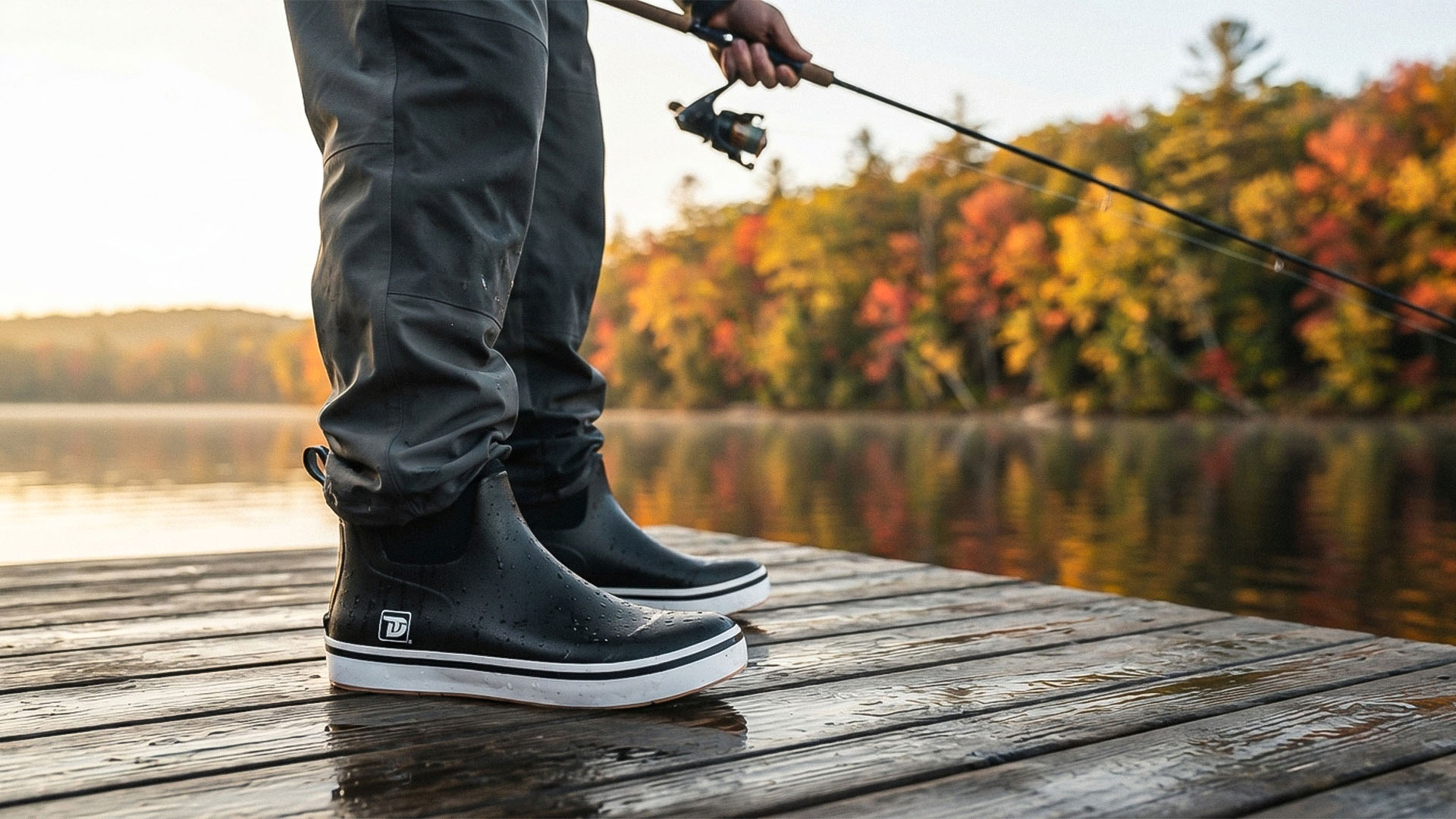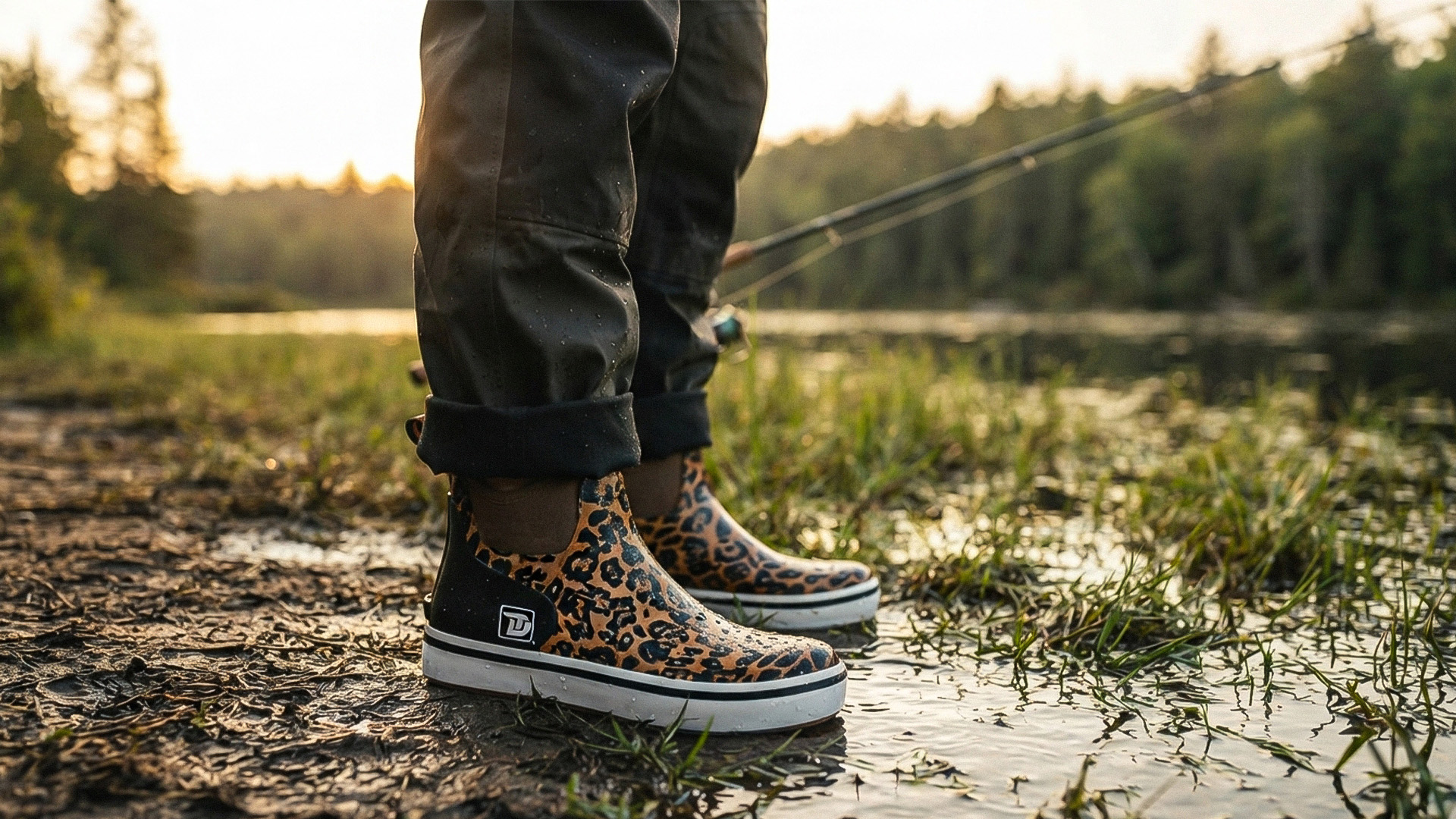
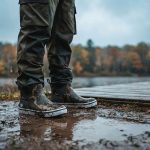
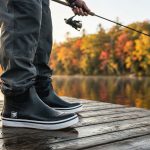
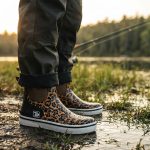
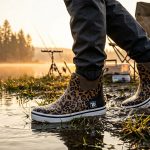
Choosing the right deck boots is not as simple as finding a pair that looks waterproof.
Many fishing boots appear similar online. They may all claim to be waterproof, comfortable, lightweight, and designed for boats. But once anglers spend hours standing on wet decks, cleaning fish, walking docks, handling saltwater, and dealing with changing weather, the differences become obvious.
A good deck boot is not just a waterproof shoe.
It is a piece of fishing equipment.
The right pair should help keep your feet dry, stable, comfortable, and protected during long days around water.
The wrong pair can lead to:
- Wet socks
- Foot fatigue
- Heel slipping
- Poor traction
- Blisters
- Strong odors
- Uncomfortable standing
- Faster replacement costs
So what makes a good deck boot?
The answer comes down to several important features: waterproof construction, marine-focused traction, secure fit, comfortable cushioning, easy cleaning, durable materials, and a design that matches how you actually fish.
This guide explains the most important deck boot features anglers should look for before buying.
1. Waterproof Construction
The first requirement of a good deck boot is simple:
It needs to keep water out.
Fishing environments create constant water exposure:
- Boat spray
- Rain
- Washdowns
- Fish-box drainage
- Cooler water
- Wet docks
- Boat ramps
- Saltwater splashes
- Standing puddles
A good waterproof deck boot should protect your feet during normal fishing conditions without becoming uncomfortable after hours of wear.
Look for:
- Waterproof upper materials
- Reliable seams
- Strong sole attachment
- Secure boot opening
- Durable construction around flex areas
Waterproofing is not just about staying dry.
Dry feet stay warmer in cold conditions, more comfortable during long trips, and easier to manage after hours on the water.
2. Marine-Friendly Outsole Design
The outsole is one of the most important parts of a deck boot.
A fishing boot is not just walking footwear.
It needs to work on:
- Wet fiberglass
- Aluminum boats
- Docks
- Marina surfaces
- Boat ramps
- Fish-cleaning areas
- Synthetic decking
A good marine outsole should provide:
- Stable contact
- Water channels
- Flexible movement
- Cleanable tread
- Good balance
- Reliable grip
The goal is not a deep hiking-style lug.
Boat decks are different from trails.
A good deck boot outsole should handle wet hard surfaces while allowing anglers to move naturally around the boat.
3. Wet-Deck Traction
Wet surfaces are unavoidable when fishing.
Decks become slippery because of:
- Water
- Fish slime
- Soap
- Bait oil
- Mud
- Algae
- Ice
- Rain
A good deck boot should improve confidence when moving around wet areas.
Important outsole features include:
- Broad contact surface
- Flexible rubber
- Stable heel area
- Proper tread spacing
- Water evacuation channels
Remember:
No boot is completely slip-proof.
A good outsole helps, but anglers still need to maintain clean decks, remove fish slime, and move carefully.
4. Secure Heel Fit
Many deck boots are pull-on designs.
That means the boot itself must hold your foot correctly.
A good fit should prevent:
- Excessive heel movement
- Foot sliding
- Toe gripping
- Blisters
- Instability
- Fatigue
Too much heel movement can become uncomfortable during long fishing days.
Too little space can create pressure.
The ideal fit is secure but not restrictive.
Your heel should stay controlled while your toes have room to move.
5. Comfortable Toe Box
Toe room matters more than many anglers realize.
A good deck boot should allow natural toe movement.
A poor toe box can create:
- Cramped toes
- Pressure points
- Numbness
- Hot spots
- Foot fatigue
- Reduced comfort during long trips
Look for enough space for your toes without making the entire boot loose.
Remember to test boots with the socks you actually fish in.
Thick fishing socks can change the fit significantly.
6. Supportive Footbed
Standing on a boat for hours is different from walking casually.
Anglers often spend long periods:
- Standing at the rail
- Driving the boat
- Casting
- Cleaning fish
- Moving gear
- Waiting for bites
A good deck boot should have a comfortable footbed that supports your feet during extended standing.
Important features include:
- Cushioning
- Stable heel area
- Comfortable arch feel
- Pressure distribution
- Shock absorption
A thin flat insole may feel fine initially but become uncomfortable after several hours.
7. Removable Insoles
Removable insoles are one of the most valuable features in deck boots.
They allow anglers to:
- Dry boots faster
- Reduce odor
- Replace worn cushioning
- Add personal support
- Clean the interior
- Adjust comfort
After fishing, the inside of waterproof boots can stay damp.
Removing the insole improves airflow and drying.
This feature can significantly improve long-term comfort and maintenance.
When comparing waterproof fishing footwear, anglers can evaluate TruDaveGear deck boots based on waterproof design, outsole performance, removable insoles, comfort, and marine use needs.
8. Easy-Clean Materials
Fishing is messy.
A good deck boot should handle:
- Fish slime
- Blood
- Bait
- Mud
- Saltwater
- Sand
- Cooler drainage
- Boat-cleaning chemicals
Look for materials that are easy to rinse.
A smooth waterproof exterior is often easier to maintain than fabric-heavy footwear.
Easy cleaning helps:
- Reduce odor
- Protect materials
- Maintain appearance
- Extend boot life
A boot that is easy to clean is more likely to receive proper care.
9. Durable Construction
Fishing puts stress on footwear.
A good deck boot should handle:
- Repeated flexing
- Saltwater exposure
- Standing pressure
- Walking docks
- Boat cleaning
- Temperature changes
Pay attention to:
- Sole bonding
- Toe construction
- Heel structure
- Pull tabs
- Collar durability
- Flex zones
Cheap construction may appear fine at first but show problems after repeated use.
Durability matters most for anglers who fish frequently.
10. Comfortable Collar Design
The top opening of a deck boot affects comfort.
A poor collar can cause:
- Rubbing
- Pressure
- Sock damage
- Water entry
- Difficulty putting boots on
- Ankle discomfort
A good collar should:
- Hold the leg comfortably
- Work with fishing socks
- Allow movement
- Avoid sharp edges
- Maintain shape over time
Small comfort details become important during long fishing trips.
11. Good Pull Tabs
Pull tabs seem like a small feature, but anglers use them constantly.
A good pull tab helps with:
- Faster boot entry
- Easier removal
- Better handling with wet hands
- Less stress on the boot opening
Poor pull tabs may:
- Stretch
- Tear
- Separate
- Become uncomfortable
Durable pull tabs are especially useful when boots are worn frequently.
12. Proper Boot Height
Deck boots come in different heights.
The right height depends on use.
Lower Ankle Deck Boots
Good for:
- Warm weather
- Summer fishing
- Easy movement
- Boat cleaning
- Casual boating
Advantages:
- Cooler
- Easier walking
- Less bulky
Higher Deck Boots
Good for:
- Heavy spray
- Rain
- Cold weather
- Rough conditions
- More water exposure
Advantages:
- More coverage
- More protection
The best height depends on your fishing environment.
13. Lightweight Design
Weight affects fatigue.
Heavy boots can make long days harder.
A good deck boot should balance:
- Protection
- Durability
- Comfort
- Weight
Too lightweight may reduce support.
Too heavy may increase fatigue.
The ideal boot feels protective without feeling like work equipment.
14. Proper Insulation Choice
Not every angler needs insulated deck boots.
Choose based on climate.
Insulated Deck Boots
Useful for:
- Cold weather
- Winter fishing
- Cold rain
- Early morning offshore trips
Uninsulated Deck Boots
Useful for:
- Summer fishing
- Warm climates
- Tropical conditions
- Long hot days
Over-insulated boots in warm weather can create:
- Sweaty feet
- Odor
- Discomfort
- Faster moisture buildup
Match insulation to your environment.
15. Good Sock Compatibility
A great deck boot should work well with proper fishing socks.
Good socks help with:
- Moisture management
- Comfort
- Temperature control
- Friction reduction
- Odor prevention
Avoid cotton socks.
Cotton absorbs moisture and dries slowly.
Better options include:
- Synthetic fishing socks
- Merino wool
- Merino blends
Always test boots with the socks you plan to wear.
16. Proper Weight Distribution
A good deck boot should feel balanced.
Poor weight distribution can cause:
- Foot fatigue
- Awkward walking
- Increased pressure
- Reduced comfort
A balanced boot allows natural movement around the boat.
This matters when:
- Casting
- Turning quickly
- Moving around equipment
- Cleaning fish
- Walking docks
17. Flexibility Where You Need It
Fishing requires movement.
You need to:
- Bend knees
- Step around gear
- Move sideways
- Climb ladders
- Squat during cleanup
A good deck boot should flex naturally without losing support.
Too stiff:
- Feels uncomfortable
- Restricts movement
- Creates pressure
Too flexible:
- May lack support
- May feel unstable
Balance is important.
18. Odor Control Features
Fishing boots deal with odor sources:
- Sweat
- Fish slime
- Saltwater
- Bait
- Wet socks
- Damp storage
Helpful features include:
- Removable insoles
- Easy-clean interiors
- Fast drying design
- Breathable lining
- Smooth surfaces
However, even the best boots need proper care.
After fishing:
- Rinse boots
- Remove insoles
- Dry completely
- Avoid storing wet
19. All-Day Comfort
A good deck boot should still feel comfortable after hours.
Think about your longest fishing day.
Will you wear them for:
- Two hours?
- Six hours?
- Twelve hours?
Long trips require better comfort features.
Look for:
- Cushioning
- Stable fit
- Comfortable footbed
- Proper width
- Good socks
- Low friction
Comfort directly affects how much you enjoy fishing.
20. Easy Maintenance
The best deck boot is one you can maintain easily.
After fishing, you should be able to:
- Rinse saltwater.
- Remove fish residue.
- Clean the outsole.
- Remove insoles.
- Dry the boots.
- Store them properly.
Complex maintenance usually means people stop caring for the boots.
Simple care extends lifespan.
Features That Matter Less Than Marketing
Some features sound impressive but matter less than real performance.
Do not choose boots only because of:
- Fancy colors
- Marketing terms
- Large logos
- Extreme claims
- Fashion-focused design
Focus on:
- Fit
- Waterproofing
- Comfort
- Outsole
- Durability
- Maintenance
Fishing footwear should solve real problems.
How to Choose Deck Boots Based on Fishing Style
Different anglers need different features.
Offshore Anglers
Prioritize:
- Waterproofing
- Wet-deck traction
- Comfort
- Durability
- Saltwater resistance
- Long-day support
Inshore Anglers
Prioritize:
- Lightweight design
- Easy cleaning
- Summer comfort
- Flexible movement
Charter Passengers
Prioritize:
- Comfort
- Waterproof protection
- Easy fit
- Reliable traction
Boat Owners
Prioritize:
- Durability
- Cleaning ability
- All-weather use
- Long-term comfort
Marina Workers
Prioritize:
- Durability
- Frequent-use comfort
- Easy maintenance
- Reliable waterproofing
Common Deck Boot Buying Mistakes
Buying Too Large
Extra space can create heel movement and instability.
Buying Too Small
Tight boots reduce comfort and increase pressure.
Ignoring Socks
Sock thickness changes fit.
Choosing Fashion Over Function
Fishing footwear needs performance.
Ignoring Outsole Design
Waterproof does not automatically mean good traction.
Choosing Wrong Insulation
Warm boots can become uncomfortable in summer.
Ignoring Cleaning Needs
Messy fishing requires easy maintenance.
Not Checking Reviews
Real anglers often reveal important fit issues.
How to Test Deck Boots Before Fishing
Before your first trip:
Wear them indoors and test:
- Standing
- Walking
- Turning
- Stairs
- Squatting
- Side movement
- Different socks
Check:
- Heel movement
- Toe space
- Pressure points
- Comfort
- Stability
Do not make your first test day a long offshore trip.
Questions to Ask Before Buying
Before purchasing deck boots, ask:
How often do I fish?
Frequent anglers need more durability.
What environment do I fish in?
Saltwater, freshwater, cold, and warm climates require different features.
How long do I stand?
Long days require better cushioning.
Do I clean boats often?
Easy-clean materials become more valuable.
Do I need insulation?
Match boots to temperature.
Do I have foot comfort concerns?
Prioritize fit and support.
Do I walk on concrete?
Consider outsole durability.
Final Thoughts
A good deck boot is not defined by one feature.
It is the combination of waterproof protection, marine traction, comfort, durability, fit, and easy maintenance.
The best fishing boots should keep your feet dry during spray and washdowns, stable on wet decks, comfortable during long hours, and easy to clean after messy trips.
When choosing deck boots, focus on the features that affect real fishing:
- Waterproof construction
- Wet-deck outsole
- Secure heel fit
- Comfortable toe box
- Removable insoles
- Durable materials
- Easy cleaning
- Proper insulation
- Good sock compatibility
- Long-term comfort
The right pair should disappear on your feet.
You should not be thinking about your boots while fishing.
You should be focused on the next cast, the next bite, and enjoying your time on the water.
Invest in footwear that matches how you actually fish.
A good deck boot is not just something you wear.
It is part of your fishing equipment.
Frequently Asked Questions
What makes a good deck boot?
A good deck boot combines waterproof construction, wet-deck traction, comfort, secure fit, durability, easy cleaning, and proper support.
Are all waterproof boots good for fishing?
No. Fishing requires marine-specific features such as wet-deck traction, easy cleaning, and long-term comfort.
What is the most important deck boot feature?
For many anglers, waterproofing, traction, and comfort are the most important features.
Should fishing boots have removable insoles?
Yes. Removable insoles improve drying, odor control, comfort adjustment, and long-term maintenance.
Are expensive deck boots better?
Not always, but higher-quality boots often provide better comfort, durability, fit, and long-term value.
How should deck boots fit?
They should feel secure around the heel and midfoot while allowing enough toe room for natural movement.
Should deck boots be tight?
No. They should be secure but not restrictive. Tight boots reduce comfort during long fishing days.
Are lightweight deck boots better?
Lightweight boots can reduce fatigue, but they still need enough support and durability.
Do deck boots need special socks?
Moisture-wicking socks are recommended. Avoid cotton because it holds moisture.
Can I wear deck boots all day?
Yes, if they fit correctly and provide enough cushioning and support.
How do I maintain deck boots?
Rinse after fishing, clean fish residue, remove insoles, dry completely, and store properly.
Are deck boots good for boat cleaning?
Yes. Waterproof, easy-clean deck boots are excellent for washdowns and fish cleanup.
What outsole is best for fishing boats?
A marine-focused outsole with good wet-deck contact, flexible rubber, and cleanable tread is usually best.
How long should deck boots last?
Lifespan depends on usage, maintenance, surfaces, and construction quality.
What should I avoid when buying deck boots?
Avoid poor fit, smooth soles, uncomfortable footbeds, and boots that do not match your fishing environment.