Meta Description: Learn why deck boots are useful for boat cleaning, washdowns, fish slime, soap, wet fiberglass decks, dock work, and post-fishing cleanup.
Suggested URL Slug: are-deck-boots-good-for-boat-cleaning
Primary Keyword: deck boots for boat cleaning
Secondary Keywords: boat cleaning footwear, waterproof boots for boat washdowns, deck boots for washdowns, fishing boots for cleaning boats, wet deck footwear, boots for fish slime, boat deck safety shoes
Search Intent: Informational / Commercial Investigation / Post-Purchase
Boat cleaning is wet, slippery, and messier than many people expect.
After a fishing trip, the deck may be covered with saltwater, fish slime, bait residue, blood, scales, mud, melted ice, cooler drainage, and soap. Even a clean-looking fiberglass deck can become slick once washdown water and cleaning products spread across the surface.
That is why footwear matters.
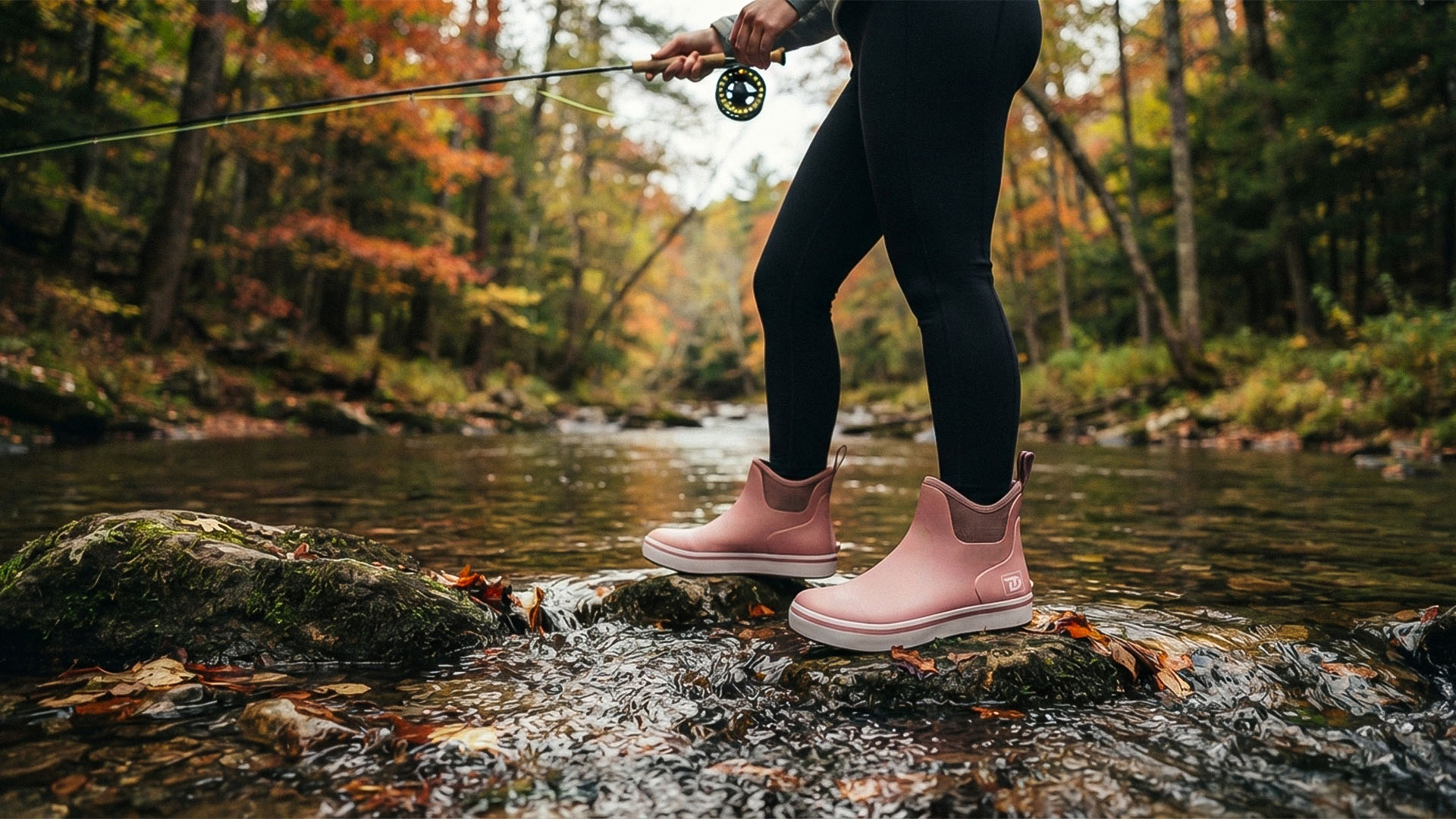
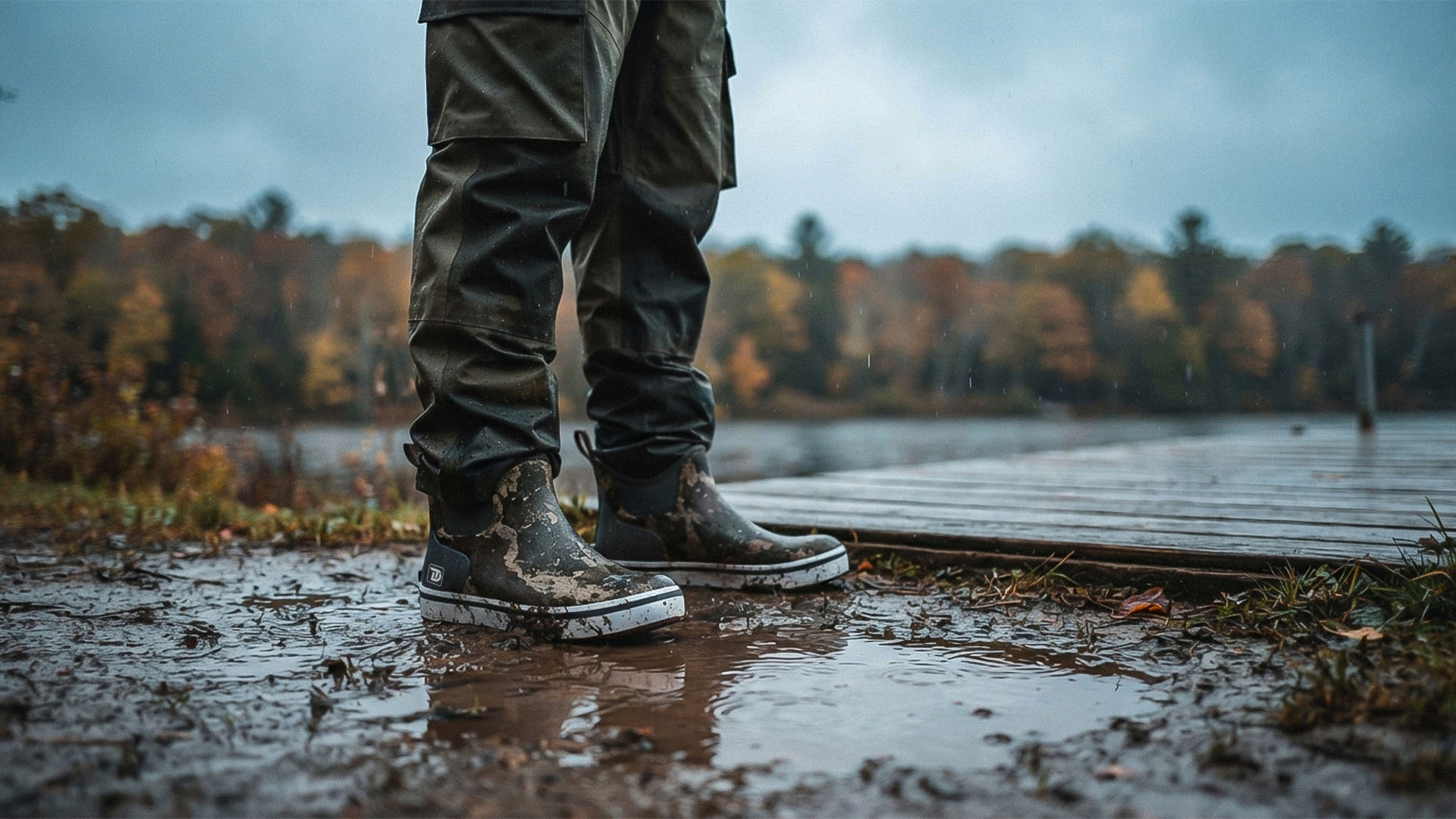
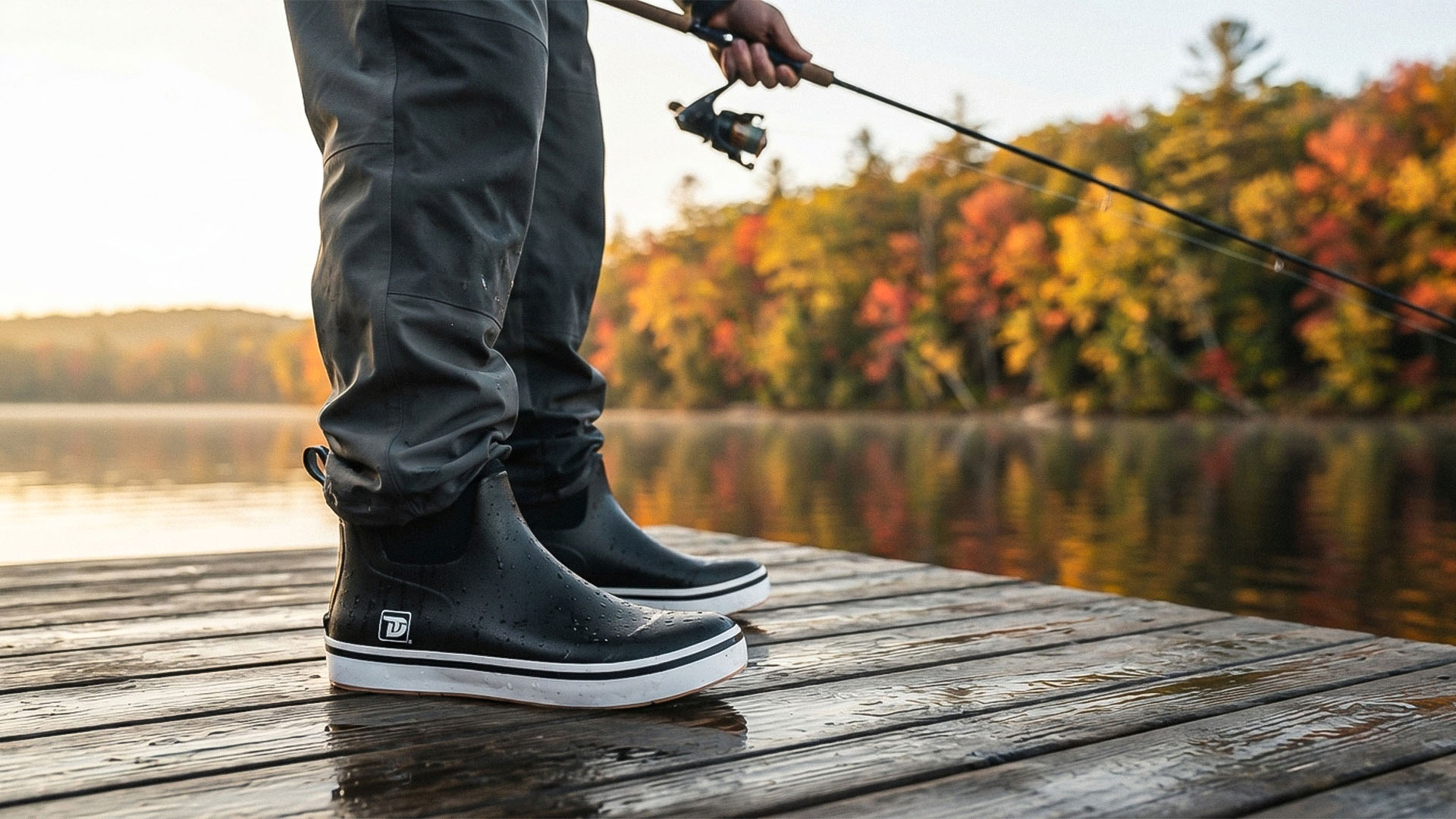
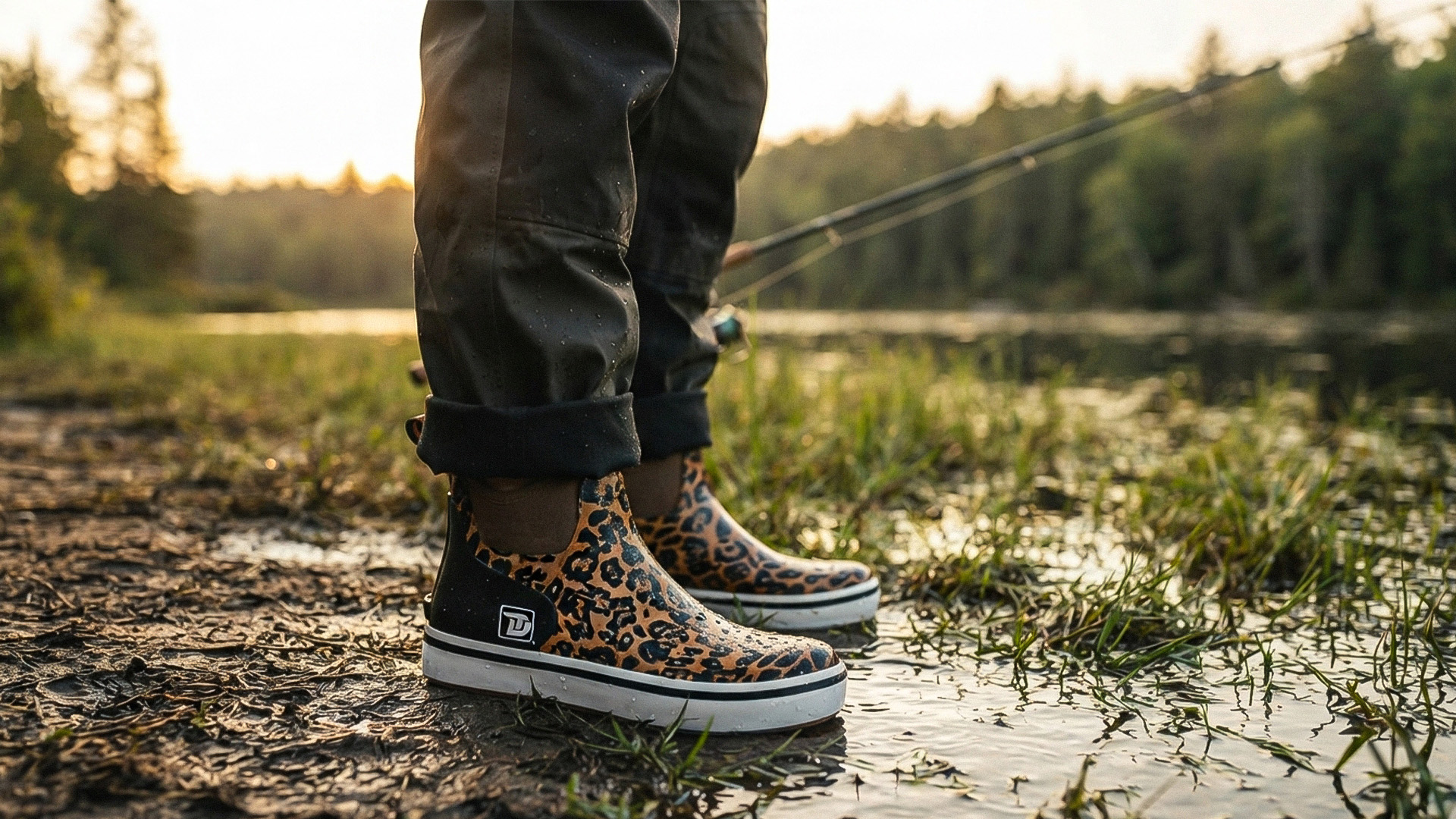
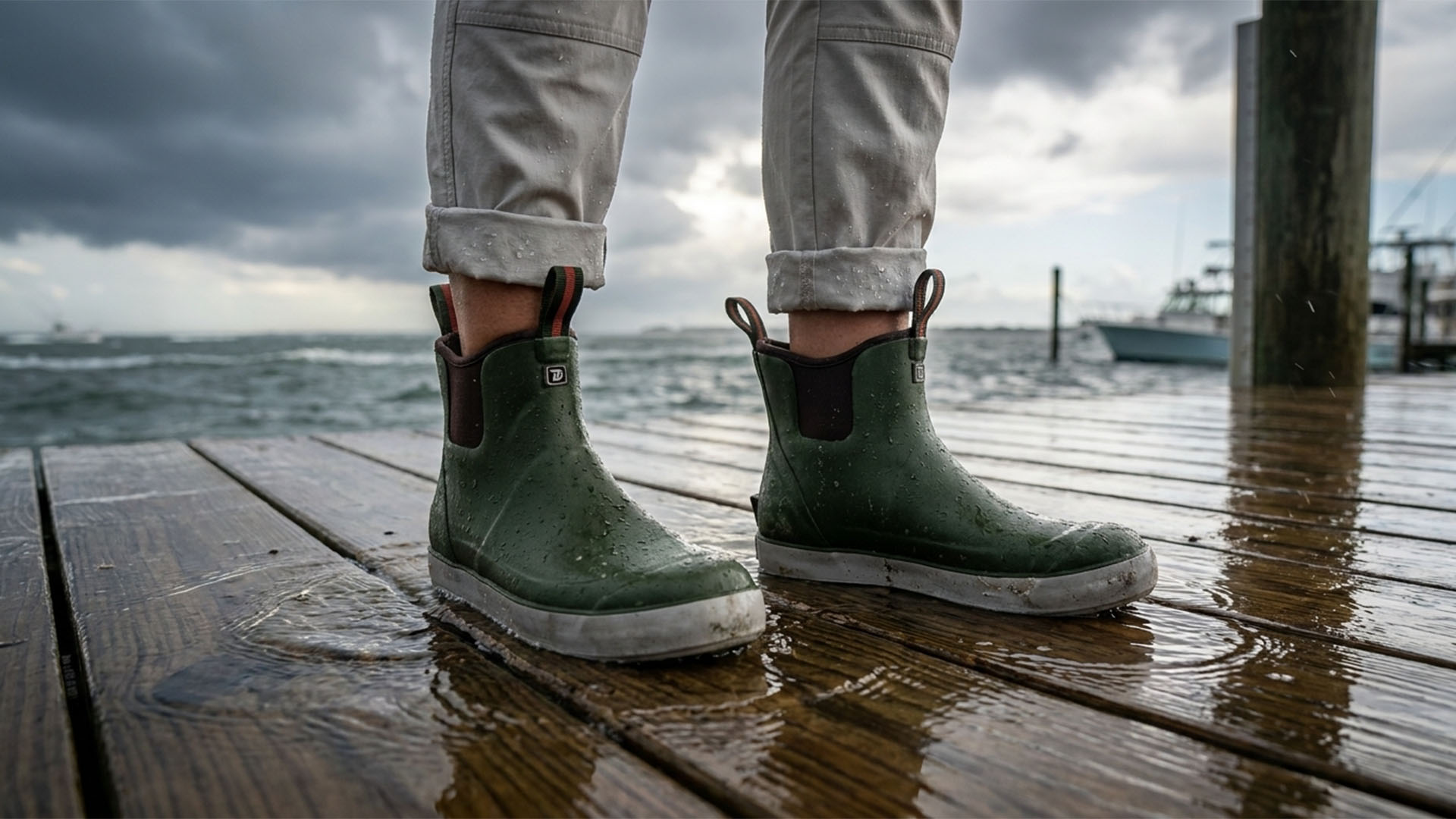
Deck boots are one of the most practical footwear choices for boat cleaning because they are waterproof, easy to rinse, protective, and designed for wet marine environments. They help keep your socks and feet away from hose water, fish residue, shallow puddles, and dirty runoff while providing more coverage than sneakers or sandals.
However, deck boots are not completely slip-proof.
Soap, fish slime, algae, oil, and wet smooth surfaces can still create hazards. The right boots help, but safe boat cleaning also depends on deck condition, cleaning order, hose control, outsole maintenance, and careful movement.
This guide explains why deck boots are good for boat cleaning, what features matter most, how to stay safer during washdowns, how to clean your boots afterward, and when another type of footwear may be better.
Why Boat Cleaning Requires Proper Footwear
Cleaning a boat after fishing is different from washing a car in the driveway.
A boat deck may include:
- Molded fiberglass
- Aluminum
- Synthetic marine decking
- Teak
- Rubber mats
- Painted surfaces
- Concrete dock access
- Wet ramps
- Fish boxes
- Cooler lids
- Hatch edges
- Raised steps
During cleanup, these surfaces may be covered with:
- Hose water
- Saltwater
- Fish slime
- Blood
- Bait oil
- Scales
- Mud
- Soap
- Cleaner residue
- Ice melt
- Sunscreen
- Fuel or oil traces
Ordinary shoes can become soaked quickly.
Sandals leave toes exposed.
Bare feet are risky around hooks, fish spines, knives, cleats, rough non-skid texture, hot surfaces, and cleaning chemicals.
Deck boots solve many of these problems by giving anglers a waterproof, closed-toe, easy-clean option for wet cleanup work.
Why Deck Boots Work Well for Boat Washdowns
Deck boots are useful during washdowns because they protect against water from multiple directions.
During boat cleaning, water may come from:
- Washdown hoses
- Buckets
- Spray nozzles
- Rain
- Drains
- Fish boxes
- Coolers
- Livewells
- Bilge discharge areas
- Dock puddles
Waterproof deck boots help prevent this water from soaking your socks and shoes.
They are also easier to clean than fabric footwear.
After a messy washdown, molded deck boots can usually be rinsed with fresh water, brushed at the outsole, and dried with airflow.
Fabric sneakers may hold fish odor, soap residue, and saltwater much longer.
Deck Boots vs. Sneakers for Boat Cleaning
Sneakers may feel comfortable before cleanup begins, but they are usually not the best choice for washing a boat.
Regular sneakers can:
- Absorb dirty water
- Stay wet for hours
- Hold fish odor
- Stain from blood or bait
- Trap soap and slime in fabric
- Become heavy when soaked
- Dry slowly
- Offer limited protection during washdowns
Deck boots are usually better because they:
- Keep outside water away
- Rinse clean more easily
- Protect the toes
- Handle fish residue better
- Reduce water absorption
- Work better around shallow puddles
- Keep socks cleaner
If you care about your sneakers, do not wear them for post-fishing cleanup.
Deck Boots vs. Sandals for Boat Cleaning
Sandals may feel cool in warm weather, but they expose your feet during a messy and potentially hazardous job.
Boat cleaning may involve:
- Hooks hidden in fish slime
- Fish spines
- Dropped knives
- Rough deck texture
- Hot dock surfaces
- Soap
- Cleaning chemicals
- Mud
- Sharp shells
- Loose hardware
Open-toe footwear provides limited protection.
Flip-flops are especially poor because they can slide, twist, or come off when the deck is wet.
Deck boots provide better coverage, better water protection, and better cleanup performance.
For serious boat cleaning, closed-toe waterproof footwear is usually the safer choice.
Deck Boots vs. Tall Rubber Boots for Boat Cleaning
Tall rubber boots provide more lower-leg coverage, but they are not always necessary.
Tall boots are useful for:
- Commercial washdowns
- Fish processing
- Deep standing water
- Heavy-duty marina work
- Cold wet work
- Cleaning large boats with constant spray
Ankle deck boots are usually better for:
- Recreational boat cleaning
- Summer washdowns
- Short cleanup sessions
- Driving
- Walking docks
- General fishing use
- Easy movement
- Less heat buildup
For most boat owners and recreational anglers, ankle deck boots offer a better balance of protection and comfort.
Choose tall boots only when the water exposure truly rises above the ankle.
Waterproof Protection Is the Main Advantage
The biggest reason to wear deck boots for boat cleaning is waterproof protection.
During cleanup, water often runs across the deck from several directions.
Your footwear may be exposed to:
- Hose spray
- Standing puddles
- Fish-box drainage
- Cooler water
- Dock puddles
- Rain
- Runoff from cleaning products
- Rinse water carrying fish residue
Deck boots help keep this water away from your feet.
This is especially valuable in cold weather, when wet socks can make your feet cold quickly.
It also matters in summer, because wet fabric shoes can develop strong odor after fish-cleaning residue soaks in.
Easy Cleaning Matters
Boat-cleaning footwear should be easy to rinse.
Deck boots usually have molded waterproof uppers that are easier to clean than fabric shoes.
After cleanup, you can rinse:
- Upper
- Sidewall
- Collar
- Pull tabs
- Heel area
- Outsole grooves
- Tread channels
This makes deck boots practical for anglers who frequently deal with fish slime, bait, blood, mud, and saltwater.
Anglers comparing easy-clean marine footwear can review TruDaveGear waterproof deck boots alongside other fishing footwear options based on waterproofing, outsole design, removable insoles, comfort, and cleanup needs.
Wet-Deck Traction Still Matters
Boat cleaning often creates slippery surfaces.
A deck may be slick from:
- Soap
- Fish slime
- Bait oil
- Algae
- Blood
- Mud
- Sunscreen
- Fuel residue
- Smooth wet fiberglass
- Standing water
Deck boots should have an outsole designed for wet hard surfaces.
Look for:
- Water-channeling grooves
- Broad contact area
- Stable heel platform
- Flexible rubber
- Cleanable tread
- Controlled forefoot flex
No boot is completely slip-proof.
The outsole helps, but deck cleanliness and careful movement are still essential.
Soap Is More Slippery Than Plain Water
Soap can make a deck surprisingly slick.
During washdowns, many slips happen not because of water alone, but because cleaner residue forms a thin film on the surface.
To reduce risk:
- Use the recommended amount of cleaner
- Work in small sections
- Rinse thoroughly
- Avoid stepping backward without looking
- Keep one stable dry area when possible
- Do not rush
- Keep hoses organized
- Use handholds when available
Even high-quality deck boots can slide on concentrated soap.
The safest approach is to control the cleaning process, not rely only on footwear.
Fish Slime Is a Serious Traction Hazard
Fish slime is one of the worst substances on a boat deck.
It can fill non-skid texture and reduce outsole contact.
Fish slime may be found around:
- Cockpit floors
- Fish boxes
- Cooler lids
- Bait stations
- Transom areas
- Cleaning tables
- Landing zones
- Deck drains
A quick rinse may spread slime without fully removing it.
Use a compatible cleaner and deck brush when needed.
Deck boots help protect your feet, but fish slime should still be cleaned as soon as practical.
Bait Oil and Chum Residue
Bait oil can create a slick film that is difficult to see.
Common sources include:
- Cut bait
- Sardines
- Mackerel
- Menhaden
- Squid
- Shrimp
- Chum
- Artificial scent
- Bait bags
- Cooler drainage
Bait residue can also pack into boot tread.
After cleaning bait-heavy areas, rinse your deck boots and brush the outsole before walking into vehicles, garages, or clean storage spaces.
Boat Cleaning on Fiberglass Decks
Fiberglass is common on fishing boats.
Molded non-skid fiberglass may look grippy, but it can become slippery when the texture fills with slime, soap, or sunscreen.
When cleaning fiberglass:
- Use a compatible marine cleaner
- Avoid excessive abrasive scrubbing
- Use a suitable soft or medium deck brush
- Rinse all soap residue
- Avoid ordinary wax on walking surfaces
- Watch for polished high-traffic areas
Deck boots with marine-style outsoles are useful on wet fiberglass, but traction depends on keeping both the deck and outsole clean.
Boat Cleaning on Aluminum Decks
Aluminum decks are common on jon boats, utility boats, and small fishing boats.
Aluminum may become slippery from:
- Mud
- Fish slime
- Rain
- Soap
- Fuel residue
- Boat-ramp algae
- Bait oil
Deck boots can work well, especially when the outsole remains clean.
Before stepping into an aluminum boat, remove mud from your boots.
Mud packed into tread grooves can reduce contact with the deck.
Avoid cleaners that are not compatible with aluminum or its coating.
Boat Cleaning on Synthetic Decking
Synthetic marine decking may provide comfort and traction, but it requires proper care.
Some materials may be damaged by:
- Harsh solvents
- Strong chemicals
- High-pressure washing
- Aggressive brushes
- Fuel
- Sharp tools
- Excessive heat
Follow the decking manufacturer’s instructions.
Deck boots are useful during cleanup, but avoid dragging sharp debris or gravel-filled tread across softer deck materials.
Rinse footwear before walking across delicate synthetic surfaces when possible.
Boat Cleaning on Teak
Teak requires more careful cleaning than molded fiberglass.
Aggressive scrubbing can damage wood grain.
Harsh cleaners can discolor or weaken the surface.
When cleaning teak:
- Follow manufacturer guidance
- Use teak-compatible products
- Avoid hard cross-grain scrubbing
- Rinse thoroughly
- Avoid oily household treatments on walking areas
Deck boots may protect your feet during teak cleaning, but make sure the outsole is clean and free of gravel or embedded debris.
Boat Cleaning Around Rubber Mats
Rubber mats can improve comfort, but they can also trap water and slime underneath.
During cleaning:
- Lift removable mats when appropriate
- Clean the top surface
- Clean the underside
- Rinse the deck beneath
- Allow both surfaces to dry
- Inspect for curled edges
- Replace damaged or unstable mats
Deck boots help protect your feet while handling dirty mats, but mats themselves must remain secure.
A sliding mat can create a hazard even when your boots have good tread.
Keep Boot Tread Clean During Cleanup
Deck boot traction depends on clean tread.
During boat cleaning, outsole grooves may collect:
- Fish scales
- Bait
- Mud
- Gravel
- Seaweed
- Soap
- Fishing line
- Small hooks
- Grass
- Algae
Before walking onto a clean deck or into your vehicle, check the outsole.
Use a boot brush or hose to clean the grooves.
Do not use bare fingers to dig through tread until you have checked for hooks or sharp objects.
Watch for Hidden Hooks
Boat cleaning often reveals hooks that were missed during the trip.
Hooks may hide in:
- Fish slime
- Deck corners
- Tackle scraps
- Towels
- Landing nets
- Drain areas
- Boot tread
- Bait residue
- Fishing line loops
Deck boots provide more protection than sandals, but most recreational deck boots are not puncture-proof.
Inspect the area before stepping or kneeling.
Store hooks and lures before using a hose.
Closed-Toe Protection Is Important
A closed-toe boot helps protect against common cleanup hazards.
These may include:
- Dropped pliers
- Lead sinkers
- Fish spines
- Gaff tips
- Knives
- Cooler corners
- Dock cleats
- Rod butts
- Trailer hardware
- Broken shells
Deck boots do not replace safety-toe work boots when certified protection is required.
However, for recreational boat cleaning, they provide much more protection than sandals or bare feet.
Comfort During Long Washdowns
Cleaning a boat can take longer than expected.
A large offshore cleanup may involve:
- Scrubbing decks
- Rinsing fish boxes
- Cleaning coolers
- Washing rods
- Rinsing reels carefully
- Cleaning boots
- Opening hatches
- Drying gear
- Emptying tackle bags
- Cleaning vehicle trays
This can mean long standing on hard surfaces.
Deck boots should offer enough cushioning and support for the full cleanup, not just the fishing trip.
Look for stable cushioning, removable insoles, and a secure heel fit.
Heel and Arch Support
Boat cleaning involves standing, bending, squatting, and shifting weight.
Poor support may lead to:
- Heel pain
- Arch fatigue
- Forefoot pressure
- Knee tiredness
- Lower-back fatigue
- Foot soreness after cleanup
A good deck boot should have a supportive footbed or removable insole.
If the factory insole is flat or worn, a suitable replacement may improve comfort.
The insole should not make the boot too tight.
Removable Insoles Are Useful for Boat Cleaning
Removable insoles are especially helpful after wet cleanup work.
They allow you to:
- Dry the boot faster
- Remove trapped sweat
- Clean odor-producing material
- Replace worn cushioning
- Adjust support
- Inspect moisture inside the boot
After washing the boat, take the insoles out and dry them separately.
A waterproof boot can still smell bad if the insole stays damp inside.
Fit Matters for Safety
A deck boot should fit securely during cleanup.
If the boot is too loose, your foot may slide inside while the outsole stays planted.
This can cause:
- Heel slip
- Foot rotation
- Toe gripping
- Sock bunching
- Blisters
- Reduced balance
- Less control on wet decks
If the boot is too tight, it may cause:
- Toe pressure
- Instep pain
- Numbness
- Poor circulation
- Difficulty removing boots
The correct fit is secure, stable, and comfortable.
Sock Choice During Boat Cleaning
Wear socks even during summer cleanup.
Good deck boot socks should be:
- Moisture-wicking
- Crew height
- Smooth underfoot
- Low to medium bulk
- Fast drying
- Secure around the heel
Good materials include synthetic blends, merino wool, and merino-synthetic blends.
Avoid cotton socks.
Cotton holds water and sweat, stretches when wet, and dries slowly.
For ankle deck boots, crew socks also help prevent collar rubbing.
Do Not Wear Deck Boots Barefoot for Cleanup
Barefoot deck boot use may seem convenient, but it can create problems.
Without socks, you may experience:
- More sweat inside the boot
- More odor
- Heel rubbing
- Ankle irritation
- Blisters
- Skin softness
- More difficult cleaning
Socks create a washable barrier between your foot and the boot.
They also improve comfort during longer cleanup sessions.
Rain Pants and Bibs During Boat Cleaning
If you wear rain pants or fishing bibs during cleanup, keep the pant legs outside the boot openings.
This helps water run down the outside of the boots.
Do not tuck rain pants inside deck boots.
Tucking pants inside can direct washdown water directly into the boot.
Wet socks are uncomfortable and can become cold quickly in cooler weather.
Hose Management
A washdown hose can create both slipping and tripping hazards.
During cleanup:
- Keep the hose away from your feet
- Avoid loops around boots
- Do not step backward over the hose
- Coil the hose after use
- Control the nozzle
- Avoid spraying people
- Keep the hose away from electrical areas
- Watch where water is draining
Even good boots cannot prevent a trip over a loose hose.
Good deck safety includes organization.
Work in Sections
Cleaning the entire boat at once can spread soap and slime everywhere.
Instead, work in sections:
- Rinse loose salt and debris.
- Clean one area with diluted cleaner.
- Brush as needed.
- Rinse completely.
- Move to the next section.
This keeps the deck more controlled and reduces the amount of slippery cleaner underfoot.
It also prevents soap from drying on the surface.
Clean From High to Low
Whenever practical, clean higher areas first.
A useful order may be:
- Console and hard surfaces
- Gunwales
- Seats and leaning posts
- Fish-box lids
- Cockpit walls
- Deck
- Scuppers and drains
- Swim platform
- Footwear and tools
This prevents dirty water from running over areas you already cleaned.
It also helps you control where you stand.
Clear the Deck Before Washing
Before spraying water, remove or secure:
- Hooks
- Knives
- Pliers
- Tackle boxes
- Rods
- Loose line
- Towels
- Food trash
- Bait packaging
- Clothing
- Electronics
- Personal bags
Water can move small objects around the deck.
Sharp items become harder to see once everything is wet.
Deck boots help, but they are not a substitute for clearing hazards.
Clear Drains and Scuppers
Boat cleaning creates large amounts of water.
Make sure drains and scuppers are clear.
Remove:
- Scales
- Bait
- Fishing line
- Seaweed
- Plastic
- Leaves
- Mud
- Food waste
Do not push debris deeper into the drain.
Collect and dispose of solid waste properly.
Standing water increases slipping risk and makes cleaning slower.
Avoid Harsh Chemicals on Boots and Decks
Not every cleaner is safe for every surface.
Harsh chemicals may damage:
- Boat decking
- Gelcoat
- Synthetic foam decking
- Rubber mats
- Sealants
- Metal hardware
- Boot materials
- Boot adhesives
- Insoles
Use cleaning products that are compatible with the boat and footwear.
Do not mix cleaners.
Never combine unknown chemicals.
Rinse thoroughly before applying a different product.
Avoid Tire Shine and Silicone Products
Do not apply tire shine, silicone spray, oil, wax, or glossy rubber treatments to boot soles or deck walking surfaces.
These products may make surfaces slippery.
Avoid applying them to:
- Boot outsoles
- Deck surfaces
- Steps
- Swim platforms
- Pedals
- Grab points
- Rubber mats used for standing
If a product makes something look shiny, ask whether it also reduces traction.
For boat cleaning, grip matters more than gloss.
Pressure Washing and Footwear
Pressure washing can be useful for some surfaces, but it can also damage materials if used incorrectly.
When pressure washing is allowed, protect your feet from rebound spray and debris.
Be careful around:
- Electrical areas
- Seams
- Decals
- Synthetic decking edges
- Upholstery
- Gelcoat
- Wood
- Loose hardware
- People and pets
Deck boots protect against water, but they do not protect against every pressure-washing hazard.
Follow equipment and boat manufacturer instructions.
Hot-Weather Boat Cleaning
Summer cleanup can make waterproof footwear feel warm.
For hot weather, choose:
- Uninsulated deck boots
- Lightweight moisture-wicking socks
- Ankle height when possible
- Removable insoles
- Breathable clothing
- Safe short breaks
- Shade when available
Do not size up for airflow.
A loose boot can reduce stability and increase friction.
If the cleanup is mostly dry and extremely hot, fishing shoes may feel cooler, but deck boots are usually better when hose water and fish residue are involved.
Cold-Weather Boat Cleaning
Cold-weather cleanup requires waterproof protection and warmth.
Wet socks can become uncomfortable quickly.
For winter or cold rain, wear:
- Waterproof deck boots
- Merino or synthetic socks
- Rain pants or bibs outside the boot opening
- Warm base layer
- Waterproof jacket
- Gloves
Do not use boots that are too tight with winter socks.
Compression can make feet colder.
After cleanup, dry the boots and insoles completely.
Boat Cleaning After Offshore Fishing
Offshore trips usually create heavier mess.
The deck may contain:
- Tuna blood
- Snapper scales
- Mahi slime
- Bait oil
- Squid residue
- Chum
- Salt spray
- Ice melt
- Fish-box drainage
Deck boots are especially useful after offshore fishing because cleanup may require extended exposure to water and organic residue.
A molded waterproof boot is much easier to rinse than a soaked sneaker.
Boat Cleaning After Inshore Fishing
Inshore boats may be smaller, but cleanup can still be messy.
Common inshore contaminants include:
- Mud
- Marsh grass
- Shrimp
- Bait water
- Blood
- Fish slime
- Ramp algae
- Sand
- Livewell water
Deck boots are useful around muddy ramps, wet jon boats, and fish-cleaning stations.
If the boat is mostly dry and the weather is hot, fishing shoes may also work.
Cleaning Fish Boxes and Coolers
Fish boxes and coolers often produce dirty drainage water.
When cleaning them, deck boots protect against:
- Melted ice
- Fish blood
- Slime
- Cooler runoff
- Drainage splash
- Soap water
Clean gaskets, corners, drain plugs, and lid undersides.
Do not stand barefoot near fish boxes during cleanup.
Hidden hooks, fish spines, and sharp ice fragments may be present.
Cleaning Around Boat Ramps
Boat ramps add mud and algae to the cleanup environment.
Deck boots are useful because they handle:
- Wet concrete
- Shallow puddles
- Mud
- Boat-ramp grime
- Trailer splash
- Algae
- Wet dock boards
Be cautious around submerged ramp sections.
Algae-covered concrete can be extremely slippery.
Marine deck boots are helpful but not guaranteed on every ramp surface.
Cleaning at the Marina
Marina cleanup areas may include:
- Wet concrete
- Fuel residue
- Fish-cleaning tables
- Dock hoses
- Other anglers’ runoff
- Algae near edges
- Trash
- Fish scales
- Ice
Deck boots protect your feet from messy shared surfaces.
Still, avoid walking through oily areas or chemical runoff.
If your boots contact fuel, oil, or harsh chemicals, clean them according to manufacturer guidance.
Cleaning Your Deck Boots After Boat Cleaning
After washing the boat, clean the boots too.
A simple process:
- Rinse the upper with fresh water.
- Brush off fish slime, mud, and bait residue.
- Clean the outsole grooves.
- Check for hooks or fishing line.
- Remove the insoles.
- Wash insoles if needed.
- Wipe the interior if damp.
- Dry everything with airflow.
Do not put dirty boots directly into your vehicle without rinsing or containing them.
Drying Deck Boots After Washdowns
Waterproof boots can still hold moisture inside.
After cleanup:
- Remove insoles
- Drain any water
- Wipe the interior
- Dry with gentle airflow
- Keep the opening unobstructed
- Dry insoles separately
- Store only when fully dry
Avoid:
- Clothes dryers
- Radiators
- Space heaters
- Open flames
- Direct high heat
- Sealed hot vehicles
High heat can damage waterproof materials, foam, adhesives, and boot shape.
Preventing Boot Odor After Boat Cleaning
Boat-cleaning odor usually comes from moisture plus organic residue.
To reduce odor:
- Wear socks
- Avoid barefoot use
- Rinse fish residue
- Remove insoles
- Dry boots fully
- Clean boot tread
- Do not store wet boots in gear bags
- Keep boots out of hot sealed vehicles
- Rotate footwear when possible
Fragrance sprays only mask odor.
Cleaning and drying remove the cause.
Transporting Dirty Deck Boots
After a long cleanup, your boots may still be wet or dirty.
Use:
- Washable boot tray
- Plastic bin
- Cargo liner
- Rubber floor mat
- Dedicated gear tote
Avoid placing dirty boots on carpet or clean vehicle seats.
Do not seal wet boots in a plastic bag for long periods.
A sealed bag traps odor and moisture.
When Deck Boots Are Not Enough
Deck boots are practical for many boat-cleaning tasks, but they are not the right choice for every job.
You may need specialized footwear when the work involves:
- Heavy equipment
- Chemical exposure
- Commercial processing
- Workplace safety requirements
- Puncture hazards
- Safety-toe requirements
- Electrical hazards
- Deep standing water
- Ice
- Sharp metal
Recreational deck boots are not always certified work boots.
Follow workplace rules and safety standards when applicable.
Best Deck Boot Features for Boat Cleaning
Look for these features:
Waterproof Upper
Protects against hose water, washdowns, and puddles.
Easy-Clean Surface
Allows fish slime, mud, and soap residue to rinse away.
Wet-Deck Outsole
Improves traction on wet hard surfaces.
Closed Toe
Protects against common cleanup hazards.
Removable Insole
Improves drying, cleaning, and odor control.
Secure Heel Fit
Reduces slipping inside the boot.
Comfortable Cushioning
Helps during long cleanup sessions.
Ankle Height
Usually enough for recreational washdowns while staying mobile.
Good Sock Compatibility
Allows moisture-wicking socks without tightness.
Features to Avoid
Avoid boat-cleaning footwear that has:
- Smooth worn soles
- Absorbent fabric uppers
- Open toes
- Poor heel security
- Non-removable damp insoles
- Heavy insulation in hot weather
- Hard uncomfortable footbeds
- Loose sandal-style fit
- Difficult-to-clean tread
- Materials not suited for wet marine use
The wrong footwear can make a simple cleanup uncomfortable or unsafe.
Boat Cleaning Footwear Checklist
Before cleaning, check:
- Are hooks and tools removed?
- Are boot soles clean?
- Are socks appropriate?
- Are rain pants outside the boot opening?
- Is the hose controlled?
- Are drains clear?
- Is the cleaner compatible?
- Is the deck too soapy?
- Are mats secure?
- Are oily areas avoided?
- Is there a safe dry exit path?
After cleaning, check:
- Are boot treads free of fish residue?
- Are insoles removed?
- Are boots drying with airflow?
- Is dirty water out of the vehicle?
- Are socks washed?
- Is gear stored dry?
Common Boat Cleaning Footwear Mistakes
Wearing Flip-Flops
They provide poor protection and poor stability.
Wearing Sneakers
They absorb water, fish odor, and soap.
Going Barefoot
Hooks, fish spines, and rough surfaces create injury risk.
Wearing Cotton Socks
Cotton holds moisture and dries slowly.
Tucking Rain Pants Inside Boots
Water runs directly into the boots.
Ignoring Soap Residue
Soap makes decks very slippery.
Forgetting to Clean Boot Tread
Fish slime and mud reduce traction.
Leaving Insoles Inside
Boots dry slowly and smell worse.
Using Glossy Rubber Products
Tire shine and silicone can make soles slippery.
Assuming Boots Are Slip-Proof
No footwear eliminates slip risk.
Final Thoughts
Deck boots are an excellent choice for boat cleaning because they provide waterproof protection, closed-toe coverage, easy cleanup, and practical wet-deck performance.
They are especially useful after fishing trips involving saltwater, fish slime, bait, blood, mud, cooler drainage, washdowns, and wet marina surfaces.
Compared with sneakers, deck boots absorb less water and are much easier to rinse.
Compared with sandals, they provide much better protection from hooks, fish spines, dropped tools, and dirty runoff.
Compared with tall rubber boots, ankle deck boots are usually lighter, cooler, and easier to move in for recreational boat cleaning.
The best deck boots for washdowns should have a waterproof upper, marine-focused outsole, removable insoles, comfortable cushioning, secure heel fit, and easy-clean materials.
However, deck boots are not completely slip-proof.
Soap, fish slime, bait oil, algae, fuel residue, and ice can still create serious hazards.
Use the correct cleaning products, rinse thoroughly, control the hose, keep drains clear, remove hooks before spraying, and move carefully.
After cleaning the boat, clean the boots too.
Rinse fish residue, brush the outsole, remove the insoles, and dry everything with gentle airflow.
Good boat-cleaning footwear keeps your feet protected, your vehicle cleaner, and your next fishing trip easier to prepare for.
Frequently Asked Questions
Are deck boots good for boat cleaning?
Yes. Deck boots are useful for boat cleaning because they are waterproof, closed-toe, easy to rinse, and practical around hose water, fish slime, bait residue, and wet decks.
What footwear should I wear when washing a boat?
Wear secure closed-toe waterproof footwear with wet-deck traction. Deck boots are a strong choice for most recreational boat washdowns.
Can I wear sneakers while cleaning a boat?
You can, but sneakers absorb water, hold fish odor, dry slowly, and are harder to clean after exposure to slime, bait, and soap.
Are sandals okay for boat cleaning?
Sandals are not ideal because they leave your toes exposed to hooks, fish spines, dropped tools, rough surfaces, and dirty runoff.
Are deck boots slip-proof on soapy decks?
No. Deck boots can improve traction, but soap can make any deck slippery. Rinse thoroughly and move carefully.
Do deck boots protect against fish slime?
They protect your feet from direct contact and are easier to rinse, but fish slime can still make the deck slippery.
Should I wear socks with deck boots while cleaning a boat?
Yes. Wear moisture-wicking crew socks. They reduce friction, manage sweat, and help prevent collar rubbing.
Can I wear deck boots barefoot for boat cleaning?
It is not recommended. Barefoot use can increase sweat, odor, rubbing, and blisters.
Should rain pants go inside deck boots during washdowns?
No. Rain pants and bib legs should usually go outside the boot opening so water runs down the exterior.
How do I clean deck boots after washing a boat?
Rinse with fresh water, brush the outsole, remove fish slime and mud, take out the insoles, and dry everything with airflow.
Why do deck boots smell after boat cleaning?
Odor usually comes from trapped moisture, sweat, fish slime, bait residue, or damp insoles. Clean and dry the boots completely.
Can I dry deck boots with a heater?
Avoid high heat. Use gentle airflow and remove insoles so the boots dry safely.
Are tall rubber boots better for boat cleaning?
Tall boots are better for heavy commercial washdowns or deeper water. Ankle deck boots are usually more comfortable for recreational cleaning.
Are deck boots good for cleaning fish boxes?
Yes. They protect your feet from melted ice, fish slime, blood, dirty drainage water, and washdown spray.
Can deck boots be used at marinas and boat ramps?
Yes. They work well around wet docks, muddy ramps, puddles, and fish-cleaning areas, but algae-covered ramps can still be very slippery.
What should I avoid wearing while cleaning a boat?
Avoid flip-flops, bare feet, expensive sneakers, smooth-soled shoes, cotton socks, and footwear that cannot get wet or dirty.