Meta Description: First offshore fishing trip? Learn what to bring, including clothing, deck boots, rain gear, sun protection, food, water, tackle, seasickness supplies, and personal gear.
Suggested URL Slug: what-to-bring-on-offshore-fishing-trip
Primary Keyword: what to bring on an offshore fishing trip
Secondary Keywords: offshore fishing gear list, first offshore fishing trip, what to wear offshore fishing, offshore fishing clothing, deck boots for offshore fishing, fishing charter packing list, deep sea fishing gear checklist
Search Intent: Informational / Commercial Investigation
Your first offshore fishing trip can be exciting, but packing for it is different from packing for a casual day at the lake.
Offshore conditions can change quickly. A calm, warm marina morning may turn into a windy, wet boat ride before sunrise. The deck may be covered with ocean spray, fish slime, bait water, melted ice, and washdown water. Sun exposure is stronger over open water, and once the boat leaves the dock, it is not easy to go back for forgotten gear.
The good news is that you do not need to bring every piece of fishing equipment you own.
For most first-time anglers, the best offshore packing list focuses on comfort, safety, weather protection, sun protection, seasickness prevention, dry storage, food, water, and footwear that can handle wet boat decks.
If you are joining a charter, the boat may provide rods, reels, bait, tackle, safety gear, and fish storage. If you are fishing on a private boat, your packing list may be more detailed.
This guide explains what to bring on an offshore fishing trip, what to wear, what to leave at home, and how to prepare for a full day on the water.
Start by Asking the Captain
Before packing, ask the captain or boat owner what is already provided.
Important questions include:
- Are rods and reels included?
- Is bait provided?
- Is tackle included?
- Is a fishing license covered?
- Are fish-cleaning services available?
- Is food or water provided?
- Is there a bathroom onboard?
- Is there dry storage?
- Are deck boots recommended?
- Are non-marking soles required?
- How wet does the deck usually get?
- What time should passengers arrive?
- What should not be brought onboard?
Charter boats often have limited space.
A small, organized bag is better than a large hard cooler, suitcase, or oversized backpack that blocks walkways.
Check the Weather Before You Pack
Offshore weather may feel very different from weather on land.
Check:
- Wind speed
- Wave height
- Wave period
- Rain chance
- Thunderstorm risk
- Air temperature
- Water temperature
- Morning and afternoon conditions
- Return-time forecast
Pack for the coldest, wettest, and sunniest realistic parts of the day.
Offshore trips often begin early in the morning, when wind and spray can feel cold. By afternoon, the sun may be intense.
Layering is usually the best strategy.
What to Wear Offshore Fishing
Your clothing should protect you from sun, wind, spray, fish slime, and changing temperature.
A practical offshore outfit includes:
- Moisture-wicking base layer
- Long-sleeve sun shirt
- Quick-drying fishing pants or shorts
- Waterproof jacket
- Fishing bibs or rain pants when needed
- Deck boots or marine shoes
- Moisture-wicking socks
- Hat
- Polarized sunglasses
- Neck gaiter
- Gloves when appropriate
Avoid heavy cotton clothing.
Cotton absorbs sweat and water, dries slowly, and can become uncomfortable during a long boat ride.
Base Layer
Choose a lightweight synthetic or merino-blend shirt.
A good base layer should:
- Dry quickly
- Move sweat away from the skin
- Reduce sun exposure
- Remain comfortable under rain gear
- Avoid heavy cotton
Long sleeves are usually better than short sleeves offshore because they protect against sun, wind, and light spray.
Fishing Pants or Shorts
The right choice depends on climate and boat conditions.
Quick-drying pants are useful because they protect your legs from sun, fish slime, cooler edges, and spray.
Shorts may feel better in hot weather, but they leave more skin exposed.
Look for:
- Lightweight fabric
- Stretch
- Fast drying
- Secure pockets
- Comfortable waistband
- UPF sun protection when available
Avoid jeans.
Wet denim becomes heavy and slow to dry.
Rain Jacket
Even if the forecast looks clear, bring a waterproof or water-resistant jacket.
Offshore spray can soak clothing even when it is not raining.
A good fishing jacket helps protect against:
- Wind
- Rain
- Spray
- Cold morning air
- Rough boat rides
Choose a jacket that allows movement and does not interfere with casting, reeling, or wearing a life jacket.
Fishing Bibs or Rain Pants
Fishing bibs are especially useful on wet boats.
They help keep water from running down into your clothing and boots.
Bibs are helpful when the trip involves:
- Offshore spray
- Rain
- Cold wind
- Rough seas
- Fish cleaning
- Deck washdowns
- Long boat rides
If wearing ankle deck boots, keep the bib legs outside the boot opening.
This helps water run down the outside instead of entering the boots.
Deck Boots
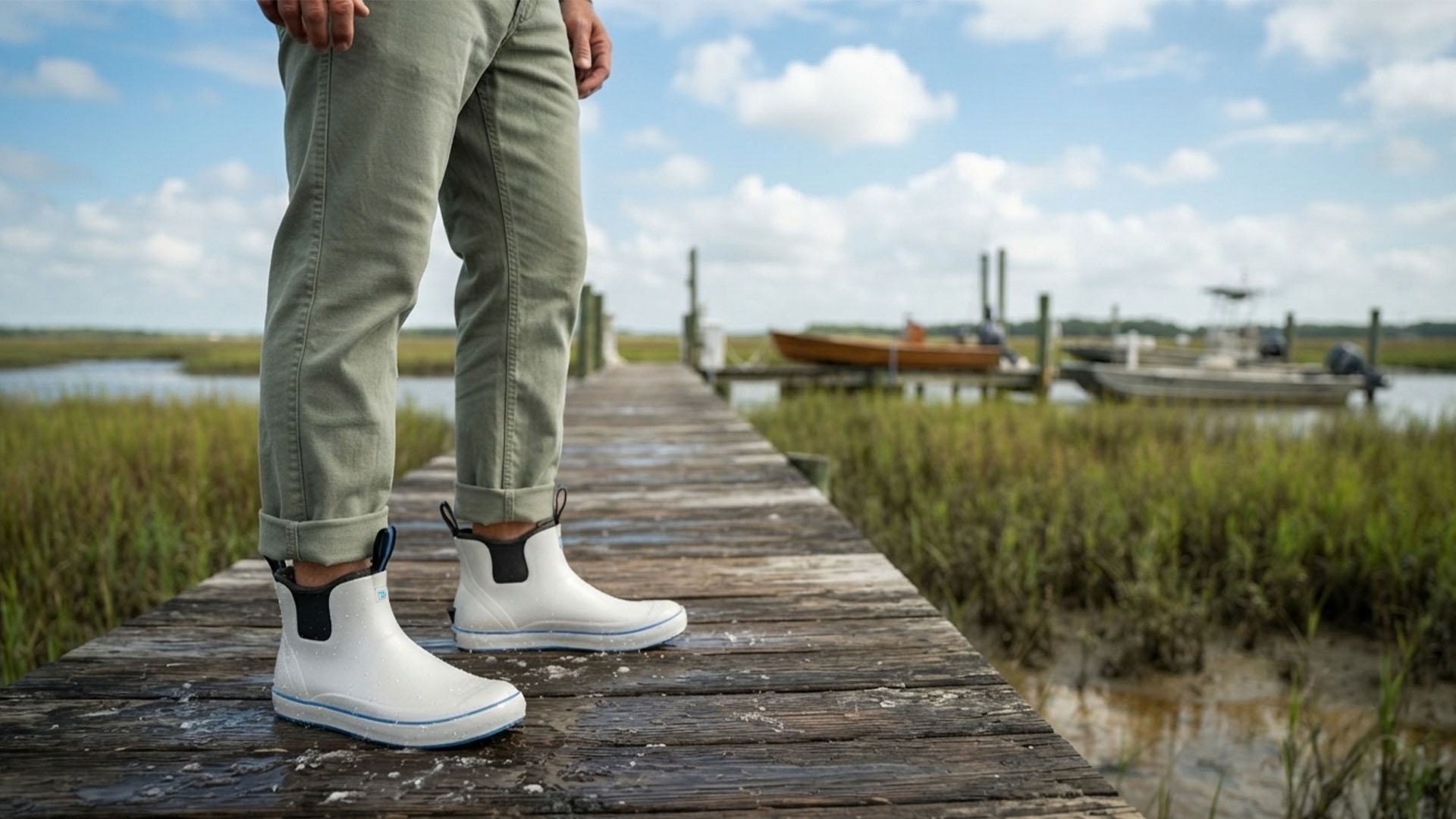
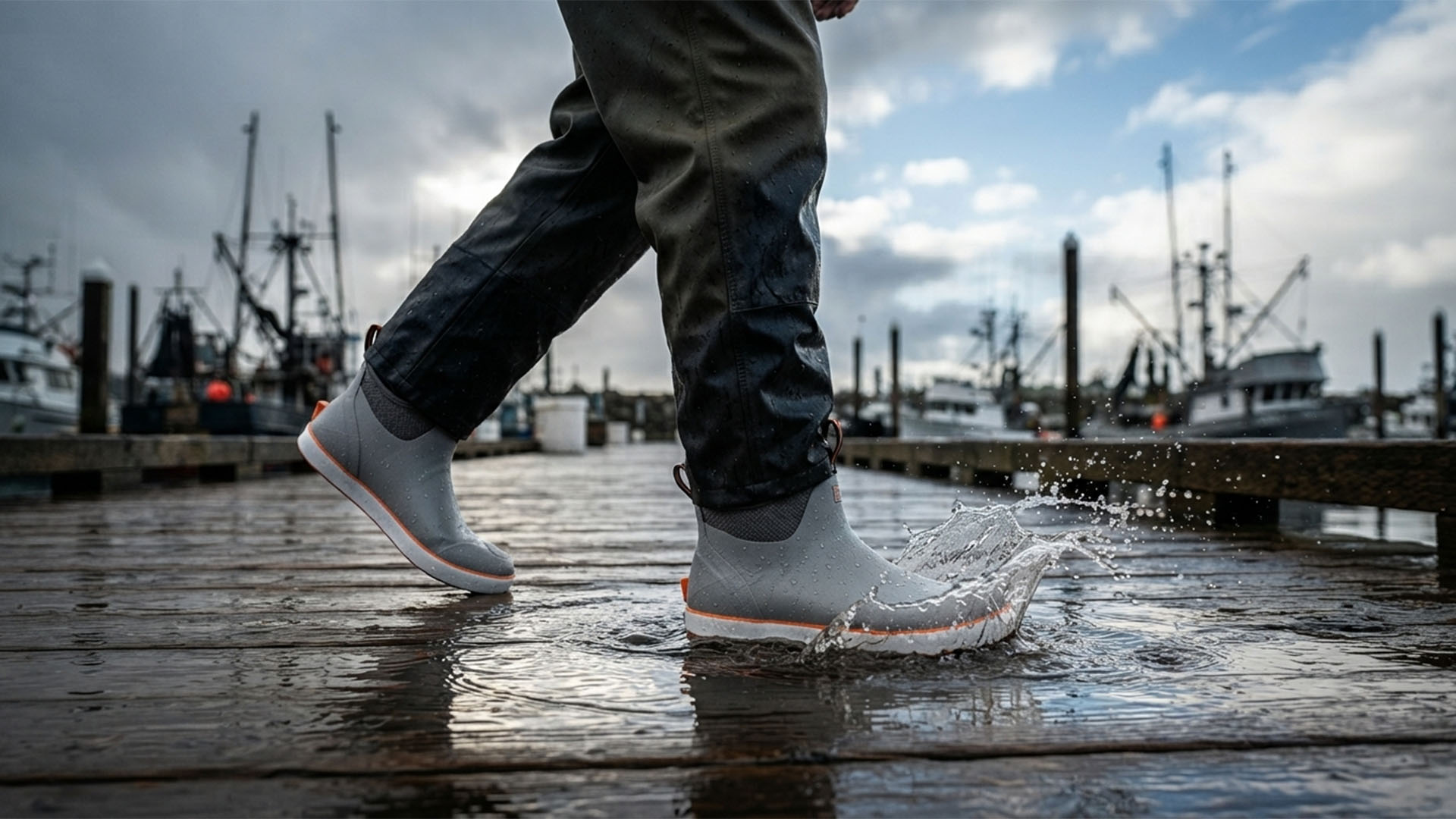
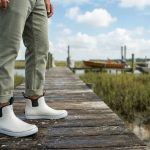
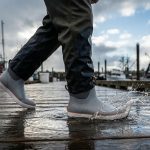
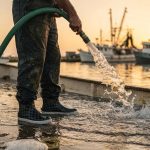
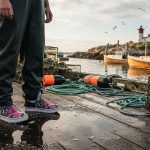
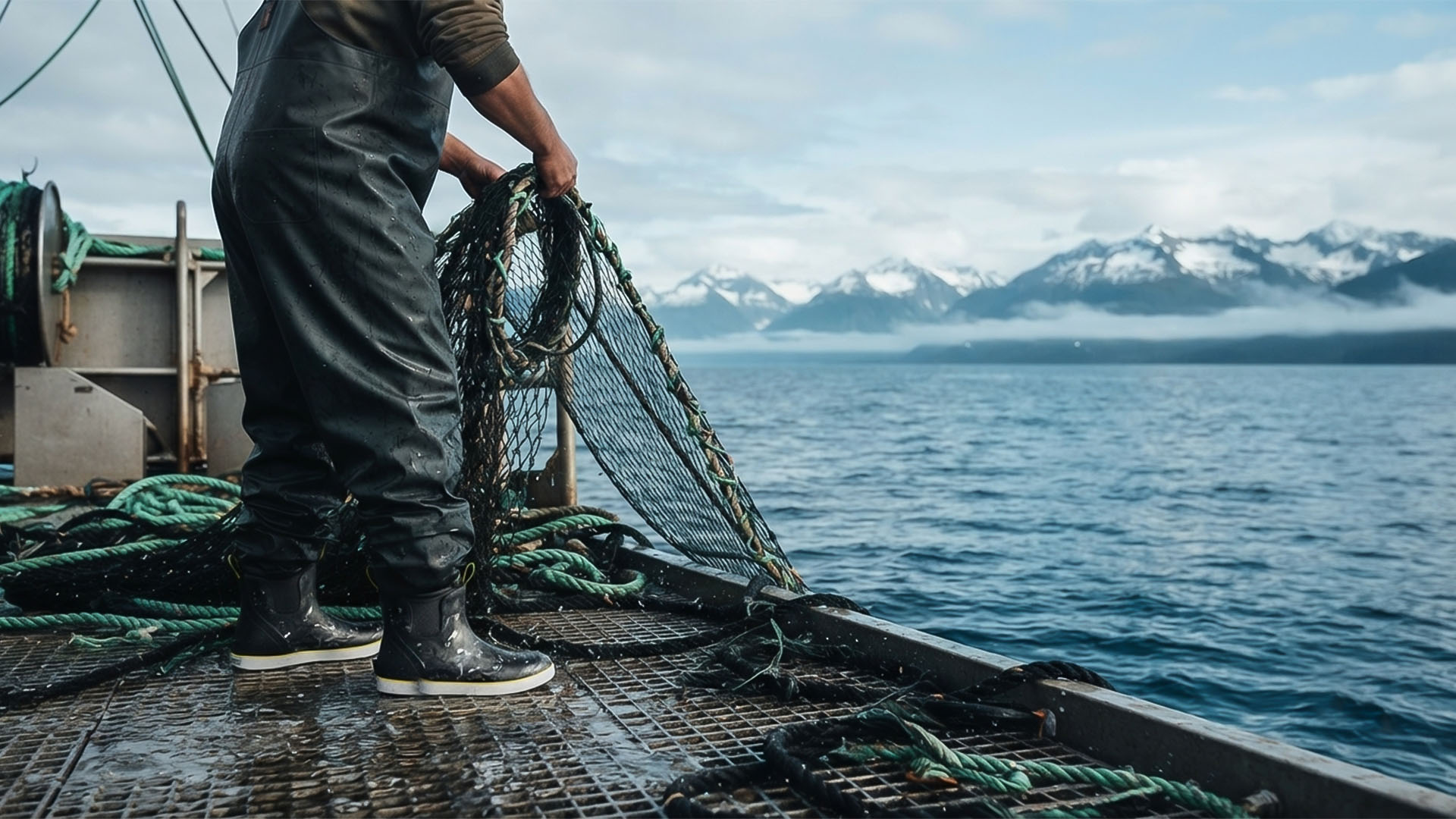
For many offshore trips, waterproof ankle deck boots are one of the best footwear choices.
They protect your feet from:
- Ocean spray
- Rain
- Wet fiberglass
- Fish slime
- Bait water
- Cooler drainage
- Shallow standing water
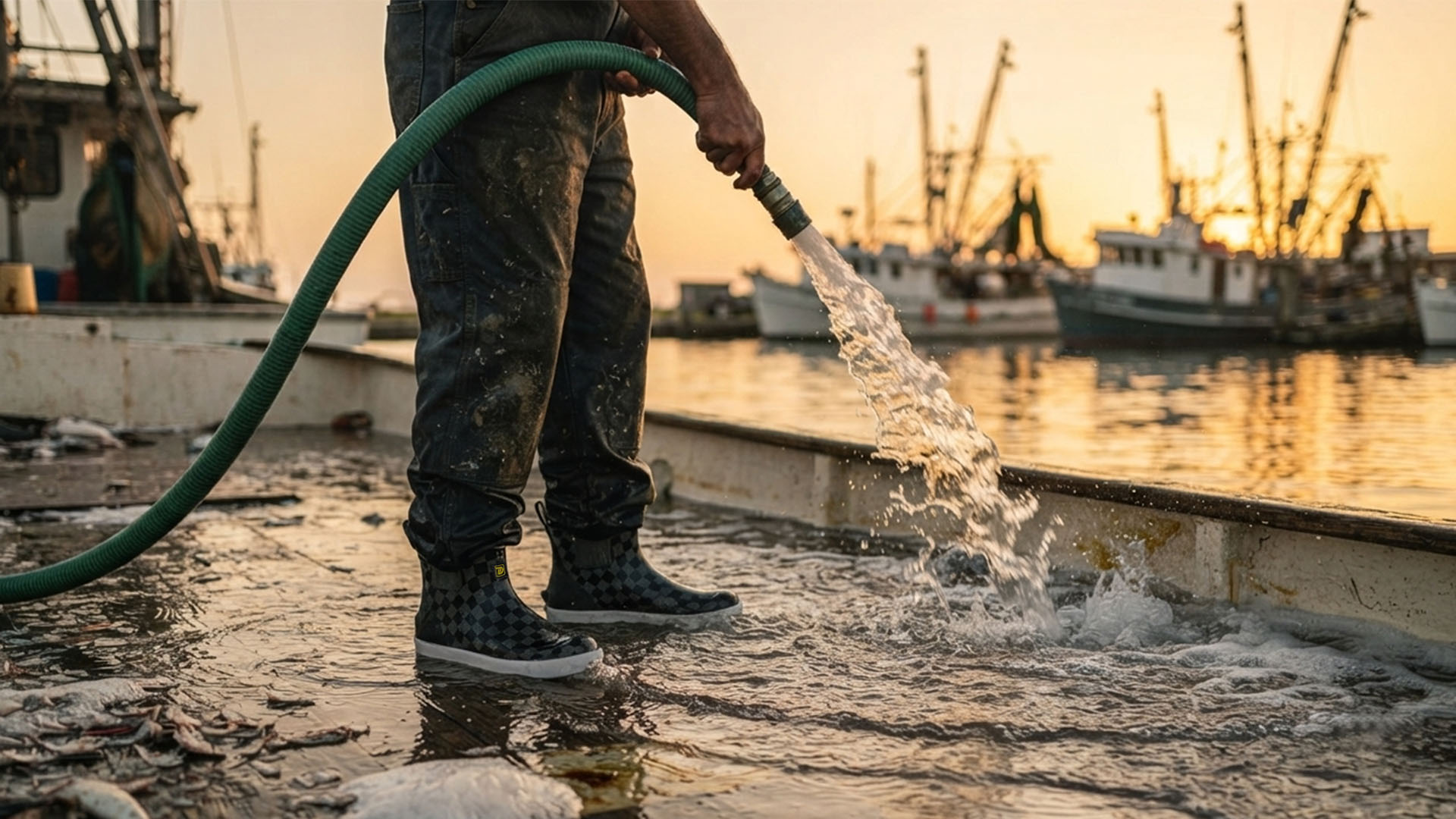
- Deck washdowns
They are also easier to clean than fabric sneakers after a messy fishing trip.
When comparing options, look for waterproof construction, wet-deck traction, stable cushioning, removable insoles, and a secure fit.
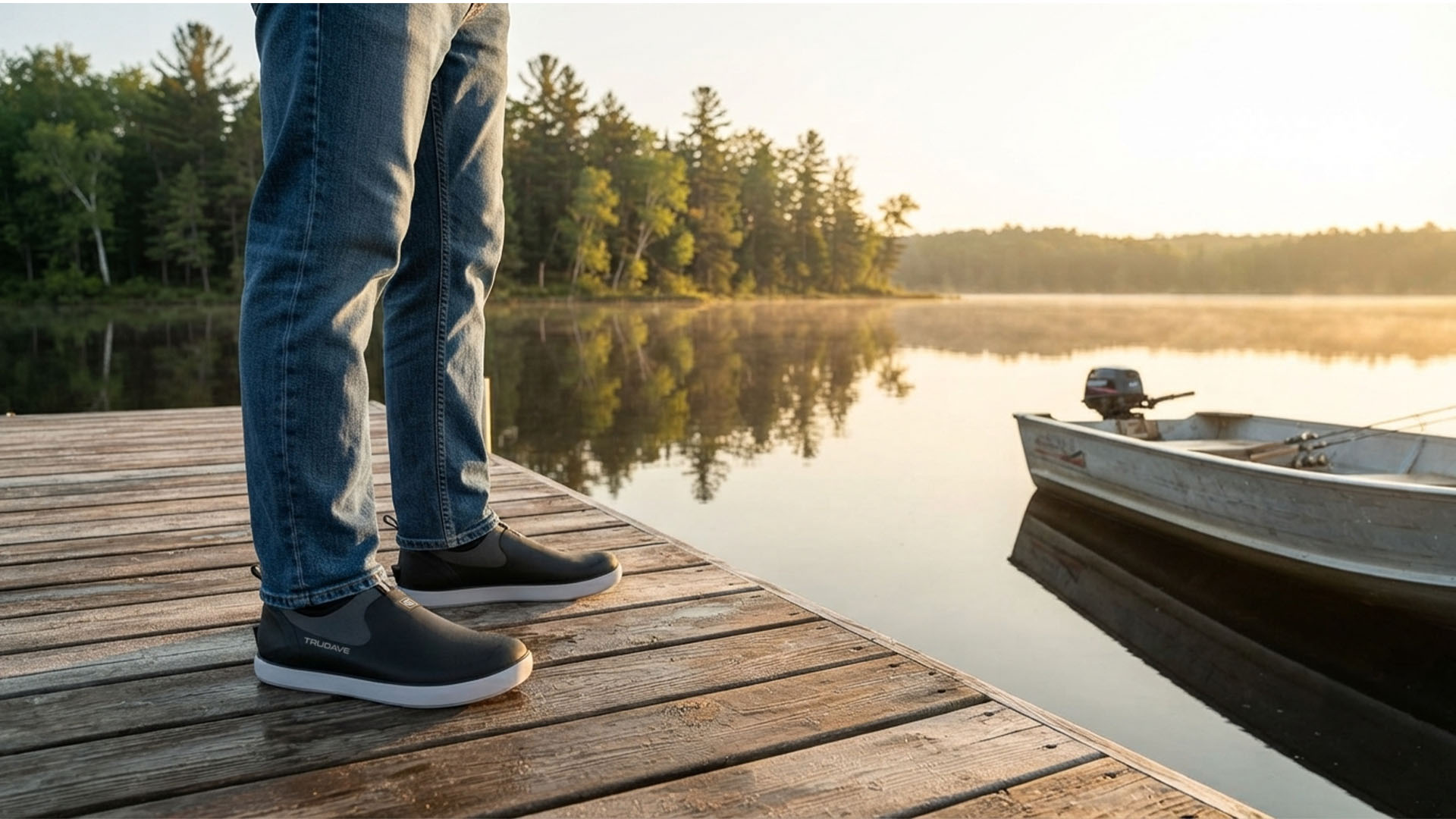
Anglers preparing for offshore fishing can review TruDaveGear waterproof deck boots alongside other marine footwear options based on boot height, outsole design, fit, comfort, and expected water exposure.
Fishing Shoes vs. Deck Boots
Fishing shoes may be better when the weather is hot and water entry is expected, such as kayak fishing, beach launches, or tropical inshore trips.
Deck boots are usually better when the goal is to keep your feet dry.
Choose deck boots for:
- Offshore fishing
- Wet boat decks
- Rain
- Spray
- Fish slime
- Washdowns
- Cold mornings
Choose quick-draining fishing shoes for:
- Hot weather
- Kayaking
- Wet wading
- Beach stops
- Long walking before boarding
For most first-time offshore anglers, deck boots are the safer and cleaner choice.
Socks
Do not overlook socks.
Wear moisture-wicking socks made from synthetic fibers, merino wool, or a merino blend.
Good fishing socks should:
- Stay in place
- Extend above the boot collar
- Reduce friction
- Manage sweat
- Dry faster than cotton
- Provide light cushioning
Avoid cotton socks.
Cotton holds moisture and can increase blister risk.
Bring at least one extra pair in a waterproof bag.
Hat
A secure hat is essential offshore.
Choose:
- Baseball cap
- Wide-brim fishing hat
- Neck-flap sun hat
- Beanie for cold weather
Make sure the hat will not blow off easily.
A chin cord can be useful on windy days.
Polarized Sunglasses
Polarized sunglasses reduce glare and help you see the water surface more clearly.
They also protect your eyes from:
- Sun
- Wind
- Spray
- Hooks
- Flying debris
- Reflected glare
Use a retainer strap so the glasses do not fall overboard.
Neck Gaiter
A lightweight neck gaiter protects your neck, lower face, and ears from sun and wind.
It is especially useful during:
- Long boat rides
- Trolling
- Bright sun
- Windy conditions
- Cold mornings
Choose a breathable quick-drying fabric.
Gloves
Fishing gloves are optional for some first-time anglers, but they can be useful.
They may help protect against:
- Sunburn
- Leader cuts
- Fish spines
- Braid friction
- Cold wind
- Rough fish handling
Do not bring bulky gloves that make it difficult to tie knots or handle gear.
If the captain provides landing tools or handles fish for guests, gloves may be less necessary.
Sun Protection
Sun exposure offshore is stronger than many first-time anglers expect.
Bring:
- Broad-spectrum sunscreen
- Lip balm with SPF
- Polarized sunglasses
- Hat
- Neck gaiter
- Long-sleeve sun shirt
- Lightweight pants
- Sun gloves
Apply sunscreen before boarding and reapply according to the product directions.
Pay attention to:
- Ears
- Nose
- Neck
- Hands
- Lower face
- Back of legs
- Areas around shirt collars and cuffs
Do not wait until you feel burned.
Seasickness Supplies
Even people who normally feel fine on boats can become seasick offshore.
Prepare before the trip.
Possible supplies include:
- Seasickness medication
- Motion-sickness bands
- Ginger chews
- Light snacks
- Water
- Sealable bags
- Small towel
Use medication according to its directions.
Some seasickness products must be taken before departure and may cause drowsiness.
Speak with a medical professional when unsure, especially if you take other medications or have health conditions.
Food and Snacks
Bring simple food that is easy to eat on a moving boat.
Good options include:
- Sandwiches
- Protein bars
- Crackers
- Fruit
- Trail mix
- Jerky
- Pretzels
- Light breakfast items
- Electrolyte packets
Avoid messy, greasy, or strongly scented food if you are prone to seasickness.
Pack food separately from bait, fish, wet boots, gloves, and dirty gear.
Water and Drinks
Bring more water than you think you need.
Sun, wind, salt air, and seasickness can dehydrate you quickly.
A good approach is to bring enough water for the full trip plus extra in case the day runs long.
Avoid relying only on soda, energy drinks, or alcohol.
Alcohol can affect balance, hydration, judgment, and safety on a moving boat.
Dry Bag
A dry bag protects personal items from spray and rain.
Pack items such as:
- Phone
- Wallet
- Keys
- Medication
- Spare socks
- Dry shirt
- Identification
- Fishing license
- Battery pack
- Small towel
Do not assume that every boat storage compartment stays dry.
Use waterproof protection for anything important.
Phone Protection
Your phone should be protected from saltwater.
Bring:
- Waterproof phone pouch
- Dry bag
- Backup battery
- Charging cable
- Offline information if needed
A phone is useful for photos, communication near shore, and emergency contact information, but it should not be your only offshore communication device.
The boat should have proper marine communication equipment.
Personal Medication
Bring any personal medication you may need during the trip.
This may include:
- Daily medication
- Allergy medication
- Inhaler
- Seasickness medication
- Pain reliever
- Personal emergency medicine
- Prescription items
Store medication in waterproof protection.
Tell the captain or a trusted person onboard about any important medical condition that could affect the trip.
Fishing License and Identification
Some charters cover licensing for passengers, while others do not.
Confirm before the trip.
Bring:
- Government ID
- Fishing license when required
- Charter confirmation
- Emergency contact information
- Payment method
- Cash for tip when appropriate
Fishing regulations can change, so rely on current official rules and captain guidance.
Cash for Tips and Extras
Many charter customers tip the crew when they receive good service.
Ask ahead about common tipping practices for the area and type of trip.
Also bring cash or payment options for:
- Fish cleaning
- Parking
- Marina fees
- Ice
- Extra bait
- Food
- Fuel contributions
- Tips
Do not assume every marina or boat accepts every digital payment method.
Small Towel
A small towel is useful for:
- Drying hands
- Wiping spray from sunglasses
- Cleaning minor spills
- Drying feet before changing socks
- Protecting items in a dry bag
Bring one that can get dirty.
Do not use the boat’s clean towels without permission.
Extra Clothing
A full dry clothing set is useful for long offshore trips.
Pack:
- Dry shirt
- Dry pants or shorts
- Underwear
- Spare socks
- Light warm layer
- Small towel
Store everything in a dry bag.
A dry change of clothes can make the ride home much more comfortable if you get soaked by rain or spray.
Warm Layer
Even warm climates can feel cool offshore before sunrise or during the ride back.
Bring a light fleece, hoodie, or insulated layer when conditions may change.
Avoid bulky cotton sweatshirts when heavy spray or rain is possible.
A wet cotton hoodie can become cold and uncomfortable.
First-Aid Basics
The boat should carry a first-aid kit, but it is still smart to bring small personal supplies.
Useful items include:
- Blister tape
- Adhesive bandages
- Personal pain reliever
- Antiseptic wipes
- Seasickness supplies
- Personal medication
- Small pack of tissues
- Hand sanitizer
Fishing involves hooks, knives, fish spines, and wet decks.
Minor cuts and blisters are easier to manage when supplies are accessible.
What Tackle Should You Bring?
If you are joining a charter, ask before bringing personal tackle.
Many charter boats provide all required rods, reels, bait, and terminal tackle.
Bringing too much personal gear can create clutter.
If the captain allows personal tackle, ask what is appropriate for:
- Target species
- Depth
- Rod rating
- Line class
- Lure size
- Hook type
- Leader strength
- Local regulations
Do not bring gear that is too light or too heavy for the trip.
Rods and Reels
Private boat anglers may need to bring their own rods and reels.
Choose equipment based on:
- Target species
- Trolling, jigging, or bottom fishing
- Line strength
- Reel drag
- Rod power
- Depth
- Bait size
- Current
- Expected fish size
Inspect rods before the trip.
Check guides, reel seats, handles, line, leaders, and drag settings.
Lures and Terminal Tackle
Depending on the trip, useful tackle may include:
- Jigs
- Trolling lures
- Bucktails
- Soft plastics
- Circle hooks
- Swivels
- Sinkers
- Leader material
- Sabiki rigs
- Fluorocarbon leader
- Wire leader
- Crimps
- Split rings
Do not pack everything randomly.
Organize tackle by technique or species.
Keep hooks covered and secure.
Fishing Tools
Useful tools may include:
- Pliers
- Line cutters
- Dehooker
- Knife
- Hook file
- Split-ring pliers
- Crimping tool
- Fish gripper
- Measuring device
On a charter, the crew may provide most tools.
Ask before bringing knives or gaffs.
Sharp tools should never be loose in a bag or on the deck.
Cooler
Ask before bringing a cooler.
Some boats provide fish storage and may not allow large personal coolers onboard because they take up deck space.
You may need a cooler in your vehicle for transporting fish home.
For vehicle use, bring:
- Cooler
- Ice
- Trash bags
- Fish bags
- Towel
- Waterproof liner
Do not place fish directly on clean seats or carpet.
Fish Bags
Fish bags are useful when transporting fillets or whole fish.
Use bags that are:
- Food-safe
- Leak-resistant
- Large enough
- Easy to seal
- Stored separately from clean clothing
Ask whether the captain provides bags after fish cleaning.
Personal Bag Size
Bring a soft-sided bag rather than a hard suitcase.
A good offshore personal bag should be:
- Compact
- Water-resistant
- Easy to store
- Clearly identifiable
- Easy to carry
- Not overloaded
Avoid loose items.
Use small pouches inside the bag for sunscreen, medication, phone accessories, and first-aid supplies.
What Not to Bring
Avoid bringing:
- Oversized hard coolers unless approved
- Large tackle boxes without permission
- Glass bottles
- Loose knives
- Open-toe sandals
- Expensive items that cannot get wet
- Heavy cotton clothing
- Too many bags
- Strong-smelling food
- Unsecured drones
- Speakers without permission
- Alcohol unless allowed
- Messy snacks that attract insects or create trash
Boat space is limited.
Everything should have a safe place to be stored.
Packing for a Charter Trip
For a typical offshore charter, your personal packing list may include:
- Deck boots or marine shoes
- Moisture-wicking socks
- Long-sleeve sun shirt
- Quick-dry pants or shorts
- Rain jacket
- Hat
- Sunglasses
- Neck gaiter
- Sunscreen
- Seasickness supplies
- Water
- Snacks or lunch
- Dry bag
- Phone protection
- Personal medication
- Fishing license if required
- Cash for tip
- Small towel
- Spare socks
- Dry change of clothes in the vehicle
Confirm with the captain before bringing rods, tackle, large coolers, or alcohol.
Packing for a Private Boat Trip
Private boat anglers may need a more complete list.
In addition to personal gear, confirm the boat has:
- Required safety equipment
- Fuel
- Batteries
- VHF radio
- Navigation equipment
- First-aid kit
- Anchor
- Dock lines
- Tools
- Spare parts
- Bilge pump
- Fish storage
- Ice
- Bait
- Tackle
- Cleaning supplies
- Trash storage
- Emergency plan
A private boat trip requires more responsibility than joining a professionally run charter.
Packing for Cold-Weather Offshore Fishing
Cold-weather trips require additional layers.
Bring:
- Insulated or warmer deck boots
- Merino wool socks
- Waterproof bibs
- Waterproof jacket
- Thermal base layer
- Fleece or insulated mid layer
- Warm hat
- Gloves
- Neck gaiter
- Dry clothing set
- Extra socks
Cold feet often result from wet socks, tight boots, or poor circulation.
Make sure your boots have enough room for cold-weather socks without squeezing your toes.
Packing for Hot-Weather Offshore Fishing
Hot-weather trips require moisture control and sun protection.
Bring:
- Uninsulated deck boots or fishing shoes
- Lightweight performance socks
- Long-sleeve sun shirt
- Lightweight pants or shorts
- Neck gaiter
- Hat
- Polarized sunglasses
- Sunscreen
- Extra water
- Electrolytes
- Spare socks
- Cooling towel if useful
Do not wear insulated boots in summer unless conditions truly require them.
Waterproof boots can become warm, so choose socks carefully.
Packing for Rainy Offshore Fishing
Rain changes everything.
Bring:
- Waterproof jacket
- Fishing bibs or rain pants
- Waterproof deck boots
- Dry bag
- Spare socks
- Dry clothing set
- Hat with brim
- Towel
- Waterproof phone protection
Keep rain pants outside the boot opening.
If water runs inside the boots, change socks when practical and dry the feet.
Packing for Overnight or Multi-Day Trips
Longer offshore trips require more planning.
Bring:
- Extra clothing
- Extra socks
- Personal toiletries
- Medication
- Sleep clothing
- Additional sun protection
- More snacks
- Extra dry bags
- Headlamp
- Personal towel
- Seasickness backup supplies
- Charging accessories
Ask the boat operator about sleeping space, storage, meals, bathrooms, and luggage limits.
Do not assume a large duffel bag will fit.
Organizing Your Gear Onboard
Once onboard:
- Ask where to store your bag
- Keep walkways clear
- Do not block safety gear
- Secure loose items
- Keep hooks covered
- Keep sunscreen and medication accessible
- Store phone in waterproof protection
- Keep food separate from bait
- Keep dry clothing sealed
A cluttered deck is unsafe.
The best gear is organized and easy to access.
Footwear Safety Onboard
Wear footwear before walking around the deck.
Hooks, knives, sinkers, gaffs, fish spines, and slippery surfaces can injure bare feet.
Good fishing footwear should:
- Fit securely
- Cover the toes
- Provide wet-surface traction
- Handle water exposure
- Clean easily
- Stay comfortable during long standing
Avoid flip-flops.
They offer little protection and may slide on wet surfaces.
How to Prepare the Night Before
The night before the trip:
- Confirm departure time.
- Check weather.
- Confirm what the boat provides.
- Pack clothing layers.
- Pack dry bag.
- Charge phone and battery pack.
- Prepare food and water.
- Pack seasickness supplies.
- Set out deck boots and socks.
- Confirm license and ID.
- Bring cash if needed.
- Sleep as much as possible.
Do not leave packing until early morning.
Offshore trips often begin before sunrise.
Morning-of-Trip Checklist
Before leaving home:
- Eat a light breakfast
- Take seasickness medication as directed
- Apply sunscreen
- Bring water
- Bring food
- Wear base fishing clothes
- Pack rain gear
- Pack dry bag
- Bring spare socks
- Bring ID and license
- Bring payment and tip money
- Check traffic and marina directions
Arrive early.
Rushing leads to forgotten items.
During the Boat Ride
During the ride offshore:
- Stay seated when instructed
- Hold secure handholds
- Keep bags stowed
- Avoid blocking the captain’s view
- Keep feet planted
- Wear jacket or rain gear if spray is heavy
- Watch for seasickness symptoms
- Do not walk around unnecessarily
Offshore runs can be rougher than expected.
Follow crew instructions.
During Fishing
While fishing:
- Keep hooks under control
- Watch your footing
- Avoid stepping on line
- Listen to the crew
- Keep the deck clear
- Move slowly around other anglers
- Stay hydrated
- Reapply sunscreen
- Change socks if soaked
- Store trash securely
Do not place personal bags where crew members need to work.
After the Trip
After returning:
- Collect personal items
- Remove trash
- Clean or rinse your boots
- Change into dry shoes if needed
- Store fish properly
- Tip the crew when appropriate
- Confirm fish-cleaning arrangements
- Remove wet clothing from bags
- Dry boots and insoles at home
- Wash salty clothing
- Clean your cooler
Do not leave wet fishing gear sealed in a vehicle overnight.
Fish smell becomes harder to remove later.
Cleaning Your Deck Boots After the Trip
After offshore fishing:
- Rinse boots with fresh water.
- Remove fish slime and bait residue.
- Brush the tread.
- Remove the insoles.
- Wash insoles if needed.
- Dry the boots with airflow.
- Avoid high heat.
- Store only when fully dry.
Saltwater and fish residue should not remain on footwear.
Clean boots last longer and smell better.
First-Time Offshore Fishing Packing Checklist
Clothing
- Long-sleeve sun shirt
- Quick-dry pants or shorts
- Rain jacket
- Fishing bibs or rain pants
- Warm layer
- Hat
- Neck gaiter
- Gloves
- Dry change of clothes
Footwear
- Waterproof deck boots or marine shoes
- Moisture-wicking socks
- Spare socks
- Clean shoes for the drive home
Sun Protection
- Sunscreen
- Lip balm with SPF
- Polarized sunglasses
- Sunglass strap
- Sun gloves
- Hat
Personal Gear
- Dry bag
- Phone protection
- Wallet
- ID
- Fishing license when required
- Medication
- Seasickness supplies
- Small towel
- Battery pack
Food and Drinks
- Water
- Electrolytes
- Lunch
- Snacks
- Cooler for vehicle when needed
- Ice when needed
Fishing Gear
- Rods and reels if not provided
- Tackle if approved
- Pliers
- Line cutters
- Gloves
- Fish bags
- Cooler for fish transportation
After-Trip Gear
- Trash bag
- Towel
- Clean shoes
- Cooler liner
- Wet clothes bag
- Boot tray
Common First-Time Offshore Packing Mistakes
Wearing Flip-Flops
They provide poor protection from hooks, fish spines, and wet decks.
Forgetting Rain Gear
Spray can soak you even on a sunny day.
Wearing Cotton Clothing
Cotton dries slowly and becomes uncomfortable when wet.
Bringing Too Much Gear
Large bags and tackle boxes create clutter.
Forgetting Seasickness Supplies
Medication often works best before symptoms begin.
Not Bringing Enough Water
Sun and wind can dehydrate you quickly.
Forgetting Spare Socks
Wet socks can ruin an otherwise good trip.
Bringing Glass Bottles
Glass is dangerous on a moving boat.
Wearing New Boots for the First Time
Test footwear before a full-day offshore trip.
Packing Dry Clothes Without Waterproof Storage
Dry clothing must stay dry until needed.
Final Thoughts
Packing for an offshore fishing trip is about preparing for water, sun, wind, motion, and changing conditions.
Start by asking the captain what is provided and what is allowed onboard.
Wear quick-drying clothing, sun protection, and secure closed-toe footwear.
For many offshore trips, waterproof deck boots are a practical choice because they protect against spray, rain, fish slime, and wet deck surfaces.
Bring moisture-wicking socks and at least one spare pair.
Pack rain gear even when the forecast looks good.
Protect your phone, wallet, keys, medication, and dry clothing inside a dry bag.
Bring enough water, simple food, sunscreen, sunglasses, a hat, seasickness supplies, and any required license or identification.
Do not overpack.
Boat space is limited, and loose gear creates hazards.
Keep walkways clear, follow captain and crew instructions, and store sharp tools safely.
After the trip, clean your boots, wash salty clothing, dry wet gear, and store fish properly.
The best offshore packing list keeps you dry, protected, comfortable, and ready to focus on fishing instead of worrying about what you forgot at the dock.
Frequently Asked Questions
What should I bring on my first offshore fishing trip?
Bring quick-drying clothing, rain gear, deck boots or marine shoes, moisture-wicking socks, sun protection, seasickness supplies, water, food, dry storage, medication, ID, and a fishing license if required.
What should I wear offshore fishing?
Wear a long-sleeve sun shirt, quick-dry pants or shorts, waterproof jacket, hat, polarized sunglasses, neck gaiter, moisture-wicking socks, and secure marine footwear.
Are deck boots good for offshore fishing?
Yes. Waterproof deck boots are useful for wet decks, ocean spray, rain, fish slime, bait water, and washdowns.
Should I wear flip-flops on an offshore fishing boat?
Flip-flops are not recommended because they provide little protection from hooks, fish spines, sinkers, knives, and slippery decks.
Do I need rain gear for offshore fishing?
Yes. Even without rain, offshore spray can soak your clothing during the boat ride.
What socks should I wear with deck boots?
Wear synthetic or merino-blend moisture-wicking socks. Avoid cotton because it holds moisture and dries slowly.
Should I bring extra socks?
Yes. A dry pair of socks can make a major difference if your feet get wet from spray, sweat, or rain.
Should I bring my own rods on a fishing charter?
Ask the captain first. Many charters provide rods, reels, bait, and tackle, and personal gear may not be needed.
Do I need a fishing license on a charter?
It depends on the location and charter type. Some charters include licensing, while others require passengers to bring their own.
What food should I bring offshore fishing?
Bring simple food such as sandwiches, crackers, fruit, protein bars, trail mix, and light snacks. Avoid greasy or strong-smelling food if you get seasick.
How much water should I bring?
Bring enough for the full trip plus extra. Sun, wind, and seasickness can increase dehydration risk.
What should I bring for seasickness?
Bring medication or motion-sickness products you have used safely before, plus water, light snacks, and sealable bags. Use medication according to directions.
Should I bring a cooler?
Ask the captain. You may not need a cooler onboard, but you may need one in your vehicle to transport fish home.
What should I keep in a dry bag?
Store your phone, wallet, keys, medication, spare socks, dry clothing, documents, and battery pack in waterproof protection.
What should I not bring offshore fishing?
Avoid oversized bags, glass bottles, loose knives, unnecessary tackle boxes, open-toe sandals, heavy cotton clothing, and valuables that cannot get wet.
How do I clean deck boots after offshore fishing?
Rinse with fresh water, remove fish residue, brush the tread, remove the insoles, dry everything with airflow, and avoid direct high heat.