Meta Description: Planning your first offshore fishing trip? Learn 25 common beginner mistakes involving clothing, deck boots, seasickness, sun protection, safety, gear, and boat etiquette.
Suggested URL Slug: first-offshore-fishing-trip-beginner-mistakes
Primary Keyword: first offshore fishing trip mistakes
Secondary Keywords: first offshore fishing trip tips, beginner offshore fishing guide, what not to do offshore fishing, offshore fishing clothing mistakes, deck boots for offshore fishing, fishing charter beginner tips, deep sea fishing mistakes
Search Intent: Informational / Beginner Guide
A first offshore fishing trip can be unforgettable.
You may see open water, birds working over bait, flying fish, dolphins, tuna, mahi, snapper, grouper, or other species you have only watched in videos. You may also experience a long boat ride, changing weather, wet decks, heavy tackle, strong sun, fish slime, and waves that feel much bigger once land is out of sight.
Most beginner problems are preventable.
New anglers usually do not struggle because they lack expensive gear. They struggle because they wear the wrong clothes, forget rain protection, ignore seasickness, pack too much, bring the wrong footwear, underestimate the sun, or do not understand how to move safely on a working fishing boat.
Offshore fishing is not the same as walking to a pond with a spinning rod.
The boat is moving. The deck may be wet. Hooks are sharp. Fish are powerful. Crew members need space to work. Weather can change quickly. Once the boat leaves the dock, forgotten items are not easy to replace.
This guide covers 25 common mistakes beginners make on their first offshore fishing trip and how to avoid them.
1. Not Asking the Captain What to Bring
One of the biggest beginner mistakes is packing without asking what the boat already provides.
Many offshore charters provide:
- Rods
- Reels
- Bait
- Tackle
- Safety equipment
- Fish storage
- Ice
- Fishing licenses in some areas
- Crew assistance
- Fish-cleaning options
Other trips require passengers to bring more personal gear.
Before the trip, ask:
- What should I wear?
- Are deck boots recommended?
- Is rain gear necessary?
- Do I need my own fishing license?
- Is food or water provided?
- Can I bring a cooler?
- Are rods and tackle included?
- Is there dry storage?
- Are non-marking soles required?
- What items are not allowed onboard?
Every boat has limited space. A small organized bag is usually better than a large hard cooler or oversized tackle box.
2. Wearing Flip-Flops or Loose Sandals
Flip-flops may feel comfortable at the marina, but they are poor footwear for offshore fishing.
A fishing boat may have:
- Wet fiberglass
- Fish slime
- Bait water
- Hooks
- Sinkers
- Knives
- Gaffs
- Fish spines
- Loose line
- Cooler drainage
- Washdown water
Open sandals provide little protection from impact, punctures, slipping, or toe injuries.
They can also come off easily when the deck is wet or the boat shifts suddenly.
A better choice is secure closed-toe footwear with wet-deck traction.
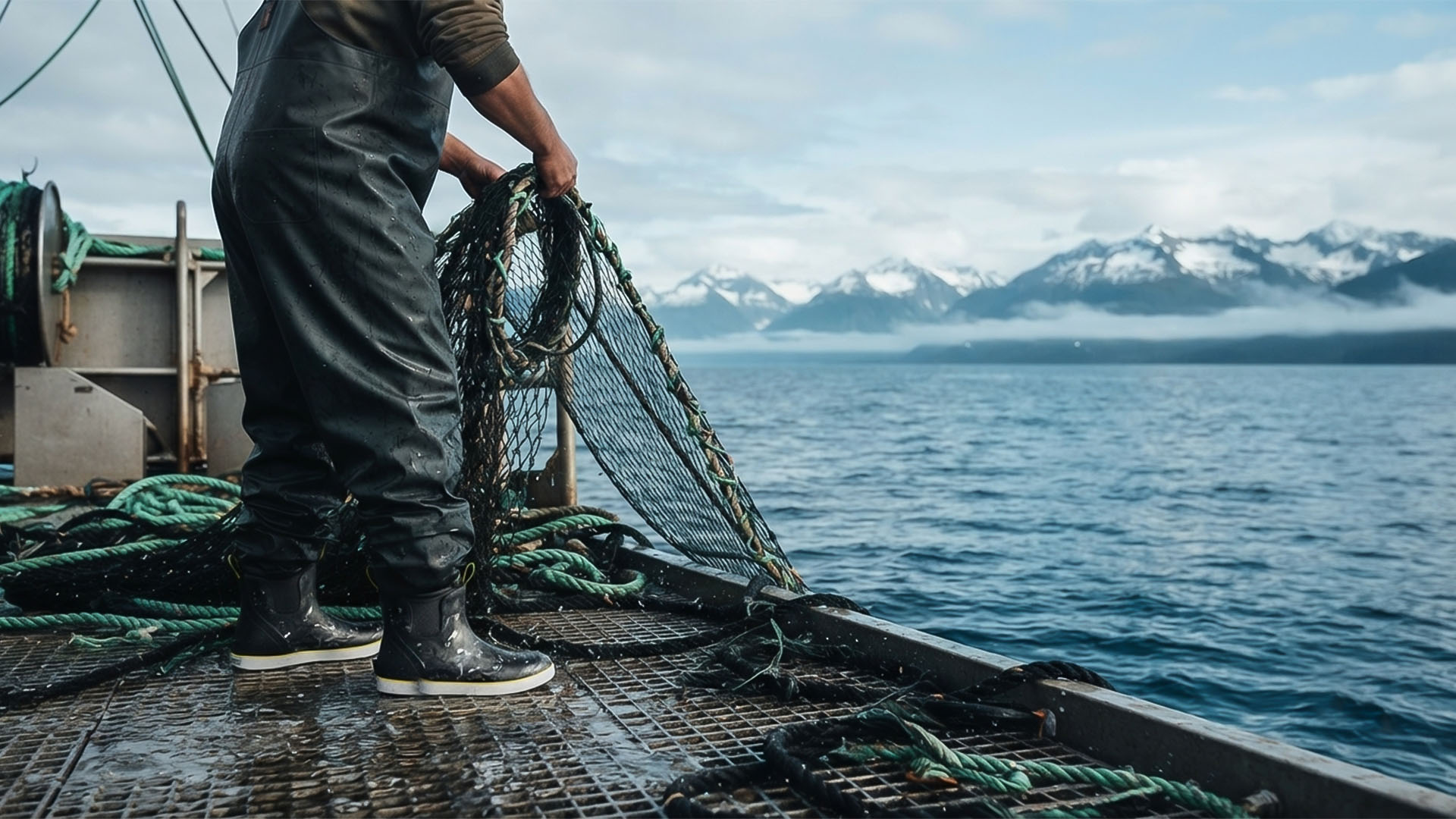
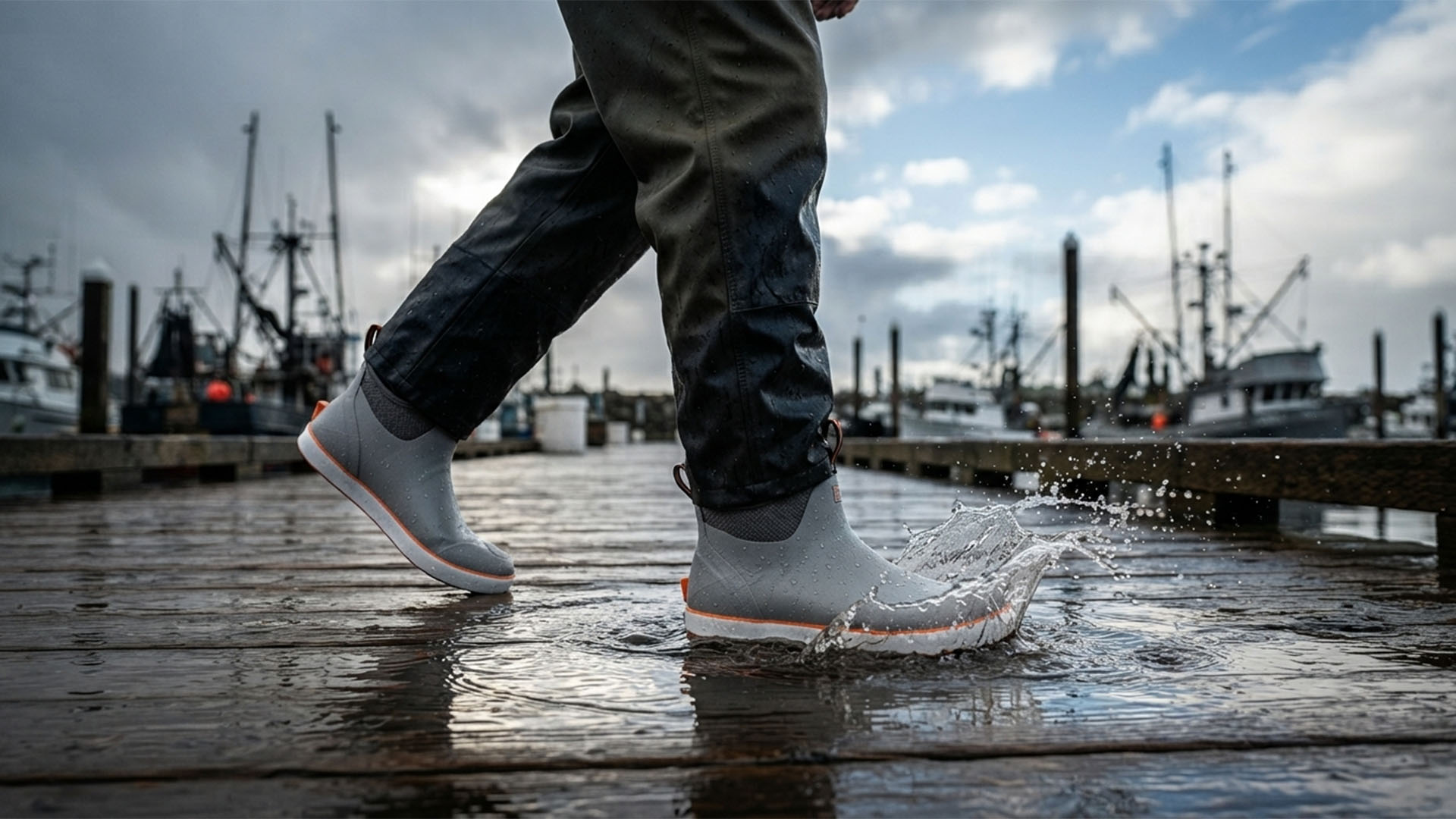
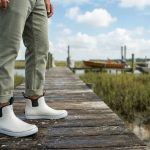
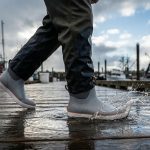
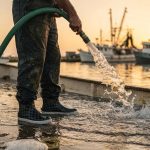
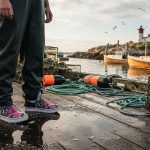
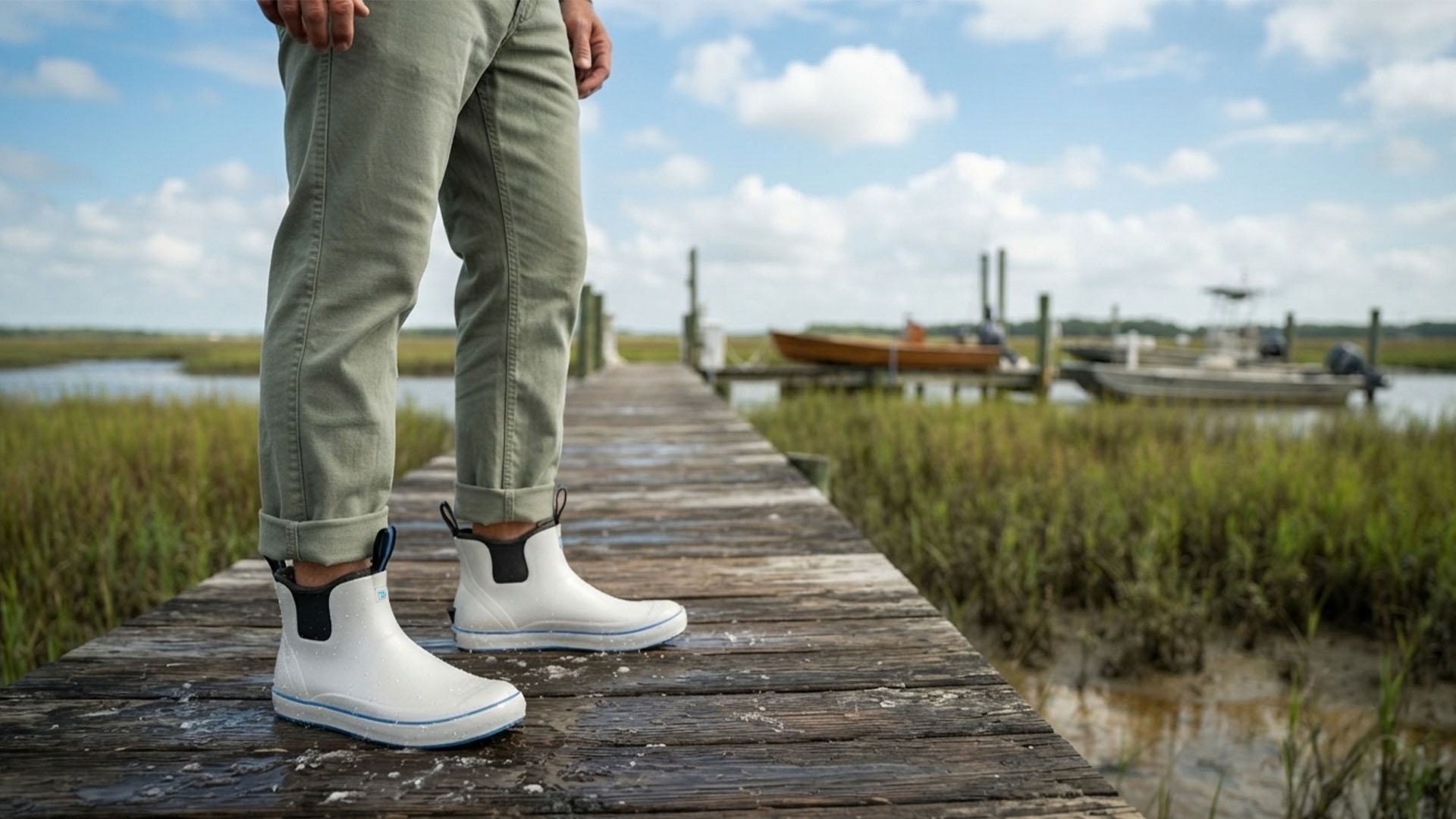
For many offshore trips, waterproof ankle deck boots are practical because they protect against rain, spray, shallow standing water, bait water, and fish slime while remaining easy to clean after the trip.
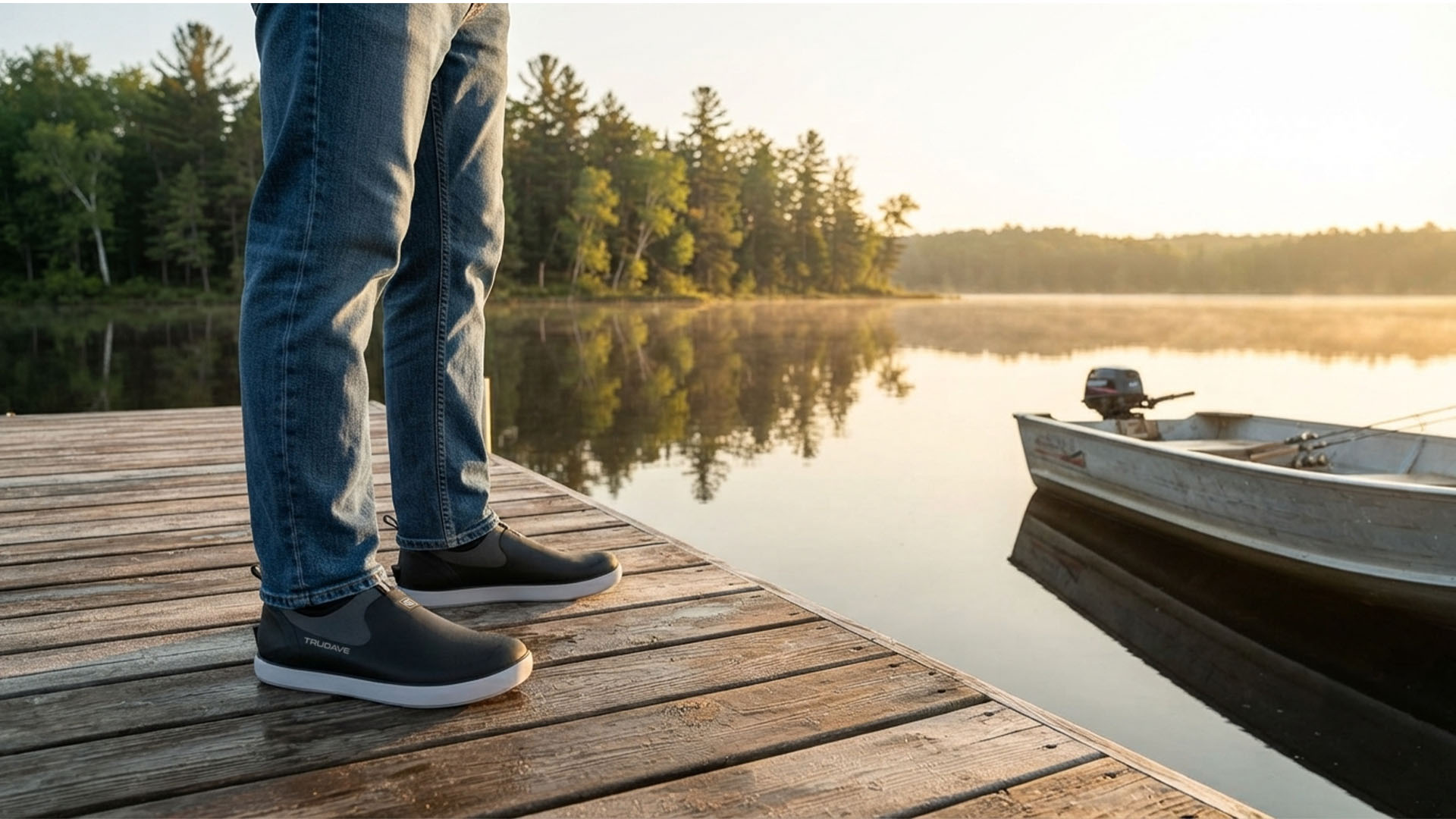
Anglers comparing footwear for their first trip can review TruDaveGear waterproof deck boots alongside other marine footwear options based on fit, outsole design, cushioning, boot height, and expected deck conditions.
3. Wearing Cotton Clothing
Cotton is comfortable when dry, but it performs poorly offshore.
Cotton absorbs moisture from:
- Sweat
- Rain
- Spray
- Fish slime
- Washdowns
- Wet seating
- Humid air
Once wet, cotton becomes heavy and slow to dry. A wet cotton hoodie or T-shirt can feel cold during an early-morning run, even in a warm climate.
Better clothing options include:
- Synthetic sun shirts
- Lightweight merino blends
- Quick-drying fishing pants
- Waterproof outer layers
- Moisture-wicking socks
The goal is to stay protected without staying wet all day.
4. Forgetting Rain Gear on a Sunny Day
Many beginners skip rain gear when the weather forecast looks clear.
That is a mistake.
Offshore spray can soak passengers even when no rain falls. A long run through chop may send water over the bow or along the sides of the boat. Morning air can feel cold when wind and spray combine.
Bring at least a lightweight waterproof jacket.
For rougher, colder, or longer trips, fishing bibs or rain pants may also be useful.
Rain gear protects against:
- Spray
- Wind
- Rain
- Cold morning air
- Washdown water
- Fish-cleaning mess
If wearing ankle deck boots, keep rain pants or bib legs outside the boot opening so water runs down the outside instead of into the boots.
5. Ignoring Seasickness Until It Starts
Seasickness is easier to prevent than fix.
A beginner may feel fine at the dock and miserable once the boat reaches rolling offshore water.
Common triggers include:
- Empty stomach
- Greasy breakfast
- Exhaust fumes
- Looking down too long
- Strong bait smells
- Lack of sleep
- Dehydration
- Anxiety
- Rough seas
Prepare before the trip.
Possible options include:
- Seasickness medication used according to directions
- Motion-sickness bands
- Ginger products
- Light snacks
- Water
- Fresh air
- Looking at the horizon
Some medications must be taken before departure and may cause drowsiness. Use only products that are safe for you.
If you are unsure, ask a medical professional before the trip.
6. Not Drinking Enough Water
Sun, wind, salt air, and motion can dehydrate you quickly.
Many beginners bring coffee, soda, or energy drinks but not enough water.
Dehydration can contribute to:
- Headache
- Fatigue
- Dizziness
- Worse seasickness
- Poor concentration
- Muscle cramps
Bring more water than you expect to drink.
For long summer trips, electrolyte packets may also be useful.
Avoid relying on alcohol. Alcohol can affect balance, judgment, hydration, and safety on a moving boat.
7. Underestimating the Sun
Offshore sun exposure can be intense because light reflects from the water.
Beginners often forget to protect:
- Ears
- Neck
- Lips
- Nose
- Hands
- Lower face
- Back of legs
- Areas around shirt collars
- Areas around sleeve cuffs
Bring:
- Broad-spectrum sunscreen
- SPF lip balm
- Polarized sunglasses
- Hat
- Neck gaiter
- Long-sleeve sun shirt
- Lightweight pants
- Sun gloves if needed
Apply sunscreen before boarding and reapply according to the product directions.
Do not wait until your skin feels hot.
8. Forgetting Polarized Sunglasses
Polarized sunglasses are not only for comfort.
They help reduce glare and protect your eyes from:
- Sun reflection
- Wind
- Spray
- Hooks
- Flying debris
- Fish movement
- Bright water
Use a retainer strap so they do not fall overboard.
Bring a backup pair if you rely on prescription sunglasses.
9. Packing Too Much Gear
First-time anglers often bring more than they need.
Large tackle boxes, extra coolers, bulky bags, and unnecessary equipment can create clutter on the deck.
Clutter is a safety issue.
Loose gear can block:
- Walkways
- Fish boxes
- Safety equipment
- Crew work areas
- Rod holders
- Cooler access
- Boarding points
On a charter, bring only what the captain recommends.
For most first-time passengers, a compact soft bag is enough.
10. Bringing the Wrong Tackle
If the charter provides tackle, you may not need to bring any.
If personal tackle is allowed, make sure it matches the trip.
Beginner tackle mistakes include:
- Rods too light for target fish
- Line too weak
- Hooks too small
- Lures not suited to depth
- Too little leader material
- Cheap swivels
- Poor knots
- Rusty hooks
- Random freshwater tackle
Ask the captain what is appropriate.
Offshore gear is often heavier and more specialized than inshore or freshwater equipment.
11. Wearing New Boots for the First Time
Do not wear brand-new deck boots for the first time on a full-day offshore trip.
Even good footwear should be tested before a long day on the water.
Before the trip, wear the boots indoors with the socks you plan to use.
Test:
- Walking
- Standing
- Side steps
- Stairs
- Squatting
- Heel movement
- Toe room
- Ankle rubbing
A small fit issue at home can become a painful blister after several hours offshore.
12. Wearing the Wrong Socks
Socks matter more than beginners expect.
Cotton socks absorb sweat and water, then stretch, bunch, and dry slowly.
Better sock choices include:
- Synthetic moisture-wicking socks
- Lightweight merino socks
- Merino-blend socks
- Crew-height performance socks
Crew-height socks are useful with ankle deck boots because they protect the skin from collar rubbing.
Bring at least one spare pair in a dry bag.
Wet socks can ruin an otherwise good trip.
13. Not Bringing a Dry Bag
A boat does not need to sink for your belongings to get wet.
Spray, rain, wet hands, dripping fish, and washdown water can soak items quickly.
Use a dry bag or waterproof case for:
- Phone
- Wallet
- Keys
- Medication
- Spare socks
- Dry shirt
- Documents
- Battery pack
- Small towel
Do not assume a boat compartment is dry unless the captain says it is safe for personal items.
14. Blocking the Crew’s Work Area
On a charter boat, the crew needs space to move quickly.
They may need to:
- Clear lines
- Gaff fish
- Net fish
- Open fish boxes
- Re-rig tackle
- Wash the deck
- Handle bait
- Move around fighting anglers
Do not stand in the way unless you are told where to be.
Keep your bag, food, and personal gear out of active work zones.
If a fish is being landed, listen carefully and move when instructed.
15. Standing in the Wrong Place During a Fish Fight
When someone hooks a fish, beginners often crowd the action.
This can create problems.
During a fight, avoid:
- Standing on fishing line
- Blocking the angler
- Standing between the crew and the fish
- Moving behind someone with a loaded rod
- Grabbing the line without instruction
- Reaching for the fish before it is controlled
Offshore fish can make sudden runs.
Hooks, leaders, gaffs, and rods can become dangerous when people crowd the deck.
Wait for instructions before helping.
16. Touching Leaders or Fish Without Permission
Heavy leaders, wire, hooks, and fish spines can injure hands.
Some fish also have sharp gill plates, teeth, dorsal spines, or rough skin.
Do not grab the leader, fish, gaff, net, or line unless the captain or crew tells you to.
When holding a fish for a photo, ask:
- Where should I place my hands?
- Is the fish safe to hold?
- Are there teeth or spines?
- Should I wear gloves?
- How should I support it?
- Where should I stand?
A good photo is not worth a hand injury.
17. Walking Around Barefoot
Some beginners remove wet shoes or boots and walk around the deck barefoot.
That is risky.
The deck may contain:
- Hooks
- Fish spines
- Knives
- Sinkers
- Broken shell
- Sharp hardware
- Hot surfaces
- Fish slime
- Cleaning chemicals
If your feet become wet, change socks or footwear in a safe area.
Do not walk around an active fishing deck barefoot.
18. Leaving Hooks Loose
Loose hooks are one of the most common boat hazards.
They may be hidden in:
- Towels
- Bait
- Tackle bags
- Deck corners
- Fishing line
- Rod guides
- Clothing
- Boot tread
Keep hooks covered, secured, or stored properly.
Do not leave baited hooks swinging from rods while walking around the deck.
Dispose of damaged rigs and used line safely.
19. Not Watching the Deck
The deck changes throughout the trip.
At different times it may contain:
- Fish slime
- Blood
- Bait pieces
- Ice
- Hoses
- Fishing line
- Cooler water
- Soap
- Rain
- Mud
- Gear bags
Move carefully.
Use short steps.
Do not run.
Use handholds when the boat is moving.
Footwear helps, but no boot is completely slip-proof.
20. Forgetting a Warm Layer
Even in summer, offshore mornings can feel cold.
Wind, spray, and speed make the air feel cooler than the temperature at the dock.
Bring a lightweight warm layer such as:
- Fleece
- Synthetic hoodie
- Light insulated jacket
- Wind-resistant mid layer
Avoid bulky cotton sweatshirts if heavy spray is likely.
A wet cotton layer can make the ride home miserable.
21. Eating a Heavy Greasy Breakfast
A large greasy meal before a rough boat ride may increase discomfort.
This is especially true for people who are new to offshore motion.
Better pre-trip food choices include:
- Toast
- Crackers
- Banana
- Oatmeal
- Light sandwich
- Plain bagel
- Simple protein bar
Bring easy snacks for the boat.
Avoid strong-smelling food if you are prone to nausea.
22. Not Sleeping Enough
Lack of sleep can make seasickness, dehydration, sun exposure, and fatigue worse.
Offshore trips often begin before sunrise.
Pack the night before.
Set out:
- Clothes
- Deck boots
- Socks
- Rain gear
- Dry bag
- Food
- Water
- Sunscreen
- Medication
- License
- ID
- Cash
Rushing in the morning leads to forgotten items.
A rested angler usually has a better day.
23. Forgetting Cash or Payment Details
Some trips require cash for:
- Crew tips
- Fish cleaning
- Parking
- Ice
- Bait
- Marina fees
- Fuel contributions
- Food
- Extra services
Ask ahead about payment expectations.
Many charter customers tip the crew for good service.
Do not assume every marina or captain accepts every digital payment method.
24. Not Knowing Basic Boat Etiquette
Good boat etiquette makes the trip safer and more enjoyable.
Basic rules include:
- Listen to the captain
- Follow crew instructions
- Keep gear organized
- Do not block walkways
- Ask before using equipment
- Do not cast without checking behind you
- Keep hooks controlled
- Respect other anglers’ space
- Do not litter
- Help clean up when appropriate
- Be honest if you feel sick or unsafe
A fishing boat is a shared working space.
Awareness matters.
25. Not Cleaning Gear After the Trip
The trip does not end when the boat reaches the dock.
Saltwater, fish slime, sweat, and bait residue should be cleaned before they dry.
After the trip:
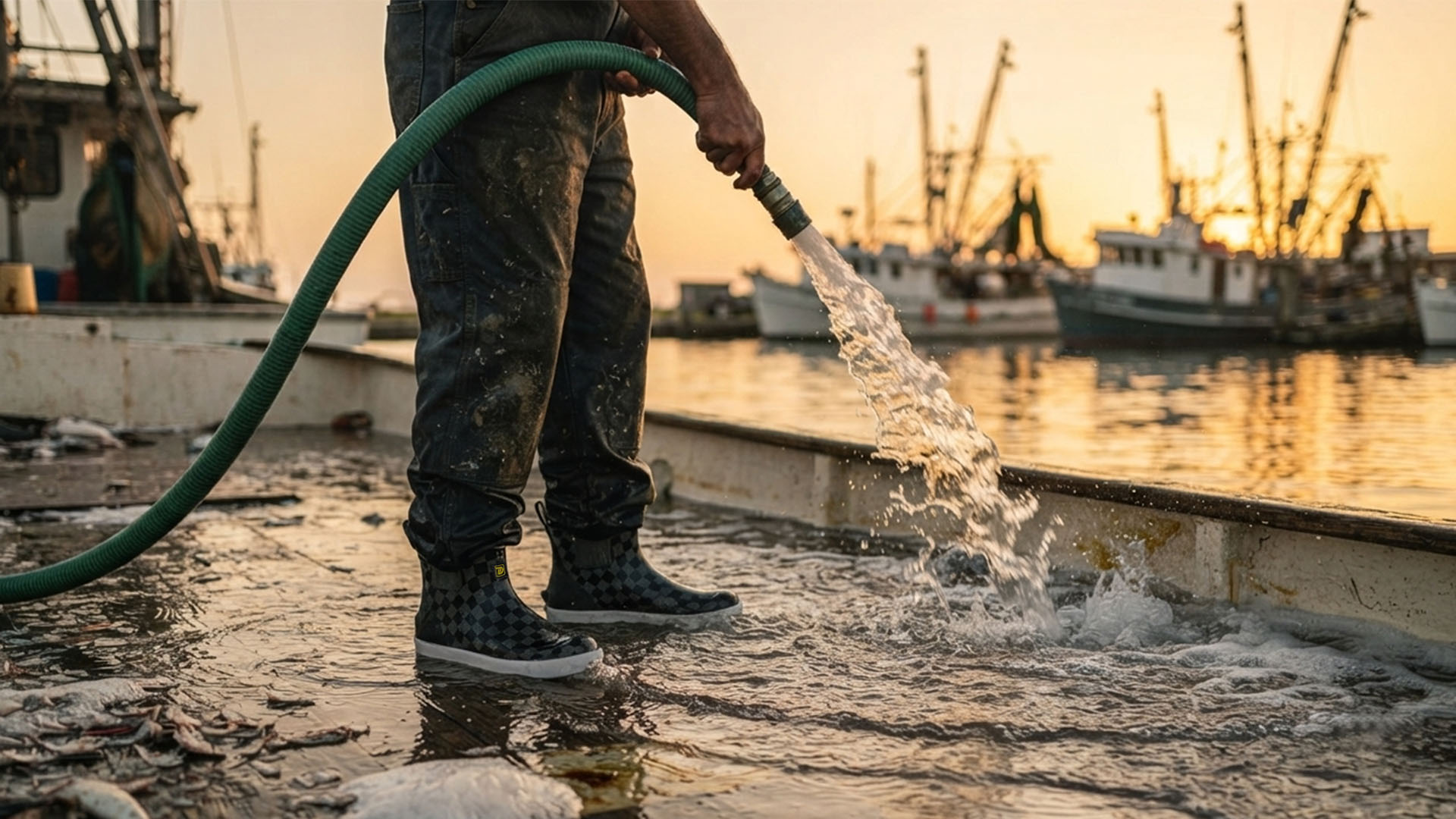
- Rinse deck boots with fresh water
- Brush boot tread
- Remove boot insoles
- Dry boots with airflow
- Wash salty clothing
- Open wet bags
- Clean coolers
- Remove fish from the vehicle
- Dry gloves and rain gear
- Clean sunglasses and phone cases
- Dispose of trash
Do not leave wet fishing gear sealed in a car overnight.
Fish odor becomes harder to remove later.
Beginner Offshore Packing Checklist
Clothing
- Long-sleeve sun shirt
- Quick-drying pants or shorts
- Waterproof jacket
- Fishing bibs or rain pants when needed
- Warm layer
- Hat
- Neck gaiter
- Gloves when appropriate
- Dry change of clothes
Footwear
- Waterproof deck boots or secure marine shoes
- Moisture-wicking socks
- Spare socks
- Clean shoes for the drive home
Personal Gear
- Dry bag
- Phone protection
- Wallet
- Keys
- ID
- Fishing license if required
- Medication
- Small towel
- Battery pack
Sun and Weather
- Sunscreen
- Lip balm with SPF
- Polarized sunglasses
- Sunglass strap
- Rain gear
- Extra layer
Food and Comfort
- Water
- Electrolytes
- Light snacks
- Lunch
- Seasickness supplies
- Sealable bags
- Hand sanitizer
Optional Items
- Camera
- Small first-aid items
- Fishing gloves
- Cooler in vehicle
- Fish bags
- Cash for tip or fish cleaning
What Beginners Should Leave at Home
Avoid bringing:
- Flip-flops
- Heavy cotton clothing
- Oversized hard coolers without approval
- Huge tackle boxes
- Glass bottles
- Loose knives
- Unnecessary valuables
- Strong-smelling food
- Too many bags
- Open alcohol unless allowed
- Drones without permission
- Speakers without permission
When in doubt, ask the captain before bringing an item.
Best Footwear for a First Offshore Fishing Trip
For most first-time offshore anglers, the best footwear is:
- Closed toe
- Secure fitting
- Waterproof or water-ready
- Easy to clean
- Comfortable for standing
- Suitable for wet decks
- Stable during side steps
- Protective against fish slime and bait water
Waterproof deck boots are often the easiest choice because they keep feet protected from ordinary offshore mess.
Quick-draining fishing shoes may be better in very hot conditions when getting wet is unavoidable.
Avoid open sandals and loose footwear.
First Offshore Trip: Simple Success Rules
Follow these basic rules:
- Ask the captain what to bring.
- Pack the night before.
- Wear secure footwear.
- Avoid cotton.
- Bring rain gear.
- Prepare for seasickness.
- Protect yourself from sun.
- Keep gear compact.
- Listen to the crew.
- Watch your footing.
- Keep hooks controlled.
- Drink water.
- Clean gear after the trip.
You do not need to know everything before your first offshore trip.
You just need to be prepared, aware, and willing to listen.
Final Thoughts
A first offshore fishing trip is easier when you avoid the common beginner mistakes.
Do not wear flip-flops.
Do not rely on cotton clothing.
Do not assume sunny weather means dry conditions.
Do not ignore seasickness, sun exposure, hydration, or footwear.
Ask the captain what is provided and what you should bring.
Pack a compact bag with rain gear, sun protection, water, snacks, medication, dry storage, spare socks, and a dry clothing option.
Choose secure closed-toe footwear that can handle wet decks, fish slime, spray, and washdowns.
For many beginners, waterproof deck boots provide the best balance of protection, traction, and easy cleanup.
Move carefully on the boat.
Keep walkways clear.
Listen to the crew during fish fights.
Do not grab leaders, hooks, gaffs, or fish without instruction.
After the trip, rinse saltwater from your boots and gear, dry everything completely, and avoid leaving wet equipment sealed in a vehicle.
Offshore fishing rewards preparation.
When your feet are protected, your clothing stays comfortable, your gear is organized, and you understand basic boat etiquette, you can focus on the part that matters most: enjoying the open water and the fish you came to catch.
Frequently Asked Questions
What is the biggest mistake beginners make offshore fishing?
The most common mistake is being unprepared for wet, windy, sunny, and moving conditions. Poor footwear, cotton clothing, no rain gear, and no seasickness plan are especially common.
What should I wear on my first offshore fishing trip?
Wear a long-sleeve sun shirt, quick-drying pants or shorts, rain jacket, hat, polarized sunglasses, moisture-wicking socks, and secure marine footwear such as deck boots.
Are deck boots good for beginners offshore fishing?
Yes. Waterproof deck boots protect against wet decks, spray, fish slime, bait water, shallow standing water, and washdowns.
Can I wear flip-flops offshore fishing?
Flip-flops are not recommended. They provide poor protection from hooks, fish spines, sinkers, knives, and slippery decks.
Do I need rain gear if it is not raining?
Yes. Offshore spray can soak clothing even on sunny days, especially during long boat rides or rougher conditions.
What socks should I wear with deck boots?
Wear synthetic or merino-blend moisture-wicking socks. Avoid cotton because it holds moisture and dries slowly.
Should I bring extra socks offshore fishing?
Yes. Spare socks are useful if your feet get wet from spray, sweat, rain, or water entering the boot opening.
How do I avoid seasickness on my first trip?
Prepare before departure, use seasickness products according to directions, eat lightly, stay hydrated, avoid strong smells, get fresh air, and look at the horizon.
Should I bring my own fishing gear on a charter?
Ask the captain first. Many charters provide rods, reels, bait, and tackle.
What should I not bring on an offshore fishing boat?
Avoid oversized bags, glass bottles, loose knives, unnecessary tackle boxes, flip-flops, heavy cotton clothing, and valuables that cannot get wet.
How much water should I bring offshore fishing?
Bring enough water for the full trip plus extra. Sun, wind, salt air, and seasickness can increase dehydration risk.
Can I walk barefoot on the boat?
Barefoot walking is not recommended on an active fishing boat because of hooks, fish spines, knives, sinkers, and slippery surfaces.
Why should I use a dry bag?
A dry bag protects your phone, wallet, keys, medication, spare socks, and dry clothing from spray, rain, and washdown water.
How should beginners act during a fish fight?
Listen to the crew, keep clear of the angler, avoid stepping on line, do not grab the leader unless instructed, and move only when told.
How do I clean deck boots after offshore fishing?
Rinse with fresh water, remove fish slime and bait residue, brush the tread, remove the insoles, and dry everything with gentle airflow.
What is the best way to prepare the night before?
Pack clothing, footwear, rain gear, food, water, medication, dry bag, sunscreen, ID, license, and payment before going to sleep.