Meta Description: Learn what to wear pier fishing at night, including warm layers, waterproof footwear, reflective clothing, lighting, rain gear, and safety essentials.
Suggested URL Slug: what-to-wear-pier-fishing-at-night
Primary Keyword: what to wear pier fishing at night
Secondary Keywords: night pier fishing clothes, pier fishing footwear, what to wear night fishing, waterproof boots for pier fishing, night fishing safety gear, cold weather pier fishing outfit
Search Intent: Informational / Commercial Investigation
Night pier fishing can be productive, peaceful, and completely different from fishing the same location during daylight.
The crowds become smaller. Temperatures drop. Wind often feels stronger, and moisture begins collecting on railings, benches, and deck surfaces.
Visibility also changes everything.
Fishing line becomes harder to see. Tackle boxes disappear into dark corners. Wet areas may not be obvious, and anglers walking behind you can be difficult to notice while casting.
The clothing you wear should help you remain warm, dry, visible, and comfortable without restricting movement.
Footwear is especially important because fishing piers may be covered with rain, sea spray, bait, fish slime, sand, and water from cleaning stations.
This guide explains what to wear pier fishing at night, including clothing layers, waterproof footwear, lighting, reflective equipment, rain protection, and safety gear.
Why Night Pier Fishing Requires Different Clothing
A daytime fishing outfit may not be enough after sunset.
Several changes occur at night.
Temperatures Drop
Even during warm months, temperatures near the water can fall quickly after sunset.
Concrete and wooden pier surfaces also release heat once direct sunlight disappears.
Wind Feels Colder
Open piers receive little protection from coastal wind.
An outfit that feels comfortable while walking from the parking lot may feel cold after standing still for an hour.
Moisture Builds Up
Sea spray, humidity, dew, rain, and fish-cleaning water can leave surfaces wet.
Clothing and shoes that absorb moisture may remain damp for the rest of the trip.
Visibility Decreases
Dark clothing can make it difficult for other anglers, cyclists, boaters, and pier staff to see you.
A few reflective details can improve visibility without requiring bright clothing from head to toe.
Activity Levels Change
Pier anglers often spend long periods standing in one place.
Low activity means the body produces less heat than it would while hiking or moving continuously.
Use a Layering System
The most practical night fishing outfit uses several adjustable layers.
A basic system includes:
- Moisture-wicking base layer
- Lightweight insulating layer
- Windproof or waterproof outer shell
This setup allows you to adapt as temperatures and wind conditions change.
Base Layer
The base layer sits against the skin and helps manage moisture.
Choose:
- Synthetic performance shirt
- Lightweight merino wool shirt
- Long-sleeve fishing shirt
- Thermal base layer in cold weather
Avoid heavy cotton.
Cotton absorbs sweat, rain, and spray, then dries slowly.
A damp cotton shirt can become uncomfortable once the temperature drops.
Mid Layer
The mid layer provides warmth.
Useful options include:
- Fleece jacket
- Performance hoodie
- Lightweight synthetic insulation
- Wool sweater
- Insulated vest
Choose a layer that allows free shoulder and arm movement.
Pier fishing often involves repeated casting, lifting rods, handling nets, and reaching over railings.
Avoid loose cords and oversized fabric that may catch on hooks.
Outer Layer
The outer layer should block wind and light water exposure.
A practical fishing shell should provide:
- Wind resistance
- Water protection
- Secure hood
- Adjustable cuffs
- High collar
- Enough room for layers
- Easy casting movement
A lightweight waterproof shell is usually more versatile than a heavy insulated coat.
You can add or remove insulation underneath as conditions change.
What Shirt Should You Wear?
A long-sleeve moisture-wicking shirt is a good starting point in most seasons.
It provides:
- Light warmth
- Sun protection before sunset
- Insect coverage
- Quick drying
- Protection from fish slime and bait
During summer, use a lightweight performance shirt.
During cold weather, choose a thermal synthetic or merino base layer.
Avoid wearing a loose sweatshirt as your only layer.
If it becomes wet, it may remain heavy and cold.
What Pants Should You Wear?
Pier fishing pants should allow movement, dry quickly, and provide enough warmth for the expected conditions.
Good choices include:
- Quick-drying fishing pants
- Lightweight hiking pants
- Soft-shell pants
- Thermal pants
- Waterproof overpants
- Fishing bibs
Avoid heavy jeans when rain or spray is likely.
Wet denim becomes heavy and takes a long time to dry.
For cold-weather trips, use a thermal base layer beneath wind-resistant outer pants.
Should You Wear Shorts at Night?
Shorts may work during hot summer evenings, but temperatures can continue falling after dark.
They also leave the legs exposed to:
- Mosquitoes
- Wind
- Fish slime
- Bait
- Sun exposure before sunset
- Cold benches
- Fishing equipment
Lightweight pants are usually the more versatile choice.
You can remain comfortable in warm conditions while gaining protection if the temperature changes.
Best Footwear for Night Pier Fishing
Pier footwear should provide:
- Secure fit
- Wet-surface traction
- Cushioning
- Water resistance
- Toe protection
- Easy cleaning
Common options include:
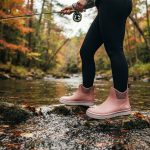
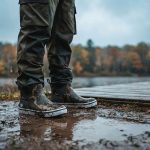
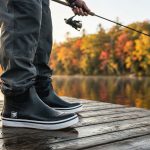
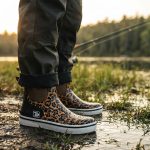
- Waterproof ankle deck boots
- Closed-toe fishing shoes
- Waterproof walking shoes
- Lightweight rubber boots
- Cushioned boat shoes
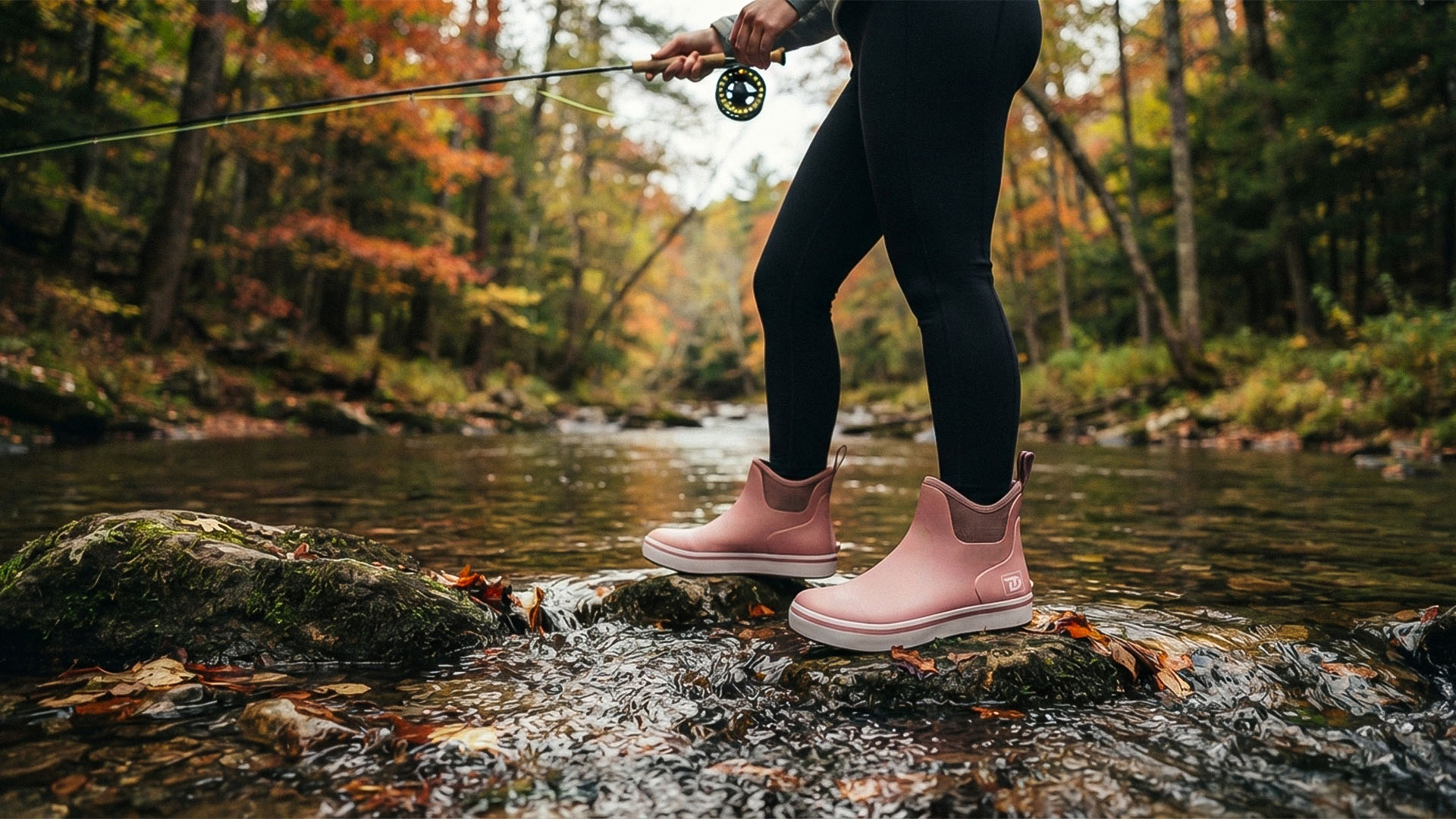
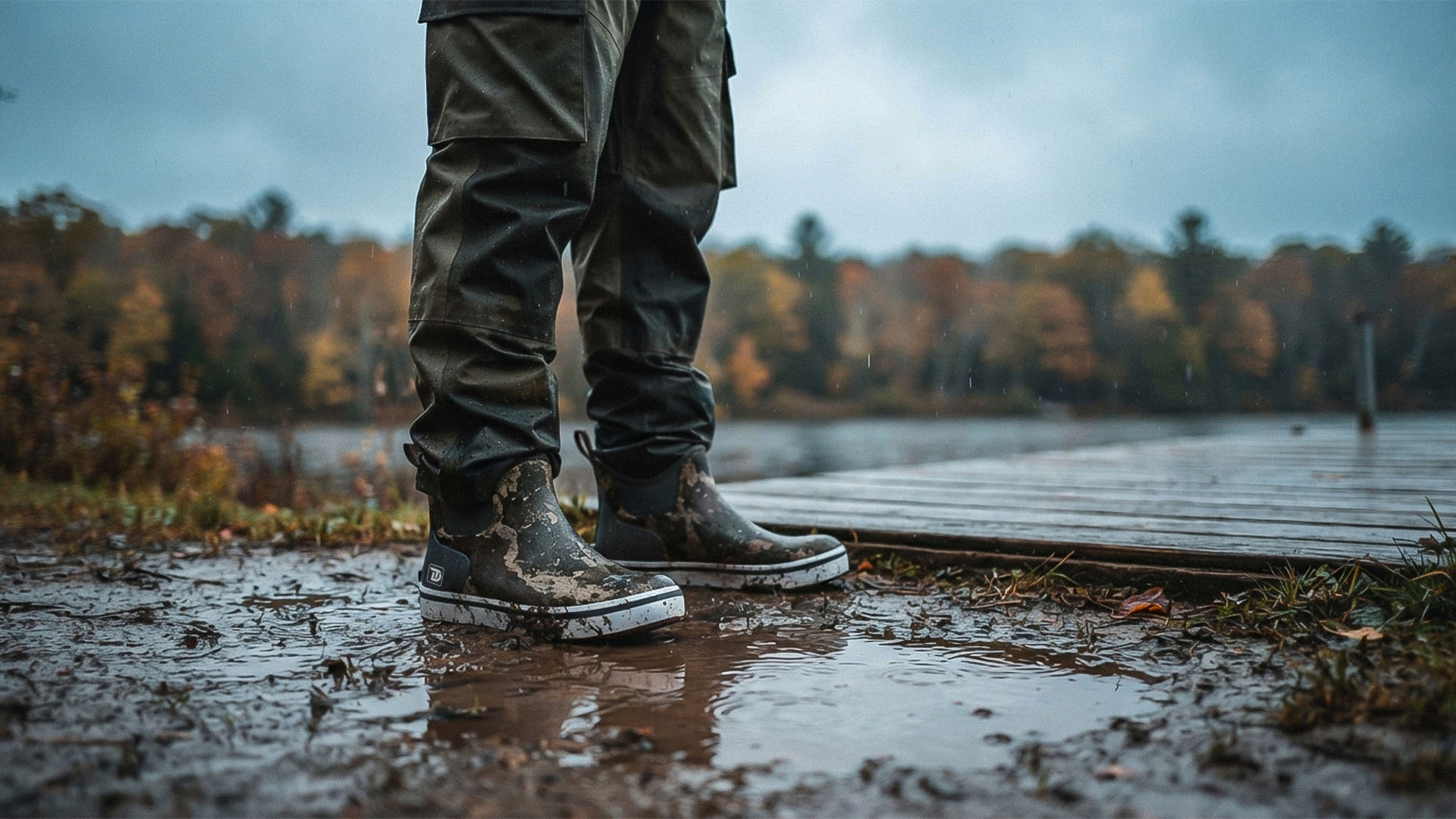
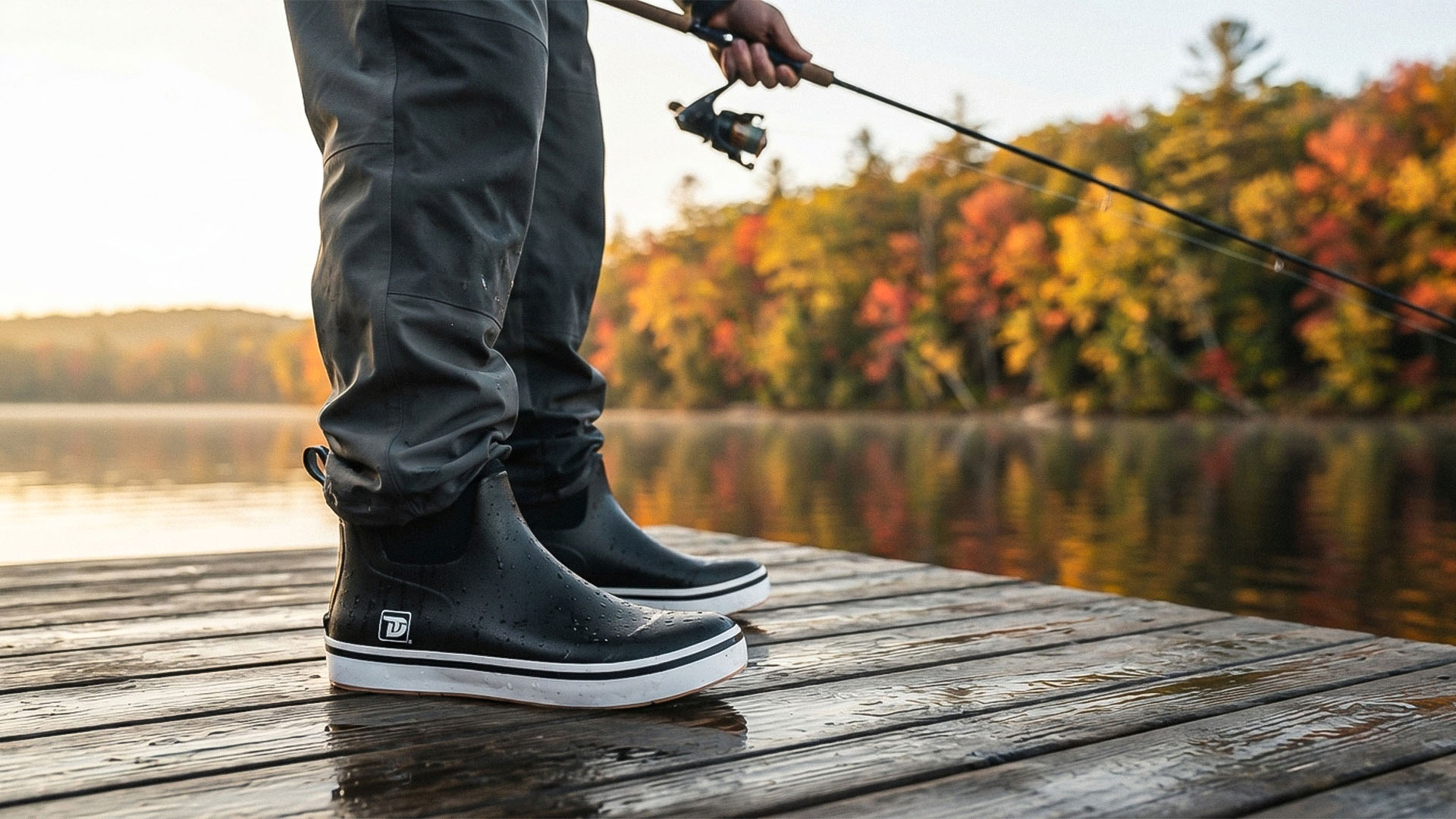
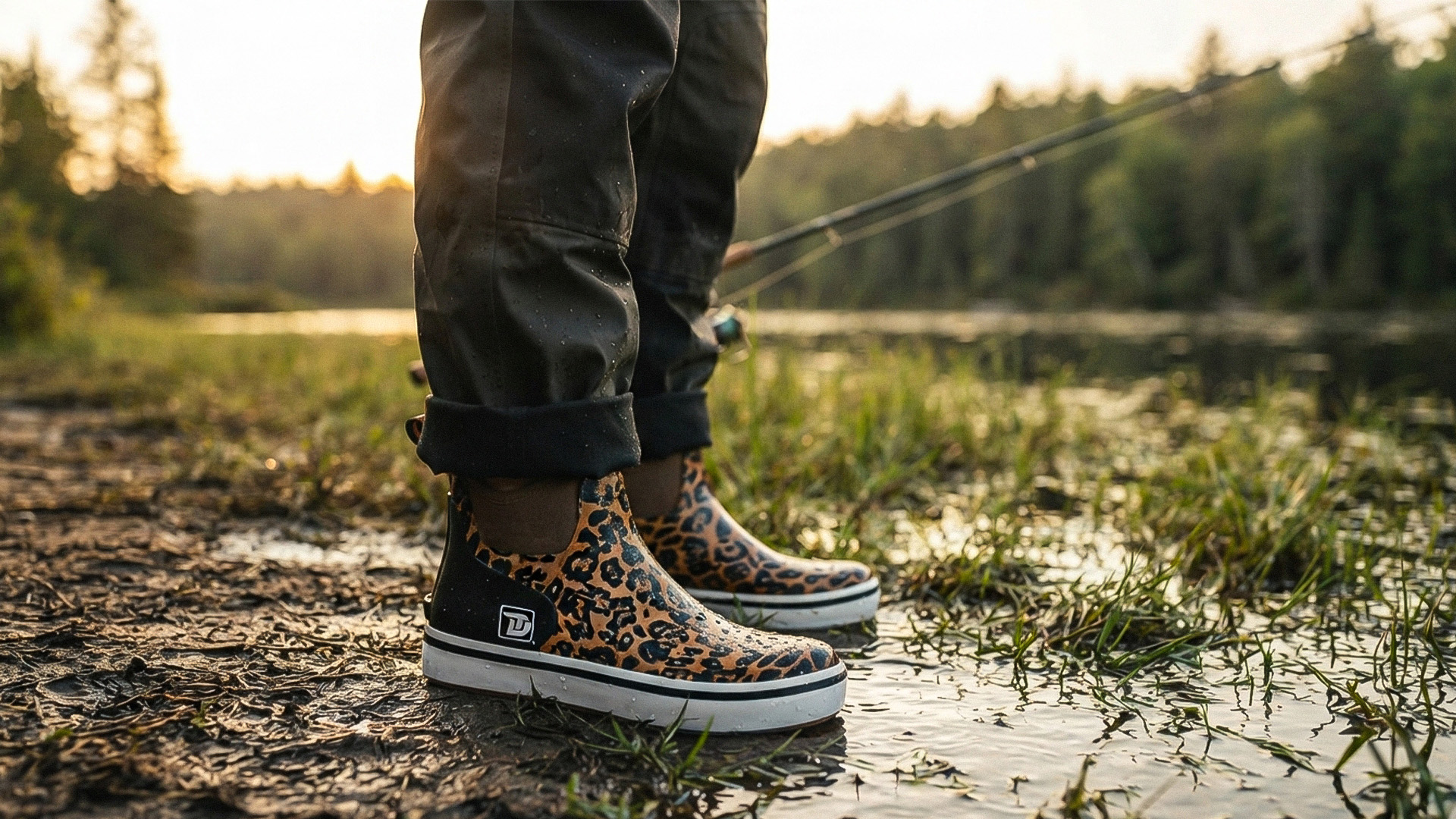
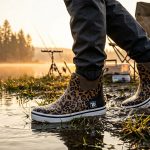
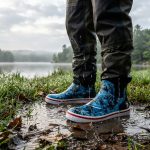
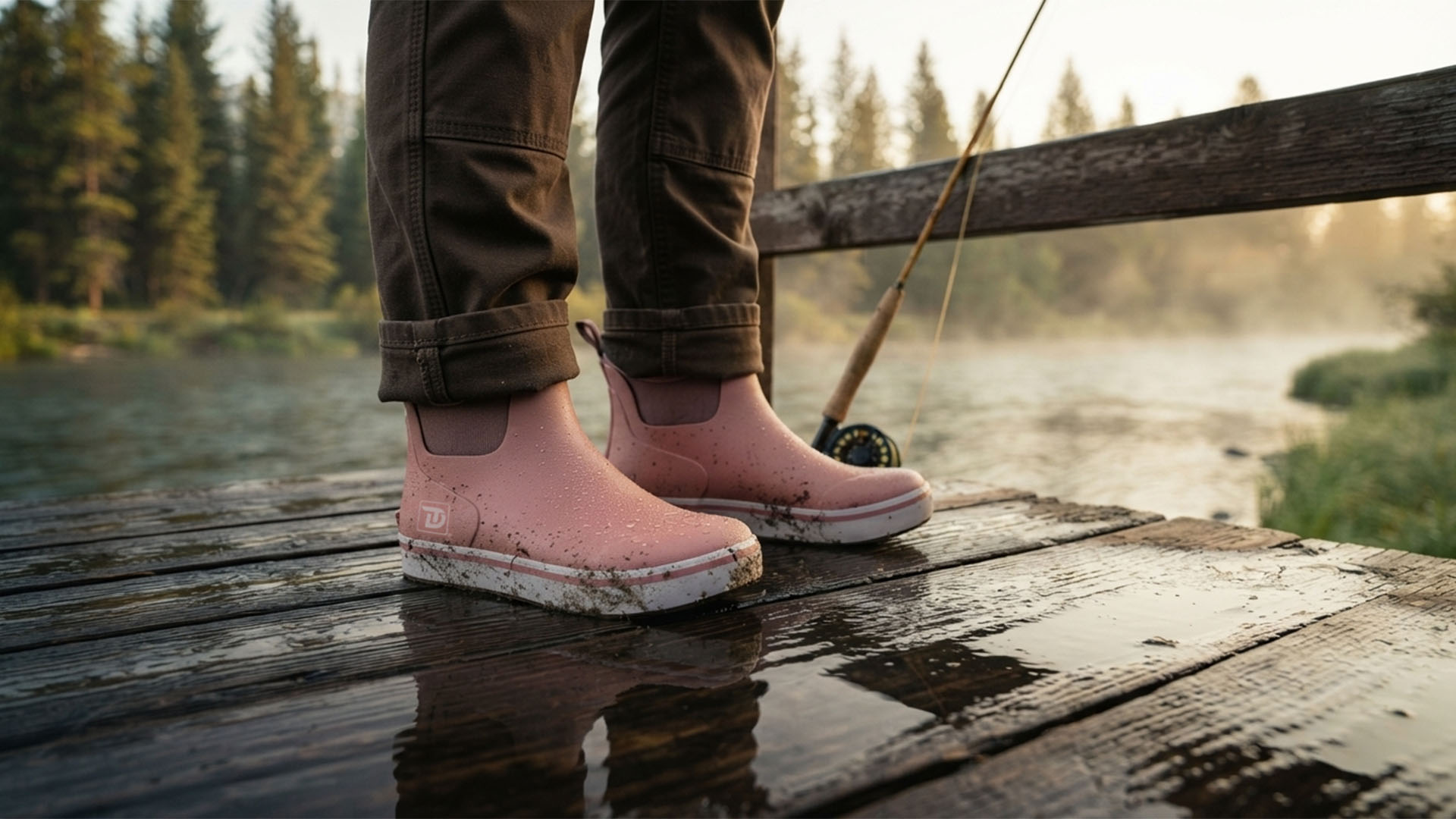
For piers exposed to rain, spray, bait, and washdown water, waterproof ankle boots can provide a practical balance of protection and mobility.
Anglers comparing low-profile footwear can review [TruDaveGear waterproof deck boots] alongside other fishing-specific options for wet hard surfaces and long periods of standing.
Choose footwear according to fit, outsole design, cushioning, and weather rather than appearance alone.
Why Deck Boots Work Well on Fishing Piers
Deck boots are useful because they are:
- Waterproof
- Easy to rinse
- Quick to put on
- Lower-profile than tall rubber boots
- Suitable for wet hard surfaces
- Convenient for long fishing sessions
They can protect against:
- Rain
- Sea spray
- Shallow puddles
- Fish slime
- Cleaning water
- Bait residue
Their main limitation is height.
Water can enter if puddles or waves rise above the ankle opening.
Are Sneakers Good for Pier Fishing?
Sneakers can work on dry, maintained piers.
However, many ordinary athletic shoes absorb water quickly and may provide limited traction on contaminated surfaces.
Sneakers are more suitable when:
- Weather is dry
- The pier is clean
- Spray is limited
- Walking distance is long
- The outsole is suitable for wet surfaces
Avoid smooth fashion sneakers.
Choose closed-toe footwear with a stable sole.
Should You Wear Flip-Flops?
Flip-flops are generally not recommended for active night pier fishing.
They provide limited protection from:
- Hooks
- Fish spines
- Dropped sinkers
- Knives
- Bait buckets
- Coolers
- Wet surfaces
They may also slide or separate from the foot while moving in the dark.
Secure closed-toe footwear is the safer choice.
Cushioning Matters on Concrete Piers
Many fishing piers are built from concrete.
Standing on concrete for several hours can create foot, knee, and lower-back fatigue.
Look for footwear with:
- Supportive insoles
- Stable heel cushioning
- Correct width
- Adequate toe room
- Removable footbeds
- Manageable weight
A thick but unstable cushion is not always better.
The footbed should feel supportive rather than excessively soft.
What Socks Should You Wear?
Socks influence comfort inside waterproof footwear.
Warm Nights
Wear lightweight synthetic or thin merino-blend socks.
Cool Nights
Use medium-weight synthetic or merino socks.
Cold Nights
Use warmer merino wool socks with enough room inside the footwear.
Avoid cotton.
Cotton absorbs moisture and dries slowly.
Bring a spare pair in a waterproof bag.
Bring an Extra Pair of Socks
Water can enter footwear through:
- Rain
- Spray
- Spilled bait water
- Cleaning stations
- Puddles
- Sweat
A dry pair of socks takes very little space and can improve the rest of the fishing session.
Do not put dry socks into footwear containing standing water.
Drain and wipe the inside first.
Wear a Windproof Jacket
Wind is one of the main causes of discomfort on open piers.
A windproof jacket can make a larger difference than simply adding another thick shirt.
Look for:
- Close-fitting cuffs
- High collar
- Secure hood
- Adjustable hem
- Enough room for layers
- Quiet fabric
- Easy casting movement
The jacket should not have loose cords hanging near hooks or reels.
Bring Rain Gear
Weather may change after dark.
A compact rain jacket should remain in your bag even when rain is not strongly forecast.
For heavier rain, add waterproof pants or fishing bibs.
A complete rain system should direct water over the outside of your footwear.
Do not tuck rain pants inside ankle boots during steady rain.
That can direct water into the boot opening.
Reflective Clothing and Visibility
You do not need to wear a full high-visibility uniform for ordinary recreational fishing, but some reflective details can improve safety.
Useful options include:
- Reflective jacket strips
- Reflective backpack details
- Bright hat
- Reflective arm band
- Small clip-on safety light
- Light-colored outerwear
Reflective features help other anglers notice you when walking, casting, or carrying gear.
They can also improve visibility near parking areas and bike paths.
Use a Headlamp
A headlamp keeps both hands free.
This is useful when:
- Tying knots
- Baiting hooks
- Removing fish
- Walking
- Searching tackle
- Cleaning equipment
Choose a headlamp with:
- Adjustable brightness
- Comfortable strap
- Water resistance
- Red-light mode when useful
- Long battery life
- Simple controls
Avoid shining bright light directly into other anglers’ eyes.
Use the lowest brightness that allows the task to be completed safely.
Bring a Backup Light
Do not rely on one headlamp.
Bring:
- Small flashlight
- Backup headlamp
- Spare batteries
- Charged power source for rechargeable lighting
Store backup lighting where it can be reached without searching through the entire tackle bag.
A phone flashlight should be treated as a backup, not the main lighting system.
Red Light vs. White Light
Red light preserves more low-light vision and is less disruptive to nearby anglers.
It works well for:
- Walking short distances
- Organizing tackle
- Checking gear
- Moving around a shared pier
White light is better for:
- Removing hooks
- Identifying hazards
- First aid
- Detailed knot work
- Inspecting fish
Use each mode according to the task.
Keep Lighting Angled Downward
Point headlamps and flashlights toward the deck or work area.
Avoid shining light across the water unnecessarily.
Excessive light can:
- Distract other anglers
- Reduce everyone’s night vision
- Create glare
- Disturb nearby residents
- Make hazards harder to see after the light is turned off
Communicate before using a bright light around other people.
What Hat Should You Wear?
A hat can provide warmth, rain protection, and glare control.
Warm Weather
Use a fishing cap or lightweight performance hat.
Cool Weather
Wear a thin knit cap or fleece-lined beanie.
Rain
Use a waterproof cap beneath the hood.
Make sure the hat fits securely.
Coastal wind can remove loose headwear quickly.
Wear a Neck Gaiter
A lightweight neck gaiter can protect against:
- Wind
- Cool air
- Mosquitoes
- Sea spray
- Sun before sunset
In cold conditions, it can be pulled over the lower face and ears.
Choose quick-drying material.
Avoid thick designs that interfere with jacket collars or headlamps.
Gloves for Night Pier Fishing
Gloves may be useful for warmth and fish handling.
Options include:
- Thin fingerless gloves
- Lightweight synthetic gloves
- Waterproof gloves
- Insulated fishing gloves
- Fish-handling gloves
The gloves should still allow you to:
- Operate the reel
- Tie knots
- Handle line
- Open tackle boxes
- Use pliers
Bring a backup pair in cold weather.
Wet gloves can become uncomfortable quickly.
Insect Protection
Nighttime fishing near coastal water, lakes, rivers, and marshes may involve mosquitoes and biting flies.
Wear:
- Long sleeves
- Lightweight pants
- Socks
- Closed footwear
- Neck gaiter
Use appropriate insect repellent according to the product instructions.
Avoid spraying repellent directly onto fishing line, plastic lures, electronics, and eyewear unless the product is compatible.
Prepare for Temperature Changes
The temperature at sunset may not represent conditions several hours later.
Before leaving, check:
- Hourly temperature
- Wind speed
- Wind direction
- Rain probability
- Humidity
- Tide
- Marine forecast
- Pier closure times
Pack one more light layer than you expect to need.
It is easier to leave a layer in the bag than to continue fishing while cold.
What to Wear During Summer Night Pier Fishing
A practical summer outfit includes:
- Lightweight long-sleeve fishing shirt
- Quick-drying pants or shorts
- Light synthetic socks
- Fishing shoes or deck boots
- Lightweight windbreaker
- Hat
- Headlamp
- Insect protection
Even on warm nights, bring a light outer layer.
Wind near the water may become cooler after midnight.
What to Wear During Spring Night Pier Fishing
Spring conditions can be unpredictable.
Wear:
- Moisture-wicking base layer
- Lightweight fleece
- Waterproof shell
- Quick-drying pants
- Waterproof footwear
- Medium-weight socks
- Knit cap
- Light gloves
Water temperatures may remain cold even when daytime air temperatures feel comfortable.
What to Wear During Fall Night Pier Fishing
Fall nights can cool rapidly.
A practical outfit includes:
- Long-sleeve base layer
- Fleece or hoodie
- Windproof shell
- Fishing pants
- Waterproof deck boots
- Merino wool socks
- Warm hat
- Gloves
- Neck gaiter
Pack an additional insulating layer for late-night sessions.
What to Wear During Winter Night Pier Fishing
Winter pier fishing requires more insulation.
Wear:
- Thermal base layers
- Fleece or synthetic mid layer
- Waterproof and windproof outer shell
- Insulated pants
- Warm socks
- Insulated waterproof boots
- Warm hat
- Insulated gloves
- Neck gaiter
- Spare dry clothing
Avoid making boots too tight with excessive sock layers.
Reduced circulation can make feet colder.
What to Wear During Rain
For rainy night fishing, use:
- Waterproof hooded jacket
- Waterproof pants or bibs
- Waterproof footwear
- Moisture-wicking base layer
- Synthetic or merino socks
- Brimmed cap beneath the hood
- Spare dry shirt
- Spare socks
Keep clothing cuffs and closures adjusted so water does not enter around the wrists, waist, and boot openings.
Fishing Bibs for Pier Fishing
Fishing bibs provide more coverage than ordinary rain pants.
They are useful during:
- Heavy rain
- Sea spray
- Cold wind
- Fish cleaning
- Long overnight sessions
Bibs should allow easy walking and casting.
Avoid oversized straps and loose fabric that may catch on equipment.
Keep Personal Items in Waterproof Storage
Night piers are wet environments.
Store the following in a waterproof pouch or dry bag:
- Phone
- Wallet
- Keys
- Medication
- Backup batteries
- Dry socks
- Spare shirt
- Fishing license
- Chargers
Do not place valuables directly on the pier.
Small items are easy to lose in low light.
Use a Compact Tackle Setup
Clutter becomes more dangerous at night.
Bring only the tackle needed for the intended fishing.
Organize hooks, sinkers, lures, and tools before arriving.
Use:
- Small tackle bag
- Labeled compartments
- Magnetic tool holder where appropriate
- Lure covers
- Secure plier sheath
- Closed bait container
Keep the main walking area clear.
Keep Hooks Covered
Exposed hooks are especially hazardous in darkness.
Use:
- Lure wraps
- Hook keepers
- Closed tackle boxes
- Rod sleeves
- Protective caps
Do not leave baited rods lying across walkways.
Place rods in approved holders or secure locations.
Avoid Fishing Line Across Walkways
Fishing line can be almost invisible at night.
Keep loose line away from shared paths.
Dispose of damaged line properly.
Do not leave line on the pier where it can entangle people, birds, or wildlife.
Use a Landing Net With a Secure Handle
A landing net can make fish handling safer at night.
Choose one with:
- Secure grip
- Appropriate reach
- Strong hoop
- Easy-to-see handle
- Attachment point or tether when needed
Do not lean too far over the railing to reach a fish.
Use the equipment and landing areas provided by the pier.
Wear Closed-Toe Footwear Around Bait
Bait areas may contain:
- Hooks
- Scales
- Fish spines
- Knives
- Water
- Ice
- Sharp shell fragments
Closed-toe footwear provides better protection than sandals.
Clean bait residue from the outsole before moving across smooth sections of the pier.
Watch for Wet and Slippery Areas
Common slippery areas include:
- Fish-cleaning stations
- Bait tables
- Water fountains
- Ladder access points
- Railings near heavy spray
- Areas where anglers land fish
- Restroom entrances
- Wooden sections covered with algae
Move carefully.
No footwear is completely slip-proof.
Walk, Do Not Run
A hooked fish may create excitement, but running on a dark, wet pier creates unnecessary risk.
Move quickly with controlled steps.
Communicate with other anglers.
Say:
- “Coming behind you.”
- “Fish coming up.”
- “Opening the tackle box.”
- “Line on the deck.”
- “Wet area here.”
Clear communication prevents collisions.
Use Handrails When Available
Steps, ramps, and access areas may be damp.
Use railings when carrying gear or moving between levels.
Keep one hand free whenever possible.
A backpack is generally easier to manage than multiple loose bags.
Do Not Overload Yourself With Gear
Heavy coolers, chairs, buckets, tackle boxes, and rods can make walking in darkness difficult.
Use:
- Backpack tackle bag
- Rolling cart where allowed
- Rod holders
- Shoulder straps
- Compact seating
Make more than one trip from the vehicle when necessary.
Bring a Small First-Aid Kit
Common pier fishing injuries may involve:
- Hooks
- Knives
- Fish spines
- Cuts
- Slips
- Blisters
A basic kit may include:
- Adhesive bandages
- Sterile gauze
- Medical tape
- Antiseptic
- Tweezers
- Disposable gloves
- Small scissors
- Personal medications
Store it in a waterproof container.
Know the location of emergency phones or pier staff.
Wear a Personal Flotation Device When Appropriate
Some piers, jetties, and platforms are exposed to rough water or lack protective railings.
A personal flotation device may be appropriate or required.
Children should use properly fitted flotation equipment where conditions or rules require it.
Follow all posted regulations.
A pier railing does not eliminate the risk of falling into the water.
Check Pier Rules Before Going
Rules may cover:
- Opening hours
- Night fishing
- Lighting
- Number of rods
- Alcohol
- Bait
- Footwear
- Cleaning stations
- Personal flotation devices
- Fish limits
- Restricted areas
Rules and access hours can change.
Confirm them before traveling.
What Not to Wear Night Pier Fishing
Avoid:
Flip-Flops
They provide limited protection and stability.
Smooth-Soled Fashion Shoes
They may become slippery on wet surfaces.
Heavy Cotton Jeans in Rain
They become heavy and cold.
Dark Clothing Without Reflective Details
It can make you difficult to see.
Loose Scarves and Cords
They may catch on hooks or equipment.
Uncomfortable New Boots
Test footwear before a long session.
Expensive Clothing
Fish slime, bait, and saltwater are difficult to avoid.
Night Pier Fishing Clothing Checklist
Clothing
- Moisture-wicking long-sleeve shirt
- Lightweight fleece or hoodie
- Windproof or waterproof jacket
- Quick-drying pants
- Waterproof overpants when needed
- Warm hat
- Gloves
- Neck gaiter
Footwear
- Waterproof deck boots or secure fishing shoes
- Moisture-wicking socks
- Spare socks
Visibility and Lighting
- Headlamp
- Backup flashlight
- Spare batteries
- Reflective details
- Clip-on safety light
Personal Protection
- Sunscreen before sunset
- Insect repellent
- Polarized or clear protective glasses
- Small first-aid kit
- Personal flotation device when appropriate
Dry Storage
- Dry bag
- Spare shirt
- Phone protection
- Medication
- Keys and wallet
- Towel
Final Thoughts
Night pier fishing requires more preparation than simply bringing a flashlight.
The air becomes cooler.
Wind feels stronger.
Deck surfaces become harder to evaluate, and ordinary fishing equipment creates greater hazards when visibility is limited.
Wear quick-drying layers.
Bring a windproof and waterproof outer shell.
Choose closed-toe footwear with cushioning and traction for wet hard surfaces.
Waterproof ankle deck boots are especially useful when rain, spray, bait, and shallow puddles are expected.
Use a headlamp and carry backup lighting.
Add reflective details so others can see you.
Keep tackle organized.
Cover hooks.
Leave walkways clear.
Bring spare socks and dry clothing.
The best night fishing outfit helps you remain comfortable without drawing your attention away from the rods.
Prepare for the temperature several hours after sunset, not just the weather when you leave home.
Frequently Asked Questions
What should I wear pier fishing at night?
Wear a moisture-wicking long-sleeve shirt, insulating layer, windproof or waterproof jacket, quick-drying pants, closed-toe fishing footwear, moisture-wicking socks, and a hat. Add gloves and thermal layers in cold weather.
What shoes are best for night pier fishing?
Waterproof deck boots and secure closed-toe fishing shoes work well. Choose footwear with wet-surface traction and enough cushioning for standing on concrete or wood for several hours.
Are deck boots good for pier fishing?
Yes. Deck boots are useful around rain, sea spray, bait, shallow puddles, and fish-cleaning water. They are also easy to rinse after the trip.
Can I wear sneakers pier fishing?
Sneakers can work in dry conditions, but ordinary fabric shoes may absorb water and provide limited grip on wet surfaces. Choose models with stable outsoles.
Should I wear shorts for night fishing?
Shorts may work during warm summer evenings, but lightweight pants provide better protection from wind, insects, bait, equipment, and falling temperatures.
Do I need a jacket for summer night fishing?
A lightweight windbreaker or waterproof shell is recommended. Temperatures and wind conditions near the water may change after sunset.
What socks should I wear with deck boots?
Wear lightweight synthetic socks in warm conditions and merino wool socks in cool weather. Avoid cotton because it absorbs moisture and dries slowly.
What kind of light should I bring?
Bring a water-resistant headlamp with adjustable brightness and a backup flashlight. Red-light mode is useful for preserving night vision and reducing disruption to other anglers.
Should I wear reflective clothing while night fishing?
Reflective details improve visibility around other anglers, parking areas, walkways, and pier staff. A few reflective strips or a small safety light are usually sufficient.
What should I avoid wearing on a fishing pier?
Avoid flip-flops, smooth-soled shoes, heavy cotton jeans in wet weather, loose scarves, hanging cords, and clothing that restricts movement.
How do I stay warm while pier fishing at night?
Use moisture-wicking base layers, lightweight insulation, a windproof outer shell, warm socks, a hat, gloves, and a neck gaiter. Bring extra layers for late-night temperature drops.