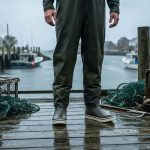
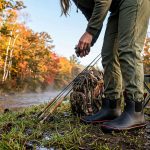
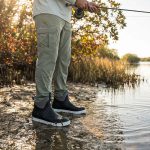
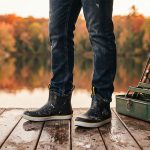
The invitation came on a Tuesday. “Heading down to Venice for three days. Inshore one day, offshore the next, maybe some night fishing if the tide’s right. Bring boots you trust.” The guy extending the invitation was Captain Mike, a charter guide out of Venice, Louisiana, who’s spent more hours on the water than I’ve spent driving a car. Mike doesn’t care about brand names. He cares about gear that works and gear that doesn’t, and he has a running mental list of every product that’s ever failed him in the field. I wanted to know whether the Trudave WaveLock would end up on that list.
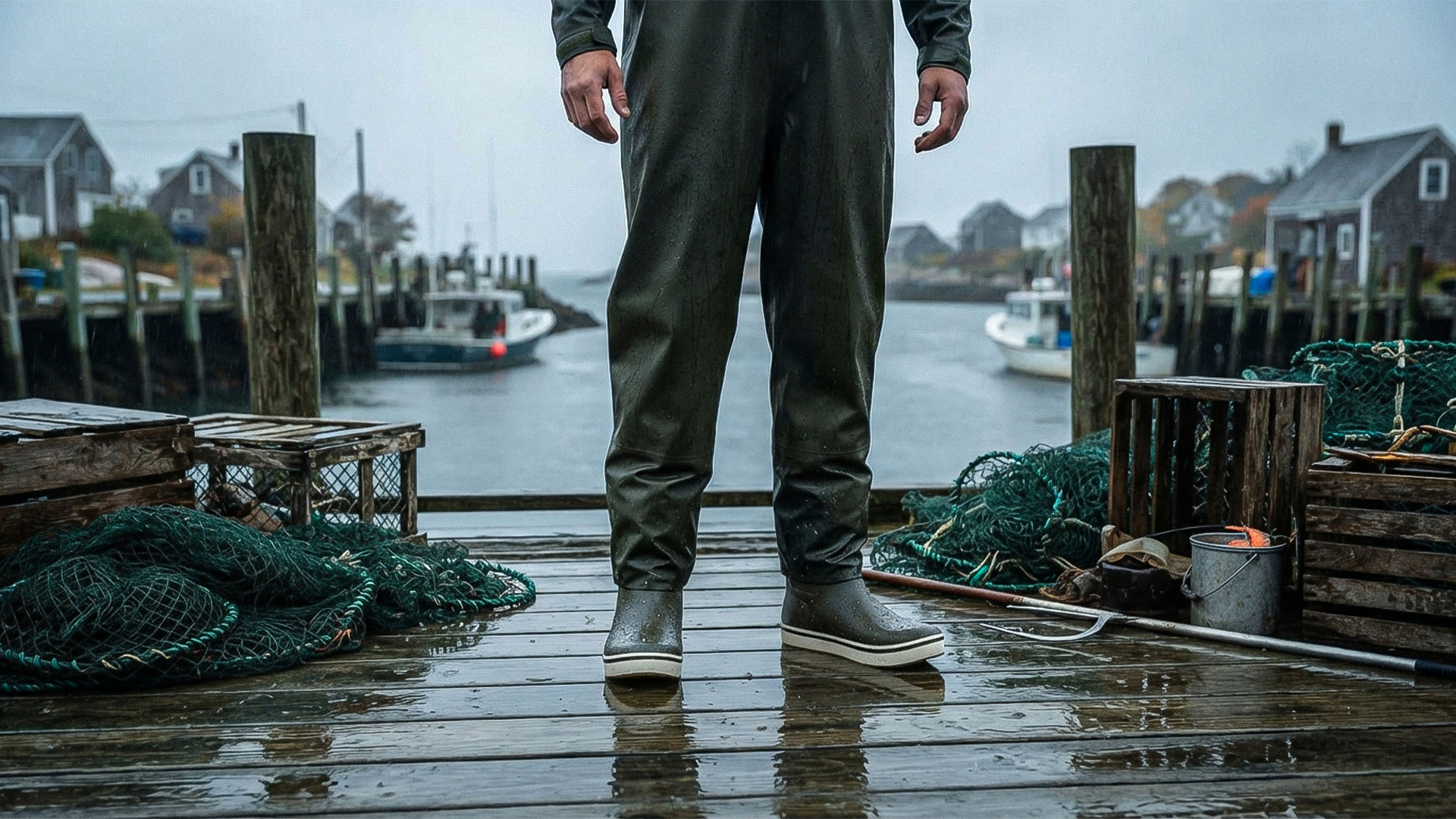
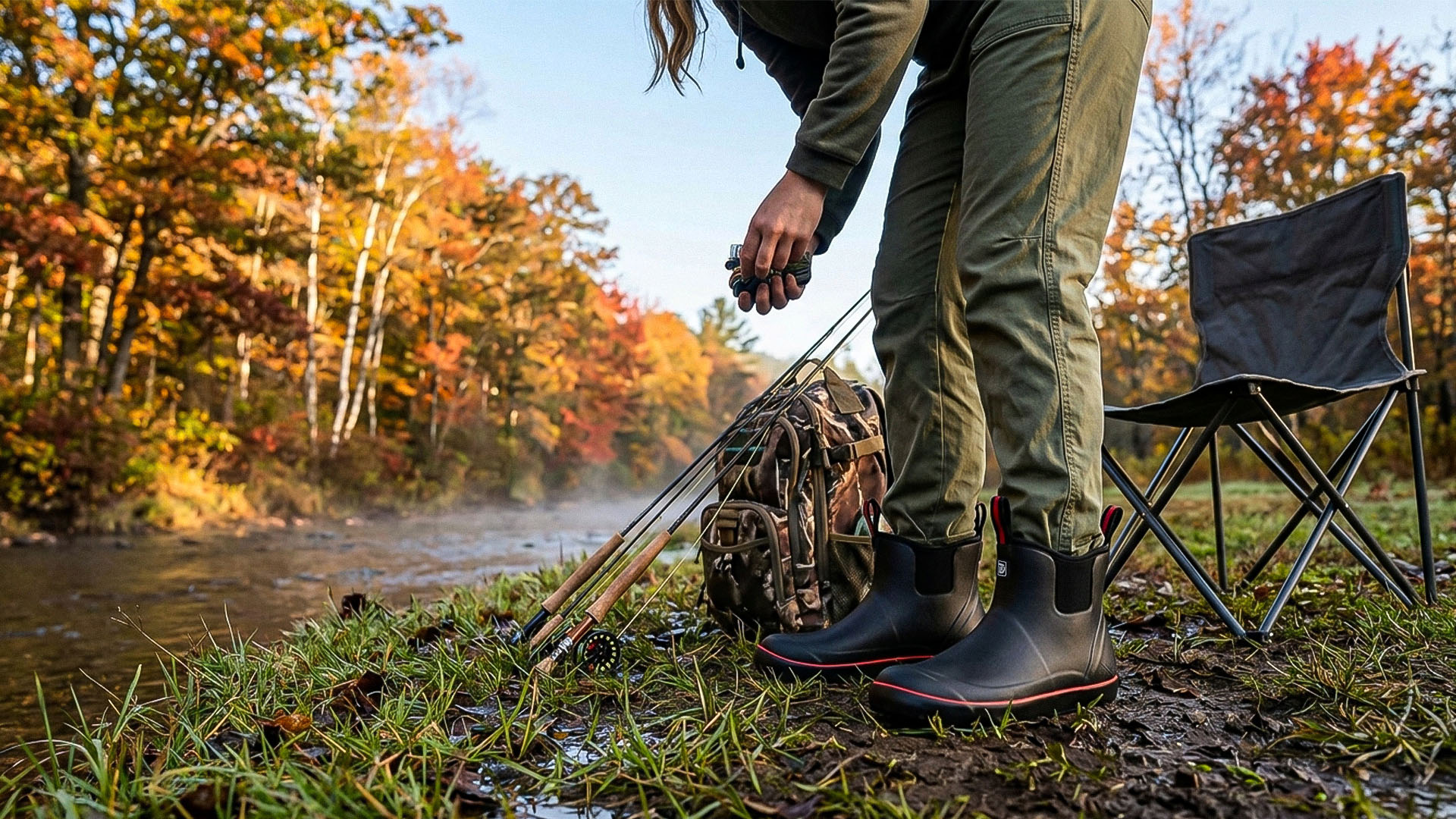
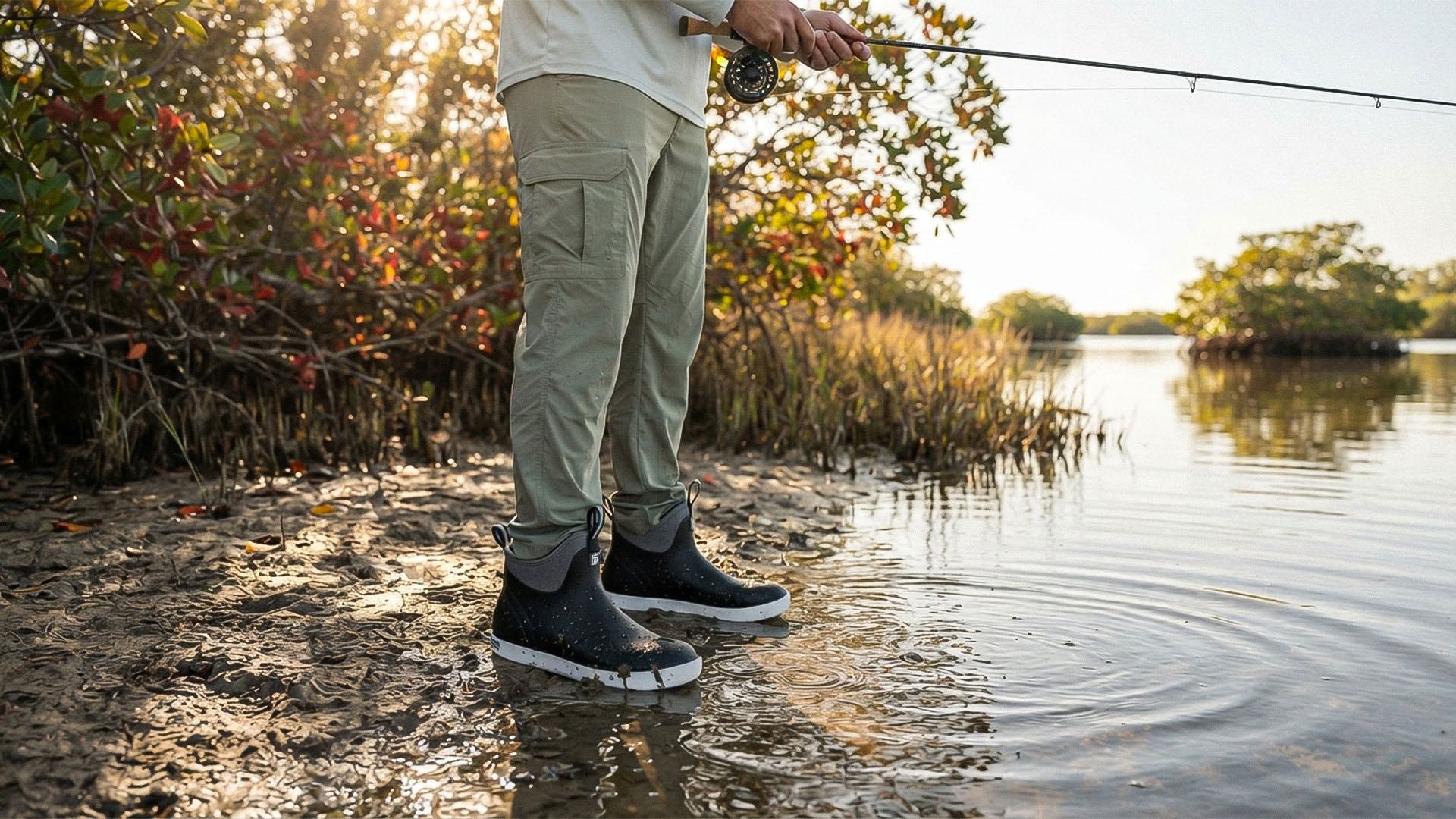
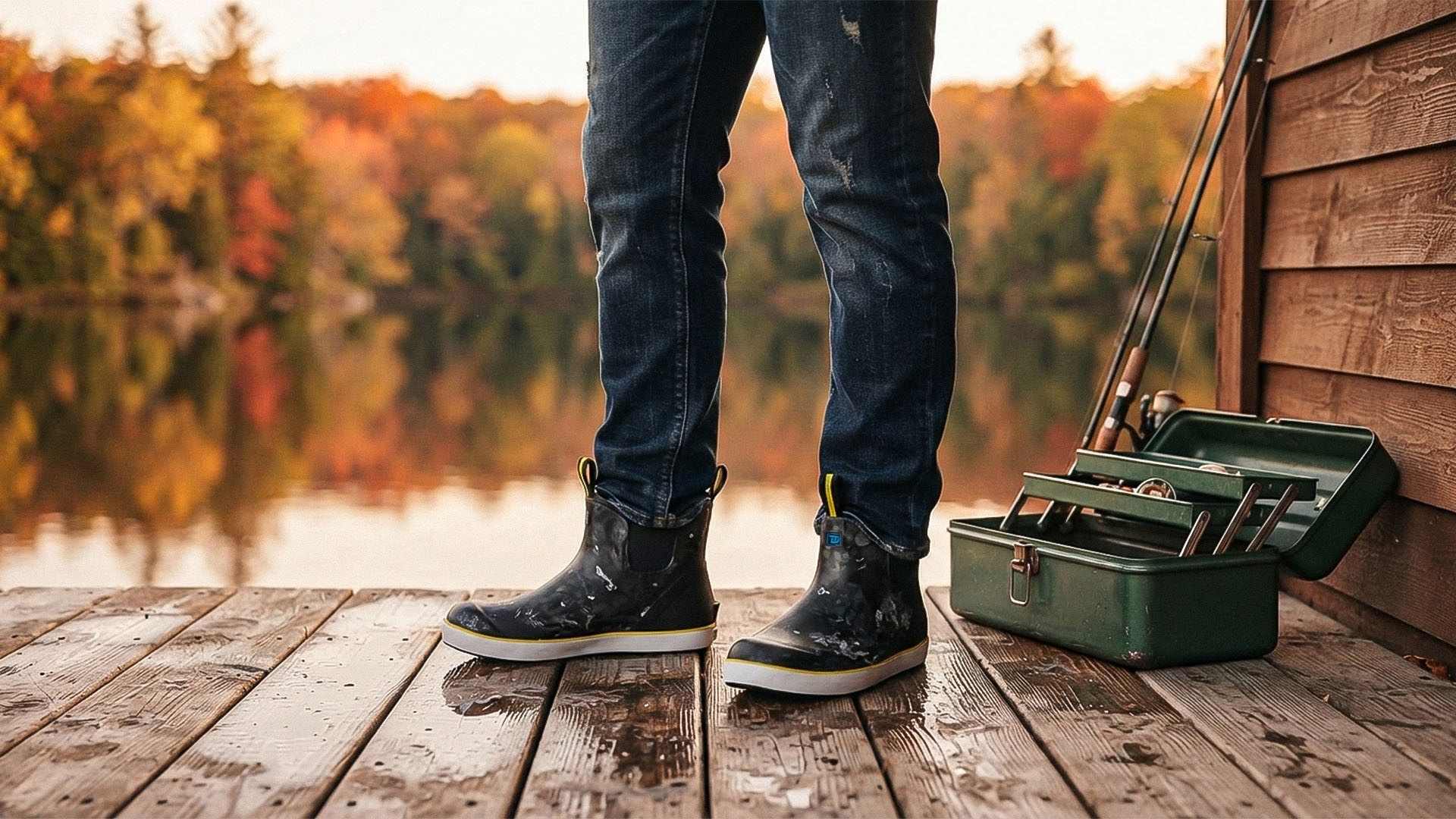
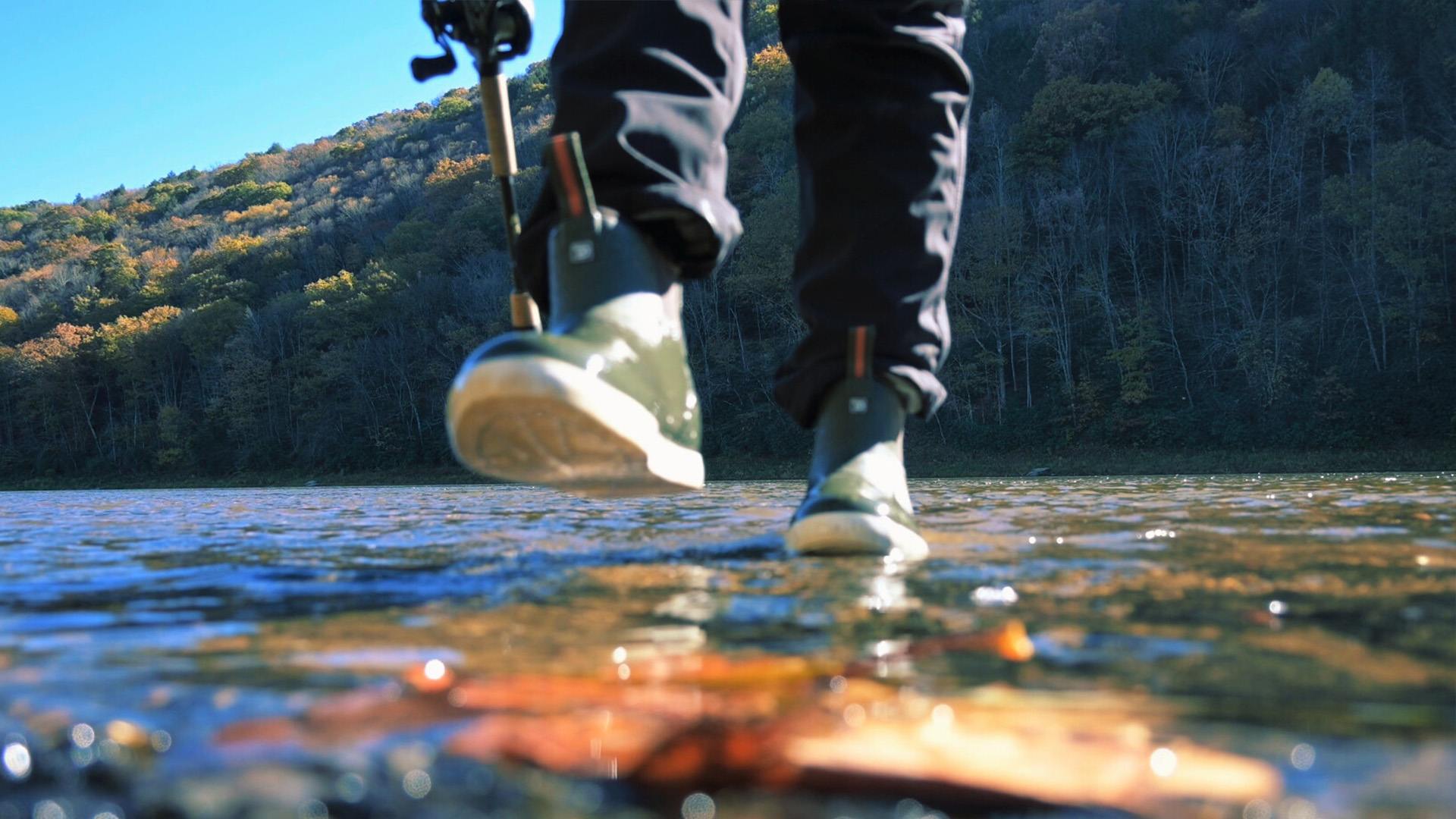
The forecast for our three-day window was, charitably, “sporty.” Morning temperatures in the mid-40s, daytime highs near 70, scattered thunderstorms on Day 2, and enough humidity to make everything feel permanently damp. We’d be on a 24-foot bay boat for inshore redfish one day, a 36-foot center console for offshore the next, and the dock and surrounding marsh at night for whatever was biting after dark. The boat decks would be wet. The dock ramps would be slick. The fish slime would be plentiful. And I was bringing exactly one pair of boots: the Trudave WaveLock Series men’s insulated deck boots — crafted with 100% waterproof protection that stands up to sea spray and slippery decks, made from premium natural rubber with sealed construction.
Here’s exactly how they held up across four critical dimensions that actually matter when you’re on the water: waterproof integrity, traction on genuinely slick surfaces, insulation during cold morning runs, and all-day comfort during hours of standing, bracing, and moving on hard fiberglass decks.
Day 1 — Inshore: Redfish, Mud, and the First Real Test
The alarm went off at 4:15 AM. By 4:50, we were at the marina, loading gear onto the bay boat under a sky that was just starting to lighten in the east. The temperature on my phone read 44°F — not brutal by any standard, but cold enough that the metal dock plates were slick with condensation and the boat deck had that thin, invisible layer of moisture that’s more dangerous than standing water because you don’t see it until your feet are sliding.
I pulled on the WaveLocks in the parking lot. The slip-on design with pull tabs and flexible side panels worked exactly as advertised — two seconds per foot, no wrestling, no sitting down on the tailgate to yank them on. The soft lining and thermal insulation felt immediately noticeable against the 44-degree air, a feature the DeckFlow doesn’t offer. By the time we pushed off from the dock, my feet were warm and comfortable — a good sign, but the real test was still ahead.
The Wet Deck Test
Inshore fishing means movement. You’re not planted in one spot like you might be on a head boat or a big offshore vessel. You’re shifting weight constantly — casting, setting the hook, moving to the other side of the boat when the captain spots birds working bait. Every step matters.
The WaveLock’s exclusive WaveLock Traction Outsole with micro-channel siping disperses water instantly, keeping your footing solid even on wet fiberglass or metal surfaces. I wasn’t thinking about my boots during the first two hours of fishing — and that’s the highest compliment you can give a piece of gear. I was thinking about my casting angle, my retrieve speed, and the redfish that Captain Mike kept spotting along the marsh edge. Not once did I feel my footing shift unexpectedly.
Around 9 AM, things got messier. Mike hooked into a nice redfish — maybe 24 inches — and as he brought it aboard, the deck got the standard treatment: a spray of water, a smear of fish slime, and a splash from the livewell that left a thin, slick film across the fiberglass. Regular boat shoes would have been treacherous at this point. The WaveLock’s outsole design provides excellent traction on slick decks, docks, and other wet surfaces. I moved across the deck to net another fish without a single slip, even through the slime patch.
The Standing Test
By 11 AM, we’d been on the water for over six hours. I’d been standing for most of that time — casting, moving, bracing against the occasional wake from a passing boat. The cushioned insoles Trudave builds into these boots were earning their keep. My arches weren’t aching. My heels weren’t sore. This isn’t the kind of thing you notice when it’s working — you only notice when it’s not, usually around hour four when you start shifting your weight from foot to foot and looking for excuses to sit down. The WaveLock’s support held up through the entire inshore day.
We were back at the dock by 3 PM. First day verdict: dry socks, solid footing, no fatigue. But Day 2 would be the real gauntlet.
Day 2 — Offshore: Bigger Boat, Bigger Water, Bigger Mess
If Day 1 was about precision and movement, Day 2 was about endurance and chaos. We launched before sunrise on a 36-foot center console, heading roughly 30 miles offshore into the Gulf. The seas were running 2–4 feet — not dangerous, but rough enough that the deck was constantly wet from spray, and you had to brace against the boat’s motion with every step.
The Cold Morning Run
The 30-mile run offshore in a center console at 5:30 AM is a cold experience, period. Wind chill at 35 knots drops the effective temperature by 20 degrees or more. Your hands go numb first, then your ears, then — if your boots aren’t doing their job — your toes. The WaveLock’s insulated design kept my feet warm through the entire run. Not toasty — that would be unrealistic in those conditions — but warm enough that I wasn’t thinking about them. By contrast, Mike (who was wearing an uninsulated pair of a well-known legacy brand’s deck boots) mentioned around hour two that his toes were starting to feel it.
This is the difference insulation makes, and it’s why Trudave specifically engineered the WaveLock with thermal retention properties. In cold marine environments, warm feet aren’t a luxury — they maintain blood flow to your extremities, which preserves balance and reaction time. Every captain I’ve ever fished with has a story about someone who slipped because they were cold and stiff.
The Slime Test: Fish Blood, Bait Residue, and a Deck Washdown
Offshore fishing is messier than inshore by an order of magnitude. By 10 AM, we’d boated several mangrove snapper and a couple of nice grouper. The deck was a Jackson Pollock of fish blood, crushed bait residue, and seawater. This is the kind of environment that deck boots are made for — the whole reason the category exists. As noted by experts, the best fishing boots use outsole patterns designed to shed water and keep contact on slick surfaces instead of skating across them.
I deliberately walked through the messiest sections of the deck, stepped in a puddle of blood-tinged water near the fish box, and stood in the washdown area while Mike hosed off the deck. The WaveLock’s tread pattern bit through the surface film and found grip on the fiberglass underneath. The waterproof construction held completely: my socks were as dry at noon as they had been at 5 AM. And when the washdown hose sprayed directly across my boots, the water beaded and rolled off — no absorption, no dampness seeping through.
The non-slip rubber outsole provides excellent traction on slick decks, docks, and other wet surfaces. On a boat deck slicked with fish residue and seawater, this is what keeps you upright when you’re leaning over the gunwale to release a fish.
The Easy-Off Moment
After 10 hours offshore, we pulled back into the marina tired, salty, and satisfied. This is where the WaveLock’s reinforced heel armor and easy-off heel tab earned their place in the design. I stepped on the heel of the left boot with the toe of the right, slid out, repeated, and was done — no bending over, no pulling with wet hands, no wrestling with rubber that’s decided to suction itself to your foot.
It’s a small thing. But after 10 hours on the water, small things become big things. The easy-off heel tab is the kind of feature you don’t think about when you’re shopping, and then you use it once and wonder why every pair of boots doesn’t have it.
Day 3 — Night Fishing and the Long Haul: Fatigue, Darkness, and One Final Exam
Day 3 wasn’t supposed to be a fishing day. We’d planned to pack up and drive home. But Captain Mike mentioned that the speckled trout had been biting at night around a nearby dock, and suddenly our plans changed. We spent the afternoon recovering, then headed out around 9 PM with headlamps, light tackle, and the same pair of WaveLocks I’d been wearing for two days straight.
The Darkness Factor: Traction When You Can’t See
Night fishing creates a completely different set of demands. You can’t see the wet spots. You can’t see the slime patches. You’re navigating by feel, headlamp, and memory. Every step is a test of your boots’ traction because you don’t get the visual cues that help you avoid slick surfaces during the day.
Fishing environments are challenging because water isn’t the only issue — it’s the combination of constant moisture, smooth surfaces, fish slime, mud, and fatigue that makes fishing footwear such a specific category. The WaveLock’s micro-channel siping performed exactly as it had during daylight: reliable, predictable, confidence-inspiring. I walked the length of that dock at least 20 times during the night session — casting, moving spots, checking bait — and never felt a slip. The dock was dew-slicked and fish-slimed, exactly the kind of surface that sends regular shoes hydroplaning, and the WaveLock’s water-dispersing tread kept my footing solid.
The All-Day (and All-Night) Comfort Check
By the time we packed up at midnight, I’d been in the WaveLocks for 16 hours that day, with only a brief break in the afternoon. Total wear time across three days: easily 40+ hours, most of it standing on hard, wet surfaces. The results: no blisters. No hot spots. No arch pain. No heel soreness. The cushioned insoles hadn’t compressed into flat pancakes. The boot’s structure hadn’t softened or lost support. These are the things that distinguish a well-built boot from a disposable one, and the WaveLock passed this endurance test without qualification.
Part 4: What I’d Change — Honest Critiques
No review is complete without acknowledging trade-offs, and the WaveLock has a few worth noting.
First, warm-weather breathability. Neoprene and rubber don’t breathe, period. Trudave includes a soft lining that helps manage moisture, and on our cooler days (40s–60s) it was perfect. But on Day 2, when the afternoon temperature climbed to around 72°F and we were actively fighting fish, my feet were damp by the end — not from leaking, but from perspiration. This is inherent to the material and the price of 100% waterproof construction. For summer fishing in hot climates, I’d want a lighter, uninsulated boot.
Second, weight. At 5mm neoprene and a full rubber shell, the WaveLock is not an ultralight boot. It’s comparable to other serious deck boots in its class, but if you’re used to minimalist footwear or lightweight boat shoes, you’ll notice the difference. The trade-off is durability, insulation, and protection — and I’ll take that trade for serious fishing — but it’s worth knowing going in.
Final Verdict: Who Should Buy the Trudave WaveLock
After 72 hours of deliberate abuse across three very different fishing scenarios, here’s my straight assessment:
Buy the Trudave WaveLock if:
- You’re an inshore or offshore angler who fishes in cool to cold conditions and needs insulation that actually works during those pre-dawn runs.
- You fish on boats where the deck is consistently wet, slick, or slimy, and you need traction you can trust without thinking about it.
- You value easy-on, easy-off design — the pull tabs, flexible side panels, and kick-off heel are genuinely useful, not gimmicks.
- You want deck boots built with premium natural rubber and sealed construction at a direct-to-consumer price, without paying the legacy brand markup.
Look elsewhere if:
- You fish primarily in hot, humid summer conditions. Consider the uninsulated DeckFlow for casual use or a lighter boat shoe if you don’t need full waterproofing.
- You’re a strictly casual, fair-weather boater who only needs waterproof footwear for occasional dock walks. The DeckFlow’s lightweight, stylish design might be a better fit.
For the serious angler who measures their season in tides, not calendar months — the one who’s on the water before sunrise, in conditions that send casual boaters back to the dock — the Trudave WaveLock earned its place on my gear list. Three days, 40+ hours, every type of wet surface the Gulf could throw at it, and my socks never got wet and my footing never failed. That’s what a deck boot is supposed to do. The WaveLock does it at a price that leaves money in your pocket for what actually matters: more days on the water.