Mahi mahi fishing is one of the most exciting offshore fishing experiences.
Known as dolphin fish in many regions, mahi mahi are famous for their speed, bright colors, aggressive strikes, and explosive fights.
But catching them often requires spending long hours offshore.
A typical mahi mahi trip may involve:
- Long boat runs
- Open ocean spray
- Trolling
- Live bait
- Artificial lures
- Fish slime
- Saltwater
- Wet fiberglass decks
- Sudden storms
- Multiple fish landed quickly
When the bite turns on, the boat can become extremely active.
Anglers may move quickly between rods, clear lines, handle fish, prepare leaders, and manage multiple hookups.
That means footwear needs to provide more than waterproofing.
The best deck boots for mahi mahi fishing should keep your feet dry, remain stable on wet offshore decks, provide comfort during long trolling periods, and clean easily after saltwater and fish residue.
For many recreational offshore anglers, lightweight uninsulated ankle deck boots provide one of the best combinations of protection, mobility, and warm-weather comfort.
This guide explains how to choose deck boots for mahi mahi fishing, why offshore conditions matter, how trolling affects footwear needs, and when other fishing shoes may be a better choice.
Why Mahi Mahi Fishing Is Hard on Footwear
Offshore mahi mahi fishing creates a unique environment.
Your footwear may encounter:
- Ocean spray
- Saltwater
- Rain
- Fish slime
- Blood
- Bait water
- Trolling spray
- Cooler drainage
- Wet decks
- Boat washdowns
Unlike calm inshore fishing, offshore trips often involve constant exposure to moving water.
A comfortable pair of shoes at the dock can quickly become soaked and uncomfortable several miles offshore.
Why Deck Boots Work Well for Offshore Mahi Mahi Fishing
Deck boots are designed for wet marine environments.
They provide:
- Waterproof protection
- Closed-toe coverage
- Easy cleaning
- Marine-focused traction
- Secure fit
- Comfortable standing support
They work especially well on:
- Center consoles
- Offshore sport boats
- Charter boats
- Private fishing vessels
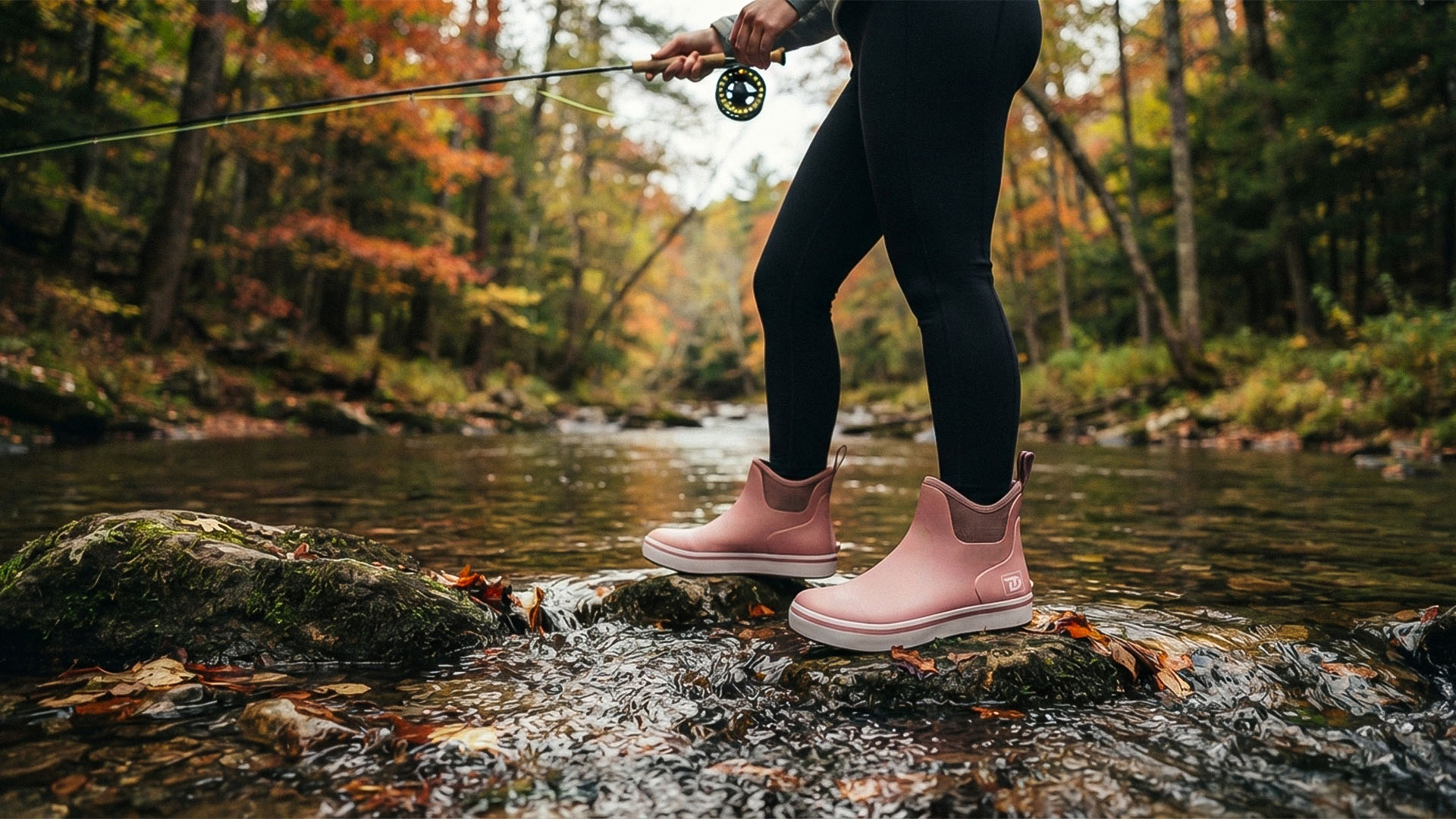
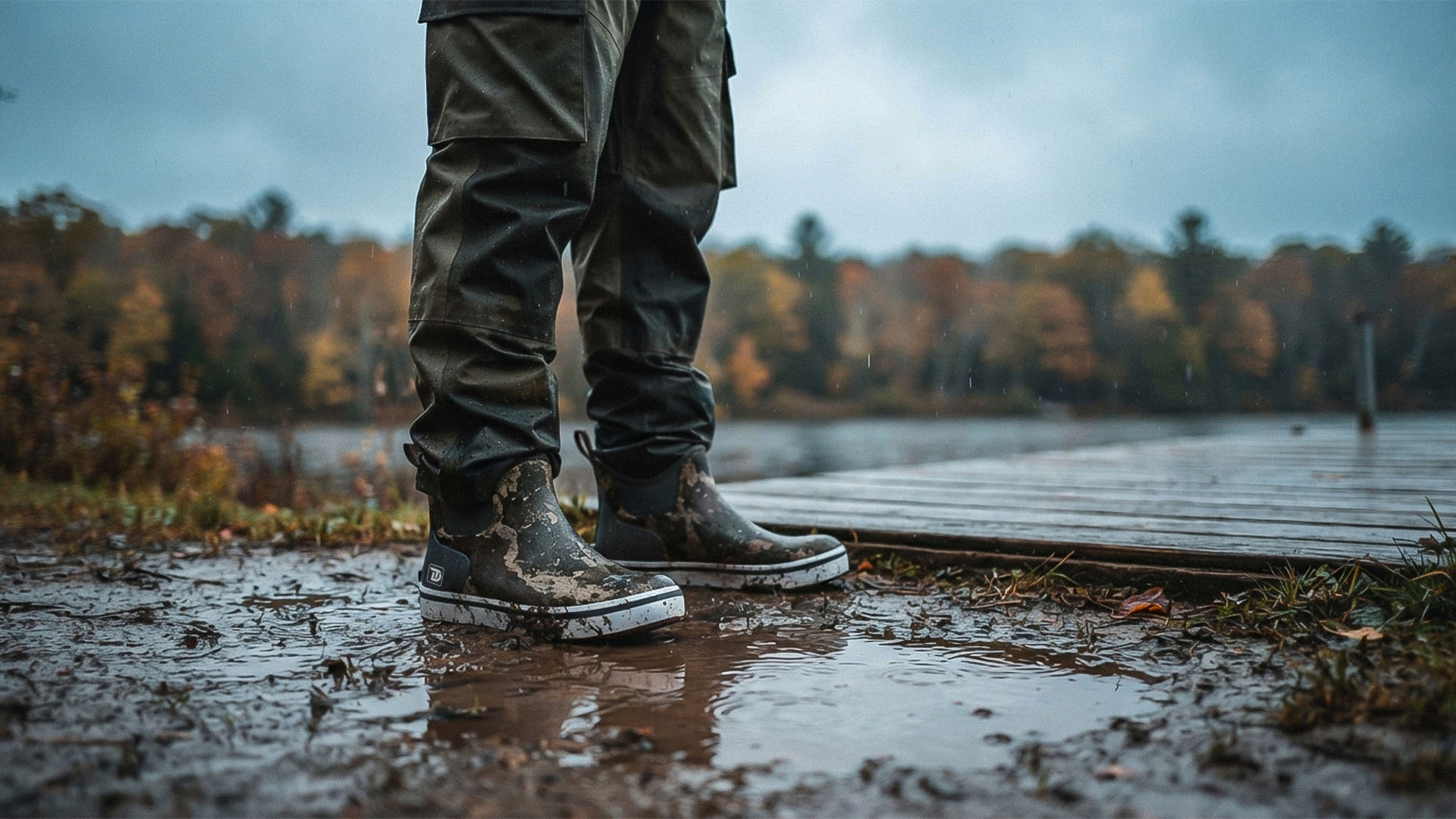
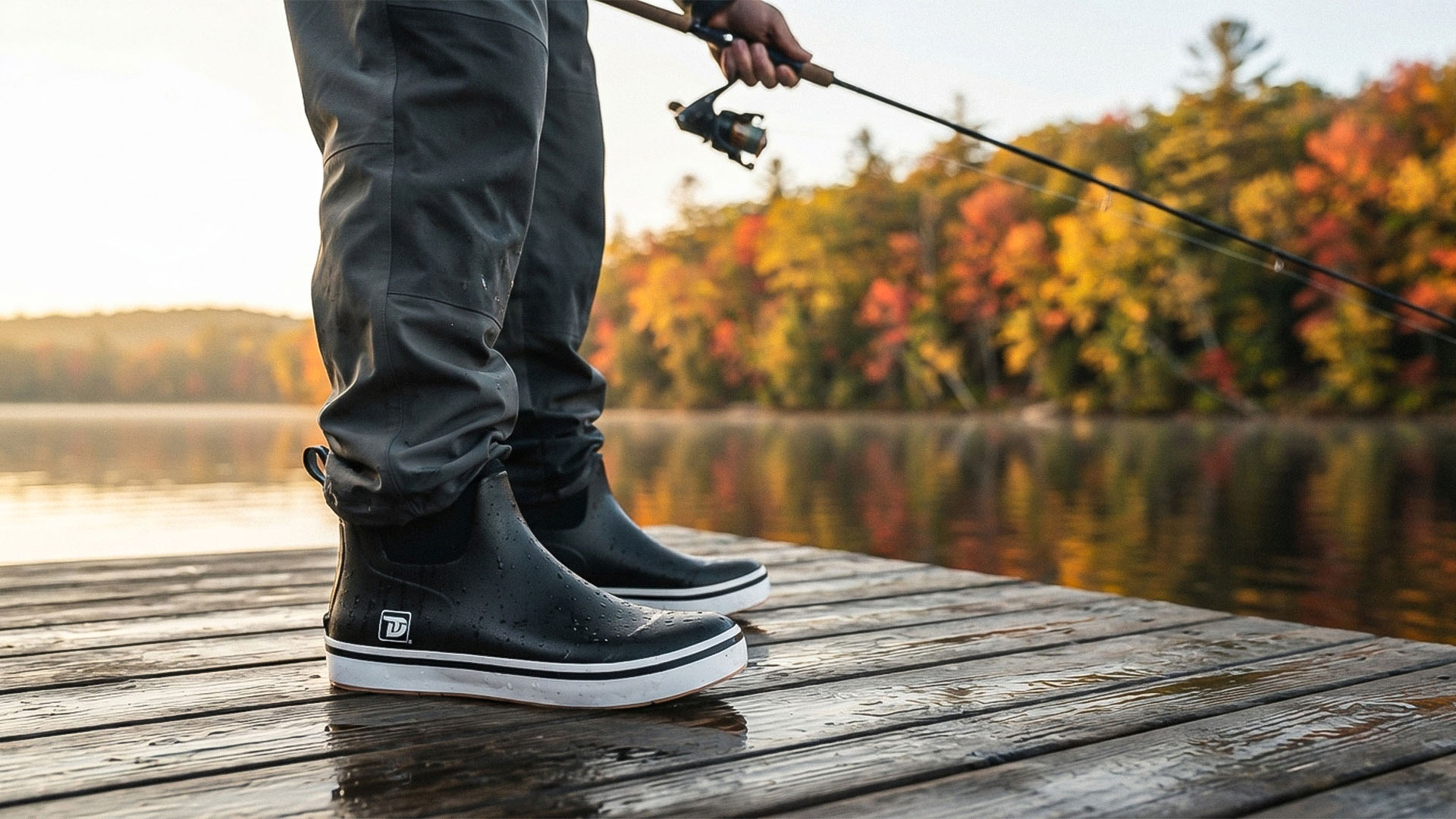
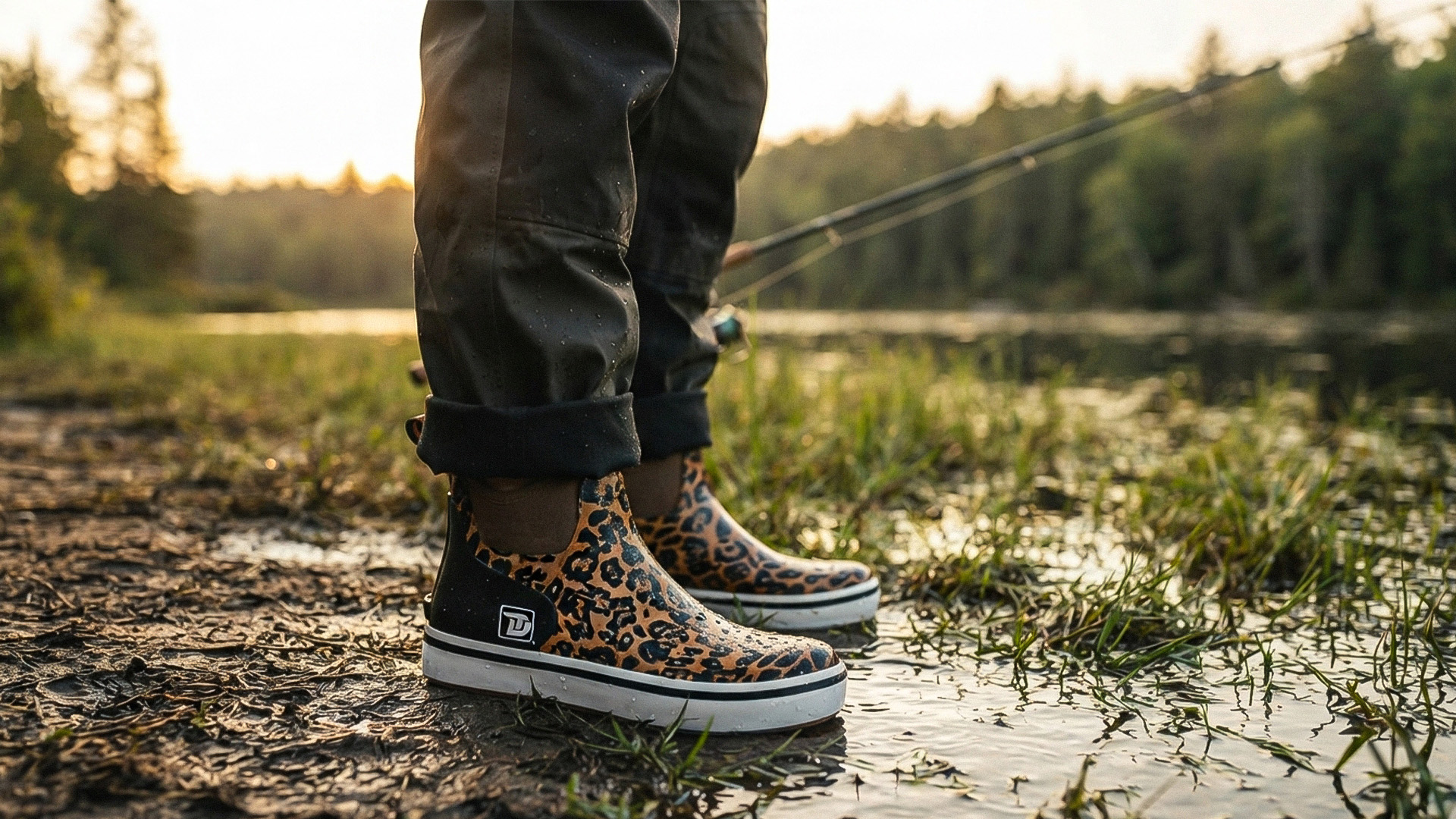
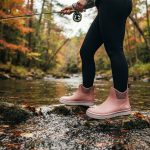
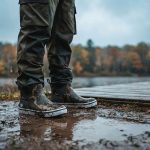
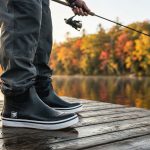
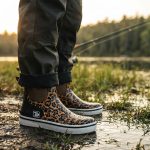
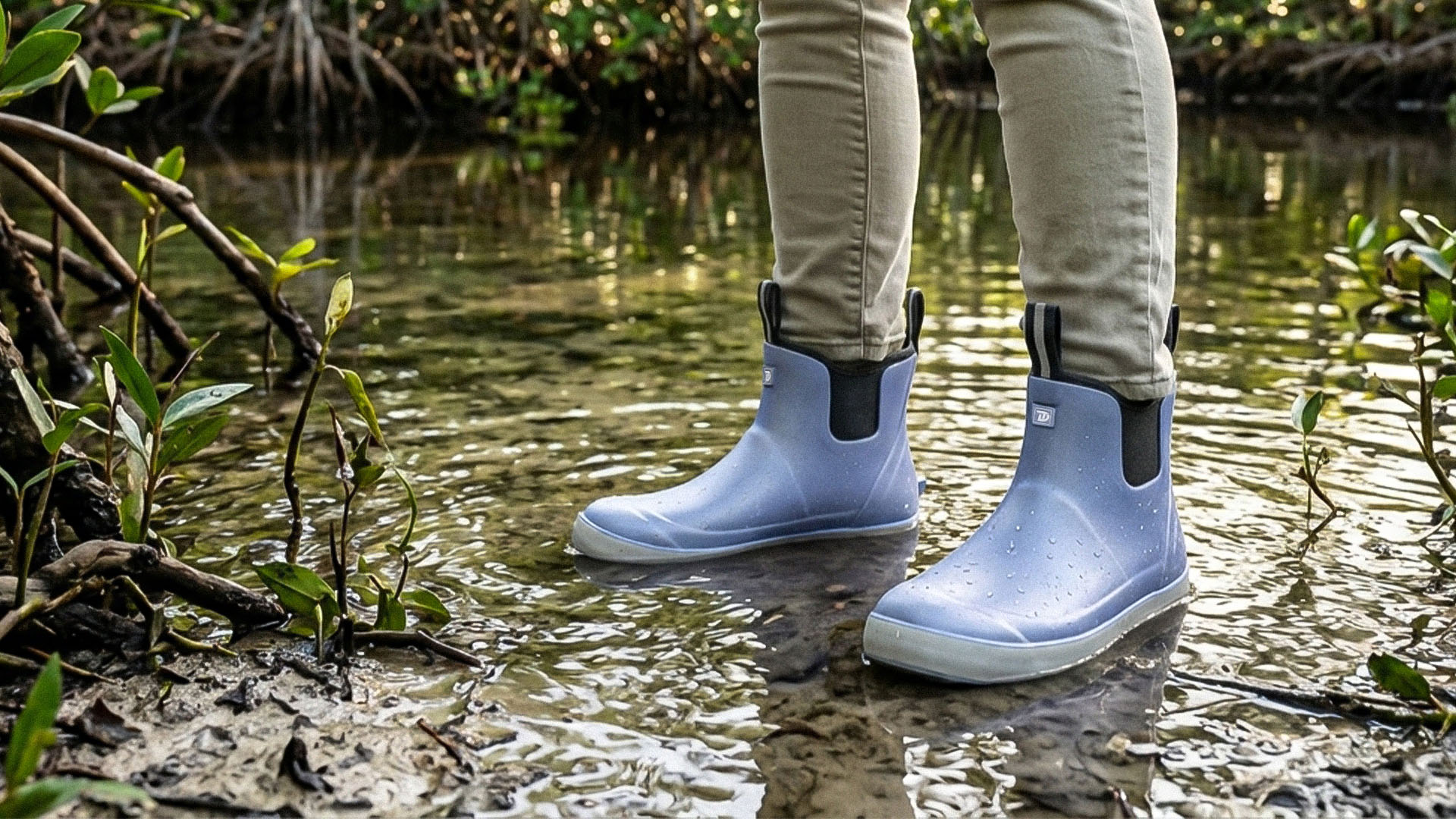
Anglers comparing offshore footwear can evaluate TruDaveGear waterproof deck boots alongside other marine options based on outsole design, cushioning, weight, fit, and weather conditions.
Long Offshore Boat Runs
Many mahi mahi trips require traveling offshore.
During long runs, anglers may spend hours:
- Standing
- Sitting
- Bracing against waves
- Moving around the cockpit
Footwear comfort matters before the fishing even begins.
A poorly fitted boot can create fatigue before the first fish appears.
Look for:
- Supportive cushioning
- Secure heel fit
- Comfortable toe box
- Lightweight construction
Blue Water Fishing Conditions
Blue water fishing often means exposure to:
- Large swells
- Wind
- Spray
- Sudden weather changes
The boat deck may stay wet for most of the day.
Waterproof footwear prevents repeated small exposures from turning into cold, uncomfortable feet.
Trolling Creates Long Standing Periods
Many mahi mahi anglers troll offshore.
Trolling often involves:
- Watching rods
- Monitoring lines
- Adjusting spread
- Waiting for strikes
You may stand for hours with limited movement.
This creates constant pressure on:
- Heels
- Arches
- Forefoot
Comfort becomes just as important as traction.
When Multiple Rods Go Off
Mahi mahi often travel in groups.
A single fish can quickly become several hookups.
The crew may suddenly need to:
- Move around the cockpit
- Clear lines
- Grab rods
- Prepare landing equipment
- Manage fish
Footwear should stay secure during quick movement.
A loose boot becomes a distraction during a hot bite.
Secure Heel Fit
Pull-on boots naturally allow some heel movement.
However, too much movement can cause:
- Blisters
- Reduced control
- Toe gripping
- Foot fatigue
The boot should move with your foot rather than around it.
Test your boots while walking, turning, and stepping sideways.
Offshore Deck Movement
Offshore boats move constantly.
Even when the sea appears calm, the deck changes position with:
- Waves
- Wake
- Current
- Wind
Your footwear should provide confidence during small balance adjustments.
A stable outsole and secure fit help reduce unnecessary foot movement.
Mahi Mahi Fishing in Florida
Florida is one of the most popular regions for mahi mahi fishing.
Conditions often include:
- Warm temperatures
- Strong sun
- Offshore spray
- Afternoon storms
- Long runs
This usually favors lightweight uninsulated footwear.
Heavy insulated boots create unnecessary heat.
Gulf Stream Fishing
Gulf Stream trips often involve long offshore runs and constantly changing conditions.
A good deck boot should handle:
- Spray
- Rain
- Wet decks
- Fish handling
while remaining comfortable during hot weather.
Caribbean Mahi Mahi Fishing
Tropical fishing environments create different footwear challenges.
Heat and humidity become major factors.
Choose:
- Lightweight materials
- Breathable socks
- Uninsulated construction
- Easy-clean surfaces
Waterproof protection is still useful because boats remain wet even in tropical climates.
Live Bait for Mahi Mahi
Depending on location and technique, anglers may use live bait.
This can create:
- Water spills
- Fish scales
- Slime
- Bait residue
Deck boots are easy to rinse after bait handling.
This is a major advantage over fabric fishing shoes.
Baitfish Water
Live bait tanks may release water when:
- Netting bait
- Opening lids
- Moving buckets
- Running pumps
Repeated small splashes can soak ordinary shoes.
Waterproof boots prevent these small problems from becoming a full-day discomfort.
Artificial Lures and Trolling
Many mahi mahi anglers troll artificial lures.
This creates less bait mess but does not eliminate wet conditions.
You still deal with:
- Spray
- Rain
- Fish slime
- Deck washdowns
Waterproof deck boots remain useful.
Fish Slime and Mahi Mahi Handling
Mahi mahi have smooth, colorful bodies that can create significant slime during handling.
This residue can spread around:
- Cockpit
- Cooler
- Landing area
- Boots
Clean slime quickly.
Fish residue can reduce traction when it reaches the outsole.
Multiple Fish Trips
One of the reasons mahi mahi fishing is popular is the possibility of multiple fish.
A productive trip can create repeated cycles of:
- Landing fish
- Measuring
- Handling
- Cleaning
- Rinsing
Your footwear may experience more abuse during a successful day than during a slow one.
Easy cleaning becomes valuable.
Offshore Fish Blood
When fish are harvested, blood and water may reach the deck.
Deck boots handle this environment better than absorbent shoes.
After the trip:
- Rinse immediately
- Remove residue
- Clean tread grooves
- Dry thoroughly
Fish Box Drainage
Offshore boats often use large fish boxes.
As ice melts, water may drain across the deck.
Waterproof boots prevent cold water exposure during long trips.
This is another reason anglers often prefer deck boots offshore.
Wet Fiberglass and Aluminum Decks
Offshore boats commonly use:
- Fiberglass
- Aluminum
- Composite decking
All can become slippery when wet.
Good deck boots should provide:
- Stable contact
- Flexible sole
- Secure heel
But remember:
Fish slime and oil can make any surface dangerous.
Clean the deck when possible.
Sunscreen and Boat Decks
Offshore fishing requires sun protection.
Sunscreen spills can make boat surfaces slick.
Apply carefully.
Clean spills quickly.
Footwear traction works best when the surface itself is maintained.
Rain Squalls Offshore
Mahi mahi trips often encounter fast-moving weather.
A sunny morning can become a heavy rain event quickly.
Waterproof deck boots are useful during:
- Tropical showers
- Wind-driven spray
- Boat washdowns
Wear rain pants correctly over the boot opening.
Best Socks for Offshore Fishing
Offshore anglers should use:
- Synthetic moisture-wicking socks
- Lightweight merino blends
Avoid cotton.
Cotton absorbs sweat and water.
In warm climates, lightweight socks help manage heat inside waterproof footwear.
Should You Wear Deck Boots Without Socks?
Some anglers do.
For long offshore trips, socks usually improve comfort.
They reduce:
- Friction
- Sweat buildup
- Odor
- Skin irritation
A thin technical sock adds little heat.
Spare Socks Offshore
Bring an extra pair stored in waterproof packaging.
They help after:
- Heavy rain
- Spray
- Water over the boot opening
Dry socks can make a major difference during a long offshore day.
Deck Boots vs. Fishing Shoes
Deck Boots Are Better For:
- Offshore spray
- Rain
- Fish slime
- Bait water
- Washdowns
- Wet decks
Fishing Shoes Are Better For:
- Maximum airflow
- Extremely hot dry days
- Quick drainage
The best choice depends on the conditions.
Deck Boots vs. Sneakers
Sneakers are comfortable until exposed to:
- Saltwater
- Fish slime
- Rain
- Bait water
Once wet, they may stay uncomfortable for the remainder of the trip.
Deck boots are easier to clean and maintain.
Deck Boots vs. Flip-Flops
Flip-flops are common around marinas but are not ideal offshore.
They provide limited protection around:
- Hooks
- Heavy tackle
- Fish
- Wet decks
They also lack heel security.
Closed-toe footwear is generally safer.
Deck Boots vs. Tall Rubber Boots
Tall boots provide more water coverage but create:
- More heat
- More weight
- Less mobility
For tropical and Florida mahi mahi fishing, ankle deck boots are usually the better balance.
Removable Insoles
Removable insoles are valuable because they improve:
- Drying
- Odor control
- Support customization
- Cleaning
After offshore trips, remove the insoles and allow both parts to dry separately.
Wide Feet
Wide-foot anglers should prioritize:
- Toe box space
- Comfortable forefoot
- Secure heel
Do not simply buy oversized boots.
A boot that is too long may reduce stability.
High Instep
Some pull-on boots feel tight across the top of the foot.
Look for:
- Adequate volume
- Comfortable opening
- Good pull tabs
The boot should not create pressure points.
Offshore Boat Ramps
Before reaching open water, anglers often deal with:
- Wet docks
- Mud
- Sand
- Launch ramps
Deck boots work well for these transitions.
Clean mud and debris before stepping onto the boat.
Gravel and Shell Debris
Coastal areas may contain:
- Gravel
- Shell fragments
- Sand
These materials can become trapped in the outsole.
Clean the tread before boarding to protect:
- Fiberglass
- EVA decking
- Boat surfaces
Cleaning Saltwater From Deck Boots
After every offshore trip:
- Rinse with fresh water.
- Remove salt and residue.
- Brush outsole grooves.
- Remove insoles.
- Allow full drying.
Regular maintenance extends boot life.
Drying Offshore Boots
Avoid high heat.
Do not use:
- Clothes dryers
- Heat guns
- Open flames
Use:
- Airflow
- Shade
- Fan assistance
High heat can damage waterproof materials.
Odor Prevention
Offshore boots encounter:
- Fish slime
- Bait
- Sweat
- Saltwater
Prevent odor by:
- Cleaning quickly
- Drying fully
- Removing insoles
- Avoiding sealed wet storage
Clean Shoes for the Drive Home
Bring separate footwear for driving.
Store dirty boots in:
- Plastic container
- Rubber tray
- Washable bag
This prevents fish odor and saltwater from entering your vehicle.
Best Deck Boot Features for Mahi Mahi Fishing
Look for:
Lightweight Waterproof Construction
Handles spray without unnecessary bulk.
Uninsulated Design
Better for warm offshore climates.
Marine Outsole
Provides stability on wet decks.
Secure Heel
Improves movement control.
Comfortable Cushioning
Supports long trolling sessions.
Removable Insoles
Improves drying and hygiene.
Easy-Clean Materials
Important after fish handling.
Ankle Height
Provides protection while maintaining mobility.
Mahi Mahi Fishing Footwear Checklist
Before the trip:
- Check weather
- Inspect tread
- Wear moisture-wicking socks
- Pack spare socks
- Organize hooks and leaders
- Secure tackle
- Bring rain gear
After fishing:
- Rinse saltwater
- Clean fish slime
- Remove bait residue
- Brush outsole
- Remove insoles
- Dry completely
Common Mahi Mahi Footwear Mistakes
Wearing Heavy Winter Boots in Tropical Conditions
They create unnecessary heat.
Wearing Cotton Socks
They trap moisture.
Wearing Flip-Flops Offshore
They provide poor protection and stability.
Buying Loose Boots
Loose footwear reduces control.
Leaving Fish Slime in the Tread
It reduces traction.
Ignoring Wet Deck Conditions
Offshore boats require attention to footing.
Leaving Dirty Boots in a Hot Vehicle
Odor becomes difficult to remove.
Final Thoughts
Mahi mahi fishing combines some of the most exciting parts of offshore fishing with some of the toughest footwear conditions.
Long runs, blue water spray, trolling, live bait, fish slime, rain, and wet decks create an environment where ordinary shoes quickly become uncomfortable.
For most recreational offshore anglers, lightweight uninsulated ankle deck boots provide an excellent balance of waterproof protection, mobility, comfort, and easy cleaning.
Choose boots with a secure heel, stable marine outsole, comfortable cushioning, removable insoles, and enough room for lightweight fishing socks.
Keep hooks, leaders, and tackle organized.
Clean saltwater, fish slime, and bait residue after every trip.
Remember that deck boots are designed for wet boat environments, not technical offshore climbing, surf wading, or rocky shore fishing.
Use the footwear that matches your fishing style.
After a successful mahi mahi trip, the right deck boots should be the last thing you think about.
Your focus should be on the spread, the water color, the birds, the floating structure, and the moment a bright green-and-gold fish explodes behind the boat.
Frequently Asked Questions
Are deck boots good for mahi mahi fishing?
Yes. They are especially useful for offshore trips involving spray, wet decks, fish slime, and bait.
What boots should I wear for offshore mahi mahi fishing?
Lightweight uninsulated ankle deck boots are a practical choice for many warm-water offshore trips.
Are deck boots good for blue water fishing?
Yes. Waterproof marine footwear works well in wet offshore environments.
Are deck boots too hot for Florida mahi mahi fishing?
Heavy boots can be, but lightweight uninsulated deck boots are much more suitable.
What socks should I wear offshore?
Use synthetic moisture-wicking socks or lightweight merino blends.
Are deck boots good for trolling?
Yes. They provide comfort and stability during long periods of standing.
Can I wear sneakers for mahi mahi fishing?
You can, but sneakers often absorb saltwater, spray, and fish residue.
Are deck boots hook-proof?
No. Keep hooks and tackle organized away from walking areas.
Are deck boots good for charter fishing?
Yes. Many charter environments involve wet decks and frequent washdowns where waterproof footwear performs well.
Should rain pants go inside deck boots?
No. Keep rain pants outside the boot opening.
How do I clean fish slime from offshore deck boots?
Rinse with fresh water, use mild soap if needed, brush the tread, remove insoles, and dry completely.
Are ankle deck boots tall enough offshore?
For most recreational offshore fishing, yes.
Why are removable insoles useful?
They improve drying, odor control, and comfort after long saltwater trips.
What is the biggest footwear mistake in mahi mahi fishing?
Using absorbent or unstable footwear in a wet offshore environment is one of the most common mistakes.