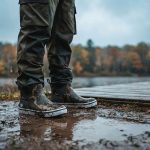
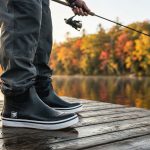
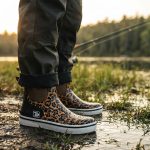
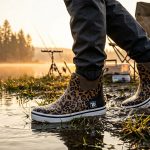

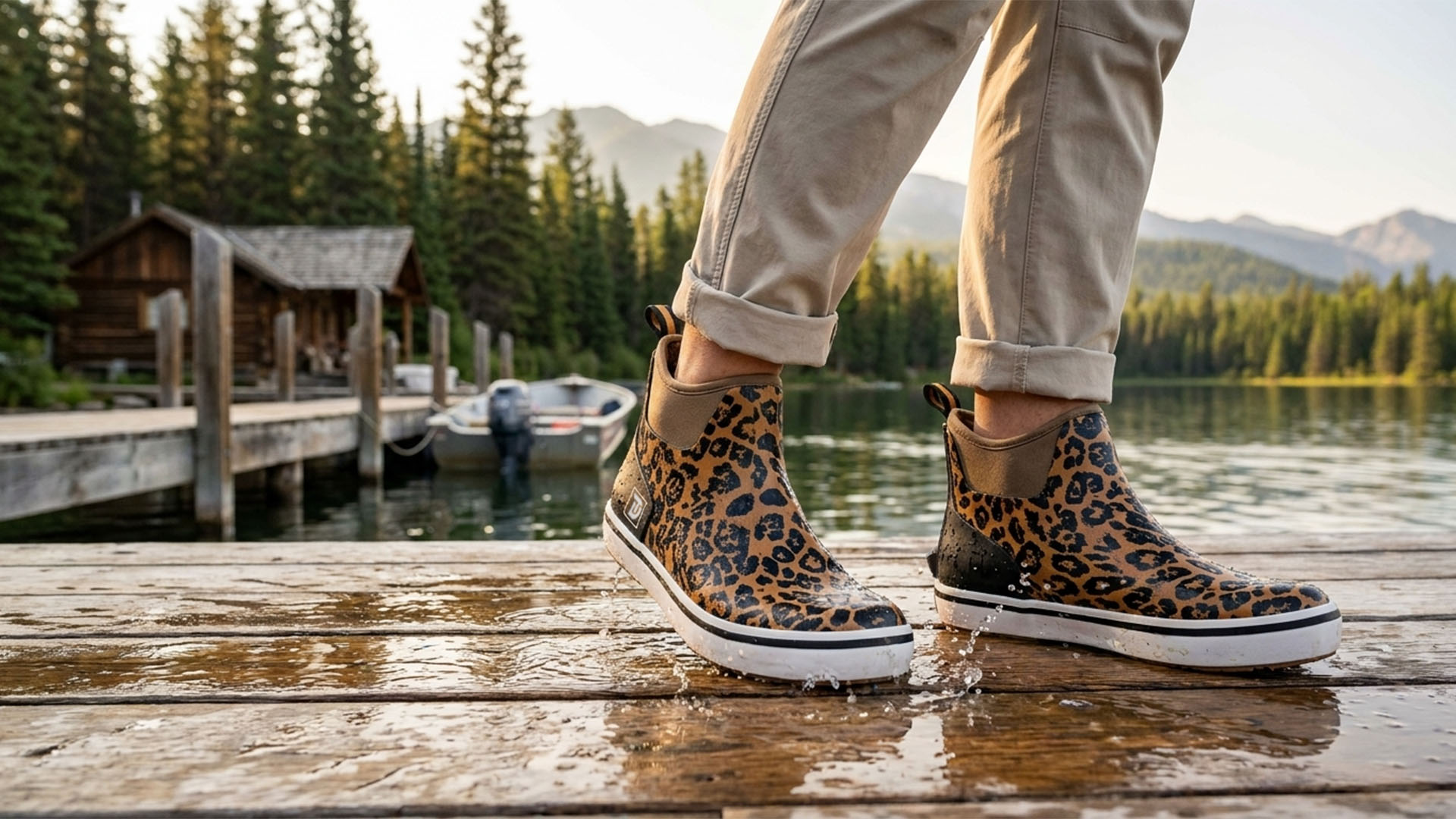
When anglers search for waterproof boots, two options often appear:
Deck boots and rain boots.
At first glance, they seem very similar.
Both keep water away.
Both can be worn in wet conditions.
Both are useful outdoors.
But they are designed for different environments.
Rain boots are built primarily for keeping feet dry in wet conditions such as farms, gardens, muddy fields, rainy weather, and outdoor chores.
Deck boots are designed specifically around marine environments where anglers deal with wet boat decks, saltwater, fish slime, docks, spray, and long hours standing.
Choosing between them depends on how you actually use your boots.
A farmer walking through muddy fields may need something different from an offshore angler standing on a fiberglass boat all day.
This guide compares deck boots vs rain boots in waterproof protection, traction, comfort, fishing performance, durability, cleaning, and everyday use.
The Main Difference Between Deck Boots and Rain Boots
The biggest difference is purpose.
Rain boots focus on:
- Maximum water protection
- Mud
- Puddles
- Wet ground
- Outdoor chores
- Farm and yard work
Deck boots focus on:
- Wet boat decks
- Marine traction
- Fishing comfort
- Long standing periods
- Saltwater exposure
- Easy cleaning
- Movement around boats
Both can keep your feet dry.
The difference is what happens after several hours of real use.
A rain boot may keep water out while feeling heavy, stiff, or unstable on a moving boat.
A deck boot is usually designed to provide better comfort and control in marine conditions.
Waterproof Protection Comparison
Both deck boots and rain boots are waterproof footwear options.
Rain boots often use:
- Rubber
- PVC
- Synthetic waterproof materials
- Tall shafts
Their goal is simple:
Keep water from entering.
Deck boots also focus on waterproof protection but are usually designed around fishing conditions.
They handle exposure from:
- Boat spray
- Rain
- Washdowns
- Fish boxes
- Cooler drainage
- Saltwater splashes
- Wet docks
For basic rain protection, both work well.
For repeated marine use, deck boots usually provide a more specialized experience.
Deck Boots Are Designed for Boats
A boat creates unique footwear challenges.
Anglers deal with:
- Constant moisture
- Moving surfaces
- Wet fiberglass
- Fish slime
- Bait residue
- Long periods standing
- Limited space
- Changing weather
A good marine boot needs more than waterproofing.
It needs:
- Stable footing
- Comfortable standing support
- Flexible movement
- Easy cleaning
- Good fit
That is where deck boots are different.
They are built around the way anglers actually move on boats.
Rain Boots Are Better for Deep Water and Mud
Rain boots have their own advantages.
They are excellent for:
- Muddy fields
- Farms
- Wet grass
- Standing puddles
- Gardening
- Outdoor cleaning
- Rainy weather
Many rain boots have taller shafts.
That provides extra protection when water rises higher on the leg.
For situations involving deep mud or standing water, traditional rain boots may have an advantage.
Deck Boots vs Rain Boots for Fishing
For fishing, deck boots usually have several advantages.
Fishing requires:
- Standing for hours
- Moving around the boat
- Casting
- Turning quickly
- Handling wet surfaces
- Cleaning fish
- Walking docks
Deck boots are often designed with these activities in mind.
They typically prioritize:
- Marine traction
- Comfort
- Stability
- Lower weight
- Better movement
Rain boots can work for fishing, especially casual fishing from shore.
However, they may not always feel ideal during long boat trips.
Traction Differences
Traction is one of the biggest differences.
Boat decks become slippery because of:
- Water
- Fish slime
- Blood
- Bait oil
- Soap
- Algae
- Rain
- Ice
Rain boots may have aggressive tread designed for mud.
That does not always translate perfectly to smooth wet boat surfaces.
Deck boots often use marine-focused outsole designs.
They prioritize:
- Surface contact
- Wet hard surfaces
- Boat movement
- Flexible stepping
- Stable footing
No boot is completely slip-proof.
A clean deck and careful movement still matter.
Why Hiking-Style Rain Boot Treads May Not Be Ideal on Boats
Deep aggressive lugs are useful in mud.
But boats are different.
On a boat deck, anglers often need:
- More surface contact
- Smooth movement
- Flexible rubber
- Controlled stepping
A very aggressive mud tread may not always provide the same feeling on wet fiberglass.
Marine footwear focuses more on wet flat surfaces rather than soft terrain.
Comfort During Long Fishing Days
This is where many anglers notice the difference.
A fishing trip may last:
- Several hours
- A full day
- Early morning to sunset
- Multiple days offshore
Comfort becomes critical.
Deck boots often focus on:
- Cushioning
- Foot support
- Weight reduction
- Flexible movement
- Better standing comfort
Traditional rain boots may feel fine for short periods but become tiring during long use.
Standing Comfort
Fishing involves much more standing than many outdoor activities.
You may stand while:
- Waiting for bites
- Casting
- Driving the boat
- Fighting fish
- Cleaning equipment
- Washing the deck
A good deck boot should support your feet during extended standing.
Important features include:
- Comfortable footbed
- Stable heel
- Supportive insole
- Balanced cushioning
Rain boots are usually designed more around walking through wet areas than standing on a boat all day.
Weight Comparison
Traditional rain boots can be heavier because they prioritize:
- Tall coverage
- Thick materials
- Mud protection
Deck boots often aim for:
- Easier movement
- Lower fatigue
- Better mobility
Weight matters when you are:
- Walking docks
- Moving around the boat
- Carrying equipment
- Standing all day
Heavy boots can become noticeable after several hours.
Flexibility and Movement
Fishing requires constant movement.
You may need to:
- Step around rods
- Move sideways
- Climb ladders
- Bend knees
- Squat
- Reach into coolers
- Handle fish
A good deck boot should move naturally with your foot.
Rain boots may sometimes feel:
- Stiffer
- Less flexible
- More restrictive
This is especially noticeable during active fishing.
Height Differences
Rain boots are commonly taller.
Benefits:
- More water coverage
- Better mud protection
- Protection from deeper puddles
Deck boots are often shorter.
Benefits:
- Cooler
- Easier movement
- Less weight
- Better for boats
The right height depends on your environment.
Choose Tall Rain Boots For:
- Farms
- Mud
- Deep puddles
- Wet fields
- Heavy rain
Choose Deck Boots For:
- Boats
- Fishing
- Docks
- Marinas
- Washdowns
Saltwater Performance
Saltwater creates additional challenges.
Salt can collect around:
- Seams
- Tread grooves
- Collars
- Pull tabs
- Interior areas
Deck boots are typically designed with marine use in mind.
They are easier to integrate into fishing routines:
- Rinse after trips
- Dry quickly
- Clean fish residue
- Handle repeated water exposure
Rain boots can handle water but may not always be optimized for frequent saltwater fishing.
Fish Slime and Cleaning
Fishing creates unique mess.
Deck boots may encounter:
- Fish slime
- Blood
- Scales
- Bait
- Chum
- Cooler water
- Livewell drainage
A good fishing boot should be easy to clean.
Look for:
- Smooth exterior
- Simple surfaces
- Easy-rinse materials
- Cleanable tread
Rain boots can also be cleaned, but deck boots often focus more on fishing-specific maintenance.
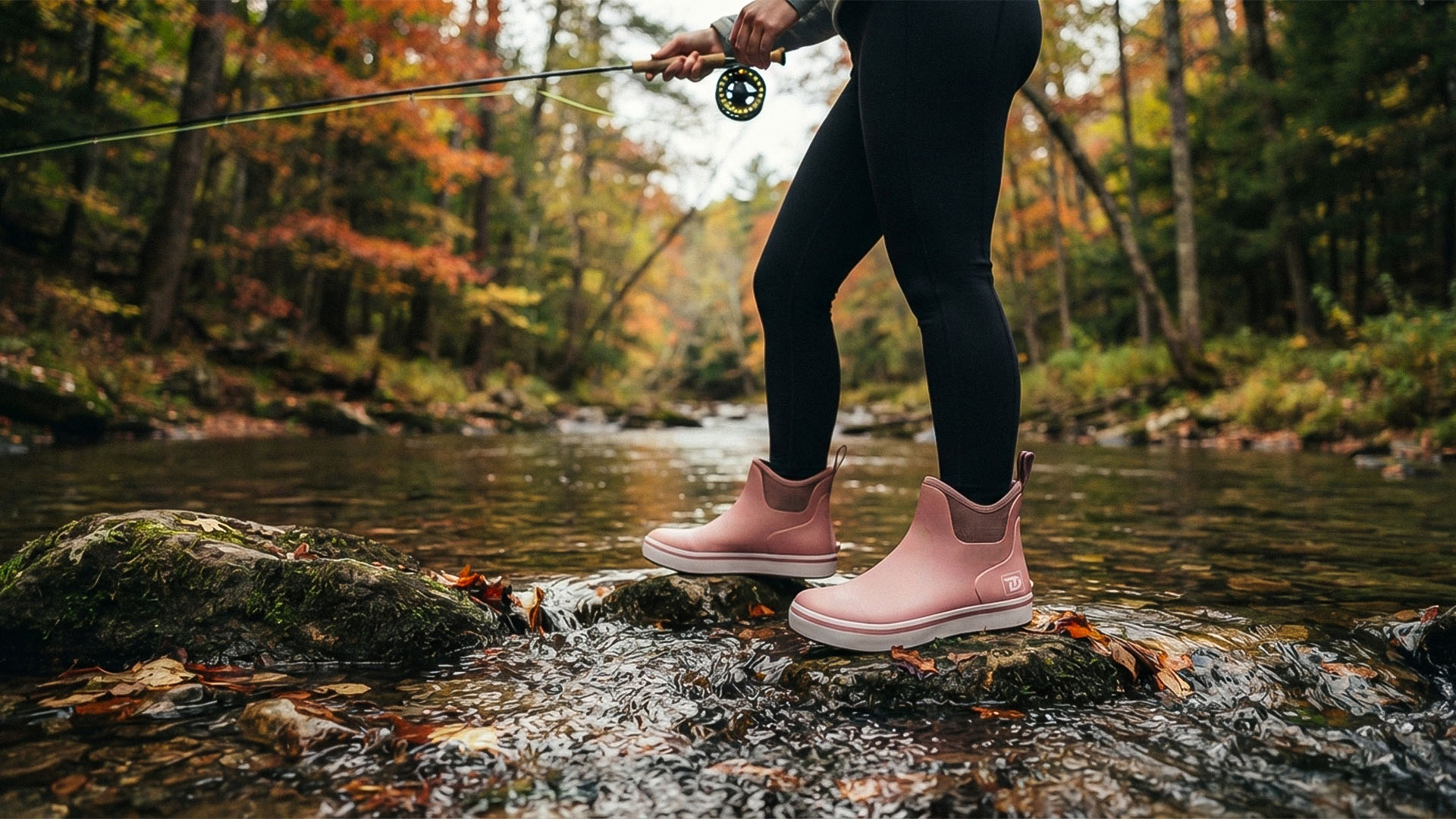
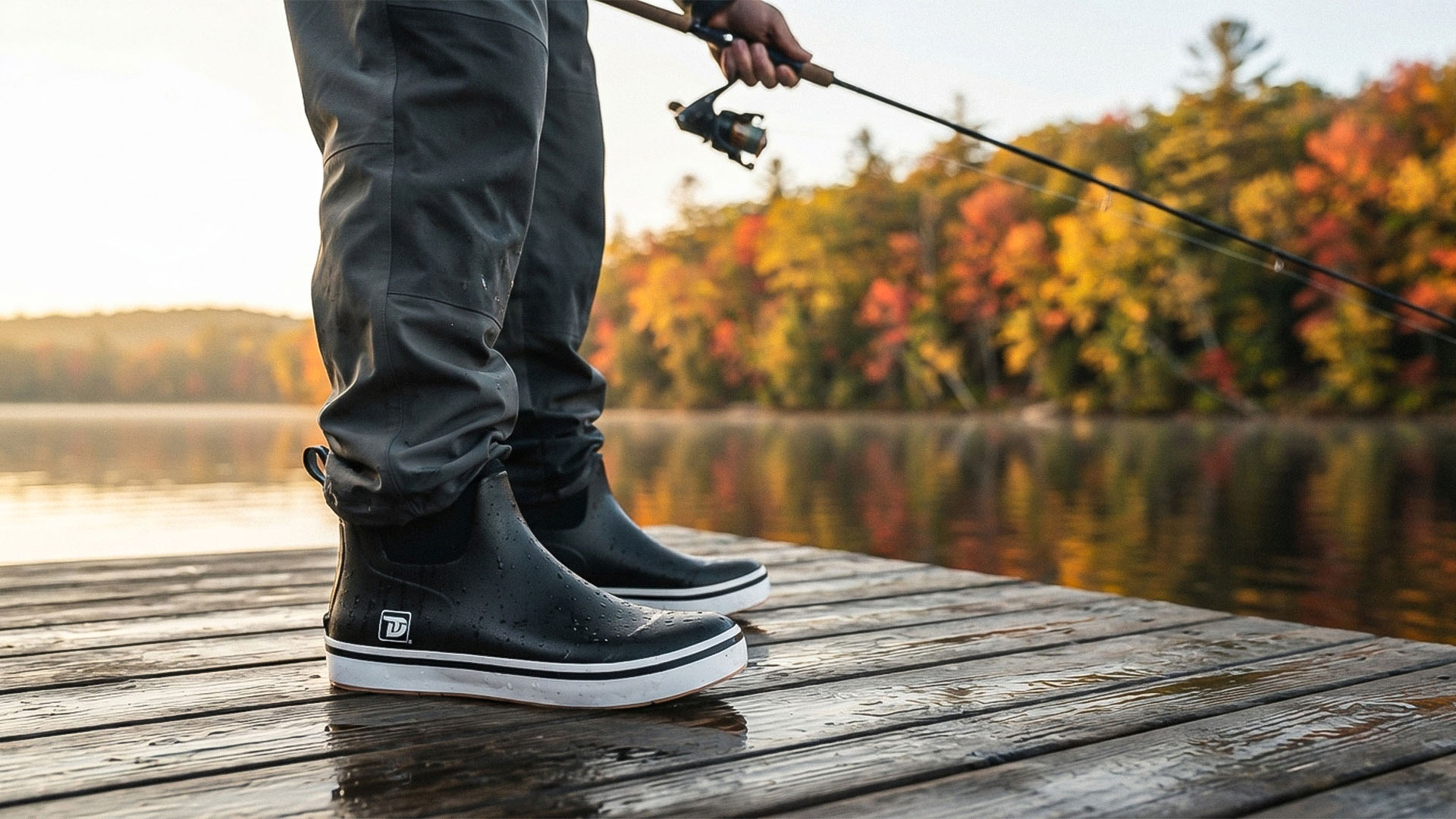
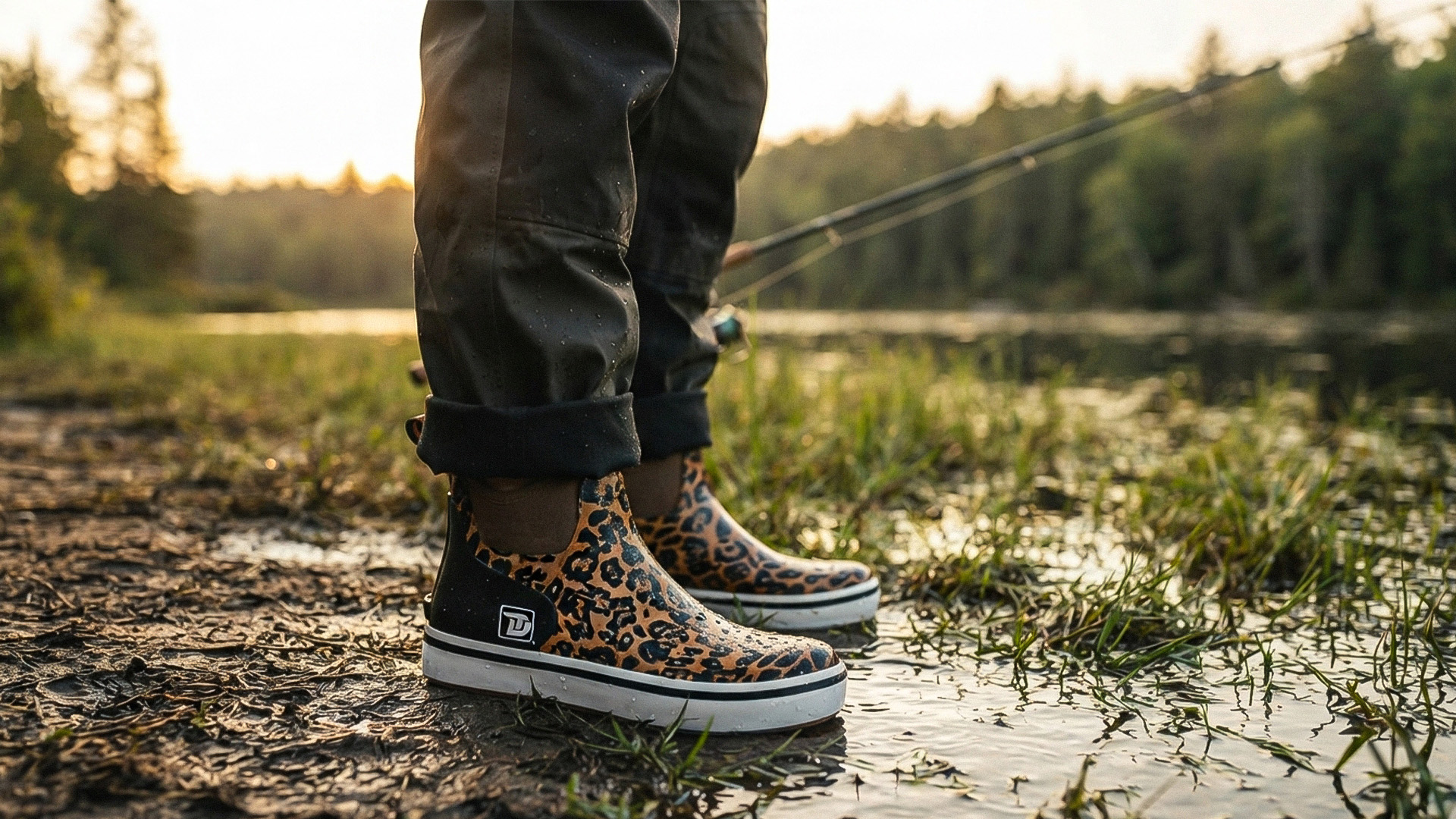
Anglers looking for waterproof marine footwear can compare options such as TruDaveGear deck boots based on waterproof protection, comfort, outsole design, cleaning ability, and fishing conditions.
Deck Boots vs Rain Boots for Boat Cleaning
Boat cleaning is where deck boots often shine.
Washdowns involve:
- Hose water
- Soap
- Fish residue
- Wet decks
- Standing for long periods
A good boat-cleaning boot should provide:
- Waterproof protection
- Comfortable standing
- Easy rinsing
- Stable movement
Rain boots can work, especially for occasional cleaning.
But if you regularly maintain a boat, deck boots often feel more practical.
Deck Boots vs Rain Boots for Shore Fishing
The answer depends on location.
Pier Fishing
Deck boots are often excellent because they handle:
- Wet concrete
- Spray
- Dock surfaces
- Long standing
River Fishing
Rain boots may be better when:
- Walking through mud
- Crossing shallow water
- Standing in soft ground
Lake Fishing
Either can work depending on conditions.
Surf Fishing
Tall waterproof boots may provide more coverage depending on conditions.
Warm Weather Comparison
Summer fishing creates another challenge:
Heat.
Rain boots can feel warm because of:
- Tall shafts
- Less airflow
- Thick materials
Deck boots are often better for warm weather because they may offer:
- Lower height
- Less bulk
- Better mobility
- Lighter feel
For summer fishing:
- Choose uninsulated boots
- Wear moisture-wicking socks
- Remove boots after use
- Dry completely
Cold Weather Comparison
Cold conditions change priorities.
You may need:
- More insulation
- Thicker socks
- More coverage
Tall rain boots may work well in some cold wet conditions.
However, cold-weather deck boots are designed specifically for anglers who need warmth while maintaining marine performance.
Consider:
- Sock thickness
- Insulation level
- Water exposure
- Standing time
- Wind conditions
Which Is Better for Wide Feet?
Fit depends on the specific model.
Some rain boots can feel roomy because of their simple shape.
Some deck boots may provide better comfort because of:
- Better footbed design
- More thoughtful shape
- Removable insoles
- Improved support
For wide feet:
Look for:
- Roomy toe box
- Comfortable instep
- No side pressure
- Stable heel
Do not simply size up.
A longer boot may create heel movement.
Which Is Better for Foot Comfort?
For long fishing days, deck boots often have an advantage.
Comfort features may include:
- Cushioning
- Supportive insoles
- Better weight balance
- Flexible movement
- Secure fit
Rain boots are excellent for keeping feet dry but may not always provide the same all-day fishing comfort.
Durability Comparison
Both can last a long time with proper care.
Durability depends on:
- Materials
- Usage
- Cleaning
- Storage
- Exposure
- Walking surfaces
Deck boots may experience:
- Saltwater
- Fish slime
- Boat cleaning
- Dock walking
Rain boots may experience:
- Mud
- Rocks
- Fields
- Concrete
- Outdoor work
Choose based on your environment.
Which Is Easier to Maintain?
Both are relatively easy to clean.
However, fishing creates special cleaning needs.
Deck boots often need:
- Salt rinsing
- Fish residue removal
- Tread cleaning
- Odor control
Rain boots often need:
- Mud removal
- Dirt cleaning
- Drying
Maintenance depends on how you use them.
Common Mistakes When Choosing Waterproof Boots
Choosing Rain Boots for Every Activity
Not every waterproof boot is designed for boats.
Choosing Deck Boots for Deep Mud
Marine traction is not the same as mud traction.
Buying Based Only on Waterproofing
Dry feet are important, but comfort and traction matter too.
Ignoring Fit
A waterproof boot that does not fit well becomes uncomfortable.
Ignoring Socks
Sock thickness changes sizing.
Buying Too Tall for Summer
Extra height can create heat.
Buying Too Light for Heavy Work
Some jobs require more protection.
When Should You Choose Deck Boots?
Choose deck boots if you:
- Fish regularly
- Own a boat
- Spend time offshore
- Walk docks
- Clean boats
- Stand for hours
- Deal with saltwater
- Need marine traction
- Want fishing-specific comfort
Deck boots are designed around the fishing lifestyle.
When Should You Choose Rain Boots?
Choose rain boots if you:
- Work on farms
- Walk muddy fields
- Garden
- Deal with deep puddles
- Need maximum lower-leg coverage
- Spend more time on land than water
Rain boots are excellent outdoor tools.
They simply solve a different problem.
Can You Use Deck Boots as Rain Boots?
Yes.
Deck boots can handle rain, puddles, and wet outdoor conditions.
Many anglers use them for:
- Yard work
- Rainy days
- Boat ramps
- Outdoor chores
However, extremely muddy environments may favor traditional rain boots.
Can You Use Rain Boots for Fishing?
Yes.
Rain boots can work for:
- Casual fishing
- Shore fishing
- Rainy conditions
- Short trips
But serious anglers may prefer deck boots because of:
- Better boat comfort
- Marine traction
- Easier movement
- Fishing-specific design
Final Thoughts
Deck boots and rain boots are both useful waterproof footwear options.
The better choice depends on where you spend your time.
Rain boots are designed for wet ground.
Deck boots are designed for wet marine environments.
For anglers, deck boots usually provide advantages in:
- Boat traction
- Long-term comfort
- Fishing movement
- Saltwater use
- Fish cleanup
- Dock performance
For farmers, outdoor workers, and people dealing with mud, tall rain boots may be the better choice.
The right boot is not the one with the most waterproof protection.
It is the one designed for your environment.
Before buying, consider:
- Where you fish
- How long you stand
- Weather conditions
- Surface types
- Saltwater exposure
- Cleaning needs
- Fit requirements
A good pair of waterproof boots should make outdoor activities easier, not create new problems.
For anglers, that usually means choosing footwear built around the realities of life on the water.
Frequently Asked Questions
Are deck boots better than rain boots for fishing?
For most boat fishing situations, deck boots are usually better because they are designed for wet decks, marine traction, and long standing comfort.
Can I wear rain boots on a fishing boat?
Yes, but they may not provide the same comfort, movement, and marine-focused performance as deck boots.
Are deck boots waterproof?
Yes, quality deck boots are designed to keep feet dry in wet marine conditions.
Are rain boots good for boats?
They can work, but traditional rain boots are usually designed more for wet ground than boat decks.
What is the main difference between deck boots and rain boots?
Deck boots focus on marine use, while rain boots focus on wet land conditions.
Are deck boots warmer than rain boots?
Not necessarily. Warmth depends on insulation, materials, socks, and boot design.
Which boots are better for saltwater fishing?
Deck boots are usually better suited for repeated saltwater fishing because they are designed around marine conditions.
Which boots are better for muddy areas?
Traditional rain boots often perform better in deep mud and wet fields.
Are deck boots comfortable for all-day fishing?
Good deck boots are designed for long standing and movement around boats.
Can I use deck boots for farming?
Yes, but deep mud and heavy farm work may require taller work-oriented rain boots.
Do deck boots have better traction?
Marine deck boots are designed for wet hard surfaces, while rain boots often focus more on mud traction.
Should fishing boots be tight?
They should fit securely without squeezing your feet.
Which boots are better in summer?
Uninsulated deck boots are often more comfortable for warm-weather fishing.
Which boots are better in winter?
Choose based on insulation, socks, weather, and water exposure.
Are expensive deck boots worth it?
For frequent anglers, better comfort, durability, and traction may justify the higher cost.