Meta Description: Learn what to wear on a fishing charter, including deck boots, rain gear, sun shirts, pants, hats, socks, jackets, and seasonal outfit tips for men and women.
Suggested URL Slug: what-to-wear-on-a-fishing-charter
Primary Keyword: what to wear on a fishing charter
Secondary Keywords: fishing charter outfit, what shoes to wear on a fishing charter, deck boots for fishing charter, offshore fishing outfit, deep sea fishing clothing, fishing charter clothes for women, fishing charter clothes for men
Search Intent: Informational / Beginner Guide / Commercial Investigation
Choosing what to wear on a fishing charter is not about looking stylish at the dock.
It is about staying dry, protected, comfortable, and safe while spending several hours on a moving boat.
A fishing charter may include sun, wind, spray, rain, fish slime, bait water, wet fiberglass, long periods of standing, and sudden temperature changes. Even a warm day at the marina can feel cool during an early-morning boat ride. A sunny forecast does not guarantee a dry deck.
The best fishing charter outfit uses layers.
Start with quick-drying clothing, add sun protection, bring rain gear, wear secure closed-toe footwear, and pack at least one dry backup layer. Men and women can follow the same basic system, with fit, comfort, coverage, and bathroom access adjusted according to personal preference and the boat setup.
This guide explains what to wear on a fishing charter, what shoes work best, what fabrics to avoid, how to dress for hot or cold weather, and what not to wear on your first offshore or inshore trip.
Start With the Type of Charter
Not every fishing charter requires the same outfit.
Before choosing clothing, consider the trip type.
Inshore Charter
Inshore trips may involve bays, flats, estuaries, marsh edges, or nearshore structure. Conditions may be warmer and calmer, but the deck can still become wet.
Offshore Charter
Offshore trips often involve longer boat rides, heavier spray, bigger fish, colder wind, and more washdown water. Waterproof footwear and rain gear become more important.
Deep Sea Charter
Deep sea fishing may involve long hours, strong sun, heavier tackle, rougher water, and more temperature changes.
Family Charter
Comfort, sun protection, secure footwear, and spare clothing matter more than technical fishing gear.
Party Boat or Head Boat
You may stand shoulder-to-shoulder with other anglers. Compact clothing and footwear that handles wet decks are important.
Fly Fishing or Flats Charter
Lightweight sun clothing, non-marking footwear, and quick-drying layers may be more useful than heavy rain gear.
When in doubt, ask the captain what passengers usually wear.
Ask the Captain Before Packing
Every boat has its own expectations.
Ask:
- Will the deck get wet?
- Are deck boots recommended?
- Are non-marking soles required?
- Is rain gear necessary?
- Is there dry storage?
- Is there a bathroom onboard?
- Should passengers bring a jacket?
- Are sandals allowed?
- Are fish cleaned onboard?
- Will there be heavy spray during the ride?
- Is the trip mostly standing or mostly seated?
- Is the boat covered or open?
A local captain knows the boat, season, and fishing conditions better than a generic packing list.
The Basic Fishing Charter Outfit
A practical fishing charter outfit includes:
- Moisture-wicking shirt
- Quick-drying pants or shorts
- Waterproof jacket
- Fishing bibs or rain pants when needed
- Deck boots or secure marine shoes
- Moisture-wicking socks
- Hat
- Polarized sunglasses
- Neck gaiter
- Sun gloves when needed
- Warm layer when conditions may change
- Dry backup clothing in a waterproof bag
This outfit protects against the most common charter problems: sunburn, wet feet, wind chill, fish slime, slick decks, and uncomfortable cotton clothing.
What Shoes Should You Wear on a Fishing Charter?
Footwear is one of the most important parts of a fishing charter outfit.
The deck may be covered with:
- Ocean spray
- Rain
- Bait water
- Fish slime
- Blood
- Cooler drainage
- Washdown water
- Mud from the dock
- Soap during cleanup
Good fishing charter footwear should be:
- Closed toe
- Secure fitting
- Comfortable for standing
- Suitable for wet decks
- Easy to clean
- Stable during side steps
- Protective against hooks and fish spines
- Appropriate for the weather
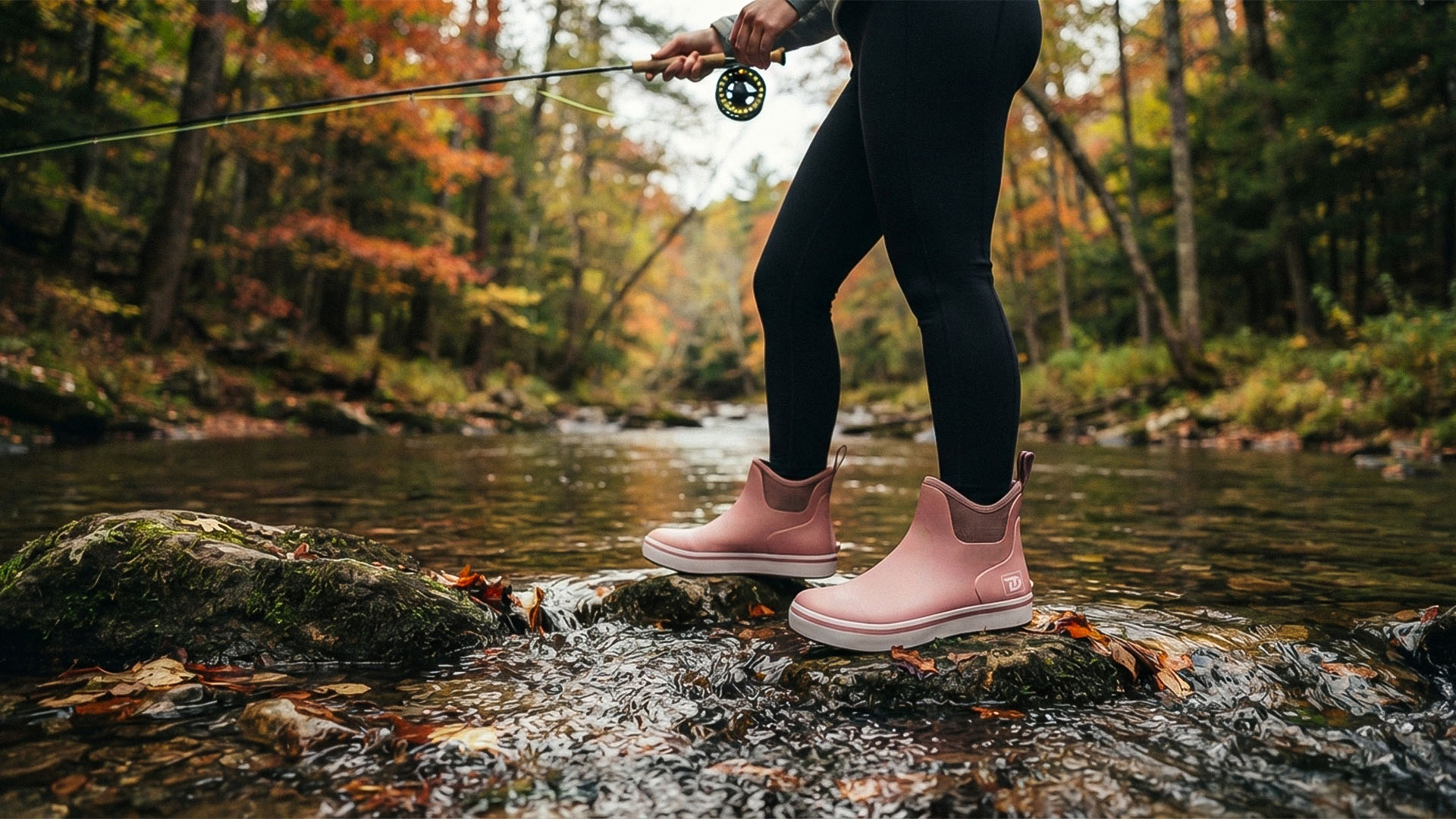
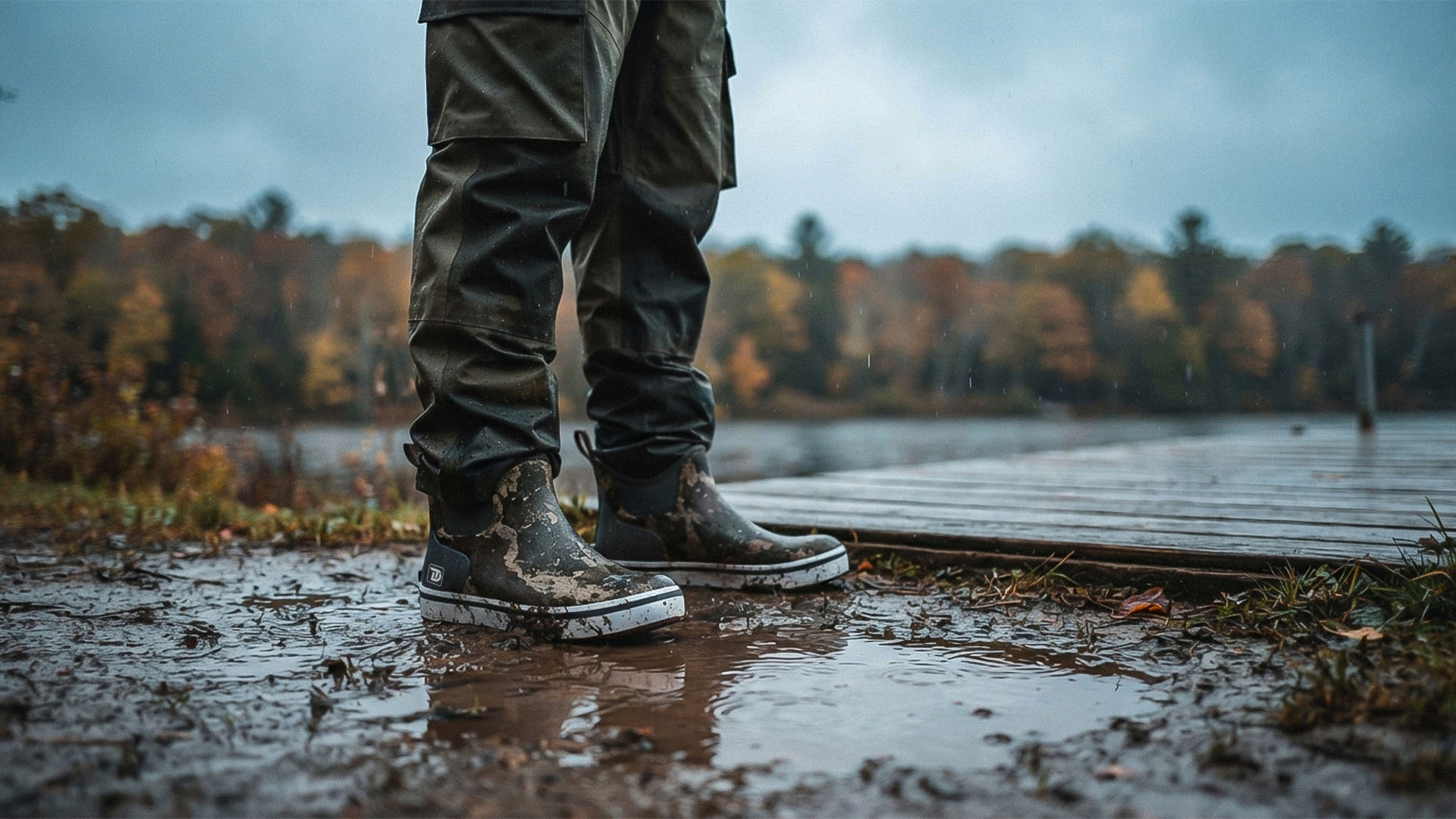
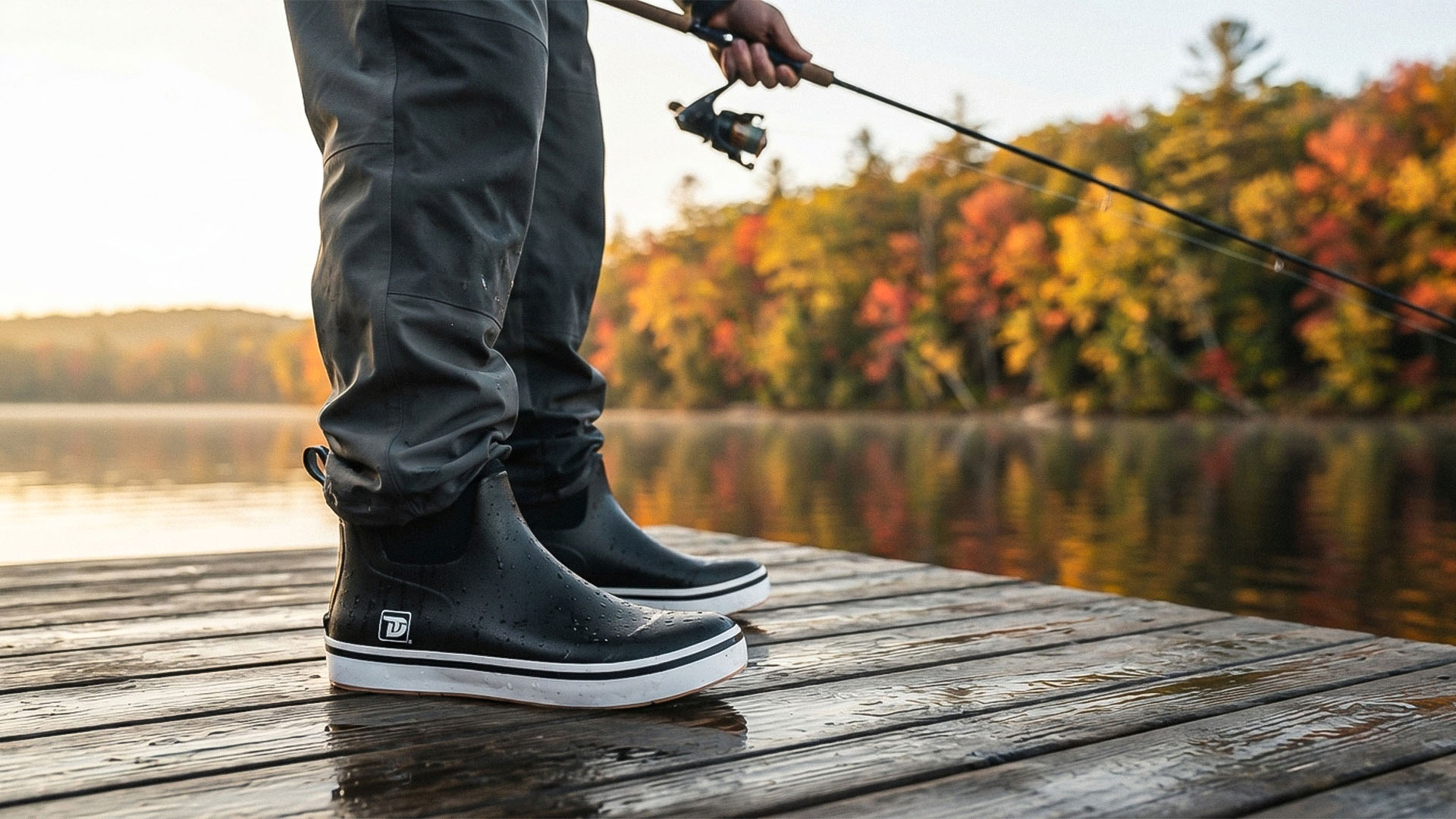
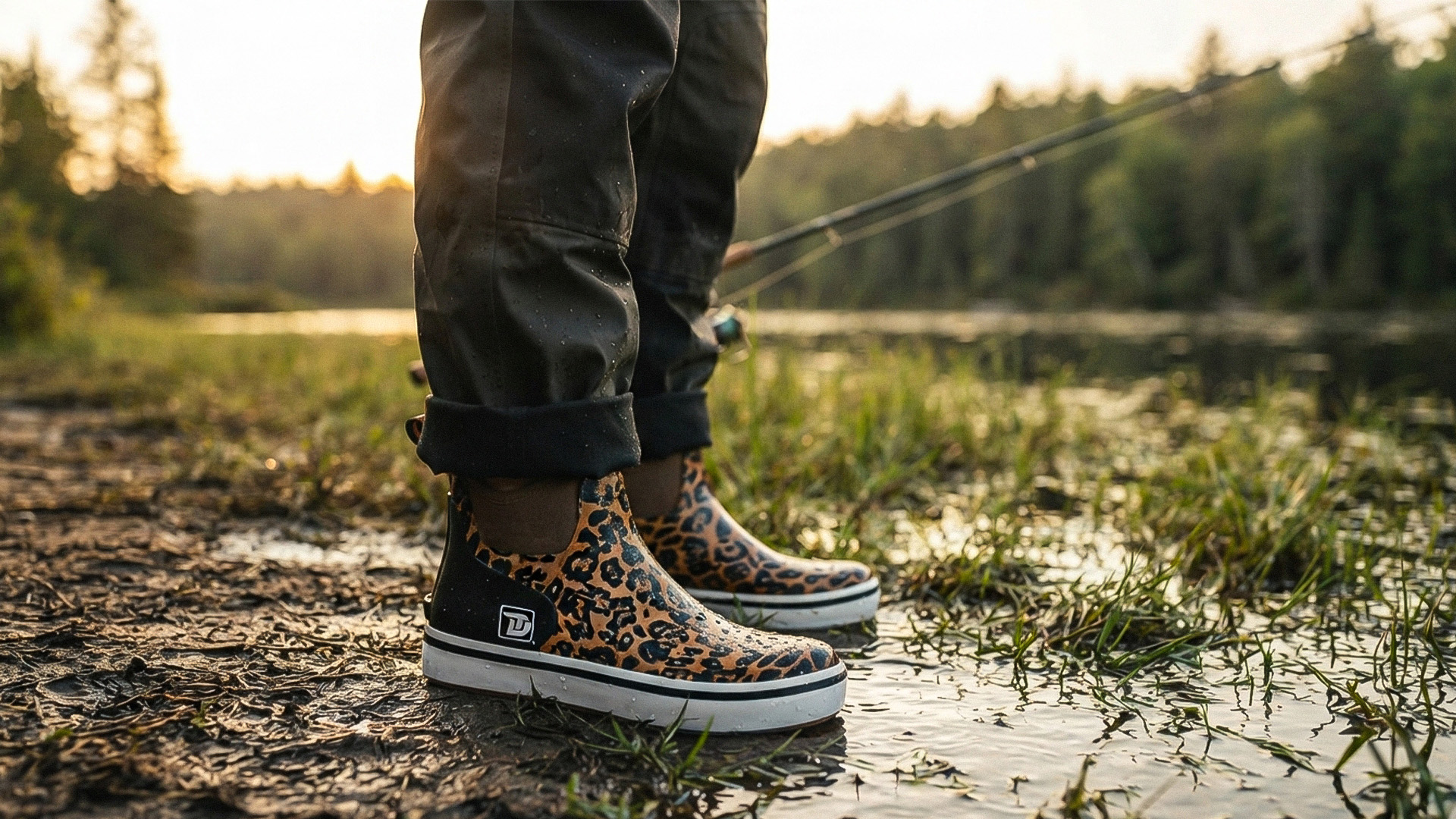
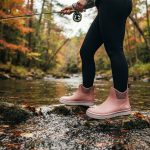
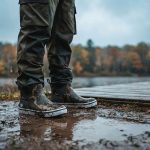
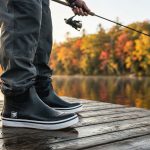
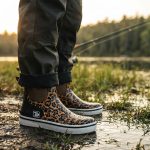
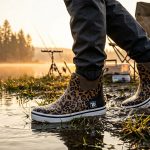
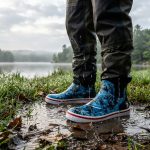
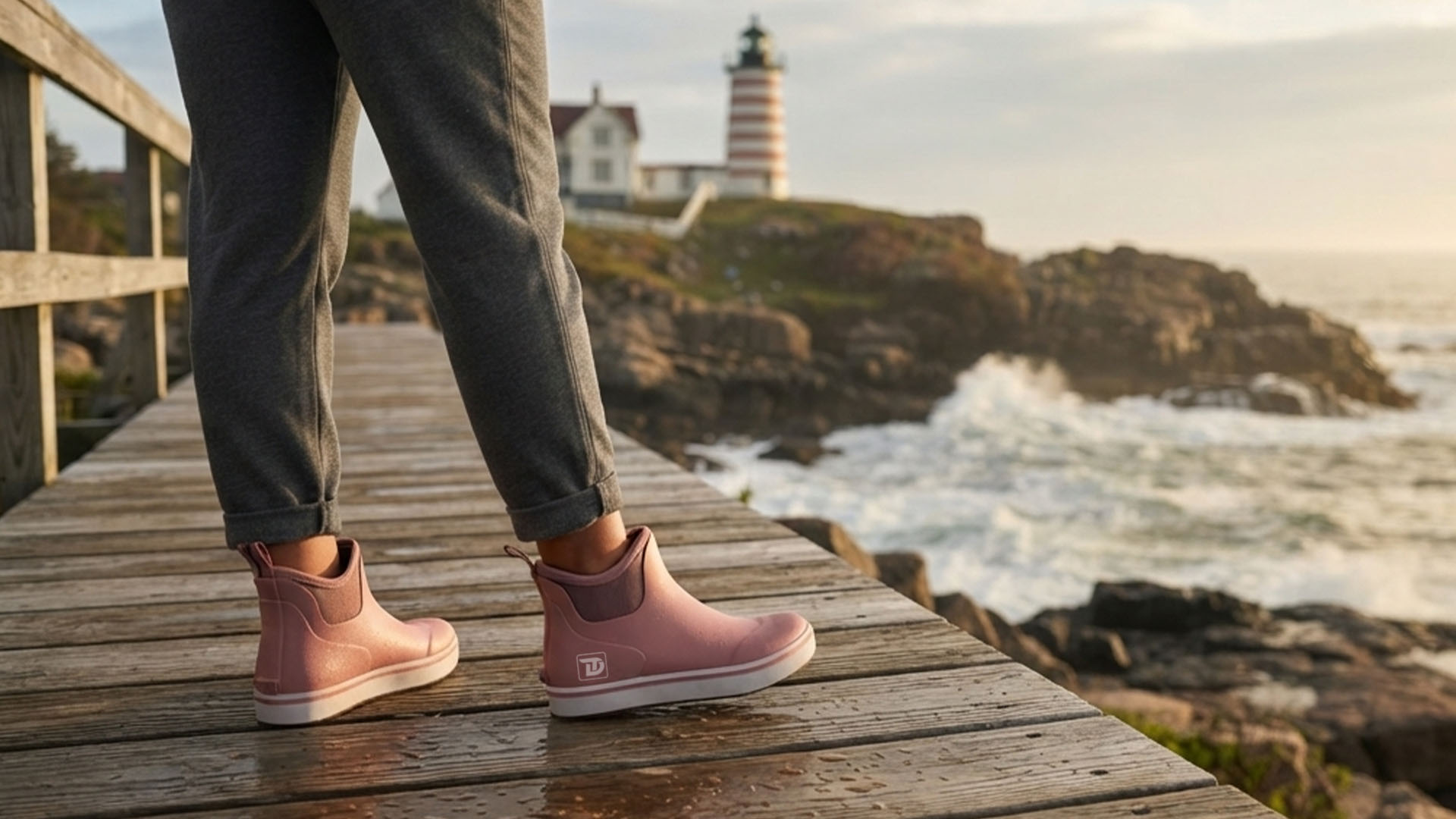
For most offshore and wet-deck charters, waterproof deck boots are one of the most practical options.
They protect your feet from spray, shallow standing water, rain, bait residue, and fish slime while remaining easy to rinse after the trip.
Anglers preparing for a charter can compare TruDaveGear waterproof deck boots with other marine footwear options based on outsole design, fit, cushioning, boot height, and expected water exposure.
Are Deck Boots Good for Fishing Charters?
Yes, deck boots are a strong choice for many fishing charters.
They are especially useful for:
- Offshore fishing
- Deep sea fishing
- Early-morning trips
- Rainy conditions
- Wet fiberglass decks
- Fish-cleaning trips
- Charter boats with frequent washdowns
- Cool or windy weather
Deck boots are easier to clean than fabric sneakers and provide more protection than sandals.
Look for:
- Waterproof construction
- Wet-deck traction
- Secure heel fit
- Comfortable cushioning
- Removable insoles
- Easy-rinse exterior
- Appropriate boot height
Ankle deck boots are usually enough for recreational charters unless the captain recommends taller boots.
Can You Wear Sneakers on a Fishing Charter?
Sneakers may work on dry, calm, warm-weather charters, but they are not ideal for messy or wet trips.
Regular sneakers can:
- Absorb water
- Stay wet all day
- Hold fish odor
- Become slippery on wet decks
- Offer limited protection from washdowns
- Take a long time to dry
- Become stained by fish blood or bait
Specialized fishing shoes or boat shoes may perform better than ordinary casual sneakers.
If you choose shoes instead of boots, make sure they are secure, closed-toe, and designed for wet marine surfaces.
Can You Wear Sandals on a Fishing Charter?
Sandals are usually not the best choice.
Open footwear exposes your feet to:
- Hooks
- Fish spines
- Sinkers
- Knives
- Hot deck surfaces
- Fish slime
- Slipping
- Stubbed toes
- Sharp hardware
Loose flip-flops are especially poor for fishing charters because they can slide, twist, or come off on a wet moving deck.
Some captains may allow secure closed-toe fishing sandals for calm warm-weather inshore trips, but offshore charters usually call for more protection.
Ask before wearing sandals.
What Socks Should You Wear?
Socks matter more than many beginners expect.
Wear socks made from:
- Synthetic moisture-wicking fibers
- Lightweight merino wool
- Merino-synthetic blends
Avoid cotton socks.
Cotton absorbs sweat and water, stretches when wet, bunches around the heel, and dries slowly.
Good fishing socks should:
- Stay in place
- Extend above the boot collar
- Reduce friction
- Manage sweat
- Dry faster than cotton
- Provide light cushioning
Crew-length socks work well with ankle deck boots because they protect the ankle from rubbing.
Bring a spare pair in a dry bag.
Should You Bring Extra Socks?
Yes.
A dry pair of socks can save the day when your feet become wet from:
- Spray
- Rain
- Sweat
- Water entering through the boot opening
- Washdowns
- Wet dock areas
Store spare socks in waterproof protection.
If your socks become soaked, change them when the boat is stable and it is safe to do so.
Wet socks increase friction, odor, and blister risk.
What Shirt Should You Wear?
A long-sleeve performance fishing shirt is one of the best choices.
Look for:
- Lightweight fabric
- Moisture-wicking material
- Quick-drying construction
- UPF sun protection when available
- Comfortable fit
- Good sleeve coverage
- Breathability
- Minimal cotton
Long sleeves protect against sun, wind, and light spray better than a short-sleeve shirt.
Even in hot weather, a lightweight long-sleeve sun shirt can be more comfortable than bare skin exposed to direct sun for hours.
Should You Wear a Hoodie?
A lightweight sun hoodie can be excellent for fishing charters.
It protects:
- Neck
- Ears
- Lower face
- Arms
- Shoulders
Sun hoodies are especially useful during:
- Summer offshore trips
- Long trolling days
- Bright calm water
- Family charters
- Party boat trips
- Inshore flats trips
Avoid heavy cotton hoodies unless the weather is dry and cool.
A wet cotton hoodie becomes heavy and slow to dry.
What Pants Should You Wear?
Quick-drying fishing pants are usually the most versatile choice.
They provide:
- Sun protection
- Wind protection
- Light spray protection
- Protection from fish slime
- Coverage around coolers and boat hardware
- Better comfort if rain pants are worn over them
Look for pants with:
- Lightweight fabric
- Stretch
- Secure pockets
- Fast drying
- Comfortable waistband
- Non-bulky fit
Avoid jeans.
Wet denim becomes heavy, cold, and uncomfortable.
Can You Wear Shorts?
Shorts can work for warm-weather inshore or nearshore charters.
They are comfortable when the day is hot and the deck is not overly messy.
However, shorts leave your legs exposed to:
- Sunburn
- Fish slime
- Spray
- Wind
- Cold ride home
- Bait water
- Scratches
- Seat heat
- Cooler edges
For offshore trips, quick-drying pants often provide better protection.
If you wear shorts, bring lightweight rain pants or a dry change of clothes.
Should Women Wear Leggings on a Fishing Charter?
Performance leggings can work well for women on many fishing charters when they are quick-drying and sun-protective.
Good leggings should:
- Stay in place
- Dry quickly
- Provide sun coverage
- Allow movement
- Avoid transparency when wet
- Fit comfortably under rain pants
Avoid cotton leggings.
Once wet, cotton leggings stay damp and may become uncomfortable during wind or a long boat ride.
For colder trips, thermal leggings can work under waterproof bibs or fishing pants.
Should Women Wear Dresses or Skirts?
Dresses and skirts are usually not practical for active fishing charters.
They may be difficult to manage around:
- Wind
- Boarding
- Fish boxes
- Rod fighting
- Wet seating
- Coolers
- Rain gear
- Bathroom access
- Crew movement
A casual sightseeing cruise is different from a fishing charter.
For fishing, quick-dry pants, shorts, leggings, or bibs are usually better.
What Jacket Should You Bring?
Bring a waterproof or water-resistant jacket, even when the forecast looks clear.
Spray can soak passengers during the boat ride.
A good fishing jacket should:
- Block wind
- Handle spray
- Fit over your base layer
- Allow arm movement
- Work with a life jacket
- Have secure pockets
- Dry quickly
A lightweight rain shell is enough for many warm-weather trips.
Cold-weather charters may require a heavier waterproof outer layer.
Do You Need Fishing Bibs?
Fishing bibs are not always required, but they are very useful for wet offshore charters.
Bibs help protect against:
- Spray
- Rain
- Wind
- Washdown water
- Fish slime
- Cold morning air
- Wet seating
- Bait mess
They also provide more coverage than regular rain pants because they protect the lower torso.
If wearing deck boots, keep bib legs outside the boot openings.
This helps water run down the outside instead of into the boots.
Rain Pants vs. Fishing Bibs
Rain pants are lighter, easier to pack, and more affordable.
Fishing bibs provide more coverage, better protection, and fewer gaps during bending or sitting.
Choose rain pants for:
- Light rain
- Warm weather
- Short trips
- Inshore charters
- Compact packing
Choose bibs for:
- Offshore fishing
- Cold spray
- Rough water
- Long trips
- Heavy washdowns
- Fish-cleaning trips
Both should overlap the outside of deck boots.
What Hat Should You Wear?
A hat is essential for sun protection.
Good choices include:
- Baseball cap
- Wide-brim fishing hat
- Sun hat with neck flap
- Beanie for cold weather
- Waterproof cap for rainy trips
Use a hat that fits securely.
Wind can remove a loose hat quickly offshore.
A chin cord or retainer is useful during high-speed boat rides.
Polarized Sunglasses
Polarized sunglasses are highly recommended.
They help reduce glare and protect your eyes from:
- Sun reflection
- Wind
- Spray
- Hooks
- Flying debris
- Fish movement
- Bright water
Use a sunglass strap.
A single wave, sudden turn, or bent-over landing photo can send sunglasses overboard.
Neck Gaiter
A neck gaiter protects your neck, lower face, and ears from sun and wind.
It is useful for:
- Offshore trolling
- Long boat rides
- Hot summer trips
- Cool windy mornings
- Bright water conditions
- Reducing sunscreen gaps
Choose a breathable quick-drying fabric.
Avoid thick winter gaiters during summer unless the weather is genuinely cold.
Fishing Gloves
Gloves are optional, but they can be helpful.
They may protect your hands from:
- Sunburn
- Leader cuts
- Fish spines
- Braid friction
- Cold wind
- Rough fish handling
- Gaff or net work
For charter passengers, lightweight sun gloves or fingerless fishing gloves are usually enough.
Do not bring bulky gloves that make it hard to reel, tie knots, or hold the rod.
What Should Men Wear on a Fishing Charter?
A practical men’s fishing charter outfit includes:
- Long-sleeve performance fishing shirt
- Quick-drying fishing pants or shorts
- Lightweight rain jacket
- Fishing bibs for offshore or wet trips
- Deck boots or secure marine shoes
- Moisture-wicking crew socks
- Hat
- Polarized sunglasses
- Neck gaiter
- Optional sun gloves
- Warm layer for early morning or cold weather
For offshore trips, waterproof deck boots and rain gear are strongly recommended.
For calm inshore summer trips, fishing shoes and lightweight sun clothing may be enough.
What Should Women Wear on a Fishing Charter?
A practical women’s fishing charter outfit includes:
- Long-sleeve sun shirt or sun hoodie
- Quick-drying pants, shorts, or performance leggings
- Waterproof jacket
- Fishing bibs or rain pants when conditions are wet
- Deck boots or secure marine shoes
- Moisture-wicking crew socks
- Secure hat
- Polarized sunglasses
- Neck gaiter
- Optional sun gloves
- Supportive sports bra
- Dry change of clothes
Fit and comfort matter.
Choose clothing that allows movement, stays secure in wind, and works with rain gear.
Avoid fabrics that become heavy or transparent when wet.
Sports Bra and Undergarments
For women, a supportive sports bra is usually better than a casual bra for active fishing.
A boat ride can involve:
- Bouncing
- Sudden movement
- Long sitting
- Standing
- Fighting fish
- Leaning against rails
- Wind and spray
Choose quick-drying, comfortable undergarments that do not chafe when damp.
Avoid cotton when possible.
Bathroom Access and Clothing Choice
Ask whether the boat has a bathroom or marine head.
This can affect clothing decisions.
For longer trips, consider whether your outfit is practical with:
- Bibs
- rain pants
- layers
- belts
- tight leggings
- one-piece clothing
- cold-weather gear
Two-piece outfits are usually easier than one-piece fashion clothing.
Fishing bibs can still be practical, but choose a size and design that you can manage comfortably.
What to Wear on a Hot-Weather Charter
For hot weather, prioritize sun protection and moisture control.
Wear:
- Lightweight long-sleeve sun shirt
- Quick-drying shorts or pants
- Uninsulated deck boots or fishing shoes
- Lightweight moisture-wicking socks
- Hat
- Polarized sunglasses
- Neck gaiter
- Sunscreen
- Optional sun gloves
Bring:
- Extra water
- Electrolytes
- Spare socks
- Light rain shell
- Small towel
Do not wear insulated boots unless conditions truly require them.
Waterproof footwear can become warm, so sock choice matters.
What to Wear on a Cold-Weather Charter
For cold weather, dress in layers.
Wear:
- Moisture-wicking base layer
- Warm mid layer
- Waterproof jacket
- Fishing bibs
- Insulated or warmer deck boots
- Merino wool socks
- Warm hat
- Gloves
- Neck gaiter
Avoid cotton base layers.
Cold spray and wind can make wet cotton miserable.
Make sure boots have enough room for warmer socks without squeezing your toes.
Tight footwear can reduce circulation and make feet colder.
What to Wear on a Rainy Charter
For rain, prioritize waterproof coverage.
Wear:
- Waterproof jacket
- Fishing bibs or rain pants
- Waterproof deck boots
- Moisture-wicking socks
- Hat with brim
- Quick-drying base layer
Bring:
- Spare socks
- Dry shirt
- Towel
- Dry bag
- Waterproof phone protection
Keep rain pants outside the boot openings.
If rain or spray enters your boots, change socks when it is safe.
What to Wear on a Party Boat
Party boats and head boats may have limited personal space.
Wear:
- Secure closed-toe footwear
- Quick-drying clothes
- Sun shirt
- Hat
- Sunglasses
- Lightweight rain jacket
- Compact bag
Avoid bulky gear.
Keep your belongings under control and out of walkways.
Because many anglers fish close together, avoid loose scarves, dangling accessories, and unsecured hooks.
What to Wear on an Offshore Charter
Offshore charters usually require more protection.
Wear:
- Long-sleeve performance shirt
- Quick-drying pants
- Waterproof jacket
- Fishing bibs when conditions may be wet
- Waterproof deck boots
- Moisture-wicking socks
- Hat
- Polarized sunglasses
- Neck gaiter
- Warm layer
Offshore weather changes quickly.
The ride can be cold, the deck can be wet, and the afternoon sun can still be intense.
Layering gives you flexibility.
What to Wear on an Inshore Charter
Inshore outfits can be lighter.
Wear:
- Sun shirt or sun hoodie
- Quick-dry shorts, pants, or leggings
- Fishing shoes or deck boots
- Moisture-wicking socks
- Hat
- Sunglasses
- Neck gaiter
- Light rain shell
If the boat is a small skiff or flats boat, ask about footwear rules.
Some captains may prefer clean non-marking soles or may have specific instructions for shallow-water fishing.
What to Wear on a Family Fishing Charter
For family trips, focus on comfort and protection.
Adults and kids should wear:
- Sun-protective clothing
- Secure closed-toe footwear
- Hats
- Sunglasses when appropriate
- Lightweight layers
- Rain jackets
- Comfortable socks
- Dry backup clothes
Children may need extra clothing because they are more likely to get wet, spill drinks, or sit on damp surfaces.
Follow all captain instructions regarding life jackets.
What Kids Should Wear
Kids should wear clothing that is simple, comfortable, and protective.
Good options include:
- Long-sleeve sun shirt
- Quick-drying shorts or pants
- Secure closed-toe shoes
- Moisture-wicking socks
- Hat with chin strap
- Sunglasses with retainer
- Light jacket
- Dry backup outfit
Avoid flip-flops.
Kids move unpredictably and need stable footwear around hooks, fish, and wet decks.
What Not to Wear on a Fishing Charter
Avoid:
- Flip-flops
- Loose sandals
- High heels
- Heavy cotton hoodies
- Jeans on wet trips
- Long flowing dresses
- Loose jewelry
- Open-toe shoes
- Expensive fashion sneakers
- Clothes that cannot get dirty
- White cotton outfits
- Bulky bags hanging from the body
- Strong perfume
- Clothing that restricts movement
Fishing is messy.
Wear clothing that can handle water, salt, sun, bait, and fish residue.
Why You Should Avoid Jeans
Jeans are not ideal for fishing charters.
When denim gets wet, it becomes:
- Heavy
- Slow drying
- Cold in wind
- Stiff
- Uncomfortable when seated
- Difficult to layer under rain gear
Quick-drying fishing pants are much more practical.
Jeans may be acceptable for a dry dockside outing, but they are not the best choice for offshore or wet-deck fishing.
Why You Should Avoid Heavy Cotton Hoodies
A cotton hoodie feels comfortable at home, but offshore it can become a problem.
Cotton absorbs water from:
- Spray
- rain
- sweat
- wet seating
- fish slime
Once wet, it stays damp and heavy.
Choose synthetic fleece, a lightweight insulated layer, or a waterproof shell depending on the weather.
Jewelry and Accessories
Avoid loose or dangling accessories.
Fishing involves:
- Hooks
- line
- rods
- nets
- gaffs
- wind
- moving equipment
Loose jewelry can catch on gear or become lost.
Keep accessories simple.
Use retainers for sunglasses and hats.
Should You Wear Makeup on a Fishing Charter?
This is personal preference.
If you wear makeup, choose products that handle sweat, sun, and spray.
Consider:
- Sunscreen first
- Waterproof mascara if desired
- Minimal foundation in hot weather
- Lip balm with SPF
- Products that will not run into eyes
Fishing charters can be wet and windy.
Comfort matters more than a perfect dockside look.
Should You Bring a Change of Clothes?
Yes, especially for offshore, rainy, cold, or full-day trips.
Pack:
- Dry shirt
- Dry socks
- Dry underwear
- Dry pants or shorts
- Light warm layer
- Small towel
Store everything in a dry bag.
Even if you do not change on the boat, dry clothes can make the drive home much more comfortable.
Clean Shoes for the Drive Home
Bring clean shoes or sandals for after the trip.
Deck boots may be covered in:
- Saltwater
- mud
- fish slime
- bait residue
- deck wash water
Changing before driving helps keep vehicle pedals and floor mats cleaner.
It also gives your feet a break after a long day in waterproof footwear.
How to Layer for a Fishing Charter
A simple layering system includes:
Base Layer
Moisture-wicking sun shirt or thermal layer depending on temperature.
Mid Layer
Fleece, lightweight hoodie, or insulated piece for warmth.
Outer Layer
Waterproof jacket or fishing bibs for rain and spray.
Footwear Layer
Moisture-wicking socks plus deck boots or marine shoes.
Layers should be easy to add or remove as weather changes.
Avoid one bulky layer that becomes too hot or too cold.
Morning vs. Afternoon Clothing
Charters often begin early.
Morning conditions may be:
- Cool
- Windy
- Dark
- Damp
- Misty
- Spray-heavy
Afternoon conditions may be:
- Hot
- sunny
- humid
- calm
- bright
Dress for both.
Wear layers and bring a dry bag.
Do not assume the temperature at the dock will match the temperature offshore.
How to Dress for Wind
Wind increases cooling and can make spray feel colder.
Wear:
- Wind-resistant jacket
- Secure hat
- Neck gaiter
- Sunglass retainer
- Layered clothing
- Waterproof shell when spray is expected
Avoid loose scarves or clothing that can flap into hooks, rods, or equipment.
How to Dress for Sun
For sun, cover more skin instead of relying only on sunscreen.
Wear:
- Long-sleeve UPF shirt
- Lightweight pants
- Hat
- Neck gaiter
- Polarized sunglasses
- Sun gloves
Use sunscreen on exposed areas and reapply according to directions.
Pay attention to ears, lips, neck, hands, and the tops of feet if exposed.
How to Dress for Spray
For spray, waterproof layers matter.
Wear:
- Deck boots
- Rain pants or bibs
- Waterproof jacket
- Hat with brim
- Moisture-wicking base layer
Keep pant legs outside boot openings.
If you wear low-cut fishing shoes, expect socks to get wet more easily.
What to Pack in a Small Charter Clothing Bag
A compact soft bag may include:
- Rain jacket
- Spare socks
- Dry shirt
- Warm layer
- Neck gaiter
- Sunscreen
- Sunglasses case
- Small towel
- Medication
- Phone protection
- Dry bag
- Cash or ID
Do not bring a large suitcase or bulky hard case unless approved by the captain.
Boat storage is limited.
Clothing for Fish Photos
Many beginners want good photos with their catch.
Wear clothes that can handle fish slime and water.
Avoid outfits that are:
- Too delicate
- Dry-clean only
- White cotton
- Easily stained
- Restrictive
- Unsafe around hooks
A sun shirt, quick-dry pants, deck boots, and a hat look natural in fishing photos and remain practical during the trip.
Clothing for Boat Cleanup
Some charters handle cleanup for passengers, while others appreciate help.
If you may assist with cleanup, wear clothing that can handle:
- Hose water
- fish slime
- soap
- bait residue
- wet decks
Deck boots are useful during cleanup because they protect your feet and rinse clean easily.
Do not wear footwear with slick soles around soap and washdown water.
Post-Trip Clothing Care
After the trip:
- Rinse saltwater from boots
- Remove deck boot insoles
- Dry footwear with airflow
- Wash salty clothing
- Rinse sunglasses
- Air out rain gear
- Dry wet bags
- Clean hats if needed
- Remove fish residue from pants and jackets
Do not leave damp clothing sealed in a bag or vehicle overnight.
Odor becomes harder to remove later.
How to Clean Deck Boots After a Charter
After fishing:
- Rinse boots with fresh water.
- Remove fish slime, bait, and mud.
- Brush the tread.
- Remove the insoles.
- Wipe the interior if damp.
- Dry the boots with airflow.
- Dry insoles separately.
- Avoid direct high heat.
Clean boots last longer and smell better.
Do not place them in a clothes dryer unless the manufacturer specifically allows it.
Common Fishing Charter Outfit Mistakes
Wearing Flip-Flops
They provide poor protection and poor stability on wet decks.
Wearing Cotton Socks
Cotton holds moisture and increases friction.
Forgetting Rain Gear
Spray can soak you even on sunny days.
Wearing Jeans
Wet denim becomes heavy and uncomfortable.
Dressing Only for the Dock Weather
Offshore conditions may be colder, wetter, windier, or sunnier.
Wearing Brand-New Boots Without Testing
Break in footwear before a full-day trip.
Bringing No Spare Socks
Wet socks can ruin foot comfort.
Wearing Clothes That Cannot Get Dirty
Fishing involves bait, fish slime, saltwater, and blood.
Wearing Loose Accessories
They can catch on gear or blow away.
Packing Too Much Clothing Onboard
Bring compact layers, not a full suitcase.
Fishing Charter Outfit Checklist
Hot Weather
- Long-sleeve sun shirt
- Quick-dry shorts or pants
- Uninsulated deck boots or fishing shoes
- Lightweight moisture-wicking socks
- Hat
- Polarized sunglasses
- Neck gaiter
- Sunscreen
- Spare socks
- Light rain jacket
Cold Weather
- Thermal base layer
- Warm mid layer
- Waterproof jacket
- Fishing bibs
- Insulated or warmer deck boots
- Merino socks
- Beanie or warm hat
- Gloves
- Neck gaiter
- Dry clothes
Rainy Weather
- Waterproof jacket
- Fishing bibs or rain pants
- Waterproof deck boots
- Moisture-wicking socks
- Spare socks
- Hat with brim
- Dry bag
- Towel
Offshore Charter
- Performance sun shirt
- Quick-dry pants
- Waterproof jacket
- Fishing bibs
- Deck boots
- Crew socks
- Hat
- Sunglasses
- Neck gaiter
- Warm layer
Inshore Charter
- Sun hoodie or fishing shirt
- Quick-dry shorts, pants, or leggings
- Fishing shoes or deck boots
- Lightweight socks
- Hat
- Sunglasses
- Light rain shell
Women’s Outfit
- Sun shirt or hoodie
- Quick-dry pants, shorts, or leggings
- Sports bra
- Waterproof jacket
- Deck boots or marine shoes
- Moisture-wicking socks
- Hat
- Sunglasses
- Dry backup layer
Men’s Outfit
- Long-sleeve fishing shirt
- Quick-dry pants or shorts
- Rain jacket
- Deck boots or marine shoes
- Moisture-wicking socks
- Hat
- Sunglasses
- Neck gaiter
- Warm layer when needed
Final Thoughts
The best fishing charter outfit is practical, protective, and comfortable.
Wear quick-drying clothing instead of cotton.
Bring rain gear even when the forecast looks clear.
Protect yourself from sun with long sleeves, a hat, polarized sunglasses, sunscreen, and a neck gaiter.
Choose secure closed-toe footwear that can handle wet decks, fish slime, bait water, and washdowns.
For many offshore and wet-deck charters, waterproof ankle deck boots are one of the best choices because they provide water protection, easy cleaning, and better coverage than sneakers or sandals.
Wear moisture-wicking socks and bring a spare pair in a dry bag.
Dress in layers so you can adjust from a cool morning ride to a hot afternoon bite.
Men and women can follow the same basic clothing system, then adjust fit, coverage, support, and bathroom practicality according to personal comfort.
Avoid flip-flops, jeans, heavy cotton hoodies, loose accessories, and clothing that cannot get wet or dirty.
Ask the captain what the boat recommends.
A good fishing charter outfit should help you stay focused on the experience instead of your wet feet, sunburned neck, cold legs, or uncomfortable clothes.
Frequently Asked Questions
What should I wear on a fishing charter?
Wear quick-drying clothing, a long-sleeve sun shirt, waterproof jacket, secure closed-toe footwear, moisture-wicking socks, hat, polarized sunglasses, and rain gear when needed.
What shoes should I wear on a fishing charter?
Wear secure closed-toe marine footwear. Waterproof deck boots are a strong choice for offshore, wet-deck, rainy, or messy fishing charters.
Can I wear flip-flops on a fishing charter?
Flip-flops are not recommended. They offer little protection from hooks, fish spines, sinkers, knives, and wet slippery decks.
Are deck boots good for fishing charters?
Yes. Deck boots protect against spray, rain, fish slime, bait water, shallow standing water, and washdowns.
Can I wear sneakers on a fishing charter?
Sneakers may work on dry calm trips, but they absorb water, dry slowly, and may hold fish odor. Marine shoes or deck boots are usually better.
What should women wear on a fishing charter?
Women can wear a sun shirt or sun hoodie, quick-dry pants, shorts, or leggings, sports bra, waterproof jacket, deck boots or marine shoes, hat, sunglasses, and spare socks.
What should men wear on a fishing charter?
Men can wear a long-sleeve performance fishing shirt, quick-dry pants or shorts, rain jacket, deck boots or marine shoes, moisture-wicking socks, hat, sunglasses, and a warm layer.
Should I wear shorts or pants on a fishing charter?
Shorts work in warm weather, but quick-drying pants provide better sun, wind, spray, and fish-slime protection.
Do I need a rain jacket on a fishing charter?
Yes. Spray can soak you even when it is not raining, especially offshore.
Should I wear jeans on a fishing charter?
Jeans are not ideal because wet denim becomes heavy, cold, and slow to dry.
What socks should I wear with deck boots?
Wear synthetic or merino-blend moisture-wicking crew socks. Avoid cotton socks.
Should I bring extra socks?
Yes. Spare socks are helpful if your feet get wet from spray, sweat, rain, or water entering the boot opening.
Do I need fishing bibs?
Bibs are useful for offshore, rainy, cold, or wet charters. Rain pants may be enough for lighter conditions.
What should I wear on a hot fishing charter?
Wear a lightweight sun shirt, quick-dry pants or shorts, uninsulated deck boots or fishing shoes, moisture-wicking socks, hat, sunglasses, and neck gaiter.
What should I wear on a cold fishing charter?
Wear a moisture-wicking base layer, warm mid layer, waterproof jacket, fishing bibs, warm socks, deck boots, gloves, and a warm hat.
What should I not wear on a fishing charter?
Avoid flip-flops, high heels, jeans on wet trips, heavy cotton hoodies, loose jewelry, open-toe shoes, and clothing that cannot get wet or dirty.