Meta Description: Learn what shoes to wear on a fishing charter, including deck boots, fishing shoes, sneakers, sandals, and barefoot mistakes for offshore and inshore trips.
Suggested URL Slug: what-shoes-to-wear-on-fishing-charter
Primary Keyword: what shoes to wear on a fishing charter
Secondary Keywords: fishing charter shoes, deck boots for fishing charter, offshore fishing footwear, best shoes for wet boat decks, can you wear sneakers on a fishing charter, fishing shoes vs deck boots, what footwear for deep sea fishing
Search Intent: Commercial Investigation / Beginner Guide
Choosing shoes for a fishing charter may seem like a small detail until the boat leaves the dock.
Then the deck gets wet.
Spray comes over the bow. Bait water spills near the cooler. Fish slime spreads across the cockpit. Someone rinses the deck with a hose. The boat turns, slows, accelerates, and rocks in the wake of another vessel.
Suddenly, footwear matters.
The wrong shoes can leave your feet soaked, slippery, cold, uncomfortable, or exposed to hooks and fish spines. Flip-flops may feel fine in the parking lot, but they are usually a poor choice on a working fishing boat. Regular sneakers may be comfortable at first, but once they absorb saltwater and fish odor, they can stay wet for the rest of the day.
So, what shoes should you wear on a fishing charter?
For most offshore, deep sea, rainy, or wet-deck trips, waterproof deck boots are the most practical choice. They protect your feet from spray, fish slime, bait water, shallow standing water, and washdowns while remaining easy to rinse after the trip.
Fishing shoes may be better for hot, dry, inshore, or quick-draining situations.
Regular sneakers may work on calm, dry charters but are not ideal for messy fishing conditions.
This guide compares deck boots, fishing shoes, sneakers, sandals, and barefoot mistakes so first-time anglers can choose the right footwear for the boat, weather, season, and fishing style.
Why Footwear Matters on a Fishing Charter
A fishing charter is not a normal day on land.
You may stand for several hours on a hard deck while the boat moves beneath you. You may need to step around rods, coolers, fish boxes, bait buckets, hoses, tackle bags, and other passengers.
Your shoes may be exposed to:
- Ocean spray
- Rain
- Fish slime
- Blood
- Bait water
- Cooler drainage
- Melted ice
- Mud from the dock
- Soap during cleanup
- Wet fiberglass
- Aluminum decks
- Concrete marina surfaces
- Hooks and fish spines
The best fishing charter footwear should help with four things:
- Protection
- Traction
- Comfort
- Easy cleanup
A shoe that fails in one of these areas can make the trip less enjoyable.
Quick Answer: Best Shoes for Most Fishing Charters
For most offshore and wet-deck fishing charters, wear waterproof ankle deck boots.
They are usually the best all-around option because they offer:
- Closed-toe protection
- Waterproof coverage
- Better protection from fish slime and bait water
- Easy rinsing after the trip
- Stable footing on wet hard surfaces
- More comfort than tall heavy rubber boots
- Better cleanup than fabric sneakers
For warm, calm, dry, inshore charters, secure fishing shoes may also work well.
For most serious offshore or deep sea trips, deck boots are the safer and cleaner choice.
Deck Boots vs. Fishing Shoes vs. Sneakers
| Footwear Type | Best For | Main Advantage | Main Weakness |
|---|---|---|---|
| Deck Boots | Offshore, wet decks, rain, spray, fish slime | Waterproof and easy to clean | Warmer in hot weather |
| Fishing Shoes | Hot weather, inshore, kayak-style trips | Lightweight and breathable | Less waterproof coverage |
| Sneakers | Dry casual trips | Comfortable walking | Absorb water and odor |
| Boat Shoes | Casual boating | Lightweight and simple | Less protection from fish mess |
| Sandals | Very casual dry conditions | Ventilation | Poor toe protection |
| Barefoot | Not recommended | None for active fishing decks | Hooks, spines, slipping, injury risk |
Are Deck Boots Good for Fishing Charters?
Yes. Deck boots are one of the best footwear choices for many fishing charters.
They are especially useful for:
- Offshore fishing charters
- Deep sea fishing trips
- Wet center-console boats
- Early-morning runs
- Rainy trips
- Cold spray
- Fish-cleaning trips
- Charter boats with frequent washdowns
- Messy bait-heavy fishing
A good deck boot gives you waterproof protection without the bulk of a tall commercial rubber boot.
For charter customers, ankle-height deck boots are often the easiest option because they are protective, simple, and easy to clean.
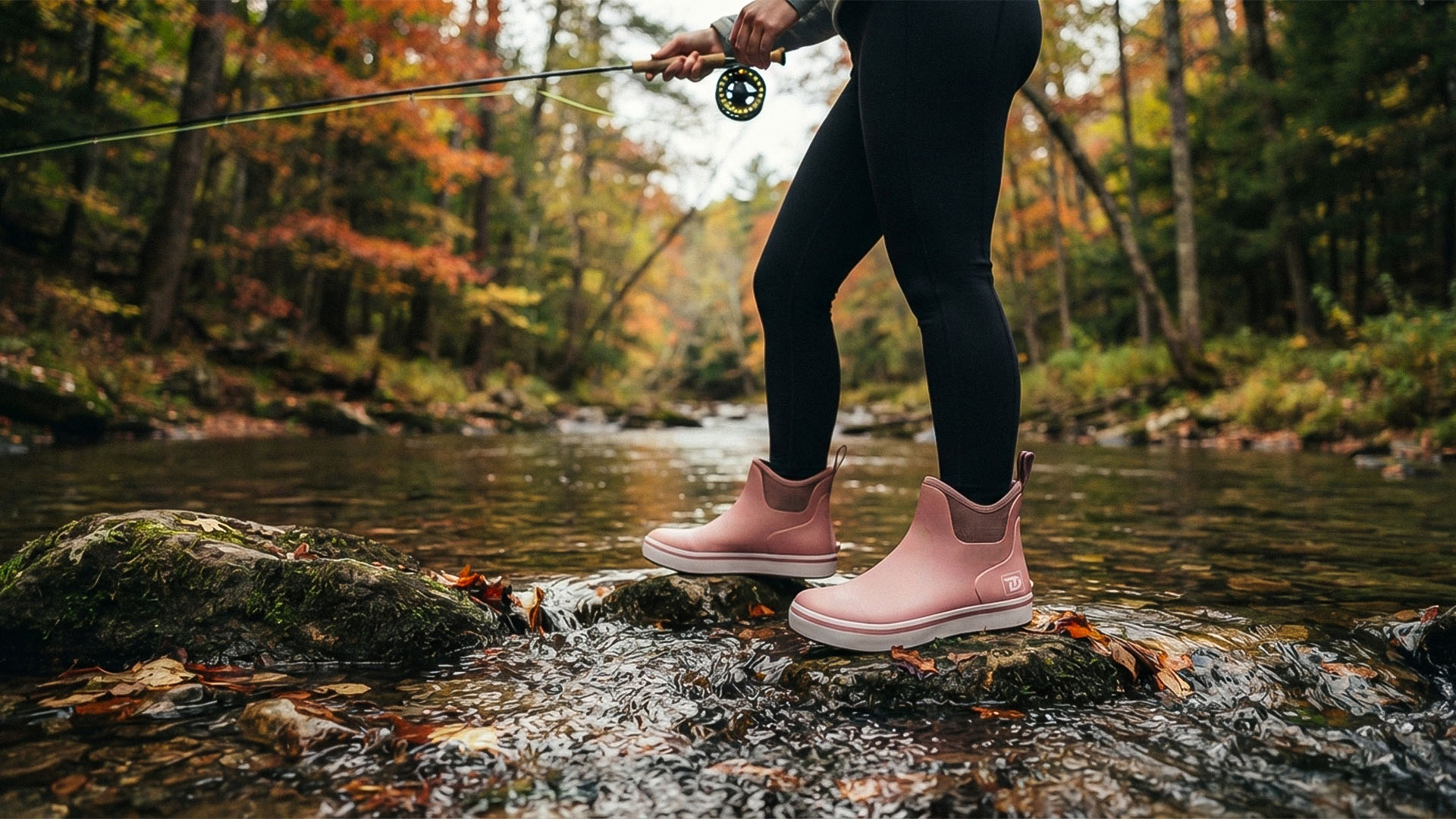
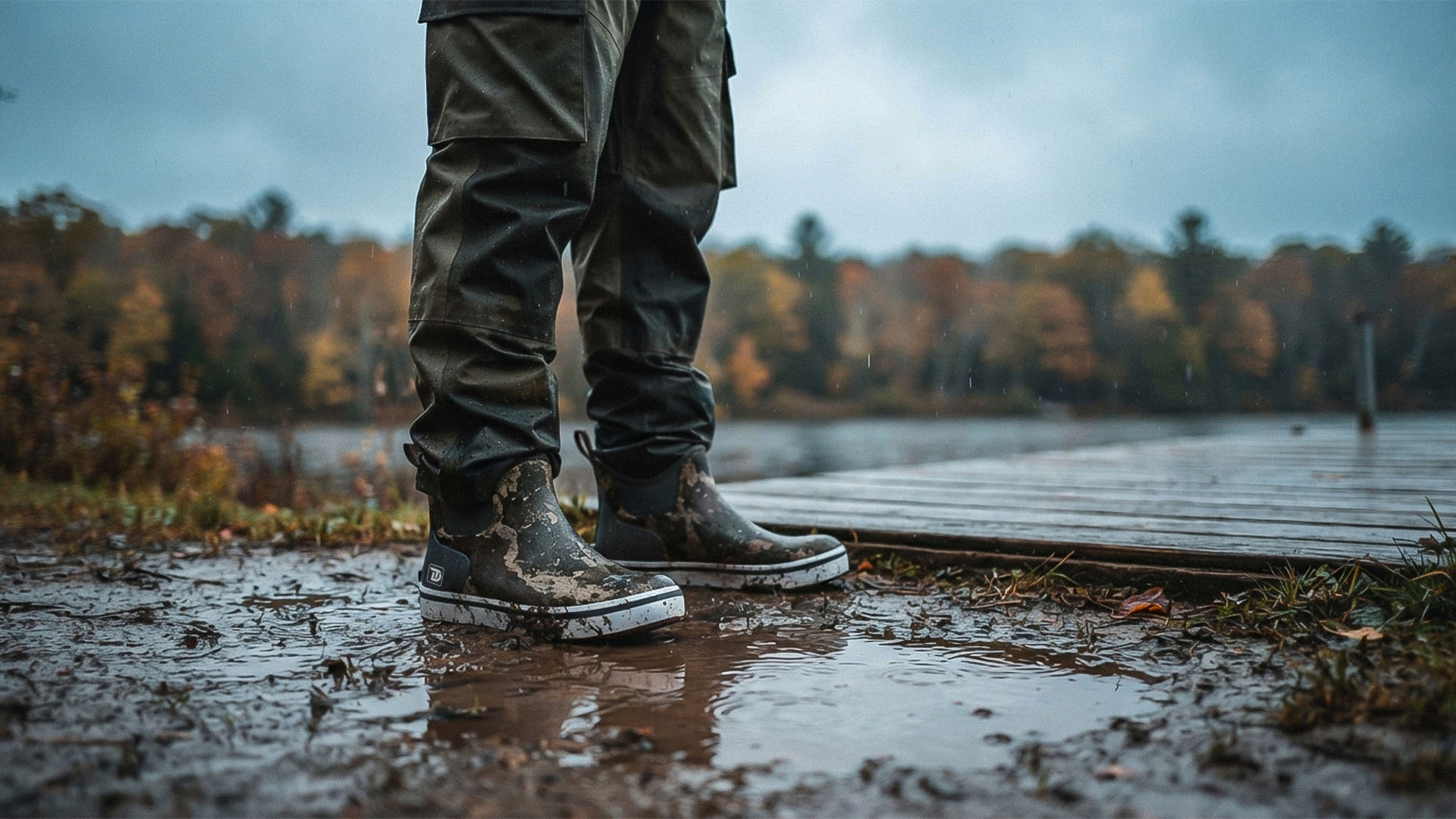
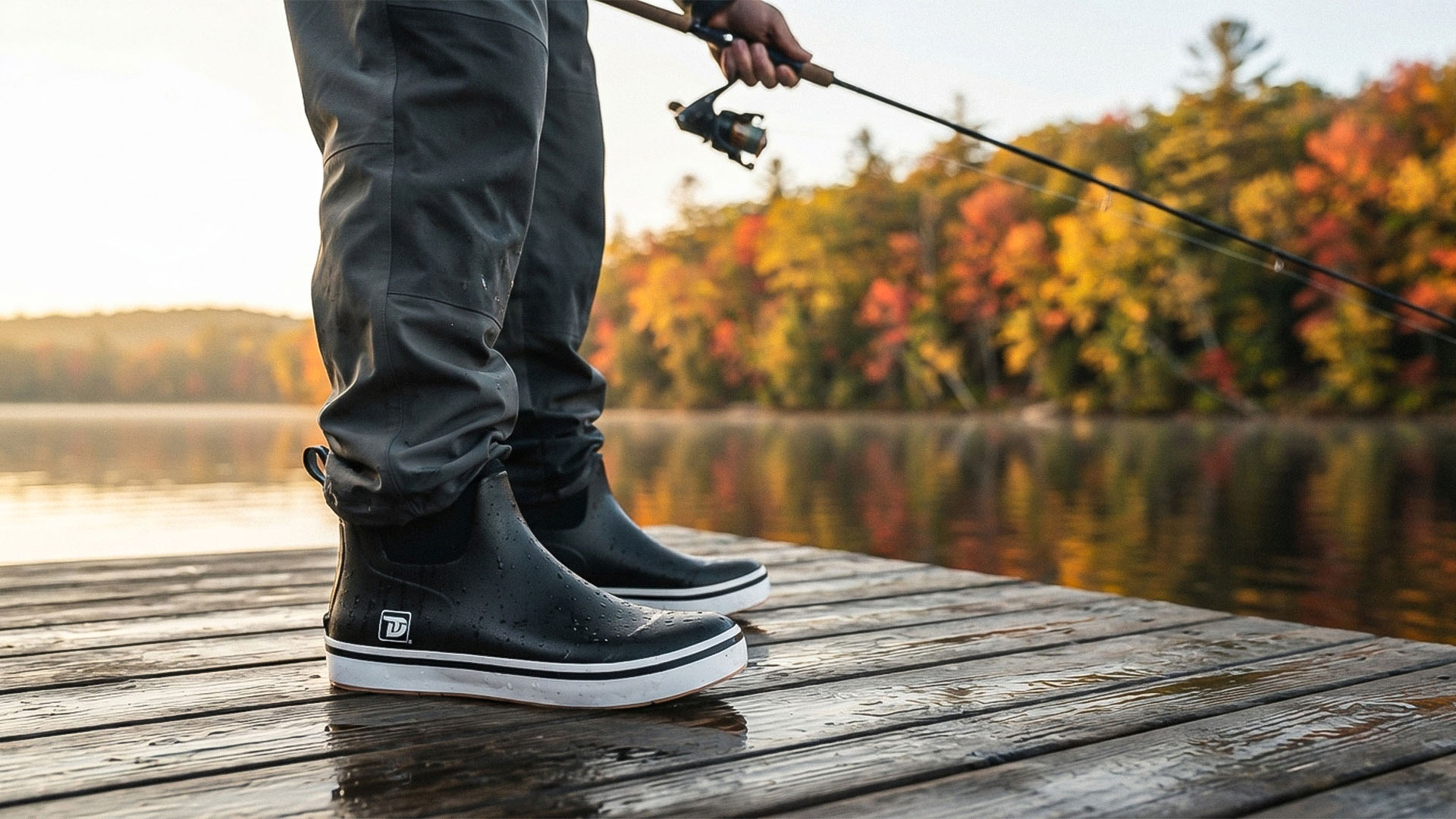
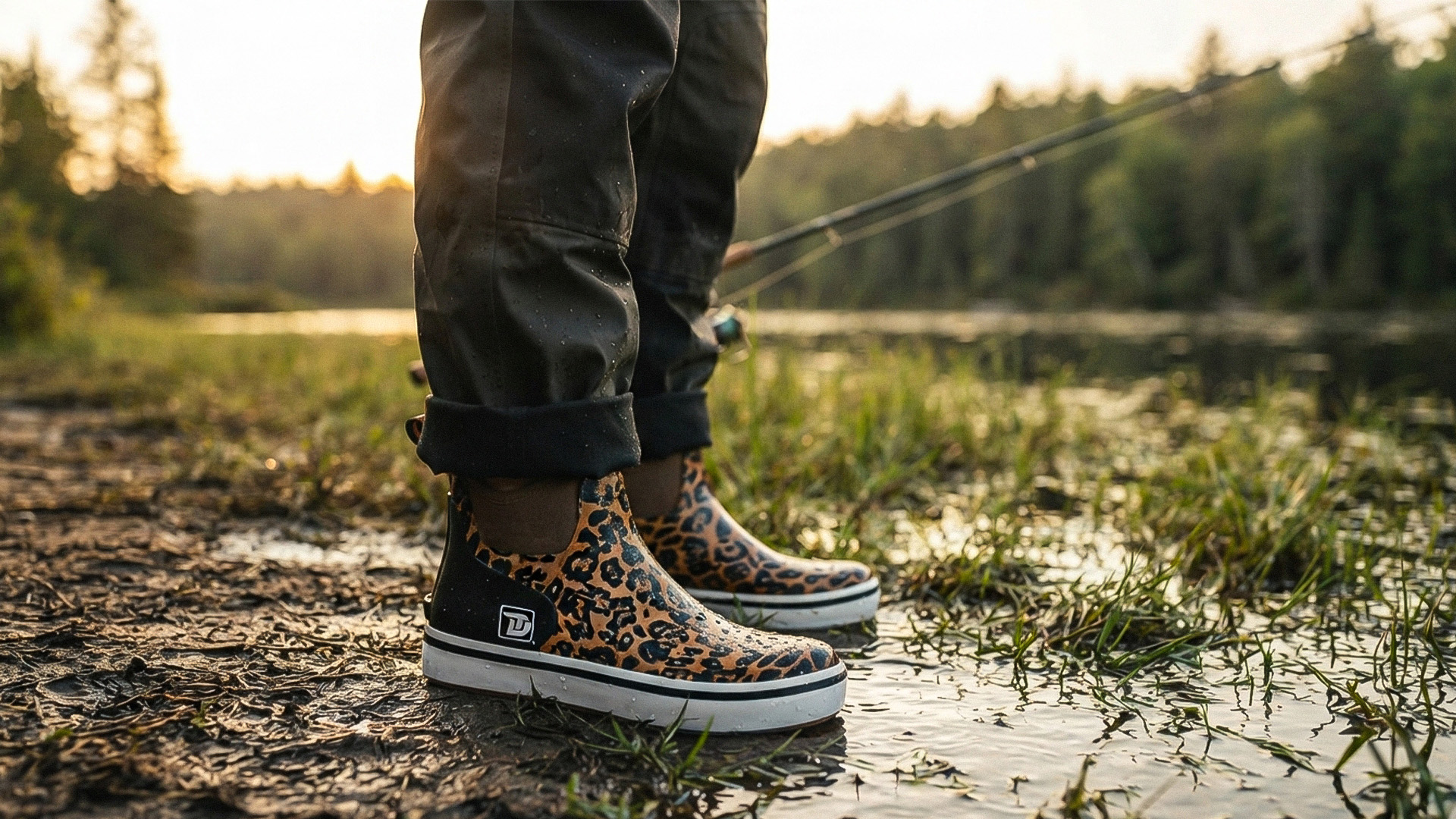
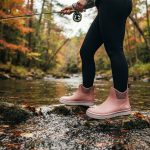
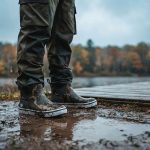
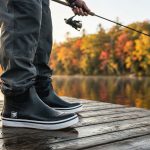
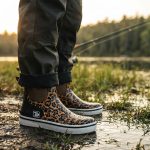
Anglers preparing for wet-deck trips can compare TruDaveGear waterproof deck boots with other marine footwear options based on outsole design, fit, cushioning, removable insoles, and expected water exposure.
Why Deck Boots Work Well on Charter Boats
Charter boats are working fishing platforms.
The crew may rinse the deck during the trip. Fish may be landed in the cockpit. Bait and ice may be handled repeatedly. Passengers may move around while the boat is rolling.
Deck boots help because they:
- Keep feet dry from ordinary spray and washdown water
- Protect socks from fish slime and bait water
- Cover the toes
- Rinse clean after use
- Handle wet fiberglass better than casual shoes
- Provide a stable platform for standing
- Reduce fish odor compared with fabric shoes
They are not magic. No boot is completely slip-proof. But for wet fishing environments, deck boots are usually more practical than ordinary shoes.
When Deck Boots Are the Best Choice
Choose deck boots when the trip includes:
- Offshore fishing
- Deep sea fishing
- Rougher water
- Wet deck conditions
- Rain
- Ocean spray
- Cold morning boat rides
- Fish blood or slime
- Bait-heavy fishing
- Deck washdowns
- Long standing on fiberglass
- Fish cleaning onboard
If you are unsure what to wear, deck boots are usually the safest default for offshore charters.
When Deck Boots May Not Be Ideal
Deck boots may not be the best choice when:
- The weather is extremely hot
- The boat stays mostly dry
- The trip is short and inshore
- Long walking before boarding is required
- You are kayak fishing
- Water will repeatedly enter above the boot opening
- Maximum airflow matters more than waterproofing
In those cases, fishing shoes may feel cooler and lighter.
Are Fishing Shoes Good for Fishing Charters?
Fishing shoes can be a good choice for some charters.
They usually work best for:
- Warm-weather inshore fishing
- Calm bay trips
- Flats fishing
- Short nearshore charters
- Boats that stay mostly dry
- Trips with lots of walking before or after boarding
- Hot climates where breathability matters
Fishing shoes may include quick-draining mesh, water-resistant uppers, or marine-style outsoles.
They are usually lighter and cooler than deck boots.
However, they do not provide the same waterproof coverage.
Fishing Shoes: Advantages
Fishing shoes may offer:
- Better airflow
- Lower weight
- More sneaker-like comfort
- Easier walking on land
- Quick drainage
- More flexible movement
- Better fit adjustment when they have laces
- Good warm-weather comfort
They are useful when your feet are likely to get wet anyway and the goal is quick drying rather than staying dry.
Fishing Shoes: Disadvantages
Fishing shoes may not be ideal when the deck is messy.
They can:
- Let water enter easily
- Hold fish odor in fabric
- Allow bait water through mesh
- Take time to dry
- Provide less protection from cold spray
- Require more detailed cleaning
- Offer less coverage during washdowns
If fish slime, bait, blood, and saltwater soak into the upper, fishing shoes may smell worse than molded deck boots.
Can You Wear Sneakers on a Fishing Charter?
You can wear sneakers on some fishing charters, but they are not the best choice for wet or messy trips.
Sneakers may be acceptable for:
- Calm inshore charters
- Short family fishing trips
- Dry weather
- Boats with covered seating
- Casual sightseeing-style fishing
- Passengers who will not handle fish or bait
However, ordinary sneakers are not designed for fish slime, saltwater, washdowns, or bait residue.
Why Regular Sneakers Are Usually a Bad Offshore Choice
Regular sneakers can become uncomfortable once wet.
They may:
- Absorb saltwater
- Stay wet all day
- Hold fish odor
- Become heavy
- Stain easily
- Dry slowly
- Provide limited protection from washdowns
- Lose comfort when soaked
- Require deep cleaning after the trip
A clean pair of everyday sneakers can be ruined by one messy offshore charter.
If you care about the sneakers, do not wear them on a fishing boat.
Are Boat Shoes Good for Fishing Charters?
Boat shoes are better than flip-flops, but they are not always the best option for active fishing.
Traditional boat shoes may work for:
- Casual boating
- Dry deck conditions
- Light inshore trips
- Marina use
- Warm weather
They are usually lightweight and comfortable, but they may not protect well against:
- Fish slime
- Bait water
- Blood
- Heavy spray
- Deck washdowns
- Cold wet conditions
Boat shoes are more appropriate for casual boating than messy offshore fishing.
Can You Wear Sandals on a Fishing Charter?
Sandals are usually not recommended for offshore fishing charters.
Open footwear exposes your feet to:
- Hooks
- Fish spines
- Sinkers
- Knives
- Gaffs
- Sharp shells
- Hot deck surfaces
- Fish slime
- Slipping
- Stubbed toes
Flip-flops are especially poor because they can twist, slide, or come off.
Some secure closed-toe fishing sandals may work for calm, warm, inshore trips, but you should ask the captain first.
For offshore fishing, choose closed-toe marine footwear instead.
Why Flip-Flops Are a Common Beginner Mistake
Flip-flops feel convenient, but they are one of the worst choices for a fishing charter.
They provide:
- Little toe protection
- Poor heel security
- Limited side stability
- Minimal protection from hooks
- Poor control on wet decks
- No protection from fish slime or bait water
- Easy loss when stepping or boarding
A fishing boat is not a beach sidewalk.
Wear something more secure.
Should You Go Barefoot on a Fishing Charter?
No. Barefoot walking is not recommended on an active fishing boat.
A fishing deck may contain:
- Hooks
- Broken shells
- Fish spines
- Knives
- Sinkers
- Sharp hardware
- Hot surfaces
- Fish slime
- Cleaning chemicals
- Fishing line
Even if the deck looks clean, small hooks and sharp objects can be difficult to see.
Keep footwear on unless the captain specifically says otherwise in a safe situation.
Best Shoes for Offshore Fishing Charters
For offshore fishing, waterproof deck boots are usually the best choice.
Offshore trips often involve:
- Long boat rides
- Heavier spray
- Wet decks
- Fish blood
- Bait
- Ice
- Washdowns
- Changing weather
- Cold morning air
- Long standing
Deck boots give better water protection and easier cleaning than sneakers or fishing shoes.
Choose ankle deck boots when you want a balance of protection and mobility.
Choose taller boots only when the captain expects heavy washdowns or deeper water on deck.
Best Shoes for Deep Sea Fishing
Deep sea fishing usually means long hours, larger fish, heavier tackle, and more exposure to offshore conditions.
The best footwear should provide:
- Closed-toe protection
- Waterproof coverage
- Wet-deck traction
- Comfortable cushioning
- Secure heel fit
- Easy cleaning
- Support for standing
- Enough sock room
Deck boots are usually the most practical option.
Fishing shoes may work in hot climates when the deck is dry, but they are less protective during messy fish handling.
Best Shoes for Inshore Fishing Charters
Inshore charters may allow more flexibility.
Good options include:
- Deck boots
- Fishing shoes
- Closed-toe boat shoes
- Water-ready sneakers designed for marine use
Choose deck boots if the boat will be wet or muddy.
Choose fishing shoes if the weather is hot and the deck is mostly dry.
Avoid flip-flops unless the captain clearly says they are acceptable for that specific trip.
Best Shoes for Party Boat Fishing
Party boats and head boats often have many anglers close together.
Footwear should protect you from:
- Other people’s hooks
- Fish slime
- Wet deck areas
- Cooler water
- Bait pieces
- Crowded walkways
- Dropped sinkers
Deck boots or closed-toe fishing shoes are much better than sandals.
Because space is limited, choose footwear that is secure and easy to stand in for several hours.
Best Shoes for Family Fishing Charters
For family trips, comfort and safety matter most.
Adults and kids should wear:
- Closed-toe shoes
- Secure soles
- Good fit
- Water-ready materials
- Socks when wearing boots
- Footwear that can get dirty
Children should not wear loose flip-flops on a wet fishing boat.
Kids move quickly and may not notice hooks, lines, or slippery spots.
Best Shoes for Women on a Fishing Charter
Women should choose footwear based on the same practical factors as men:
- Closed toe
- Secure heel
- Wet-deck grip
- Waterproof or water-ready construction
- Comfortable cushioning
- Easy cleaning
- Compatibility with socks
- Stable movement
Good options include:
- Waterproof ankle deck boots
- Women’s fishing shoes
- Marine sneakers
- Closed-toe water shoes for warm inshore trips
Avoid fashion sandals, heels, open-toe slides, and delicate sneakers.
Fishing charters are wet, salty, and messy.
Best Shoes for Men on a Fishing Charter
Men should choose footwear that can handle standing, spray, and fish mess.
Good options include:
- Waterproof deck boots
- Closed-toe fishing shoes
- Marine shoes with wet-deck outsole
- Lightweight deck boots for warm weather
Avoid casual sneakers if conditions will be wet.
Avoid heavy work boots unless they are specifically appropriate for marine use.
Avoid flip-flops for offshore trips.
What Shoes Should Kids Wear on a Fishing Charter?
Kids should wear secure closed-toe footwear.
Good options include:
- Closed-toe water shoes
- Lightweight fishing shoes
- Small deck boots
- Marine sneakers
Avoid:
- Flip-flops
- Loose sandals
- Crocs-style shoes without secure heel straps
- Bare feet
- Heavy boots that affect balance
Kids need shoes that stay on, protect their toes, and remain stable when the boat moves.
Do Fishing Charter Shoes Need to Be Waterproof?
They do not always need to be waterproof, but waterproof footwear is highly useful.
Waterproof shoes or boots are best when the trip involves:
- Rain
- Spray
- Wet decks
- Fish slime
- Cooler drainage
- Washdowns
- Cold weather
- Offshore travel
Quick-draining footwear may be better when:
- The weather is hot
- Water entry is unavoidable
- The trip is short
- The boat stays mostly dry
- You are fishing in warm shallow water
For most offshore charters, waterproof deck boots are more practical.
Do Fishing Charter Shoes Need to Be Non-Marking?
Some boats require non-marking soles.
Ask the captain before the trip.
A non-marking sole is designed to reduce visible marks on the deck. It does not automatically mean the shoe has better traction.
Footwear should ideally be both:
- Appropriate for wet marine surfaces
- Acceptable for the boat’s deck rules
If the captain specifies non-marking shoes, follow that instruction.
Do Fishing Charter Shoes Need to Be Slip-Resistant?
Yes, but understand the limitation.
No shoe is completely slip-proof.
A good fishing charter shoe or boot should have an outsole designed for wet hard surfaces.
Look for:
- Water-channeling grooves
- Broad contact area
- Stable heel
- Flexible rubber
- Secure fit
- Clean tread
- Appropriate cushioning
Even good footwear can slip on fish slime, soap, oil, algae, or ice.
Move carefully and keep the deck clean.
Wet Fiberglass and Footwear Choice
Many charter boats use fiberglass decks.
Clean wet fiberglass may be manageable with the right marine outsole.
However, fiberglass becomes more slippery when covered with:
- Fish slime
- Sunscreen
- Soap
- Bait oil
- Blood
- Mud
- Algae
Deck boots with marine-focused tread are usually better than casual sneakers.
Keep your outsole clean and avoid stepping in concentrated fish slime when possible.
Aluminum Boats and Footwear Choice
Some inshore and smaller fishing boats use aluminum decks.
Aluminum may become slippery from:
- Mud
- Fish slime
- Rain
- Fuel
- Oil
- Boat-ramp residue
Fishing shoes or deck boots can both work.
Choose based on water exposure, temperature, and how much walking you expect.
For muddy ramps, deck boots offer more protection.
Concrete Marinas and Piers
You may walk across concrete before boarding.
Concrete can be rough and abrasive.
Deck boots can handle short marina walks, but long distances on rough concrete may wear marine outsoles faster.
If you have a long walk to the boat, consider bringing clean driving shoes or changing footwear at the marina.
Footwear for Hot Weather
In hot weather, the main issue is moisture and heat buildup.
Good options include:
- Uninsulated deck boots
- Lightweight fishing shoes
- Quick-drying marine shoes
Wear lightweight moisture-wicking socks with deck boots.
Avoid cotton socks.
If your feet sweat heavily and the boat stays mostly dry, fishing shoes may feel better than waterproof boots.
If the deck is wet and messy, uninsulated ankle deck boots remain a strong choice.
Footwear for Cold Weather
Cold-weather charters require more protection.
Choose footwear that can handle:
- Cold spray
- Wind
- Rain
- Wet decks
- Long boat rides
- Cold standing surfaces
Deck boots are usually better than fishing shoes in cold weather.
Wear merino or synthetic socks.
Make sure the boots are not too tight with thicker socks. Tight boots can reduce circulation and make feet colder.
Footwear for Rainy Charters
Rain changes footwear needs quickly.
Choose waterproof deck boots when rain is likely.
They help keep feet dry from:
- Deck puddles
- Water running across the cockpit
- Rain dripping from clothing
- Washdowns
- Wet dock areas
Wear rain pants or bibs outside the boot opening.
If pants are tucked inside the boot, water may run directly into your footwear.
Footwear for Rough Water
Rough water requires secure fit and stable footing.
Choose footwear that:
- Holds the heel securely
- Does not rotate on the foot
- Has stable cushioning
- Provides wet-surface grip
- Protects the toes
- Allows controlled side steps
Loose shoes, flip-flops, and oversized boots are poor choices.
Your foot should not slide around inside the footwear when the boat turns or crosses wakes.
Footwear for Fish Cleaning
If fish are cleaned onboard or at the dock, deck boots are very practical.
Fish cleaning may involve:
- Blood
- Scales
- Slime
- Hose water
- Wet concrete
- Cooler drainage
- Fish bags
- Cleaning tables
Molded waterproof boots rinse more easily than fabric sneakers or mesh shoes.
This is one reason many anglers prefer deck boots for charter trips.
Footwear for Boat Cleanup
Some passengers help rinse gear or clean around the boat after the trip.
During cleanup, the deck may have:
- Soap
- Fish slime
- Water
- Bait residue
- Loose scales
- Wet hoses
Waterproof deck boots protect your feet and are easy to rinse afterward.
Avoid footwear with smooth worn soles around soap and washdown water.
What Socks Should You Wear With Deck Boots?
Wear moisture-wicking crew socks.
Good materials include:
- Synthetic blends
- Lightweight merino wool
- Merino-synthetic blends
Avoid cotton.
Cotton holds water and dries slowly.
Crew socks should extend above the boot collar to reduce rubbing around the ankle.
Bring spare socks in a dry bag.
Should You Wear Socks With Fishing Shoes?
It depends on the shoe design.
Some fishing shoes are designed for barefoot use, but socks may still help reduce friction during long trips.
For closed-toe fishing shoes, lightweight synthetic socks can improve comfort.
For quick-draining shoes, thin water socks or wet-wading socks may work better.
Avoid cotton socks in any footwear that may get wet.
Should You Bring Backup Shoes?
Yes, when practical.
A clean backup pair is useful for:
- Driving home
- Changing after the trip
- Replacing soaked footwear
- Keeping fish smell out of the vehicle
- Comfort after a long day in boots
Leave clean shoes in the vehicle if boat space is limited.
Do not bring bulky extra footwear onboard unless the captain approves.
Should You Wear Brand-New Shoes on a Fishing Charter?
Not without testing them first.
New footwear may cause:
- Heel rubbing
- Ankle irritation
- Toe pressure
- Blisters
- Sock sliding
- Instep pain
Before the trip, wear the shoes or boots at home.
Test:
- Walking
- Standing
- Turning
- Stairs
- Side steps
- Squatting
A short test can prevent a long uncomfortable day.
How Should Fishing Charter Footwear Fit?
Footwear should fit securely without squeezing.
A good fit should provide:
- Comfortable toe room
- Secure heel
- Limited side-to-side movement
- Stable midfoot
- No painful pressure
- No foot rotation
- No sock bunching
- Good control during turns
Deck boots may allow a small amount of heel lift because they are pull-on footwear.
Large heel movement is not ideal.
If the boot feels like it may come off, choose another size or model.
Footwear Mistakes to Avoid
Avoid these common mistakes:
Wearing Flip-Flops
They offer poor protection and poor stability.
Wearing Expensive Sneakers
Saltwater and fish slime can ruin them.
Wearing Cotton Socks
They hold moisture and increase friction.
Wearing New Boots Without Testing
Fit problems become worse after hours on the boat.
Wearing Shoes With Smooth Soles
Wet decks require better traction.
Wearing Oversized Boots
Loose footwear reduces control.
Going Barefoot
Hooks and fish spines are serious hazards.
Ignoring the Captain’s Rules
Some boats require specific footwear.
Wearing Heavy Work Boots
They may be uncomfortable, slippery, or unnecessary.
Forgetting Backup Shoes
Clean shoes make the drive home much better.
What Shoes Not to Wear on a Fishing Charter
Do not wear:
- Flip-flops
- High heels
- Open-toe fashion sandals
- Loose slides
- Expensive leather shoes
- Dress shoes
- Smooth-soled sneakers
- Heavy cotton-lined shoes
- Boots with muddy tread
- Shoes you cannot get dirty
- Bare feet
Fishing is wet, salty, and messy.
Wear footwear that can handle the job.
How to Clean Shoes After a Fishing Charter
After the trip, clean footwear before fish odor sets in.
For deck boots:
- Rinse with fresh water.
- Remove fish slime and bait residue.
- Brush the outsole grooves.
- Remove the insoles.
- Wash insoles if needed.
- Dry boots with airflow.
- Avoid high heat.
For fishing shoes:
- Rinse saltwater and fish residue.
- Remove insoles when possible.
- Wash fabric areas gently.
- Rinse thoroughly.
- Dry with airflow.
- Avoid sealing them in a bag while damp.
For sneakers:
- Rinse carefully.
- Clean stains quickly.
- Remove insoles.
- Dry slowly with airflow.
- Expect odor if they absorbed fish residue.
How to Keep Fish Smell Out of Your Car
Fishing footwear can transfer odor to your vehicle.
After the trip:
- Change into clean shoes
- Place dirty boots in a washable tray
- Keep fish bags sealed
- Remove wet gear quickly
- Clean vehicle mats if needed
- Do not leave bait or fish overnight
- Dry boots at home
A waterproof tray or heavy-duty bin is useful for transporting dirty deck boots.
Do not seal wet footwear in a plastic bag for long-term storage.
Best Overall Footwear Choice by Trip Type
Offshore Charter
Best choice: waterproof deck boots.
Deep Sea Charter
Best choice: waterproof deck boots with good cushioning.
Inshore Charter
Best choice: deck boots or fishing shoes, depending on temperature and water exposure.
Hot Summer Charter
Best choice: uninsulated deck boots or breathable fishing shoes.
Rainy Charter
Best choice: waterproof deck boots.
Family Charter
Best choice: closed-toe deck boots, fishing shoes, or secure marine shoes.
Party Boat
Best choice: closed-toe deck boots or fishing shoes.
Casual Dry Boat Trip
Best choice: boat shoes or fishing shoes may be acceptable.
Fishing Charter Footwear Checklist
Before choosing shoes, ask:
- Will the deck be wet?
- Is the trip offshore or inshore?
- Will fish be cleaned onboard?
- Is rain possible?
- Will there be heavy spray?
- Does the captain require non-marking soles?
- Will I stand for several hours?
- Do I need waterproof protection?
- Will the weather be hot or cold?
- Can the shoes get dirty?
- Are the soles suitable for wet decks?
- Do they fit securely?
- Can I clean them easily afterward?
If the answer to several of these questions points toward water, fish slime, and wet decks, choose deck boots.
Final Recommendation
For most fishing charters, especially offshore and deep sea trips, waterproof deck boots are the best overall footwear choice.
They provide a strong balance of:
- Water protection
- Closed-toe coverage
- Wet-deck stability
- Easy cleaning
- Comfort for standing
- Protection from fish slime and bait water
Fishing shoes are a good alternative for hot, calm, mostly dry inshore trips.
Sneakers are acceptable only when conditions are dry and casual, and you do not mind them getting wet or smelling like fish.
Sandals and flip-flops should usually stay at home.
Barefoot walking is not appropriate on an active fishing deck.
The right fishing charter footwear should keep your feet protected, comfortable, and secure from the first step onto the dock to the final rinse after the trip.
Frequently Asked Questions
What shoes should I wear on a fishing charter?
Wear secure closed-toe marine footwear. Waterproof deck boots are usually best for offshore, deep sea, rainy, or wet-deck fishing charters.
Are deck boots good for fishing charters?
Yes. Deck boots protect against spray, rain, fish slime, bait water, shallow standing water, and deck washdowns.
Can I wear sneakers on a fishing charter?
Sneakers may work on dry casual trips, but they absorb water, hold fish odor, and are not ideal for wet offshore fishing.
Can I wear flip-flops on a fishing charter?
Flip-flops are not recommended because they provide poor toe protection, poor heel security, and limited stability on wet decks.
Are fishing shoes better than deck boots?
Fishing shoes may be better in hot, dry, inshore conditions. Deck boots are better for wet decks, rain, offshore spray, fish slime, and washdowns.
Should fishing charter shoes be waterproof?
Waterproof footwear is highly useful for offshore, rainy, wet, or messy trips. Quick-draining shoes may work better in hot conditions where water entry is expected.
Do I need non-marking shoes on a charter boat?
Some boats require non-marking soles. Ask the captain before the trip.
What socks should I wear with deck boots?
Wear synthetic or merino-blend moisture-wicking crew socks. Avoid cotton socks because they hold moisture and dry slowly.
Should I bring spare socks?
Yes. Spare socks help if your feet get wet from spray, rain, sweat, or water entering the boot opening.
Can I go barefoot on a fishing charter?
Barefoot walking is not recommended on active fishing boats because of hooks, fish spines, knives, hot surfaces, and slippery decks.
What shoes should women wear on a fishing charter?
Women should wear secure closed-toe marine footwear such as deck boots, fishing shoes, or water-ready boat shoes depending on trip conditions.
What shoes should men wear on a fishing charter?
Men should wear deck boots or closed-toe fishing shoes with wet-deck traction and enough comfort for standing.
What shoes should kids wear on a fishing charter?
Kids should wear secure closed-toe shoes that stay on their feet and protect against hooks, fish spines, and wet decks.
Are boat shoes good for fishing charters?
Boat shoes may work for casual dry boating, but deck boots or fishing shoes are usually better for wet, messy fishing trips.
How do I clean deck boots after a fishing charter?
Rinse with fresh water, brush the tread, remove fish slime and bait residue, take out the insoles, and dry everything with airflow.
Should I bring backup shoes?
Yes. Clean shoes for the drive home help keep fish odor, saltwater, and mud out of your vehicle.