
Meta Description: Learn what to wear on a jon boat fishing trip, including footwear for muddy ramps, wet aluminum decks, shallow water, rain, sun, and changing temperatures.
Suggested URL Slug: what-to-wear-jon-boat-fishing
Primary Keyword: what to wear jon boat fishing
Secondary Keywords: jon boat fishing clothes, best shoes for jon boat fishing, footwear for aluminum boat deck, muddy boat ramp boots, small boat fishing outfit, waterproof boots for jon boat
Search Intent: Informational / Commercial Investigation
Jon boats are simple, practical, and well suited for shallow lakes, rivers, farm ponds, backwaters, and small reservoirs.
They are also less forgiving than larger fishing boats when it comes to clothing and footwear.
A typical jon boat trip may begin at a muddy launch with no dock. You may need to step into shallow water, push the boat off the bank, carry gear across wet grass, and climb over aluminum seats before the fishing even starts.
Once underway, the deck can become wet from rain, spray, bait, fish slime, and water brought aboard on boots.
Jon boats also offer limited protection from wind and sun. Most have open layouts, little storage, and no cabin where anglers can escape changing weather.
The right outfit should help you move safely, remain comfortable, and avoid taking up unnecessary space.
This guide explains what to wear on a jon boat fishing trip, including footwear for muddy ramps, wet aluminum decks, shallow water, rain, heat, and cool early mornings.
Why Jon Boat Fishing Requires Practical Clothing
Jon boats are often used in environments where conditions change from land to water.
You may encounter:
- Muddy ramps
- Wet grass
- Shallow shoreline water
- Gravel access roads
- Slippery aluminum
- Rain
- Wind
- Direct sun
- Fish slime
- Limited storage
- Low seating
- Narrow walking areas
Footwear that works well at the launch must also perform inside the boat.
A deep mud outsole may help on the bank but carry dirt onto the aluminum floor.
A smooth casual shoe may feel comfortable while seated but lose traction when the deck becomes wet.
The best clothing system should work through the entire trip, from unloading the boat to cleaning it afterward.
Start With the Launch Conditions
Before choosing footwear, consider where the boat will enter the water.
Jon boats are commonly launched from:
- Concrete ramps
- Gravel ramps
- Muddy banks
- Grass shorelines
- Farm ponds
- Shallow creeks
- Improvised access points
A maintained concrete ramp requires different footwear than a soft rural pond bank.
If you need to step into water or mud while launching, ordinary sneakers may become soaked before the fishing begins.
Best Footwear for Jon Boat Fishing
Common footwear options include:
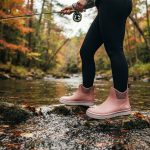
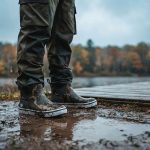
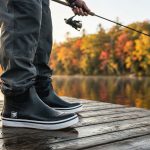
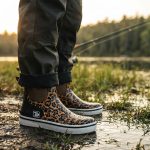
- Waterproof ankle deck boots
- Tall rubber boots
- Waterproof hiking shoes
- Quick-draining fishing shoes
- Closed-toe boat shoes
- Neoprene water boots
The right option depends on ramp conditions, weather, water depth, and how much walking is required.
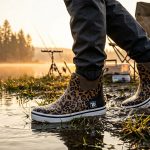
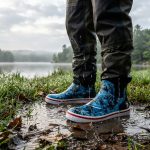
Waterproof Ankle Deck Boots
Ankle deck boots are one of the most versatile choices for jon boat fishing.
They work well for:
- Wet aluminum decks
- Concrete ramps
- Shallow mud
- Rain
- Wet grass
- Boat washdowns
- Short walks from the vehicle
- Shallow shoreline water
Their low profile allows easier movement inside a small boat.
They also take up less space than tall rubber boots.
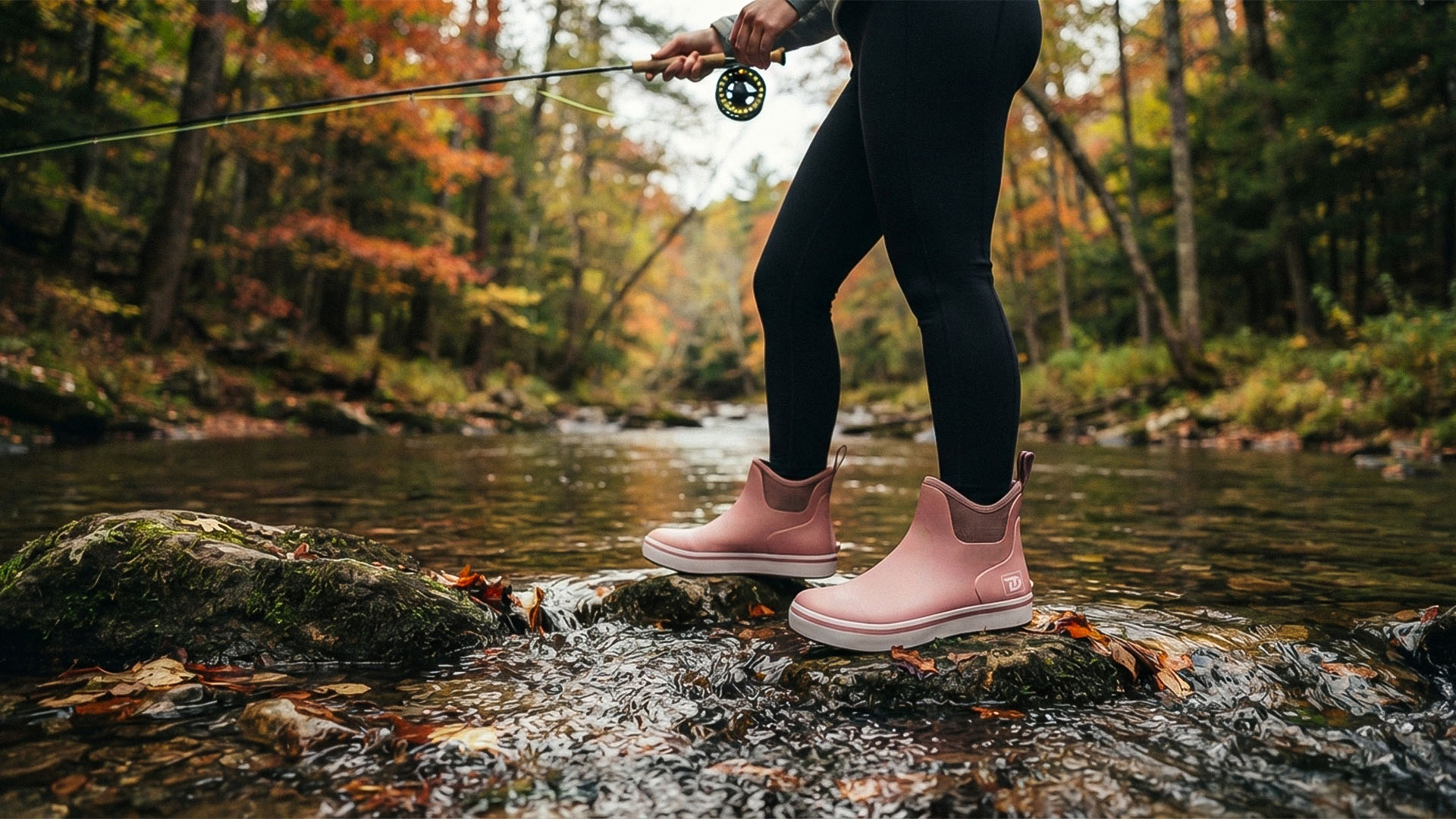
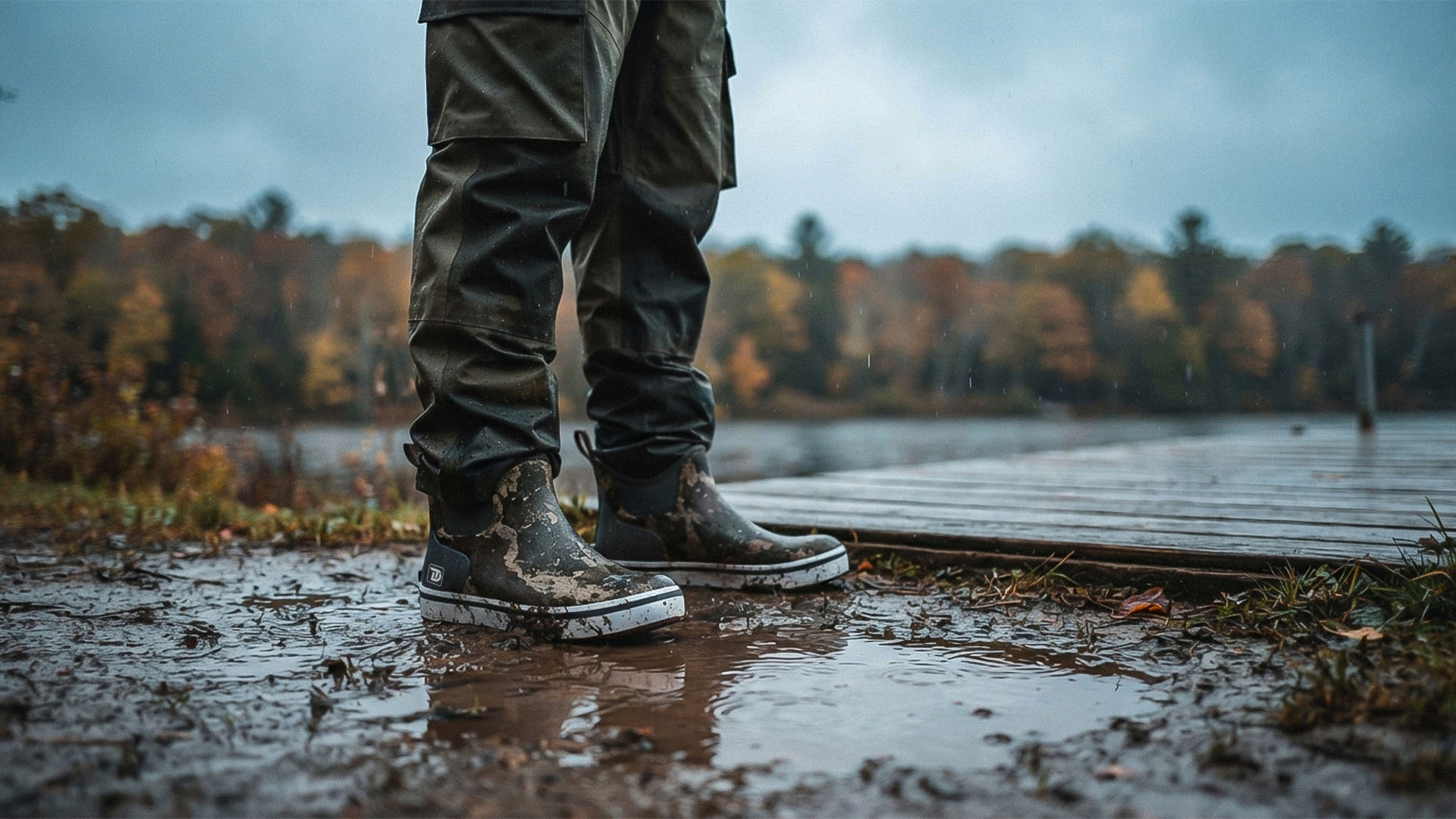
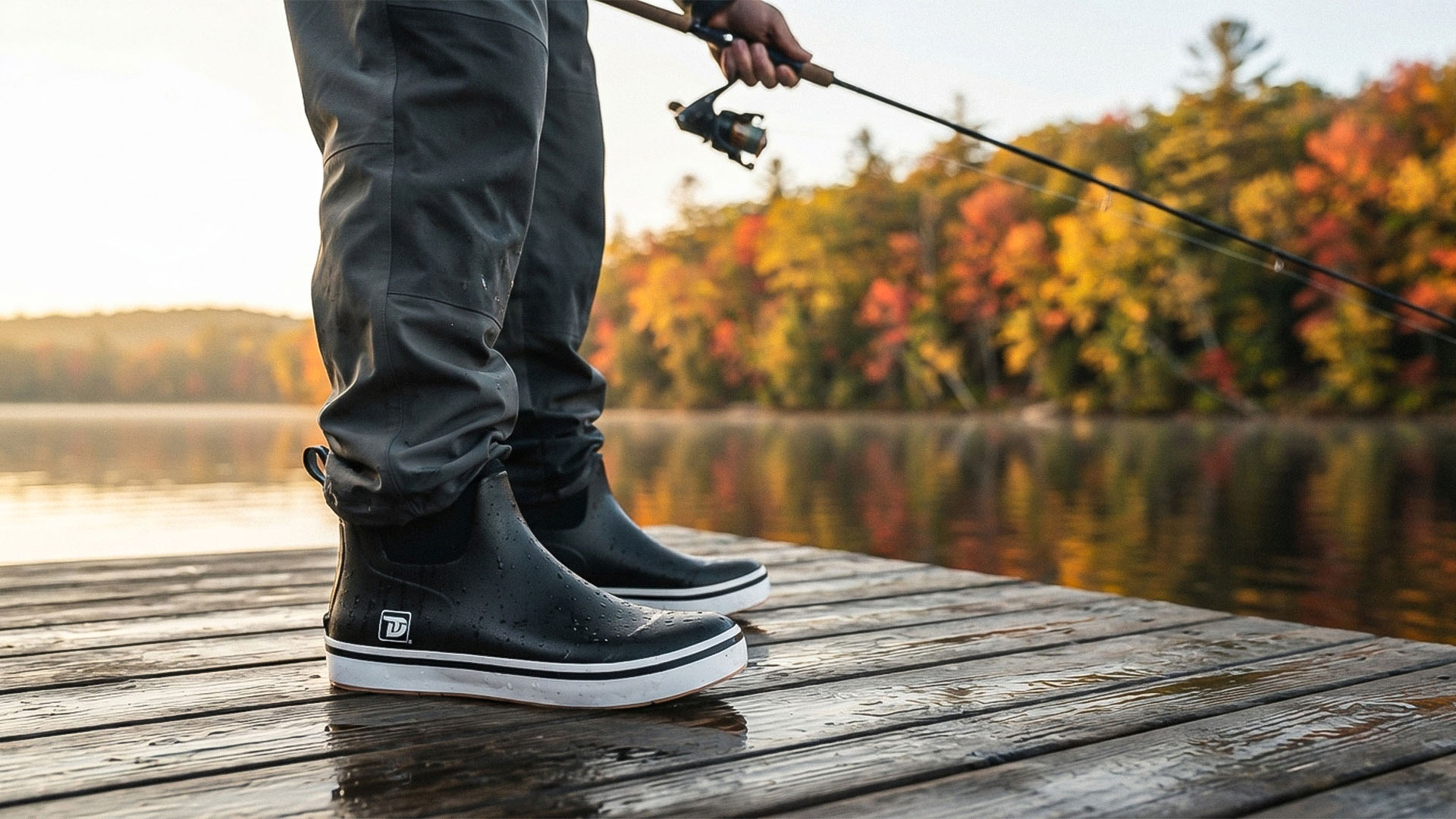
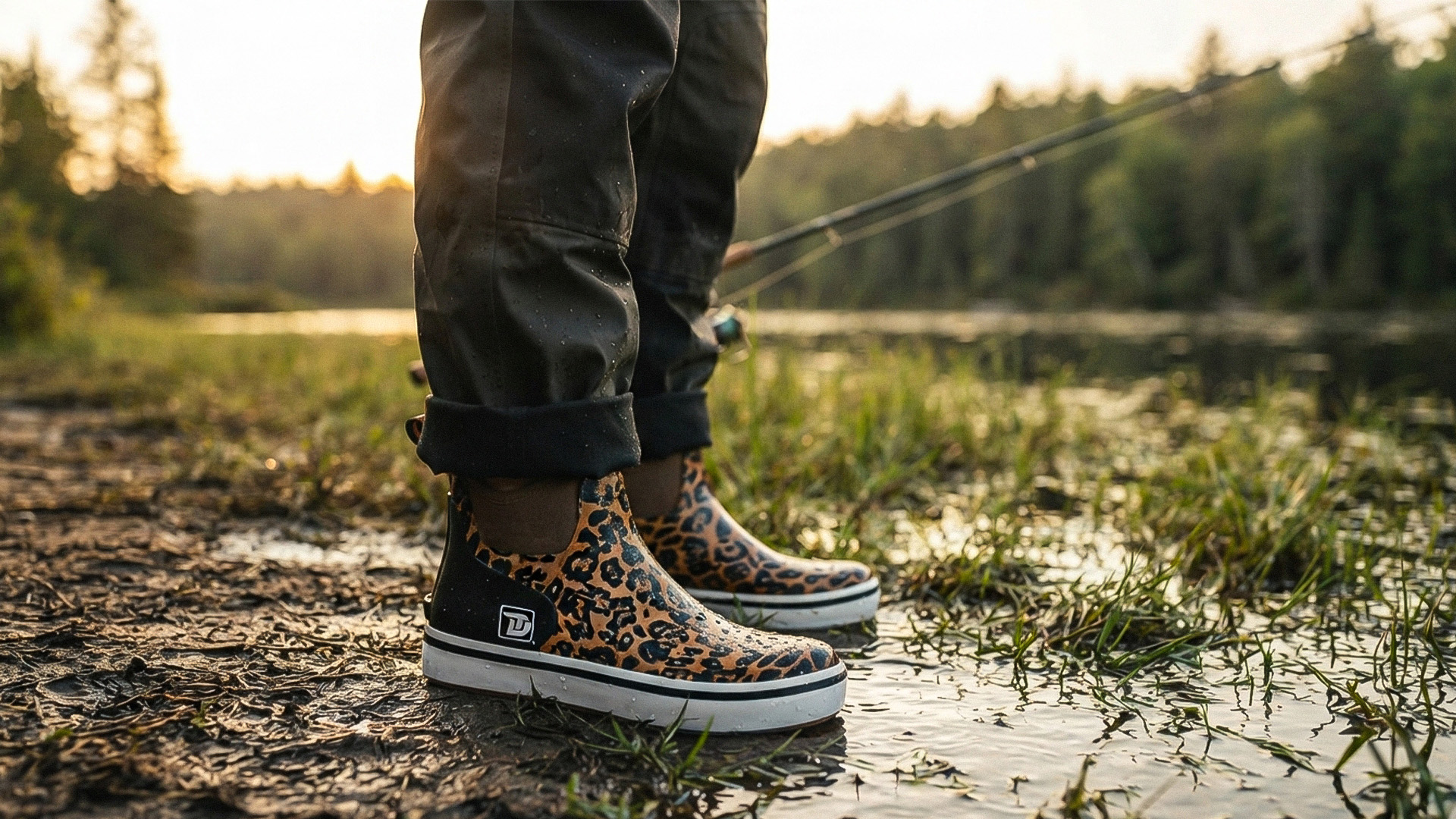
Anglers comparing waterproof footwear for small boats can review [TruDaveGear waterproof deck boots] alongside other fishing-specific options for wet decks, muddy access points, and everyday boat use.
Choose based on fit, outsole traction, cushioning, and expected water depth.
Why Deck Boots Work Well on Aluminum Floors
Aluminum jon boat floors can become slick when covered with:
- Water
- Mud
- Fish slime
- Bait
- Leaves
- Rain
- Oil residue
A suitable deck boot should provide stable contact without using an excessively aggressive tread that traps large amounts of mud.
Low-profile boots also make it easier to:
- Step over bench seats
- Operate a trolling motor
- Move around tackle
- Enter and exit the boat
- Drive a vehicle afterward
No outsole is completely slip-proof.
Keep the floor clean and move carefully.
Tall Rubber Boots
Tall rubber boots are useful when launching from:
- Deep mud
- Marshy banks
- Flooded shorelines
- Farm ponds
- Areas with deeper standing water
They provide more coverage than ankle boots.
However, they can feel bulky inside a small jon boat.
Tall boots may also:
- Restrict ankle movement
- Make stepping over seats harder
- Trap heat
- Take up more storage space
- Interfere with pedals
Use them when the launch conditions require the extra height.
Waterproof Hiking Shoes
Waterproof hiking shoes or boots work well when access involves:
- Long walks
- Rocky banks
- Steep ramps
- Gravel
- Roots
- Uneven terrain
They provide better support than pull-on deck boots.
Their disadvantages include:
- Harder cleaning
- Slower drying
- Mud trapped in deep tread
- More fabric exposed to fish slime
- Less convenience around shallow water
They are a good choice when terrain is the main challenge rather than the boat deck.
Quick-Draining Fishing Shoes
Quick-draining shoes work well during hot-weather jon boat fishing.
They are useful when:
- Feet are expected to get wet
- Launch water is warm
- The trip is short
- Mud is limited
- The kayak-style open deck remains wet
They allow water to escape rather than keeping it out.
Choose a secure closed-toe model.
Avoid loose water shoes that can come off in mud or while pushing the boat.
Avoid Flip-Flops
Flip-flops are convenient around water but poorly suited for active jon boat fishing.
They provide limited protection from:
- Hooks
- Fish spines
- Aluminum edges
- Mud
- Gravel
- Trolling motor hardware
- Dropped tackle
- Hot metal surfaces
They also provide little stability when stepping between seats.
Secure closed-toe footwear is the better choice.
Match the Outsole to Both Ramp and Boat
A good jon boat outsole must handle two different surfaces.
At the Ramp
You may need traction on:
- Mud
- Gravel
- Wet concrete
- Grass
- Shallow water
Inside the Boat
You need stable contact with:
- Aluminum
- Painted metal
- Plywood
- Rubber mats
- Wet hard surfaces
Extremely deep mud tread can collect debris and make the boat floor dirtier.
A moderate tread with water-channeling features is often the best compromise.
Clean Mud Before Entering the Boat
Mud carried aboard can reduce traction.
Before stepping into the boat:
- Rinse boots when possible
- Scrape mud from the outsole
- Use a small boot brush
- Step on a clean mat
- Avoid tracking thick clay across the floor
Keep a brush or small rinse bottle near the launch.
A few seconds of cleaning can make the boat safer and easier to wash later.
What Shirt Should You Wear?
A lightweight long-sleeve fishing shirt is the most versatile option.
It provides:
- Sun protection
- Insect coverage
- Light wind protection
- Quick drying
- Protection from fish slime
- Comfort during changing temperatures
Choose a breathable synthetic fabric.
Avoid heavy cotton shirts.
Cotton absorbs sweat and water and remains damp.
What Pants Should You Wear?
Quick-drying fishing or hiking pants work well on jon boats.
They protect against:
- Sun
- Mosquitoes
- Mud
- Aluminum seat edges
- Fish slime
- Wet grass
- Light brush
Look for:
- Flexible fabric
- Secure pockets
- Tapered lower legs
- Quick-drying construction
- Comfortable seated fit
Avoid loose pants that catch on hooks, seat corners, and trolling motor controls.
Can You Wear Shorts?
Shorts can work in warm weather, especially on clean and dry boats.
They are less useful when the trip involves:
- Muddy launches
- Mosquitoes
- Tall grass
- Cool mornings
- Hot aluminum seats
- Heavy sun
- Fish handling
Lightweight pants often provide more protection without adding much heat.
Dress in Layers for Early Starts
Many jon boat trips begin before sunrise.
A cool launch may become hot after the sun rises.
Use a simple layering system:
- Moisture-wicking base shirt
- Lightweight fleece or hoodie
- Windproof or waterproof shell
Remove layers gradually as temperatures rise.
Store them in a dry bag or secured compartment.
Do not leave loose jackets on the floor where they can become wet or catch on gear.
Bring a Wind-Resistant Layer
Jon boats provide little wind protection.
Even a mild day can feel cold when moving across open water.
Bring a lightweight wind shell for:
- Early morning runs
- Cool evenings
- Cold fronts
- Open reservoirs
- Rain
- Boat spray
Choose a low-profile jacket that does not interfere with casting or a personal flotation device.
Rain Gear for Jon Boat Fishing
A complete rain system may include:
- Waterproof jacket
- Waterproof pants or bibs
- Waterproof footwear
- Moisture-wicking base layer
- Spare socks
- Dry shirt
Rainwater collects quickly in open aluminum boats.
Your pants should normally overlap the outside of ankle boots.
This directs water away from the boot opening.
Why Bib Pants Can Be Useful
Fishing bibs provide better coverage than ordinary rain pants.
They are useful when:
- Rain is steady
- Spray enters the boat
- Seats are wet
- Fish are being handled
- The floor holds shallow water
Choose bibs that allow comfortable sitting and stepping over benches.
Loose straps should be secured.
What Socks Should You Wear?
Use synthetic or merino wool socks.
Warm Weather
Choose lightweight synthetic socks.
Cool Weather
Use medium-weight merino or synthetic blends.
Cold Weather
Wear warmer merino socks with enough room inside the boot.
Avoid cotton.
Bring at least one spare pair in waterproof storage.
Footwear Fit Matters in Small Boats
Loose footwear is especially noticeable in a jon boat.
The boat may shift when anglers move, and a loose heel can reduce control.
Deck boots should provide:
- Minimal heel lift
- Comfortable toe room
- Correct width
- Secure midfoot contact
- Enough sock space
- Stable turning
Do not size excessively large for convenience.
Be Careful Around Trolling Motor Pedals
Foot-controlled trolling motors require precise movement.
Bulky footwear may interfere with:
- Pedal angle
- Steering
- Speed controls
- Foot placement
Test the footwear before the trip.
Make sure the outsole does not catch on pedal edges or floor hardware.
Low Seating Changes Clothing Comfort
Jon boats often use bench seats or low swivel seats.
Clothing should remain comfortable while seated for long periods.
Check that:
- Waistbands do not dig in
- Jackets do not bunch behind the back
- Bib straps remain comfortable
- Pants allow knee movement
- Pockets do not hold bulky items beneath the legs
Avoid carrying wallets or tools in back pockets while seated.
Protect Against Hot Aluminum
Uncovered aluminum can become hot under direct sun.
The floor, seats, and gunwales may heat quickly.
Wear:
- Closed footwear
- Lightweight pants or longer shorts
- Gloves when handling hot metal
- Sun-protective clothing
Do not sit directly on hot aluminum for long periods.
Use appropriate seat cushions or boat seating.
Sun Protection
Jon boats often provide little shade.
Bring:
- Long-sleeve sun shirt
- Hat
- Polarized sunglasses
- Neck gaiter
- Sunscreen
- Lip protection
Water and aluminum surfaces can reflect sunlight.
Apply sunscreen before launching and reapply according to product instructions.
Polarized Sunglasses
Polarized sunglasses help reduce glare and may improve visibility around:
- Shallow water
- Stumps
- Vegetation
- Sandbars
- Submerged logs
- Fish
- Launch ramps
Use a retainer strap.
Small boats have limited room, and sunglasses are easy to knock into the water.
Wear a Secure Hat
Choose a hat that remains in place while the boat is moving.
Options include:
- Fishing cap
- Wide-brim hat with strap
- Lightweight sun hat
- Knit cap in cold weather
Avoid loose hats that can blow away.
Insect Protection
Jon boat fishing often occurs in shallow backwaters, ponds, and marshy areas where insects are common.
Wear:
- Long sleeves
- Lightweight pants
- Closed footwear
- Higher socks
- Neck gaiter
- Appropriate insect repellent
Avoid applying repellent directly to electronics, fishing line, and plastic boat surfaces unless compatible.
Personal Flotation Device
Wear a properly fitted personal flotation device according to laws and safe boating practices.
Small flat-bottom boats can feel stable, but balance changes quickly when people move.
The PFD should:
- Fit over clothing
- Allow casting
- Permit comfortable sitting
- Remain secure
- Avoid catching on seat backs
Test your full clothing setup with the PFD before leaving.
Keep Clothing Low-Profile
Jon boats have limited space and exposed hardware.
Avoid:
- Long drawstrings
- Loose jacket hems
- Oversized sleeves
- Hanging straps
- Open pockets
- Loose scarves
These can catch on:
- Hooks
- Cleats
- Seat brackets
- Trolling motor controls
- Rod holders
- Anchors
Secure all loose clothing.
Organize Gear to Keep the Floor Clear
Clutter reduces movement and increases trip hazards.
Store:
- Tackle in closed bags
- Rods in holders
- Rain gear in dry storage
- Tools in sheaths
- Footwear away from pedals
- Coolers against secure surfaces
Keep the main walking area clear.
Avoid Standing While the Boat Is Moving Fast
Jon boats can shift quickly when weight changes.
Remain seated during high-speed travel unless the boat is designed and operated for another position.
Clothing and footwear cannot compensate for poor balance decisions.
Follow the operator’s instructions.
What to Wear for Farm Pond Jon Boat Fishing
Farm ponds may involve:
- Mud
- Tall grass
- Livestock areas
- Steep banks
- Improvised launches
- Mosquitoes
Wear:
- Long pants
- Long-sleeve shirt
- Waterproof boots
- Higher socks
- Insect protection
- Hat
- Light gloves when needed
Tall rubber boots may be necessary for deep mud.
Change into lower-profile footwear once aboard when practical.
What to Wear for River Jon Boat Fishing
River trips may involve:
- Gravel launches
- Current
- Cooler air
- Spray
- Wet rocks
- Longer travel
Wear:
- Quick-drying pants
- Long-sleeve base layer
- Wind shell
- Waterproof footwear
- PFD
- Hat
- Sunglasses
Choose footwear with enough traction for the ramp.
Be cautious around moving water during launching and loading.
What to Wear for Summer Jon Boat Fishing
A summer outfit includes:
- Lightweight long-sleeve shirt
- Quick-drying pants or shorts
- Lightweight socks
- Deck boots or draining shoes
- Hat
- Polarized sunglasses
- Sunscreen
- Neck gaiter
- Rain shell
- PFD
Use uninsulated footwear.
Take breaks from waterproof boots when safe to reduce heat buildup.
What to Wear for Spring Jon Boat Fishing
Spring trips may involve cold mornings and muddy ramps.
Wear:
- Moisture-wicking base layer
- Lightweight fleece
- Waterproof shell
- Fishing pants
- Waterproof deck boots or tall boots
- Medium-weight socks
- Hat
- Light gloves
- PFD
Bring spare socks and a dry shirt.
What to Wear for Fall Jon Boat Fishing
Fall weather can change quickly.
Wear:
- Long-sleeve base layer
- Fleece or hoodie
- Windproof shell
- Quick-drying pants
- Waterproof footwear
- Merino socks
- Hat
- Light gloves
- PFD
Wet leaves on ramps and boat floors can become slippery.
What to Wear for Winter Jon Boat Fishing
Cold-weather jon boat fishing requires careful planning.
Wear:
- Thermal base layers
- Insulating mid layers
- Waterproof and windproof shell
- Insulated pants
- Warm socks
- Insulated waterproof boots
- Warm hat
- Gloves
- Neck gaiter
- PFD
- Complete dry clothing backup
Small open boats provide little shelter.
Cold air, spray, and wind can create serious exposure.
What to Wear During Night Jon Boat Fishing
Night trips require:
- Reflective clothing details
- Headlamp
- Backup flashlight
- Warm layer
- Waterproof footwear
- Clear protective glasses
- Insect protection
- Required boat lighting
- PFD
Keep the floor organized.
Hooks, lines, and gear are harder to see after dark.
Spare Footwear for the Drive Home
Keep clean shoes in the vehicle.
Jon boat trips often leave boots covered in:
- Mud
- Water
- fish slime
- Grass
- Bait
- Sand
Store dirty footwear in a tray or waterproof bag.
Changing shoes keeps the vehicle cleaner and gives your feet a dry option.
Cleaning Footwear After the Trip
After fishing:
- Remove thick mud.
- Rinse boots with fresh water.
- Clean fish slime and bait.
- Brush the tread.
- Remove insoles.
- Dry completely.
- Avoid high heat.
- Store in a ventilated area.
Saltwater trips require thorough freshwater rinsing.
Cleaning Clothing After Jon Boat Fishing
Wash clothing that has been exposed to:
- Fish slime
- Bait
- Mud
- Insect repellent
- Fuel
- Boat cleaning products
Follow fabric care instructions.
Do not store damp clothing inside the boat or vehicle.
Common Jon Boat Clothing Mistakes
Wearing Flip-Flops
They provide limited protection and control.
Wearing Heavy Jeans
They become uncomfortable when wet.
Using Tall Boots When They Are Not Needed
Extra height adds heat and bulk.
Wearing Mud-Covered Boots Inside the Boat
Mud reduces traction on aluminum.
Ignoring Footwear Around Pedals
Bulky soles can interfere with controls.
Bringing No Wind Layer
Open boats can feel cold quickly.
Wearing Loose Clothing
Straps and cords catch on hardware.
Forgetting Spare Socks
Wet launches happen.
Wearing Cotton From Head to Toe
Cotton dries slowly.
Jon Boat Fishing Clothing Checklist
Clothing
- Long-sleeve moisture-wicking shirt
- Quick-drying pants or shorts
- Lightweight fleece
- Windproof or waterproof shell
- Rain pants or bibs
- Hat
- Neck gaiter
- Gloves when needed
Footwear
- Waterproof deck boots
- Tall rubber boots for deep mud
- Draining shoes for warm wet conditions
- Moisture-wicking socks
- Spare socks
- Clean shoes for the drive home
Sun and Weather
- Sunscreen
- Polarized sunglasses
- Rain jacket
- Dry bag
- Spare shirt
- Towel
Safety
- Personal flotation device
- Required boat lights
- Headlamp for low light
- First-aid kit
- Communication device
- Reflective details
Final Thoughts
The best jon boat fishing outfit should work at the launch, inside the boat, and during the trip back to the vehicle.
Choose waterproof ankle deck boots for wet aluminum floors, shallow mud, rain, and ordinary boat ramps.
Use tall rubber boots when deep mud or standing water requires more coverage.
Choose hiking footwear when the access route is long, rocky, or steep.
Wear quick-drying clothing.
Use long sleeves and lightweight pants for sun, insects, and protection from exposed boat surfaces.
Bring a windproof or waterproof shell.
Wear a properly fitted personal flotation device.
Keep clothing low-profile and the floor clear.
Clean mud from footwear before entering the boat.
A jon boat may be simple, but the environment around it can be wet, muddy, hot, cold, and cramped in the same day.
Dress for the entire trip—not just the time spent casting.
Frequently Asked Questions
What should I wear jon boat fishing?
Wear a moisture-wicking shirt, quick-drying pants or shorts, water-ready footwear, moisture-wicking socks, sun protection, and a windproof or waterproof outer layer. Always use an appropriate personal flotation device.
What shoes are best for a jon boat?
Waterproof ankle deck boots are useful for wet aluminum decks, ramps, rain, and shallow mud. Quick-draining shoes work in warm wet conditions, while tall boots are better for deep mud.
Are deck boots good for jon boat fishing?
Yes. Deck boots are waterproof, easy to clean, and low-profile enough for movement inside small boats. Make sure the outsole works on wet aluminum and the boots do not interfere with pedals.
Can I wear rubber boots in a jon boat?
Yes, especially during muddy launches or cold weather. Tall rubber boots may feel bulky inside a small boat and can interfere with pedals or stepping over seats.
Should I wear shorts in a jon boat?
Shorts work in warm weather, but lightweight pants provide more protection from sun, mosquitoes, hot aluminum, fish slime, and muddy launches.
What socks should I wear with deck boots?
Wear lightweight synthetic socks in warm weather and merino wool socks in cooler conditions. Avoid cotton because it absorbs moisture and dries slowly.
Are aluminum boat floors slippery?
They can become slippery when covered with water, mud, fish slime, bait, leaves, or oil. Wear suitable footwear, keep the floor clean, and move carefully.
What should I wear for a muddy jon boat launch?
Wear waterproof boots tall enough for the mud depth, quick-drying pants, moisture-wicking socks, and clothing that can be cleaned easily. Remove mud from the outsole before stepping into the boat.
Do I need rain gear in a jon boat?
Yes. Jon boats usually offer little weather protection. Carry a waterproof jacket and rain pants or bibs, even when rain is not strongly forecast.
What should I wear jon boat fishing in cold weather?
Wear thermal base layers, insulation, a windproof and waterproof shell, warm pants, insulated boots, merino socks, a warm hat, gloves, and a PFD.
Can I wear hiking boots in a jon boat?
Yes, especially when the launch route is rocky or steep. Hiking boots may be harder to clean and can carry mud onto the boat floor.
Should I bring spare shoes?
Yes. Clean shoes for the drive home help protect the vehicle and provide a dry option after muddy or wet fishing.