Meta Description: Learn what to wear on a center console fishing boat, including deck boots, offshore layers, rain gear, sun protection, and clothing for long days on open water.
Suggested URL Slug: what-to-wear-center-console-fishing-boat
Primary Keyword: what to wear on a center console fishing boat
Secondary Keywords: center console fishing clothes, offshore fishing outfit, best shoes for center console boat, waterproof deck boots for fishing, center console boat gear, what to wear offshore fishing
Search Intent: Informational / Commercial Investigation
Center console boats are built for movement, access, and open-water fishing.
Their walkaround layouts make it easy to follow a fish from the cockpit to the bow, work multiple rods, reach storage compartments, and move around the vessel without stepping through an enclosed cabin.
That same open design also leaves anglers exposed to sun, wind, rain, ocean spray, and wet deck conditions.
A calm morning at the marina can turn into a cold, wet ride offshore. A dry deck can quickly become covered with bait water, fish slime, spray, and washdown water. Clothing that feels comfortable while loading gear may become restrictive after several hours of casting, standing, and moving around the boat.
The best center console fishing outfit should protect you from changing weather without limiting movement.
This guide explains what to wear on a center console fishing boat, including deck footwear, clothing layers, rain gear, sun protection, socks, and accessories for offshore and inshore trips.
Why Center Console Fishing Requires Versatile Clothing
Center console boats create a different clothing environment from enclosed cruisers, kayaks, and small jon boats.
Anglers may be exposed to:
- High-speed wind
- Ocean spray
- Direct sunlight
- Rain
- Wet fiberglass decks
- Fish slime
- Bait
- Repeated washdowns
- Long periods of standing
- Rapid temperature changes
- Limited dry storage
The outfit needs to work while the boat is moving and while you are actively fishing.
It should also allow you to:
- Walk around the console
- Step onto raised casting decks
- Bend near fish boxes
- Reach rod holders
- Operate controls
- Move during a fish fight
- Climb on and off the boat
Loose, absorbent, or poorly fitting clothing can quickly become uncomfortable.
Dress for the Ride Offshore
One of the biggest clothing mistakes is dressing only for conditions at the fishing grounds.
The boat ride may be the coldest and wettest part of the trip.
A center console traveling at speed creates continuous airflow. Even mild temperatures can feel cool when combined with wind and spray.
Before departure, consider:
- Boat speed
- Travel distance
- Wind direction
- Wave conditions
- Air temperature
- Water temperature
- Time of day
- Rain probability
Wear your windproof or waterproof outer layer during the run.
You can remove it after the boat slows down and conditions become warmer.
Use a Three-Layer Clothing System
A flexible layering system works well for center console fishing.
The three basic layers are:
- Moisture-wicking base layer
- Lightweight insulating layer
- Windproof or waterproof outer layer
You may not need every layer during warm weather, but carrying them gives you more control when conditions change.
Base Layer
The base layer sits against your skin and manages moisture.
Choose:
- Lightweight synthetic fishing shirt
- Performance long-sleeve shirt
- Merino wool base layer in cooler weather
- Sun-protective fishing shirt
Avoid heavy cotton.
Cotton absorbs sweat, rain, and spray. Once wet, it may remain damp for the rest of the trip.
A quick-drying base layer is especially important when the morning begins cool and the afternoon becomes warm.
Mid Layer
The mid layer adds warmth during early departures, fast boat rides, and cool weather.
Good options include:
- Lightweight fleece
- Synthetic insulated jacket
- Performance hoodie
- Thin vest
- Merino wool pullover
Choose a layer that fits under your rain shell and allows unrestricted shoulder movement.
Avoid bulky garments that interfere with casting or a personal flotation device.
Outer Layer
The outer layer protects against wind, spray, and rain.
Look for:
- Waterproof or water-resistant construction
- Wind protection
- Secure hood
- Adjustable cuffs
- High collar
- Enough room for layers
- Easy arm movement
- Packable design
A shell-style jacket is often more versatile than one heavily insulated coat.
It can be worn alone in warm rain or layered over insulation during cold offshore runs.
What Shirt Should You Wear?
A lightweight long-sleeve fishing shirt is the most versatile option.
It provides:
- Sun protection
- Quick drying
- Light wind protection
- Reduced insect exposure
- Protection from bait and fish slime
- Comfort under rain gear
Choose a shirt with a secure fit.
Oversized sleeves and loose hems may catch on:
- Rod handles
- Hooks
- Cleats
- Console hardware
- Tackle boxes
Performance fabrics are generally more practical than cotton T-shirts for full-day trips.
Should You Wear Shorts or Pants?
Both can work, depending on weather and fishing style.
Choose Shorts When:
- Conditions are hot
- Rain is unlikely
- The trip is short
- The deck is relatively dry
- Sun protection can be maintained
Choose Lightweight Pants When:
- The trip lasts all day
- Sun exposure is strong
- Rain or spray is expected
- More protection from fish and equipment is useful
- Early morning conditions are cool
- Insects are present around the marina
Quick-drying fishing pants are usually the more versatile choice.
Avoid jeans.
Wet denim becomes heavy, stiff, and slow to dry.
Best Footwear for a Center Console Fishing Boat
Footwear is one of the most important parts of a center console fishing outfit.
The deck may become wet from:
- Spray
- Rain
- Bait
- Fish slime
- Ice
- Washdown water
- Cooler drainage
- Livewell water
Good boat footwear should provide:
- Secure fit
- Wet-surface traction
- Waterproof or quick-drying construction
- Enough cushioning
- Easy cleaning
- Comfortable movement
- Appropriate protection
Common options include:
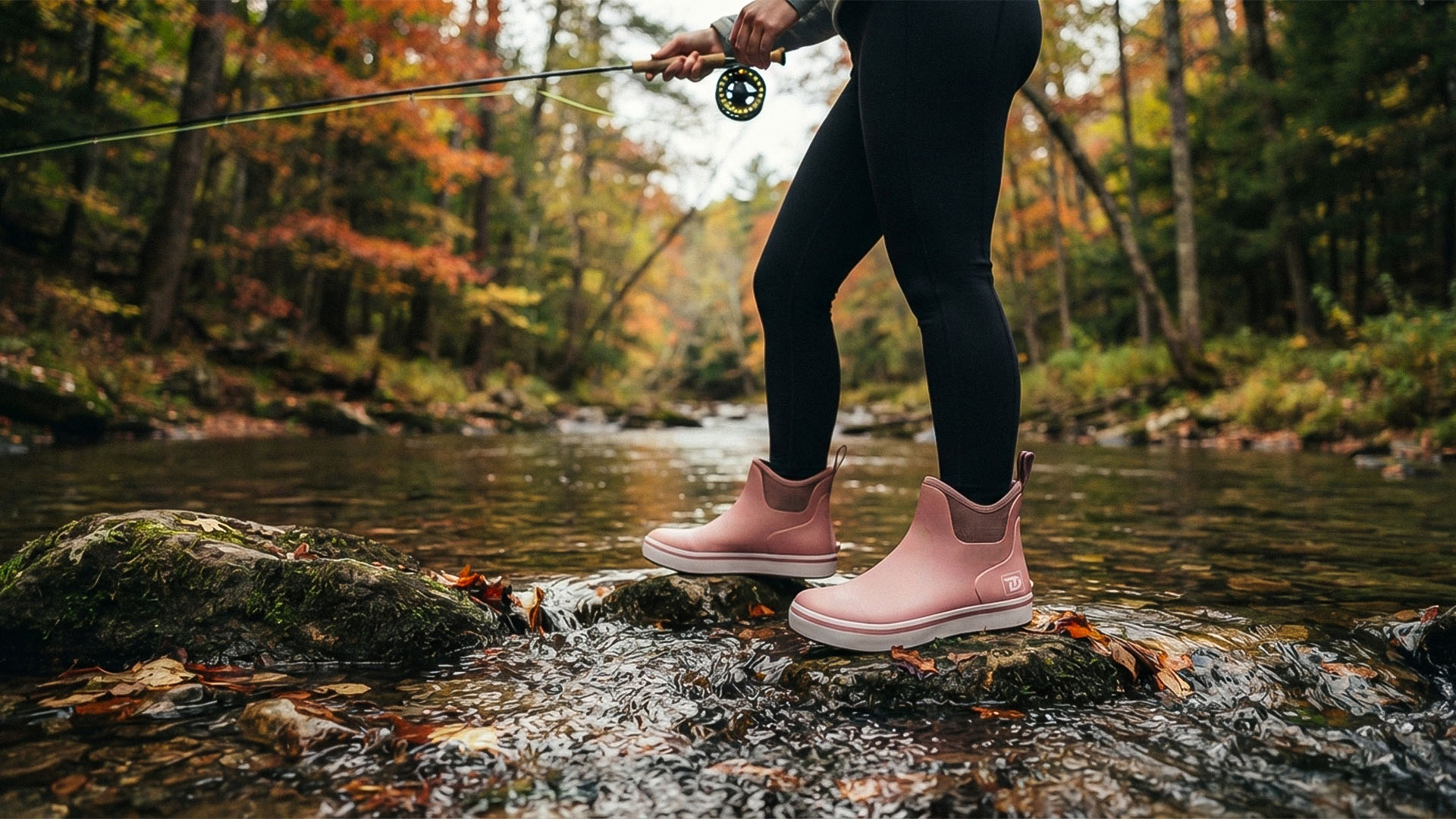
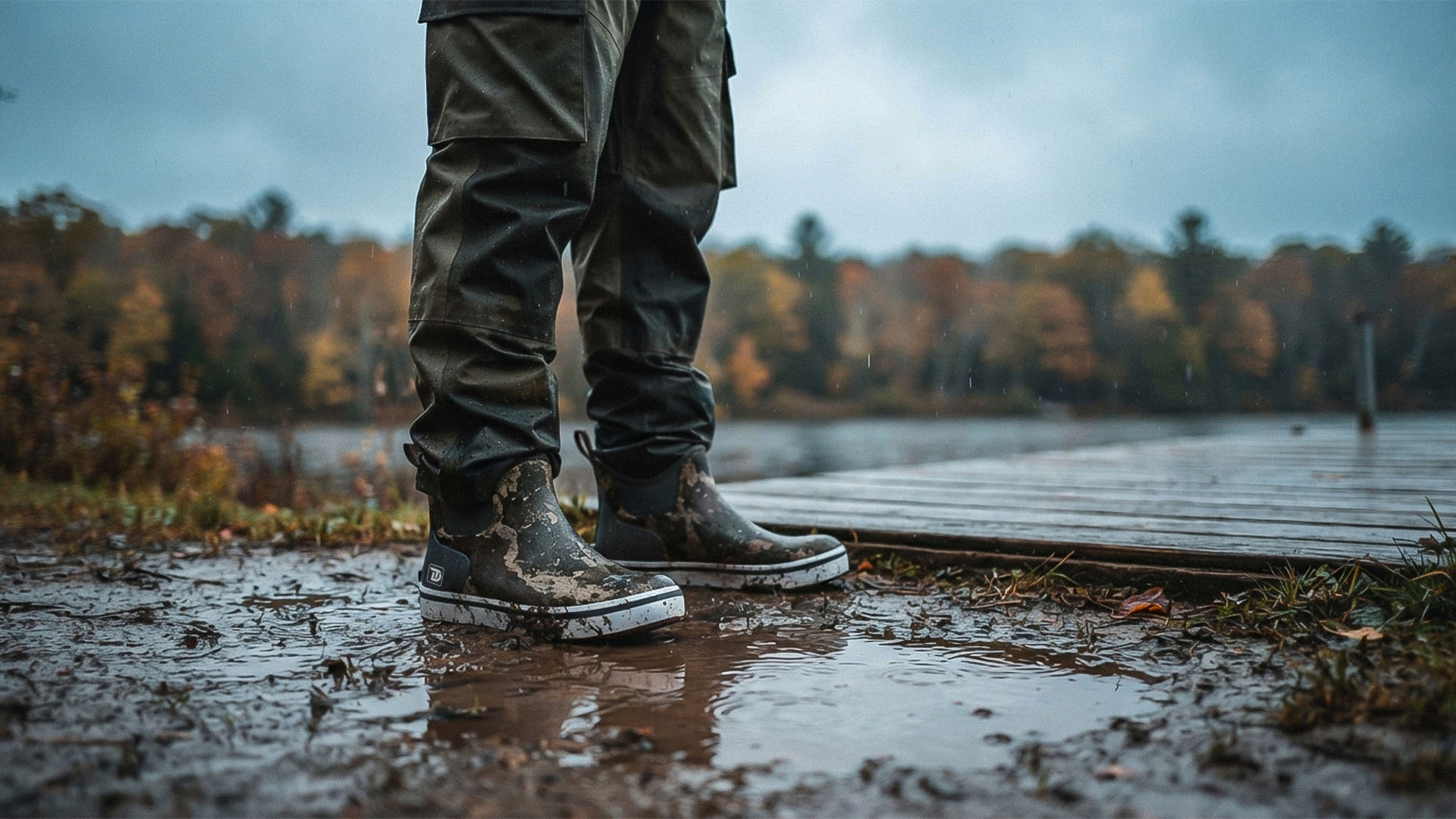
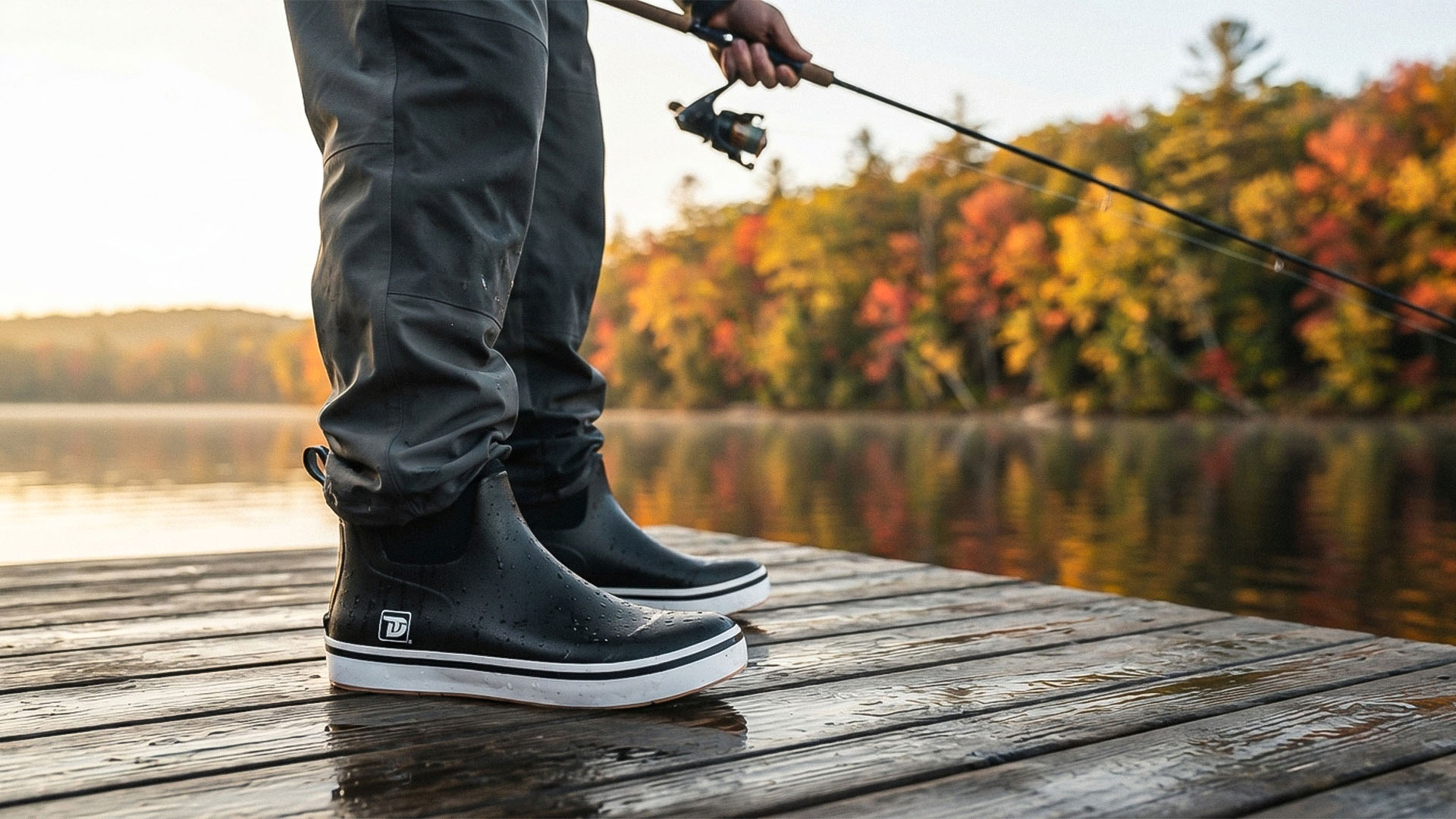
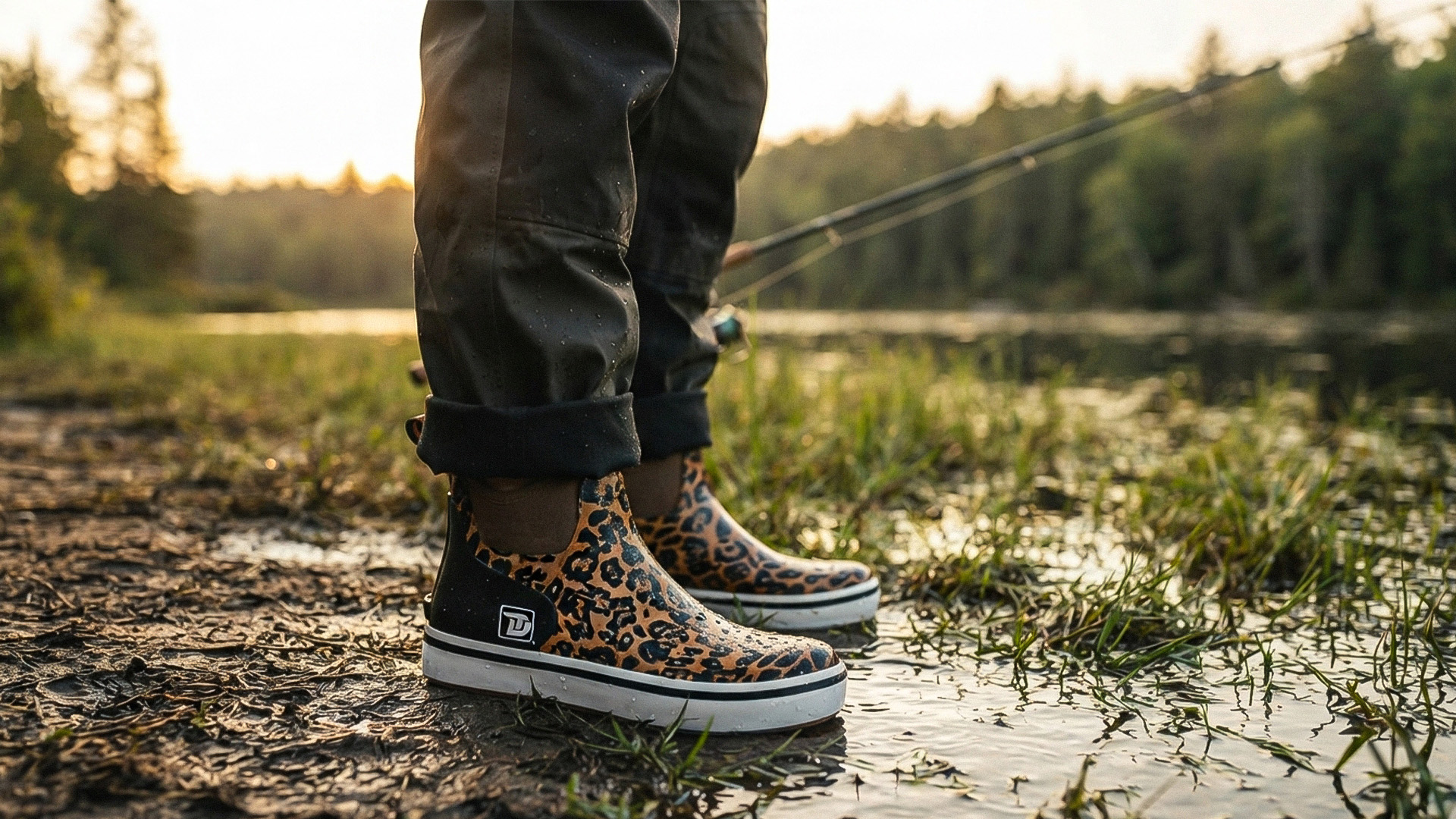
- Waterproof ankle deck boots
- Closed-toe fishing shoes
- Quick-draining water shoes
- Boat shoes
- Tall rubber boots
Waterproof Ankle Deck Boots
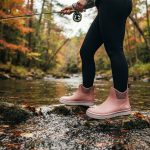
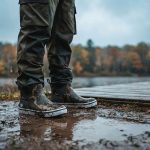
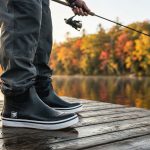
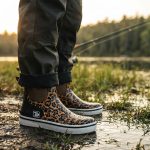
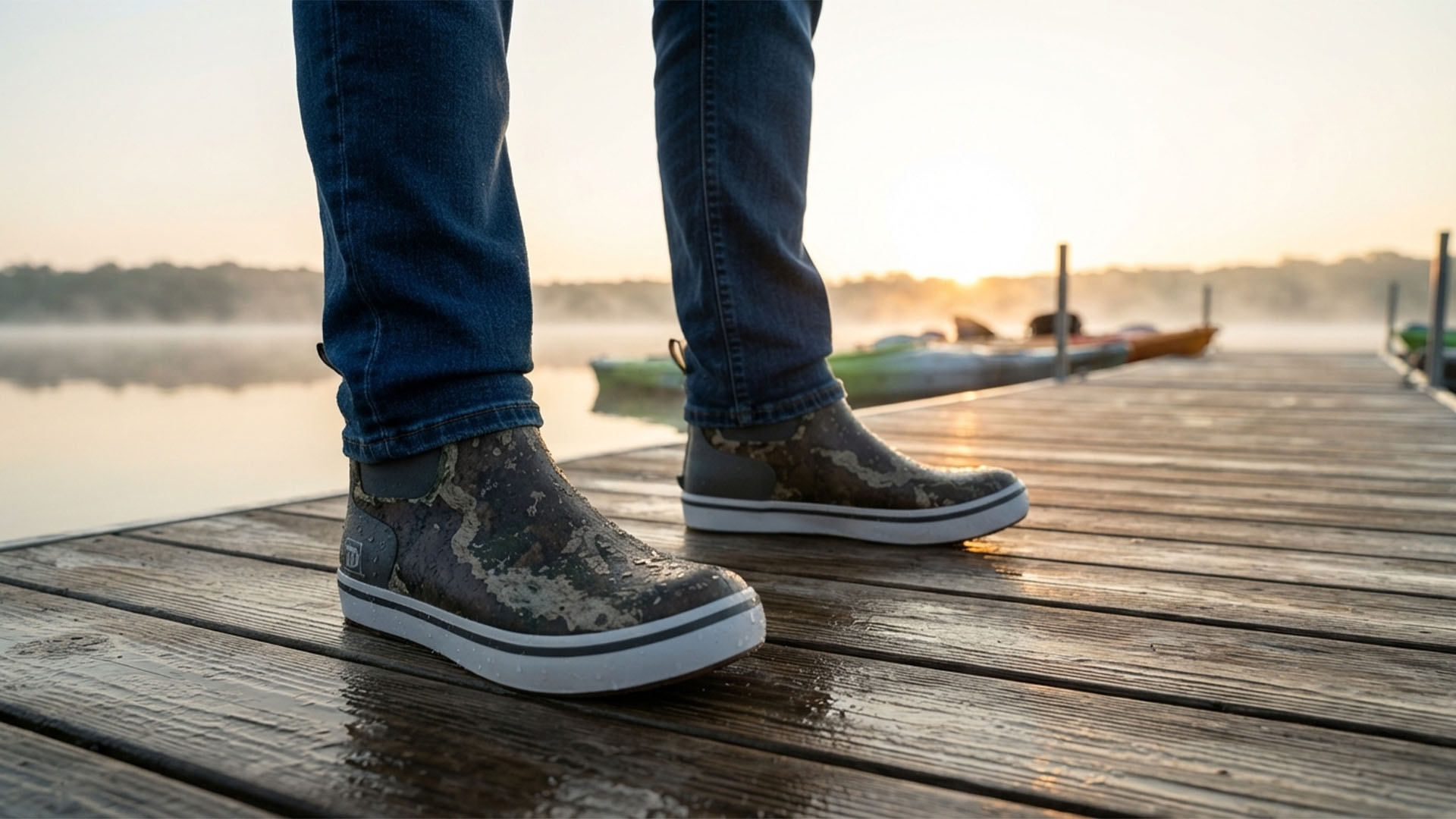
Ankle deck boots are one of the most practical choices for center console fishing.
They provide protection from:
- Ocean spray
- Rain
- Shallow standing water
- Fish slime
- Deck washdowns
- Wet marinas
- Early-morning moisture
Their lower profile makes them easier to move in than tall rubber boots.
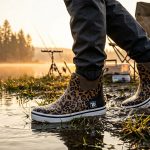
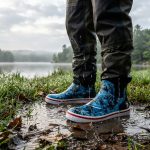
Anglers comparing fishing footwear can review [TruDaveGear waterproof deck boots] alongside other marine-focused options for wet decks, offshore trips, and long hours on the water.
The best pair should fit securely, offer stable cushioning, and provide traction appropriate for hard wet surfaces.
Why Deck Boots Work Well on Center Consoles
Center console anglers move frequently.
They may step between the bow, console, cockpit, and transom many times during a trip.
Ankle deck boots provide:
- Better mobility than tall boots
- Easier entry and removal
- Less lower-leg restriction
- Lower overall weight
- Compact storage
- Easier driving
- Waterproof protection for ordinary deck conditions
Their main limitation is height.
Water can enter through the opening if waves, rain, or washdowns rise above the ankle.
Tall Rubber Boots
Tall rubber boots may be appropriate for:
- Commercial work
- Heavy rain
- Deep standing water
- Severe offshore conditions
- Repeated heavy washdowns
- Cold-weather fishing
They provide greater lower-leg protection.
However, they can feel bulky on recreational center consoles.
The extra material may restrict movement and create more heat.
Use tall boots only when the conditions require the additional height.
Quick-Draining Fishing Shoes
Quick-draining shoes are useful in hot climates when getting wet is expected.
They work well for:
- Tropical fishing
- Warm inshore trips
- Shallow-water fishing
- Sandbar stops
- Wet boarding
- Kayak-style beach launches
These shoes allow water to drain instead of keeping it out.
Choose a secure closed-toe model.
Loose water shoes may shift on the foot or come off in mud.
Boat Shoes
Traditional boat shoes may work during dry, casual trips.
They are lightweight and flexible.
However, most are not fully waterproof.
They may remain wet after exposure to:
- Spray
- Rain
- Deck washdowns
- Fish slime
Boat shoes are better for marina use and light water exposure than demanding offshore conditions.
Avoid Flip-Flops
Flip-flops are a poor choice for active center console fishing.
They offer limited protection from:
- Hooks
- Fish spines
- Gaffs
- Knives
- Coolers
- Hatches
- Boat hardware
- Hot decks
They also provide little stability when the boat changes direction.
Secure closed-toe footwear is safer and more practical.
Wet-Surface Traction Matters
Center console decks may be made from:
- Fiberglass
- Molded non-skid surfaces
- Teak
- Synthetic decking
- Rubber mats
- Painted surfaces
Outsole design should match hard wet surfaces.
Look for:
- Stable contact area
- Water-channeling tread
- Moderate flexibility
- Secure heel platform
- Non-marking materials when required
Deep hiking tread is not automatically better.
Aggressive lugs may collect mud, fish residue, and debris.
No footwear is completely slip-proof.
Keep the deck clean and move carefully.
Choose Footwear With All-Day Cushioning
Center console anglers often stand for hours.
Good footwear should provide:
- Supportive insole
- Stable heel cushioning
- Adequate arch support
- Correct width
- Enough toe room
- Manageable weight
Extremely soft cushioning may compress and feel unstable.
The footbed should reduce fatigue while still supporting controlled movement.
Wear the Right Socks
Socks affect comfort inside waterproof footwear.
Warm Weather
Wear lightweight synthetic or thin merino-blend socks.
Cool Weather
Use medium-weight synthetic or merino socks.
Cold Weather
Use warmer merino wool socks with enough room inside the boot.
Avoid cotton.
Cotton absorbs moisture and dries slowly.
Bring at least one spare pair in waterproof storage.
Keep Rain Pants Outside the Boots
During rain or heavy spray, waterproof pants should usually overlap the outside of ankle deck boots.
This helps water run down the exterior.
Tucking pants inside short boots can direct water into the opening.
Once water enters waterproof footwear, it may remain trapped for the rest of the trip.
Fishing Bibs for Center Console Boats
Waterproof bibs are especially useful on open center consoles.
They protect against:
- Rain
- Spray
- Wind
- Wet seating
- Fish slime
- Washdown water
Bibs also provide better torso coverage than ordinary rain pants.
Choose a design that allows:
- Comfortable sitting
- Easy bending
- Stepping between deck levels
- Access to pockets
- Movement around the console
Secure loose straps and cuffs.
Sun Protection Is Essential
Center consoles usually provide limited shade.
Even boats with a T-top leave the bow, cockpit, and lower legs exposed.
Bring:
- Long-sleeve sun shirt
- Broad-spectrum sunscreen
- Hat
- Polarized sunglasses
- Neck gaiter
- Lip protection
- Lightweight sun gloves when desired
Water reflects sunlight upward.
Apply sunscreen before leaving the dock and reapply according to the product instructions.
Best Hat for Center Console Fishing
Choose a hat that remains secure at speed.
Good options include:
- Fitted fishing cap
- Wide-brim hat with chin strap
- Performance sun hat
- Knit cap in cold weather
A loose hat may blow away during the first run.
Use a retainer strap when necessary.
Polarized Sunglasses
Polarized sunglasses reduce glare and help anglers see:
- Bait
- Weed lines
- Fish near the surface
- Floating debris
- Color changes
- Sandbars
- Shallow structure
Use a secure retainer strap.
Keep a backup pair in a protective case.
Neck Gaiter
A lightweight neck gaiter provides:
- Sun protection
- Wind protection
- Light warmth
- Spray protection
- Coverage around the ears and face
Choose quick-drying fabric.
A gaiter is especially useful during high-speed runs and long periods in direct sun.
Gloves
Fishing gloves may provide:
- Sun protection
- Fish handling protection
- Grip
- Warmth
- Reduced line abrasion
Choose gloves that still allow you to:
- Tie knots
- Operate reels
- Use electronics
- Handle leaders
- Open tackle boxes
Bring a dry backup pair during cold-weather trips.
Personal Flotation Device
Wear or carry appropriate flotation equipment according to boating laws and safe operating practices.
A center console may feel stable, but offshore conditions can change quickly.
The PFD should fit comfortably with:
- Base layers
- Rain gear
- Insulation
- Fishing clothing
Test the fit before departure.
Keep Clothing Clear of Boat Hardware
Center consoles contain many snag points.
These may include:
- Cleats
- Rod holders
- T-top supports
- Console rails
- Gaffs
- Hooks
- Outriggers
- Cooler handles
Avoid:
- Loose hoodie cords
- Hanging straps
- Oversized sleeves
- Loose scarves
- Open pockets
- Dangling accessories
Streamlined clothing reduces the chance of catching on equipment.
What to Wear for Offshore Center Console Fishing
A practical offshore outfit includes:
- Moisture-wicking long-sleeve shirt
- Lightweight mid layer
- Waterproof shell
- Quick-drying fishing pants
- Waterproof bibs
- Deck boots
- Synthetic or merino socks
- Hat
- Polarized sunglasses
- Neck gaiter
- PFD
- Spare dry clothing
Prepare for wind and spray even when the weather forecast looks favorable.
What to Wear for Inshore Center Console Fishing
Inshore trips may require less heavy weather protection.
A practical outfit includes:
- Lightweight sun shirt
- Quick-drying pants or shorts
- Deck boots or draining shoes
- Hat
- Polarized sunglasses
- Sunscreen
- Lightweight rain shell
- PFD
Choose uninsulated footwear in warm conditions.
What to Wear in Summer
A summer center console outfit includes:
- Lightweight long-sleeve sun shirt
- Quick-drying shorts or pants
- Thin synthetic socks
- Uninsulated deck boots or draining shoes
- Hat
- Sunglasses
- Neck gaiter
- Sunscreen
- Rain shell
- PFD
Hydration is essential.
Waterproof footwear may become warm, so change socks when necessary.
What to Wear in Spring
Spring conditions may include cool mornings, cold water, mud, and sudden rain.
Wear:
- Moisture-wicking base layer
- Lightweight fleece
- Waterproof shell
- Fishing pants
- Deck boots
- Medium-weight socks
- Hat
- Light gloves
- PFD
Pack dry clothing.
What to Wear in Fall
Fall temperatures may change significantly during the day.
Wear:
- Long-sleeve base layer
- Fleece or hoodie
- Windproof shell
- Quick-drying pants
- Waterproof deck boots
- Merino socks
- Hat
- Gloves
- Neck gaiter
- PFD
The ride home may feel much colder than the afternoon fishing period.
What to Wear in Winter
Winter center console fishing requires a full cold-weather system.
Wear:
- Thermal base layers
- Synthetic insulation
- Waterproof and windproof shell
- Insulated fishing pants
- Warm socks
- Insulated waterproof boots
- Warm hat
- Gloves
- Neck gaiter
- PFD
- Complete dry clothing backup
Avoid making footwear too tight with thick socks.
Restricted circulation can make feet colder.
What to Wear During Rain
A rainy center console outfit includes:
- Waterproof jacket
- Fishing bibs
- Moisture-wicking base layer
- Waterproof deck boots
- Synthetic or merino socks
- Brimmed hat beneath the hood
- Spare socks
- Dry shirt
Make sure the jacket overlaps the bibs and the bib legs overlap the boots.
What to Wear at Night
Night trips require:
- Reflective clothing details
- Warm layer
- Waterproof footwear
- Clear eye protection
- Headlamp
- Backup flashlight
- Required navigation lighting
- PFD
- Insect protection when needed
Keep the deck organized.
Fishing line and hooks are much harder to see after dark.
What to Wear on a Fishing Charter
When joining a center console charter, ask the operator about:
- Footwear rules
- Non-marking soles
- Rain gear
- Storage space
- Trip length
- Expected spray
- Provided equipment
A basic charter outfit includes:
- Long-sleeve fishing shirt
- Quick-drying pants or shorts
- Waterproof jacket
- Deck boots or approved fishing shoes
- Hat
- Polarized sunglasses
- Spare socks
- Dry bag
Bring Spare Clothing
Keep spare items inside waterproof storage.
At minimum, bring:
- Dry shirt
- Spare socks
- Light insulating layer
- Towel
For cold or offshore trips, bring a complete clothing change.
Spray, rain, and accidental spills can soak clothing quickly.
Use a Small Dry Bag
Space around a center console is valuable.
A compact dry bag can hold:
- Phone
- Wallet
- Keys
- Medication
- Spare socks
- Dry shirt
- Electronics
- Backup glasses
- Chargers
Do not leave loose personal items on the deck.
Clean Footwear After Saltwater Use
After the trip:
- Rinse boots with fresh water.
- Remove fish slime and bait.
- Clean outsole grooves.
- Remove insoles.
- Dry completely.
- Avoid direct high heat.
- Store in a ventilated area.
Saltwater should not remain on footwear longer than necessary.
Common Center Console Clothing Mistakes
Dressing Only for the Dock
Offshore wind and spray may feel much colder.
Wearing Flip-Flops
They provide limited protection and control.
Wearing Cotton Layers
Cotton remains wet and uncomfortable.
Choosing Heavy Tall Boots Without Need
Extra height adds heat and bulk.
Ignoring Sock Choice
Wet cotton socks can ruin a long trip.
Tucking Rain Pants Into Short Boots
This directs water inside.
Wearing Loose Clothing
Straps and cords catch on boat hardware.
Forgetting Sun Protection
Center consoles offer little shade.
Bringing No Dry Backup
Unexpected spray and rain happen.
Center Console Fishing Clothing Checklist
Clothing
- Long-sleeve moisture-wicking shirt
- Quick-drying pants or shorts
- Lightweight fleece
- Waterproof shell
- Fishing bibs
- Hat
- Neck gaiter
- Gloves when needed
Footwear
- Waterproof deck boots
- Closed-toe fishing shoes
- Moisture-wicking socks
- Spare socks
- Clean shoes for the drive home
Sun Protection
- Sunscreen
- Polarized sunglasses
- Lip protection
- Sun gloves
- Hat
Weather and Safety
- PFD
- Dry bag
- Spare clothing
- Rain gear
- Headlamp
- Communication equipment
- First-aid kit
Final Thoughts
The best center console fishing outfit should protect you during the boat ride, the fishing session, and the return to the marina.
Wear a moisture-wicking base layer.
Add lightweight insulation when conditions are cool.
Use a windproof and waterproof shell for spray and rain.
Choose quick-drying pants or shorts based on the weather.
For most recreational center console trips, waterproof ankle deck boots provide an effective combination of mobility, water protection, cushioning, and easy cleaning.
Use taller boots only when deeper water or severe working conditions require them.
Protect yourself from the sun.
Wear a secure hat and polarized sunglasses.
Keep loose clothing away from boat hardware.
Bring spare socks and a dry shirt.
Center consoles are designed to keep anglers moving.
Your clothing should do the same without leaving you wet, overheated, cold, or distracted.
Frequently Asked Questions
What should I wear on a center console fishing boat?
Wear a moisture-wicking long-sleeve shirt, quick-drying pants or shorts, secure fishing footwear, appropriate socks, sun protection, and a windproof or waterproof outer layer.
What shoes are best for a center console boat?
Waterproof ankle deck boots are a practical option for rain, spray, wet decks, and washdowns. Closed-toe fishing shoes and quick-draining shoes also work in warmer conditions.
Are deck boots good for center console fishing?
Yes. They provide waterproof protection, easy cleaning, wet-surface traction, and better mobility than tall rubber boots.
Can I wear sneakers on a center console boat?
Sneakers can work in dry conditions, but ordinary fabric shoes may absorb water and provide limited traction. Choose clean, secure footwear with appropriate outsoles.
Should I wear shorts or pants offshore fishing?
Shorts work in hot conditions, while lightweight pants provide better protection from sun, wind, spray, fish, and equipment. Pants are usually more versatile for full-day trips.
Do I need bibs on a center console boat?
Waterproof bibs are useful during rain, heavy spray, cold weather, and long offshore trips. They may be unnecessary during short calm trips.
What socks should I wear with deck boots?
Wear lightweight synthetic socks in warm weather and merino wool socks in cooler conditions. Avoid cotton because it holds moisture.
Should rain pants go over deck boots?
Yes. Rain pants or bibs should generally overlap the outside of ankle deck boots so water runs down the exterior instead of entering the boot opening.
What should I wear for an early-morning center console trip?
Wear a base layer, light insulation, waterproof shell, long pants, deck boots, moisture-wicking socks, a secure hat, and gloves when necessary.
What should I wear center console fishing in summer?
Wear a lightweight sun shirt, quick-drying shorts or pants, uninsulated deck boots or draining shoes, a hat, polarized sunglasses, sunscreen, and a lightweight rain shell.
Are flip-flops safe on a center console fishing boat?
Flip-flops are not recommended for active fishing because they provide limited traction, stability, and protection from hooks, fish spines, and boat hardware.
What should I pack in a dry bag?
Pack spare socks, a dry shirt, phone, wallet, keys, medication, electronics, backup glasses, and other moisture-sensitive items.