Meta Description: Learn what to wear bass fishing at night, including lightweight clothing, waterproof footwear, mosquito protection, lighting, and gear for wet grass and muddy banks.
Suggested URL Slug: what-to-wear-bass-fishing-at-night
Primary Keyword: what to wear bass fishing at night
Secondary Keywords: night bass fishing clothes, summer bass fishing outfit, shoes for night fishing, bass fishing bug protection, night bank fishing gear, waterproof boots for bass fishing
Search Intent: Informational / Commercial Investigation
Night bass fishing can be one of the most comfortable ways to fish during summer.
The boat ramps become quieter, surface temperatures begin to fall, and bass may move into shallower water after sunset. Anglers also avoid some of the direct heat and boat traffic that make midday fishing difficult.
However, fishing after dark creates a different set of clothing problems.
The grass may be soaked with evening moisture. Mud becomes harder to see. Mosquitoes gather near calm water, and temperatures can fall enough that a sweat-soaked shirt becomes uncomfortable. Shoreline branches, exposed hooks, uneven banks, and slippery boat decks are also more difficult to identify.
The best night bass fishing outfit should remain lightweight while providing protection from insects, wet vegetation, mud, and changing temperatures.
This guide explains what to wear bass fishing at night from a boat, kayak, dock, or shoreline, including footwear, shirts, pants, socks, lighting, and mosquito protection.
Why Night Bass Fishing Requires Different Clothing
A daytime bass fishing outfit is not always suitable after sunset.
Several conditions change once daylight disappears.
Temperatures Become Less Predictable
A hot afternoon may turn into a cool, damp night.
The temperature drop may feel more noticeable when you are sitting in a boat or standing still on the bank.
Dew Forms on Grass and Equipment
Vegetation that was dry during the afternoon may become wet after sunset.
Walking through shoreline grass can soak ordinary fabric shoes within minutes.
Mosquito Activity Increases
Warm, calm evenings near ponds, lakes, creeks, and reservoirs often produce heavy mosquito activity.
Other insects may also gather around headlamps and boat lights.
Terrain Becomes Harder to Read
Mud, roots, rocks, holes, and steep banks are less visible.
Footwear needs to provide secure fit and traction even when you cannot clearly evaluate every step.
Fishing Equipment Creates More Hazards
Treble hooks, rods, fishing line, tackle boxes, and boat hardware are harder to see in low light.
Loose clothing and open footwear create unnecessary risk.
Start With Lightweight, Quick-Drying Clothing
Summer night fishing clothing should remain light enough to prevent overheating while still providing coverage.
Choose fabrics that:
- Dry quickly
- Move moisture away from the skin
- Allow airflow
- Stretch during casting
- Resist minor abrasion
- Fit without excessive loose material
Synthetic performance fabrics and lightweight merino blends are usually more practical than cotton.
Cotton absorbs sweat, dew, rain, and water, then remains damp for long periods.
Wear a Lightweight Long-Sleeve Shirt
A long-sleeve fishing shirt is usually the best choice for night bass fishing.
It provides protection from:
- Mosquitoes
- Biting flies
- Shoreline brush
- Hooks
- Cool night air
- Sun exposure before sunset
- Light boat spray
Choose a thin, breathable shirt rather than a heavy sweatshirt.
Useful features include:
- Moisture-wicking material
- Ventilated panels
- Stretch
- Close-fitting cuffs
- High collar
- Quick-drying construction
The sleeves should remain secure while casting.
Loose cuffs can catch on reel handles, hooks, and rod guides.
Should You Wear a Hoodie?
A lightweight fishing hoodie can be useful when temperatures may fall later in the night.
It can also provide additional protection around the neck and head.
However, avoid heavy cotton hoodies during warm-weather fishing.
They absorb moisture, become heavy, and may feel too hot early in the trip.
A lightweight synthetic hoodie works better because it can be packed into a small bag when not needed.
Keep drawstrings short and secured so they do not catch on fishing equipment.
Best Pants for Night Bass Fishing
Lightweight fishing pants provide better protection than shorts in many night-fishing environments.
They help protect against:
- Mosquitoes
- Ticks
- Wet grass
- Mud
- Poisonous plants
- Thorns
- Hooks
- Cool temperatures
Look for pants that are:
- Lightweight
- Quick-drying
- Flexible
- Breathable
- Tapered near the ankle
- Easy to clean
Technical fishing pants and lightweight hiking pants are both practical options.
Avoid heavy denim.
Jeans become uncomfortable when wet and provide limited airflow during humid summer nights.
Can You Wear Shorts?
Shorts can work when fishing from a clean boat or maintained dock during very warm conditions.
They are less suitable for shoreline fishing around:
- Tall grass
- Mosquitoes
- Ticks
- Mud
- Brush
- Uneven ground
- Poison ivy
- Farm ponds
A pair of lightweight pants usually provides enough airflow while offering much greater protection.
For boat fishing, shorts remain reasonable when insect activity is low and the deck is clean.
Bring a Light Wind or Rain Layer
Summer nights can still become cool, especially after a storm or on open reservoirs.
Pack a lightweight waterproof or wind-resistant shell.
It can protect against:
- Sudden rain
- Wind
- Boat spray
- Falling temperatures
- Wet vegetation
- Early morning moisture
Choose a shell that can be stored in a small backpack or boat compartment.
Avoid bulky jackets that restrict casting.
Best Footwear for Night Bass Fishing
The best footwear depends on whether you are fishing from a boat, kayak, dock, or bank.
Common options include:
- Waterproof ankle deck boots
- Waterproof hiking shoes
- Quick-draining fishing shoes
- Closed-toe boat shoes
- Tall rubber boots
- Lightweight trail shoes
Footwear should provide:
- Secure fit
- Closed-toe protection
- Appropriate traction
- Enough cushioning
- Water resistance
- Easy cleaning
Waterproof Deck Boots for Boat and Dock Fishing
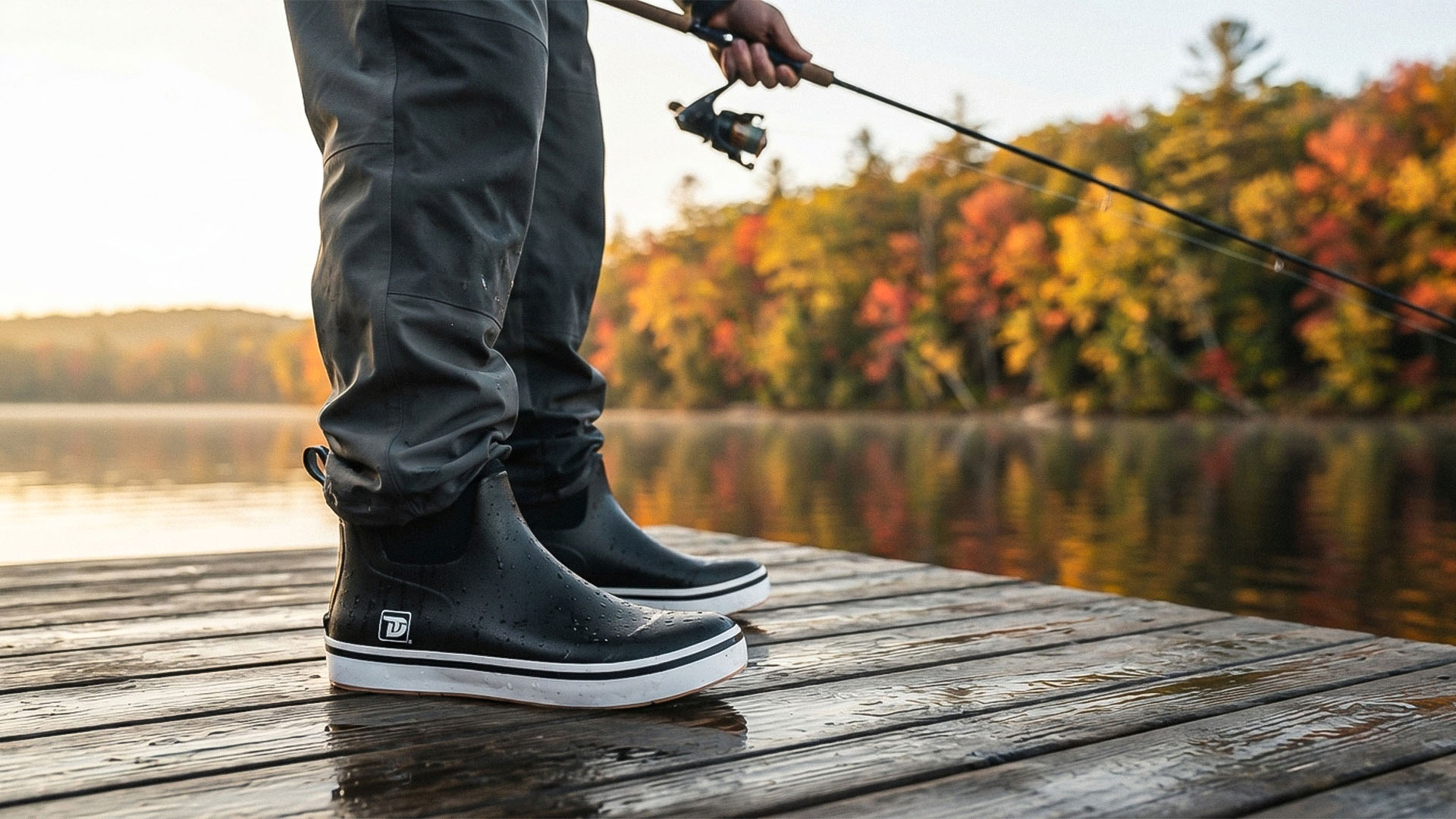
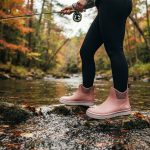
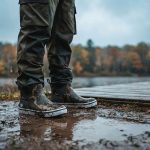
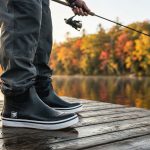
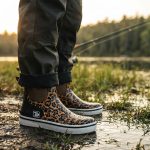
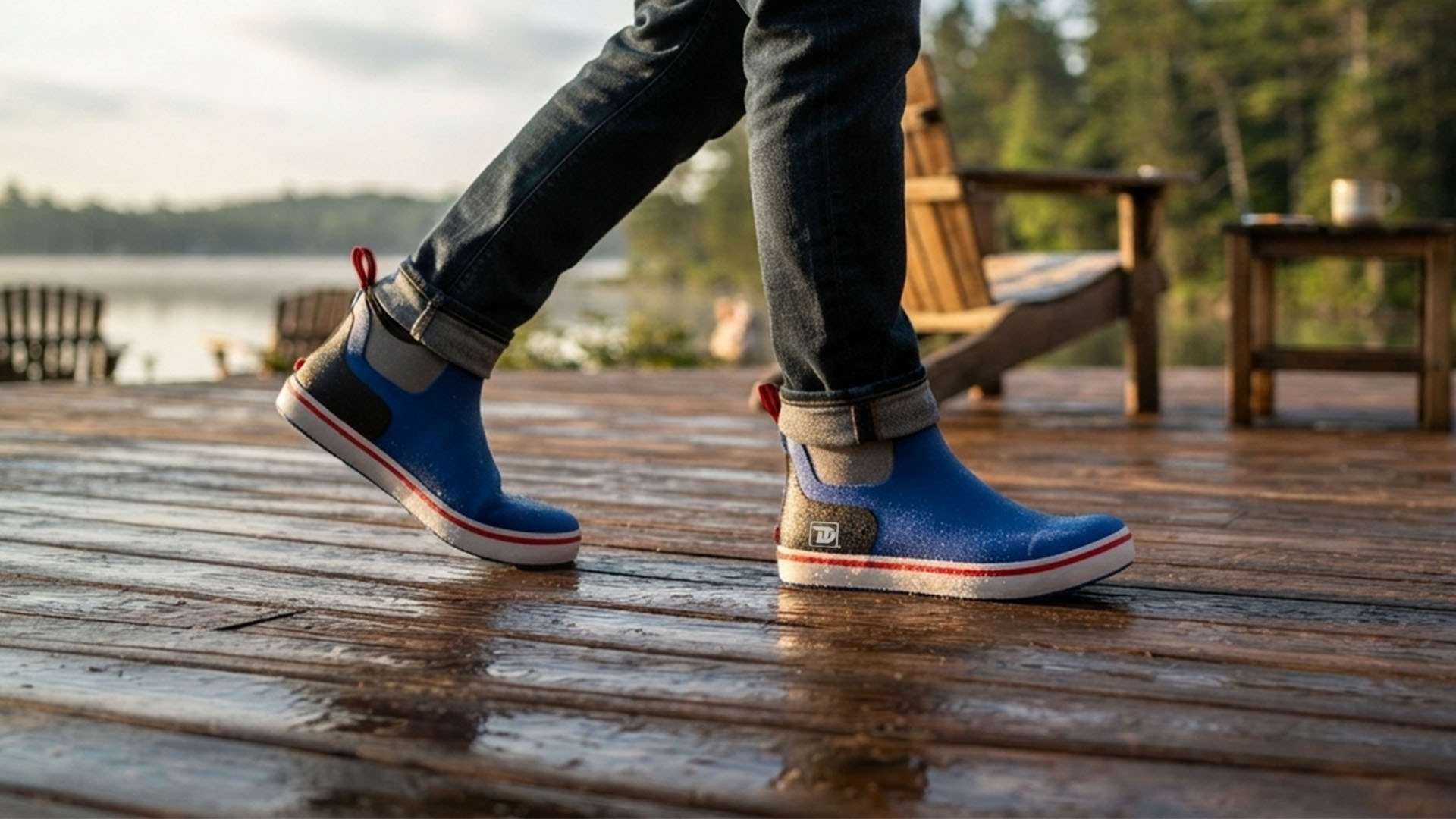
Ankle deck boots work well for night bass fishing from boats and maintained docks.
They help protect feet from:
- Wet decks
- Boat spray
- Rain
- Fish slime
- Shallow puddles
- Ramp water
- Evening dew
They are usually easier to move in than tall rubber boots.
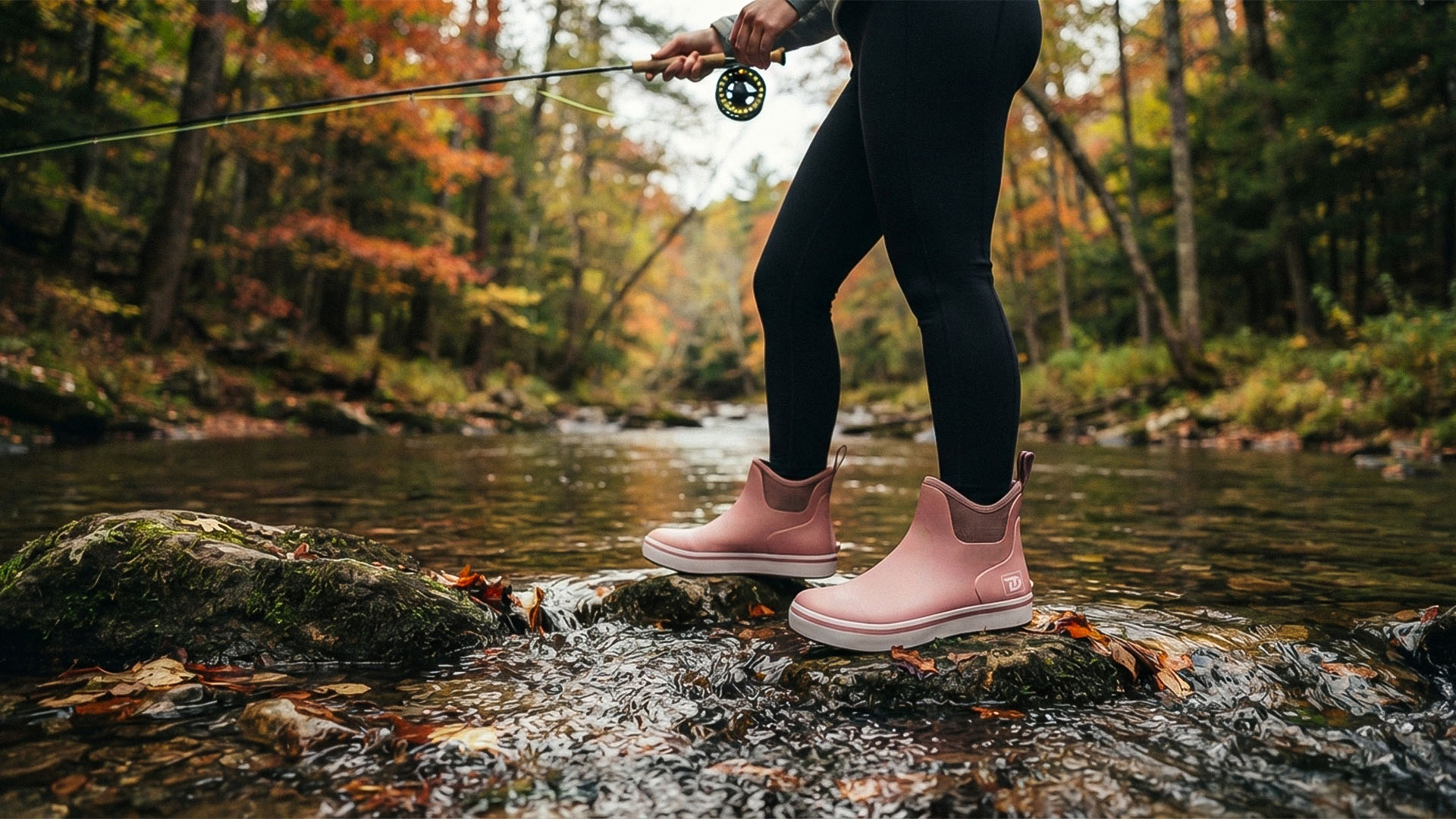
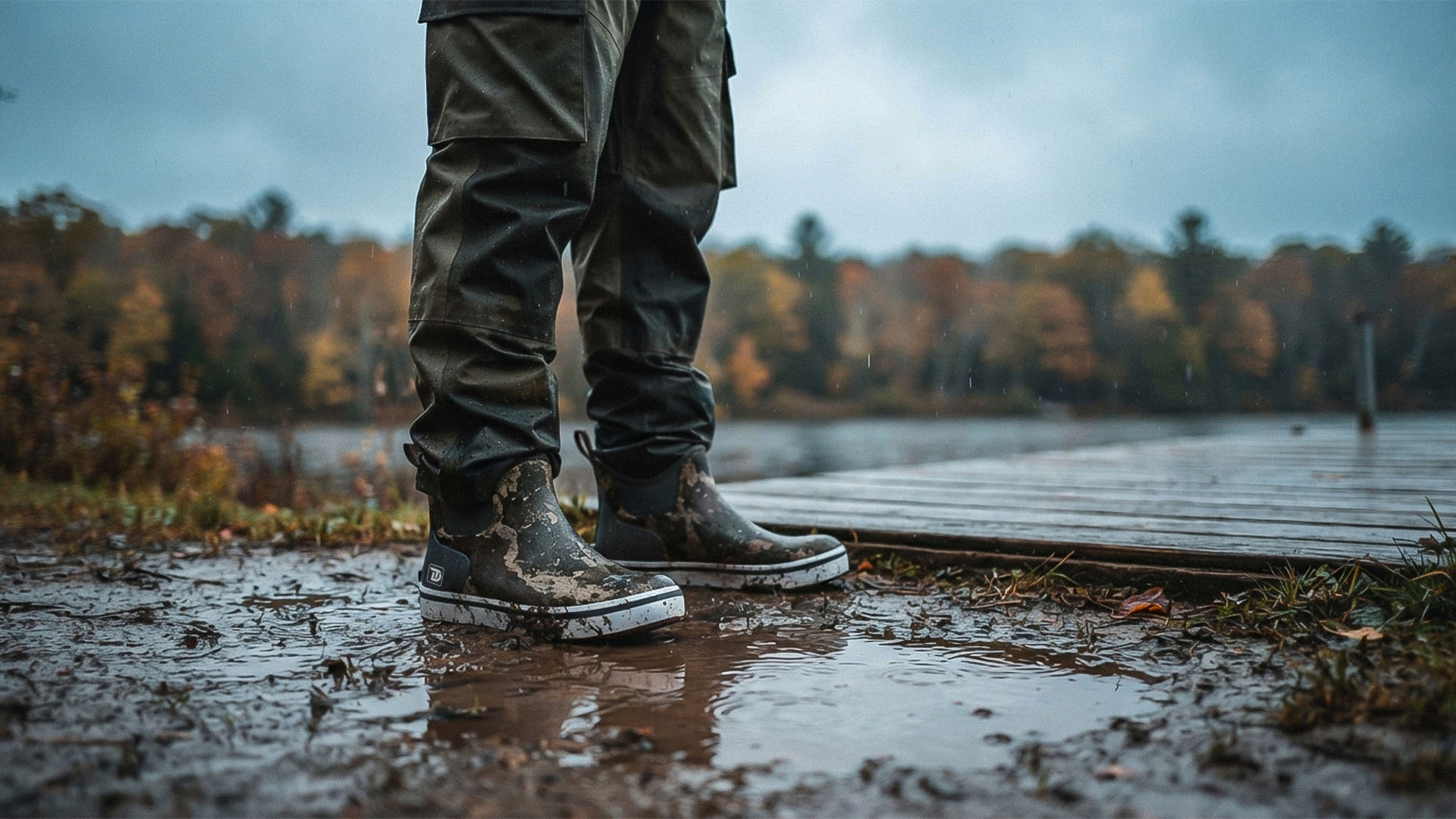
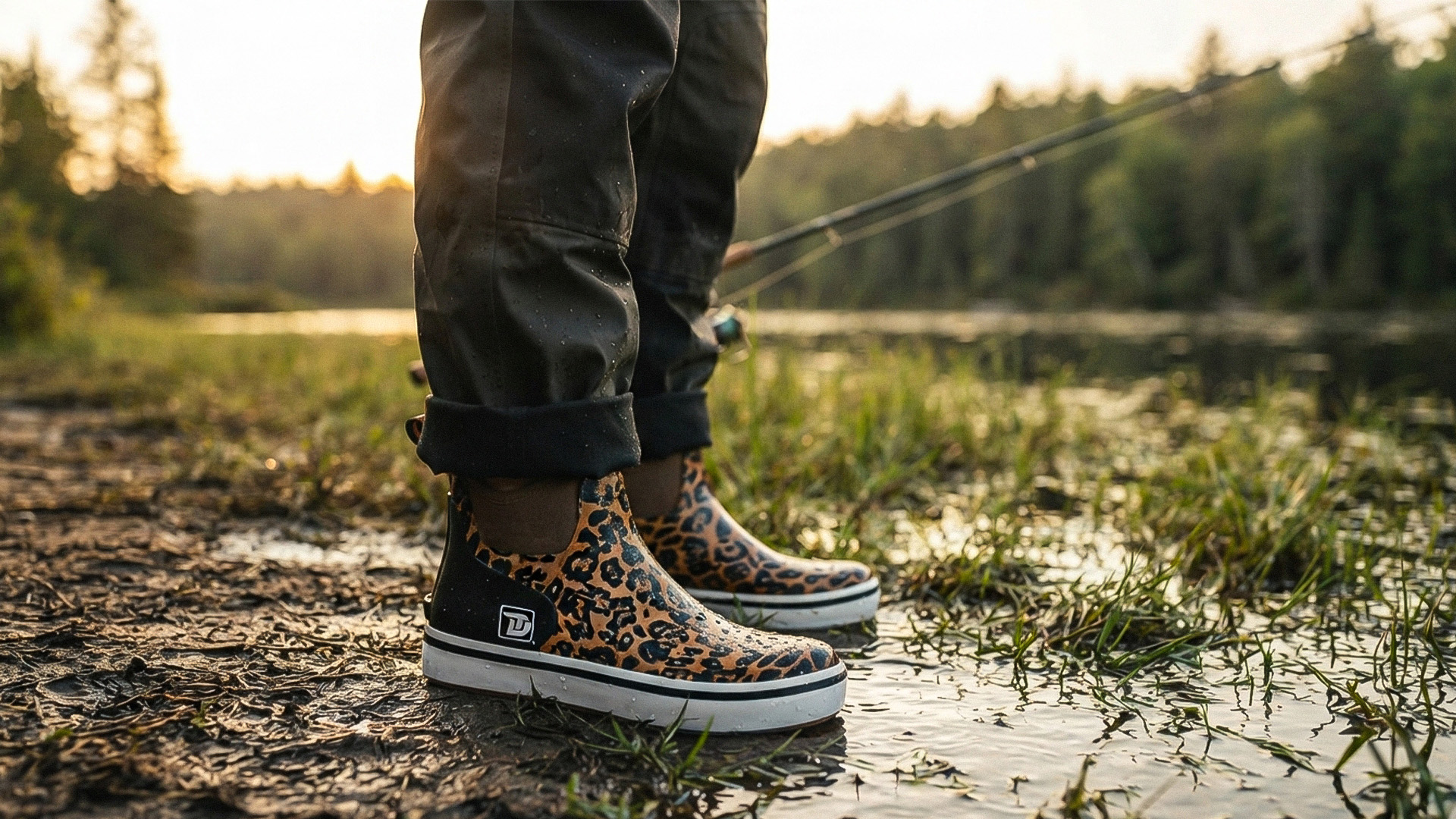
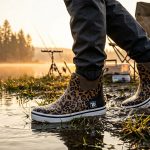
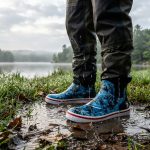
Anglers comparing low-profile waterproof footwear can review [TruDaveGear waterproof deck boots] alongside other fishing-specific options for wet hard surfaces, boat ramps, and short shoreline walks.
The outsole should match the surface.
A marine-style sole may work well on boat decks and concrete but may provide limited grip on steep mud.
Waterproof Hiking Shoes for Shoreline Fishing
Waterproof hiking shoes or boots are usually better for night fishing from rough banks.
They provide:
- Secure lacing
- Heel control
- Terrain traction
- Toe protection
- Support on slopes
- Stability around roots and rocks
They are useful when walking long distances around reservoirs, rivers, or remote ponds.
Their main disadvantage is cleaning.
Fabric panels and deep tread collect mud and may take longer to dry.
Quick-Draining Shoes for Warm Conditions
Quick-draining fishing shoes work well when feet are likely to get wet and temperatures remain high.
They are useful for:
- Kayak fishing
- Warm boat ramps
- Shallow shoreline water
- Wet launches
- Summer boat fishing
Choose a closed-toe design with a secure heel.
Avoid loose water shoes that may come off in mud or water.
Tall Rubber Boots for Muddy Farm Ponds
Tall rubber boots are useful when accessing bass ponds through:
- Deep mud
- Wet fields
- Tall grass
- Irrigated areas
- Marshy shorelines
- Heavy rain
They provide more lower-leg coverage than ankle boots.
However, they can become hot during summer and may feel loose during long walks.
Choose tall boots only when the terrain requires the extra height.
Avoid Flip-Flops
Flip-flops are a poor choice for most night bass fishing.
They provide limited protection from:
- Treble hooks
- Fish spines
- Rocks
- Boat hardware
- Mud
- Dropped tackle
- Uneven ground
They also offer little stability when moving in darkness.
Secure closed-toe footwear is the better option.
Match the Outsole to the Surface
Different fishing locations require different tread.
Boat Decks
Use flatter wet-surface tread designed for hard marine surfaces.
Muddy Banks
Use deeper terrain tread.
Rocky Shorelines
Choose structured hiking or trail footwear.
Concrete Ramps
Use stable rubber outsoles with good contact.
Wet Grass
Use waterproof footwear with enough tread to handle soft soil beneath the grass.
No outsole is slip-proof.
Move carefully and use additional lighting when walking.
Socks for Summer Night Bass Fishing
Wear lightweight moisture-wicking socks.
Synthetic or thin merino-blend socks help manage sweat and reduce friction.
Avoid cotton because it absorbs moisture and dries slowly.
Crew-length socks provide better protection than no-show socks around:
- Boot collars
- Mosquitoes
- Grass
- Mud
- Ankle friction
Bring a spare pair inside a waterproof bag.
Mosquito Protection for Night Bass Fishing
Mosquito protection should be part of the clothing system.
Use a combination of:
- Long sleeves
- Lightweight pants
- Closed footwear
- Higher socks
- Neck gaiter
- Hat
- Appropriate insect repellent
Clothing reduces how much exposed skin needs repellent.
This is especially useful during long sessions.
Apply Insect Repellent Before Reaching the Water
Apply repellent before walking into heavy vegetation.
Follow the product instructions carefully.
Avoid spraying directly onto:
- Fishing line
- Soft plastic lures
- Reel handles
- Sunglasses
- Electronics
- Kayak surfaces
- Boat screens
Some products may affect plastics, coatings, or rubber.
Apply repellent away from tackle when possible.
Use a Neck Gaiter
A lightweight neck gaiter can reduce insect exposure around the neck, jaw, and ears.
It can also provide light warmth after temperatures drop.
Choose a breathable fabric.
Heavy thermal gaiters are usually unnecessary during summer.
The gaiter should not interfere with the headlamp or peripheral vision.
Choose a Secure Hat
A fishing cap or lightweight performance hat helps with:
- Insects
- Headlamp comfort
- Light rain
- Sun before sunset
- Spider webs and vegetation
A brim can also reduce glare from the headlamp.
Make sure the hat fits securely during boat travel.
Wear Clear Eye Protection After Dark
Polarized sunglasses are useful before sunset but become too dark at night.
Switch to clear or lightly tinted protective glasses.
They protect the eyes from:
- Hooks
- Lures
- Insects
- Branches
- Wind
- Boat spray
Use a retainer strap.
Eye protection is especially important when fishing moving baits with multiple hooks.
Use a Headlamp With Multiple Brightness Levels
A headlamp allows hands-free lighting.
Choose one with:
- Adjustable brightness
- Red-light mode
- Water resistance
- Long battery life
- Comfortable strap
- Easy controls
- Lockout function
Use low brightness for routine tasks.
Bright light can reduce night vision and attract more insects.
Red Light for Tackle Work
Red light is useful for:
- Changing lures
- Organizing tackle
- Walking short distances
- Checking knots
- Preserving night vision
White light is better for:
- Removing hooks
- Identifying hazards
- First aid
- Navigating difficult terrain
- Inspecting fish
Use the least light required for the task.
Carry Backup Lighting
Bring more than one light source.
Pack:
- Primary headlamp
- Backup flashlight
- Spare batteries
- Rechargeable power bank
- Small clip-on light
Store the backup separately from the primary headlamp.
A dropped or dead light should not end the trip or leave you walking back in darkness.
Reflective Details Improve Visibility
Night bass fishing often takes place near boat ramps, trails, parking areas, and other anglers.
Reflective details can help others see you.
Useful options include:
- Reflective hat logo
- Reflective backpack strips
- Reflective jacket details
- Clip-on safety light
- Reflective tape on equipment
You do not need bright reflective clothing everywhere.
A few well-positioned features are enough to improve visibility.
What to Wear Boat Fishing at Night
A practical night boat outfit includes:
- Lightweight long-sleeve fishing shirt
- Quick-drying pants or shorts
- Waterproof deck boots or closed fishing shoes
- Lightweight socks
- Wind shell
- PFD
- Hat
- Clear glasses
- Headlamp
Keep loose clothing and cords away from:
- Trolling motor pedals
- Rod holders
- Cleats
- Tackle
- Boat controls
The deck should remain organized.
Wear a Personal Flotation Device
A properly fitted personal flotation device should be worn according to boating laws and safe operating practices.
Night conditions make it more difficult to locate a person in the water.
The PFD should allow:
- Casting
- Seated fishing
- Boat operation
- Easy arm movement
- Access to safety equipment
Choose clothing that fits comfortably beneath it.
What to Wear Bank Fishing at Night
A practical bank-fishing outfit includes:
- Long-sleeve moisture-wicking shirt
- Lightweight pants
- Waterproof hiking shoes or boots
- Crew-length socks
- Insect protection
- Hat
- Clear protective glasses
- Headlamp
- Light rain shell
Use footwear with terrain traction when the bank is steep or muddy.
Keep one hand free while walking.
What to Wear at a Farm Pond
Farm ponds may have:
- Tall grass
- Deep mud
- Livestock
- Fences
- Insects
- Uneven ground
- Limited lighting
Wear:
- Long pants
- Long sleeves
- Tall waterproof boots or secure hiking boots
- Higher socks
- Insect repellent
- Hat
- Gloves when vegetation is rough
Obtain permission and follow the landowner’s access instructions.
What to Wear at a Public Park Pond
Public park ponds often have maintained paths and short grass.
A lighter outfit may include:
- Long-sleeve performance shirt
- Lightweight pants or shorts
- Ankle deck boots or fishing shoes
- Hat
- Headlamp
- Insect protection
Check park closing times.
Some locations do not allow access after dark.
What to Wear Reservoir Fishing at Night
Reservoir banks may be rocky, steep, or difficult to access.
Wear:
- Lightweight hiking pants
- Long-sleeve shirt
- Waterproof hiking boots
- Wind-resistant shell
- Secure hat
- Clear eye protection
- Headlamp
- Reflective details
A small backpack keeps both hands free.
Avoid carrying large coolers or too many rods across rough terrain.
What to Wear Kayak Bass Fishing at Night
Kayak footwear and clothing should remain low-profile.
Wear:
- Quick-drying long-sleeve shirt
- Lightweight pants
- Secure draining shoes or neoprene boots
- PFD
- Reflective details
- Required kayak lights
- Headlamp
- Insect protection
Avoid tall heavy rubber boots.
They may interfere with pedals, reentry, or movement.
Protect Against Ticks
Bass lakes and ponds often have tall grass and wooded access.
Tick protection may include:
- Long pants
- Higher socks
- Closed footwear
- Treated clothing where appropriate
- Repellent
- Light-colored clothing
- Post-trip inspection
Check:
- Ankles
- Behind knees
- Waist
- Arms
- Neck
- Hairline
Follow local health guidance for tick removal.
Watch for Poison Ivy and Other Plants
Nighttime makes plants harder to identify.
Stay on established paths when possible.
Wear long pants and closed footwear around vegetation.
Do not brush against unknown plants simply to reach the shoreline.
Plant oils can remain on clothing, footwear, tackle bags, and pets.
Wash exposed gear after the trip.
Spider Webs and Low Branches
Night anglers often encounter spider webs and branches along narrow paths.
Wear:
- Hat
- Clear glasses
- Long sleeves
- Gloves when needed
Walk slowly and keep the headlamp angled toward the path.
Do not wave an exposed fishing rod or lure through branches.
Keep Hooks Covered While Walking
Treble hooks are difficult to see at night.
Use:
- Hook keepers
- Lure wraps
- Rod sleeves
- Closed tackle boxes
- Protective hook covers
Do not carry multiple rods with loose lures swinging freely.
A fall with exposed hooks can cause serious injury.
Use a Compact Tackle Setup
Bring only the lures and equipment needed for the planned fishing.
A smaller tackle setup reduces clutter and makes organization easier in low light.
Useful items include:
- Small tackle bag
- Pliers
- Line cutters
- Hook remover
- Scale
- Measuring board
- Spare line
- Limited lure selection
Keep tools in the same location throughout the night.
Dark Clothing vs. Light Clothing
Dark clothing hides stains and may feel less visible to fish, but visibility to other people matters more.
Use clothing with at least some:
- Light-colored panels
- Reflective details
- Bright hat
- Clip-on light
There is no need to wear full camouflage for ordinary night bass fishing.
Choose clothing for comfort, insects, and safety.
Prepare for Humidity
Summer humidity can remain high after sunset.
Waterproof clothing may trap heat and sweat.
To remain comfortable:
- Wear lightweight base layers
- Use ventilation
- Choose uninsulated footwear
- Carry spare socks
- Remove the outer shell when not needed
- Avoid overly thick pants
The goal is to prevent both overheating and late-night cooling.
Remove Layers Before Sweating Heavily
If you begin the trip while the sun is still up, you may become warm while carrying gear or launching the boat.
Remove unnecessary layers before excessive sweat develops.
A damp shirt may become cold several hours later.
Pack the removed layer inside a dry bag.
Bring a Dry Shirt
A dry shirt is useful after:
- Rain
- Heavy sweating
- Boat spray
- Accidental water exposure
- Humid walks through vegetation
Keep it inside waterproof storage.
Changing into a dry shirt before the drive home can improve comfort.
Bring Spare Shoes for Muddy Banks
Keep clean shoes in the vehicle.
Night bank fishing may leave footwear covered in:
- Mud
- Grass
- Sand
- Fish slime
- Water
- Plant debris
Store dirty boots in a waterproof tray or bag.
Changing footwear also allows the wet pair to begin drying.
What to Wear During Rain
A rainy night bass outfit includes:
- Waterproof jacket
- Waterproof pants
- Moisture-wicking base layer
- Waterproof boots
- Synthetic or merino socks
- Brimmed hat under the hood
- Spare dry clothing
Pants should generally overlap the outside of ankle boots.
This helps prevent water from running into the openings.
Avoid steep banks during heavy rain.
What to Wear During a Cold Front
Summer cold fronts may bring wind, falling temperatures, and storms.
Add:
- Lightweight fleece
- Windproof shell
- Long pants
- Medium-weight socks
- Waterproof footwear
- Hat
- Light gloves
Do not rely only on the afternoon forecast.
Check hourly conditions through the expected return time.
Thunderstorm Safety
Clothing cannot protect anglers from lightning.
Do not continue fishing during thunderstorms simply because you have rain gear.
Monitor weather before and during the trip.
Return to appropriate shelter when storms approach.
Open water, docks, boats, rods, and exposed shorelines are unsafe during lightning.
What Not to Wear Night Bass Fishing
Avoid:
Flip-Flops
They provide limited protection and traction.
Heavy Cotton Hoodies
They become heavy and damp.
Jeans in Wet Conditions
They dry slowly and restrict movement.
Loose Clothing With Long Cords
It can catch on hooks and equipment.
Dark Clothing With No Visibility Features
It makes you harder to see.
Smooth-Soled Fashion Shoes
They provide poor terrain performance.
New Untested Boots
Test fit before a long night trip.
Strong Fragrances
Heavy fragrance may attract insects and create unnecessary discomfort.
Common Night Bass Fishing Clothing Mistakes
Wearing Shorts Through Tall Grass
This increases insect and plant exposure.
Forgetting a Light Jacket
Temperatures may fall significantly.
Wearing Cotton Socks
They remain wet and increase friction.
Using One Light Source
Always carry a backup.
Wearing Open-Toe Shoes
Hooks and uneven terrain create unnecessary risk.
Choosing Boat Shoes for Muddy Banks
Match the outsole to the terrain.
Applying Repellent Around Tackle
Some products may damage fishing materials.
Ignoring Park Hours
Confirm that night access is permitted.
Carrying Too Much Gear
Heavy loads make dark terrain harder to navigate.
Night Bass Fishing Clothing Checklist
Clothing
- Lightweight long-sleeve fishing shirt
- Quick-drying pants
- Lightweight hoodie or fleece
- Windproof or waterproof shell
- Hat
- Neck gaiter
Footwear
- Deck boots for boats and maintained docks
- Hiking footwear for rough banks
- Tall boots for deep mud
- Moisture-wicking socks
- Spare socks
- Clean shoes for the drive home
Insect Protection
- Long sleeves
- Long pants
- Appropriate repellent
- Higher socks
- Tick check supplies
- Light-colored clothing when useful
Lighting and Visibility
- Headlamp
- Backup flashlight
- Spare batteries
- Reflective clothing details
- Clip-on safety light
- Clear eye protection
Personal Gear
- PFD for boat or kayak fishing
- Dry bag
- Spare shirt
- Water
- Small first-aid kit
- Phone
- Personal medication
- Rain gear
Final Thoughts
The best night bass fishing outfit balances warm-weather comfort with protection from insects, wet vegetation, mud, and falling temperatures.
Wear a lightweight long-sleeve shirt.
Choose quick-drying pants for shoreline fishing and insect protection.
Use deck boots on boats, docks, ramps, and flat wet banks.
Choose hiking footwear for rocky or steep terrain.
Wear tall boots when deep mud and wet grass require more coverage.
Use lightweight moisture-wicking socks and bring a spare pair.
Carry a wind or rain shell.
Protect your eyes after dark.
Use a headlamp with backup lighting.
Add reflective details so other anglers and boaters can see you.
The night may begin hot and end cool, wet, and windy.
Dress for the conditions you expect several hours later, not just the temperature when you first arrive.
Frequently Asked Questions
What should I wear bass fishing at night?
Wear a lightweight long-sleeve fishing shirt, quick-drying pants, secure closed-toe footwear, moisture-wicking socks, a hat, insect protection, and a light wind or rain shell.
What shoes are best for night bass fishing?
Deck boots are useful on boats, docks, ramps, and wet maintained banks. Waterproof hiking shoes are better for rocky, muddy, or steep shoreline access.
Should I wear shorts night fishing?
Shorts can work on clean boats and maintained docks during hot weather. Lightweight pants provide better protection from mosquitoes, ticks, wet grass, mud, and vegetation.
Are deck boots good for bass fishing?
Yes. Waterproof deck boots are useful for wet boat decks, ramps, rain, fish slime, and shallow shoreline moisture. They are less suitable for steep mud or rocky trails.
How do I protect myself from mosquitoes while bass fishing?
Wear long sleeves, lightweight pants, higher socks, closed footwear, a neck gaiter, and appropriate insect repellent. Apply repellent before entering heavy vegetation.
What socks should I wear night fishing?
Use lightweight synthetic or merino-blend socks. Avoid cotton because it absorbs moisture and dries slowly.
Do I need a jacket for summer night bass fishing?
Bring a lightweight windproof or waterproof jacket. Temperatures can fall after sunset, especially on open lakes and reservoirs.
What kind of headlamp is best for bass fishing?
Choose a water-resistant headlamp with adjustable brightness, red-light mode, long battery life, and easy controls. Carry a backup light.
Should I wear clear glasses at night?
Yes. Clear protective glasses help protect the eyes from hooks, insects, branches, wind, and fishing lures.
What should I wear for muddy pond fishing at night?
Wear long pants, tall waterproof boots or terrain-focused hiking boots, crew-length socks, insect protection, and a headlamp. Carry clean shoes for the drive home.
How can I stay visible while night fishing?
Use reflective clothing details, a bright or reflective hat, a clip-on safety light, and all legally required boat or kayak lighting.
What should I avoid wearing night bass fishing?
Avoid flip-flops, smooth-soled shoes, heavy cotton clothing, loose cords, dark clothing without visibility details, and new footwear that has not been tested.