You check your knots. You check the weather. You check the fuel, the drain plug, and the life jackets. But when was the last time you checked the bottoms of your boots?
If you‘re like most anglers, the answer is probably “never.” And that’s a problem.
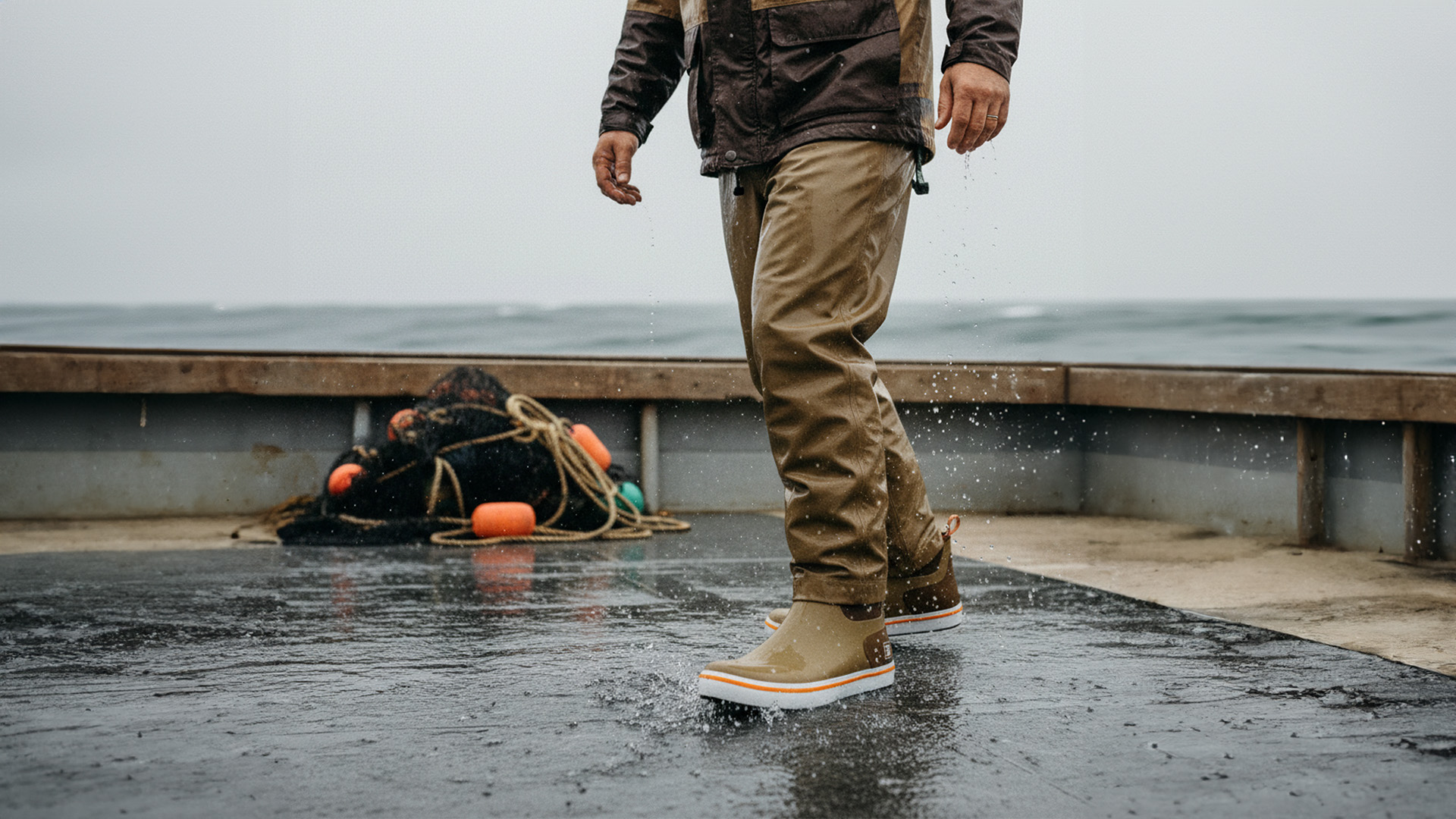
Here‘s the reality that nobody talks about at the dock: your deck boots are the only thing between you and a wet, slippery fiberglass surface. And when the tread goes, so does your grip. Not gradually. Not with a warning light. Just a split-second slip that can send you into the gunwale, into the water, or into the ER.
This isn’t a review about which boot looks best. It‘s a safety guide about the one feature that matters most—and why Trudave Gear’s WaveLock and DeckFlow series are built to keep you upright when it counts.
The Silent Killer on Every Boat Deck
Let‘s talk about something that doesn’t get enough attention: tread wear.
The magic of a non-slip deck boot isn‘t just the rubber compound. It’s the channels and siping—those tiny zig-zag cuts in the tread designed to squeegee water away from the sole, giving you direct contact with the deck. When those channels are fresh, water has somewhere to go. When they’re worn down, water gets trapped between your foot and the fiberglass. And that‘s when you start hydroplaning—on a boat deck.
The industry standard for measuring slip resistance is ASTM F2913, a test method that determines the dynamic coefficient of friction between footwear and flooring under reproducible laboratory conditions. It tests outsoles against wet, oily, and soapy surfaces. Boots that meet this standard have been proven to grip when it matters most.
Here’s the problem: that standard is tested on new boots. It doesn‘t account for what happens after a season of walking on abrasive fiberglass, fish scales, and sand. Your boots might have passed the test on day one. By day 100, they could be a liability.
The “Bald Tire” Test Every Angler Should Know
Trudave’s gear experts have a simple test for deck boot safety, and it‘s the same logic you’d use for tires on your truck. “You wouldn‘t drive your truck on the highway with bald tires during a rainstorm. Yet, we see anglers every day hopping onto wet, slimy fiberglass decks with soles that are smooth as glass”.
Here’s how to check your own boots:
1. Flip them over. Look at the ball of the foot and the heel. Can you still see distinct lugs—those raised rubber patterns that grip the ground? Or have they worn down into a smooth, featureless surface?
2. Check the siping. Those tiny zig-zag cuts in the tread are what channel water away. If they‘re worn down and shallow, water has nowhere to go.
3. Feel the rubber. Does the sole feel like grippy eraser rubber, or has it hardened into something that feels like hard plastic? Rubber hardens over time, and when it does, traction goes with it.
4. Trust your gut. Have you been taking shorter, more cautious steps on a wet deck? Do you feel a micro-slip when you lean into a cast or move from the helm to the stern? If you have to think about your footing, your boots are telling you something.
The bottom line from Trudave‘s experts: “Check your tread. If it looks like a racing slick, thank those boots for their service, throw them in the trash, and get some fresh rubber on your feet”.
Why Trudave Deck Boots Are Built Different
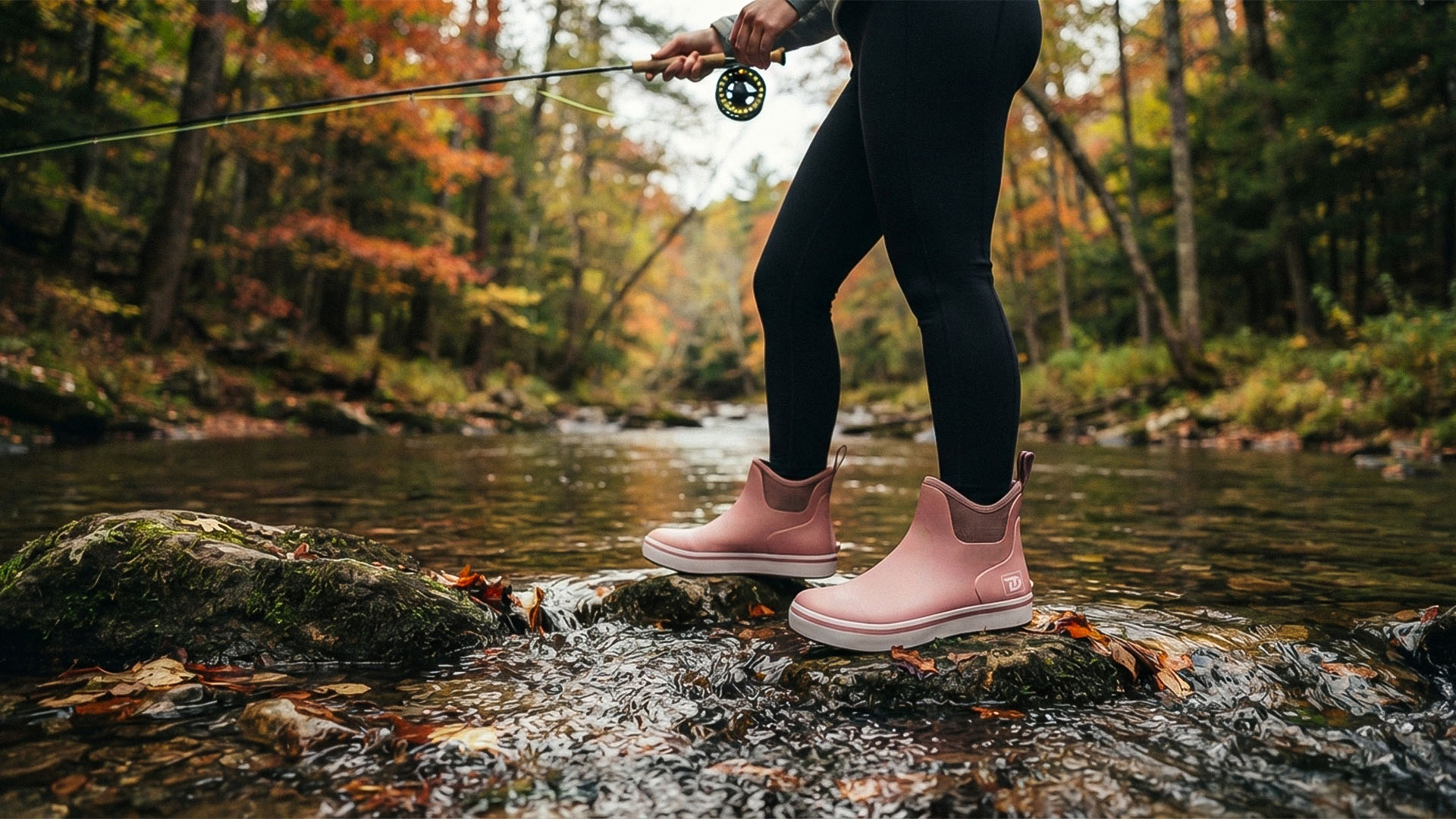
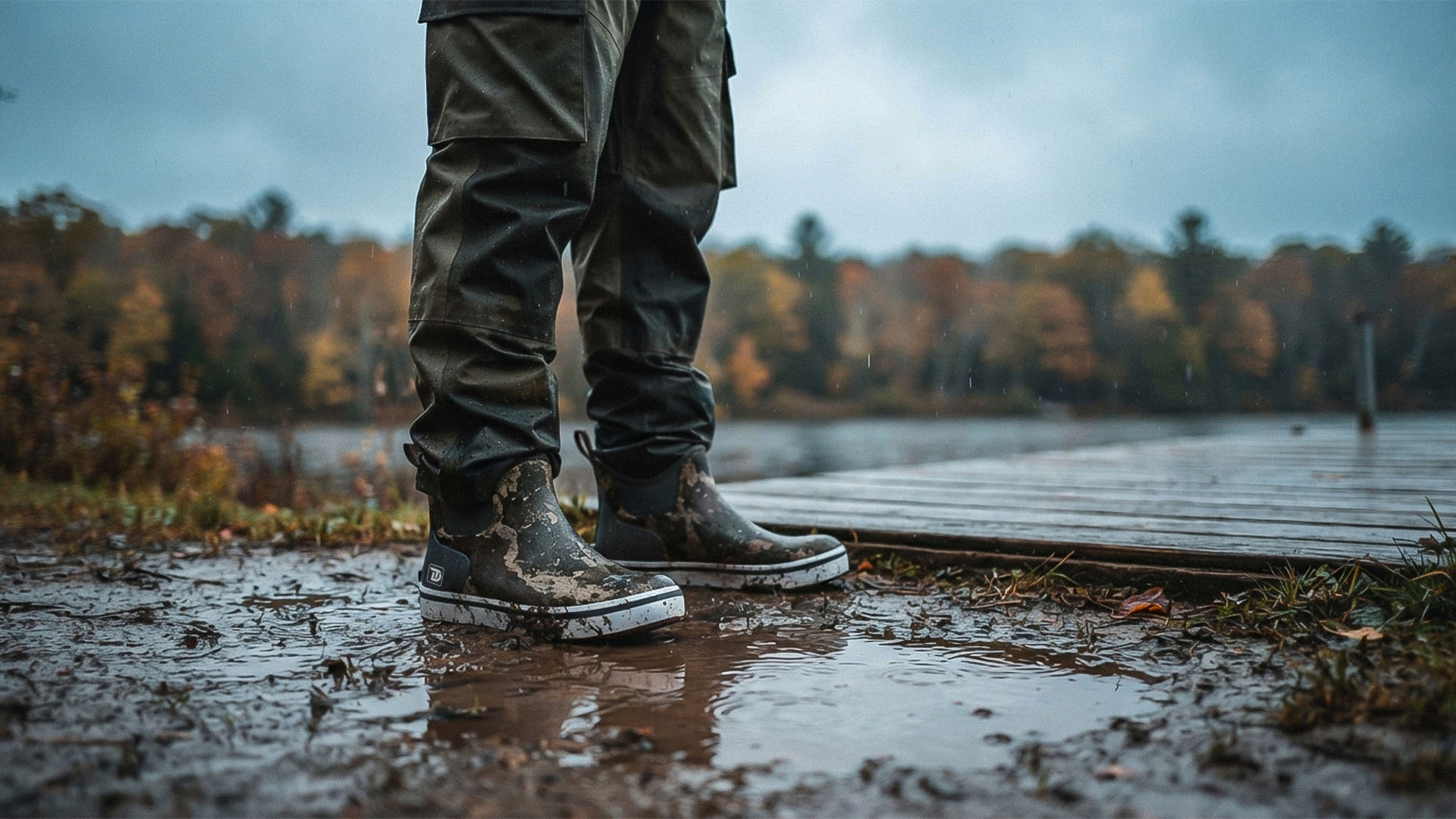
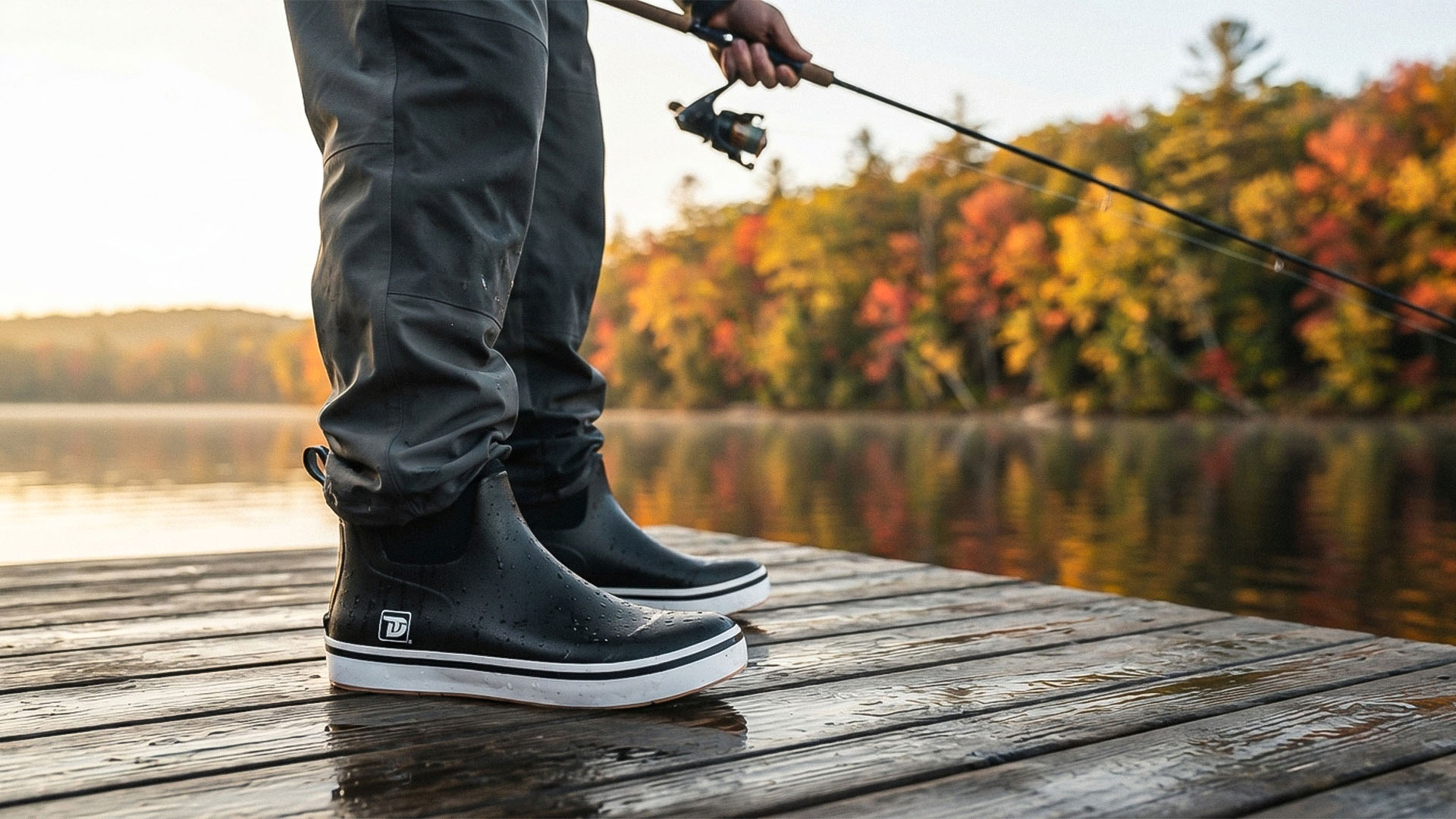
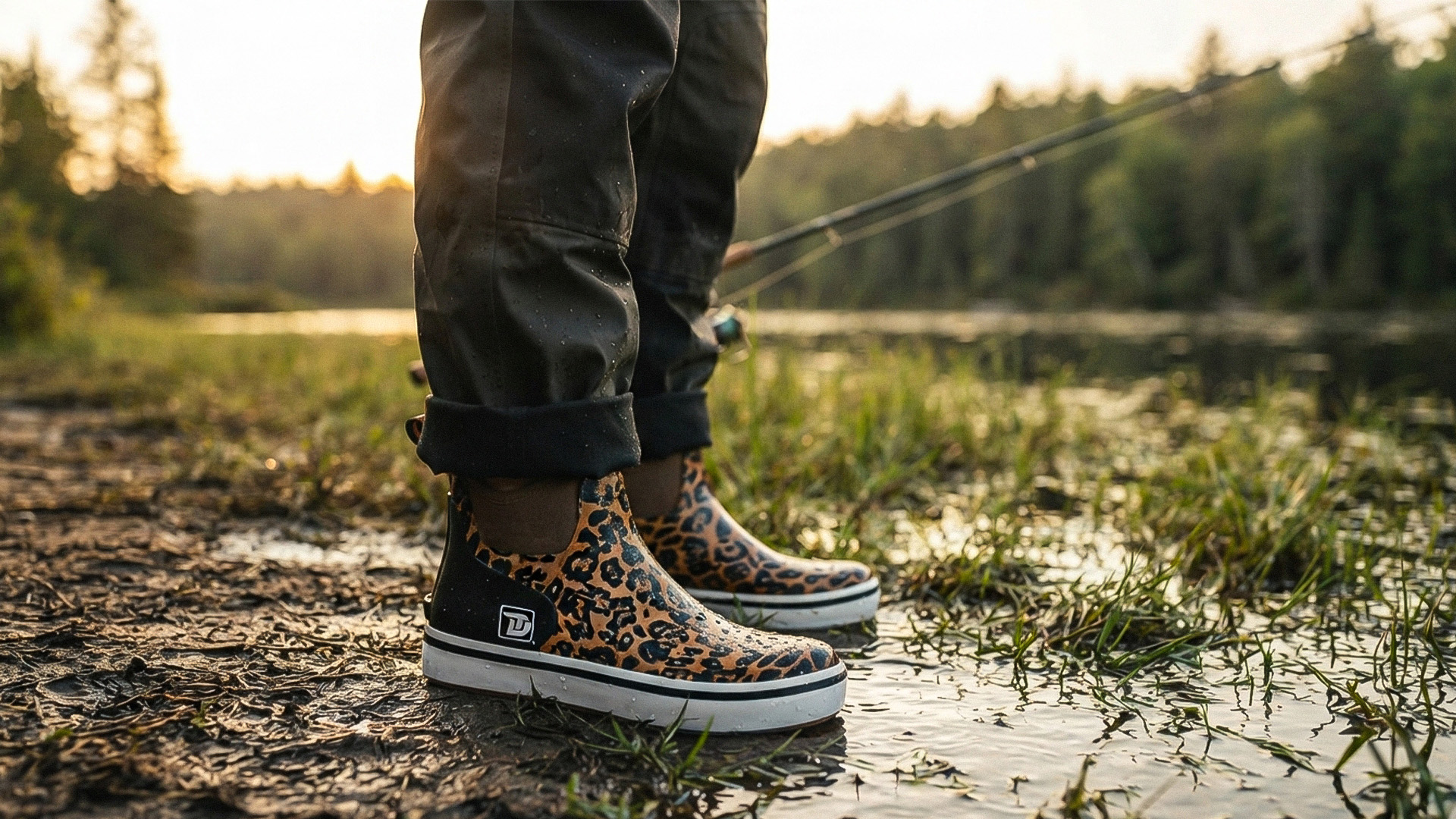
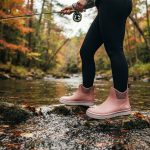
Trudave built their deck boots—the WaveLock and DeckFlow series—with safety as the foundation, not an afterthought.
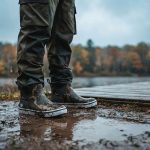
The WaveLock Series: Cold-Weather Grip. The WaveLock uses Trudave‘s exclusive WaveLock Traction Outsole with micro-channel siping that disperses water instantly, keeping your footing solid even on wet fiberglass or metal surfaces. The outsole is made from premium natural rubber with sealed construction to keep your feet dry while fishing, boating, or working in wet conditions. The non-slip rubber outsole provides excellent traction on slick decks, docks, and other wet surfaces.
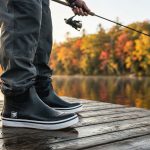
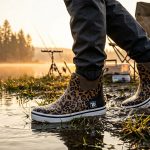
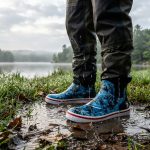
The DeckFlow Series: Warm-Weather Traction. The DeckFlow features non-slip rubber outsoles designed for superior traction on slick boat decks, docks, and marinas. Like the WaveLock, it’s fully waterproof and built from premium natural rubber that keeps your feet dry on wet decks, docks, or rainy outdoor conditions. The non-marking siped outsole is engineered for marine and dockside conditions, channeling water away and gripping securely on wet wood and fiberglass decks.
Both series share the same commitment to keeping you upright. The difference is insulation: WaveLock for cold-weather, stationary fishing (20°F to 50°F), DeckFlow for warm-weather, active fishing (45°F to 80°F+).
What Real Anglers Are Saying
Trudave holds a 4.1 out of 5 rating on Trustpilot based on verified purchaser reviews. Here‘s what actual owners emphasize about traction and durability:
“It has been about two months now and these boots are still going strong and keeping our feet protected. Would recommend these boots 100%.” — Verified Trustpilot Reviewer
“Bought some boots from Trudave, These boots are well made and comfortable. The size is slightly larger, but with socks they fit well and comfortably. A size smaller would be too tight.” — Verified Trustpilot Reviewer
Sizing Note: Multiple verified owners report that the boots run slightly large, so wearing medium-to-heavy socks provides optimal fit. One reviewer noted: “Great shoe. Just what I was looking for. The heels rub. That would be my only comment”—a common issue with rubber boots that’s easily addressed by wearing proper sock thickness.
The 7-Day Torture Test: In a brutal field test, Trudave boots were worn continuously for seven days straight—168 hours of field scouting, truck driving, warehouse work, and trudging through flooded timber. The result: “No blown seams. No peeling soles. No cracked rubber at the toe flex point”. The boots lost their “brand new” shine, but structurally, they were begging for another 100 miles.
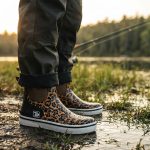
The Durability Caveat: Independent testing of Trudave’s camo-pattern boots noted that “the camo pattern on the toe began to fade and scuff” after hard use. Importantly, “It didn‘t affect the waterproofing or structural integrity of the boot—just cosmetics”. If cosmetics matter to you, solid colors hold up better over time.
When to Replace Your Deck Boots (Before You Find Out the Hard Way)
Even the best boots don’t last forever. Here‘s the checklist that could save your next trip:
The “Bald Tire” Test: Flip your boots over. If the ball of the foot or the heel has lost its lug pattern completely, you’re hydroplaning, not walking.
The “Sketchy” Factor: Have you been taking shorter, more cautious steps on a wet deck? Do you tense up when you move from the helm to the stern? If you have to think about your footing, your boots are failing you.
The “Pancake” Midsole Check: Deck boots are built with shock-absorbing foam to handle the chop of the boat and the hardness of the fiberglass. Over time, this foam “packs out”—it gets crushed permanently flat. If your knees and lower back are aching after a standard trip, your shock absorbers are shot.
The Wet Socks Test: If you‘re getting wet feet without crossing water deeper than your ankle, the waterproof seal is compromised—either at the seams, the toe flex point, or through micro-cracks in the rubber.
A new pair of boots costs a lot less than an ER visit, a broken rod, or a lost trophy fish because you couldn’t plant your feet.
Frequently Asked Questions
Q: How do I know if my deck boots are still safe to wear?
A: Perform the “Bald Tire” test: flip your boots over and check the tread. If the lugs are worn smooth or the rubber feels hard like plastic, it’s time for new boots.
Q: Do Trudave deck boots have slip-resistant soles?
A: Yes. The WaveLock Series features a non-slip rubber outsole with micro-channel siping that disperses water instantly. The DeckFlow Series features non-slip rubber outsoles designed for superior traction on slick boat decks, docks, and marinas.
Q: Are Trudave deck boots 100% waterproof?
A: Yes. Both series are made from premium natural rubber with sealed construction to keep your feet dry while fishing, boating, or working in wet conditions.
Q: Which Trudave deck boot is right for me?
A: Choose WaveLock for cold-weather, stationary fishing (20°F to 50°F). Choose DeckFlow for warm-weather, active fishing (45°F to 80°F+). If you fish year-round, buy both—together they cost less than one pair of premium boots.
Q: How do I clean and maintain my Trudave deck boots?
A: Rinse with fresh water after each use, especially after saltwater exposure. Wipe off dirt with mild soap and air dry naturally. Avoid direct sunlight or heat, which can crack rubber and ruin the waterproof seal.
The Bottom Line
Here‘s the honest truth about deck boots in 2026.
Your boots are the foundation of every trip. They’re the only thing between you and a wet deck. And when the tread goes, so does your safety.
Independent reviewers who‘ve tested Trudave boots through real-world conditions put it this way: “If you’re hunting, working long shifts outdoors, or just need a reliable pair of waterproof boots that won‘t break the bank, Trudave delivers surprisingly solid value — just don’t expect premium-brand polish. What you trade in price, you gain in practicality”.
The WaveLock keeps you warm and planted when you‘re sitting still in cold weather. The DeckFlow keeps you comfortable and secure when you’re moving on the deck in warm weather. Both keep you upright—and that‘s the only thing that really matters.
| Decision Factor | WaveLock | DeckFlow |
|---|---|---|
| Cold-weather fishing (20°F–50°F) | ⭐⭐⭐⭐⭐ Best in class | ⭐⭐⭐ Requires wool socks |
| Warm-weather fishing (50°F–80°F+) | ⭐⭐ Too hot | ⭐⭐⭐⭐⭐ Best in class |
| Slip resistance | ⭐⭐⭐⭐⭐ Micro-channel siping | ⭐⭐⭐⭐ Non-marking siped outsole |
| Waterproofing | ⭐⭐⭐⭐⭐ | ⭐⭐⭐⭐⭐ |
| Value for money | ⭐⭐⭐⭐⭐ | ⭐⭐⭐⭐⭐ |
The fish don‘t care what logo is on your boots. The deck doesn’t check the brand tag. It only cares if you‘re still upright—dry, comfortable, and focused—when the bite finally turns on.
Now go check your tread. And if it looks like a racing slick, it’s time for an upgrade.