
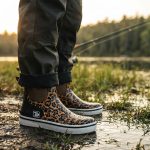
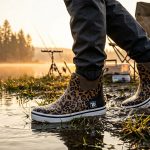

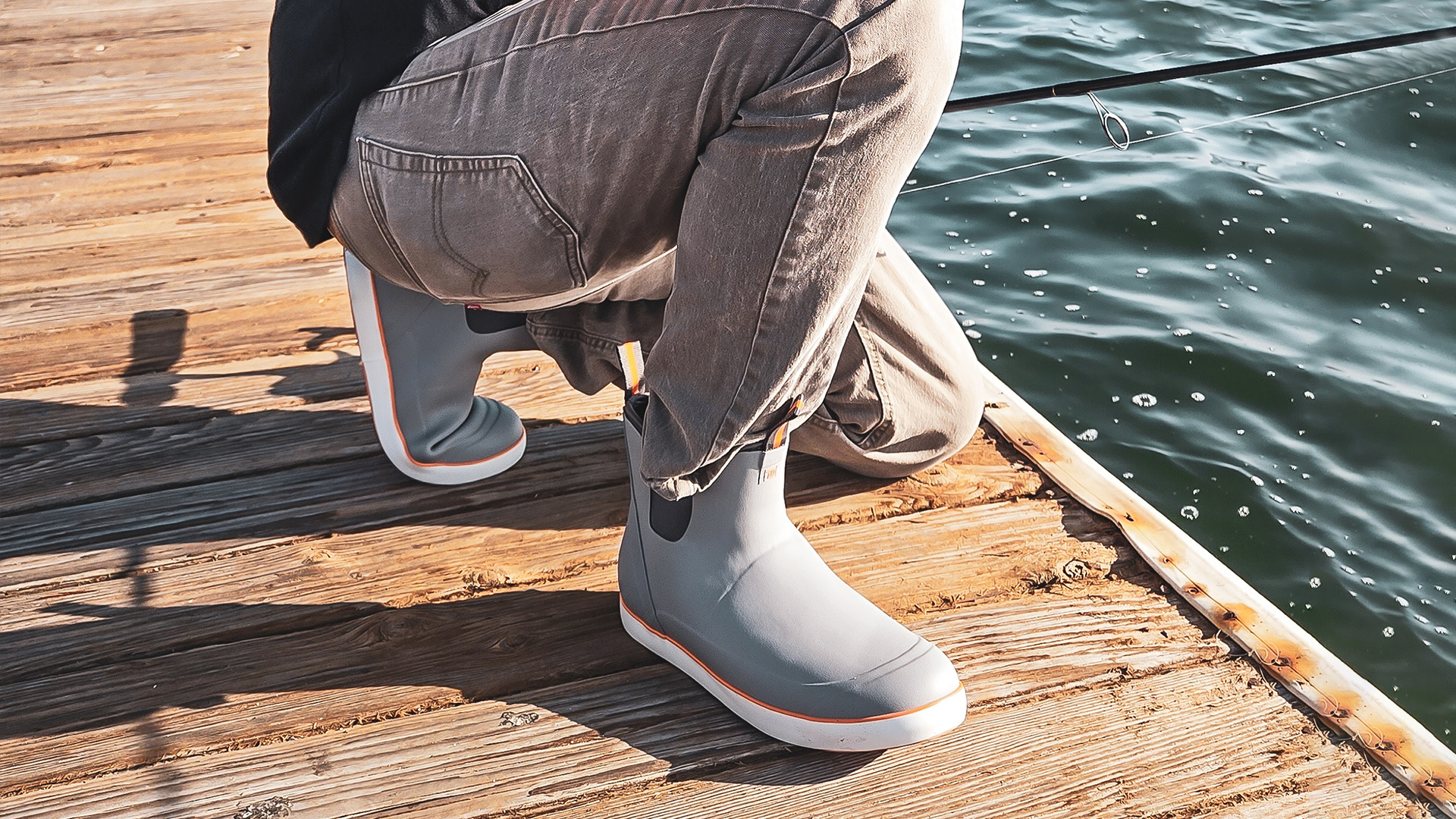
Introduction: The Pain We’ve Been Taught to Accept
There’s a piece of wisdom passed down through generations of anglers, commercial fishermen, and dock workers that sounds less like advice and more like a warning: “You’ve got to pay your dues with new deck boots.” The blisters on your heels. The stiff rubber cutting into your ankles. The week-long misery of wearing them around the house, waiting for them to soften up. We’ve been told this is normal. That it’s the price of admission for waterproof, slip-resistant footwear that can handle a pitching deck.
What if it isn’t?
The global deck shoes market was valued at 1.45billionin2025,withprojectionsreaching2.65 billion by 2034, driven by innovations in material technology that are fundamentally changing what anglers should expect from their footwear. The old assumption—that a deck boot must hurt before it can perform—was never a design choice. It was a limitation of the materials available at the time.
Trudave Gear entered this space with a different philosophy. Their WaveLock and DeckFlow series are built on a materials-first approach that rejects the break-in myth: vulcanized natural rubber that flexes rather than fights, EVA midsoles that cushion without the dead weight of steel shanks, and neoprene side panels that conform to your foot from the first wear. This isn’t just about comfort—it’s about safety. A boot that causes blisters on day one changes how you move on a wet deck. You compensate. You take shorter steps. You grip with your toes. And on a boat that’s pitching in a chop, compromised movement is compromised safety.
This article is the honest, step-by-step guide to what actually happens when you first pull on Trudave deck boots—from the parking lot at 4:30 AM to the end of your first full day on the water. We’ll cover why the break-in period is different for rubber-and-neoprene construction, what to expect during your first hours of wear, the sock-and-fit adjustments that dial in comfort, and the signs that tell you your boots are fully dialed in. No marketing promises. Just what the materials actually do.
Part 1: Why Trudave Deck Boots Break In Differently
To understand why Trudave deck boots don’t follow the traditional break-in script, you have to understand what makes traditional boots painful in the first place. The answer lies in the materials.
The Old Way: Leather, Glue, and Steel
Traditional work boots—and many legacy deck boots—are built around materials that resist your foot by design. Full-grain leather is stiff when new because its fibrous structure hasn’t yet been flexed enough to soften. Glued construction means the bond between the upper and the outsole is rigid, and it takes dozens of hours of wear for that bond to develop the micro-flexibility that makes walking feel natural. And many legacy boots incorporate a steel shank—a rigid metal plate running through the midsole—that provides arch support but adds significant weight and completely eliminates your foot’s ability to feel the deck beneath you. A heavy steel shank completely numbs your “deck feel”—your foot’s ability to intuitively gauge the pitch and roll of the boat—and transmits every impact directly up through your skeleton.
These materials require a break-in period because they start out fighting your foot. The break-in process is literally the process of breaking down the material’s resistance—softening the leather fibers, flexing the glued joints until they loosen, and forcing your foot to adapt to a rigid platform that doesn’t adapt to you.
The Trudave Way: Rubber, Neoprene, and EVA
Trudave WaveLock and DeckFlow boots are built on a fundamentally different material foundation. The upper is vulcanized natural rubber—a homogeneous, non-fibrous material that flexes as a single unit rather than as millions of individual fibers sliding past each other. There’s nothing to “break down” in the traditional sense. The boot flexes from the first step because that’s what rubber does.
The side panels on the WaveLock incorporate stretchy neoprene that “keeps a snug fit without pressure points” from the moment you pull the boots on. This is a critical design choice: instead of using laces to create a custom fit (which requires constant adjustment as the boot breaks in), Trudave uses flexible materials that conform to your foot without mechanical adjustment. The fit is built into the boot’s architecture, not achieved through tightening.
The midsole is EVA (ethylene-vinyl acetate)—the same shock-absorbing foam used in high-performance running shoes. Unlike a steel shank that requires your foot to adapt to its rigidity, the EVA midsole absorbs impact and provides arch support through its molded contour rather than rigid bracing. The top-tier choices in the 2026 deck boot market utilize advanced, shock-absorbing EVA midsoles with a strict no-steel-shank construction, which minimizes lower back fatigue during long hours on hard surfaces and grants the wearer “the proprioception of a lightweight athletic sneaker, combined with the impenetrable armor of vulcanized rubber”.
The result is a boot that doesn’t need to be broken in. Not because it’s flimsy, but because the materials are engineered to flex with your foot from the first step.
Part 2: The First 10 Minutes—What Happens When You Pull Them On
Your first experience with Trudave deck boots will likely be in your living room, a marina parking lot, or the back of your truck at 4:30 AM. Here’s what to expect.
The Slip-On
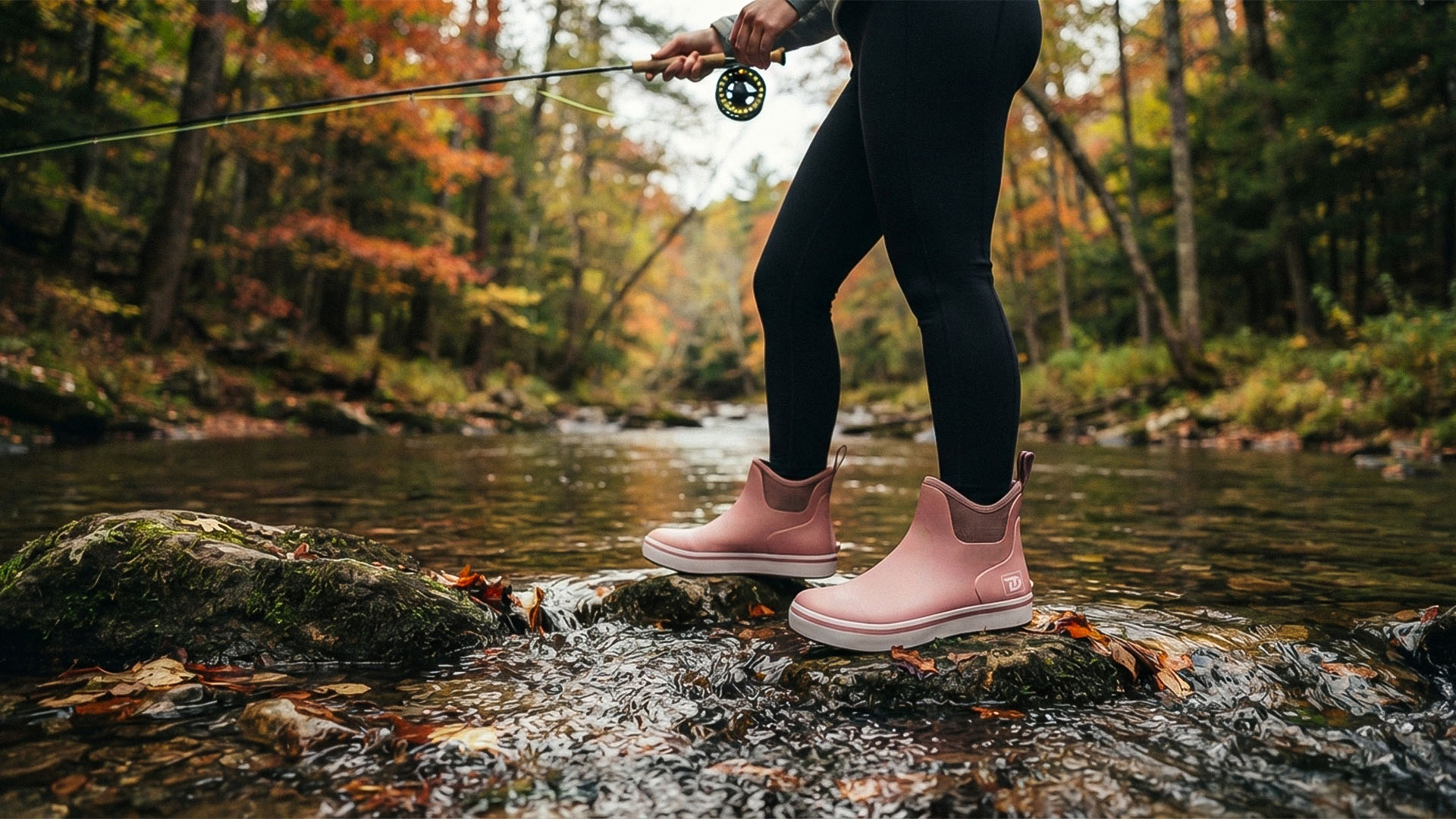
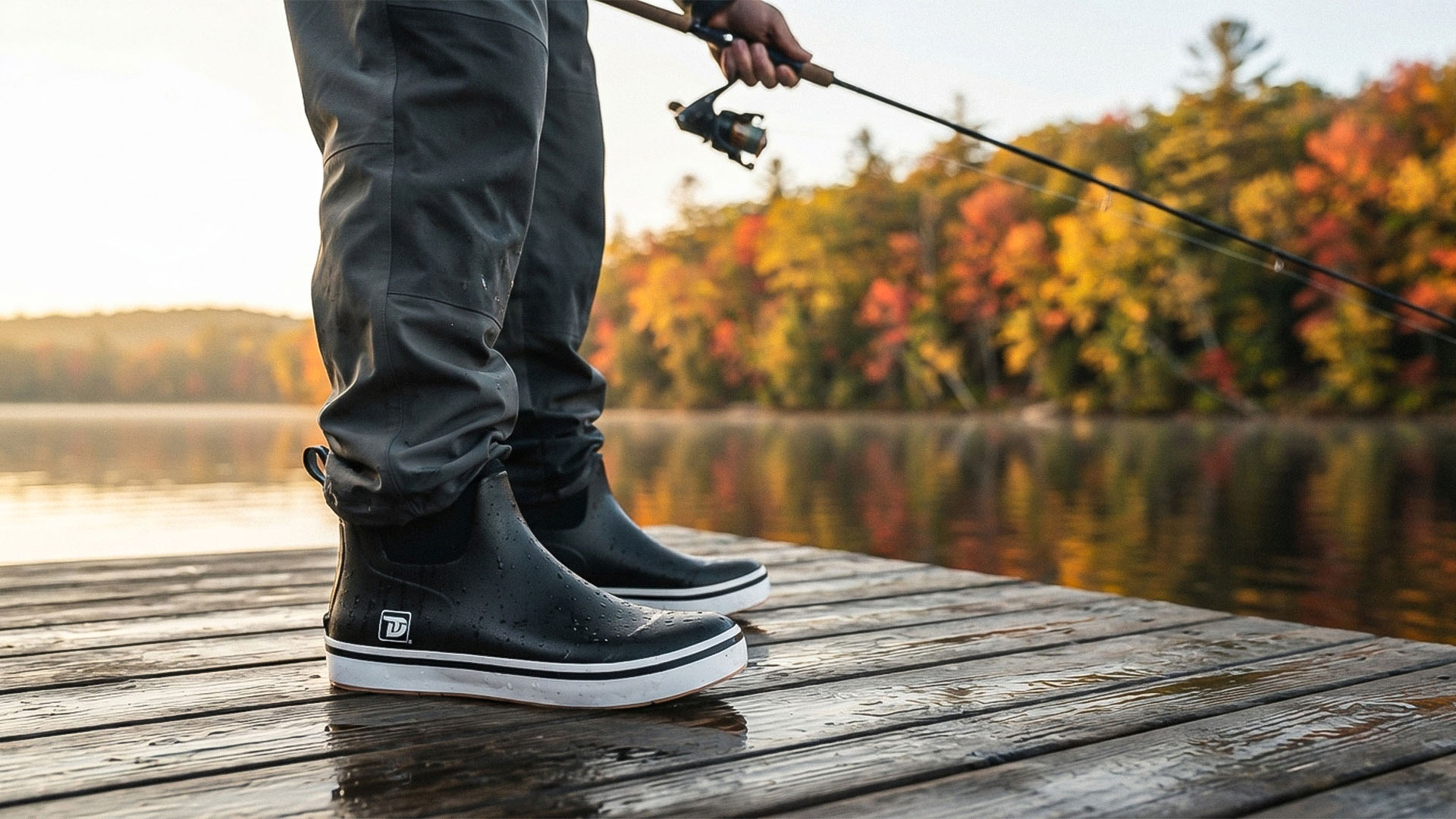
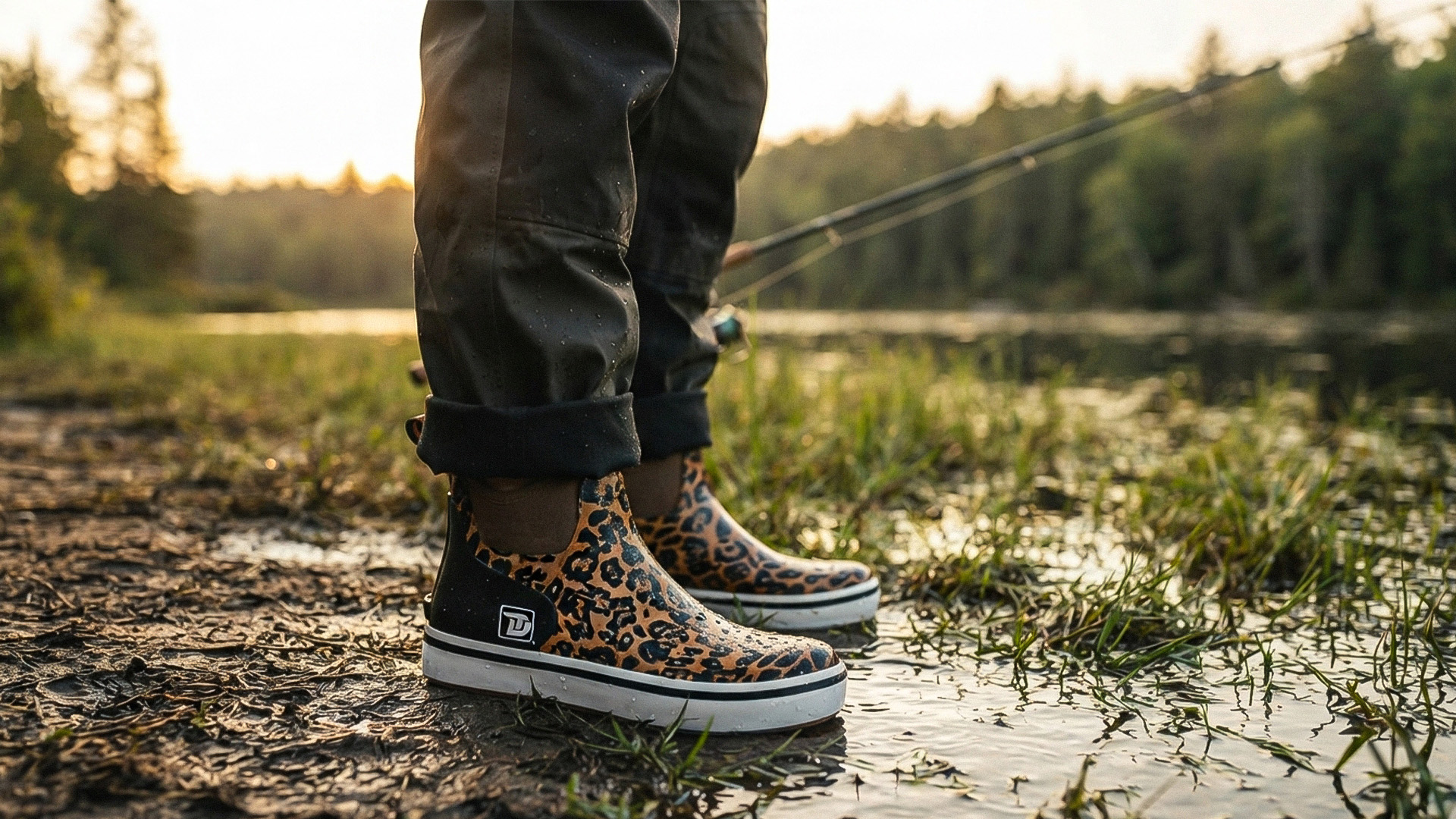
Both the WaveLock and DeckFlow are slip-on designs. The WaveLock features stretchy side panels for quick slip-on comfort. The DeckFlow’s clean low-cut design is engineered for easy entry. You’ll notice immediately that these aren’t the stiff, unyielding rubber boots you remember from childhood. The flexible side panels and neoprene construction mean you’re not wrestling with rigid rubber that seems determined to stay in its original shape.
The Initial Fit
Trudave boots run slightly large by design. This is intentional—the extra volume accommodates the thick socks that fishing and outdoor work demand, and it allows for natural foot swelling during a long day on hard surfaces. The WaveLock’s flexible side panels “keep a snug fit without pressure points”, which means the boot conforms to your foot without constricting it. If you’re wearing thick wool socks, the fit will feel secure but not tight. If you’re wearing thin socks, you’ll notice the extra volume—this is by design, and it’s filled by the sock system you choose.
The First Steps
Walk around for a few minutes. You’ll notice that the boot flexes naturally with your foot. There’s no stiff resistance at the ankle, no rigid sole that forces a flat-footed, clunky gait. The EVA midsole provides cushioning that you’ll feel immediately—a noticeable difference from the hard, flat footbeds of budget rubber boots. The non-slip rubber outsole grips hard surfaces confidently, and the boot’s ankle-height design allows for a natural stride rather than the stiff-legged walk that knee-high rubber boots enforce.
If you feel any tightness across the top of the foot or around the ankle, the issue is almost certainly sock choice, not boot fit. Thinner socks will create more room. Thicker socks will fill the intentional volume. The neoprene side panels will stretch slightly to accommodate your foot’s unique shape, but they won’t loosen significantly over time—the fit you feel in the first 10 minutes is very close to the fit you’ll have after 100 hours of wear.
Part 3: The First Day on the Water—What to Expect After Hours of Wear
The first full day is where most boots reveal their true character. Here’s what Trudave owners consistently report after their first 8 to 12 hours on the water.
Comfort Progression
Unlike leather boots that become progressively more comfortable as the fibers break down, Trudave rubber-and-neoprene boots maintain consistent comfort throughout the day. They don’t “soften up” dramatically—they start flexible and stay flexible. What changes is your perception. By midday, you’ll likely stop noticing the boots entirely. This is the goal: a boot that disappears from your awareness so you can focus on the fishing.
The cushioned insoles provide all-day comfort, and the breathable lining manages moisture to prevent the clammy sensation that makes feet feel uncomfortable even when they’re technically dry. One reviewer who wore Trudave boots for a full day of fishing and outdoor chores reported that “the cushioned insoles and breathable lining, offering all-day comfort” held up through hours of standing, moving, and working on hard, wet surfaces.
The Warmth Equation
If you’re wearing the insulated WaveLock, the thermal insulation and soft lining retain heat while allowing breathability—perfect for cold mornings on the boat or dock. Your feet will stay warm during the pre-dawn launch and the cold morning run, but the breathable design should prevent the overheating that plagues heavily insulated boots once the sun comes up.
If you’re wearing the uninsulated DeckFlow, the soft, breathable lining manages moisture and temperature without adding warmth. On a cold morning, your feet will be cool but not cold if you’ve paired the boots with appropriate socks. On a warm afternoon, you’ll appreciate the lack of insulation that would otherwise turn the boots into sweatboxes.
The Traction Confidence
Your first experience with siped outsoles on a wet surface may be the most noticeable difference from ordinary footwear. The WaveLock’s exclusive WaveLock Traction Outsole with micro-channel siping disperses water instantly, keeping your footing solid even on wet fiberglass or metal surfaces. The DeckFlow’s non-marking siped outsole channels water away and grips securely on wet wood and fiberglass decks. You’ll find yourself moving across wet surfaces with a confidence that feels almost unnatural at first—you’re waiting for the slip that doesn’t come. By the end of your first day, that confidence will feel natural. You’ll stop thinking about your footing and start thinking about your cast.
The End-of-Day Removal
After 10 or 12 hours on the water, taking off stiff, wet boots can feel like a wrestling match. The WaveLock’s reinforced heel armor includes an easy-off heel tab designed specifically for this moment. Step on the heel of the left boot with the toe of the right, slide out, repeat. No bending over. No pulling with wet hands.
Part 4: The Sock-and-Fit Framework—Dialing In Your Perfect Fit
The single most important variable in how Trudave deck boots fit on day one is your sock choice. The boots are designed with intentional volume to accommodate thick insulating socks. Here’s the framework.
For Cold Mornings (35°F to 55°F)
Heavyweight merino wool socks. These fill the boot’s intentional volume completely and provide insulation that works in concert with the WaveLock’s thermal lining. The fit will feel secure and warm.
For Cool Days (50°F to 70°F)
Midweight merino wool or synthetic blend socks. These provide moderate insulation without overheating. The fit will feel comfortable with slight room in the toe box.
For Warm Days (65°F to 85°F+)
Lightweight moisture-wicking socks. The boot’s intentional volume will feel generous, which is appropriate for hot conditions where your feet swell and you want airflow. Pairing fishing boots with moisture-wicking or merino-blend socks ensures better comfort and temperature control.
The Half-Size Rule
If you’re between sizes and plan to wear thick socks, size up. If you plan to wear thin socks, size down. The extra volume is there to be filled by insulation—it’s a feature designed for customization, not a sizing error.
Part 5: The First Week—When to Know Your Boots Are Fully Dialed In
After a week of regular wear—whether that’s on the boat, around the marina, or handling outdoor chores—you’ll cross a threshold. The boots will have conformed to your feet in subtle ways that improve the fit without compromising the waterproof integrity.
What Changes
- The neoprene side panels will have stretched slightly to accommodate your specific foot shape, providing a more personalized fit without becoming loose.
- The EVA midsole will have developed slight compression patterns that match your gait, improving cushioning exactly where you need it.
- The rubber upper will have developed micro-flex patterns at the ankle that make movement feel even more natural.
What Doesn’t Change
- The waterproof seal remains intact. Vulcanized construction creates a permanent bond that doesn’t weaken with flexing.
- The outsole siping remains sharp. The rubber compound is designed to resist the hardening and smoothing that plague cheaper boots.
- The structural support remains consistent. The EVA midsole doesn’t “pack out” dramatically within a single season.
The Signs You’re Fully Dialed In
You stop thinking about your boots. You walk across a wet deck without a second thought. You climb in and out of the boat without bracing for a slip. The boots disappear from your awareness—and in the world of outdoor gear, that’s the highest compliment you can pay.
Part 6: Maintenance from Day One—The Habits That Extend Boot Life
The first week is also the time to establish the care habits that will extend your boots’ service life for years.
The Post-Wear Rinse
After each use, rinse the boots with clean water. For the WaveLock: “Rinse the boots with clean water after use, wipe off dirt with mild soap, and let them air dry naturally. Avoid sunlight or heat to preserve waterproof seal and rubber durability”. For the DeckFlow: “Rinse with clean water after use, gently wipe dirt with mild soap, and air dry naturally. Avoid direct sunlight or heat to preserve the rubber flexibility and waterproof durability”.
The “Never” Rules
Never dry your boots with direct heat—no radiators, no fireplaces, no direct summer sun. Heat breaks down the polymer cross-links in vulcanized rubber and accelerates the curing process that makes rubber brittle. Never store boots crumpled or folded, which creates permanent weak points. Store them upright in a cool, dry place.
The Midsole Check
The EVA midsole is the component that most directly affects long-term comfort. Over time—typically multiple seasons of hard use—the foam can “pack out” or get crushed permanently flat. When that happens, your knees and lower back will feel it first. At that point, the boots aren’t necessarily dead—but their shock absorption is gone, and replacement should be on your radar.
Part 7: The Decision Framework—WaveLock or DeckFlow for Your First Trudave Experience
If you’re choosing between the WaveLock and DeckFlow for your first pair of Trudave deck boots, the decision comes down to two factors: your climate and your activity pattern.
Choose the WaveLock if:
- You fish in cool to cold conditions and need the thermal insulation and soft lining for pre-dawn launches and cold morning runs.
- You’re a serious angler, hunter, or outdoor worker who values maximum traction and waterproof protection in unpredictable conditions.
- You appreciate the convenience of flexible side panels for quick slip-on and an easy-off heel tab for hands-free removal.
- These ankle waterproof deck boots are ideal for fishing, boating, outdoor chores, and rainy-day wear—they combine comfort, insulation, and traction for all-weather performance.
Choose the DeckFlow if:
- You fish in warm weather or use your boots for casual boating, dockside lounging, and everyday wet-weather errands.
- You want a lightweight, stylish waterproof boot that transitions from the dock to daily life without looking out of place. Lightweight and versatile, its clean low-cut design transitions effortlessly from dockside lounging to daily errands.
- You value breathability over insulation. These waterproof deck boots are stylish enough for daily wear and practical for gardening, light outdoor work, or rainy-day errands—they combine function and fashion in one.
- You’re looking for a women’s deck boot engineered on dedicated lasts for a precise, comfortable fit.
The Two-Boot Solution
If your fishing season spans both cold mornings and warm afternoons, owning both a WaveLock for cold days and a DeckFlow for warm days isn’t overkill. It’s matching the right tool to the right job. At Trudave’s direct-to-consumer pricing, owning two purpose-built boots costs less than a single pair of premium-brand deck boots from legacy manufacturers.
Conclusion: The Boots That Don’t Make You Pay Dues
The break-in period has been part of boot-buying culture for so long that most people never question it. We budget a week of blisters into the purchase price. We tell ourselves the pain is proof of quality—that a boot that hurts must be built to last. But the materials science tells a different story. A boot that starts out fighting your foot is a boot made from materials that resist you. A boot that flexes from the first step, conforms to your foot without constriction, and cushions rather than punishes isn’t softer or weaker—it’s smarter.
Trudave Gear’s WaveLock and DeckFlow deck boots represent a materials-first philosophy that makes the traditional break-in period obsolete. Vulcanized natural rubber that flexes without breaking down. EVA midsoles that absorb impact without adding weight. Neoprene side panels that conform to your foot without losing their shape. Siped outsoles that grip wet surfaces from the first step to the last. These aren’t boots that require you to suffer before they perform. They’re boots that perform from the moment you pull them on, and keep performing for seasons to come.
The first day in new deck boots should be about the fishing—the pre-dawn launch, the bite at sunrise, the long, satisfying exhaustion of a full day on the water. It shouldn’t be about your feet. With the right materials and the right fit, it won’t be.
To explore the complete Trudave Gear deck boot lineup and find the right pair for your next day on the water, visit trudavegear.com.