




If you’ve been on the water lately, you may have noticed something frustrating:
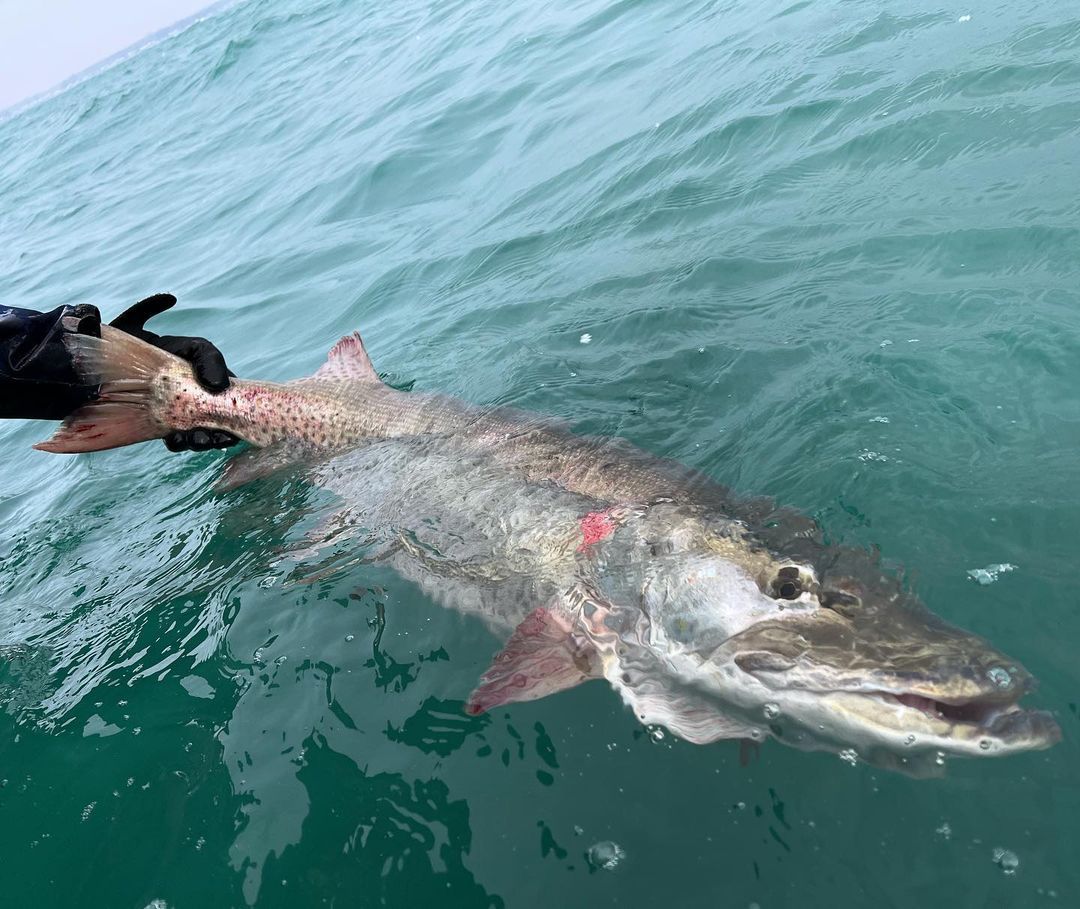
You’re getting more action than before—but not more fish in the boat.
- More bites
- More follows
- More strikes
Yet:
- Missed hooksets increase
- Fish come off mid-fight
- Hookup ratios drop
This phase is common in late summer and early seasonal transition—when fish become more active, but far less committed.
Understanding why this happens is the key to turning action into results.
1. Increased Activity Doesn’t Mean Stronger Commitment
As summer begins to fade:
- Fish become more responsive
- They move more often
- They investigate bait more frequently
But this doesn’t always translate into aggressive feeding.
Instead:
- Fish may strike out of curiosity
- They may swipe instead of fully committing
- They may follow without engulfing the bait
You’re triggering interest—but not convincing the fish to finish the bite.
2. Feeding Behavior Becomes More Selective
Late summer fish are in a transitional feeding mode.
- They’re no longer fully lethargic from peak heat
- But not yet in aggressive pre-fall feeding
This creates:
- Short bursts of activity
- Cautious feeding behavior
- Higher inspection before striking
Fish may:
- Nip at the bait
- Strike from poor angles
- Abort at the last second
The bite is there—but it’s not decisive.
3. Strike Accuracy Drops as Fish Adjust Behavior
When fish aren’t fully committed:
- Their strikes become less precise
- They may hit the tail of a lure
- They may miss entirely on fast presentations
This results in:
- Short strikes
- Missed hooksets
- Fish barely getting hooked
You’re getting bites—but not clean ones.
4. Water Conditions Affect How Fish Engage
Subtle environmental factors play a major role:
- Slight water temperature changes
- Shifting oxygen levels
- Minor clarity variations
These influence:
- Fish positioning
- Reaction speed
- Feeding confidence
For example:
- In clearer water, fish inspect more
- In unstable conditions, fish hesitate more
The environment is shaping how fish strike—not just whether they strike.
5. Lure Presentation Becomes More Critical
Earlier in the season:
- Fish may hit aggressively
- Imperfect presentation still works
Now:
- Precision matters
- Speed, angle, and movement must align
Common issues include:
- Retrieve speed slightly off
- Lure size not matching forage
- Action that looks unnatural
Small imperfections lead to missed opportunities.
6. Hooking Mechanics Matter More Than Ever
When bites become softer or less committed:
- Hook placement becomes less secure
- Timing becomes more important
Problems often include:
- Setting the hook too early
- Setting too late
- Using gear that doesn’t match the situation
This leads to:
- Pulled hooks
- Lost fish during the fight
- Low landing percentages
You’re connecting—but not securing the fish.
7. Fish Positioning Reduces Hookup Success
Late summer fish often:
- Suspend more
- Strike from below or behind
- Stay slightly off structure
This affects:
- How they approach the bait
- Where hooks connect
- How well you can set the hook
If your lure is:
- Moving too fast
- Positioned incorrectly
You increase:
The chance of incomplete strikes.
8. Why It Feels Like You’re “Almost There”
This phase is frustrating because:
- You’re clearly doing something right
- Fish are responding
- Opportunities are increasing
But:
- Results don’t match the effort
This creates the illusion:
“I just need a little more luck.”
In reality:
You need small, precise adjustments.
9. How to Turn More Bites Into Landed Fish
1. Slow Down Slightly—but Not Too Much
- Give fish time to commit
- Avoid overly aggressive retrieves
2. Adjust Lure Size and Profile
- Match current forage more closely
- Downsize if fish are hesitant
3. Improve Hook Timing
- Wait for weight before setting
- Avoid reacting to every tap
4. Refine Your Presentation
- Keep movement natural
- Maintain consistent retrieve control
5. Upgrade or Adjust Gear Setup
- Ensure hooks are sharp
- Match rod and line to your technique
- Improve sensitivity and control
10. The Key Insight Most Anglers Miss
The biggest misconception is this:
“More bites should automatically mean more fish.”
But in reality:
More bites often mean fish are interested—but not fully committed.
And that’s a different challenge entirely.
You’re no longer trying to:
- Find fish
You’re trying to:
- Convert interest into commitment
Conclusion
Why you’re getting more action but landing fewer fish comes down to a shift in fish behavior.
- Activity increases
- Commitment decreases
- Strike quality declines
- Precision becomes critical
You’re closer to success than it feels.
The bites are there.
The opportunity is there.
You just need to:
- Refine your approach
- Adjust your timing
- Improve your execution
Because in this phase of fishing:
The difference between a missed bite and a landed fish is often just a small adjustment done at the right moment. 🎣🔥