




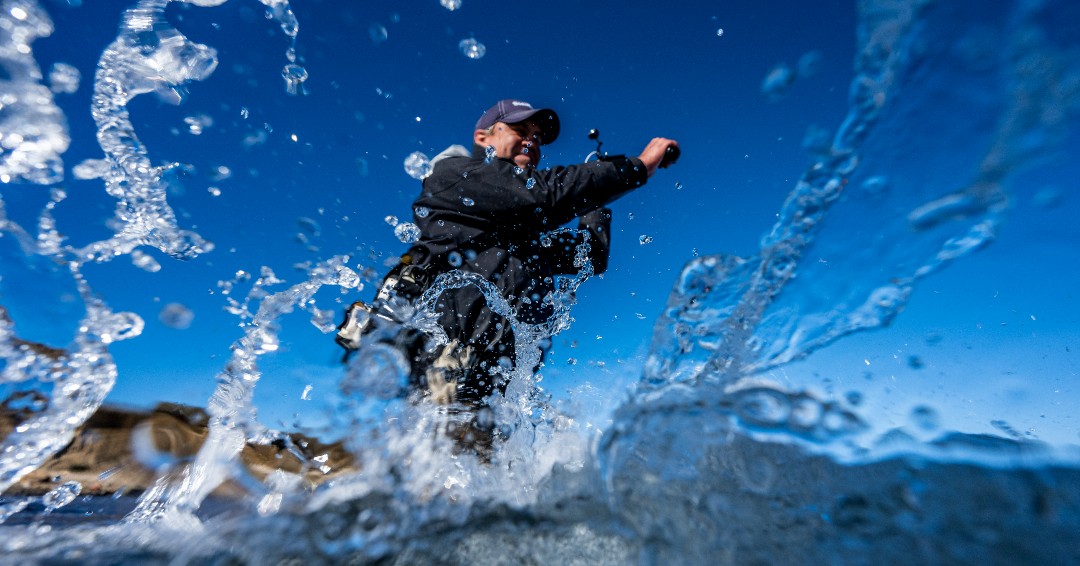
Spring fishing can feel unpredictable—cold mornings, warming afternoons, and fish that seem to disappear just as quickly as they show up. But one pattern consistently catches anglers off guard: fish suddenly moving shallow after a warm spring afternoon.
If you understand why this happens, you can turn a slow day into one of the most productive fishing windows of the season.
The Role of Water Temperature in Spring
In early to mid-spring, water temperature is the single biggest factor influencing fish behavior. Unlike air temperature, water warms slowly—but shallow areas respond much faster to sunlight.
After a warm spring afternoon:
- Shallow water can heat up several degrees compared to deeper zones
- Dark bottoms (mud, rock) absorb and retain heat
- Protected areas (coves, flats) warm faster due to reduced wind
For cold-blooded fish, even a 2–4°F increase can trigger movement, feeding, and staging behavior.
Why Fish Move Shallow So Quickly
1. Metabolism Speeds Up
As water warms, fish metabolism increases. This means:
- They need more energy
- They feed more actively
- They become more willing to chase prey
Instead of staying deep and conserving energy, fish move shallow where food is more accessible.
2. Baitfish Follow the Warmth
Predator fish rarely move alone—they follow food.
After a warm afternoon:
- Baitfish push into shallow areas seeking warmer water
- Insects and microorganisms become more active
- Small forage species gather along warming banks
This creates a chain reaction, pulling larger fish into these zones.
3. Pre-Spawn Instincts Kick In
For many species like bass, crappie, and panfish, spring is the pre-spawn phase.
Shallow water provides:
- Warmer temperatures needed for spawning preparation
- Suitable bottom composition (sand, gravel)
- Protection from strong currents and predators
Even if spawning hasn’t started, fish begin staging in these areas as conditions improve.
4. Light and Sun Exposure Matter
Not all shallow water is equal.
Fish tend to move toward:
- South-facing banks that receive the most sunlight
- Wind-protected coves where heat accumulates
- Areas with darker bottoms that retain warmth longer
These micro-warming zones often hold fish before the rest of the lake catches up.
When This Pattern Is Strongest
This shallow movement is most noticeable under specific conditions:
- After 2–3 consecutive warm days
- During calm, sunny afternoons
- When water temps are just below key seasonal thresholds
It’s especially effective in early spring when fish are on the edge of becoming more active but haven’t fully committed to shallow water yet.
How to Take Advantage of the Shallow Shift
1. Fish Later in the Day
Instead of focusing only on sunrise, target:
- Late afternoon
- Early evening
- The warmest part of the day
This is when shallow zones are at their peak temperature.
2. Target the Right Areas
Focus on:
- Shallow flats near deeper water
- Protected coves and inlets
- Banks with direct sunlight exposure
- Transition zones between deep and shallow
These areas act as staging zones for moving fish.
3. Use the Right Presentation
Fish may be more active—but water is still relatively cool.
- Use slow to moderate retrieves
- Choose lures that mimic baitfish or early-season forage
- Keep presentations natural and controlled
Overly aggressive techniques can still spook fish in cooler water.
4. Watch for Subtle Signs
Clues that fish have moved shallow include:
- Small baitfish flickering near the surface
- Slight ripples or movement along the bank
- Birds feeding in shallow areas
- Warmer water when you touch or measure it
These signs often appear before the bite fully turns on.
Common Mistakes Anglers Make
- Fishing too deep out of habit
- Ignoring afternoon windows
- Moving too fast with presentations
- Overlooking small, isolated warm pockets
Recognizing and avoiding these mistakes can dramatically improve your catch rate.
Why This Pattern Gives You an Edge
Most anglers stick to traditional habits—early mornings, deeper structures, and familiar spots. But those who understand temperature-driven movement can:
- Find fish earlier in the season
- Locate less-pressured shallow areas
- Catch more active, feeding fish
This gives you a major advantage during a time when many anglers struggle.
Final Thoughts
Fish don’t randomly move shallow in spring—it’s a direct response to temperature, food availability, and seasonal instincts. A warm spring afternoon creates just enough change to flip a switch in fish behavior.
If you adjust your timing, target the right areas, and fish with intention, you can consistently capitalize on this pattern.
The key takeaway:
When the sun warms the water, fish follow—and the anglers who follow that movement are the ones who stay ahead of the bite.