



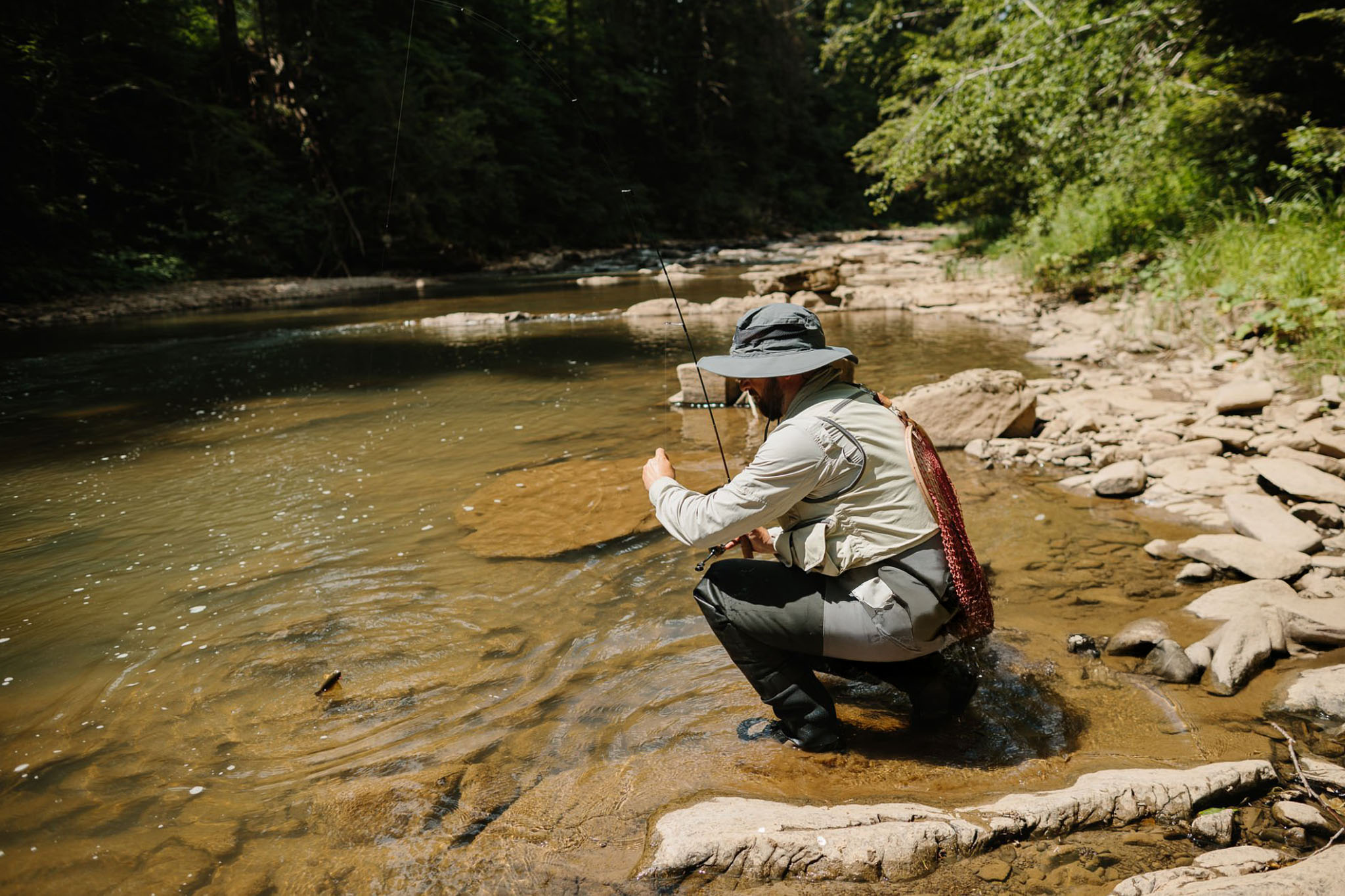
As the days grow shorter in late fall, anglers quickly notice a dramatic shift in fish behavior. The long, lazy feeding periods of summer give way to highly focused activity around dawn and dusk. These “twilight feeding frenzies” aren’t just a quirk—they’re an essential survival strategy for fish as water temperatures drop and energy demands increase. Understanding how short days affect fish activity and adjusting your tactics accordingly can make the difference between a frustrating outing and a successful late-season fishing trip.
Why Short Days Trigger Twilight Feeding
Fish are cold-blooded, meaning their metabolism is closely tied to water temperature. As autumn progresses:
- Metabolism slows: Fish expend less energy throughout the day, feeding only when necessary.
- Energy conservation: Fish minimize movement during the colder parts of the day and concentrate feeding to the periods when prey is most accessible.
- Predator-prey dynamics: Low-light periods offer fish safety from predators while still providing access to abundant prey like small baitfish and invertebrates.
This makes dawn and dusk the most productive windows for anglers during the late fall season.
Timing Your Angling Around Twilight
Twilight feeding periods are brief but intense. Here’s how to capitalize:
- Early morning: Just before and after sunrise, fish often venture from deeper water to shallow feeding zones. Watch for surface disturbances or baitfish activity.
- Late afternoon to dusk: As sunlight fades, fish become more active again, often moving into feeding areas near structure or along drop-offs.
- Seasonal adjustment: As days shorten, these windows become narrower, so planning your outing around these peaks is critical.
Anglers who arrive too late or leave too early risk missing the majority of fish activity.
Choosing the Right Lures for Twilight Frenzies
In these brief feeding windows, lure selection and presentation can make or break your trip:
- Topwater baits: Small poppers or walking baits mimic struggling prey in low-light conditions. Early or late in the day, subtle wakes can provoke strikes from cautious fish.
- Finesse soft plastics: Worms, crawfish, or small swimbaits presented slowly near the bottom or along edges match the lethargic movements of prey in colder water.
- Jigs and blade baits: Perfect for deeper water or vertical presentations, especially when fish hold near submerged structures or drop-offs.
- Natural colors: Browns, greens, and silver tones blend with the environment, appearing more realistic to wary fish.
Remember, in cold water, subtlety trumps speed—aggressive action often spooks fish during these sensitive feeding windows.
Reading the Water and Locating Fish
Twilight feeding frenzies often occur in predictable locations:
- Edges and drop-offs: Fish move from deep holding areas to ambush prey along contours.
- Structure and cover: Logs, rock piles, weed beds, and submerged points concentrate both predator and prey activity.
- Shallow flats near deeper water: These areas allow fish to access abundant food while still quickly retreating to safety.
Observing these key zones, combined with knowledge of local forage, increases your chances of landing fish during these critical periods.
Adjusting Technique for Limited Feeding Windows
Because twilight frenzies are brief, technique precision is essential:
- Steady presentation: Maintain lure in the strike zone longer, giving cold fish the opportunity to bite.
- Pauses and subtle twitches: Often, fish respond to slight movements rather than aggressive retrievals.
- Cover multiple depths: Fish may feed at varying depths depending on water temperature, current, and available forage.
Efficiency and careful observation allow you to maximize success during these short bursts of activity.
Environmental Factors That Influence Twilight Feeding
Several conditions can amplify or diminish twilight feeding frenzies:
- Barometric pressure: Falling pressure often triggers more aggressive feeding, while rising pressure may suppress it.
- Cloud cover: Overcast skies can extend feeding activity by slightly increasing perceived safety.
- Wind direction and speed: Light winds can push baitfish into accessible zones, creating concentrated feeding spots.
By factoring in these elements, you can identify the best opportunities to fish during short daylight periods.
Patience and Persistence
Even with the perfect lure and location, twilight feeding frenzies demand patience:
- Anticipate the window: Arrive early and set up before the sun rises or before dusk settles.
- Stay alert: Watch the water for subtle signs of fish activity.
- Be flexible: Adjust lure type, depth, or retrieve speed based on observed fish behavior.
These focused feeding periods reward anglers who remain attentive and adaptable.
Conclusion
Short days in late fall present a unique challenge: fish become selective and conserve energy, feeding only during narrow twilight windows. By understanding their behavior, timing your outings to coincide with dawn and dusk, selecting the right lures, and carefully reading the water, you can capitalize on these intense feeding frenzies.
Twilight is more than just a beautiful time on the water—it’s when fish are most motivated to feed. Anglers who recognize and respect this pattern can turn short bursts of action into productive late-season fishing trips, even as temperatures drop and daylight fades.