



As summer gives way to fall, trout behavior begins to shift dramatically. Cooler nights, shorter days, and the first hints of seasonal turnover in lakes all play a role in where trout position themselves and how they feed. For anglers who want consistent success in early autumn, understanding these patterns is the difference between empty casts and a full stringer. Trout are highly responsive to water temperature, oxygen levels, and food availability, which means their movement from creeks to main lakes is not random—it follows predictable seasonal rhythms.
Why Early Autumn is a Transition Period
In September and October, water temperatures drop from their summer highs, which reopens habitats that were too warm just weeks earlier. Oxygen levels stabilize as stratified lakes begin to mix, and trout spread out in search of cooler, food-rich zones. Whether you’re fishing small streams, mid-sized reservoirs, or expansive lakes, trout movements in early autumn follow similar principles: they’re chasing comfort, oxygen, and food.
Creeks and Tributaries: The First Stop
1. Cooler Inflows Attract Trout
During warm late-summer days, creeks often provide cooler inflows into reservoirs and rivers. Trout gather at these mouths, using them as staging areas for both temperature relief and access to drifting insects.
2. Forage Opportunities
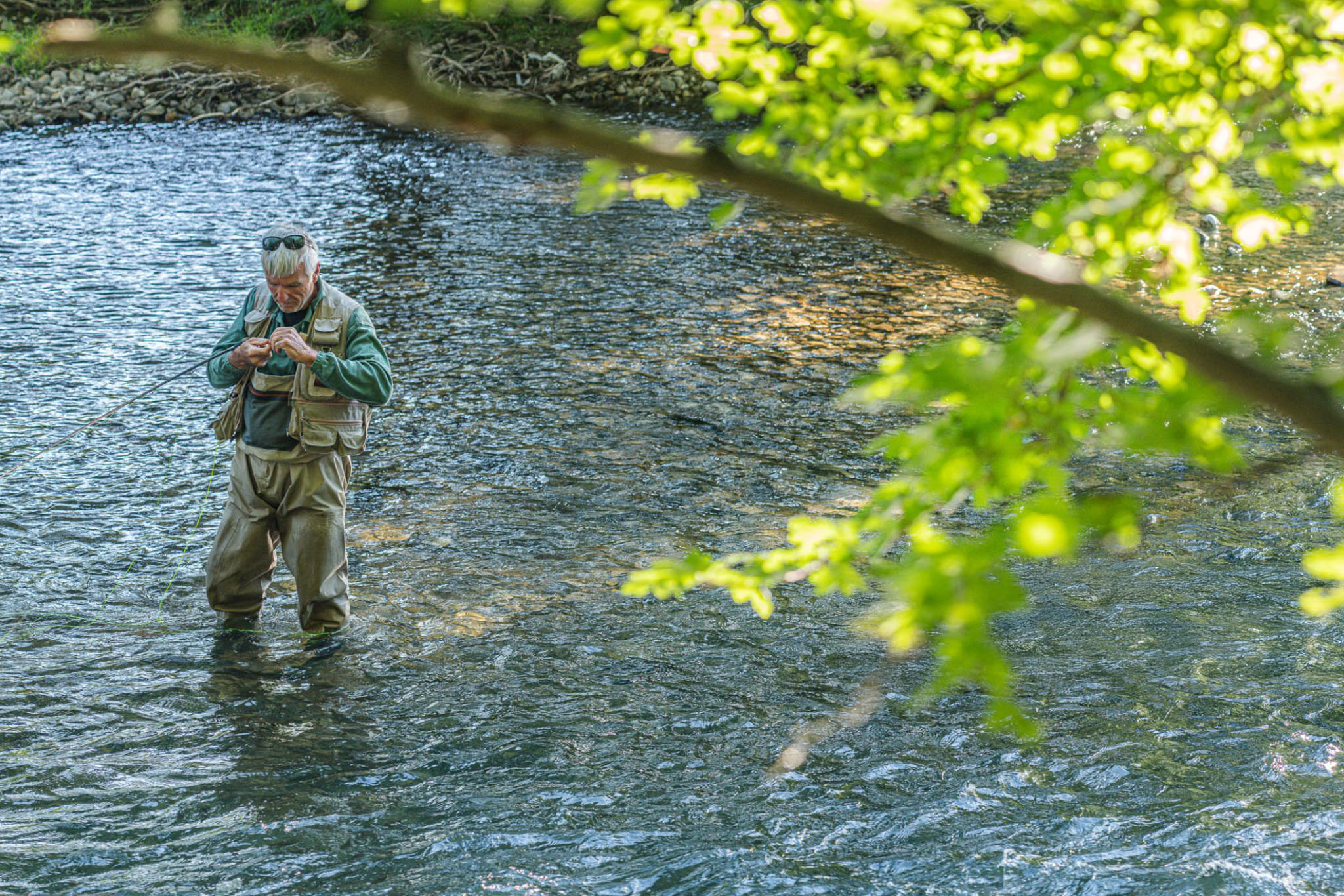
Creeks carry aquatic insects, terrestrial bugs, and even dislodged baitfish downstream. Trout feed actively in these zones, particularly in riffles and pocket water.
3. Prime Early-Autumn Fly Choices
- Terrestrials (ants, beetles, hoppers) still get strikes during sunny afternoons.
- Nymphs and emergers work well in moving water when trout hold deeper.
- Small streamers imitate baitfish that flush from tributaries during higher flows.
Transition to Main Rivers and Lakes
By mid-autumn, trout begin spreading back into larger bodies of water. This move is driven not only by comfort but also by the seasonal abundance of baitfish and invertebrates.
1. River Pools and Runs
In tailwaters and freestone rivers, trout favor deeper pools with oxygenated current. These spots provide cover while still keeping food drifting past.
2. Reservoir Edges and Points
As lakes cool, trout that spent summer deep begin moving toward shallower zones, particularly windblown points where baitfish concentrate.
3. Baitfish Bonanza
Early autumn coincides with schools of young shad, alewives, and other forage species moving shallow. Trout gorge on these protein-rich meals, making baitfish imitations highly effective.
Main Lake Habits: Where to Find Trout as Fall Advances
When water temperatures drop into the 50s, main lakes offer prime opportunities for trout fishing.
- Shoreline Drop-offs: Trout patrol just off the edge, using depth changes as ambush points.
- Rocky Shoals: These areas attract both baitfish and insect activity.
- Thermocline Breakdowns: As turnover occurs, trout no longer stay locked to deep thermocline zones. They roam more freely throughout the water column.
Best Lures and Flies for Early Autumn Trout
- Streamers: Woolly buggers, sculpin patterns, and small baitfish imitators are deadly in both creeks and lakes.
- Crankbaits and Spoons: Hard baits that mimic baitfish excel in larger lakes where trout feed aggressively.
- Nymphs: Pheasant tails, hare’s ears, and stonefly imitations are reliable in creeks and rivers.
- Topwater Flies: In warm afternoons, grasshopper and beetle patterns can still tempt big strikes.
Tactics to Stay Ahead of Trout
- Follow the Temperature Curve: In early autumn, trout often feed shallow in the morning and move deeper by midday.
- Target Windward Shores: In lakes, wind concentrates baitfish and draws trout into reachable areas.
- Match the Hatch, but Upsize: Trout preparing for winter will take bigger meals—don’t hesitate to throw slightly larger streamers or lures.
- Stay Mobile: If trout aren’t in creeks, check points, shoals, and drop-offs in the main lake. Seasonal transitions require adaptability.
Final Thoughts
Early autumn trout fishing is all about transition. From creek mouths to rocky main-lake points, trout are on the move, feeding heavily to prepare for colder months ahead. Anglers who understand these seasonal shifts—cooler inflows, baitfish migrations, and turnover patterns—gain a serious advantage. By adapting your approach and targeting the right locations at the right times, you’ll not only find where trout hide but also unlock some of the most rewarding fishing of the year.
So next time you head out in early fall, don’t limit yourself to just one spot. Start in the creeks, follow the forage to the main lake, and stay tuned to the conditions. The trout are there—you just need to meet them where the season guides them.