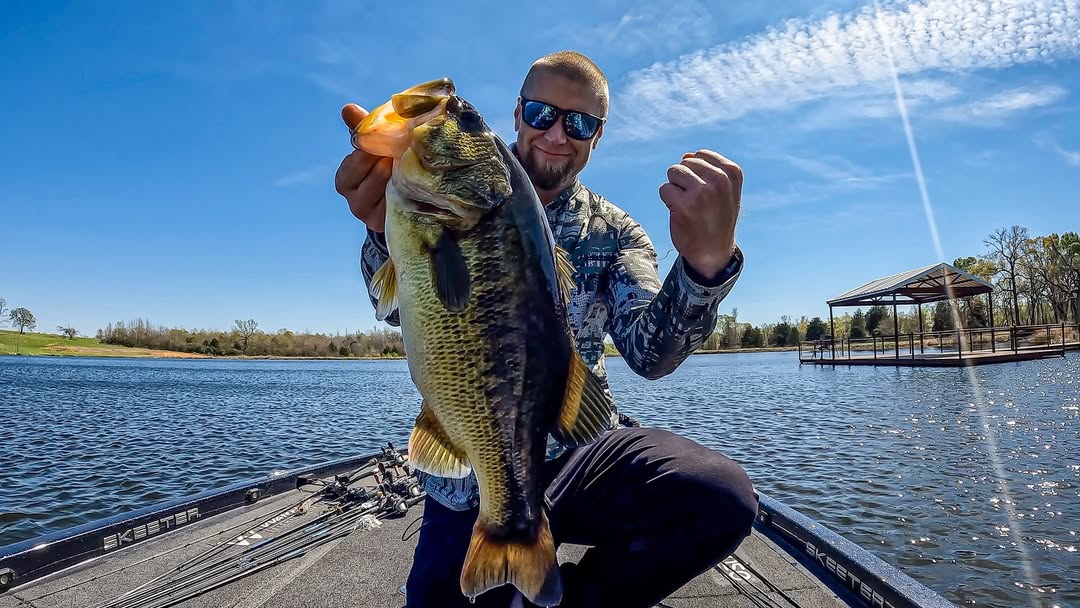

By the time August rolls around, the water in most lakes and reservoirs has been baking for weeks under relentless sun. Surface temps can climb well into the 80s, oxygen levels shift, and big bass aren’t chasing every bait that swims by. They get selective. They get strategic. And if you want to put a trophy in the boat when it feels like bathwater, you’ll need to fish smart — not just hard.
Understand Their Summer Mindset
In warm-water conditions, a bass’s metabolism is at full throttle, but so is its need to conserve energy. Instead of cruising open flats, they’ll stick close to structure that offers both shade and ambush points. This can be:
- Deep weed edges where cooler water meets healthy vegetation.
- Dock shadows during the midday sun.
- Current seams in reservoirs or river-fed lakes where oxygen is richer.
- Steep drop-offs that give them quick access to different temperature zones.
Big bass don’t like to waste energy — so they’ll position themselves where food comes to them.
Target the Coolest Water You Can Find
Late-summer fishing success often hinges on finding a few degrees difference in water temperature. You can locate these cooler zones by:
- Scanning with electronics for thermocline breaks — often around 15–25 feet in deeper lakes.
- Fishing shaded banks in the afternoon, especially those facing east.
- Working near springs or feeder creeks, which bring in cooler, oxygen-rich water.
In shallow lakes, look for isolated patches of hydrilla or milfoil — they generate oxygen and hold baitfish even when the rest of the lake feels stagnant.
Match the Mood with the Right Presentation
When water’s hot, bass are more likely to hit baits that mimic easy prey. Your goal is to make the strike feel like a low-risk, high-reward decision for the fish.
Best late-summer big bass presentations:
- Slow-rolled swimbaits along weed edges — mimic an injured shad or bluegill.
- Texas-rigged creature baits — let them soak in the strike zone longer.
- Jigs with bulky trailers — great for punching through heavy summer mats.
- Walking topwater lures at dawn or dusk — explosive bites when shadows are long.
If you’re fishing deep, try a Carolina rig or football jig — the slower pace gives lethargic bass time to commit.
Time Your Hunts
Late-summer bass are far more predictable if you fish during feeding windows rather than grinding all day. Your best odds are:
- Early morning: Before the sun hits high, when baitfish are active in shallows.
- Late evening: As light fades, shadows extend, and temperatures drop slightly.
- Pre-storm conditions: The falling barometer can trigger aggressive feeding.
Midday can still produce — but that’s when you need to probe deeper, cooler water or flip heavy cover right in their face.
Play the Oxygen Game
Warm water holds less oxygen, and low oxygen levels make bass sluggish. Wind-blown points, areas near moving water, and healthy vegetation are late-summer oxygen hotspots. If you see baitfish flicking in these areas, bass won’t be far behind.
Stay Stealthy
In late summer’s clear water and bright light, big bass are easily spooked. That means:
- Use longer fluorocarbon leaders for finesse tactics.
- Position your boat farther from the target and make longer casts.
- Approach high-pressure areas quietly — trolling motors on low, no hull slap.
The quieter you are, the more confident those fish will be.
Final Thought
Late summer doesn’t have to be the “dog days” for your bass fishing. With a little attention to water temperature, oxygen levels, and feeding windows, you can put yourself in the right place at the right time with the right bait. Fish where the big bass want to be — and when they’re ready to eat — and you’ll turn a sweltering August afternoon into a memory-making trophy moment.