


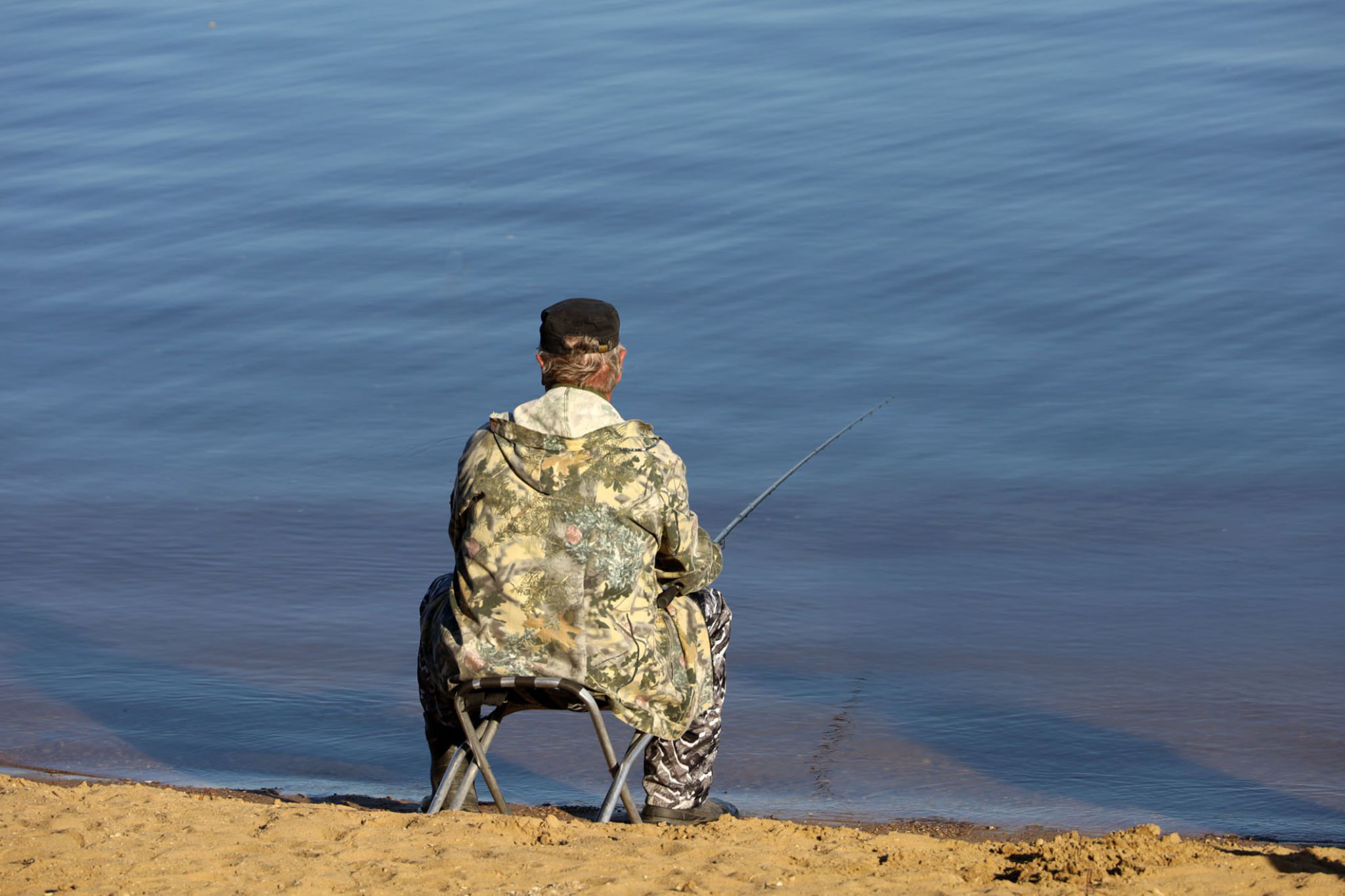
When late summer turns the heat up, many anglers pack it in until cooler weather returns. But if you’re after speckled trout—also known as spotted seatrout—this time of year offers a golden opportunity. While open bays and deep channels may slow down, backwaters come alive with subtle feeding windows and consistent patterns for those willing to adapt.
Fishing for speckled trout in August isn’t about blind casting or hoping for a bite. It’s about understanding how these fish move in response to heat, salinity shifts, and bait migrations. With the right strategy, you can find quality trout cruising skinny water and holding tight to shaded structure, even when the thermometer reads 90°.
Why Backwaters in Late Summer?
By late August, water temperatures in open bays often climb into the high 80s. Speckled trout, like most inshore predators, avoid those sweltering temps by pushing into shaded creeks, grassy shorelines, and deeper tidal ditches in marshy backwater systems. These areas often hold:
- Cooler water from tidal movement
- Oxygen-rich zones
- Concentrated baitfish like finger mullet, glass minnows, and shrimp
Backwaters also experience less boat traffic and angling pressure, giving trout a reason to settle in and feed more consistently.
Where to Look: Finding Trout in the Marsh Maze
Not all backwater zones are created equal. Focus your efforts on areas that offer ambush points, food supply, and a place to duck out of the sun.
Prime Trout-Holding Spots in Late Summer:
- Oyster Beds – These provide structure, bait, and current breaks.
- Deep Bends in Creeks – Trout sit just out of the current to pick off food.
- Grass Edges at High Tide – Mullet and shrimp get flushed in, and trout follow.
- Shaded Overhangs and Cut Banks – Especially in mid-day heat.
- Feeder Creek Mouths – Where smaller creeks empty into larger tidal systems; trout wait here on outgoing tide.
If you’re fishing a new area, start with topographic maps or satellite imagery. Look for places where creeks narrow, bends tighten, or marsh guts flow—these are natural fish funnels.
Timing Is Key: When Trout Feed Best
Late summer trout are picky about timing. Water temps and tidal movement play a huge role in their willingness to strike.
- Best Time to Fish:
- Early mornings (before 9 a.m.) when water is coolest.
- Evenings (after 6 p.m.) as shadows lengthen and bait gets active again.
- Strong tidal movement—focus on the first two hours of a falling tide when bait flushes out of the marsh.
Avoid fishing high sun, slack-tide periods unless you’re targeting deep bends or shaded holes.
Top Tactics and Presentations
When targeting trout in shallow backwaters, finesse and accuracy often beat brute force. You’re not bombing casts across open water—you’re picking apart pockets and banks.
Best Lures and Baits:
- Topwater Plugs (early morning):
- Examples: Heddon Super Spook Jr., Rapala Skitter Walk
- Fish these over grass flats or near oyster points for explosive strikes.
- Soft Plastics on Light Jigheads (1/8 to 1/4 oz):
- Colors: New Penny, Chartreuse, Electric Chicken
- Work them slowly near bottom or just off oyster bars.
- Suspending Twitchbaits:
- Examples: MirrOdine, LiveTarget Sardine
- Perfect for deeper holes where trout suspend.
- Live Shrimp Under a Popping Cork:
- A killer combo in backwaters with current and visible bait.
Use lighter line (10–15 lb braid with 12–20 lb fluorocarbon leader) and scale down your presentation if trout seem finicky. Long casts and quiet approaches are critical in the skinny stuff.
Boat, Kayak, or Wade? All Have Their Place
- Kayaks: Ideal for stealth and maneuvering through tight creeks.
- Skiffs or Jon Boats: Great for covering ground, especially with a trolling motor or push pole.
- Wading: A smart move if the area is too shallow to float; also allows pinpoint casts into ultra-shallow zones without spooking fish.
No matter your method, avoid loud slamming hatches or dropped gear—late summer trout can be spooky in backwaters.
Bonus Tips to Maximize Your Late Summer Bite
- Watch for birds – If you see egrets or herons stalking the shore, chances are bait is close by and predators are lurking.
- Smell the water – A slightly fishy or shrimp-like odor can be a clue that bait is thick.
- Match the hatch – If glass minnows are everywhere, downsize to a 2-inch paddle tail or throw a small jerkbait.
Final Cast
Late summer may not feel like prime trout time, but that’s exactly why it’s so productive—for those in the know. The backwater marshes and creeks offer cooler water, low-pressure conditions, and bait-packed ambush zones that specks can’t resist. You just have to go a little farther, get a little quieter, and fish a little smarter.
So, grab a few topwaters, a handful of plastics, and your light tackle setup, and hit the marsh early. Because once the sun breaks the treeline and the bait starts flipping, backwater trout are ready to play.