



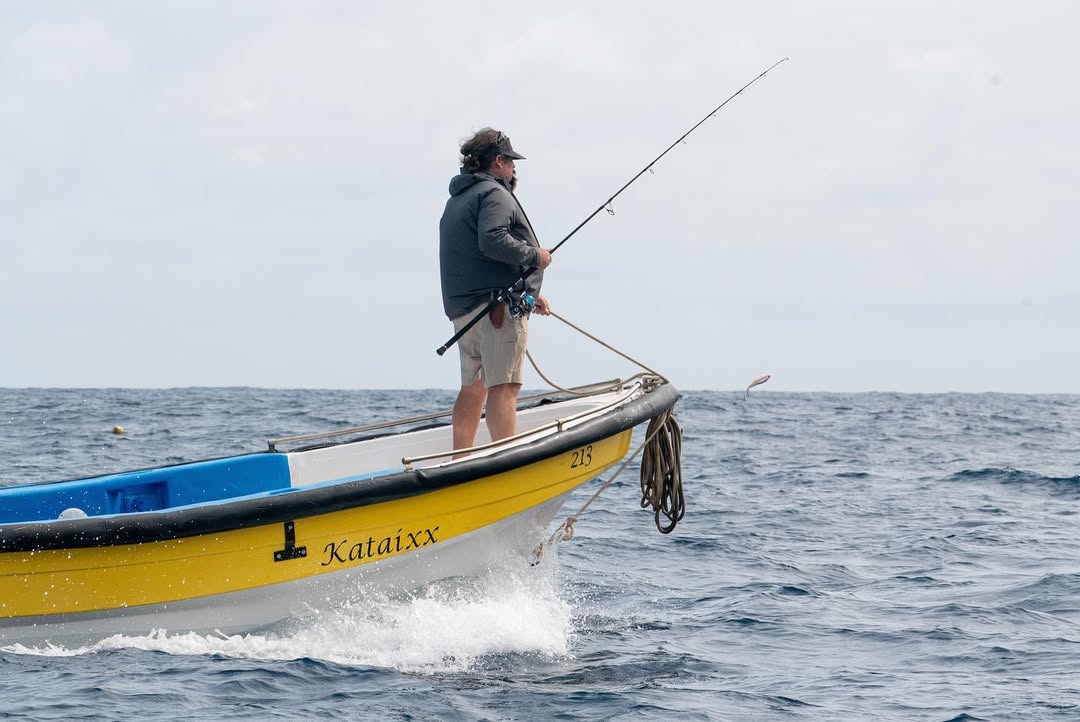
Late summer is one of the most misunderstood periods in freshwater fishing.
Many anglers expect conditions to follow familiar summer logic:
- Fish stay deeper
- Early morning and evening are best
- Heat slows everything down
While some of that is true, it doesn’t explain what’s actually happening on the water right now.
Late summer bite changes are not just about temperature—they’re about shifting behavior, unstable patterns, and shortened feeding decisions.
If your results feel inconsistent lately, it’s likely because you’re still applying “stable summer thinking” to a transitional system.
1. Bite Changes Are Driven by Behavior, Not Just Temperature
Most anglers blame slow fishing on heat alone.
But in late summer:
- Water temperature changes more gradually than behavior
- Fish respond faster to environmental pressure than to raw temperature shifts
What actually changes first is:
- Feeding confidence
- Movement timing
- Positioning strategy
Fish behavior shifts before water conditions feel dramatically different.
2. Feeding Windows Get Shorter—but More Intense
One of the biggest misunderstandings is assuming bites simply “slow down.”
In reality:
- Fish still feed actively
- But for shorter periods
- With more concentrated bursts of activity
You may experience:
- 15–45 minute feeding windows
- Sudden spikes in action
- Long periods of inactivity between them
It’s not less feeding—it’s more compressed feeding.
3. Fish Become More Selective Without Becoming Less Active
Late summer fish often:
- Show more interest in lures
- Follow more frequently
- React to more presentations
But at the same time:
- They reject more subtly
- They hesitate before committing
- They strike less aggressively
This creates confusion:
- “They’re everywhere, but not biting well”
Activity increases while commitment decreases.
4. Depth Isn’t Fixed—It Becomes Dynamic
A common mistake is assuming fish lock into one depth zone.
In late summer:
- Fish move vertically more often
- Depth preference changes throughout the day
- Structure is used differently depending on light and pressure
You might see:
- Fish shallow in low light
- Fish suspended midday
- Fish tight to cover under pressure
Depth becomes a moving target, not a fixed rule.
5. Baitfish Behavior Drives Everything
Predator fish are only as predictable as their food source.
Late summer changes baitfish behavior:
- Schools spread out more
- Movement becomes less coordinated
- Depth ranges widen
This leads to:
- Less predictable predator positioning
- Shorter feeding opportunities
- More scattered bite locations
If baitfish are unstable, predator fish become unpredictable.
6. Water Clarity and Light Conditions Matter More Than You Think
Even small changes in visibility can alter bite behavior:
- Clear water = more cautious fish
- Stained water = more reaction strikes
- Changing sunlight = shifting feeding zones
Fish adjust quickly to:
- Shadows
- Reflection angles
- Light penetration depth
The same lure can perform completely differently under subtle visibility changes.
7. Pressure Makes Fish “Conditionally Active”
Fishing pressure doesn’t always reduce activity—it changes how fish respond.
In pressured waters:
- Fish still feed
- But avoid predictable timing
- Use more secure cover
- Limit exposure in open water
This creates:
- More ghost-like behavior
- Fewer visible patterns
- Increased “almost bites”
Fish are active—but only under the right conditions.
8. Why Your Old Summer Patterns Stop Working
Earlier in summer:
- Patterns are stable
- Fish behavior repeats
- Successful spots stay productive
Now:
- Patterns shift daily
- Locations rotate slightly
- Timing becomes inconsistent
What used to work:
- Still works occasionally
- But not reliably
The system hasn’t stopped working—it has stopped repeating.
9. The Real Reason Fishing Feels Inconsistent
Most anglers interpret inconsistency as:
- “Fish aren’t biting”
But the real issue is:
Fish are biting differently than expected.
This includes:
- Short strikes instead of full commits
- Activity bursts instead of steady feeding
- Relocation instead of pattern repetition
You’re not missing fish—you’re missing the timing and conditions of the bite.
10. How to Adapt to Late Summer Bite Changes
1. Focus on Bite Windows, Not All-Day Fishing
- Identify short feeding periods
- Fish harder during peak windows
2. Track Daily Behavior Instead of Historical Patterns
- Yesterday matters more than last week
- Conditions reset faster than expected
3. Adjust Depth Throughout the Day
- Don’t lock into one zone
- Test shallow, mid, and deep ranges
4. Match Presentation to Fish Mood
- Slow down during cautious periods
- Speed up during active bursts
5. Watch Baitfish First
- Predator behavior follows forage movement
- Find bait, find opportunity
11. The Key Insight Most Anglers Miss
The biggest misconception is this:
“Late summer fishing is just slower summer fishing.”
But in reality:
Late summer is a transition phase where fish behavior becomes more dynamic, not less active—but less predictable.
That distinction changes everything.
Conclusion
What most anglers don’t understand about late summer bite changes is that:
- Fish are still active
- But feeding is compressed
- Patterns are unstable
- Depth and timing constantly shift
- Commitment is lower even when interest is high
Success during this period doesn’t come from fishing harder—it comes from fishing smarter:
- Shorten your focus windows
- Follow real-time conditions
- Adapt to daily changes
- Prioritize timing over tradition
Because in late summer fishing:
The fish haven’t disappeared—they’ve just changed how, when, and why they bite. 🎣🔥