

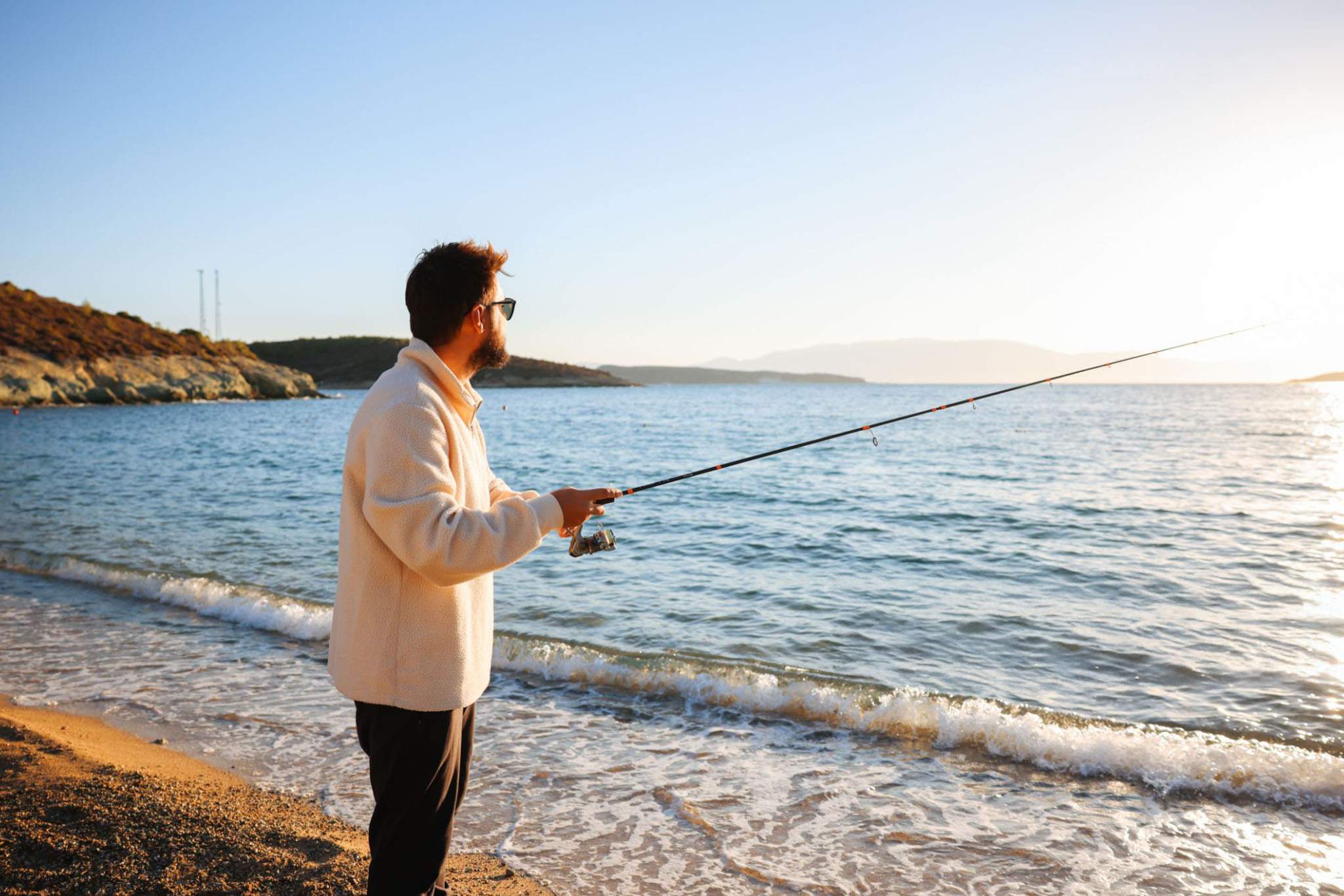
Summer fishing has a way of testing even experienced anglers.
You find fish on sonar. You see them hold near structure. Sometimes they even follow your lure. But when it matters most—they simply refuse to commit.
They’re not gone. They’re not inactive. They’re just extremely selective.
Under summer conditions, triggering strikes becomes less about finding fish and more about convincing them to react.
Here’s how to understand this behavior—and how to consistently turn “no-bite” fish into hookups.
1. Why Fish Refuse to Commit in Summer
When water temperatures rise, fish behavior shifts dramatically:
- Metabolism becomes less efficient under heat stress
- Oxygen levels fluctuate in deeper and shallower zones
- Energy conservation becomes a priority
As a result, fish move into a risk-reduction mode:
- They avoid unnecessary chases
- They inspect before reacting
- They reject anything that feels unnatural
In summer, fish don’t stop feeding—they just stop wasting energy.
2. The “Follow But Don’t Bite” Behavior Explained
One of the most frustrating summer patterns is when fish:
- Track your lure
- Close distance
- Turn away at the last second
This usually means:
- The fish is interested
- But not convinced
Common causes include:
- Too much speed in retrieval
- Unnatural lure movement
- Incorrect depth alignment
- Excessive vibration or flash
Interest is there—but trust is missing.
3. Reaction Windows Shrink in Warm Water
In cooler conditions, fish may strike from a distance.
In summer heat, the reaction zone becomes extremely small.
This means:
- Fish need to be much closer to commit
- Presentation errors become more obvious
- Strike decisions happen in seconds—or not at all
Even a slight mistake in:
- Speed
- Angle
- Depth
…can eliminate the strike entirely.
4. Why Speed Kills Your Bite Rate
One of the most common mistakes in summer fishing is over-speeding your presentation.
Fast retrieves:
- Push lures out of the strike zone too quickly
- Trigger curiosity, not commitment
- Fail to match low-energy fish behavior
In warm water:
Slower is not optional—it’s essential.
Fish don’t want to chase. They want opportunity to appear in front of them.
5. Precision Beats Aggression Every Time
Under summer conditions, covering water aggressively often leads to fewer bites.
Instead, success comes from:
- Targeting specific structure points
- Repeating casts to the same zone
- Adjusting presentation by inches, not feet
Fish are no longer roaming widely—they are:
- Holding tight
- Waiting for the right moment
- Reacting only within small comfort zones
Precision fishing consistently outperforms power fishing in summer.
6. Depth Control Is the Difference Maker
Fish position themselves within very narrow depth ranges in warm water:
- Too shallow → heat and light stress
- Too deep → low oxygen zones
- Just right → comfort and stability
Missing this zone means:
- Fish may see your lure
- But never commit to it
Small adjustments matter:
- One or two feet can change everything
- Vertical positioning is often more important than horizontal distance
Depth accuracy is a silent factor behind most missed strikes.
7. Why Natural Movement Triggers More Strikes
In summer, fish become highly sensitive to unnatural behavior.
Overly aggressive action can signal:
- Danger
- Unfamiliar prey
- High energy cost with low reward
More effective approaches include:
- Subtle pauses
- Soft gliding action
- Minimal vibration
- Natural fall rates
The more realistic your presentation, the less resistance fish show.
8. The Power of Pause and Delay
One of the most overlooked strike triggers is time delay.
In warm water:
- Fish often need extra seconds to decide
- Immediate retrieves reduce commitment
- Pauses create decision windows
A pause does three things:
- Lets fish approach fully
- Reduces perceived threat
- Mimics injured or dying prey
In summer, hesitation from your lure creates confidence in the fish.
9. Targeting Low-Energy Fish Correctly
Not all fish behave the same in summer heat.
Low-energy fish:
- Hold tighter to cover
- Move less frequently
- Require closer presentations
To trigger strikes:
- Bring the lure directly into their holding zone
- Avoid forcing movement from them
- Make the bait do the work, not the fish
You are not calling fish in—you are placing opportunity in front of them.
10. Environmental Timing Still Matters
Even when fish are reluctant, timing can dramatically change behavior:
Best windows include:
- Early morning low light
- Evening cooling periods
- Sudden cloud cover or wind shifts
These moments:
- Reduce pressure
- Increase comfort
- Expand strike willingness briefly
The right presentation at the wrong time still fails.
11. The Key Insight Most Anglers Miss
Many anglers think:
“If fish won’t bite, they aren’t active.”
But in summer conditions:
- Fish are active—but selective
- Interested—but cautious
- Present—but constrained by environment
Success comes from understanding that:
You are not dealing with inactivity—you are dealing with hesitation.
Conclusion
Triggering strikes from non-committal fish in summer is not about more effort—it’s about smarter execution.
When fish refuse to bite, the solution is rarely:
- Faster movement
- Bigger lures
- More aggressive tactics
Instead, success comes from:
- Slowing down
- Tightening precision
- Matching depth and behavior
- Creating natural opportunity windows
Because in summer fishing:
The difference between a follow and a strike is often just timing, subtlety, and control. 🎣🔥