

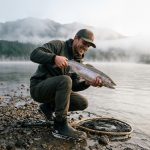
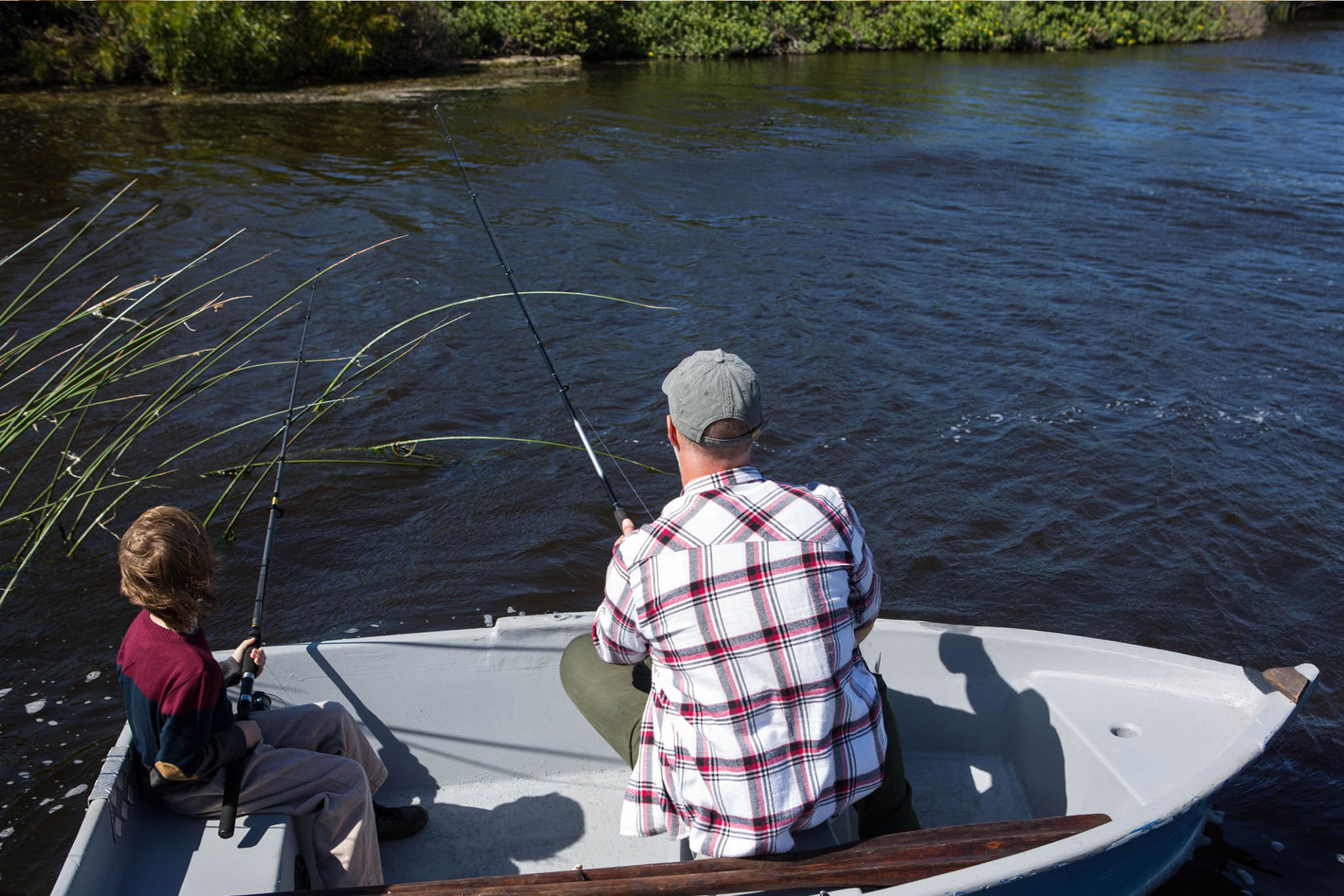
As summer fades and the first crisp mornings of fall settle in, panfish like bluegill, crappie, and perch begin to change their feeding patterns. For anglers, this seasonal shift offers a golden window of opportunity to catch numbers of fish before winter slows the action. Early fall is about adapting your tactics to match panfish behavior as they move from summer haunts to autumn feeding grounds. With the right approach, you can fill your cooler and stock up on some of the tastiest fillets freshwater has to offer.
Why Early Fall Is Prime Time for Panfish
- Cooling Water Temperatures – As lakes and ponds lose their summer heat, panfish leave deeper, oxygen-rich water and head toward the shallows.
- Baitfish Movements – Minnows and young-of-year forage gather near vegetation and structure, pulling panfish with them.
- Pre-Winter Feeding – Much like predator fish, panfish bulk up in early fall to prepare for colder months, making them more aggressive and less selective.
Finding Panfish in Early Fall
1. Weed Edges and Remaining Green Vegetation
Early in the season, look for panfish along the last patches of green weeds. Healthy vegetation holds oxygen and attracts baitfish, which in turn draws crappie and bluegill.
2. Shallow Flats in the Afternoon
On sunny days, shallow flats warm quicker than deeper water. Schools of perch and bluegill will often move in to feed heavily on invertebrates and minnows.
3. Bridge Pilings, Docks, and Brush Piles
Hard structures act as magnets for fall panfish. Crappie especially stack up around vertical cover like pilings and submerged timber.
Best Baits and Presentations
1. Live Bait Still Wins
- Waxworms, crickets, and nightcrawlers remain top producers.
- For crappie, small minnows fished under a slip bobber excel in early fall.
2. Micro Jigs and Soft Plastics
- Tiny jigheads tipped with plastic grubs or tubes mimic young baitfish.
- Bright colors like chartreuse, pink, and white can trigger bites in stained water.
3. Float Rigs for Precision
Using a slip float allows you to present bait right above submerged weeds or brush piles. This keeps your offering in the strike zone longer.
Timing Your Trips
- Early Morning – Calm, cool mornings are perfect for finding panfish in shallow water.
- Midday – When the sun is higher, look for shade near docks or deeper brush.
- Late Afternoon – As water warms again, panfish return to the shallows and feed aggressively before nightfall.
Gear for Success
- Ultralight Spinning Rod – A 6- to 7-foot ultralight rod offers sensitivity for subtle bites.
- 2–6 lb Line – Light monofilament or fluorocarbon allows for natural bait presentation.
- Portable Fish Finder – In larger lakes, electronics can help locate schools of crappie and perch quickly.
Handling and Harvest Tips
- Keep Fish Fresh – Use a livewell, fish basket, or put them on ice immediately.
- Size Limits Matter – Follow local regulations to avoid overharvest.
- Selective Harvesting – Keep mid-sized fish for the frying pan and release larger breeders to ensure strong future populations.
Final Thoughts
Early fall is one of the most reliable times of year for panfish anglers. With fish feeding heavily before winter, a well-prepared trip can mean coolers full of bluegill, crappie, and perch in just a few hours. Focus on weed edges, shallow flats, and structure, use light gear and small baits, and you’ll find consistent success. Whether you’re looking to stock the freezer or just enjoy steady action on the water, autumn panfishing is a season you won’t want to miss.