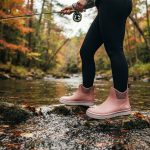
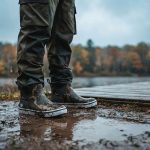
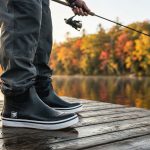
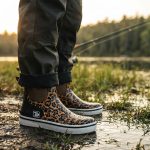
California halibut fishing combines drifting, live bait, cool Pacific water, wet boat decks, long periods of standing, and sudden heavy fish fights.
These flatfish may be targeted around:
- Bays
- Harbors
- Sandy bottom
- Channel edges
- Coastal flats
- Nearshore structure
- Estuaries
Anglers may fish from private boats, charter boats, skiffs, kayaks, piers, and shorelines.
For boat-based anglers, the fishing environment frequently includes:
- Live bait water
- Saltwater spray
- Wet fiberglass
- Fish slime
- Rain
- Cooler drainage
- Muddy ramps
- Morning marine-layer moisture
- Boat washdowns
California halibut fishing may appear relatively calm while anglers drift bait near the bottom.
Then the rod loads up.
A strong fish may make a sudden run, change direction beneath the boat, or force the angler to move around the cockpit while maintaining line tension.
The best deck boots for California halibut fishing should keep your feet dry, provide stable footing on wet marine surfaces, remain comfortable during long drifting sessions, and clean easily after exposure to bait, saltwater, fish slime, and mud.
For most recreational boat anglers, lightweight waterproof ankle or mid-height deck boots provide an excellent balance of water protection, mobility, and all-day comfort.
This guide explains what to look for in California halibut fishing footwear, why drifting creates different comfort demands than active casting, and how live bait, Pacific weather, slippery decks, and coastal launches should affect your footwear choice.
Why California Halibut Fishing Is Hard on Footwear
Halibut fishing exposes your feet to several different environments during the same trip.
You may start at a wet marina or muddy launch, spend hours on a damp boat, and finish the day handling bait, fish, and washdown water.
Your footwear may encounter:
- Saltwater
- Livewell water
- Baitfish scales
- Fish slime
- Mud
- Rain
- Ice melt
- Deck washdowns
Ordinary sneakers can absorb these materials quickly.
Waterproof deck boots keep most external moisture away from your socks.
Why Deck Boots Work Well for California Halibut Fishing
Deck boots provide several advantages:
- Waterproof construction
- Closed-toe coverage
- Easy-clean exterior
- Wet-deck traction
- Comfortable standing support
- Quick pull-on convenience
They work particularly well on:
- Bay boats
- Center consoles
- Skiffs
- Charter boats
- Private fishing vessels
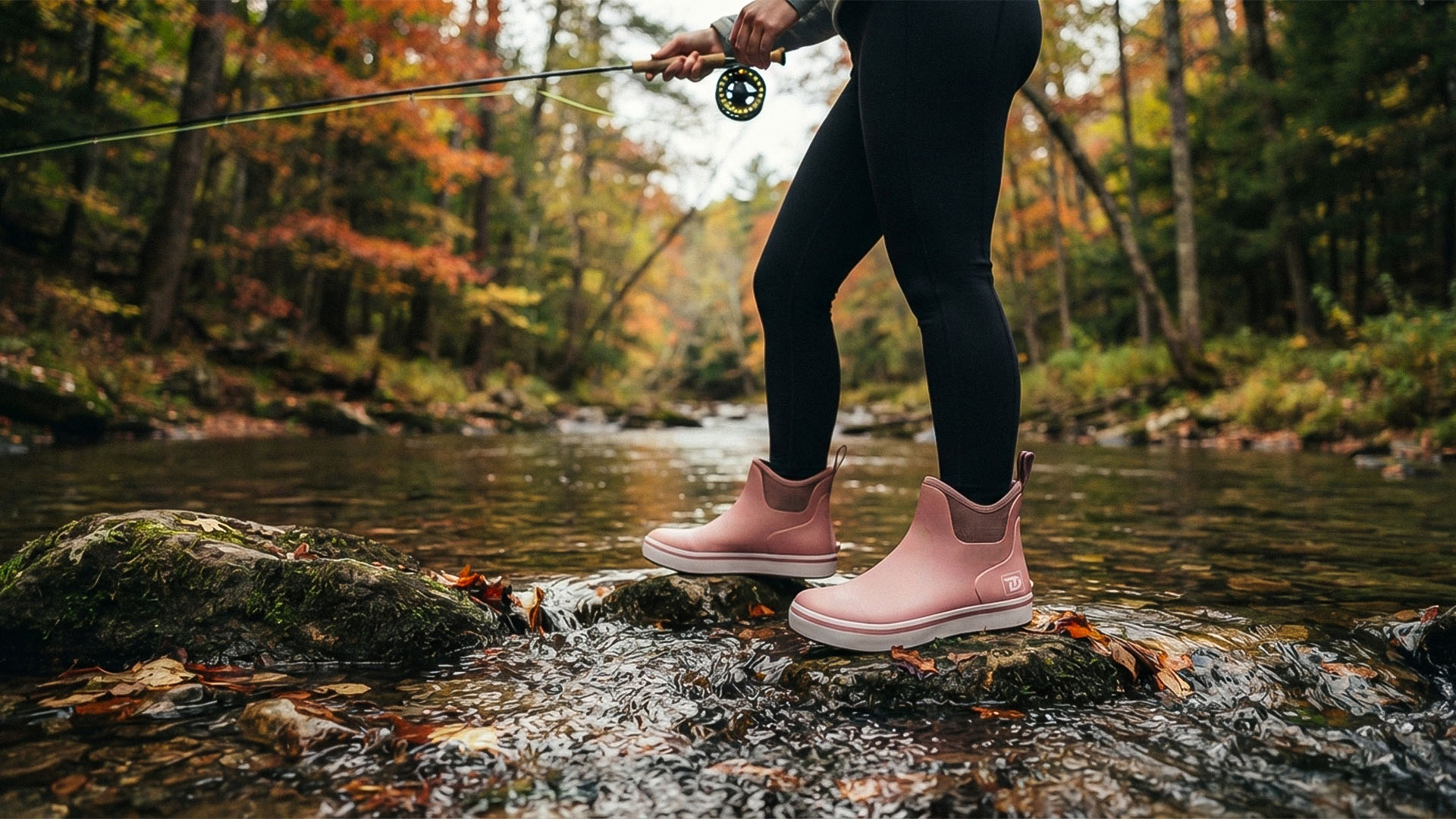
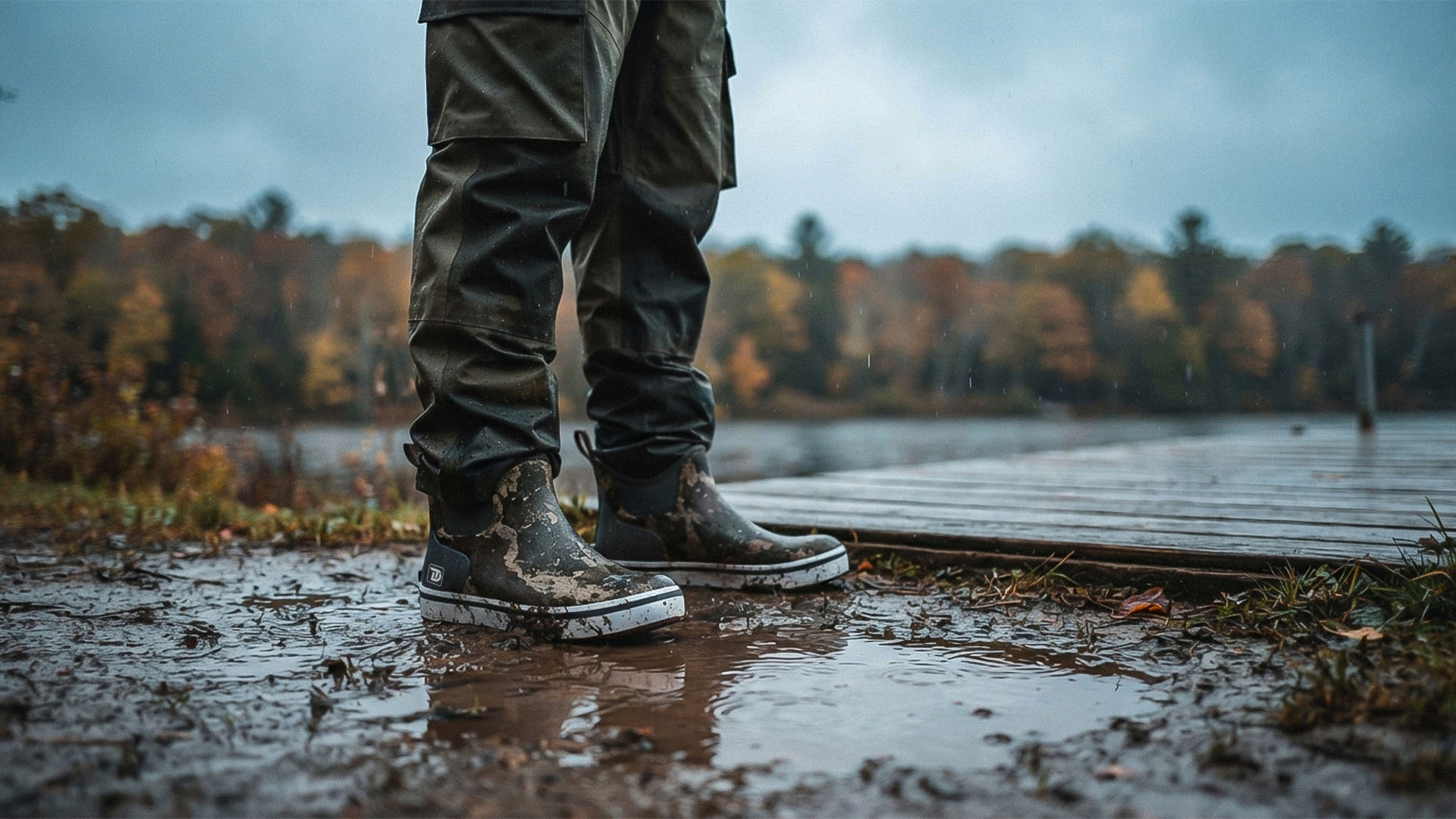
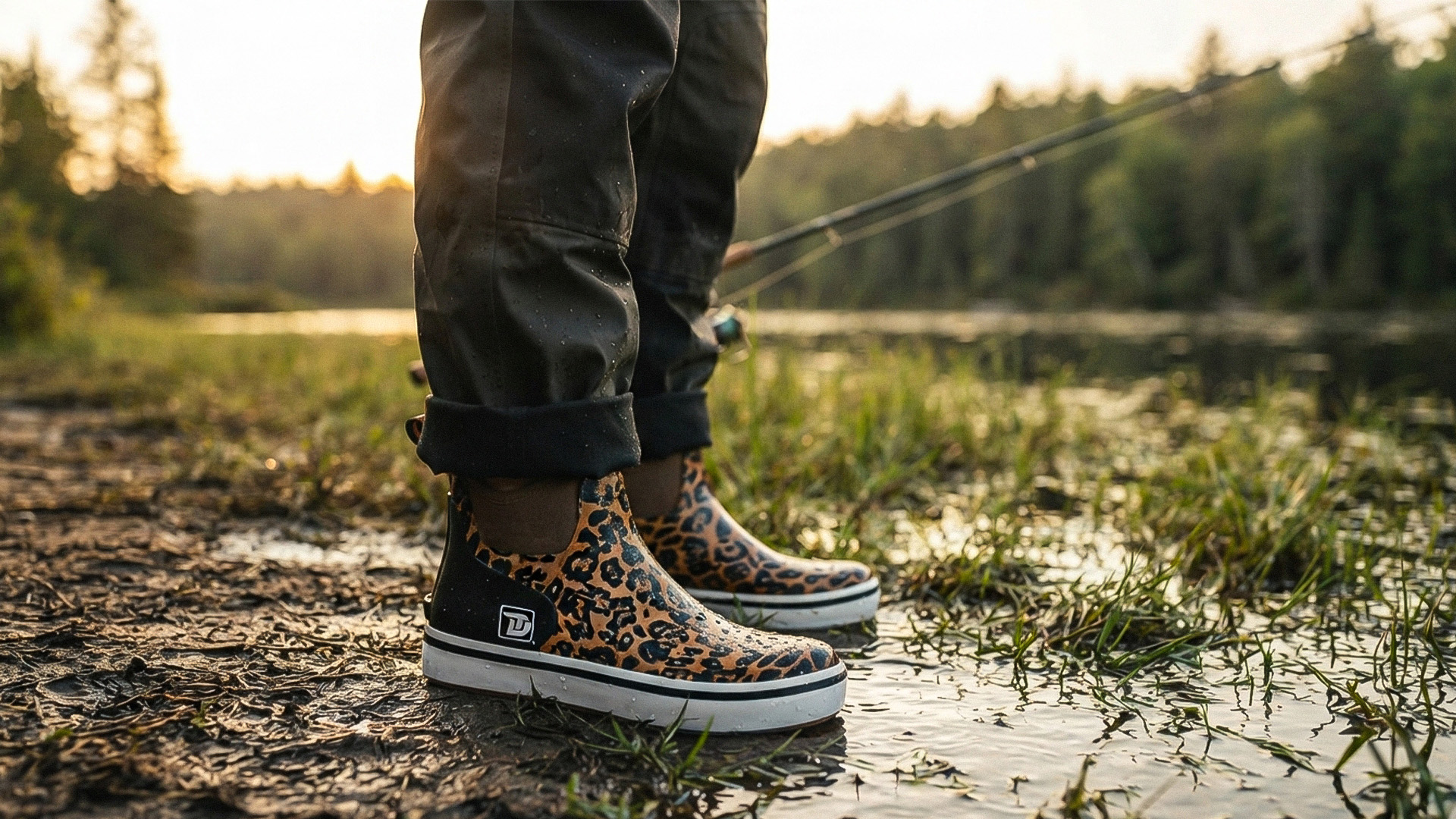
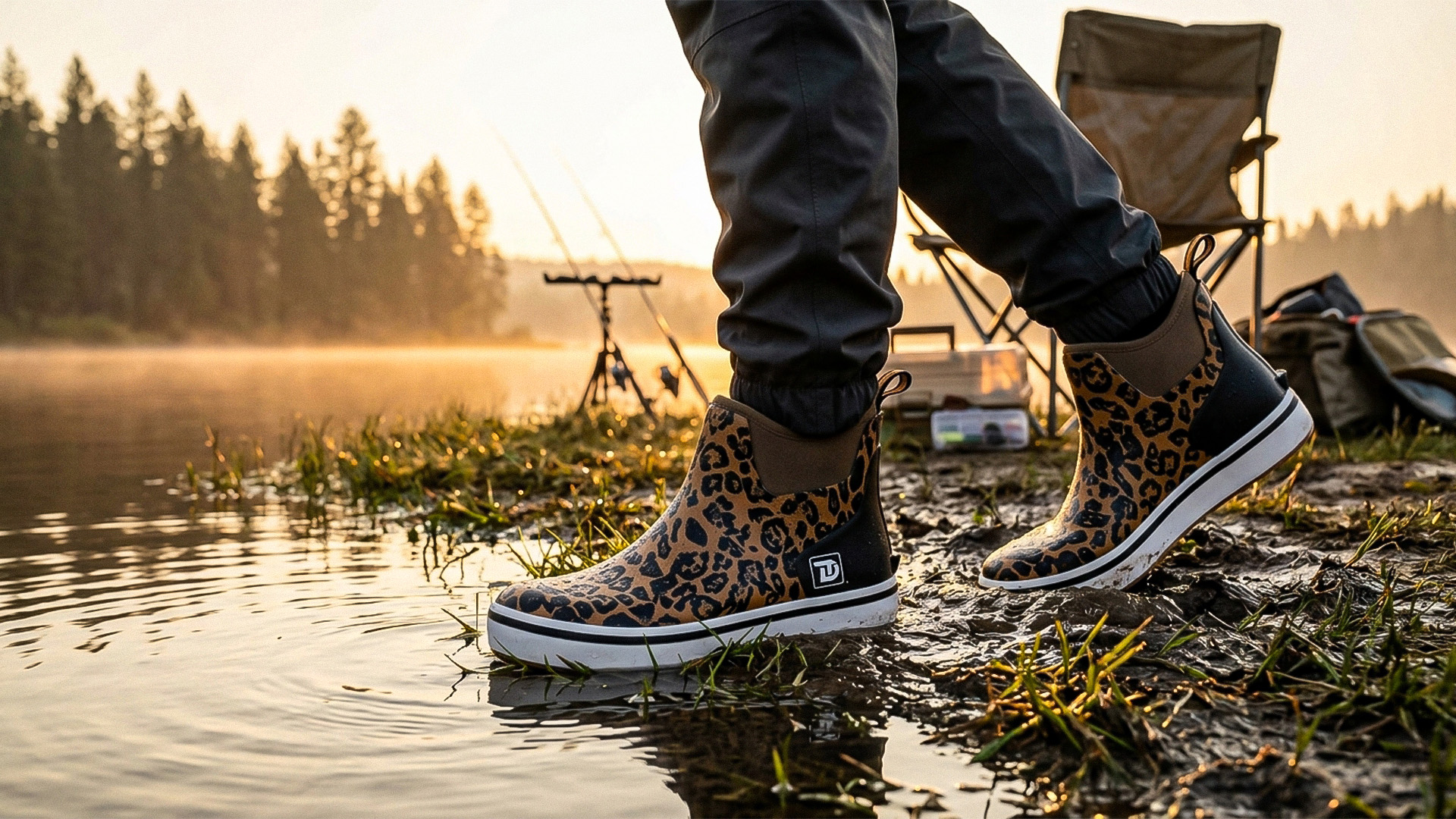
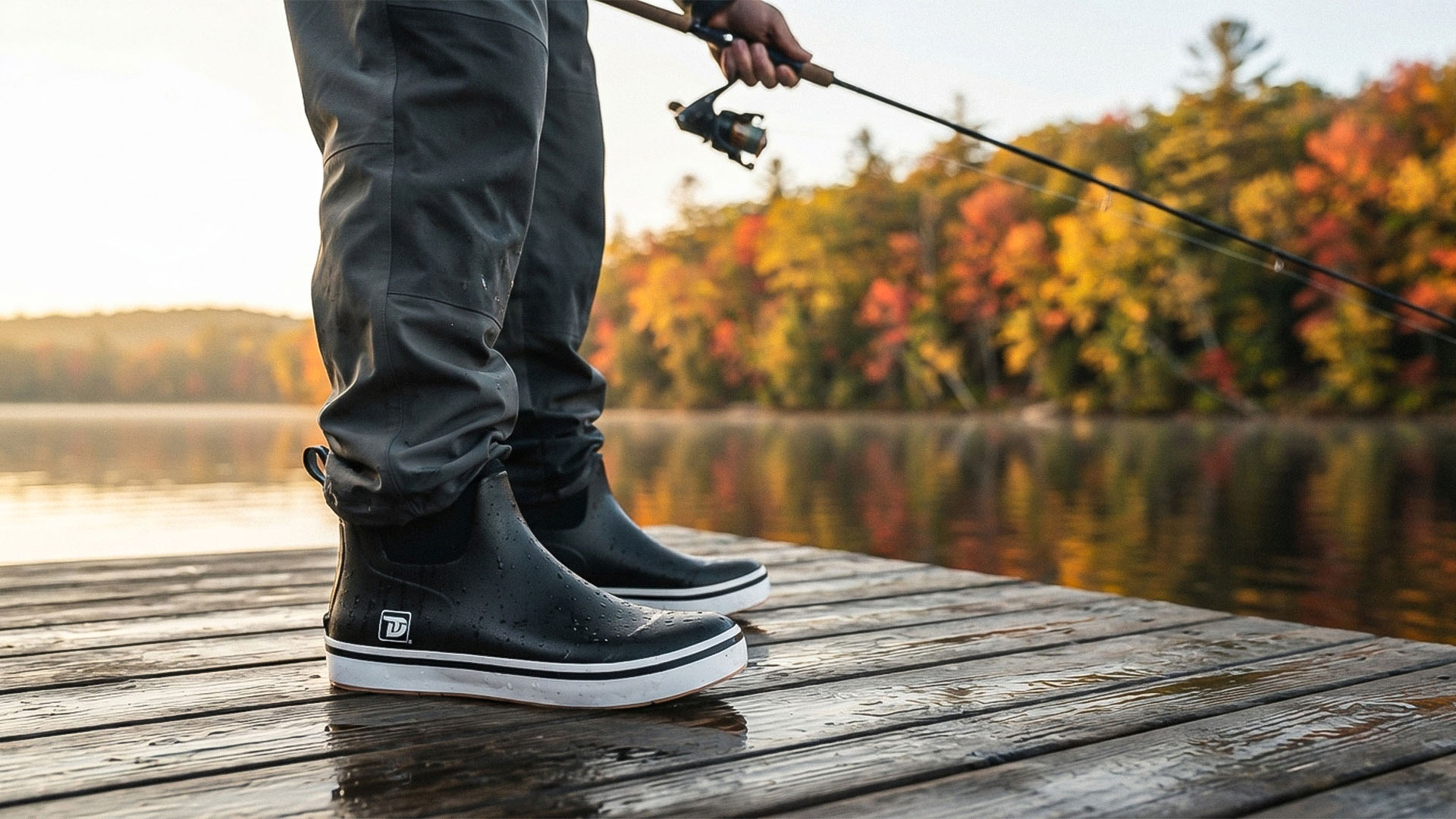
Anglers comparing waterproof fishing footwear can evaluate TruDaveGear deck boots alongside other marine options based on fit, outsole design, cushioning, removable insoles, boot height, and expected weather.
San Francisco Bay Halibut Fishing
San Francisco Bay is one of the best-known California halibut fisheries.
Anglers may drift through:
- Channel edges
- Sandy flats
- Current seams
- Bait-rich areas
Conditions may include:
- Cool mornings
- Wind
- Fog
- Spray
- Strong tidal movement
Waterproof deck boots paired with moisture-wicking socks provide useful protection.
Bay Area Morning Conditions
Even during warmer months, early mornings can feel cool.
Marine-layer moisture may leave:
- Docks damp
- Boat seats wet
- Decks slick
Starting the trip with waterproof footwear prevents early moisture from becoming an all-day comfort problem.
Southern California Halibut Fishing
Southern California anglers may target halibut around:
- Bays
- Harbors
- Coastal beaches
- Channel edges
- Nearshore sandy areas
Conditions may be warmer than Northern California, making lightweight uninsulated footwear particularly practical.
San Diego Halibut Fishing
San Diego-area anglers may fish bays and coastal waters using:
- Live bait
- Artificial lures
- Drifting
- Slow trolling
A lightweight ankle deck boot works well when the boat stays wet from bait tanks and spray.
Los Angeles and Orange County Halibut Fishing
Coastal anglers may search harbor and nearshore areas where halibut hold around sand and transitional bottom.
Trips may involve:
- Repeated drifts
- Live bait
- Casting plastics
- Moving between spots
Waterproof footwear provides useful versatility.
Drift Fishing for California Halibut
Drifting is one of the most common approaches to halibut fishing.
The boat moves naturally with current and wind while anglers keep bait or lures near the bottom.
This means anglers may stand in the same general position for long periods.
Foot comfort becomes important.
Long Periods of Standing
A full day of drifting may place pressure on:
- Heels
- Arches
- Forefoot
- Knees
Look for boots with:
- Stable heel cushioning
- Comfortable forefoot support
- Moderate arch support
- Removable insoles
A very thin footbed may become uncomfortable after several hours.
Stable Cushioning Matters
Extremely soft foam is not always ideal on a moving boat.
As the hull rolls and pitches, overly soft cushioning may feel unstable.
Moderate, supportive cushioning usually provides a better balance.
Boat Movement During a Drift
Even in a protected bay, the boat may shift because of:
- Wind
- Current
- Wake
- Chop
Your feet constantly make small balance adjustments.
A secure-fitting boot helps reduce unnecessary internal movement.
Secure Heel Fit
Too much heel lift may cause:
- Blisters
- Sock movement
- Toe gripping
- Reduced stability
Some movement is normal in pull-on boots, but the heel should remain reasonably controlled.
Flexible Forefoot
A moderate amount of flexibility helps during:
- Reeling
- Fighting fish
- Squatting
- Bait handling
- Moving around the cockpit
Very stiff footwear may feel unnecessarily restrictive.
Toe Room
Long fishing trips may cause mild foot swelling.
Your toes should have enough space for:
- Natural movement
- Fishing socks
- Extended standing
Do not choose an overly tight boot simply to eliminate heel movement.
Live Bait Fishing for Halibut
Live bait is commonly used in many California halibut fisheries.
Bait tanks create a wetter environment.
Water may spill while:
- Scooping bait
- Opening tanks
- Replacing bait
- Running through chop
Deck boots prevent these repeated spills from soaking your socks.
Baitfish Scales
Live bait may leave:
- Scales
- Slime
- Fish oil
around bait tanks and working areas.
These materials can reduce traction.
Rinse heavy residue when practical.
Baitfish Oil
Fish oil is one of the most important wet-deck hazards.
If oily residue reaches the deck or outsole, it can create a slick film.
Clean it promptly.
Cleaning Fish Oil From Deck Boots
If bait oil reaches the boots:
- Rinse with fresh water.
- Apply mild soap.
- Brush outsole grooves.
- Rinse thoroughly.
- Allow the boots to dry.
A clean tread provides better deck contact.
Anchovies, Sardines, and Other Baitfish
Bait selection varies by location and availability.
Regardless of species, live bait can introduce:
- Water
- Scales
- Slime
- Oil
to the boat.
Waterproof easy-clean footwear is particularly useful.
Artificial Lure Fishing
California halibut may also be targeted with artificial lures.
Anglers may cast:
- Soft plastics
- Swimbaits
- Jigs
- Other bottom-oriented presentations
This creates more active foot movement than simple bait drifting.
Casting From the Bow
When casting repeatedly, footwear should support natural weight transfer.
A flexible forefoot and secure heel help during:
- Casting
- Turning
- Side stepping
- Trolling motor use
Jigs and Hooks
Halibut fishing tackle may involve sharp hooks and weighted lures.
Standard recreational deck boots are not hook-proof.
Keep rigged tackle inside:
- Tackle trays
- Hook holders
- Rod storage
Do not leave jigs or baited hooks on the deck.
Sinkers
Bait rigs may require weights depending on depth and current.
Dropped sinkers can injure feet.
Deck boots provide ordinary closed-toe coverage but are not impact-rated safety footwear.
Keep weights stored securely.
Halibut Fight
California halibut can fight strongly, especially near the boat.
The angler may need to:
- Follow the fish
- Change rod angle
- Move around another angler
- Step toward the stern
Secure footwear helps make these movements more controlled.
Fish Near the Boat
Halibut may make sudden runs or head shakes close to the boat.
Prepare landing equipment before the fish reaches the surface.
Keep the working area free from:
- Loose hooks
- Buckets
- Rods
- Leaders
Large Halibut on the Deck
A halibut can move violently after landing.
Keep your feet clear.
Do not use your deck boot to pin or restrain the fish.
Deck boots are not impact-rated fish-handling equipment.
Halibut Teeth
California halibut have teeth and should be handled carefully.
Footwear does not provide meaningful protection against a fish bite.
Use appropriate fish-handling tools.
Fish Slime
Halibut can leave substantial slime on:
- Deck
- Cooler
- Net
- Boots
Slime may reduce traction.
Rinse heavy residue when practical.
Fish Blood
Harvested fish may leave blood around the landing area.
Waterproof boots are easy to rinse.
Clean blood promptly to reduce:
- Slickness
- Odor
- Staining
Landing Nets
Wet landing nets bring additional water onto the boat.
Repeated fish landings may keep the deck wet for much of the day.
Waterproof footwear prevents this water from soaking your socks.
Fish Boxes and Ice
Fish stored on ice can create cold meltwater.
Deck boots help prevent this water from reaching your feet.
Boat Washdowns
After bait preparation and fish handling, crews may rinse the boat.
Deck boots perform especially well during washdowns.
You can remain on the wet deck without saturating fabric footwear.
Wet Fiberglass
Fiberglass may become slippery from:
- Saltwater
- Fish slime
- Bait oil
- Sunscreen
- Soap
Look for a marine-focused outsole with:
- Broad surface contact
- Flexible rubber
- Water channels
- Stable heel platform
No footwear guarantees traction on contaminated fiberglass.
Aluminum Boats
Some anglers fish bays from aluminum boats.
Wet aluminum may become slippery.
Keep the outsole free from:
- Mud
- Bait residue
- Fish slime
- Sand
EVA Decking
Modern fishing boats may use EVA foam.
It can improve standing comfort during long drifts.
Before boarding, remove:
- Gravel
- Shell
- Sand clumps
from the tread.
Debris can damage softer deck surfaces.
Trolling Motor Use
Some halibut anglers use trolling motors to control drift speed or position.
Foot-controlled pedals work best with footwear that provides:
- Flexible forefoot
- Secure heel
- Low bulk
Bulky boots may reduce pedal feel.
Slow Trolling
Some anglers slowly troll bait through productive areas.
This may mean long periods standing and monitoring rods.
Comfortable cushioning remains important.
Cool Pacific Water
California coastal water can keep boat conditions cooler than inland air temperatures suggest.
Wet feet may become uncomfortable quickly.
Waterproof footwear provides a useful barrier against:
- Spray
- Bait water
- Washdowns
Best Socks for California Halibut Fishing
Good options include:
- Synthetic moisture-wicking socks
- Lightweight merino wool
- Merino-synthetic blends
Avoid cotton.
Cotton absorbs moisture and dries slowly.
Northern California Sock Choice
Cooler mornings may justify medium-weight merino or synthetic socks.
Make sure the boot still leaves enough toe room.
Southern California Sock Choice
Lightweight performance socks usually work well during warmer conditions.
Spare Socks
Bring a dry backup pair.
Store them in a waterproof bag.
They are useful if water enters over the boot opening.
Marine Layer and Fog
California coastal fishing may involve cool, damp marine-layer conditions.
Deck boots help prevent persistent surface moisture from soaking ordinary shoes.
Rain and Wet Weather
Although many California trips occur in dry weather, seasonal rain can create very wet decks and ramps.
Waterproof boots become especially useful during these periods.
Rain Pants and Deck Boots
Keep rain pants outside the boot opening.
This lets water flow down the exterior.
Tucking pants inside may direct water into the boot.
Warm Afternoon Conditions
The same trip that begins cool can become much warmer later.
Uninsulated footwear provides greater versatility.
Adjust warmth with socks rather than relying on heavy built-in insulation.
Are Deck Boots Too Hot for Southern California Halibut Fishing?
They can be during hot, dry weather.
Lightweight uninsulated ankle models are much more appropriate than heavy rubber boots.
Breathable fishing shoes may still be more comfortable on completely dry summer days.
San Francisco Bay Wind
Afternoon wind may increase chop and spray.
Waterproof boots become increasingly useful as conditions get wetter.
A secure outsole also helps during constant boat movement.
Rougher Coastal Conditions
Nearshore fishing can involve:
- Swell
- Chop
- Wake
- Spray
A secure boot helps the foot and footwear move together.
Charter Halibut Fishing
Before boarding a charter, ask:
- Are deck boots recommended?
- Are non-marking soles required?
- Will live bait be used?
- How wet does the deck normally get?
Follow captain-specific footwear rules.
Party Boat Halibut Fishing
Shared boats can create crowded working areas.
The deck may contain:
- Rods
- Hooks
- Weights
- Bait
- Fish
- Water
Closed-toe waterproof footwear is highly practical.
Following a Fish Around Other Anglers
On crowded boats, a fish may move along the rail.
Anglers sometimes need to follow it while others move rods out of the way.
Secure low-profile boots make this easier.
Non-Marking Soles
Some vessels prefer non-marking footwear.
Check product specifications.
Non-marking construction and wet traction are separate characteristics.
Marina Docks
Halibut trips may begin before sunrise.
Docks may be wet from:
- Dew
- Fog
- Rain
- Boat washing
Deck boots help keep feet dry during preparation.
Boat Ramp Conditions
Private-boat anglers may encounter:
- Wet concrete
- Mud
- Sand
- Gravel
Waterproof deck boots work well around launches.
Clean tread before boarding.
Ramp Algae
Submerged ramp surfaces may be covered in algae.
No ordinary fishing boot guarantees safe traction on algae.
Move slowly and use handholds.
Sand in the Tread
Coastal launch areas may leave sand in outsole grooves.
Remove it before stepping onto:
- Fiberglass
- EVA decking
- Painted surfaces
A clean outsole protects the boat and improves contact.
Pier Halibut Fishing
California halibut may also be targeted from piers.
Deck boots can work well during:
- Rain
- Bait-heavy fishing
- Wet pier conditions
However, long dry walks may favor supportive breathable shoes.
Shore Halibut Fishing
Surf and beach anglers have different footwear needs.
Deck boots are not always ideal for deep sand because sand may enter over the collar.
Purpose-built shoreline footwear may be more comfortable.
Kayak Halibut Fishing
Some anglers target California halibut from kayaks.
This creates a different footwear environment.
Kayak anglers may need footwear that handles:
- Repeated water entry
- Launching
- Drainage
- Limited foot space
Short waterproof deck boots can work in some situations, but quick-draining kayak footwear may be better when the feet are expected to get submerged.
Deck Boots vs. Kayak Shoes
Deck Boots Are Better For:
- Keeping external water out
- Cool dry-foot boat conditions
- Wet ramps
- Cold spray
Kayak Shoes Are Better For:
- Frequent submersion
- Wet launches
- Quick drainage
- Swimming or water entry concerns
Choose based on how the kayak is launched and used.
Removable Insoles
Removable footbeds improve:
- Drying
- Odor control
- Cushion replacement
- Support adjustment
- Cleaning
Take them out after each fishing trip.
Sweat Inside Waterproof Boots
Even if outside water stays out, sweat may create moisture internally.
Remove insoles and dry the boots fully.
Wide Feet
Wide-foot anglers should look for:
- Proper forefoot width
- Roomy toe box
- Secure heel
- Comfortable instep
Avoid buying excessive length just to gain width.
High Instep
Pull-on boots may feel tight across the top of the foot.
Look for:
- Adequate internal volume
- Comfortable opening
- Strong pull tabs
- Removable insoles
Persistent numbness or pressure indicates poor fit.
Deck Boots vs. Fishing Shoes
Deck Boots Are Better For:
- Cool mornings
- Live bait
- Wet boats
- Rain
- Spray
- Washdowns
Fishing Shoes Are Better For:
- Warm dry weather
- Maximum ventilation
- Long shore walking
Deck Boots vs. Sneakers
Sneakers may absorb:
- Bait-tank water
- Saltwater
- Fish slime
- Rain
- Washdown water
Once soaked, they can remain uncomfortable for hours.
Deck boots rinse clean much more easily.
Deck Boots vs. Flip-Flops
Flip-flops provide limited protection around:
- Hooks
- Sinkers
- Thrashing fish
- Wet decks
They also provide poor heel security.
Closed-toe footwear is more practical.
Deck Boots vs. Tall Rubber Boots
Tall rubber boots provide more water coverage but add:
- Weight
- Heat
- Bulk
For most recreational California halibut fishing, ankle or mid-height deck boots provide a better balance.
Cleaning California Halibut Slime
After fishing:
- Rinse boots with fresh water.
- Remove visible fish slime.
- Use mild soap when needed.
- Brush outsole grooves.
- Rinse thoroughly.
- Remove insoles.
- Dry completely.
Cleaning Live Bait Residue
Rinse:
- Scales
- Slime
- Fish oil
- Bait-tank residue
promptly.
Organic residue may create odor if left on footwear.
Cleaning Mud and Sand
Rinse mud before it dries.
Brush sand and gravel from the outsole before storing boots.
Saltwater Care
After every coastal fishing trip:
- Rinse the upper
- Clean outsole grooves
- Rinse pull tabs
- Clean the collar
- Remove bait residue
Routine freshwater rinsing helps reduce salt buildup.
Drying Deck Boots
Use gentle airflow.
Remove the insoles and dry them separately.
Avoid:
- Clothes dryers
- Heat guns
- Open flames
- Extreme heaters
High temperatures may damage waterproof materials, foam, and adhesives.
Odor Prevention
California halibut fishing boots may develop odor from:
- Baitfish
- Fish slime
- Sweat
- Damp storage
Prevent odor by:
- Cleaning promptly
- Removing insoles
- Drying completely
- Storing boots with ventilation
Clean Shoes for the Drive Home
Bring separate dry footwear.
Store dirty boots in:
- Rubber boot tray
- Plastic tote
- Washable cargo bin
This keeps bait, mud, saltwater, and fish residue away from your vehicle.
Best Deck Boot Features for California Halibut Fishing
Look for:
Waterproof Construction
Useful around bait tanks, spray, rain, and washdowns.
Lightweight Design
Improves comfort throughout long drifting sessions.
Ankle or Mid-Height Coverage
Provides protection without excessive bulk.
Stable Marine Outsole
Important on wet fiberglass and aluminum.
Secure Heel
Supports movement during strong fish fights.
Flexible Forefoot
Useful for casting and trolling motor operation.
Comfortable Cushioning
Especially important during hours of drifting.
Removable Insoles
Improves drying and support.
Easy-Clean Exterior
Useful around baitfish, fish slime, mud, and saltwater.
California Halibut Fishing Footwear Checklist
Before fishing:
- Check marine weather
- Inspect outsole tread
- Confirm boots are dry
- Choose moisture-wicking socks
- Pack spare socks
- Organize hooks
- Secure sinkers
- Prepare live bait equipment
- Bring rain protection if needed
- Check vessel footwear requirements
After fishing:
- Rinse saltwater
- Remove baitfish scales
- Clean fish oil
- Remove halibut slime
- Clean mud and sand
- Brush tread
- Remove insoles
- Dry completely
Common California Halibut Fishing Footwear Mistakes
Wearing Mesh Sneakers Around Live Bait Tanks
Repeated spills may soak them quickly.
Wearing Flip-Flops Around Hooks and Sinkers
Open footwear provides limited protection and heel stability.
Wearing Cotton Socks
Cotton absorbs moisture and dries slowly.
Buying Boots Too Loose
Loose footwear reduces stability when moving around the boat.
Leaving Weighted Rigs on the Deck
Deck boots are not hook-proof or impact-rated.
Ignoring Baitfish Oil
Fish oil can significantly reduce traction.
Using Your Foot to Control a Halibut
Deck boots are not fish-restraint equipment.
Ignoring Halibut Slime in the Tread
Slime may reduce wet-deck grip.
Tucking Rain Pants Inside Boots
Water may run directly into the boot opening.
Wearing Sand-Covered Boots on Premium Boat Flooring
Grit may damage fiberglass finishes or EVA decking.
Final Thoughts
California halibut fishing combines drifting, live bait, wet bay boats, cool Pacific conditions, hooks, sinkers, fish slime, muddy ramps, and long periods of standing.
For most boat-based anglers, lightweight waterproof ankle or mid-height deck boots provide an excellent combination of dry-foot protection, secure movement, easy cleaning, and all-day comfort.
Choose boots with a stable marine outsole, secure heel, flexible forefoot, removable insoles, and enough cushioning for long drifting sessions.
Wear synthetic or merino-blend moisture-wicking socks rather than cotton.
Keep hooks, sinkers, bait tanks, landing equipment, and other fishing gear organized away from primary walking areas.
Pay particular attention to baitfish oil and halibut slime.
Even a high-quality outsole may lose traction when contaminated with oily or biological residue.
Standard recreational deck boots are not hook-proof, impact-rated, bite-resistant, or designed for controlling a thrashing halibut.
During warm, completely dry Southern California conditions, breathable fishing shoes may still be more comfortable.
But when the morning marine layer has the deck damp, bait-tank water spills near your feet, wind starts pushing spray over the bow, and a heavy halibut finally loads the rod during a drift, waterproof deck boots become one of the most practical pieces of fishing footwear onboard.
After fishing, rinse saltwater, bait residue, fish oil, slime, mud, and sand, brush the tread, remove the insoles, and allow everything to dry thoroughly.
The right California halibut fishing footwear should stay out of your mind while you focus on drift speed, bottom contours, bait presentation, tide movement, rod-tip signals, and that unmistakable heavy pull from a fish lying on the bottom.
Frequently Asked Questions
Are deck boots good for California halibut fishing?
Yes. They are especially useful for boat-based halibut fishing involving live bait, wet decks, cool mornings, spray, and washdowns.
What boots should I wear for San Francisco Bay halibut fishing?
Waterproof ankle or mid-height deck boots paired with moisture-wicking socks are a practical choice for many bay trips.
Are deck boots good for Southern California halibut fishing?
Yes. Lightweight uninsulated deck boots work well around wet boats, bait tanks, spray, and early-morning marine-layer conditions.
Are deck boots good for drift fishing?
Yes. Choose a model with stable cushioning, secure heel fit, and enough support for long periods of standing.
Are deck boots good for live bait fishing?
Yes. Waterproof easy-clean footwear works well around bait-tank water, scales, slime, and fish oil.
Are deck boots good for casting swimbaits for halibut?
Yes. Look for lightweight construction and enough forefoot flexibility for repeated casting.
What socks should I wear with California halibut deck boots?
Wear synthetic, merino wool, or merino-blend moisture-wicking socks. Avoid cotton.
Are deck boots too hot for Southern California fishing?
Heavy insulated boots can be, but lightweight uninsulated ankle models are much more suitable.
Are deck boots hook-proof?
No. Halibut rigs, jigs, and other fishing hooks can penetrate ordinary recreational footwear.
Can deck boots protect against dropped sinkers?
They provide basic closed-toe coverage but are not impact-rated safety footwear.
Can deck boots protect against halibut teeth?
No. Keep feet away from the fish’s mouth and use proper fish-handling tools.
Can halibut slime make deck boots slippery?
Yes. Fish slime can reduce outsole traction, so clean the tread promptly.
Are ankle deck boots tall enough for California halibut fishing?
For most recreational boats, yes. Mid-height boots may provide additional protection during especially wet trips.
Are deck boots good for kayak halibut fishing?
They can work when the goal is keeping feet dry, but quick-draining kayak footwear may be better when frequent water entry or submersion is expected.
Should rain pants go inside or outside deck boots?
Outside. Let the pant leg overlap the boot opening so water runs down the exterior.
How do I clean California halibut slime from deck boots?
Rinse with fresh water, use mild soap when necessary, brush the tread, remove the insoles, and dry completely.
How should California halibut fishing deck boots fit?
They should hold the heel securely while providing enough toe room for long periods of standing, weather-appropriate socks, casting, and quick movement.
What is the biggest footwear mistake in California halibut fishing?
Wearing loose, open, or absorbent footwear around bait tanks, hooks, sinkers, fish slime, and wet Pacific boat decks—or failing to keep baitfish oil and slime out of the tread—is one of the most common mistakes.