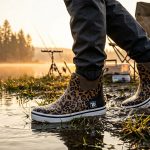
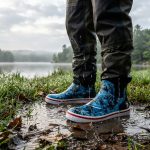
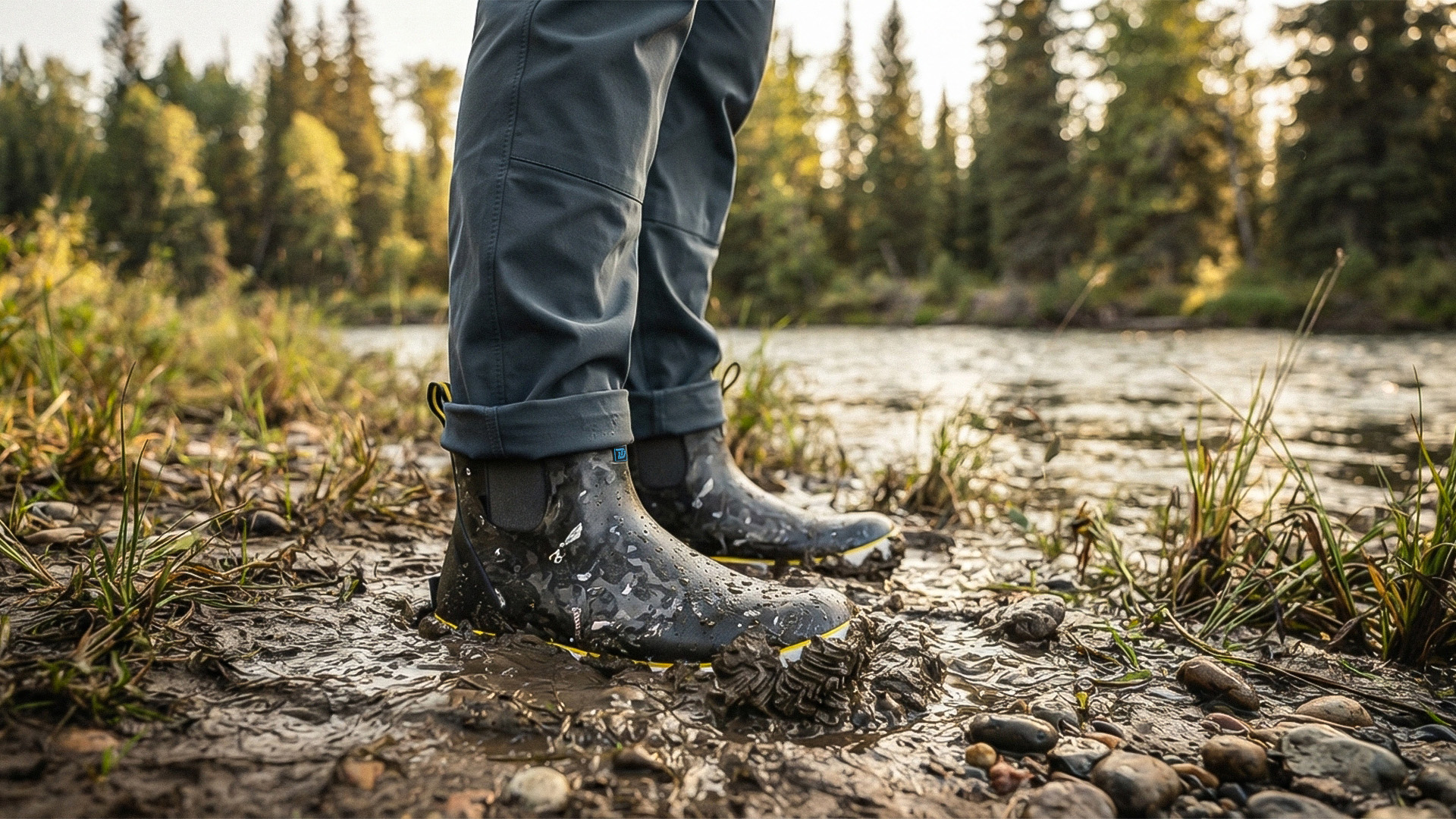
Permit fishing is one of the most challenging forms of saltwater sight fishing.
These powerful fish are commonly targeted around:
- Shallow flats
- Channels
- Wrecks
- Reefs
- Sand edges
- Grass flats
- Offshore structure
Depending on location and fishing style, anglers may sight cast to individual permit in shallow water or target them around deeper wrecks and reefs.
A typical permit trip may involve:
- Long periods standing on the bow
- Searching clear water
- Live crabs
- Precision casting
- Trolling motor use
- Saltwater spray
- Tropical rain
- Wet fiberglass
- Fish slime
- Boat washdowns
Because permit fishing often demands quick, precise movement, bulky footwear can become noticeable very quickly.
The best deck boots for permit fishing should remain lightweight, fit securely, provide enough cushioning for long periods of standing, and offer dependable wet-deck footing without restricting casting or boat movement.
For most boat-based anglers fishing during wet, rainy, windy, or cooler conditions, lightweight uninsulated ankle deck boots provide a useful balance of waterproof protection and mobility.
This guide explains how to choose deck boots for permit fishing, why crab bait and sight fishing create different footwear demands, and when fishing shoes or specialized wading footwear may be the better choice.
Why Permit Fishing Requires Specialized Footwear
Permit fishing may look calm from a distance.
Much of the day may involve quietly searching shallow water.
Then a fish appears.
Within seconds, the angler may need to:
- Move toward the bow
- Prepare a crab
- Strip line
- Make a long cast
- Reposition
- Follow the fish
This combination of patience and sudden action places unique demands on footwear.
Why Deck Boots Can Work Well for Permit Fishing
Deck boots provide several useful advantages:
- Waterproof construction
- Closed-toe coverage
- Easy-clean exterior
- Wet-deck traction
- Comfortable standing support
- Quick pull-on convenience
They work especially well on:
- Flats skiffs
- Bay boats
- Center consoles
- Inshore charter boats
- Small offshore boats
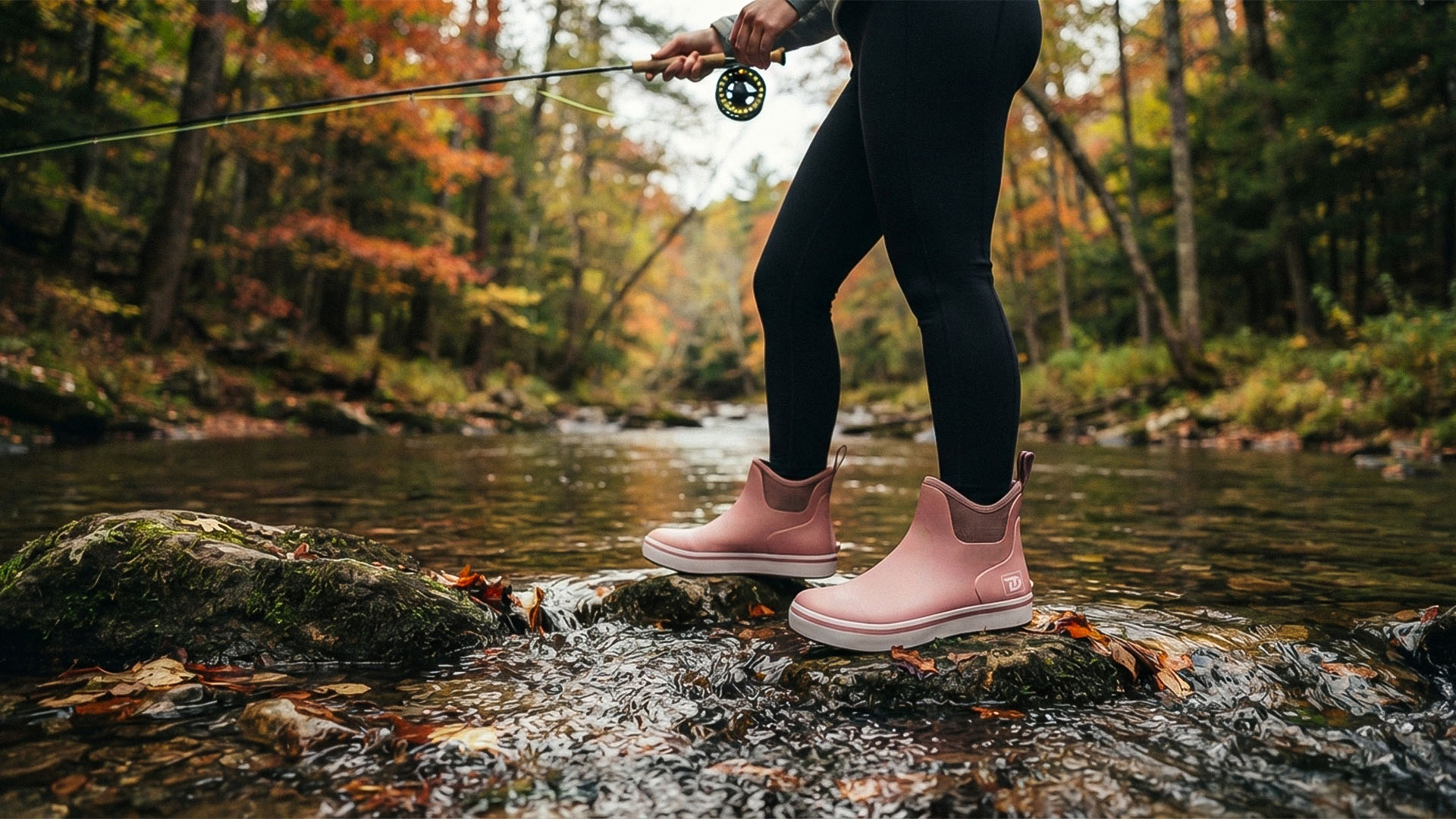
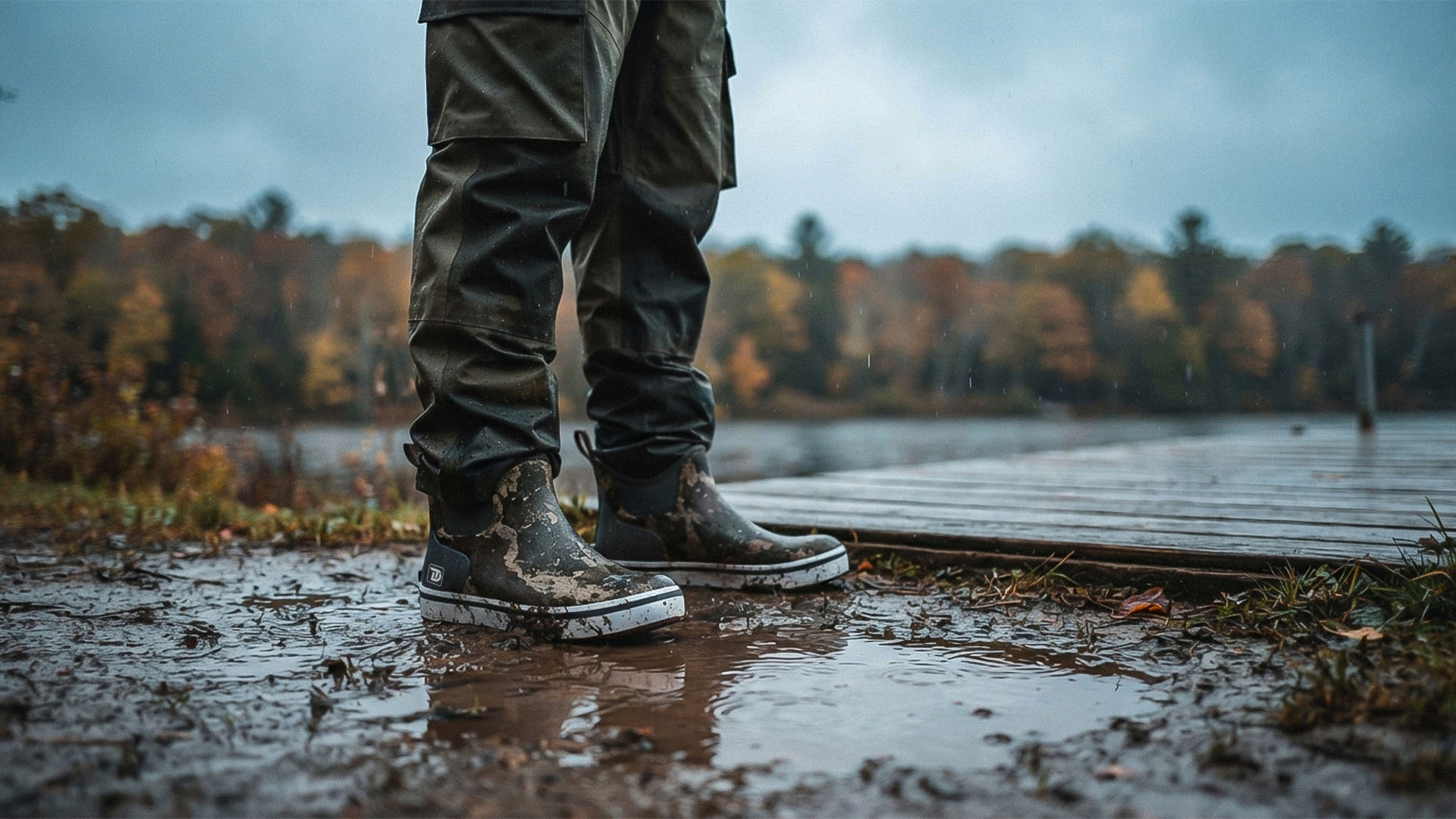
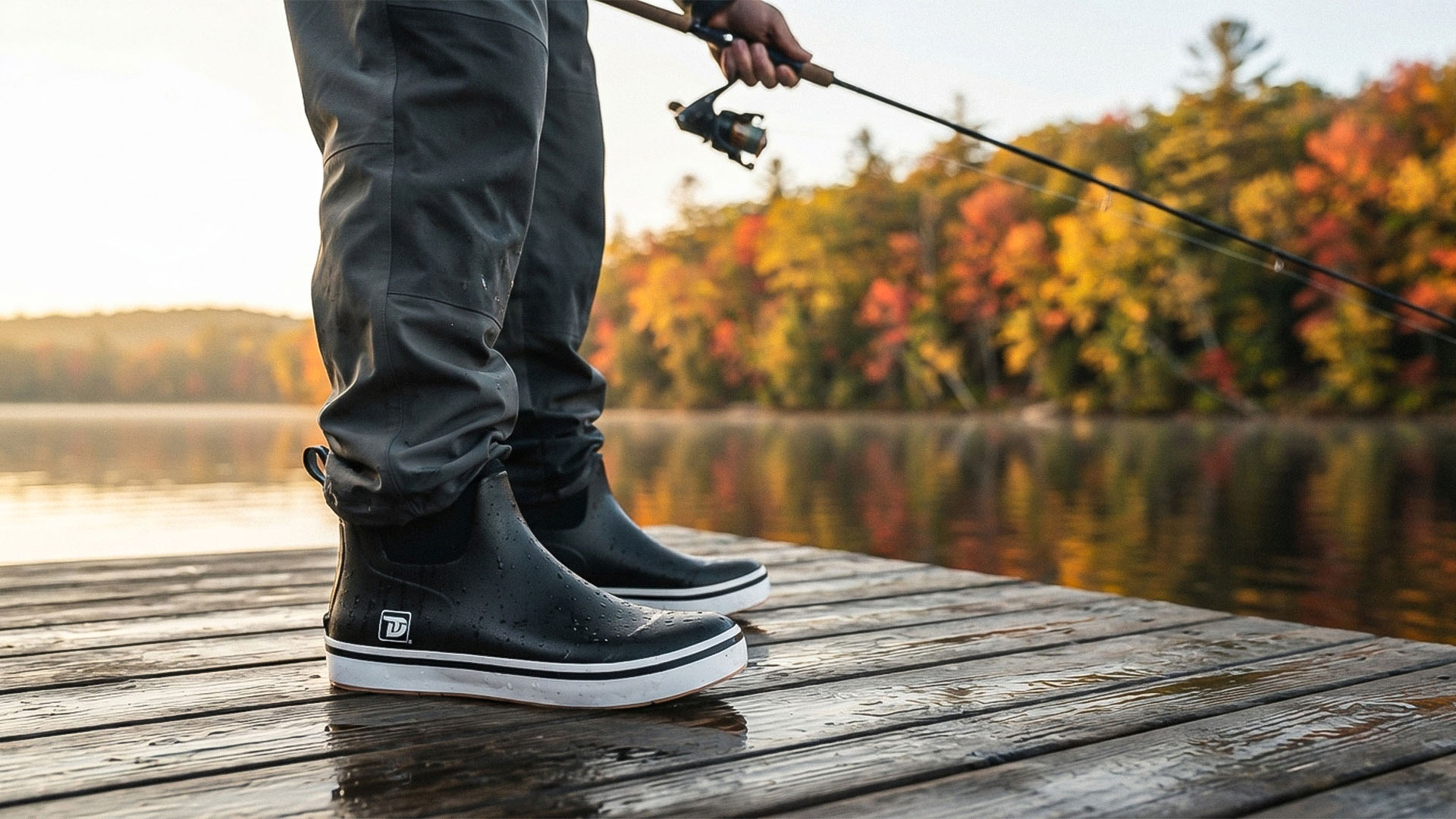
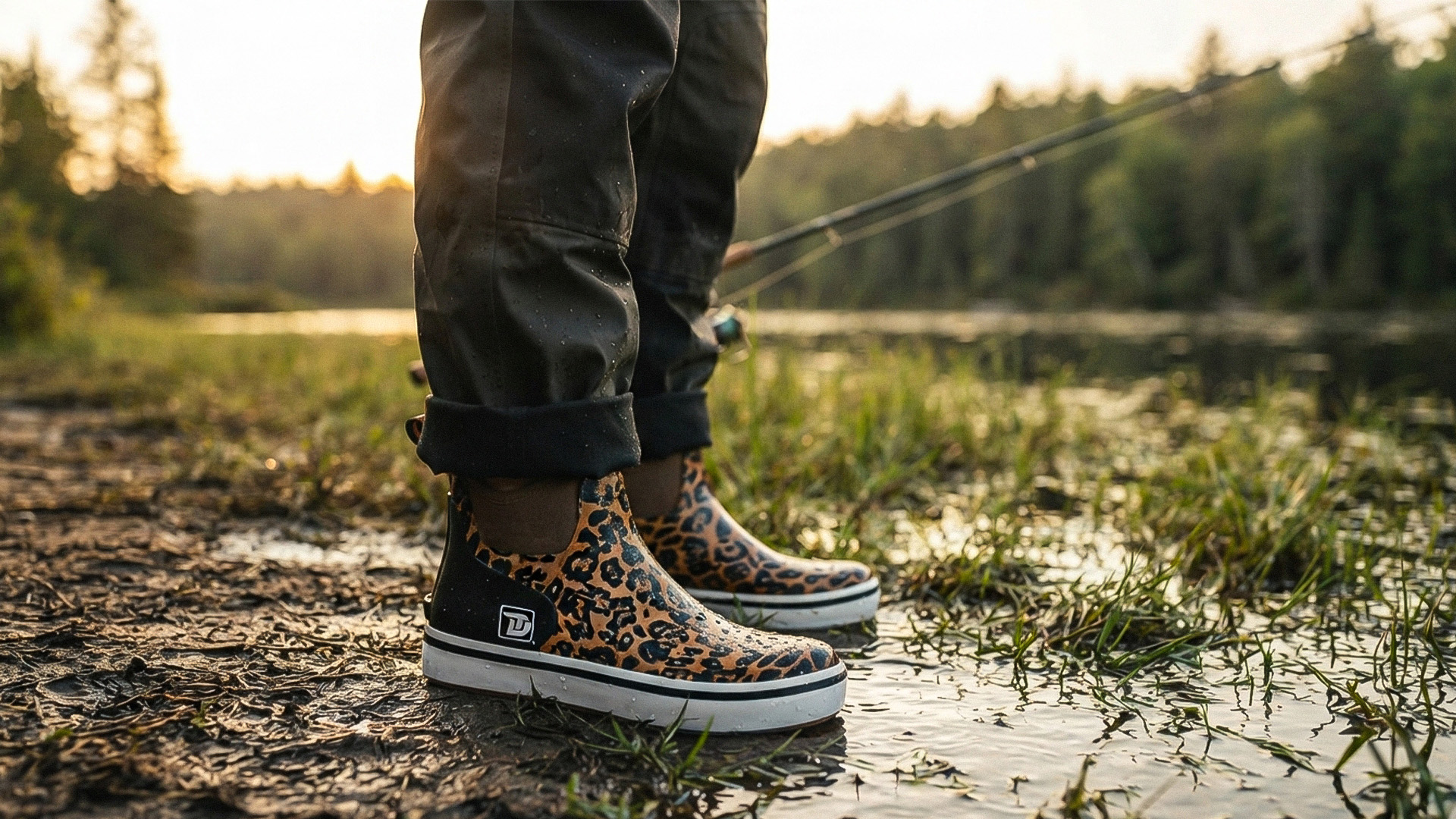
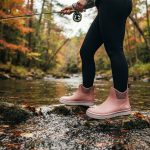
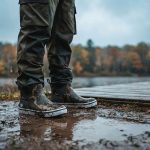
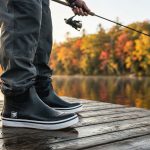
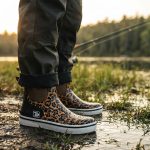
Anglers comparing waterproof fishing footwear can evaluate TruDaveGear deck boots alongside other options based on weight, outsole design, fit, cushioning, removable insoles, and warm-weather comfort.
Florida Keys Permit Fishing
The Florida Keys are one of the most recognizable permit fishing destinations in the United States.
Anglers may fish around:
- Key Largo
- Islamorada
- Marathon
- Lower Keys
- Key West
Conditions often include:
- Warm temperatures
- Strong sun
- Sudden rain
- Shallow flats
- Wet skiff decks
Lightweight footwear is especially important.
Bahamas Permit Fishing
The Bahamas also offer permit opportunities around:
- Sand flats
- Channels
- Reefs
- Shallow structure
Warm tropical conditions make heavy insulated footwear unnecessary.
Low-profile uninsulated deck boots are much more practical when waterproof protection is needed.
Flats Fishing for Permit
Shallow-water permit fishing requires patience and balance.
Anglers may spend hours standing on the bow while scanning:
- Sand
- Grass
- Mud
- Tidal edges
This creates substantial pressure on the feet.
Long Standing and Foot Fatigue
Look for boots with:
- Stable heel cushioning
- Comfortable forefoot
- Moderate arch support
- Removable insoles
A completely flat footbed may become uncomfortable during long sight-fishing sessions.
Stable Cushioning
Very soft footwear may not always feel ideal on a moving flats skiff.
The best balance usually includes:
- Moderate cushioning
- Stable support
- Natural forefoot flex
You want comfort without feeling disconnected from the deck.
Sight Fishing
Permit fishing often depends on spotting fish before they see the boat.
Once a fish appears, the angler may need to reposition immediately.
Footwear should support:
- Side stepping
- Turning
- Casting
- Squatting
- Moving around hatches
Secure Heel Fit
A secure heel becomes especially important during active sight fishing.
Too much movement inside the boot may lead to:
- Blisters
- Toe gripping
- Sock sliding
- Reduced control
The boot should stay connected to your foot without squeezing the forefoot.
Flexible Forefoot
Permit fishing often requires long accurate casts.
A flexible forefoot helps during:
- Weight transfer
- Casting
- Trolling motor use
- Quick repositioning
- Stepping around the bow
A stiff work-style boot may feel unnecessarily restrictive.
Crab Bait Fishing
Live crabs are strongly associated with permit fishing.
Crab bait introduces a different set of footwear challenges.
Bait preparation may involve:
- Saltwater
- Crab containers
- Shell fragments
- Organic residue
- Mud
Waterproof footwear is easier to rinse after the trip.
Crab Buckets
Live crabs may be stored in:
- Bait wells
- Small buckets
- Specialized containers
Water may spill every time anglers:
- Open the container
- Select a bait
- Refill water
- Move the bucket
Deck boots help prevent these small spills from soaking your socks.
Crab Shell Fragments
Crab shell can be sharp.
Standard recreational deck boots should not be considered puncture-resistant.
Keep broken shell away from primary walking areas.
Use a brush when cleaning tread rather than digging through shell fragments with your fingers.
Crab Odor
Warm weather can make bait odor develop quickly.
After fishing:
- Rinse with fresh water.
- Remove bait residue.
- Use mild soap if needed.
- Clean tread grooves.
- Remove insoles.
- Dry everything completely.
Fly Fishing for Permit
Fly fishing for permit is one of the most technical saltwater fly-fishing challenges.
Loose fly line often collects on the bow.
This creates an important footwear consideration.
Fly Line Management
Keep fly line away from:
- Boot pull tabs
- Deep tread grooves
- Cleats
- Rod holders
- Cooler corners
A clean, organized casting deck matters as much as footwear choice.
Stripping Baskets
Stripping baskets or line-control mats can help reduce tangles.
They are especially useful when fishing from compact skiffs with limited clear deck space.
Aggressive Tread and Fly Line
Extremely deep or aggressive tread can catch:
- Loose fly line
- Sand
- Shell
- Debris
Marine-focused low-profile tread is generally more suitable for boat fishing.
Spinning Tackle for Permit
Some anglers target permit with spinning tackle and natural bait.
This may involve:
- Live crabs
- Small jigs
- Shrimp
- Lightweight terminal tackle
Footwear should remain light and flexible.
Small Hooks Still Matter
Permit tackle may use relatively small but very sharp hooks.
Standard deck boots are not hook-proof.
Keep hooks in:
- Bait trays
- Rig holders
- Tackle boxes
- Hook storage
Poling Skiffs
Many permit guides use poling skiffs.
The angler may stand on the bow while the guide works from an elevated platform.
Balance becomes especially important.
Footwear on Casting Platforms
When standing on an elevated platform, footwear should provide:
- Secure fit
- Clean outsole
- Stable support
- Low bulk
Inspect your tread before stepping onto the platform.
Wet Poling Platforms
Rain and spray may make elevated platforms slippery.
Move carefully when stepping up or down.
No footwear can completely eliminate slipping risk.
Quiet Movement
Permit are famous for being difficult to approach.
Quiet boat movement matters.
Avoid:
- Heavy stomping
- Dragging boots
- Kicking hatches
- Dropping equipment
Lightweight footwear can make controlled movement easier.
Trolling Motor Use
Some permit boats use trolling motors for positioning.
Foot-controlled pedals work best with footwear that has:
- Flexible forefoot
- Secure heel
- Low-profile shape
Bulky boots may reduce pedal feel.
Spot-Lock Fishing
Electronic boat positioning may be useful around deeper structure or channels.
Standing in one place for long periods increases the importance of cushioning.
Permit Around Wrecks
Permit are not only flats fish.
They may also be targeted around offshore wrecks and other structure.
These trips create different footwear conditions.
Offshore Permit Fishing
Offshore trips may involve:
- Longer boat runs
- More spray
- Larger boats
- Rougher water
- Wet cockpits
Waterproof deck boots become even more useful in these conditions.
Rough-Water Movement
Offshore swell and chop require constant balance adjustments.
Secure footwear helps reduce unnecessary internal foot movement.
Oversized boots can become tiring.
Permit Fight
Permit are extremely strong.
A hooked fish may make long, powerful runs.
Anglers may need to:
- Follow the fish around the boat
- Step around the console
- Change rod angle
- Move between bow and stern
Secure footwear helps during these movements.
Fish Slime
Fish handling may introduce slime to:
- Deck
- Landing area
- Boots
Rinse residue promptly.
Fish slime can reduce outsole traction.
Catch-and-Release Fishing
Many permit are released.
Efficient handling reduces unnecessary stress.
Keep:
- Hooks
- Nets
- Cameras
- Tools
organized before the fish reaches the boat.
Do Not Use Your Foot to Control a Permit
Never pin a landed permit with your boot.
Deck boots are not fish-restraint equipment.
Keep hooks, fins, and fish movement away from your feet.
Wet Landing Nets
Landing nets can introduce significant water onto a small skiff.
Repeated fish handling may keep the deck damp.
Waterproof boots prevent this water from reaching your socks.
Wet Fiberglass
Fiberglass may become slippery from:
- Saltwater
- Fish slime
- Sunscreen
- Soap
- Crab residue
A marine outsole should provide broad contact and water channels.
Keep the deck clean.
Sunscreen and Tropical Fishing
Permit fishing often involves hours under strong sun.
Sunscreen is essential.
However, spilled sunscreen can make the deck slick.
Clean oily residue immediately.
EVA Decking
Modern flats skiffs often use EVA foam.
It can improve cushioning and reduce noise.
Before boarding, remove:
- Sand
- Gravel
- Shell
from outsole grooves.
Sand and Shell Damage
Sharp debris trapped in boots can damage softer deck surfaces.
Check tread before stepping onto premium skiff flooring.
Warm-Weather Comfort
Permit fishing often takes place in tropical climates.
Avoid unnecessary insulation.
Choose:
- Lightweight construction
- Ankle height
- Thin performance socks
- Removable insoles
Are Deck Boots Too Hot for Permit Fishing?
They can be.
During very hot and completely dry flats fishing, breathable fishing shoes may feel better.
Deck boots become more useful during:
- Rain
- Wind
- Spray
- Cool mornings
- Wet boat rides
Best Socks for Permit Fishing
Use lightweight moisture-wicking socks made from:
- Synthetic fibers
- Lightweight merino
- Merino-synthetic blends
Avoid cotton.
Cotton absorbs sweat and dries slowly.
Barefoot Deck Boots
Some anglers wear deck boots without socks.
For long days, lightweight socks usually reduce:
- Friction
- Sweat
- Odor
- Blister risk
Spare Socks
Bring a dry backup pair in waterproof storage.
They are useful after:
- Heavy rain
- Spray
- Water entering over the collar
- Excessive sweating
Tropical Rain
Permit destinations often experience sudden rain.
A dry skiff deck may become wet in minutes.
Waterproof footwear becomes much more useful during these conditions.
Rain Pants and Deck Boots
Keep rain pants outside the boot opening.
This allows water to run down the exterior.
Do not tuck rain pants inside waterproof boots.
Wading for Permit
Some permit fishing involves wading.
This requires a completely different footwear decision.
Standard deck boots are mainly designed for:
- Boats
- Docks
- Wet hard surfaces
They are not automatically appropriate for prolonged underwater walking.
Permit Wading Conditions
Wading may involve:
- Sand
- Mud
- Coral
- Shell
- Rock
- Uneven bottom
Specialized wading footwear is generally better.
Deck Boots vs. Wading Boots
Deck Boots Are Better For:
- Flats skiffs
- Center consoles
- Docks
- Rain
- Spray
Wading Boots Are Better For:
- Underwater walking
- Coral
- Shell
- Repeated water entry
- Uneven flats
Choose according to the actual trip.
Waterproof Does Not Mean Coral-Proof
A boot can be waterproof and still offer limited puncture protection.
Do not assume ordinary deck boots are safe for sharp coral or shell environments.
Sand Inside Ankle Boots
If you walk through sand, particles may enter over the boot collar.
This can cause:
- Friction
- Hot spots
- Blisters
Another reason to use proper wading footwear when extended walking is planned.
Marina Conditions
Permit trips often begin early.
Docks may be wet from:
- Dew
- Rain
- Boat washdowns
- Tide spray
Waterproof deck boots help keep feet dry before departure.
Boat Ramp Conditions
Private anglers may encounter:
- Wet concrete
- Sand
- Mud
- Gravel
Deck boots work well around launch areas.
Clean debris from the tread before boarding.
Ramp Algae
Submerged ramps may be extremely slippery.
No recreational deck boot guarantees safe traction on algae.
Move carefully and use handholds.
Non-Marking Soles
Some guides and boat owners require non-marking footwear.
Check requirements before boarding.
Non-marking construction and wet traction are separate characteristics.
Flats Charter Fishing
Before a guided trip, ask:
- Will we remain on the boat?
- Will we wade?
- Are deck boots appropriate?
- Are non-marking soles required?
Footwear needs change significantly when a trip combines skiff fishing and wading.
Removable Insoles
Removable footbeds improve:
- Drying
- Odor control
- Cushion replacement
- Support adjustment
- Cleaning
Remove them after long tropical fishing days.
Sweat Inside Waterproof Boots
Even when outside water stays out, sweat can collect inside waterproof footwear.
Use airflow and remove insoles after fishing.
Wide Feet
Wide-footed anglers should look for:
- Roomy toe box
- Adequate forefoot width
- Secure heel
- Comfortable instep
Do not simply purchase an excessively long size.
High Instep
Pull-on boots may feel tight across the top of the foot.
Look for:
- Adequate internal volume
- Strong pull tabs
- Comfortable opening
- Removable insoles
Pressure or numbness indicates poor fit.
Deck Boots vs. Fishing Shoes
Deck Boots Are Better For:
- Rain
- Wet skiffs
- Offshore spray
- Crab bait
- Boat washdowns
Fishing Shoes Are Better For:
- Extremely hot dry conditions
- Maximum airflow
- Quick drainage
Deck Boots vs. Sneakers
Sneakers may absorb:
- Saltwater
- Crab water
- Rain
- Fish slime
Once wet, they can remain uncomfortable for hours.
Deck boots are much easier to rinse.
Deck Boots vs. Flip-Flops
Flip-flops may feel comfortable in tropical weather but provide limited:
- Heel security
- Hook protection
- Deck stability
Closed-toe footwear is usually more practical during active sight fishing.
Deck Boots vs. Tall Rubber Boots
Tall boots usually add unnecessary:
- Weight
- Heat
- Bulk
For most permit fishing from skiffs and center consoles, ankle deck boots provide a better balance.
Cleaning Crab Residue From Deck Boots
After fishing:
- Rinse with fresh water.
- Remove crab residue.
- Inspect tread for shell.
- Use mild soap if needed.
- Brush the outsole.
- Rinse thoroughly.
- Remove insoles.
- Dry completely.
Cleaning Permit Slime
Rinse fish slime before it dries.
Focus on:
- Toe
- Heel
- Sidewalls
- Tread grooves
Saltwater Care
After every tropical saltwater trip:
- Rinse the upper
- Clean tread grooves
- Rinse pull tabs
- Clean the collar
- Remove organic residue
Routine freshwater rinsing helps prevent salt buildup.
Drying in Tropical Humidity
Humidity can slow drying.
After fishing:
- Remove insoles
- Open the boot tops
- Use airflow
- Use a fan if helpful
Do not leave damp boots sealed in a boat compartment.
Avoid High Heat
Do not use:
- Clothes dryers
- Heat guns
- Open flames
- Extreme heaters
High temperatures may damage waterproof materials, adhesives, and foam.
Odor Prevention
Permit fishing boots may develop odor from:
- Crab bait
- Fish slime
- Sweat
- Damp storage
Prevent odor by:
- Cleaning promptly
- Removing insoles
- Drying completely
- Storing footwear with ventilation
Clean Shoes for the Drive Home
Bring separate shoes for travel.
Store wet boots in:
- Rubber boot tray
- Plastic tote
- Washable cargo bin
This keeps saltwater and bait residue away from your vehicle.
Best Deck Boot Features for Permit Fishing
Look for:
Lightweight Waterproof Construction
Useful for wet tropical fishing.
Uninsulated Design
Better for warm climates.
Ankle Height
Keeps bulk and heat low.
Secure Heel
Important during quick sight-fishing movement.
Flexible Forefoot
Supports casting and trolling motor control.
Stable Marine Outsole
Useful on wet fiberglass and EVA surfaces.
Comfortable Cushioning
Important during hours of standing on the bow.
Removable Insoles
Improves drying and support.
Easy-Clean Exterior
Useful around live crab, saltwater, and fish slime.
Permit Fishing Footwear Checklist
Before fishing:
- Check weather
- Determine whether wading is planned
- Inspect outsole tread
- Confirm boots are dry
- Wear moisture-wicking socks
- Pack spare socks
- Organize hooks
- Secure crab bait containers
- Manage fly line
- Keep the bow clear
- Check guide footwear requirements
After fishing:
- Rinse saltwater
- Remove crab residue
- Inspect tread for shell
- Clean fish slime
- Brush outsole
- Remove insoles
- Dry completely
Common Permit Fishing Footwear Mistakes
Wearing Heavy Boots on a Flats Skiff
Extra weight makes active sight fishing less comfortable.
Buying Boots Too Loose
Loose footwear reduces stability during quick movement.
Wearing Cotton Socks
Cotton retains moisture and dries slowly.
Leaving Fly Line Around Your Feet
Footwear cannot compensate for poor line management.
Leaving Crab Shell on the Deck
Sharp shell and bait residue create unnecessary hazards.
Leaving Hooks Around the Bow
Standard deck boots are not hook-proof.
Assuming Waterproof Means Coral-Proof
Waterproof construction does not equal puncture resistance.
Using Deck Boots for Serious Wading
Boat footwear is not designed for every underwater surface.
Ignoring Sunscreen on the Deck
Oil can reduce traction significantly.
Tucking Rain Pants Inside Boots
Water may flow directly inside.
Final Thoughts
Permit fishing combines precision, patience, tropical weather, live crab, wet flats skiffs, fly line, long periods of standing, and sudden bursts of movement.
For boat-based anglers fishing during wet, rainy, windy, or cooler conditions, lightweight uninsulated ankle deck boots provide an excellent balance of waterproof protection, secure movement, and easy cleaning.
Choose boots with a stable marine outsole, secure heel, flexible forefoot, removable insoles, and enough cushioning for hours spent scanning the flats.
Keep footwear low profile and lightweight.
Permit fishing is highly technical, and oversized or bulky boots may feel more noticeable than they would during stationary reef or bottom fishing.
Wear lightweight synthetic or merino-blend moisture-wicking socks rather than cotton.
Keep live crabs, hooks, fly line, tackle, and other equipment organized away from primary walking and casting areas.
Most importantly, separate boat footwear from wading footwear.
Standard recreational deck boots are excellent for skiffs, docks, rain, and wet hard surfaces, but they are not automatically suitable for coral, shell, underwater rock, or extended flats wading.
During extremely hot and dry conditions, breathable fishing shoes may still be the more comfortable option.
But when tropical rain moves across the flat, crab water spills near the bow, the deck stays wet, and a nervous black tail suddenly appears in front of the skiff, lightweight waterproof deck boots can be one of the most practical footwear choices onboard.
After fishing, rinse saltwater, crab residue, and fish slime, brush the tread, remove the insoles, and allow everything to dry completely.
The right permit fishing footwear should stay out of your mind while you focus on shadows, tails, crab placement, casting distance, current, and the moment one of the hardest fish on the flats finally decides to eat.
Frequently Asked Questions
Are deck boots good for permit fishing?
Yes for boat-based permit fishing, particularly during wet, rainy, windy, or cooler conditions.
What boots should I wear for Florida Keys permit fishing?
Lightweight uninsulated ankle deck boots work well on flats skiffs, while specialized wading footwear is better for extended underwater walking.
Are deck boots good for Bahamas permit fishing?
Yes for boat fishing. Extremely hot dry days may favor breathable shoes, while serious wading requires specialized footwear.
Are deck boots good for flats fishing?
Yes. Choose lightweight low-profile boots with a secure heel and flexible forefoot.
Are deck boots good for sight fishing?
Yes. Secure lightweight footwear works well when anglers need to move quickly around the bow.
Are deck boots good for live crab fishing?
Yes. Waterproof easy-clean footwear is particularly practical around crab containers, saltwater, and bait residue.
Are deck boots good for fly fishing for permit?
Yes on boats, but managing loose fly line around footwear remains important.
Can I use deck boots for permit wading?
Standard ankle deck boots are generally better for boats than prolonged wading across coral, shell, or uneven bottom.
Are deck boots coral-proof?
No. Waterproof construction does not automatically provide puncture protection.
What socks should I wear with permit deck boots?
Wear lightweight synthetic or merino-blend moisture-wicking socks. Avoid cotton.
Are deck boots too hot for tropical permit fishing?
Heavy insulated boots can be. Lightweight uninsulated ankle models are more appropriate, while breathable shoes may be better during very hot dry weather.
Are deck boots good on poling skiffs?
Yes. Choose a clean, secure-fitting, low-profile model and move carefully around elevated platforms.
Are deck boots good with trolling motor pedals?
Yes. Look for enough forefoot flexibility for comfortable pedal control.
Are deck boots hook-proof?
No. Permit hooks and other fishing tackle can penetrate ordinary recreational footwear.
Should rain pants go inside or outside deck boots?
Outside. Let the pant leg overlap the boot opening so rainwater runs down the exterior.
How do I clean crab smell from deck boots?
Rinse promptly with fresh water, use mild soap if necessary, clean tread grooves, remove the insoles, and dry everything completely.
How should permit fishing deck boots fit?
They should hold the heel securely while providing enough toe room for casting, long periods of standing, and quick movement.
What is the biggest footwear mistake in permit fishing?
Using heavy, loose footwear on a technical flats skiff—or assuming ordinary waterproof deck boots are appropriate for prolonged coral and shell wading—are among the most common mistakes.