False albacore fishing is one of the fastest, most exciting forms of light-tackle saltwater fishing.
Often called albies by Northeast anglers and little tunny in other regions, these powerful fish may appear suddenly around schools of bait and disappear just as quickly.
A typical trip may involve hours of:
- Searching for birds
- Watching bait schools
- Running between feeding fish
- Casting small metal jigs
- Throwing soft plastics
- Repositioning around the boat
- Fighting extremely fast fish
Unlike bottom fishing, where anglers may remain in one area for long periods, false albacore fishing often requires constant movement.
The boat may accelerate, stop, turn, and reposition repeatedly as anglers chase breaking fish.
At the same time, the deck may become wet from:
- Saltwater spray
- Rain
- Baitfish
- Fish slime
- Cooler drainage
- Boat washdowns
- Morning dew
The best deck boots for false albacore fishing should remain lightweight, secure, flexible, and comfortable while still protecting your feet from ordinary wet boat conditions.
For most boat-based albie anglers, lightweight waterproof ankle deck boots provide an excellent balance of water protection, mobility, traction, and all-day comfort.
This guide explains how to choose deck boots for false albacore fishing, why run-and-gun fishing places unique demands on footwear, and what features matter most during fast casting, center-console movement, and changing coastal weather.
Why False Albacore Fishing Is Different
False albacore fishing is built around mobility.
Fish may surface hundreds of yards away and disappear before the boat reaches them.
Anglers frequently transition between:
- Running
- Standing
- Casting
- Fighting fish
- Searching again
That means footwear must work during every stage of the trip.
A heavy, loose, or overly stiff boot may become much more noticeable than it would during stationary fishing.
Why Deck Boots Work Well for False Albacore Fishing
Deck boots provide several useful advantages:
- Waterproof construction
- Closed-toe coverage
- Easy-clean exterior
- Wet-deck traction
- Secure footing
- Quick pull-on convenience
They are especially practical on:
- Center consoles
- Bay boats
- Small offshore boats
- Charter boats
- Private recreational fishing boats
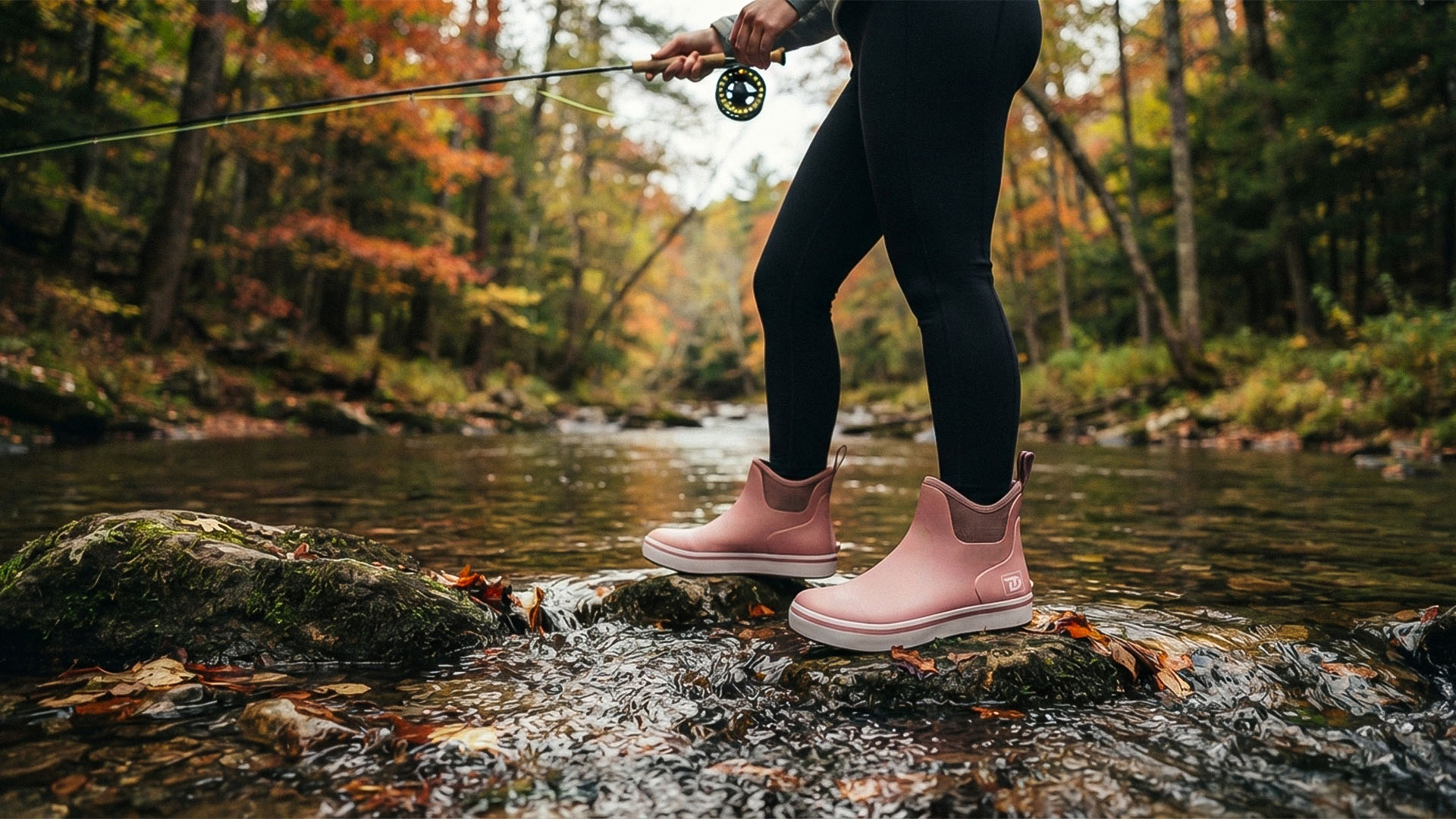
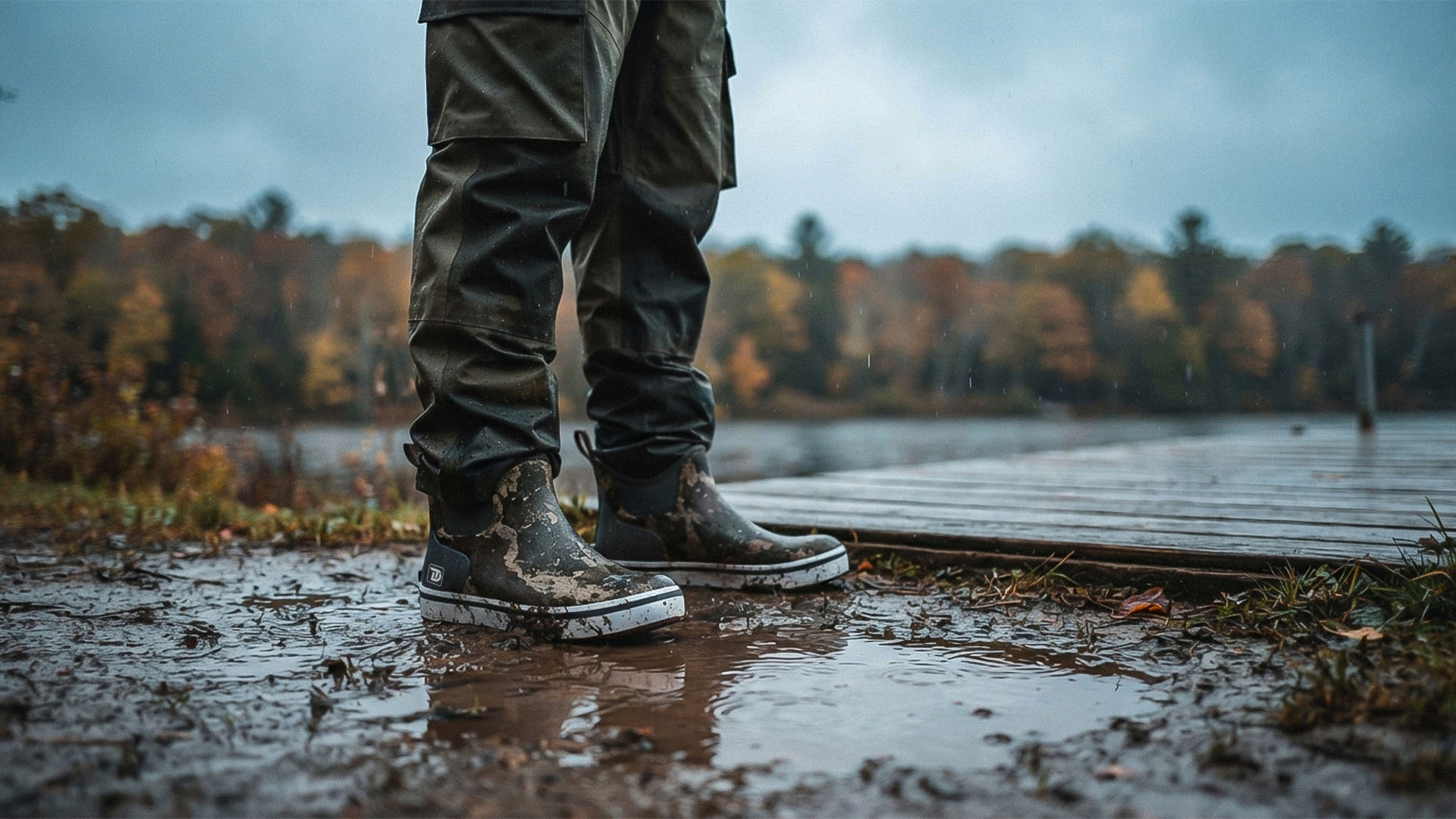
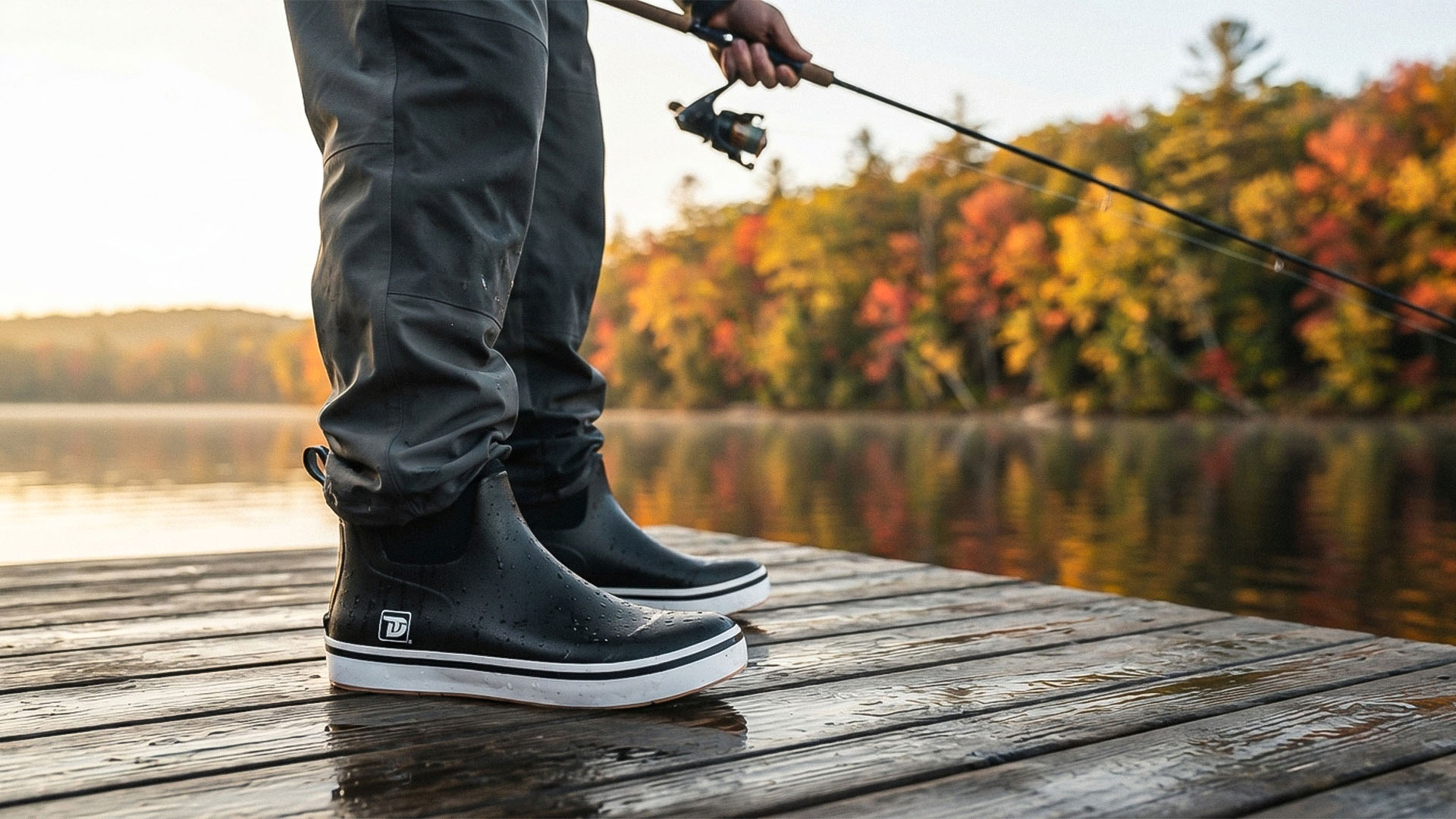
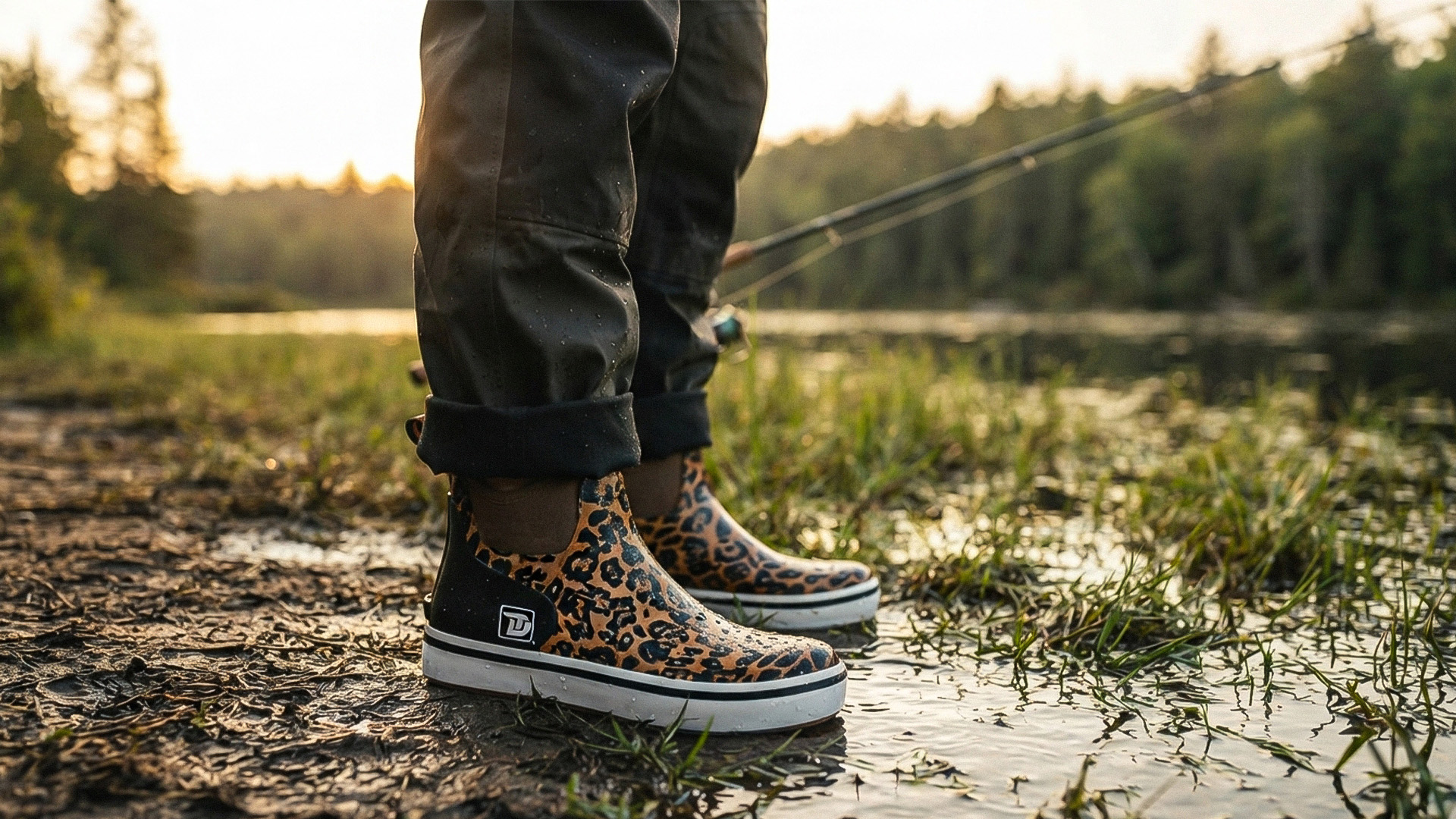
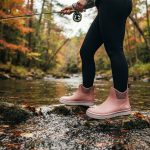
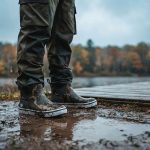
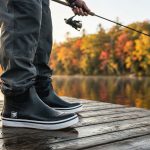
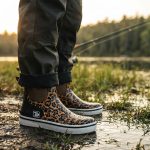
Anglers comparing waterproof fishing footwear can evaluate TruDaveGear deck boots alongside other marine footwear based on fit, outsole design, cushioning, removable insoles, boot height, and overall weight.
Run-and-Gun Fishing Changes Footwear Needs
Run-and-gun fishing refers to repeatedly moving the boat between groups of feeding fish.
A typical sequence may look like this:
- Spot birds or breaking fish.
- Run toward the school.
- Slow down.
- Move quickly into casting position.
- Make several casts.
- Fish disappear.
- Repeat.
Footwear must remain secure throughout these transitions.
Boat Acceleration
When a center console accelerates, anglers may need to brace against:
- Console rails
- Leaning posts
- Gunwales
- Seats
Your feet also help stabilize your body.
A loose boot can shift internally while the boat moves.
A secure heel fit reduces this unnecessary movement.
Sudden Boat Stops
The boat may slow quickly when fish surface nearby.
Anglers often transition from holding on during the run to grabbing rods and moving toward the bow.
Low-profile footwear makes these transitions easier.
Secure Heel Fit
Heel security is one of the most important features for active albie fishing.
Excessive heel movement may create:
- Blisters
- Sock sliding
- Toe gripping
- Reduced stability
- Foot fatigue
Some heel lift is normal in pull-on deck boots, but the foot should remain controlled during quick movement.
Flexible Forefoot
False albacore fishing involves repeated casting.
The forefoot should flex naturally during:
- Weight transfer
- Casting
- Side stepping
- Squatting
- Moving around the console
A very stiff boot may feel tiring after hundreds of casts.
Lightweight Construction
Albie anglers may move around the boat constantly.
Heavy footwear adds unnecessary weight to every step.
Look for a boot that feels light enough for active fishing while still providing stable underfoot support.
Center Console False Albacore Fishing
Center consoles are ideal platforms for chasing surface-feeding fish.
Anglers may move from:
- Bow
- Stern
- Port side
- Starboard side
depending on where the school appears.
A low-profile ankle deck boot works well because it provides protection without restricting movement.
Moving Around the Console
When fish change direction, anglers may need to follow them around the boat.
Footwear should remain predictable during:
- Tight turns
- Side steps
- Stepping around coolers
- Passing rod holders
Loose sandals and oversized boots can become awkward.
Bow Casting
The bow is one of the most common casting positions.
Anglers may stand on:
- Raised casting decks
- Fiberglass platforms
- EVA flooring
Secure, clean footwear is especially important on elevated areas.
Raised Casting Platforms
Before stepping onto a casting platform, make sure your outsole is free from:
- Bait slime
- Fish oil
- Mud
- Sand
A clean tread provides better contact.
Long Casting Sessions
False albacore often require repeated long casts with relatively small lures.
Anglers may cast hundreds of times during a productive day.
That creates repeated stress through:
- Feet
- Ankles
- Knees
- Hips
- Shoulders
Comfortable footwear reduces unnecessary lower-body fatigue.
Stable Cushioning
Look for cushioning that is comfortable but stable.
Very soft foam may feel unstable when the boat moves.
A good deck boot should provide:
- Moderate heel cushioning
- Comfortable forefoot support
- Stable platform
- Natural flex
Casting Metal Jigs
Small metal jigs are among the most common lures for false albacore.
These lures may be cast repeatedly into feeding schools.
Footwear should allow natural weight transfer during the cast.
Metal Jigs on the Deck
Even relatively small metal lures can create hazards if left on walking surfaces.
Keep jigs inside:
- Tackle trays
- Lure holders
- Rod storage
Deck boots are not hook-proof.
Small Treble Hooks
Some albie lures use treble hooks.
Treble hooks should never be left loose on the deck.
A sharp hook can penetrate ordinary recreational footwear.
Closed-toe construction is useful but does not eliminate hook risk.
Single-Hook Lures
Many anglers prefer single-hook presentations for easier fish handling.
Even single hooks remain sharp.
Keep all rigged lures out of walking areas.
Soft Plastics for False Albacore
Soft plastics may also be used when albies are feeding on small bait.
This style often requires fast repeated casting.
A lightweight flexible boot complements that fishing technique well.
Fly Fishing for False Albacore
Some anglers target albies with fly tackle.
Fly fishing creates additional line-management considerations.
Loose fly line may collect around the feet.
Keep the deck as clear as possible.
Footwear cannot compensate for tangled line.
Fly Line and Deck Boots
Aggressive tread may potentially catch or interfere with loose fishing line more than a clean low-profile marine outsole.
Keep excess line organized in:
- Stripping baskets
- Clear deck areas
- Dedicated casting zones
Cape Cod False Albacore Fishing
Cape Cod is strongly associated with seasonal false albacore fishing.
Conditions may include:
- Cool mornings
- Wind
- Spray
- Changing weather
- Long runs between feeding schools
Waterproof ankle boots paired with appropriate socks provide good versatility.
Rhode Island Albie Fishing
Rhode Island anglers may chase albies around:
- Coastal points
- Bays
- Open shoreline waters
- Bait schools
Boat conditions can change quickly as wind increases.
Waterproof deck boots help keep spray away from your socks.
Long Island False Albacore Fishing
Long Island anglers may target albies around:
- South Shore waters
- Montauk
- Inlets
- Nearshore bait schools
Run-and-gun fishing means footwear should prioritize mobility as much as waterproofing.
North Carolina False Albacore Fishing
North Carolina also offers highly regarded false albacore fishing.
Warmer conditions may make lightweight uninsulated footwear especially useful.
During very hot and dry days, breathable fishing shoes may still be more comfortable.
Fall Albie Fishing
False albacore are strongly associated with fall fishing in many Northeast areas.
Fall conditions may include:
- Cool mornings
- Wind
- Rain
- Cold spray
- Wet marina docks
Waterproof deck boots work especially well during this period.
Early Morning Conditions
Many albie trips begin before sunrise.
Docks may be wet from:
- Dew
- Rain
- Tide spray
- Boat washing
Deck boots can prevent your socks from getting wet before the fishing begins.
Wind and Spray
Run-and-gun fishing may expose anglers to more spray because the boat repeatedly runs at speed.
Waterproof footwear helps protect against repeated small splashes.
Rough Water
Albies do not always feed on calm days.
Wind and chop may require anglers to brace constantly.
A secure boot helps the foot move naturally with the body.
Wet Fiberglass
Fiberglass may become slippery from:
- Saltwater
- Fish slime
- Baitfish
- Sunscreen
- Soap
Look for a marine-style outsole with:
- Broad contact
- Flexible rubber
- Water channels
- Stable heel platform
No footwear guarantees traction on a contaminated deck.
Baitfish on the Deck
During active feeding events, small baitfish may occasionally end up aboard.
Baitfish can create:
- Scales
- Slime
- Fish oil
on the deck.
Clean residue quickly.
Fish Oil
Fish oil can drastically reduce friction.
If oily bait reaches your outsole:
- Rinse with fresh water.
- Apply mild soap.
- Brush the tread.
- Rinse completely.
Do not assume tread alone can overcome oily surfaces.
False Albacore Slime
A landed false albacore may leave slime on:
- Deck
- Landing area
- Boots
- Towels
Rinse heavy residue when practical.
Catch-and-Release Fishing
False albacore are often targeted primarily for sport.
Efficient catch-and-release handling helps reduce unnecessary fish stress.
Keep the deck organized before the fish comes aboard.
Do Not Use Your Foot to Control a Fish
Never pin a false albacore with your boot.
Deck boots are not fish-restraint equipment.
Keep hooks and fish away from your feet during handling.
Landing Nets
Wet landing nets bring additional water onto the deck.
Repeated fish handling may keep the cockpit wet for much of the trip.
Waterproof boots handle this environment well.
Boat Washdowns
After active fishing, the deck may need rinsing to remove:
- Fish slime
- Bait scales
- Salt
- Blood or other residue
Deck boots can simply be rinsed along with the working area.
Rainy Albie Fishing
Fall weather may change quickly.
A short shower can completely wet the boat deck.
Waterproof ankle boots become especially practical during these conditions.
Rain Pants and Deck Boots
Keep rain pants outside the boot opening.
This allows rainwater to run down the exterior.
If pants are tucked inside, water may flow directly into the boots.
Best Socks for False Albacore Fishing
Choose moisture-wicking socks made from:
- Synthetic performance fibers
- Merino wool
- Merino-synthetic blends
Avoid cotton.
Cotton retains water and dries slowly.
Warm Fall Days
During warm early-season trips, lightweight performance socks work well.
Cold Fall Mornings
As temperatures drop, medium-weight merino socks may provide more warmth.
Make sure thicker socks do not make the boots too tight.
Spare Socks
Bring an extra dry pair.
Store them inside waterproof packaging.
They are useful if water enters over the boot collar.
Removable Insoles
Removable footbeds provide several benefits:
- Faster drying
- Easier cleaning
- Cushion replacement
- Arch support adjustment
- Better odor control
Take them out after long fishing days.
Foot Sweat Inside Waterproof Boots
Even if no external water enters, waterproof footwear can still become damp from sweat.
Removing the insoles improves drying.
Wide Feet
Wide-foot anglers should choose boots with:
- Adequate forefoot width
- Roomy toe box
- Secure heel
- Comfortable instep
Do not simply choose excessive length.
High Instep
Pull-on boots may feel tight over a high instep.
Look for:
- Adequate internal volume
- Strong pull tabs
- Comfortable entry
- Removable insoles
Persistent pressure indicates poor fit.
Non-Marking Soles
Some boats require non-marking footwear.
Check vessel rules and product specifications.
Non-marking construction and wet traction are separate characteristics.
EVA Decking
Modern center consoles frequently use EVA foam.
Before boarding, remove:
- Gravel
- Shell
- Sand
from boot tread.
Debris can damage softer flooring.
Boat Ramp Conditions
Private-boat anglers may encounter:
- Wet concrete
- Mud
- Sand
- Gravel
Deck boots work well during launching.
Clean the outsole before boarding.
Ramp Algae
Submerged algae can be extremely slippery.
No ordinary deck boot guarantees safe traction on algae.
Move slowly and use handholds when possible.
Deck Boots vs. Fishing Shoes
Deck Boots Are Better For:
- Cool fall weather
- Spray
- Rain
- Wet center consoles
- Fish slime
- Washdowns
Fishing Shoes Are Better For:
- Hot dry weather
- Maximum airflow
- Quick drainage
Deck Boots vs. Sneakers
Sneakers may absorb:
- Saltwater
- Rain
- Fish slime
- Washdown water
Once wet, they may remain uncomfortable for the rest of the trip.
Deck boots are much easier to rinse.
Deck Boots vs. Flip-Flops
Flip-flops provide poor heel security during run-and-gun fishing.
They also provide limited protection around:
- Hooks
- Lures
- Boat hardware
- Wet decks
Closed-toe footwear is much more practical.
Deck Boots vs. Tall Rubber Boots
Tall boots provide more water coverage but add:
- Weight
- Heat
- Bulk
For active false albacore fishing, ankle deck boots usually provide a better balance.
Cleaning False Albacore Slime From Deck Boots
After fishing:
- Rinse boots with fresh water.
- Remove visible fish slime.
- Use mild soap if needed.
- Brush outsole grooves.
- Rinse thoroughly.
- Remove insoles.
- Dry completely.
Cleaning Baitfish Scales
Rinse scales before they dry onto the footwear.
Pay attention to:
- Tread grooves
- Heel
- Toe area
Cleaning Fish Oil
Use mild soap when freshwater alone does not remove oily residue.
Brush tread grooves thoroughly.
Residual oil may reduce traction during the next trip.
Saltwater Care
After every coastal trip:
- Rinse the upper
- Clean the outsole
- Rinse pull tabs
- Clean the collar
- Remove fish residue
Routine freshwater rinsing helps reduce salt buildup.
Drying Deck Boots
Remove insoles and use gentle airflow.
Avoid:
- Clothes dryers
- Heat guns
- Open flames
- Extreme heaters
High heat may damage waterproof materials, foam, or adhesives.
Odor Prevention
Albie fishing boots may develop odor from:
- Fish slime
- Baitfish oil
- Sweat
- Damp storage
Prevent odor by:
- Cleaning promptly
- Removing insoles
- Drying fully
- Storing boots with ventilation
Clean Shoes for the Drive Home
Bring separate driving shoes.
Store wet boots in:
- Rubber boot tray
- Plastic tote
- Washable cargo bin
This keeps fish residue and saltwater away from the vehicle interior.
Best Deck Boot Features for False Albacore Fishing
Look for:
Lightweight Waterproof Construction
Ideal for active run-and-gun fishing.
Ankle Height
Provides water protection without excessive bulk.
Secure Heel
Critical during repeated boat movement.
Flexible Forefoot
Supports hundreds of casts and quick repositioning.
Stable Marine Outsole
Useful on wet center-console decks.
Comfortable Cushioning
Important during long searching periods.
Removable Insoles
Improves drying and support.
Easy-Clean Exterior
Useful around baitfish scales, oil, and fish slime.
False Albacore Fishing Footwear Checklist
Before fishing:
- Check weather
- Inspect tread
- Confirm boots are dry
- Wear moisture-wicking socks
- Pack spare socks
- Secure metal jigs
- Organize hooks
- Keep casting areas clear
- Bring rain gear
After fishing:
- Rinse saltwater
- Remove baitfish scales
- Clean fish oil
- Remove slime
- Brush tread
- Remove insoles
- Dry completely
Common False Albacore Fishing Footwear Mistakes
Wearing Heavy Boots During Run-and-Gun Fishing
Extra weight creates unnecessary fatigue.
Wearing Flip-Flops During Fast Boat Movement
Poor heel security makes quick repositioning more difficult.
Wearing Cotton Socks
Cotton retains water and dries slowly.
Buying Boots Too Loose
Loose footwear reduces control during repeated boat acceleration and casting.
Leaving Metal Jigs on the Deck
Standard deck boots are not hook-proof or impact-rated.
Ignoring Baitfish Oil
Fish oil can significantly reduce traction.
Leaving Loose Fishing Line Around Your Feet
Footwear cannot compensate for tangled line.
Using Your Boot to Control a Fish
Deck boots are not fish-handling equipment.
Tucking Rain Pants Inside Boots
Water may run directly inside.
Leaving Wet Boots Sealed After the Trip
Odor and moisture can build quickly.
Final Thoughts
False albacore fishing combines high-speed boat movement, repeated casting, surface-feeding fish, wet center consoles, baitfish oil, changing fall weather, and some of the fastest fights available on light saltwater tackle.
For most boat-based anglers, lightweight waterproof ankle deck boots provide an excellent balance of dry-foot protection, mobility, secure movement, and easy cleaning.
Choose boots with a stable marine outsole, secure heel, flexible forefoot, removable insoles, and enough cushioning for hours spent searching and casting.
Wear synthetic or merino-blend moisture-wicking socks instead of cotton.
Keep metal jigs, hooks, fly line, baitfish residue, and other gear away from primary walking areas.
Pay particular attention to fit.
False albacore fishing involves more rapid movement than many other boat-fishing styles, so oversized or loose boots can become especially noticeable.
Standard recreational deck boots are not hook-proof, impact-rated, or specialized fish-handling footwear.
During extremely hot and dry conditions, breathable fishing shoes may still be more comfortable.
But when the boat is running hard between breaking schools, spray is coming over the bow, the deck is wet, and fish suddenly erupt fifty yards ahead, lightweight waterproof deck boots become one of the most practical footwear choices onboard.
After fishing, rinse saltwater, scales, fish oil, and slime, brush the tread, remove the insoles, and allow everything to dry completely.
The right false albacore fishing footwear should stay out of your mind while you focus on birds, bait size, surface feeds, boat positioning, casting accuracy, and that first blistering run after an albie eats your lure.
Frequently Asked Questions
Are deck boots good for false albacore fishing?
Yes. They are especially useful for run-and-gun boat fishing involving wet decks, spray, fall weather, fish slime, and repeated movement.
What boots should I wear for albie fishing?
Lightweight waterproof ankle deck boots are a practical choice for most boat-based false albacore trips.
Are deck boots good for Cape Cod false albacore fishing?
Yes. Waterproof ankle boots paired with weather-appropriate socks work well during cool, wet fall conditions.
Are deck boots good for Long Island albie fishing?
Yes. They provide useful protection from spray, rain, wet decks, and baitfish residue.
Are deck boots good for North Carolina false albacore fishing?
Yes. Lightweight uninsulated models work particularly well during warmer coastal conditions.
Are deck boots good for run-and-gun fishing?
Yes. Choose a lightweight model with a secure heel and flexible forefoot.
Are deck boots good for casting metal jigs?
Yes. Forefoot flexibility and secure fit help during repeated casting.
What socks should I wear for false albacore fishing?
Wear synthetic, merino wool, or merino-blend moisture-wicking socks. Avoid cotton.
Are deck boots good for fly fishing for albies?
Yes on boats, although anglers should also manage loose fly line carefully to prevent tangles around footwear.
Are deck boots hook-proof?
No. Metal jigs, treble hooks, and other tackle can penetrate ordinary recreational footwear.
Can baitfish oil make deck boots slippery?
Yes. Fish oil can significantly reduce traction, so clean the outsole promptly.
Are ankle deck boots tall enough for albie fishing?
For most recreational center consoles and bay boats, yes.
Are deck boots too hot for early-season albie fishing?
Heavy insulated boots can be, but lightweight uninsulated ankle boots are much more versatile.
Should rain pants go inside or outside deck boots?
Outside. Let the pant leg overlap the boot opening so water runs down the exterior.
How do I clean false albacore slime from deck boots?
Rinse with fresh water, use mild soap if necessary, brush the outsole, remove the insoles, and dry completely.
How do I remove baitfish oil from deck boots?
Rinse promptly, apply mild soap, brush the tread grooves thoroughly, rinse clean, and air dry.
How should false albacore fishing deck boots fit?
They should keep the heel secure while allowing enough toe room for repeated casting, quick movement, and long fishing days.
What is the biggest footwear mistake in false albacore fishing?
Wearing heavy, loose, open, or absorbent footwear during fast run-and-gun fishing—or failing to keep baitfish oil, hooks, and loose line away from the working deck—is one of the most common mistakes.