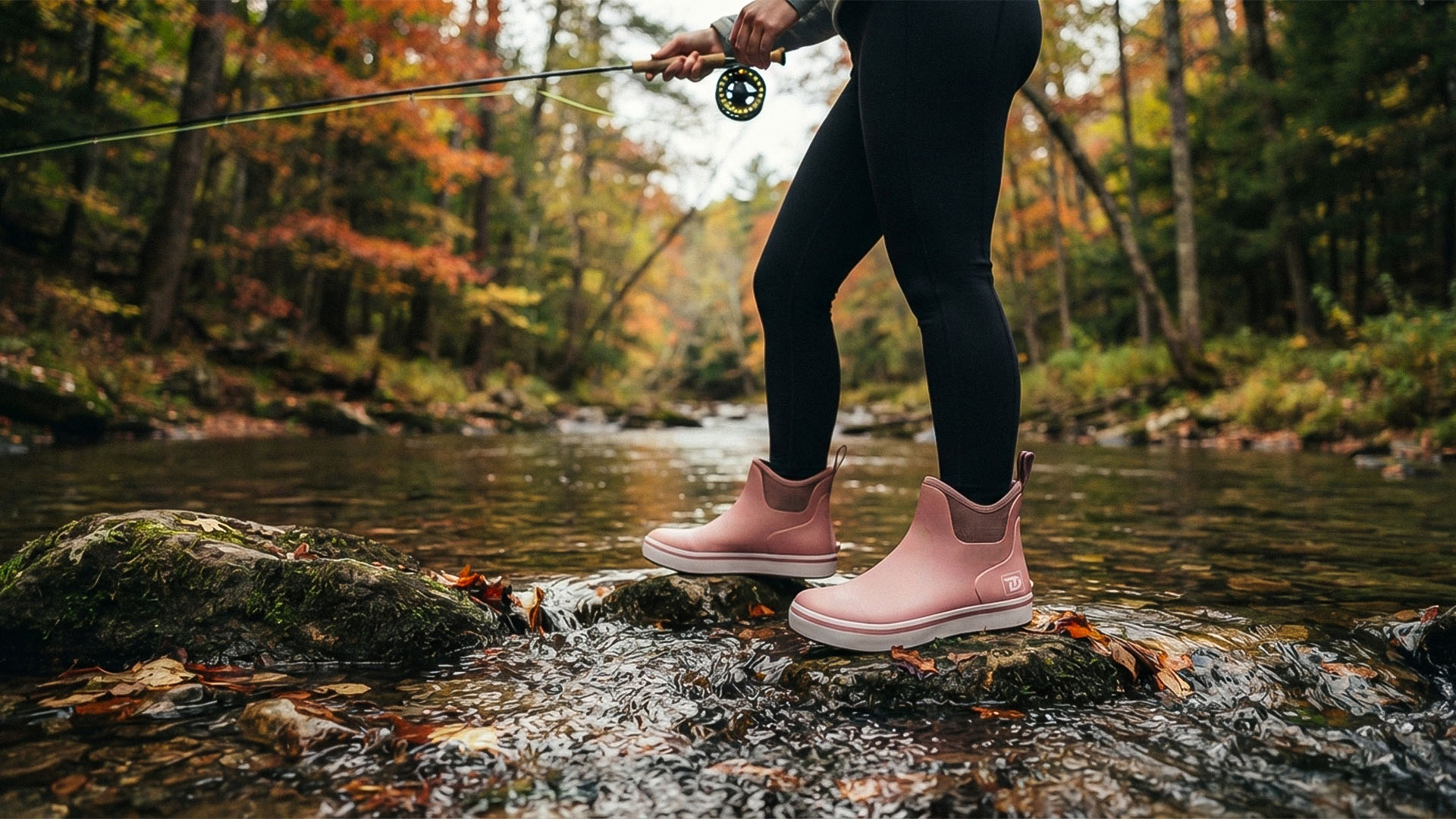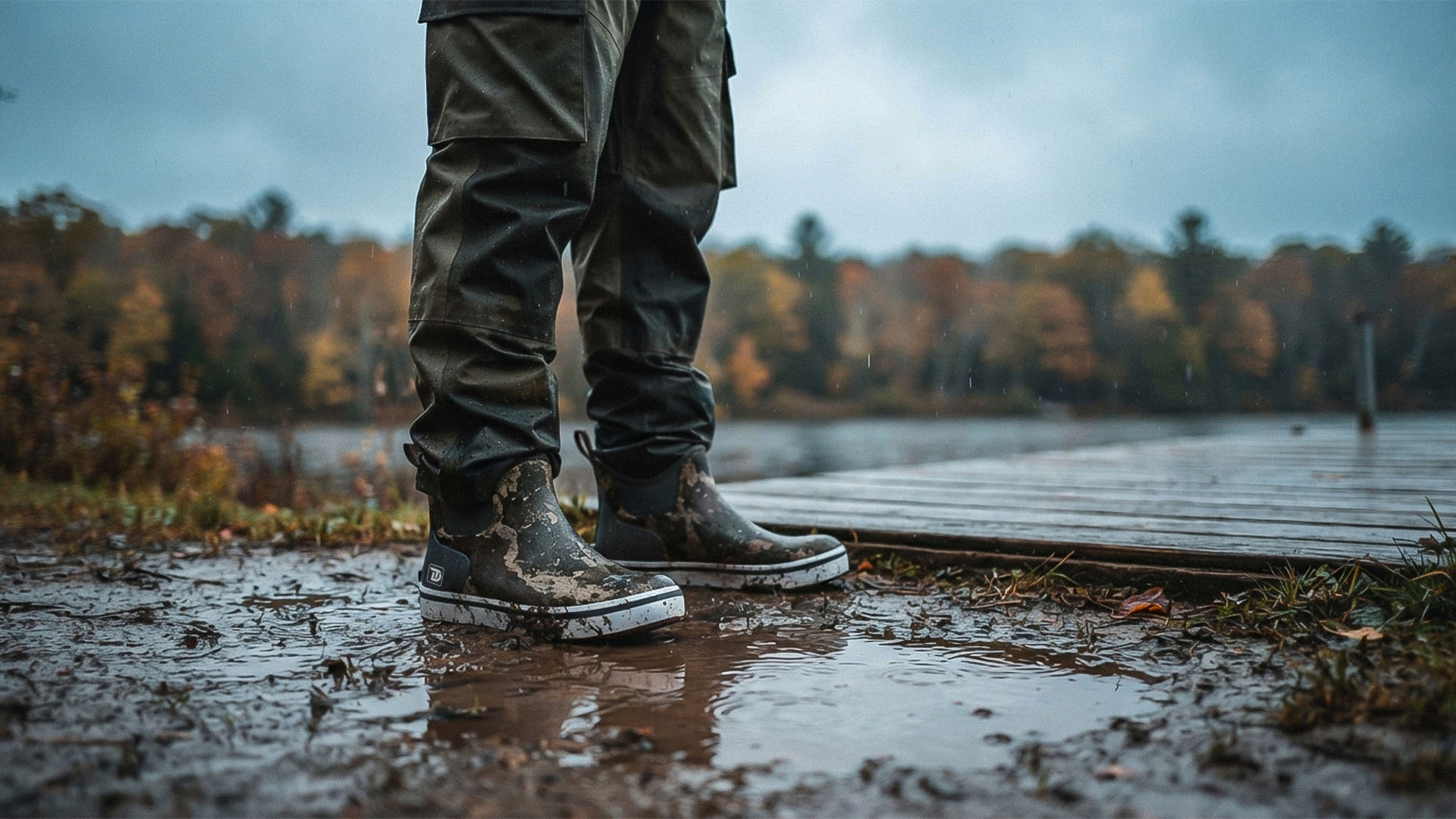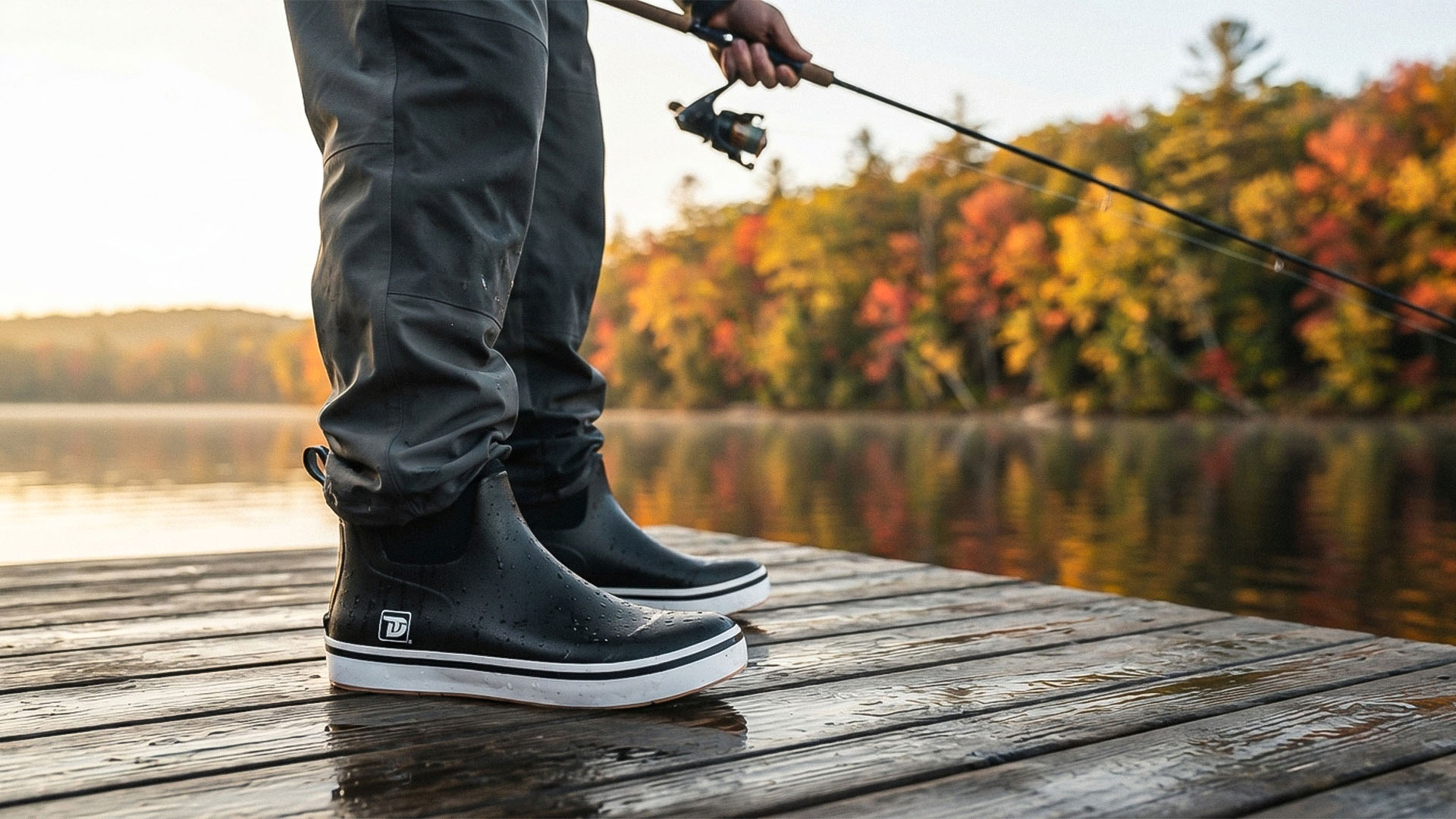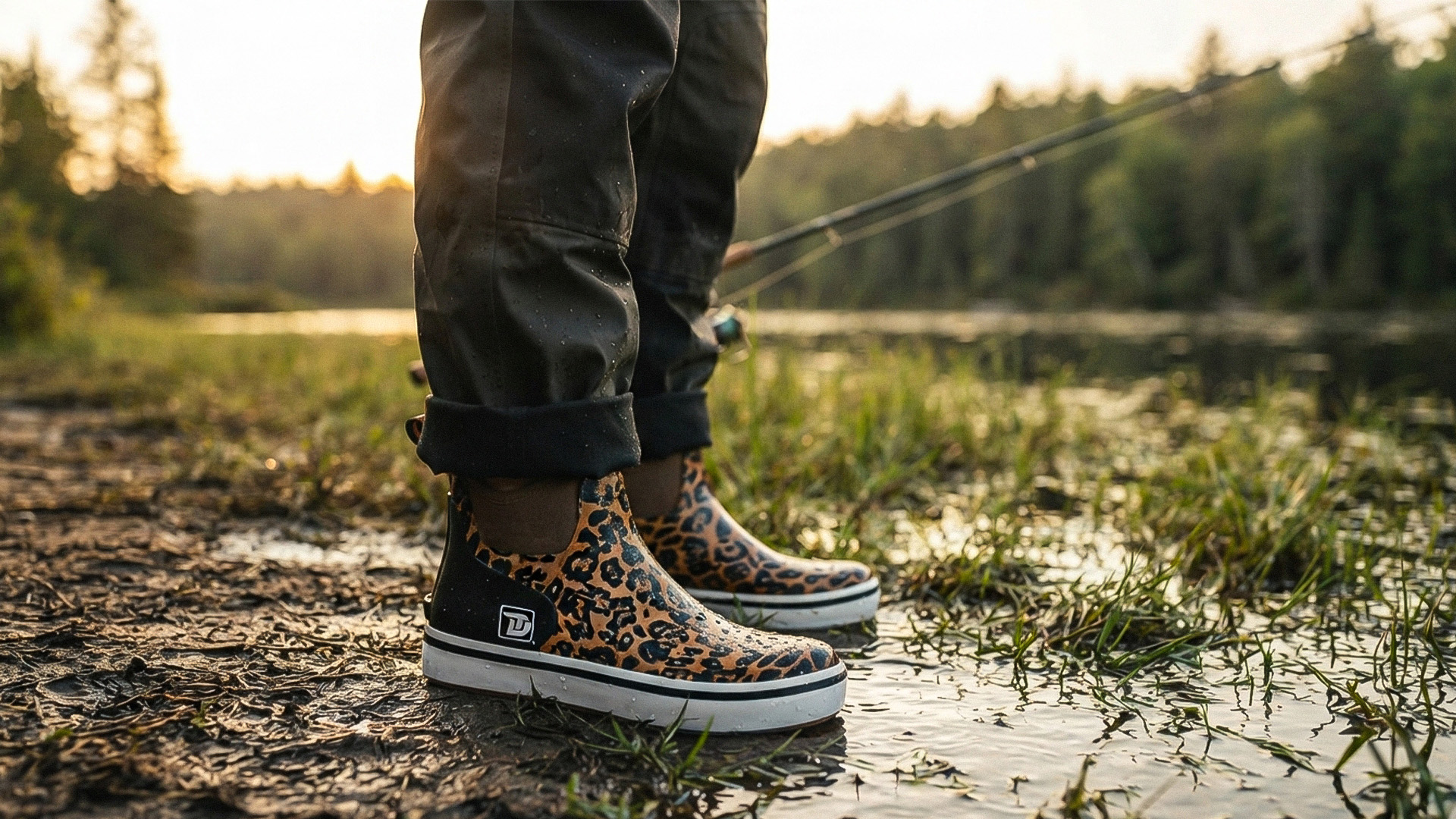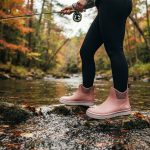
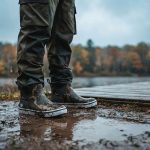
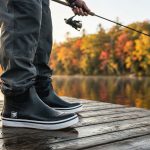
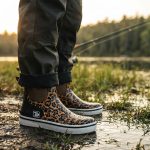
Vermilion snapper fishing puts anglers in the middle of a classic offshore bottom-fishing environment.
Often called beeliners by Gulf Coast anglers, vermilion snapper are commonly targeted around offshore reefs, wrecks, ledges, hard bottom, and other structure.
A typical trip may include:
- Long offshore runs
- Natural bait
- Bottom rigs
- Wet fiberglass
- Saltwater spray
- Fish slime
- Cooler drainage
- Rain
- Repeated deck washdowns
Although vermilion snapper are generally smaller than species such as greater amberjack or large red snapper, the footwear conditions are often nearly identical.
The boat stays wet.
Bait gets messy.
Anglers may stand for hours.
Hooks and sinkers remain close to walking areas.
For most recreational anglers, lightweight waterproof ankle deck boots provide an excellent balance of water protection, stability, easy cleaning, and warm-weather comfort.
This guide explains how to choose deck boots for vermilion snapper fishing, what features matter most during Gulf Coast reef trips, and why fit, outsole design, cushioning, bait cleanup, and warm-weather performance all deserve attention.
Why Vermilion Snapper Fishing Is Hard on Footwear
Bottom-fishing boats rarely stay completely dry.
Your footwear may encounter:
- Saltwater
- Bait water
- Fish slime
- Fish scales
- Blood
- Rain
- Ice melt
- Washdown water
Even when the weather is sunny, natural bait and fish handling can keep the cockpit wet.
Fabric sneakers may absorb this moisture throughout the day.
Waterproof deck boots prevent that repeated exposure from reaching your socks.
Why Deck Boots Work Well for Vermilion Snapper Fishing
Deck boots provide several useful advantages:
- Waterproof construction
- Closed-toe coverage
- Easy-clean exterior
- Marine-focused traction
- Comfortable standing support
- Quick pull-on convenience
They work especially well on center consoles, charter boats, party boats, private reef-fishing boats, and offshore bottom-fishing vessels.
Anglers comparing marine footwear can evaluate TruDaveGear deck boots alongside other options based on outsole design, fit, cushioning, weight, removable insoles, and expected fishing conditions.
Gulf of Mexico Vermilion Snapper Fishing
The Gulf of Mexico provides extensive reef and bottom-fishing opportunities.
Vermilion snapper may be encountered on trips leaving from areas along:
- Florida
- Alabama
- Mississippi
- Louisiana
- Other Gulf Coast ports
These fisheries often combine warm temperatures with wet working decks.
That makes lightweight uninsulated footwear particularly practical.
Florida Vermilion Snapper Fishing
Florida offshore anglers may encounter vermilion snapper around:
- Reefs
- Wrecks
- Hard bottom
- Offshore ledges
Warm conditions generally favor deck boots with:
- Ankle height
- Lightweight construction
- Uninsulated design
- Removable insoles
Heavy winter-style rubber boots may create unnecessary heat.
Alabama Vermilion Snapper Fishing
Alabama’s offshore fishing culture includes extensive reef fishing.
A typical trip may involve several bottom species, meaning anglers frequently handle:
- Bait
- Fish
- Sinkers
- Hooks
- Coolers
Waterproof closed-toe footwear is well suited to this environment.
Louisiana Vermilion Snapper Fishing
Louisiana anglers may travel offshore for mixed-species bottom fishing.
Long runs make comfort especially important.
A boot that fits poorly may become noticeable before the first bait reaches the bottom.
Choose footwear that supports both boat travel and fishing.
Reef Fishing for Vermilion Snapper
Reef fishing usually involves long periods of vertical or near-vertical presentations.
Anglers may spend hours:
- Dropping bait
- Feeling bottom
- Monitoring bites
- Reeling fish
- Rebaiting
- Repeating the process
Underfoot comfort matters.
Long Periods of Standing
Standing on hard fiberglass for several hours creates pressure around:
- Heels
- Arches
- Forefoot
- Knees
Look for a boot with stable cushioning.
An extremely thin footbed may become tiring during a full-day trip.
Stable Cushioning vs. Soft Cushioning
The softest boot is not always the most comfortable on a moving boat.
Very soft foam can feel unstable when the deck rolls.
A better fishing footbed generally combines:
- Moderate cushioning
- Stable heel support
- Natural forefoot movement
- Secure fit
Bottom Fishing and Boat Movement
The boat rarely stays perfectly still.
Wind, current, swell, and passing wakes create constant movement.
Your feet make hundreds of small adjustments throughout the day.
A secure boot reduces unnecessary sliding inside the footwear.
Secure Heel Fit
Some heel lift is normal in pull-on deck boots.
Excessive heel movement can cause:
- Blisters
- Sock sliding
- Toe gripping
- Foot fatigue
The boot should stay reasonably secure when you turn, side-step, squat, and walk around the cockpit.
Flexible Forefoot
A moderately flexible forefoot helps with:
- Moving around the boat
- Squatting
- Rebaiting
- Fighting fish
- Stepping around coolers and tackle
Extremely stiff work-style boots may feel unnecessarily restrictive.
Toe Room
Long fishing trips can cause mild foot swelling.
Choose enough toe space for:
- Natural movement
- Fishing socks
- Extended standing
Do not size down aggressively just to reduce heel lift.
Natural Bait Fishing
Vermilion snapper are commonly targeted during bait-oriented bottom-fishing trips.
Bait handling may introduce:
- Water
- Fish oil
- Slime
- Scales
- Strong odor
onto the deck.
This is one of the strongest reasons to choose easy-clean waterproof footwear.
Squid Bait
Squid is frequently associated with offshore bottom fishing.
It may leave:
- Slime
- Ink
- Water
- Organic residue
around bait stations.
Waterproof boots can be rinsed quickly after the trip.
Cut Fish Bait
Cut bait can introduce fish oil to the deck.
Fish oil deserves particular attention because it can reduce traction on both:
- Boat flooring
- Boot tread
Clean oily residue promptly.
Bait Oil and Outsole Performance
A good outsole cannot provide reliable grip when heavily coated with fish oil.
If oily bait reaches your boots:
- Rinse them with fresh water.
- Apply mild soap.
- Brush the tread grooves.
- Rinse thoroughly.
- Air dry completely.
Keeping tread clean is part of maintaining traction.
Fish Scales
Small fish scales may become trapped in outsole grooves.
During productive fishing, they can accumulate around:
- Coolers
- Bait stations
- Fish boxes
- Boots
Rinse tread regularly.
Vermilion Snapper Slime
Fish slime may spread across the landing area.
If it reaches the outsole, traction can decrease.
Rinse heavy slime whenever practical.
No fishing boot performs well on a surface covered in biological residue.
Fish Blood
Harvested fish may create blood around:
- Coolers
- Fish boxes
- Deck areas
Waterproof boots make cleanup easier.
Rinse blood promptly to reduce slickness, staining, and odor.
Sharp Fish Spines
Snapper have fins and spines that deserve careful handling.
Do not use your boot to pin or restrain a landed fish.
Standard deck boots are not puncture-resistant fish-handling equipment.
Hooks Around the Deck
Bottom-fishing rigs use sharp hooks.
Standard recreational deck boots are not hook-proof.
Keep hooks inside:
- Tackle trays
- Rig holders
- Bait stations
- Rod storage
Do not leave baited rigs on walking surfaces.
Multiple-Hook Rigs
Depending on fishing method and local rules, some offshore rigs may involve multiple hooks.
More hooks mean more opportunities for tackle to become tangled around the deck.
Keep rigs controlled before moving around the cockpit.
Sinkers and Bottom-Fishing Weights
Current and depth may require heavier weights.
Dropped sinkers can injure feet.
Deck boots provide ordinary closed-toe coverage but are not impact-rated safety footwear.
Store weights in secure containers.
Do Not Leave Sinkers Rolling on Deck
Boat movement can cause loose sinkers to roll unexpectedly.
Use:
- Weight trays
- Buckets
- Tackle bins
- Dedicated storage
Keeping the deck clear matters more than relying on footwear for protection.
Charter Vermilion Snapper Fishing
Charter fishing is a common way for recreational anglers to access offshore reefs.
Before boarding, ask:
- Are waterproof boots recommended?
- Are non-marking soles required?
- Will natural bait be used?
- How wet does the deck normally get?
Always follow the captain’s rules.
Party Boat Bottom Fishing
Party boats create another strong use case for deck boots.
Shared decks may contain:
- Hooks
- Sinkers
- Bait
- Fish
- Water
- Buckets
Closed-toe waterproof footwear is generally much more practical than open sandals.
Party Boat Washdowns
Crews may rinse fishing areas repeatedly.
Mesh shoes can become completely saturated.
Waterproof deck boots handle hose water much better.
Wet Fiberglass
Fiberglass decks may become slick from:
- Saltwater
- Fish slime
- Bait oil
- Sunscreen
- Soap
- Blood
Look for a marine-focused outsole with broad surface contact and water-channeling tread.
However, deck cleanliness remains critical.
Sunscreen and Deck Safety
Gulf Coast offshore fishing means strong sun exposure.
Sunscreen is important.
Spilled sunscreen can also make fiberglass extremely slick.
Clean spills quickly.
No outsole can overcome a heavily contaminated surface.
Aluminum Fishing Decks
Some vessels use aluminum surfaces.
Wet aluminum may become slippery.
Keep tread free from:
- Mud
- Fish oil
- Slime
- Sand
Clean outsoles provide more predictable contact.
EVA Boat Flooring
EVA foam may improve comfort during long standing periods.
Before stepping aboard, inspect the outsole for:
- Gravel
- Shell
- Sand clumps
Debris can damage softer boat flooring.
Long Offshore Runs
Reef trips may require significant travel.
During the run, anglers may sit, stand, or brace against waves.
Footwear should remain comfortable before fishing even begins.
Rough-Water Conditions
Offshore weather may produce:
- Swell
- Chop
- Boat roll
- Spray
A secure boot helps your foot and footwear move together.
Oversized boots become more noticeable as sea conditions worsen.
Warm Gulf Coast Weather
Vermilion snapper fishing often takes place in warm conditions.
Choose:
- Lightweight construction
- Uninsulated design
- Ankle height
- Moisture-wicking socks
Avoid heavy insulation unless temperatures genuinely require it.
Are Deck Boots Too Hot for Vermilion Snapper Fishing?
Some are.
Tall or heavily insulated models can become uncomfortable in Gulf Coast heat.
Lightweight ankle deck boots are usually much better suited to recreational reef fishing.
During extremely hot and dry trips, breathable fishing shoes may still provide better ventilation.
Best Socks for Vermilion Snapper Fishing
Good choices include:
- Lightweight synthetic socks
- Lightweight merino socks
- Merino-synthetic blends
Avoid cotton.
Cotton absorbs moisture and dries slowly.
Crew Socks
Crew-height socks work well with ankle deck boots.
They help reduce:
- Collar rubbing
- Heel irritation
- Blisters
Spare Socks
Keep a backup pair in waterproof storage.
They are useful after:
- Heavy rain
- Spray
- Water entering over the boot opening
- Excessive sweating
Rain During Offshore Trips
Gulf weather can change quickly.
Waterproof boots become more valuable when:
- Rain starts
- Wind increases
- Spray enters the cockpit
Rain Pants and Deck Boots
Keep rain pants outside the boot opening.
This allows water to run down the exterior.
Tucking rain pants into the boots may funnel rain directly inside.
Cooler and Fish-Box Drainage
Successful bottom-fishing trips may produce significant amounts of ice and fish-box water.
Deck boots keep this moisture away from your socks.
Boat Washdowns
After bait and fish handling, the crew may rinse the entire cockpit.
Waterproof deck boots can simply be rinsed along with the boat.
That easy-clean convenience is one of their biggest advantages.
Non-Marking Soles
Some vessels require non-marking footwear.
Check product specifications and boat requirements.
Non-marking construction and wet traction are separate characteristics.
Marina Docks
Offshore trips often start early.
Docks may be wet from:
- Dew
- Rain
- Boat cleaning
- Tide spray
Deck boots help keep feet dry before leaving the marina.
Boat Ramp Conditions
Private-boat anglers may encounter:
- Wet concrete
- Mud
- Sand
- Gravel
Deck boots work well around launch areas.
Clean the tread before stepping aboard.
Ramp Algae
Submerged ramps can become extremely slippery from algae.
No deck boot guarantees traction on algae-covered concrete.
Move slowly and use handholds when possible.
Removable Insoles
Removable footbeds improve:
- Drying
- Odor control
- Cushion replacement
- Support adjustment
- Cleaning
Take them out after each fishing trip.
Even if outside water never enters, sweat may accumulate underneath.
Wide Feet
Wide-foot anglers should prioritize:
- Proper forefoot width
- Roomy toe box
- Secure heel
- Adequate instep space
Do not simply purchase an excessively long size.
High Instep
Pull-on deck boots may feel tight across high insteps.
Look for:
- Adequate internal volume
- Comfortable opening
- Strong pull tabs
- Removable insoles
Pain or numbness indicates poor fit.
Deck Boots vs. Fishing Shoes
Deck Boots Are Better For:
- Wet reef boats
- Natural bait
- Rain
- Fish slime
- Washdowns
- Fish-box drainage
Fishing Shoes Are Better For:
- Extremely hot dry days
- Maximum airflow
- Quick drainage
Both options can be useful depending on weather.
Deck Boots vs. Sneakers
Sneakers may absorb:
- Saltwater
- Squid water
- Fish slime
- Rain
- Washdown water
Once wet, they may stay uncomfortable for the rest of the trip.
Deck boots are easier to rinse.
Deck Boots vs. Flip-Flops
Flip-flops provide limited protection around:
- Hooks
- Sinkers
- Fish spines
- Wet decks
They also provide poor heel security.
Closed-toe footwear is more practical for serious bottom fishing.
Deck Boots vs. Tall Rubber Boots
Tall rubber boots offer more water coverage but add:
- Heat
- Weight
- Bulk
For most recreational vermilion snapper fishing, ankle deck boots provide enough protection.
Cleaning Vermilion Snapper Slime
After fishing:
- Rinse boots with fresh water.
- Remove visible slime.
- Use mild soap when needed.
- Brush the outsole.
- Rinse thoroughly.
- Remove insoles.
- Dry completely.
Cleaning Squid Residue
Rinse squid slime before it dries.
Pay attention to:
- Toe area
- Heel
- Sidewalls
- Tread grooves
Prompt cleaning helps control odor.
Cleaning Fish Oil
Fish oil may require mild soap.
Brush tread grooves thoroughly.
Residual oil can affect traction on the next trip.
Saltwater Care
After every offshore trip:
- Rinse the upper
- Clean outsole grooves
- Rinse pull tabs
- Clean the collar
- Remove bait residue
Routine freshwater rinsing helps reduce salt buildup.
Drying Deck Boots
Use gentle airflow.
Remove the insoles and dry them separately.
Avoid:
- Clothes dryers
- Heat guns
- Open flames
- Extreme heaters
High temperatures may damage waterproof materials, foam, and adhesives.
Odor Prevention
Vermilion snapper fishing boots may develop odor from:
- Squid
- Cut bait
- Fish slime
- Sweat
- Damp storage
Prevent odor by:
- Cleaning promptly
- Removing insoles
- Drying completely
- Avoiding sealed wet storage
Clean Shoes for the Drive Home
Bring separate driving shoes.
Store dirty fishing boots in:
- Rubber boot tray
- Plastic tote
- Washable cargo bin
This keeps bait and fish residue away from your vehicle.
Best Deck Boot Features for Vermilion Snapper Fishing
Look for:
Lightweight Waterproof Construction
Useful for wet offshore reef conditions.
Uninsulated Design
Better for Gulf Coast temperatures.
Ankle Height
Provides protection without excessive heat.
Stable Marine Outsole
Important on wet fiberglass and aluminum.
Secure Heel
Improves balance on moving boats.
Flexible Forefoot
Allows natural movement around the cockpit.
Comfortable Cushioning
Important during long bottom-fishing sessions.
Removable Insoles
Improves drying and support.
Easy-Clean Exterior
Especially useful around squid, fish oil, slime, and blood.
Vermilion Snapper Fishing Footwear Checklist
Before fishing:
- Check offshore weather
- Inspect outsole tread
- Confirm boots are dry
- Wear moisture-wicking socks
- Pack spare socks
- Organize hooks
- Secure sinkers
- Prepare bait storage
- Bring rain gear
- Check charter footwear requirements
After fishing:
- Rinse saltwater
- Clean squid residue
- Remove bait oil
- Remove fish slime
- Clean tread
- Remove insoles
- Dry completely
Common Vermilion Snapper Fishing Footwear Mistakes
Wearing Flip-Flops Around Bottom-Fishing Gear
Open footwear provides limited protection and heel stability.
Wearing Cotton Socks
Cotton holds moisture and dries slowly.
Wearing Heavy Insulated Boots in Gulf Coast Heat
They create unnecessary heat and fatigue.
Buying Boots Too Loose
Loose footwear reduces stability on moving boats.
Leaving Hooks on the Deck
Standard deck boots are not hook-proof.
Leaving Sinkers Loose Around Your Feet
Deck boots are not impact-rated safety footwear.
Ignoring Fish Oil in the Tread
Oil can reduce traction significantly.
Leaving Fish Slime on the Deck
Even high-quality marine tread can slip on contaminated surfaces.
Tucking Rain Pants Inside Boots
Water may flow directly into the boot opening.
Leaving Bait-Contaminated Boots in a Hot Vehicle
Odor can become extremely strong.
Final Thoughts
Vermilion snapper fishing combines reef structure, natural bait, long periods of standing, wet offshore boats, hooks, sinkers, fish slime, and warm Gulf Coast weather.
For most recreational anglers, lightweight uninsulated ankle deck boots provide an excellent balance of waterproof protection, secure movement, easy maintenance, and all-day comfort.
Choose boots with a stable marine outsole, secure heel, flexible forefoot, removable insoles, and enough cushioning for long bottom-fishing sessions.
Wear lightweight synthetic or merino-blend moisture-wicking socks rather than cotton.
Keep hooks, sinkers, bait containers, and fish-handling equipment organized away from walking areas.
Pay particular attention to bait oil and fish slime because contaminated tread can reduce wet-deck traction regardless of outsole quality.
Standard recreational deck boots are not hook-proof, puncture-resistant, or impact-rated safety footwear.
During extremely hot and completely dry conditions, breathable fishing shoes may still be more comfortable.
But when squid is being cut, fish are coming over the rail, cooler water is draining across the cockpit, and the washdown hose comes out, waterproof deck boots become one of the most practical footwear choices on the boat.
After fishing, rinse saltwater, bait residue, fish oil, scales, slime, and blood, brush the tread carefully, remove the insoles, and allow everything to dry completely.
The right vermilion snapper fishing footwear should stay out of your mind while you focus on depth, reef structure, current, bait presentation, bite detection, and filling another productive Gulf Coast bottom-fishing day.
Frequently Asked Questions
Are deck boots good for vermilion snapper fishing?
Yes. They are especially useful for offshore reef fishing involving wet decks, natural bait, fish slime, spray, and washdowns.
What boots should I wear for Gulf Coast vermilion snapper fishing?
Lightweight uninsulated ankle deck boots are a practical choice for most recreational offshore trips.
Are deck boots good for Florida vermilion snapper fishing?
Yes. Waterproof ankle deck boots work well around wet reef-fishing boats without the heat of heavy insulated footwear.
Are deck boots good for Alabama reef fishing?
Yes. They provide useful water protection and easy cleanup during bait-heavy bottom-fishing trips.
Are deck boots good for bottom fishing?
Yes. Choose boots with stable cushioning, secure heel fit, and enough toe room for extended standing.
Are deck boots good for squid bait fishing?
Yes. Waterproof easy-clean footwear is especially practical around squid water, slime, and bait residue.
What socks should I wear with vermilion snapper deck boots?
Wear lightweight synthetic or merino-blend moisture-wicking socks. Avoid cotton.
Are deck boots too hot for Gulf Coast fishing?
Heavy insulated boots can be, but lightweight uninsulated ankle models are much more suitable.
Are deck boots good for charter fishing?
Yes. Check the captain’s footwear requirements before boarding, especially regarding non-marking soles.
Are deck boots hook-proof?
No. Bottom-fishing hooks can penetrate ordinary recreational footwear.
Can deck boots protect against dropped sinkers?
They provide basic closed-toe coverage but are not impact-rated safety footwear.
Can fish oil make deck boots slippery?
Yes. Bait oil can significantly reduce traction, so clean both the outsole and deck promptly.
Are ankle deck boots tall enough for vermilion snapper fishing?
For most recreational reef-fishing boats, yes.
Should rain pants go inside or outside deck boots?
Outside. Let the pant leg overlap the boot opening so water runs down the exterior.
How do I clean squid smell from deck boots?
Rinse promptly with fresh water, use mild soap if needed, brush the tread, remove the insoles, and allow everything to dry completely.
How do I clean vermilion snapper slime from deck boots?
Rinse with fresh water, brush affected areas and tread grooves, use mild soap when necessary, remove the insoles, and dry fully.
How should vermilion snapper fishing deck boots fit?
They should hold the heel securely while providing enough toe room for long periods of standing and natural boat movement.
What is the biggest footwear mistake in vermilion snapper fishing?
Wearing loose, open, absorbent, or heavily insulated footwear around wet reef boats, hooks, sinkers, bait oil, and fish slime—or failing to keep the outsole clean—is one of the most common mistakes.